

Gardening is full of delightful surprises—and sometimes head-scratching mysteries—especially when plants start swapping pollen behind your back! Cross-pollination occurs when pollen from one variety fertilizes the flowers of another, leading to seeds that sprout offspring with mixed traits. Whether you’re saving seeds to preserve a cherished variety or experimenting with novel hybrids, knowing which plants freely cross in your garden can save you from unexpected flavors, shapes, or colors next season. Trust me, I’ve learned the hard way: nothing beats the thrill of a new hybrid, but it’s such a bummer when your heirloom tomatoes morph into oddballs you didn’t plan for!
I still remember the first time my kale tasted a bit too…pumpkiny! From that moment on, I became a pollen detective, mapping out which crops need isolation and which I can mingle to spark creative crosses. Below are 14 common garden plants that readily interbreed—use this guide to keep your seed lines true or to concoct your very own botanical mash-ups. Let’s dive in and celebrate the busy world of pollinators together!
Cucumber
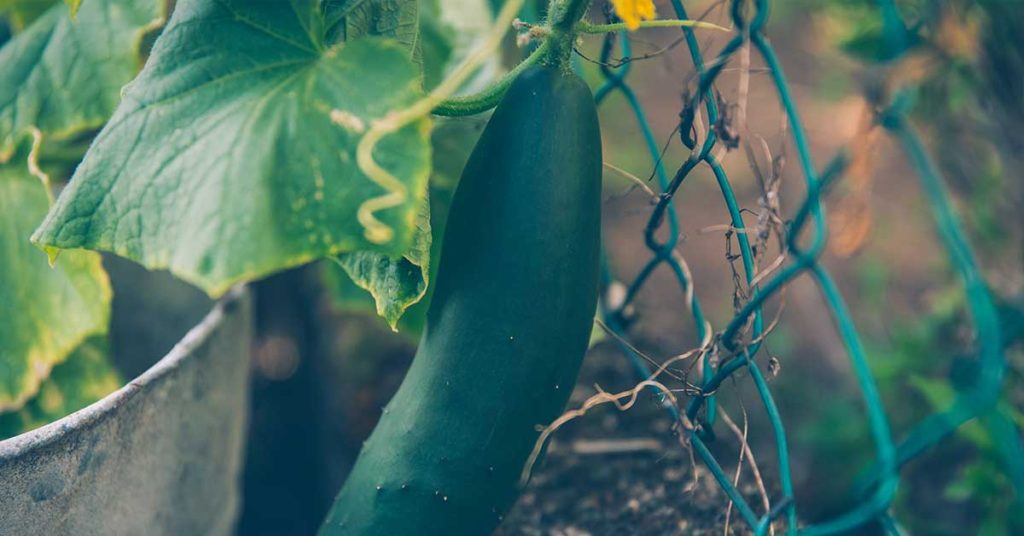
Cucumbers (Cucumis sativus) trace their heritage to South Asia, delighting gardeners worldwide with their crisp succulence. When multiple cucumber varieties bloom side by side, buzzing bees shuttle pollen indiscriminately between them, resulting in seeds that sprout fruit ranging from miniature picklers to spiky oddballs!
These star-shaped blooms attract honeybees, bumblebees, and solitary sweat bees, many of which nest in the warm, loose soil beneath the vines. I know how frustrating it is to sow straight-neck seeds only to harvest tumbling baby cukes next season. To preserve your favorite variety, try row covers until flowering or hand-pollinate one kind at a time—worth the extra effort if you’re a dedicated seed-saver!
Cauliflower
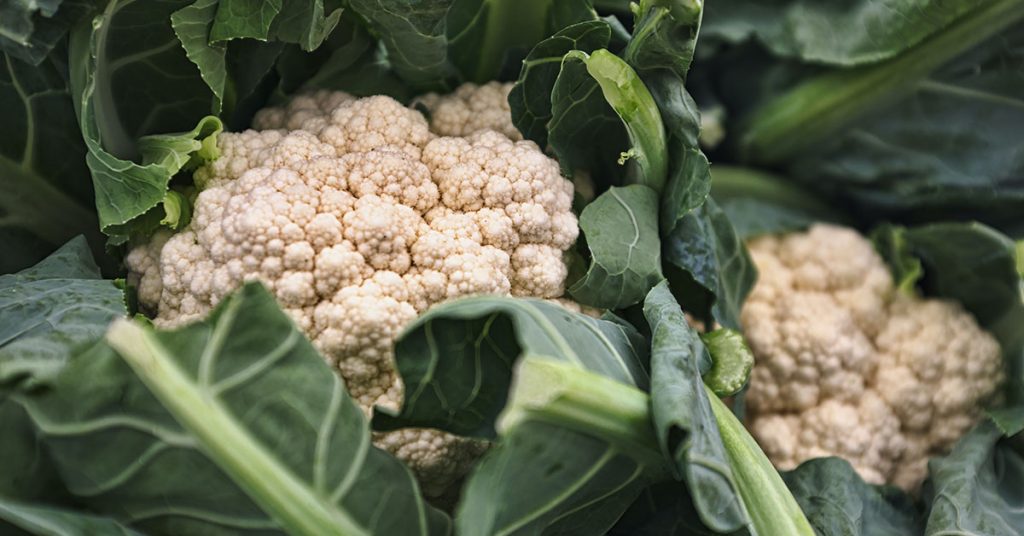
Cauliflower (Brassica oleracea botrytis) originated in Cyprus and boasts snow-white curds that brighten any roast medley. Yet once those curds bolt into yellow flowers, they attract bees that pay no mind to cabbage or kale just a few feet away—crosses are almost guaranteed!
Hoverflies, sweat bees, and honeybees flock to cauliflower’s umbels and often nest under leaf litter at the patch’s edge. I’ve felt that pang of disappointment when my pristine white heads morphed into green-tinged hybrids—but sometimes those surprise curds add a fun pop of color! If you crave uniformity, pull flower stalks before opening or dedicate an entire bed to a single cultivar.
Bell Peppers
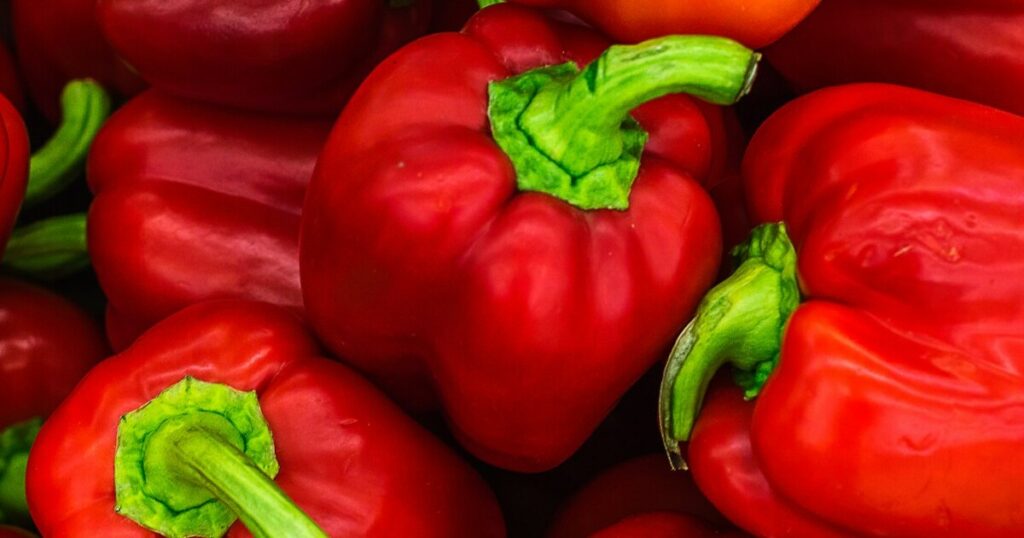
Bell peppers (Capsicum annuum) hail from Central and South America, where they’ve been savored for centuries. Different bell pepper cultivars—whether red, yellow, or chocolate—readily cross-pollinate when their flowers bloom concurrently, leading to seedlings that surprise you with unpredictable hues and shapes.
Bees, wasps, and even hummingbird moths visit peppers for their nectar, and many solitary bees nest in nearby soil cracks. It’s such a bummer when you expect ruby-red bells and end up with odd-toned fruits next year! To maintain a pure line, isolate pepper varieties by at least 100 feet or hand-pollinate only selected blossoms—your future stir-fries will thank you.
Corn
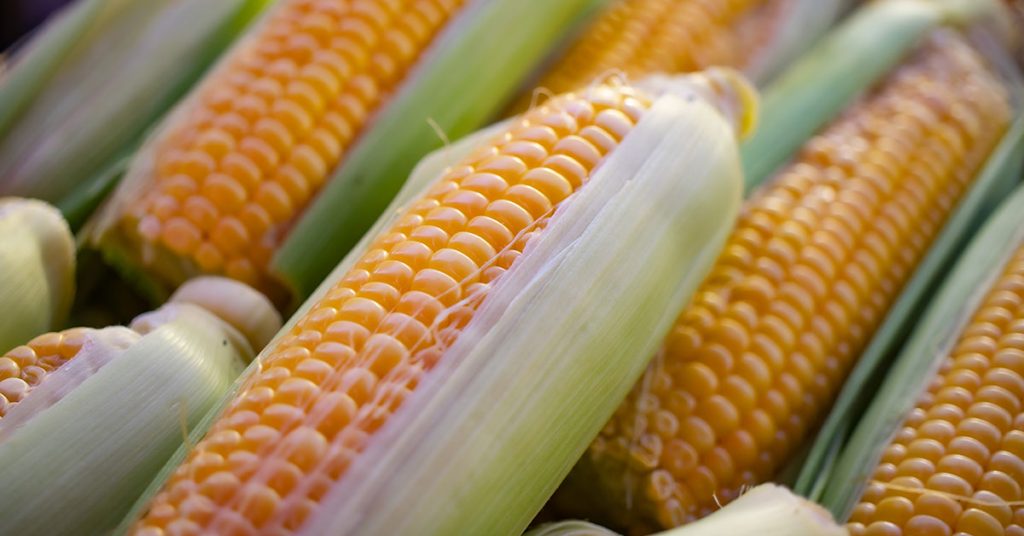
Sweet corn (Zea mays) was first domesticated over 7,000 years ago in Mexico and has since become a summer staple. Corn relies on wind rather than insects, sending pollen far and wide—plant different corn types too close, and next year’s ears might blend sweet, popcorn, and ornamental flint traits.
Because wind disperses pollen over hundreds of feet, isolation distances must be generous if you want pure seed. I’ve lost count of the times I ended up with sweet-by-popcorn crosses—deliciously crunchy but not the corn-on-the-cob I planned! Consider staggering planting dates or using mesh screening over small plots to curb stray pollen.
Broccoli
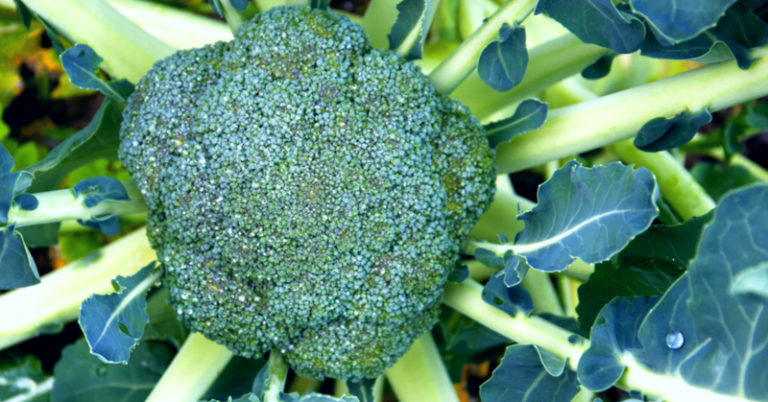
Broccoli (Brassica oleracea italica) hails from the Mediterranean, prized for its tight green florets. Yet when those florets flower, every Brassica neighbor—from kale to cauliflower—shares in the pollen party, making pure broccoli seed a real challenge.
Ground-nesting bees, honeybees, and hoverflies excavate tunnels beneath your broccoli patch, ferrying pollen indiscriminately. I totally get the frustration of saving broccoli seed only to harvest miniature brussels sprouts hybrids next season! Rotating crops by species or embracing the mix—hello, hybrid vigor—can turn that disappointment into garden gold.
Kale
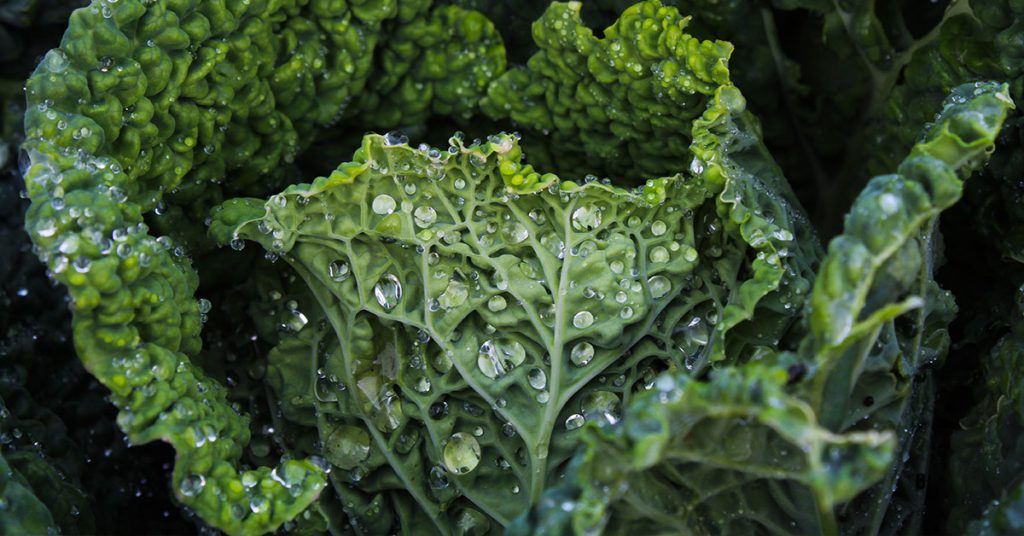
Kale (Brassica oleracea acephala) boasts origins in the eastern Mediterranean and has been cultivated for millennia. It crosses freely with other B. oleracea types like cabbage and brussels sprouts, so mixed brassica plantings will produce seeds with a medley of leaf shapes and flavors.
When kale bolts, its tiny yellow flowers are a buffet for honeybees and bumblebees, and ground-nesting bees often burrow nearby. If you’re saving seed for that peppery, curly-leaf variety you adore, keep your brassicas a good 1,000 feet apart or stagger blooms to avoid unwanted crosses. It’s a bit of extra work, but seeing true-to-type seedlings sprout next year is so rewarding!
Onions
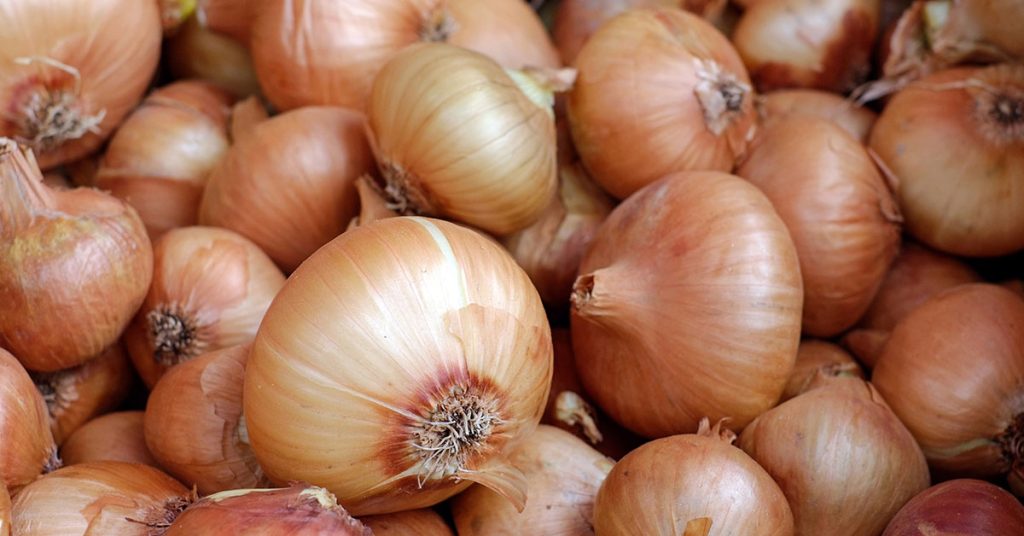
Onions (Allium cepa) originated in southwestern Asia and grace gardens around the globe. Globe, red, and pearl onion varieties will hybridize if they bloom together, leading to saved seeds that sprout bulbs lacking the uniform shape or size you expected.
Their umbel-shaped flower clusters beckon hoverflies, solitary bees, and butterflies, many of which nest in soil crevices around the bed. I feel your pain when unpredictable bulb forms emerge from saved onion seed! To keep lines pure, clip flower stalks before they open or space different onion types far enough apart that their blooms never overlap.
Brussels Sprouts
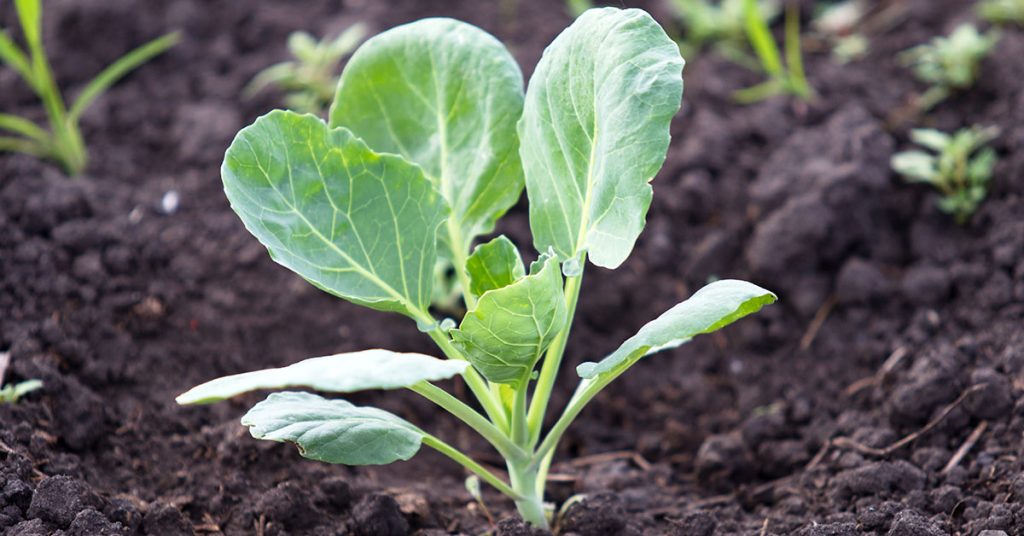
Brussels sprouts (B. oleracea gemmifera) were first popularized in 16th-century Belgium and produce tiny cabbage-like buds along sturdy stalks. Any neighboring brassica—be it kale, broccoli, or cabbage—will share pollen freely, mixing genetics in saved seeds.
Sweet yellow blossoms draw in a variety of bees, many of which nest in loose soil patches at the base. I remember expecting uniform emerald sprouts only to find odd-colored, misshapen heads next spring—so frustrating! Temporal isolation (early vs. late plantings) or netting over flowering stalks can help maintain variety integrity.
Watermelon
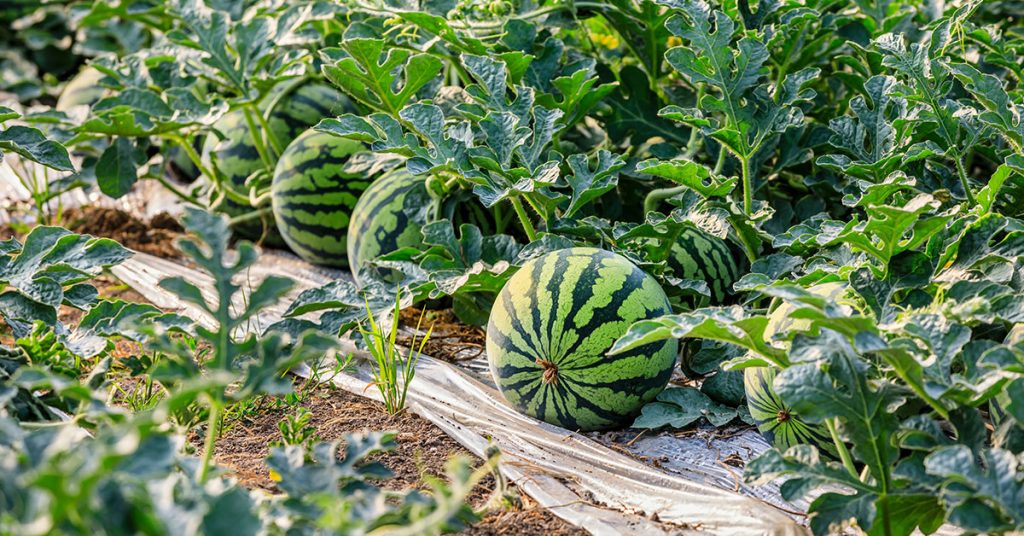
Watermelon (Citrullus lanatus) is native to northeastern Africa and has quenched thirsts for centuries. Multiple watermelon cultivars—crimson sweet, sugar baby, yellow flesh—will interbreed, yielding next year’s seedlings that bear tiny, misshapen, or strangely patterned fruits.
Bees, hoverflies, and even wasps flock to watermelon blooms, and many nest in nearby soil. I know how disappointing it is to look forward to an emerald-green rind only to harvest spotted oddballs from mixed seed! To safeguard your favorite variety, isolate plantings by at least 800 feet or hand-pollinate only the flowers you tag.
Cantaloupe
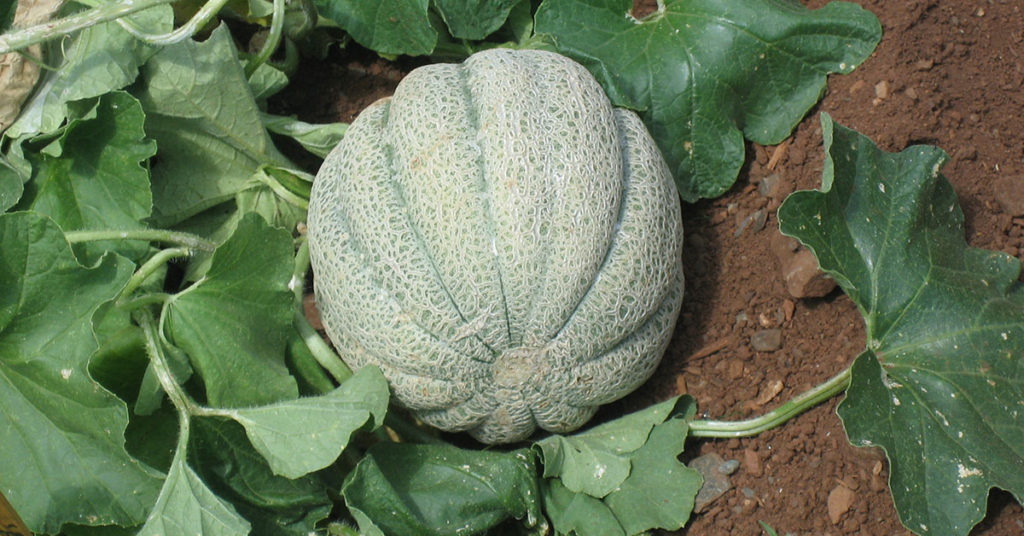
Cantaloupe (Cucumis melo var. cantalupensis) has roots in Africa and Asia and delights with sweet, netted rinds. Yet it’ll readily cross with muskmelons and honeydews, leading to seeds that sprout fruit of unpredictable sweetness, texture, and rind pattern.
Bumblebees and sweat bees adore cantaloupe’s star-shaped flowers, often nesting in the warm soil below. I sympathize with the gardener who dreams of perfect netting only to harvest sloppy, smooth-skinned melons from mixed seeds! Removing extra male blossoms and hand-pollinating your chosen variety can keep that classic cantaloupe charm intact.
Zucchini & Summer Squash
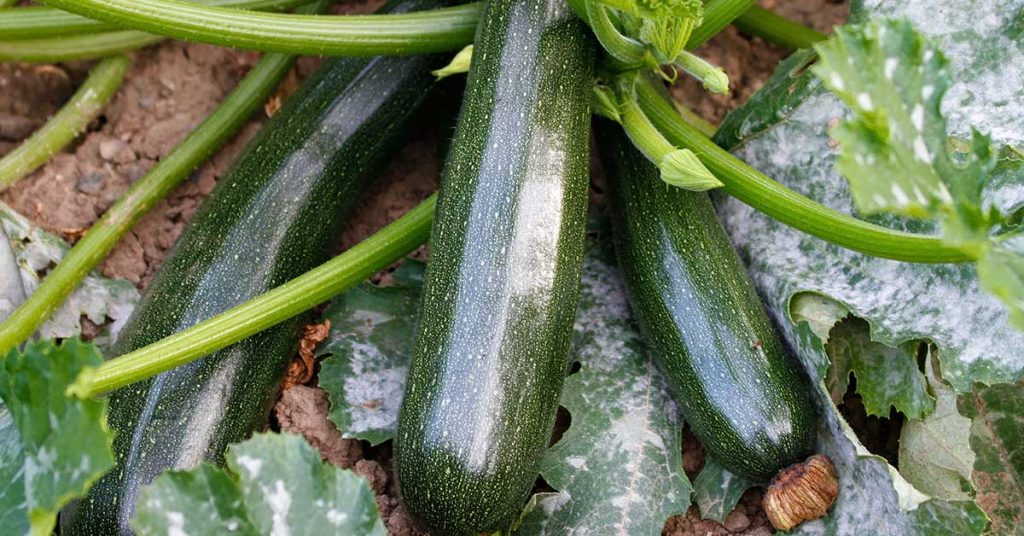
Zucchini and other summer squash (Cucurbita pepo) are renowned for bountiful harvests—and notorious for freewheeling hybridization. Green zucchini, yellow crookneck, and pattypan all belong to the same species, so their blooms will swap pollen whenever they flower at once.
Squash bees are specialized pollinators here, but bumblebees and honeybees join the party, shuttling pollen well beyond your intentions. I’ve spent hours tagging and hand-pollinating to preserve a rare heirloom zucchini—it’s a labor of love, but seeing true seedlings pop up is magical! Otherwise, embrace the novelty and tuck away “mystery squash” seeds for a fun surprise.
Cabbage
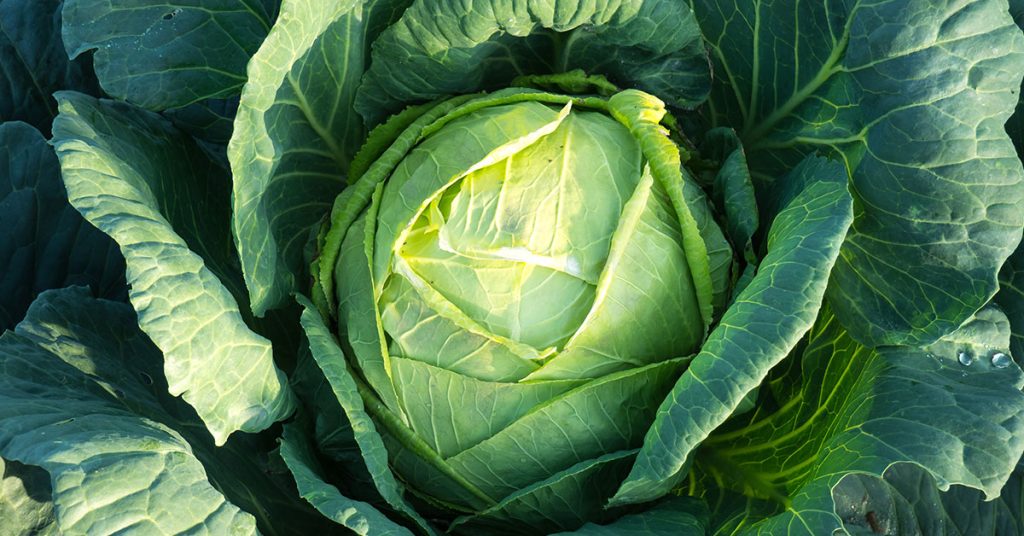
Cabbage (Brassica oleracea capitata) hails from Europe’s Atlantic coast, prized for its dense, leafy heads. Once it bolts, its yellow clusters draw in every Brassica-loving insect nearby, mingling pollen with kale, broccoli, and brussels sprouts. Seed-saving without isolation is a gamble!
Bees nesting in soft soil crevices flit among varieties, and I know the disappointment when those seeds yield heads that barely resemble the smooth spheres you harvested. To minimize crossing, plant one brassica species per season or cover flowering cabbage heads with fine mesh until you’re ready to hand-pollinate.
Acorn Squash
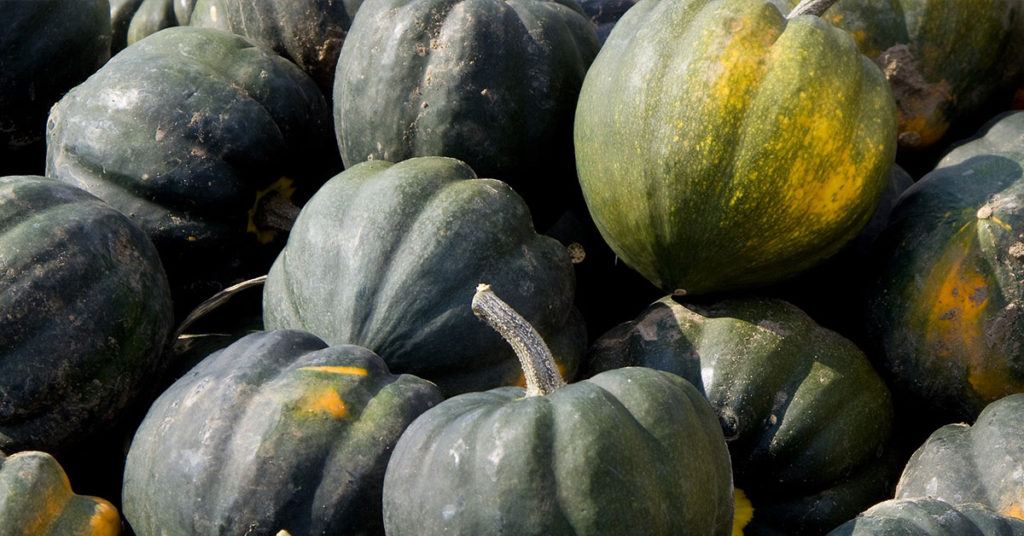
Acorn squash (Cucurbita pepo) delights with its sweet, ribbed fruits native to North America. However, it crosses readily with other C. pepo members—particularly pumpkins and gourds—if their blooms coincide. One year, my acorns sprouted strange orange blotches after a neighbor’s pumpkin patch bloomed too close!
Ground-nesting bees and squash bees adore those yellow blossoms, often tunneling right beneath the vine. I empathize with your desire for pure, dark-green acorns—finding pale-spotted surprised fruits can be a bummer. Consistent hand-pollination or relocating adjacent pumpkin vines can keep your acorn squash true to type.