
There’s nothing quite like stepping into a garden ablaze with red, white, and blue come Independence Day! I know how thrilling it is to see those patriotic hues dancing in the summer breeze, but also how daunting it can feel to choose the right blooms for heat, sun, and pollinator appeal. Whether you’re planning a backyard BBQ backdrop or a container display on your porch, these fourteen flowers will have your garden singing with star-spangled style—and delight local bees, butterflies, and even nesting hummingbirds!
All of these plants are readily available, hardy in a range of zones, and most hail from regions as varied as the Mediterranean and Central America. None are considered aggressively invasive when grown responsibly, but I’ll note any with naturalizing tendencies so you can keep them in check. Let’s dive into these vibrant varieties—presented in a shuffled order to keep you guessing—so you can mix and match for the ultimate 4th of July celebration!
Blue Morning Glory (Ipomoea tricolor)
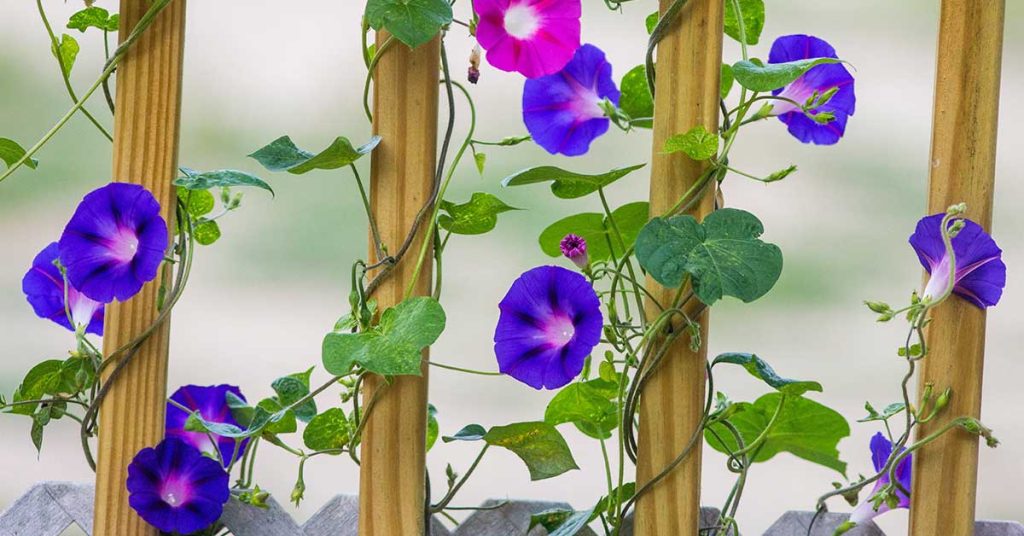
One of my favorite climbers, Blue Morning Glory unfurls vivid azure trumpets at daybreak, welcoming early-rising hummingbirds and bees. Native to tropical Americas, it’s not invasive in most temperate gardens, but its self-seeding nature means you may find happy volunteers the next season—and that’s part of its charm!
Whether trained on a trellis or tumbling from a hanging basket, this vine thrives in full sun and well-drained soil. Its airy foliage also provides excellent nesting cover for small songbirds, transforming your patriotic trellis into a bustling, wildlife-friendly spectacle!
Red Zinnia (Zinnia elegans)
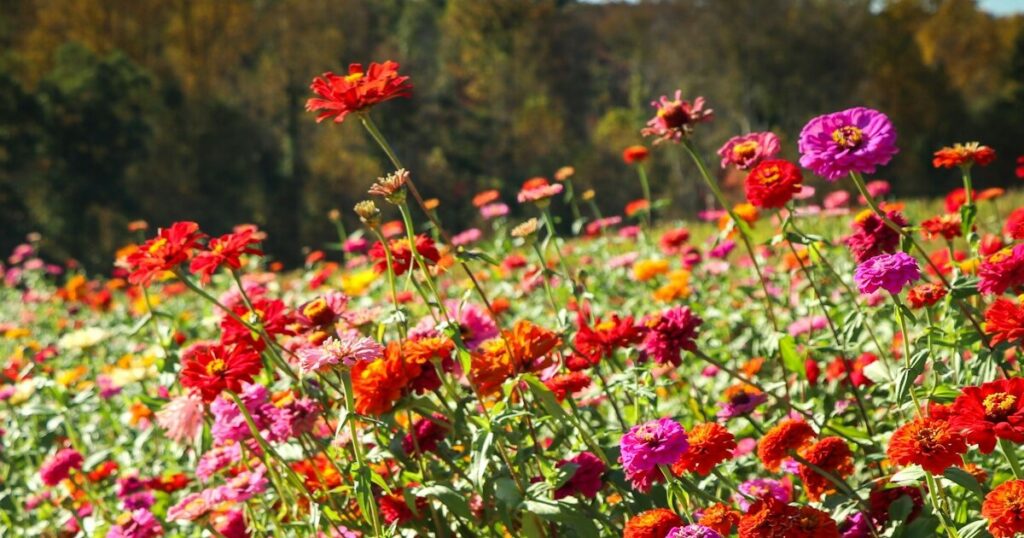
Red Zinnias are the life of any summer display, flaunting bold, long-lasting blooms that attract butterflies by the dozen. Originally from Mexico, they’re not invasive but appreciate consistent deadheading to prolong that glorious flush of color through July and beyond!
These heat-loving annuals thrive in poor soils and with minimal care, making them perfect for novice gardeners. Plus, their sturdy stems are a magnet for cavity-nesting bees, which often tuck into spent flower heads for shelter—so don’t be too quick to pull every faded bloom!
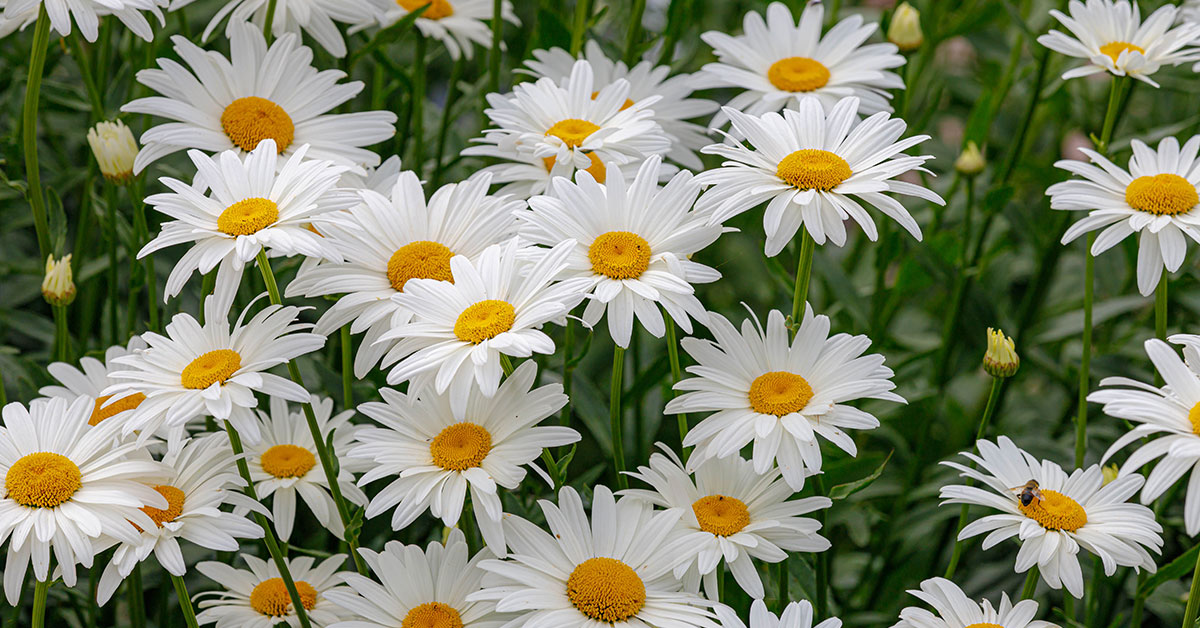
White Shasta Daisy (Leucanthemum × superbum)
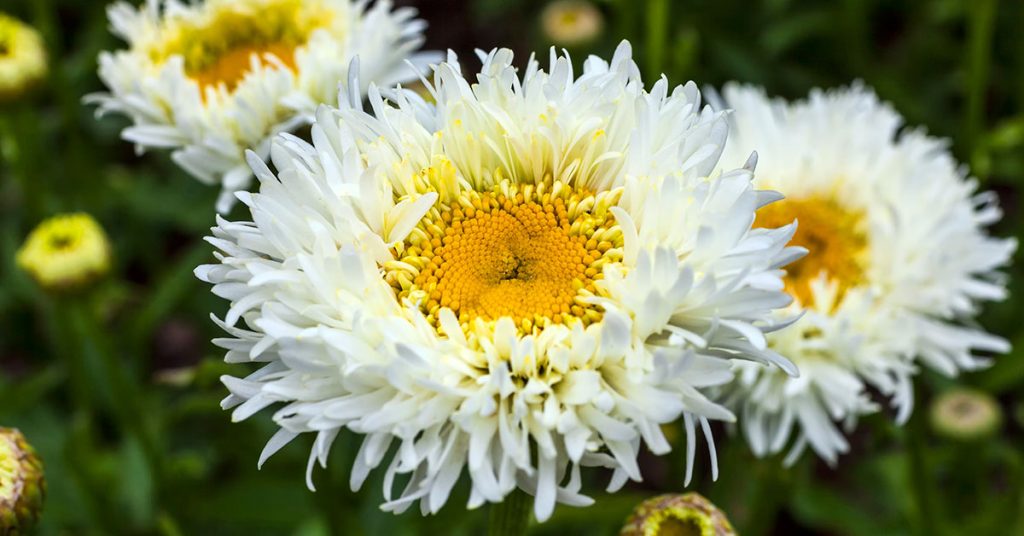
White Shasta Daisies bring a classic, crisp contrast to your patriotic palette, with sunny yellow centers that beckon hoverflies and bees. Developed in Europe from North American species, they naturalize gently without overrunning beds.
Plant them in rich, well-drained soil and full sun, and you’ll be rewarded with blooms that last for weeks. Their stiff stems also serve as perching spots for small native bees, turning your garden into a lively summer hub!
Blue Cornflower (Centaurea cyanus)
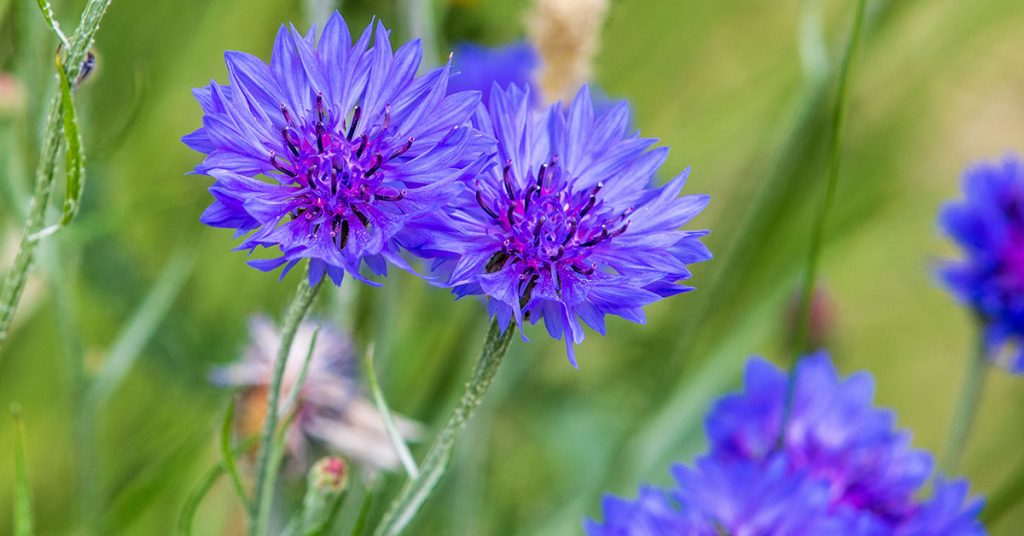
Also called Bachelor’s Button, this charming annual bursts with cornflower-blue rosettes native to Europe’s grain fields. Though it can self-seed prolifically, it rarely becomes a nuisance—and I often resolve stray seedlings around the edges of my veggie patch for an impromptu “wildflower” look!
Cornflowers love full sun and lean soils, attracting pollinators like mining bees and even predatory wasps that keep garden pests in check. Their airy, thistle-like foliage also creates nesting niches for solitary bees—what a patriotic way to boost biodiversity!
Red Bee Balm (Monarda didyma)

Nothing spells July quite like fiery red Bee Balm! Native to eastern North America, these tubular flowers are irresistible to hummingbirds and ruby-throated warblers, while bees and butterflies lap up nectar throughout the day.
Bee Balm prefers moist, rich soil and part sun, but with good drainage it tolerates full sun—even during heat waves. Its aromatic foliage was traditionally used for tea by Indigenous peoples, and planting it by your patio fills the air with a refreshing minty scent!
White Cosmos (Cosmos bipinnatus ‘Purity’)
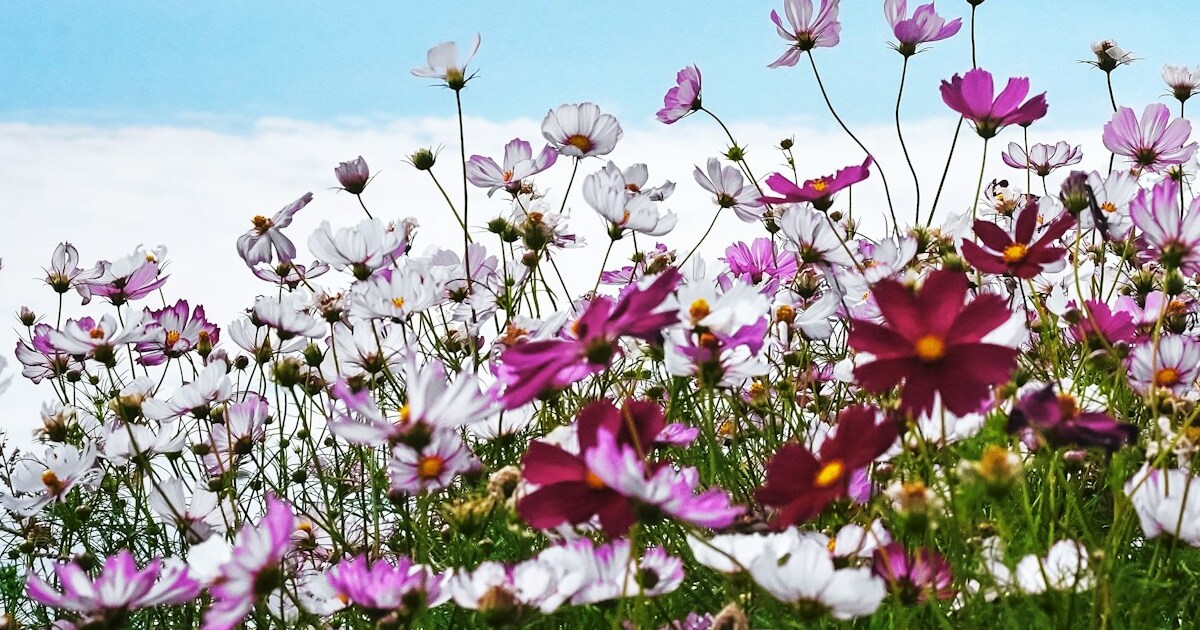
I love how White Cosmos drape like lacy fireworks above tall stems—pure perfection against a hot July sky! Originating in Mexico, these annuals aren’t invasive, and they readily self-sow without becoming weedy.
Cosmos thrive in poor soils and full sun, and their open flower heads offer easy landing pads for butterflies, hoverflies, and tiny mason bees. Their fern-like foliage even provides cool, sheltered spots where ladybugs hunt aphids—nature’s own pest control!
Blue Lobelia (Lobelia erinus)
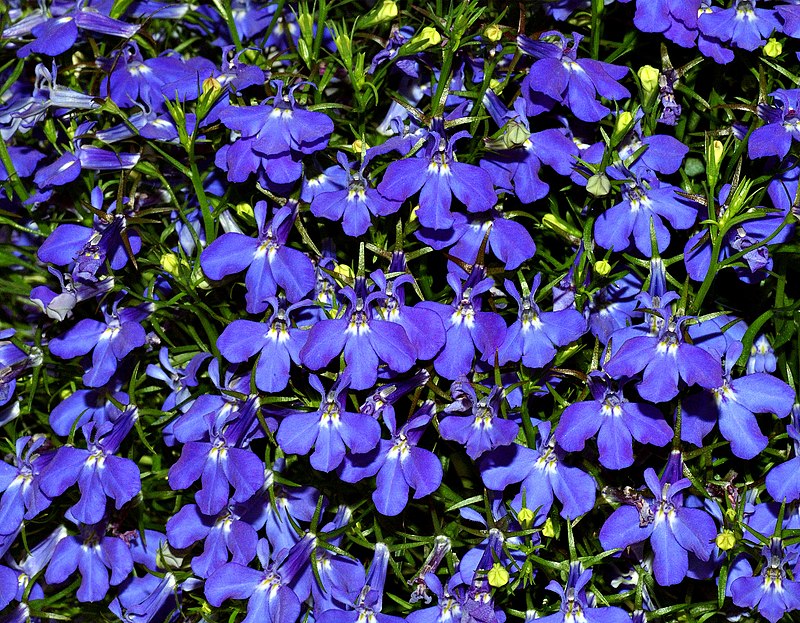
Blue Lobelia forms a stunning carpet of cobalt-blue blooms, ideal for edging borders or spilling from containers. Native to southern Africa, it’s not considered invasive, though it does appreciate regular moisture and afternoon shade in hotter climates!
These petite flowers are a magnet for tiny native bees and syrphid flies, which dart among the blossoms in search of nectar. Their low-growing habit also creates a micro-habitat for ground-nesting bees, who find protection beneath the lush foliage.
Red Salvia (Salvia splendens)
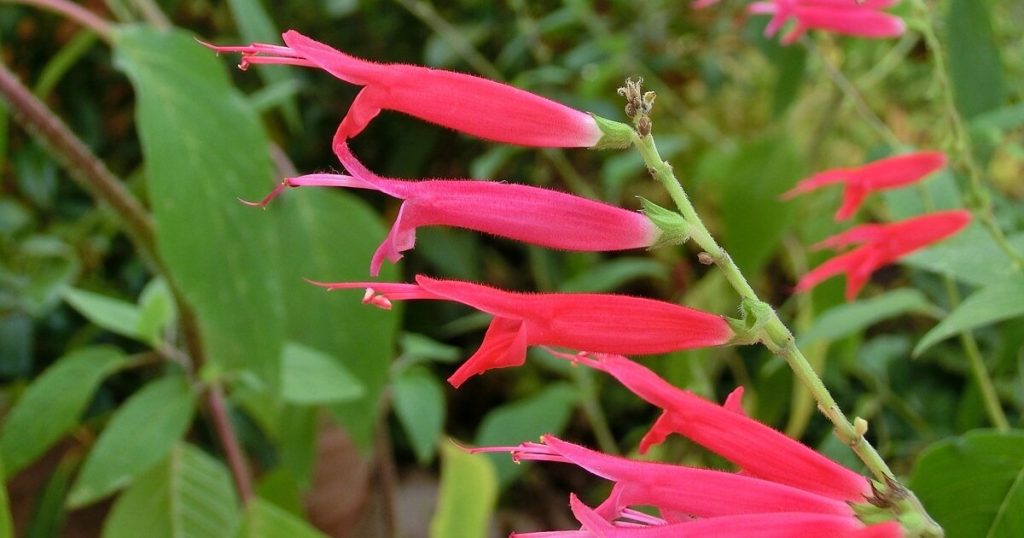
Crimson Salvia stakes a bold claim in your patriotic palette, offering spikes of tubular red flowers that hummingbirds adore. From Brazil’s tropical forests, it’s non-invasive in most gardens—but remove seed heads to keep volunteers in check.
Salvia thrives in full sun, well-drained soil, and returns stronger each year in warmer zones. Its aromatic foliage deters deer, while the bright blooms guide pollinators like bumblebees and hummingbirds straight to your garden party!
White Petunia (Petunia × atkinsiana)

White Petunias glow like festive lanterns in hanging baskets and window boxes. Originating from South America, they seldom self-seed in temperate gardens, making them fuss-free stars of your July display!
Petunias prefer rich, moist soil and full sun, and their trumpet-shaped blooms attract hawk moths at dusk and hummingbirds by day. Their dense foliage even offers nesting material for small native birds—talk about a multi-purpose patio plant!
Blue Delphinium (Delphinium elatum)
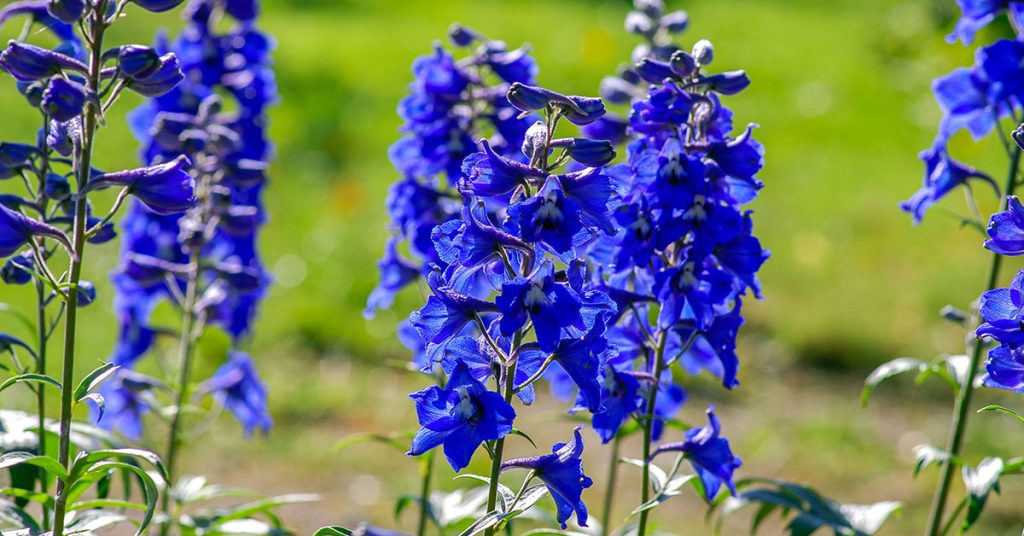
Tall, stately Delphiniums in sapphire and cobalt shades bring vertical drama to patriotic beds. Native to the Mediterranean and Asia, they’re not invasive, though they prefer cooler summer nights and rich, moist soils!
These towering spires are beloved by long-tongued bees like digger and bumblebees, who probe deep into the intricate flowers. Plant them at the back of borders to create a stunning backdrop for lower red and white varieties.
White Sweet Alyssum (Lobularia maritima)
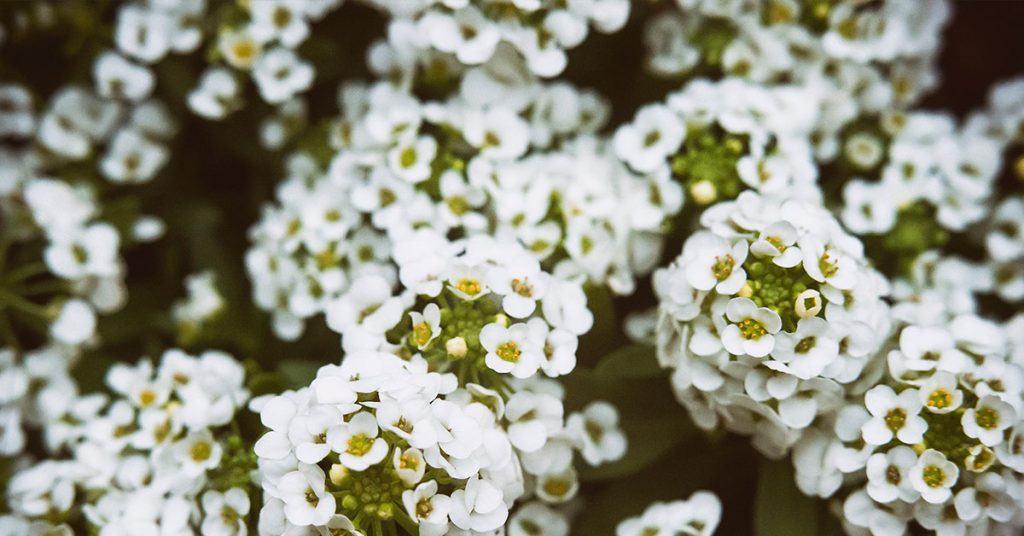
Sweet Alyssum’s frothy white clusters look like stars sprinkled across a green carpet—perfect for a 4th of July “sky”! Native to the Mediterranean, it self-sows moderately but rarely becomes aggressive.
Alyssum thrives in lean soils and full sun to part shade, attracting tiny parasitoid wasps that keep aphid populations down. Its low habit also shelters ground-nesting bees, providing a cool retreat on blistering afternoons!
Red Blanket Flower (Gaillardia pulchella)

Blanket Flower flaunts fiery red and orange daisy-like heads that bloom nonstop through July. Native to the central United States, it’s drought-tolerant and non-invasive, making it a garden workhorse for hot, dry spots!
These robust flowers are magnets for butterflies, especially monarchs and swallowtails, and their reflexed petals provide perching spots for small bees. Ring the edges of your beds with Blanket Flower for a glowing “fireworks” effect!
White Hydrangea (Hydrangea arborescens ‘Annabelle’)

‘Annabelle’ Hydrangeas produce massive, snow-white mopheads that echo Independence Day fireworks! Native to the eastern U.S., they’re clump-forming shrubs that stay neatly contained when pruned annually.
A lightly shaded spot keeps blooms crisp, while morning sun enhances their vibrancy. Bumblebees and honeybees love poking around the fertile centers, and the sturdy stems make excellent cut flowers for themed bouquets!
Red Hardy Geranium (Pelargonium × hortorum)
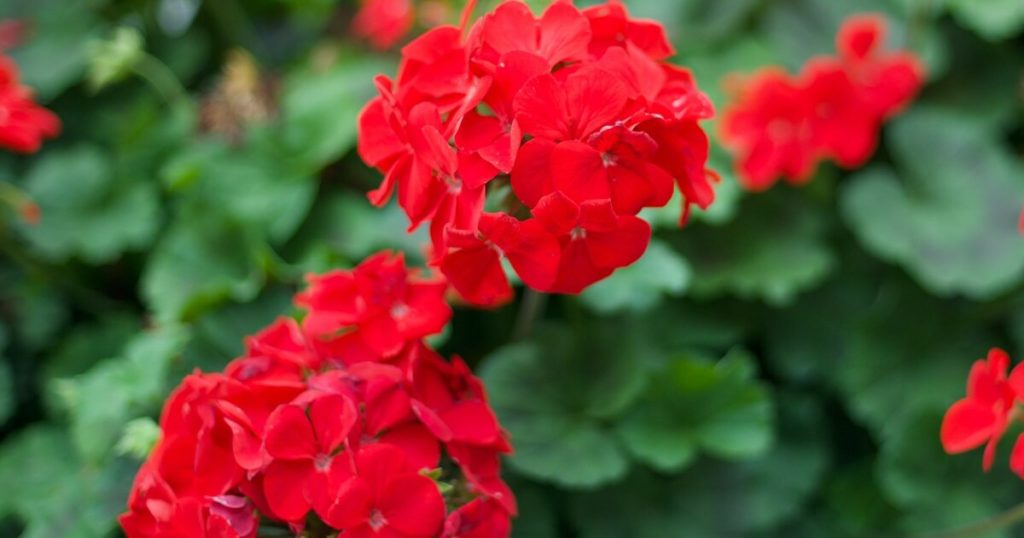
Hardy geraniums—often called zonal geraniums—offer scarlet blooms on rounded leaves edged with burgundy. Though originally from South Africa, they seldom escape cultivation in temperate zones.
These sun-loving plants thrive in containers or garden beds, requiring well-drained soil and regular deadheading for nonstop color. Their dense foliage creates nesting niches for small solitary bees, turning planters into cozy pollinator retreats!