
Gardening in very cold climates can feel like an uphill battle, but there’s a special kind of joy when you discover hardy herbs that thrive despite freezing temperatures. As a passionate gardener who’s weathered frost and snow, I know all too well the frustration of watching tender plants succumb to the cold—so it’s a true delight when you find resilient herbs that not only survive but flourish! These perennial herbs bring both flavor and fragrance to your kitchen and garden, proving that even the harshest winters can be met with abundant, nutritious growth.
I’ve spent years experimenting with different varieties and have learned that the right herb can transform a frosty garden into a vibrant haven. Each of these 14 herbs has its own fascinating story—whether it’s about its native origins, its behavior in the garden, or even how it attracts beneficial insects and provides nesting spots for small critters.
Thyme
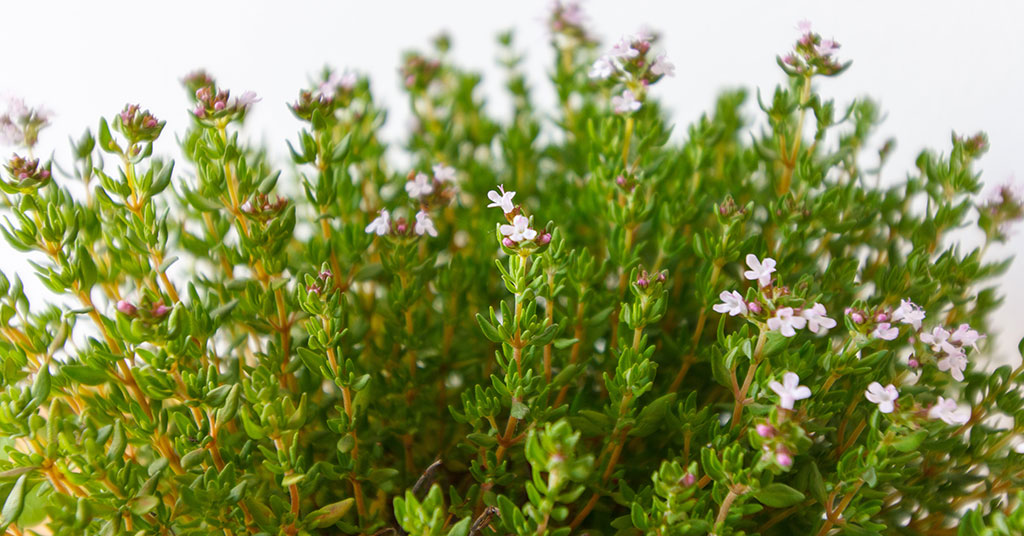
Thyme (Thymus vulgaris) is a robust, low-growing herb that not only withstands bitter winter chills but also adds a delightful, earthy flavor to your dishes. Native to the Mediterranean, thyme has been embraced worldwide for its culinary and medicinal properties. In my garden, its tiny, aromatic leaves create a dense mat that attracts beneficial insects like solitary bees, which help keep the ecosystem balanced by pollinating nearby plants.
This herb is delightfully non-invasive and requires minimal care once established, thriving in well-drained soil and full sun or partial shade. I appreciate how thyme’s resilience and continuous harvest provide fresh flavor throughout the colder months. Every time I snip a sprig for a savory recipe, I’m reminded that even in frosty conditions, nature has its own way of offering warmth and zest!
Sage
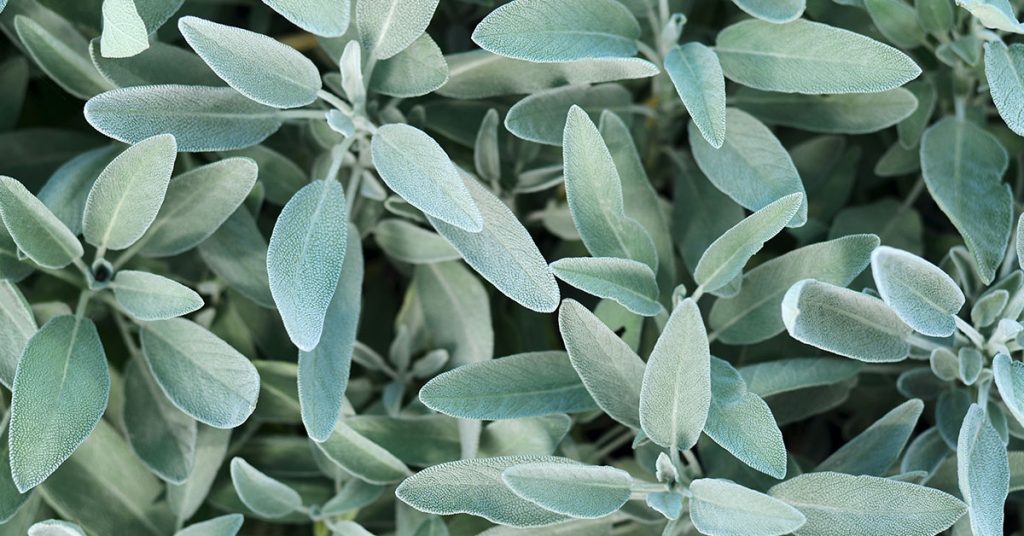
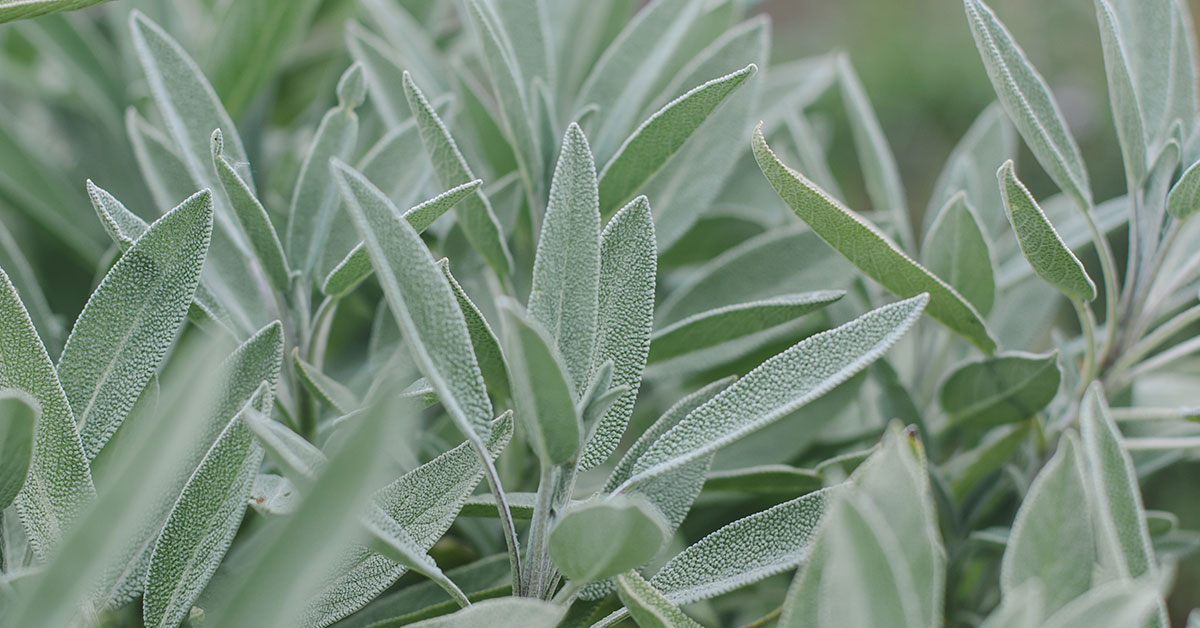
Sage (Salvia officinalis) is a time-honored herb known for its strong, earthy aroma and medicinal benefits. Native to the Mediterranean region, sage has adapted well to cold climates, making it a perennial favorite in my winter garden. Its soft, gray-green leaves not only impart a rich, savory flavor to food but also attract a variety of pollinators, including bees that find refuge in its textured foliage.
Sage is remarkably non-invasive and thrives in well-drained, sunny spots, even under the harshest winter conditions. With a bit of regular trimming and occasional organic fertilization, sage produces a continuous yield that brings both beauty and health benefits to your garden. Every time I harvest sage, it feels like I’m capturing a little piece of herbal wisdom—a reminder that robust flavor and resilience often go hand in hand!
Oregano
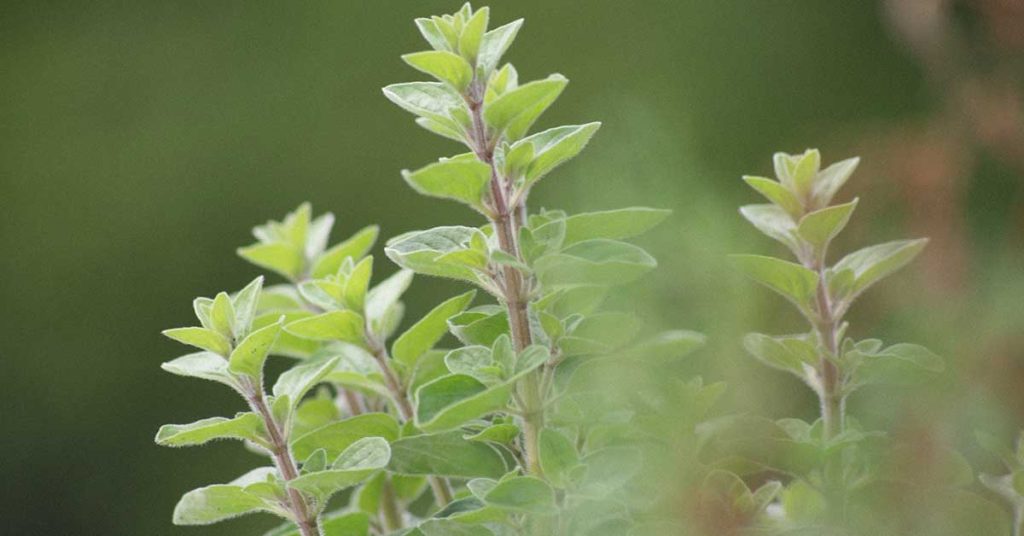
Oregano (Origanum vulgare) is a perennial herb that thrives in cold climates, renowned for its spicy, robust flavor and versatility in the kitchen. Native to the Mediterranean, oregano has adapted well to temperate regions, proving itself indispensable even when the mercury dips. In my garden, oregano’s sprawling habit and aromatic leaves attract bees and butterflies that help pollinate other plants, adding vitality to the landscape.
This herb is generally non-invasive, spreading gently in well-drained soil without overpowering other garden species. Its hardiness and low maintenance make oregano a favorite for beginners, ensuring a steady supply of flavor for pizzas, pastas, and stews even in winter. Every time I add oregano to a dish, I’m reminded of how nature’s simple gifts can bring warmth and spice to even the coldest days!
Mint
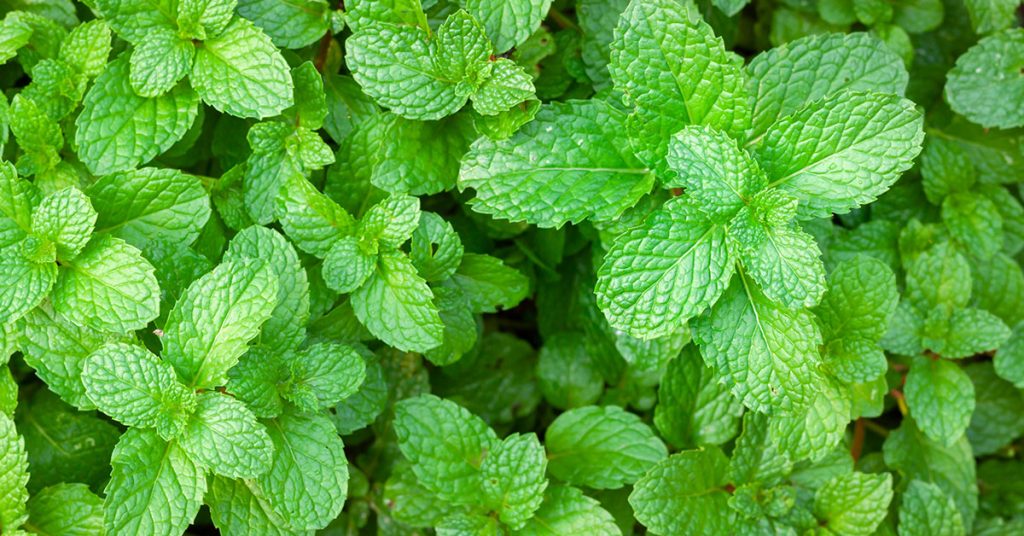
Mint (Mentha spp.) is a vigorous herb celebrated for its refreshing flavor and cooling aroma, which can brighten even the frostiest gardens. Native to Europe and Asia, mint is known for its rapid spread and is highly attractive to beneficial insects like bees and butterflies. In my garden, I’ve witnessed how its lush, green foliage creates a microhabitat that sometimes even serves as a temporary nesting site for small insects, adding a lively buzz to the winter air.
While mint can be invasive if left unchecked, I’ve learned to contain it using pots or dedicated garden beds, ensuring it remains a manageable and flavorful asset. Its robust nature makes it a reliable superfood for teas, salads, and garnishes, proving that even in cold climates, mint can deliver a burst of refreshing taste. Every time I enjoy a cup of mint tea, I’m grateful for its resilience and the way it transforms a cold day into a cool, invigorating experience!
Chives
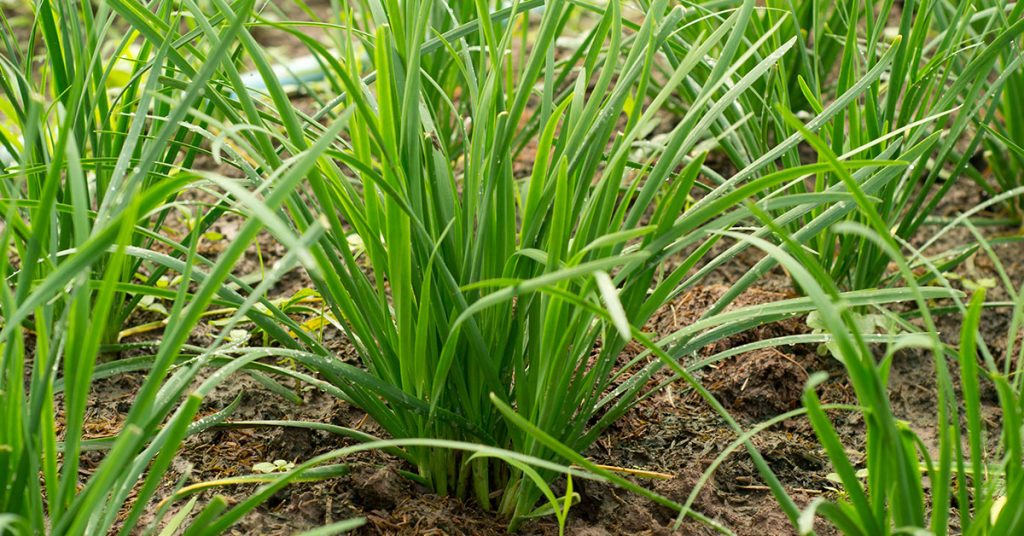
Chives (Allium schoenoprasum) are a true winter warrior, thriving in even the frostiest climates while adding a delicate onion-like flavor to your culinary creations. Native to Central Asia, chives have become a beloved staple in gardens worldwide due to their ability to withstand freezing temperatures and still produce tender, green shoots. In my garden, their slender, tubular leaves attract small pollinators, including bees and hoverflies, which enhance the overall ecosystem by visiting nearby blossoms.
Their non-invasive, clumping growth habit makes chives ideal for container gardening and interplanting with other cold-hardy crops. With minimal care beyond occasional trimming and regular watering, chives provide a continuous harvest throughout the colder months. Every time I snip a few chives for a fresh garnish, it’s a reminder that sometimes the smallest plants can yield the most delightful flavors—even in the dead of winter!
Lovage
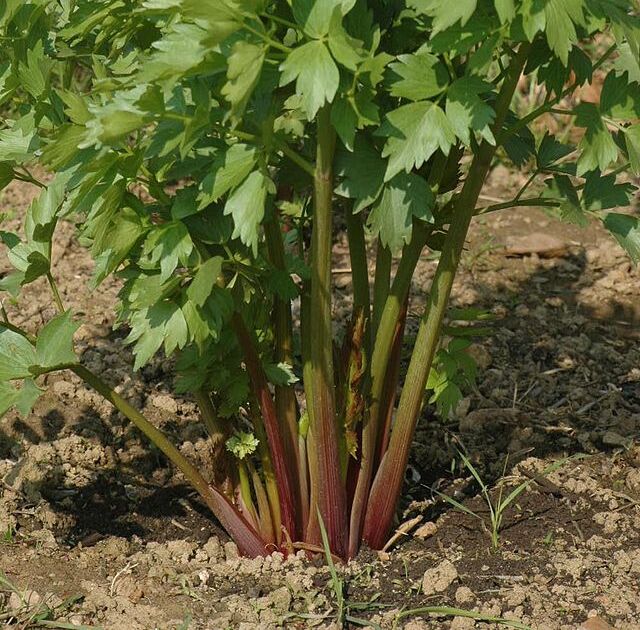
Lovage (Levisticum officinale) is a robust, aromatic herb that boasts a celery-like flavor and can thrive in very cold climates. Native to Europe and parts of Asia, lovage has been used for centuries for both its culinary and medicinal properties. In my garden, lovage grows tall and sturdy, its lush leaves attracting beneficial insects such as ladybugs and bees that help maintain a balanced ecosystem. Its unique flavor adds a subtle complexity to soups, stews, and salads, making it a cherished addition to any winter kitchen.
Despite its impressive stature, lovage is non-invasive when grown in spacious, well-drained soil, ensuring it coexists harmoniously with other garden plants. With its deep roots and enduring vigor, lovage withstands frosty conditions and rewards the gardener with a bountiful harvest year after year. Every time I harvest lovage, I feel a surge of pride knowing that even in very cold climates, nature can produce hearty, flavorful superstars!
Winter Savory

Winter Savory (Satureja montana) is a perennial herb that thrives in cold climates, offering a peppery, slightly minty flavor that’s perfect for hearty winter dishes. Native to the Mediterranean, winter savory has adapted remarkably well to temperate regions and is known for attracting bees and other pollinators with its small, tubular flowers. In my garden, this herb adds a burst of spicy flavor to roasted vegetables and stews, while its robust nature creates a lovely, low-growing carpet that enriches the landscape.
Its non-invasive growth habit means that winter savory remains well-contained even in a small garden, making it an ideal option for beginner gardeners. With minimal care and a spot in full or partial sun, winter savory produces a continuous harvest throughout the colder months, proving that flavor and resilience can go hand in hand. Every time I use winter savory in my cooking, it feels like a little reminder that even the chilliest weather can bring bold, invigorating taste!
Russian Tarragon
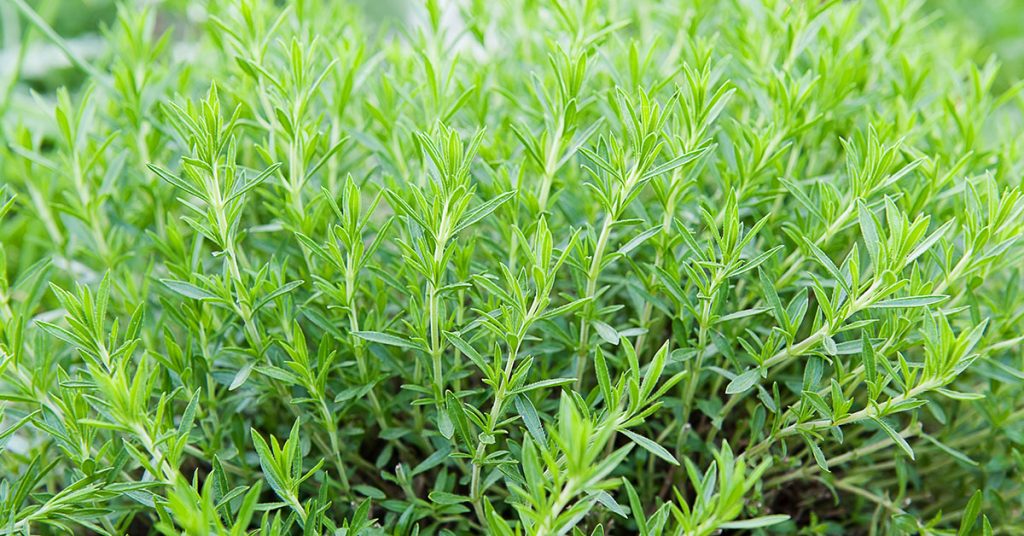
Russian Tarragon (Artemisia dracunculus var. inodora) is a hardy, perennial herb that stands apart with its subtle, slightly bittersweet flavor and its ability to thrive in very cold climates. Native to the colder regions of Eurasia, Russian tarragon is less aromatic than its French counterpart, yet its delicate leaves add a refined, herbaceous note to culinary dishes. In my garden, I appreciate how it attracts a modest array of beneficial insects, including bees, which help to ensure a balanced garden ecosystem without overpowering other flavors.
Its non-invasive nature and adaptability to various soil types make Russian Tarragon an excellent choice for gardens with limited sunlight and lower temperatures. With regular watering and a little organic matter in the soil, this herb produces a steady yield that enhances both dressings and marinades with its subtle complexity. Every time I sprinkle Russian tarragon into a recipe, I’m reminded of how nature’s quiet offerings can elevate a meal to something truly extraordinary—even in the heart of winter!
Lemon Balm
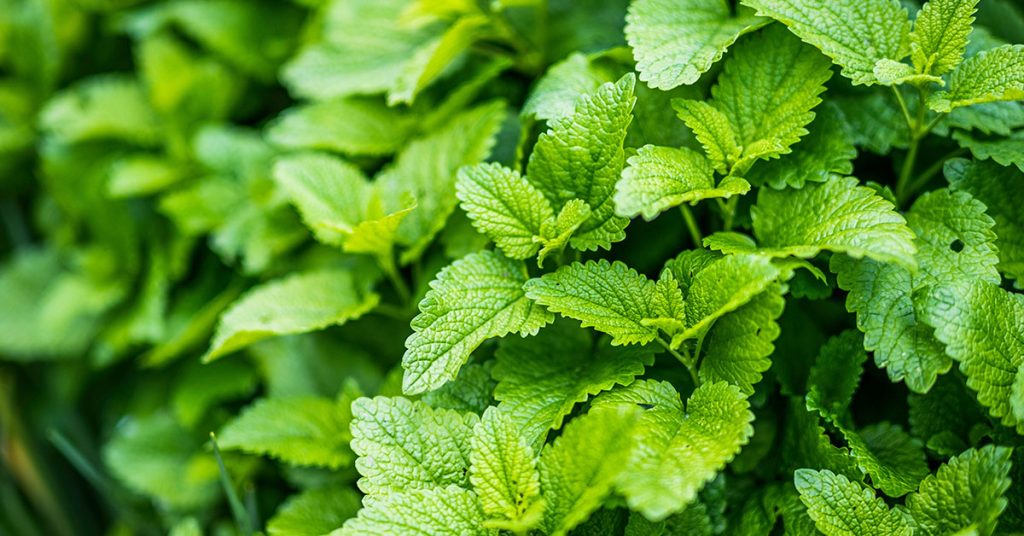
Lemon Balm (Melissa officinalis) is a delightfully aromatic herb that thrives in cold climates, offering a gentle, citrusy flavor perfect for teas and desserts. Native to Europe, lemon balm has been cherished for centuries for its calming properties and its ability to attract beneficial insects such as bees and butterflies, which frequent its small, white blossoms. In my garden, lemon balm adds a refreshing burst of fragrance and a touch of whimsy to shaded corners, creating a tranquil atmosphere reminiscent of a sunlit orchard.
This herb is non-invasive and easy to grow, thriving in partial sunlight and well-drained soil, which makes it ideal for both container gardens and larger plots. With minimal maintenance beyond occasional trimming, lemon balm provides a continuous harvest that brings both culinary and medicinal benefits. Every time I brew a cup of lemon balm tea, it’s a warm reminder that even in very cold climates, nature can offer a soothing, zesty escape from the chill!
Sorrel
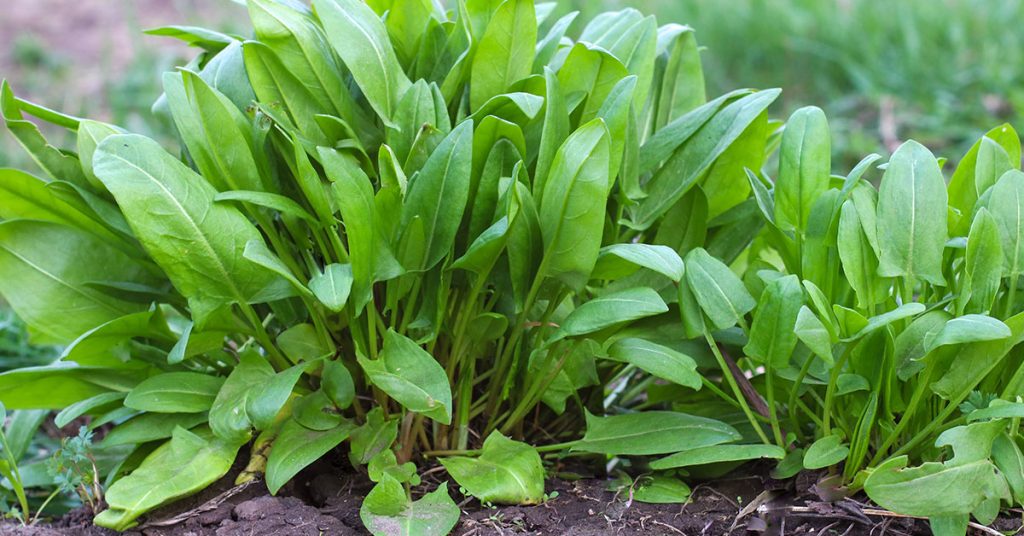
Sorrel (Rumex acetosa) is a tangy, nutrient-rich herb that is a true survivor in cold climates, delivering a refreshing burst of lemony flavor to your dishes. Native to Europe and parts of Asia, sorrel thrives in partially shaded areas and is a favorite in rustic, cottage-style gardens. In my garden, I appreciate how its vibrant green leaves attract beneficial insects, including small bees that help pollinate neighboring plants, while also adding a zesty kick to salads and sauces.
Its non-invasive, clumping growth habit ensures that sorrel remains manageable even in small garden spaces, making it an excellent choice for beginners. With consistent watering and a well-prepared bed, sorrel produces a generous harvest that brightens up both your plate and your day. Every time I taste sorrel’s distinctive, tart flavor, I’m reminded that nature’s gifts often come in refreshingly unexpected packages—even in the cold!
Hyssop
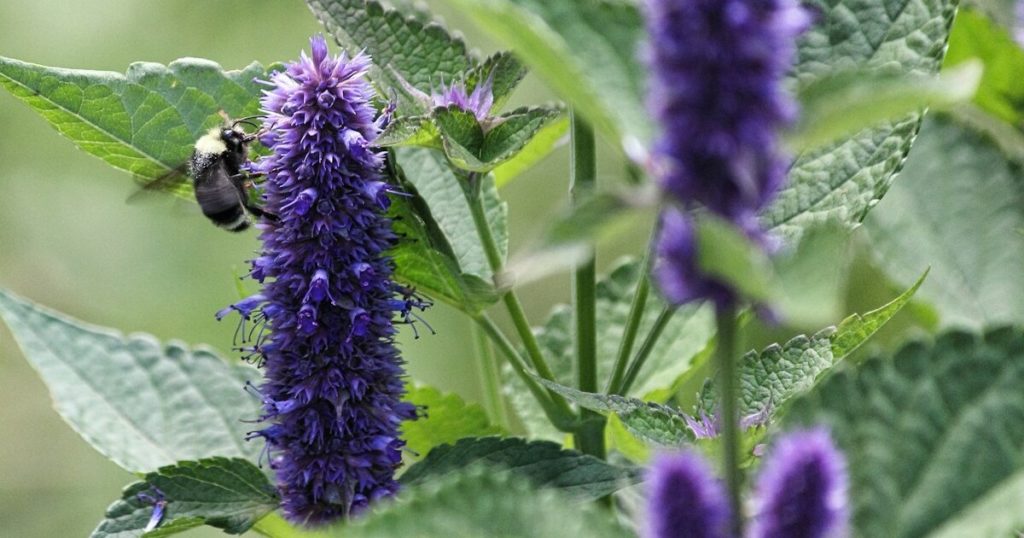
Hyssop (Hyssopus officinalis) is a hardy perennial herb known for its aromatic, slightly minty flavor and its beautiful, spiky flowers that attract a host of beneficial insects. Native to the Mediterranean region, hyssop has long been used in both culinary and medicinal applications, and its vibrant blue, purple, or pink blooms add a splash of color to any garden. In my experience, hyssop’s sturdy, non-invasive growth makes it ideal for gardeners in cold climates who still crave a bit of Mediterranean flair, even when the frost is heavy!
Its ability to thrive in partial sun and well-drained soil means that hyssop can be planted in both borders and containers without overwhelming the space. With minimal care and regular watering, this herb rewards you with a continuous display of fragrant blooms that not only enhance your culinary creations but also attract buzzing bees and fluttering butterflies. Every time I see hyssop flourishing in the chill, it reminds me that even in harsh conditions, nature’s resilience shines through with vibrant, aromatic beauty!
Bee Balm

Bee Balm (Monarda didyma) is a show-stopping herb that manages to thrive even in very cold climates, adding a burst of color and a hint of spice to your garden. Native to North America, bee balm is prized for its vibrant red, pink, or purple blossoms, which attract a multitude of beneficial pollinators such as bees, butterflies, and hummingbirds. In my garden, bee balm’s dense, tufted habit creates a lively display that not only beautifies the space but also enhances the local ecosystem by providing nectar and shelter for a variety of insects.
Though bee balm can spread moderately, it is generally non-invasive when maintained with proper pruning and spacing. Its robust nature makes it an excellent choice for gardeners who want a hearty, resilient herb that contributes both to the beauty and function of the garden. Every time I see a bee balm in full bloom, it fills me with the joy of knowing that even in the depths of winter, nature’s vibrancy can shine through and warm the soul!
Rosemary
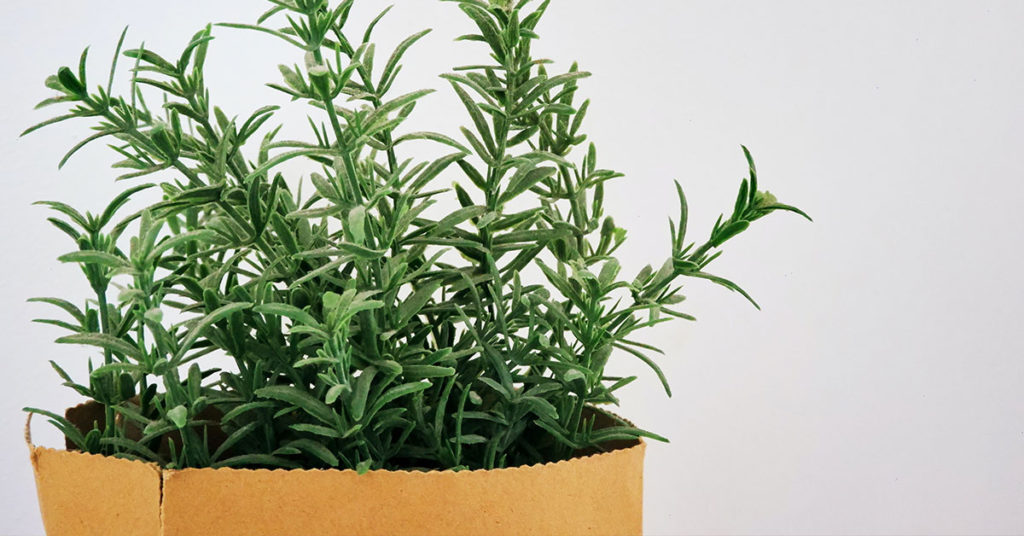
Rosemary (Rosmarinus officinalis) is a fragrant, woody herb that, contrary to popular belief, can withstand very cold climates when provided with proper care. Native to the Mediterranean, rosemary has been cherished for centuries not only for its culinary uses but also for its ability to attract beneficial insects such as bees and even small birds that seek refuge in its dense, evergreen foliage. In my garden, rosemary’s needle-like leaves and aromatic profile create an inviting, rustic atmosphere, perfect for a hardy winter herb garden.
Although rosemary is often considered tender, many hardy cultivars thrive in cooler temperatures and are non-invasive when planted in well-drained, sheltered locations. With minimal maintenance and occasional pruning, rosemary produces an abundance of fragrant leaves that add both flavor to your dishes and beauty to your garden. Every time I rub a leaf between my fingers, I’m reminded that this resilient herb embodies the spirit of endurance and warmth even in the chilliest conditions!
Horseradish
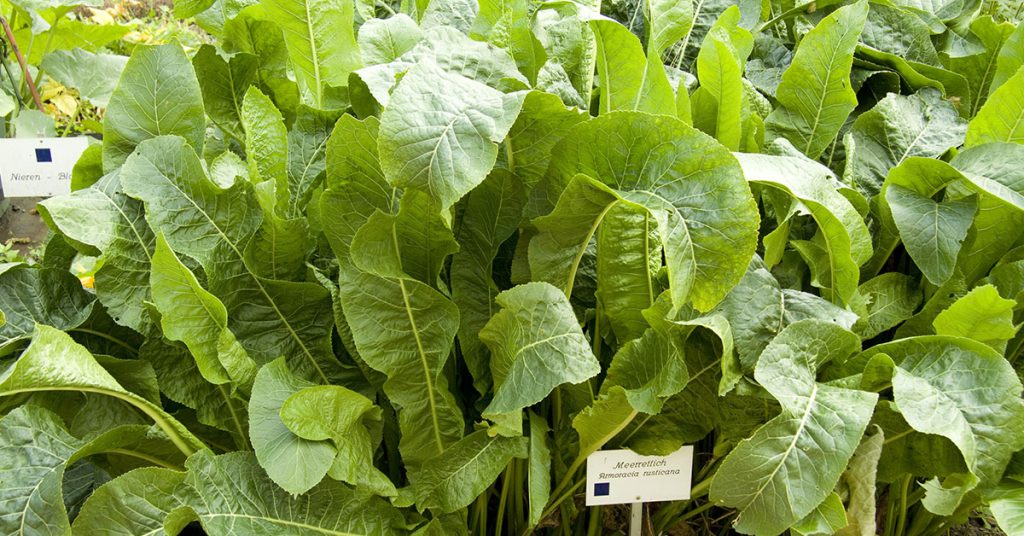
Horseradish (Armoracia rusticana) is a pungent, hardy perennial renowned for its robust flavor and impressive cold tolerance. Native to Southeast Europe and the Eastern Mediterranean, horseradish thrives in very cold climates and produces vigorous, deep-rooted growth that can attract beneficial soil organisms. In my garden, I appreciate how horseradish not only provides a powerful kick to sauces and dressings but also helps aerate the soil, creating a healthier growing environment for neighboring plants.
Although horseradish has a reputation for vigorous growth, it is generally non-invasive when contained within a designated bed or container, making it ideal for gardeners looking for a superfood with a bit of bite. With regular harvesting and a little extra care during the winter months, horseradish continues to produce its characteristic, spicy roots that are a true culinary treasure. Every time I grate a bit of fresh horseradish, I’m reminded of the bold, invigorating flavor that nature can deliver even in the face of frost!