
Spring is the perfect time to rejuvenate your garden and give your broccoli the best possible start with some carefully chosen companion plants. I know how frustrating it can be when pests invade your crops or when your garden doesn’t deliver the bounty you hoped for. Over the years, I’ve experimented with various companions that not only enhance broccoli growth but also help repel those pesky insects. With each planting, I’ve discovered little wonders that attract beneficial pollinators and create a natural, balanced ecosystem in my garden!
As a passionate gardener, I’m excited to share 14 great companion plants that can make a real difference in your spring garden. These plants come from diverse native regions—from the sun-drenched Mediterranean to the cool temperate zones of Europe—and most are non-invasive when properly managed. Whether you’re battling cabbage moths or simply looking to enrich your soil and encourage natural pest control, these companions provide a multi-faceted approach to growing robust, healthy broccoli. Let’s explore each one and uncover the secrets behind their remarkable benefits!
Rosemary
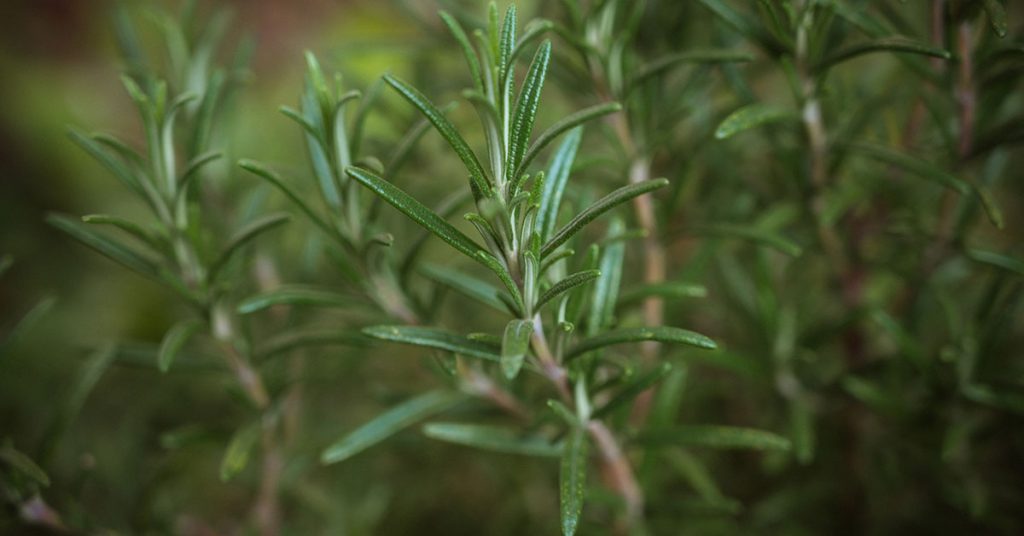
Rosemary, native to the Mediterranean, is a fragrant herb that plays a dual role as a culinary delight and a natural pest repellent. Its woody stems and needle-like leaves exude a robust aroma that not only elevates your kitchen dishes but also deters cabbage moths and aphids from settling on your broccoli. In my garden, rosemary’s evergreen nature creates a beautiful, year-round backdrop that attracts beneficial insects like bees, which sometimes pause among its branches to gather nectar!
This non-invasive herb is delightfully low-maintenance, thriving in well-drained soil and sunny spots—just the conditions broccoli loves. I find that interplanting rosemary near my broccoli beds helps create a microclimate that keeps pests at bay while enriching the overall scent and appeal of the garden. Its strong presence makes it an excellent natural barrier against unwelcome visitors, providing both practical benefits and a touch of rustic charm!
Nasturtium

Nasturtium is a vibrant annual with bold, peppery blooms that serve as an excellent trap crop for aphids and whiteflies. Native to South America, this plant quickly adapts to various climates and is prized for its ability to lure pests away from broccoli, acting as a living decoy. I’ve seen firsthand how these cascading flowers attract a variety of pollinators, and their sprawling vines sometimes offer safe spots for beneficial insects to nest!
Despite its aggressive growth habit, nasturtium is generally non-invasive when managed properly and can be easily pruned to maintain shape. Its bright, cheerful blossoms add a pop of color to your spring garden, creating a dynamic contrast with the deep greens of broccoli. By placing nasturtiums near your brassicas, you not only boost the overall visual appeal but also promote a healthier, more balanced ecosystem that thrives on natural pest control!
Garlic
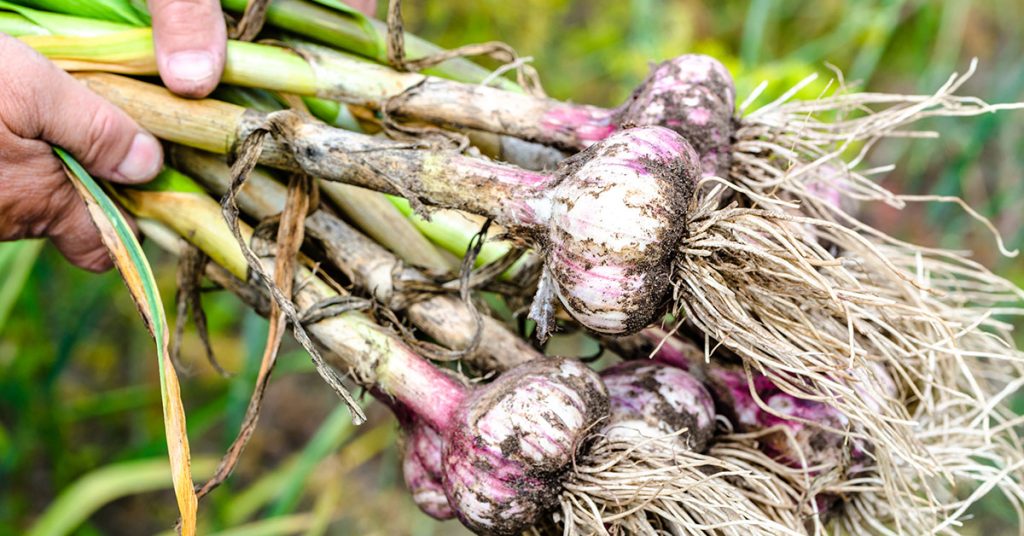
Garlic, a well-known culinary staple, doubles as a powerful companion plant that repels a range of pests harmful to broccoli. Native to Central Asia, garlic has been cultivated for thousands of years for its potent aroma and medicinal properties. When interplanted with broccoli, its strong scent helps deter aphids, cabbage worms, and other insects that might otherwise feast on your precious crops. I’ve always appreciated garlic for its dual purpose in the garden and on the dinner table!
In addition to pest control, garlic also has antifungal properties that contribute to healthier soil and reduce the spread of diseases among neighboring plants. I enjoy how garlic not only safeguards my broccoli but also enriches the garden’s biodiversity by attracting beneficial insects that help maintain a balanced ecosystem. Its low-maintenance growth and non-invasive nature make garlic an indispensable ally for any spring garden aiming for robust and resilient broccoli harvests!
Chamomile
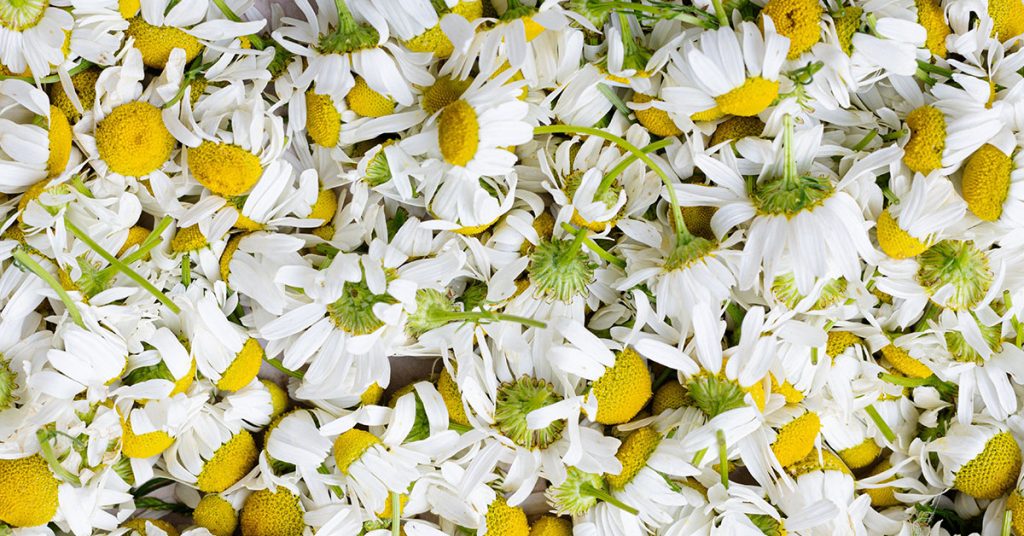
Chamomile is a charming herb known for its delicate, daisy-like flowers and calming properties—ideal for a peaceful garden atmosphere. Native to Europe and Western Asia, chamomile has been used for centuries in teas and remedies to soothe nerves and aid digestion. In the garden, I’ve noticed that chamomile’s subtle, apple-like fragrance attracts bees and other pollinators, which sometimes even find cozy spots among its blossoms to rest or build nests!
This herb is also reputed to improve the flavor and growth of neighboring plants, including broccoli, by releasing beneficial compounds into the soil. I appreciate how chamomile contributes to a tranquil garden environment while supporting natural pest control. With its non-invasive growth habit and low-maintenance needs, chamomile is a fantastic addition to any spring garden looking to cultivate both beauty and practical benefits!
Parsley
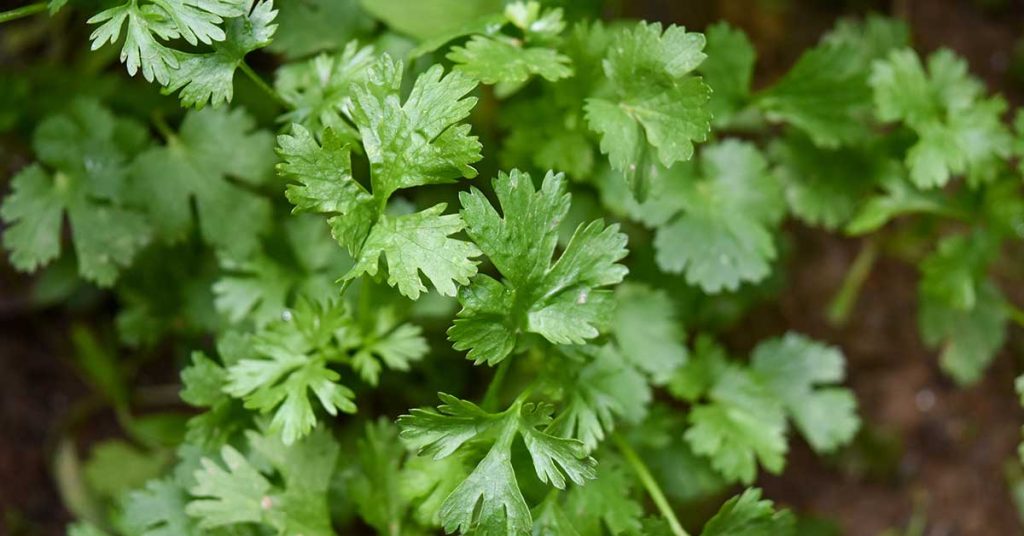
Parsley is a versatile herb native to the Mediterranean region that not only enhances your culinary creations but also acts as a supportive companion for broccoli. Its bright, feathery foliage creates an attractive ground cover that helps suppress weeds while attracting beneficial insects such as ladybugs and parasitic wasps. I’ve often marveled at how parsley seems to invite these tiny garden guardians, which play a crucial role in keeping pests under control!
Moreover, parsley enriches the soil with essential nutrients as it decomposes, fostering a healthier microenvironment for your broccoli. Though it spreads moderately, parsley is generally non-invasive and easily managed in garden beds or containers. Its dual purpose as both a flavorful herb and a natural pest repellent makes it a favorite in my spring garden, ensuring that every harvest is as bountiful as it is delicious!
Mint

Mint, with its refreshing aroma and vigorous growth, is a popular companion plant that can offer substantial benefits when grown near broccoli. Native to Europe and Asia, mint is celebrated for its ability to repel aphids, cabbage moths, and other pests with its strong, menthol scent. I’ve found that even a small patch of mint can create a barrier that not only deters unwanted insects but also attracts pollinators like bees, which sometimes nest in the dense, sprawling foliage!
However, mint is notorious for its invasive tendencies if left unchecked, so I always grow it in pots or designated areas to prevent it from overtaking other plants. Despite this, its robust character and low-maintenance nature make mint a delightful addition to any spring garden. Its cooling fragrance and natural pest-repelling properties create a harmonious environment that complements the growth of broccoli, ensuring a healthier and more vibrant garden!
Marigold
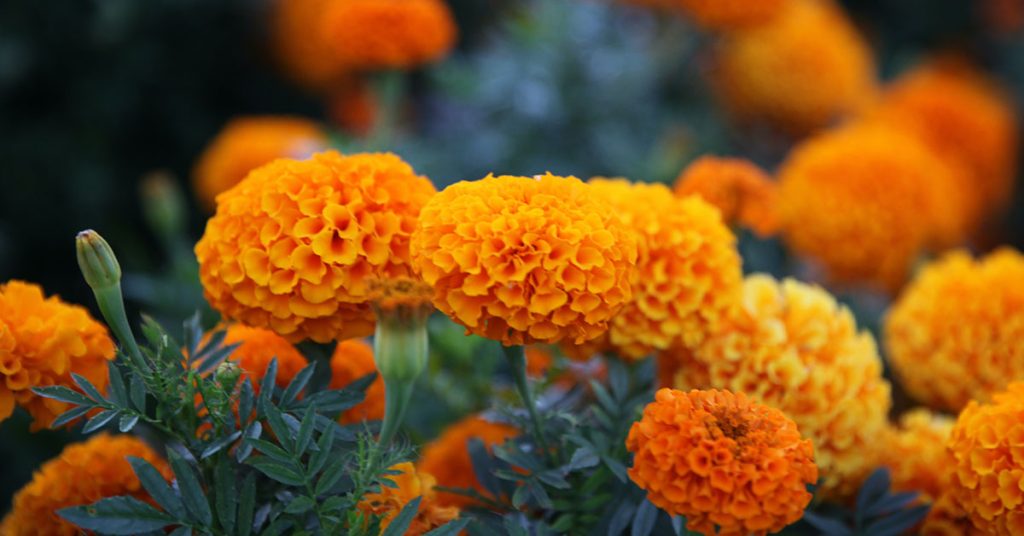
Marigold is a vibrant flowering plant native to the Americas that plays a crucial role in natural pest management for broccoli. Its bright, cheerful blossoms emit a strong scent that repels nematodes, aphids, and other common garden pests. In my experience, marigolds act as a natural shield, reducing pest populations and attracting beneficial insects that help keep the ecosystem in balance. Watching these bold blooms in the garden always fills me with joy and a sense of security against harmful intruders!
In addition to its pest-repelling properties, marigold is non-invasive and easy to grow, making it an ideal companion for broccoli. Its striking color and lively presence enhance the garden’s visual appeal, creating a dynamic contrast with the deep greens of brassicas. I love incorporating marigolds into my spring garden, knowing that their natural defenses not only protect my crops but also contribute to a healthier, more diverse garden community!
Thyme
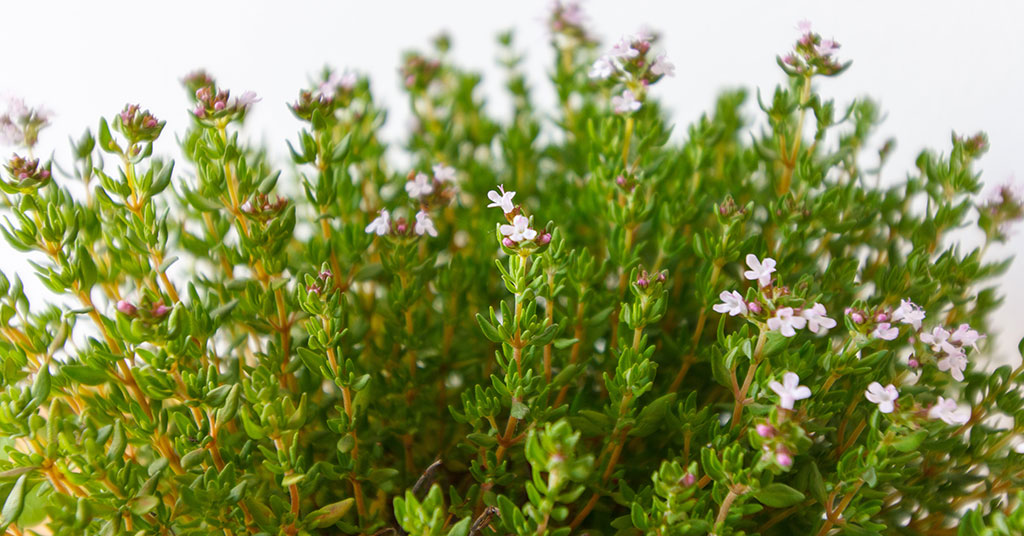
Thyme is a low-growing herb native to the Mediterranean that offers more than just culinary charm—it’s also an excellent companion for broccoli. Its aromatic leaves release subtle essential oils that deter cabbage worms and other pests while attracting beneficial insects such as solitary bees and hoverflies. In my garden, thyme creates a delicate, fragrant mat around broccoli beds, enhancing both flavor and pest resistance in a natural, non-invasive way!
I appreciate how thyme’s ground-covering habit helps reduce soil erosion and maintains moisture levels, which is crucial during the brisk spring weather. Its resilience and low-maintenance nature make it a practical choice for gardeners seeking to improve their crops’ overall health without overwhelming the garden’s ecosystem. The combination of its culinary appeal and natural defense mechanisms makes thyme a cherished ally for any gardener aiming to grow thriving, pest-resistant broccoli this spring!
Calendula

Calendula, also known as pot marigold, is a cheerful annual native to Southern Europe that brings a burst of sunny color and practical benefits to your broccoli garden. Its bright, golden-orange blossoms are known to repel a variety of pests while attracting beneficial insects like ladybugs and lacewings, which help keep pest populations under control. I’ve always found that calendula not only enhances the visual appeal of my garden but also creates a natural, lively habitat where insects can safely nest and forage!
Beyond its pest management qualities, calendula is non-invasive and very adaptable, thriving in a range of soil conditions while adding a touch of rustic charm to your spring garden. Its dual role as both an ornamental and a functional plant makes it a valuable companion for broccoli, supporting the overall health of the garden ecosystem. I enjoy watching calendula in full bloom—it’s a heartwarming reminder that nature often provides the perfect solution when we let it work in harmony with our crops!
Dill
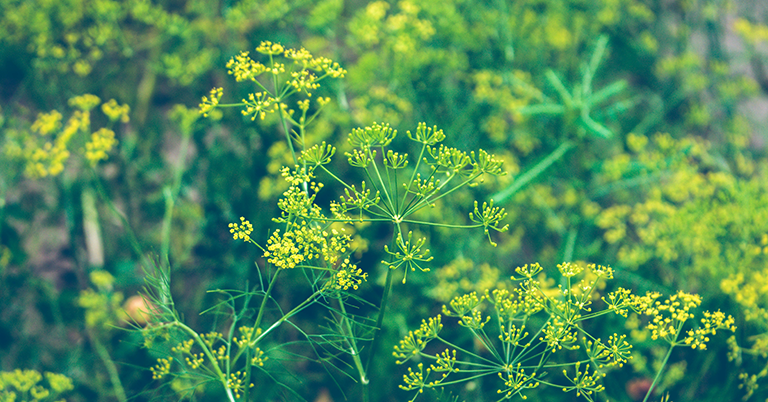
Dill is a versatile herb native to the Mediterranean and Southwest Asia that brings both aromatic flavor and natural pest control to the broccoli patch. Its feathery foliage and delicate umbels of yellow flowers attract a variety of beneficial insects, including predatory wasps and ladybugs, which help keep aphids and cabbage worms at bay. In my garden, dill often plays the role of a friendly neighborhood mediator, inviting nature’s helpers to settle in and support my crops while adding a touch of natural elegance!
Though dill can sometimes attract cabbage moths if overplanted, careful management ensures that it remains a beneficial companion rather than a pest magnet. I’ve learned to intersperse dill with other supportive plants to maintain balance and maximize its positive effects. Its ease of cultivation and natural charm make dill a must-have in any broccoli companion strategy, offering both culinary versatility and ecological benefits to help your garden flourish!
Sage
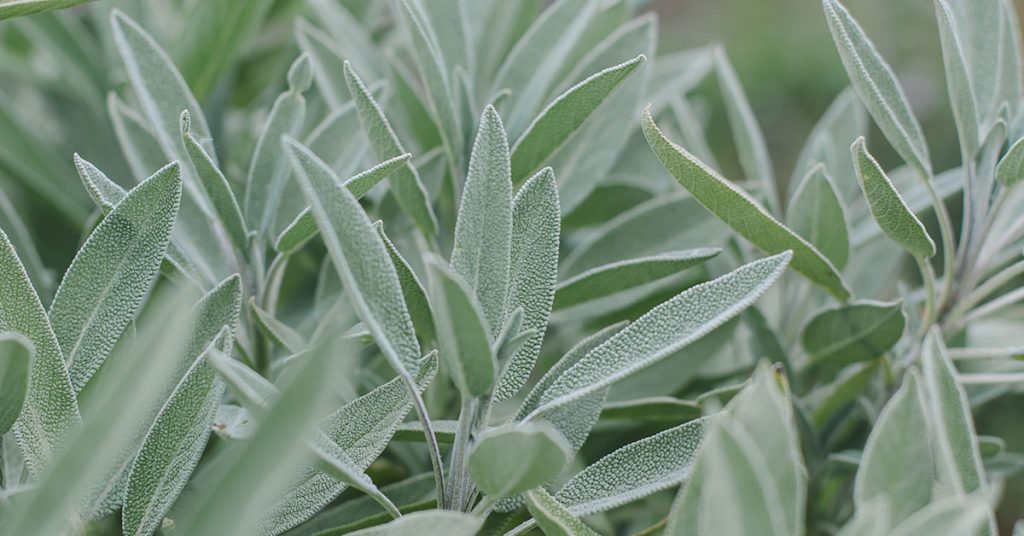
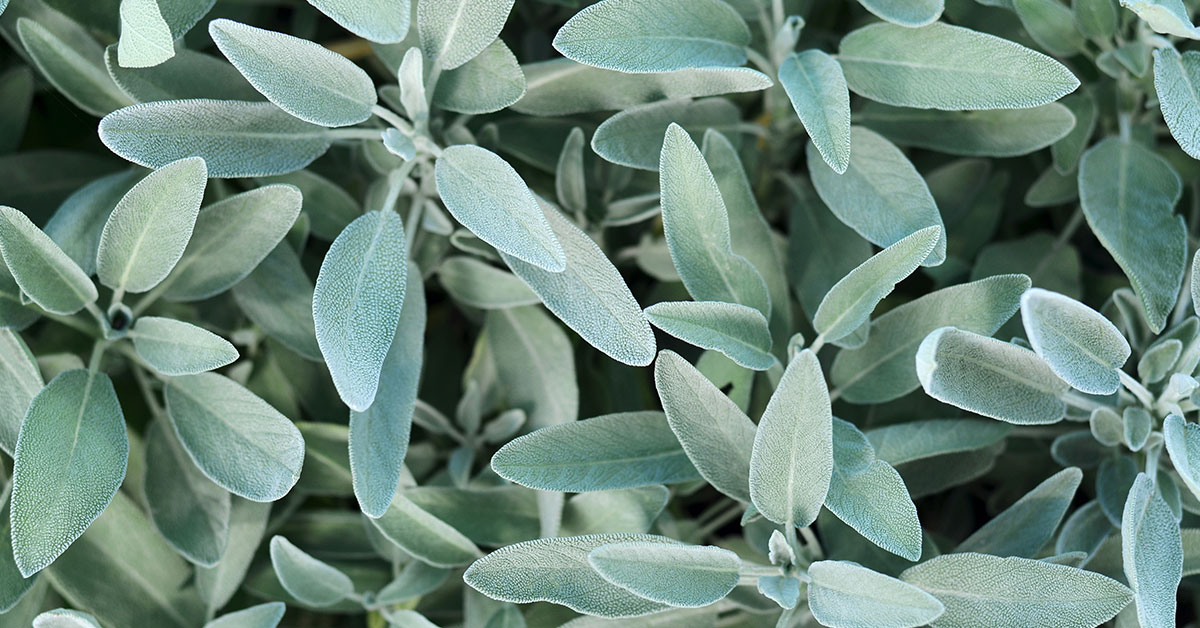
Sage, native to the Mediterranean region, is a hardy herb known for its robust flavor and powerful pest-repelling properties. Its silvery-green leaves emit a strong, earthy aroma that naturally deters cabbage moths and other pests that might target your broccoli. In my garden, sage not only serves as a flavorful addition to my cooking but also as a vigilant guardian, attracting beneficial insects like solitary bees that sometimes find refuge in its dense growth!
This versatile herb is non-invasive and adapts well to various soil types, making it a practical companion for broccoli in the spring. I appreciate how sage’s rugged texture and aromatic profile contribute to a balanced garden ecosystem, reducing the reliance on chemical pest controls. Its enduring presence and multi-faceted benefits make sage a cherished part of my companion planting strategy, ensuring that both flavor and function thrive side by side in a beautifully orchestrated garden!
Onion
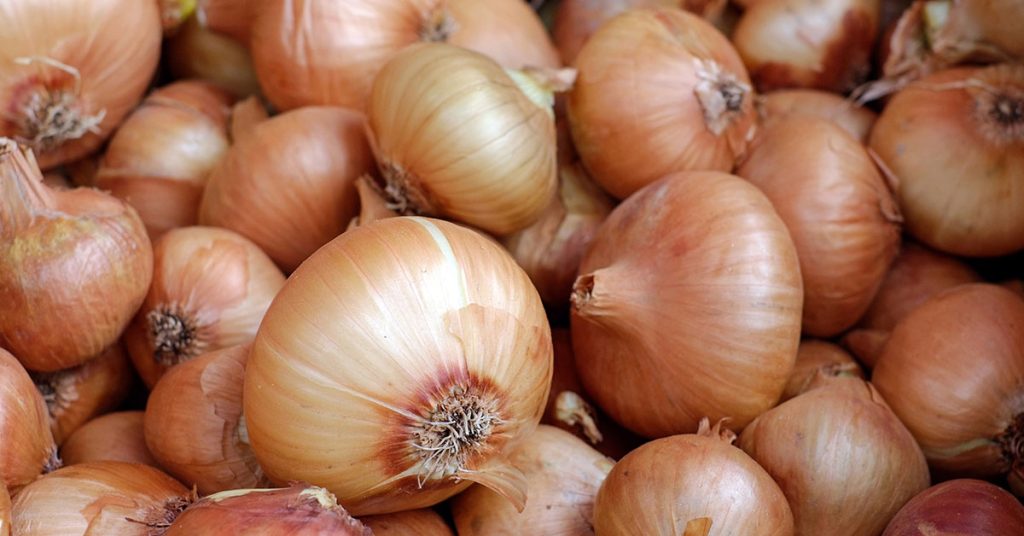
Onion, a member of the allium family native to Central Asia, is a surprisingly effective companion plant for broccoli. Its pungent aroma acts as a natural deterrent for pests such as aphids and cabbage worms, helping to shield your broccoli from potential damage. I’ve noticed that when planted alongside broccoli, onions create an invisible barrier that discourages unwelcome insects while attracting beneficial pollinators that occasionally use the clumps for nesting and shelter!
Onions are also low-maintenance and non-invasive, making them ideal for interplanting in a variety of garden settings. Their versatility in the kitchen only adds to their appeal, and the synergy they create with broccoli results in healthier, more resilient crops. In my own gardening practice, onions have proven to be an invaluable ally, offering both flavor and natural pest control—truly a win-win situation for anyone looking to cultivate a thriving spring garden!
Borage

Borage is a striking herbaceous plant native to the Mediterranean that is prized for its ability to attract beneficial insects and improve soil health. Its star-shaped, blue flowers not only add a splash of color to the broccoli patch but also lure pollinators like bees and butterflies, which sometimes find a temporary nesting spot among its abundant blooms. I’ve often marveled at how borage naturally boosts the vitality of the surrounding plants, making it a popular choice in my spring garden for its dual role as both an ornamental and a functional companion!
Despite its vigorous growth, borage is generally non-invasive and contributes positively to garden biodiversity. It releases trace minerals into the soil, which can help strengthen the nutrient profile for your broccoli, ensuring robust growth and better pest resistance. Its friendly demeanor and ease of cultivation make borage a delightful addition to any garden, where its vibrant presence continually reminds me of nature’s intrinsic ability to nurture and protect!
Chives
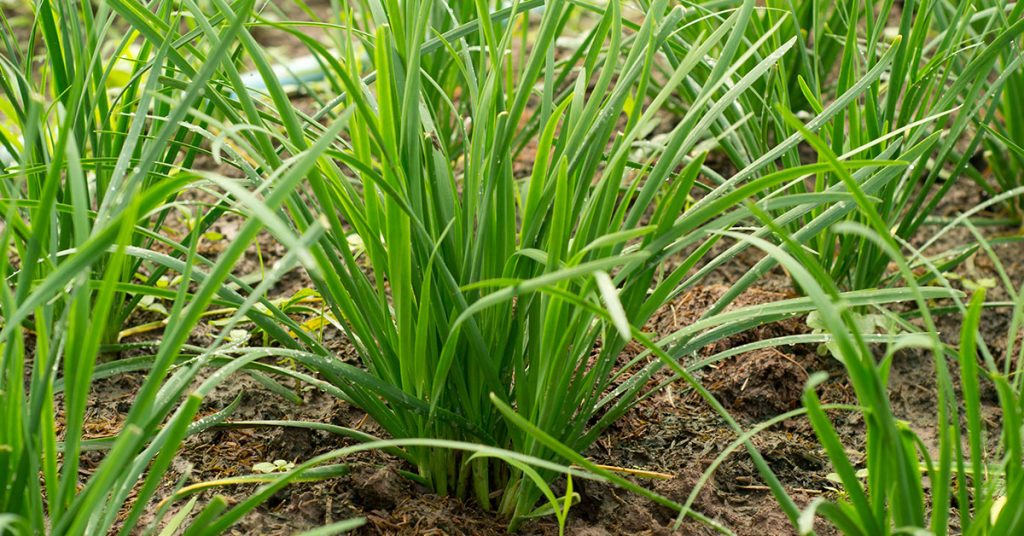
Chives are a charming member of the allium family, native to Central Asia, that bring a mild onion-like flavor and natural pest deterrence to the broccoli garden. Their slender, tubular leaves emit a subtle aroma that helps repel aphids and other common pests, while simultaneously attracting beneficial insects such as ladybugs that often use the clumps as safe nesting sites. In my garden, chives add not only a culinary boost but also an extra layer of defense for my broccoli, making them a practical yet delightful companion!
Their clump-forming habit and low-growing nature make chives non-invasive and easy to integrate into any garden bed or container. I enjoy interspersing chives with my broccoli because their delicate appearance and subtle scent blend beautifully with the larger, bolder leaves of brassicas. Their natural ability to enhance flavor and protect against pests makes chives an essential part of my companion planting strategy, ensuring a harmonious and productive garden environment this spring!