
Gardening is an art full of vibrant colors and delightful surprises—but sometimes, even the most beautiful flowers can harbor a hidden danger. As an avid gardener, I’ve experienced the joy of blooming landscapes as well as the frustration of watching plant diseases silently creep in, often carried by unsuspecting blooms. It’s such a bummer when your garden’s natural beauty is compromised by pathogens that hitch a ride on your favorite flowers! Today, I’m excited to share insights on 14 common flowers that, despite their stunning appearance, could be spreading plant diseases throughout your garden.
In this article, we’ll delve into each flower’s native origins, its growth behavior, and the ways it might contribute to disease spread—sometimes even offering nesting spots for pests that further exacerbate the problem. Whether you’re battling powdery mildew on roses or viral infections in petunias, understanding these potential hazards is key to maintaining a healthy, balanced garden.
Impatiens
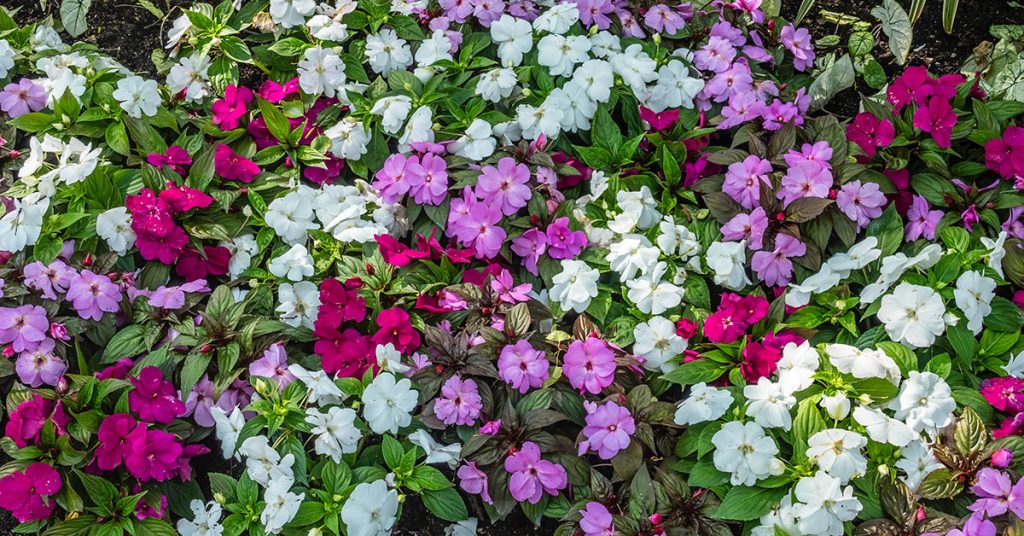
Impatiens are beloved for their bright, cheerful blooms that instantly enliven shady garden corners, yet they can be a hotbed for downy mildew—a fungal disease that spreads rapidly among tender foliage. Native to tropical Africa and Asia, these annuals flourish in moist, humid environments that, while perfect for their growth, also create ideal conditions for pathogens. I’ve often been frustrated when my impatiens, despite their beauty, become the unwitting carriers of disease, turning a once-lively display into a soggy, diseased mess!
Their lush, densely packed leaves not only trap moisture but also attract a variety of insects that can help further disperse fungal spores. Although impatiens aren’t considered invasive, their susceptibility to disease means that an outbreak in one area can quickly jump to other parts of your garden. Regular monitoring, proper spacing, and timely fungicide applications are essential to keep these gorgeous flowers healthy and prevent them from becoming disease vectors!
Coneflowers (Echinacea)

Coneflowers, or Echinacea, add a bold burst of color to any garden with their striking purple petals and spiky central cones. Native to the prairies of North America, these perennials are renowned for their resilience—but even they can fall prey to powdery mildew and other fungal infections that may be transmitted to neighboring plants. I’ve always admired the natural charm of coneflowers, yet it’s a bit disheartening when their vigorous growth turns into a breeding ground for pathogens that can undermine your entire garden ecosystem!
The open, airy structure of coneflowers generally helps with air circulation, but when humidity levels are high, disease can still take hold. Their prominent blooms attract a variety of beneficial insects; however, these visitors sometimes also carry fungal spores from one plant to another. Maintaining proper spacing and employing organic treatments can help reduce the risk of disease spread, ensuring that your coneflowers remain as healthy as they are beautiful!
Petunias
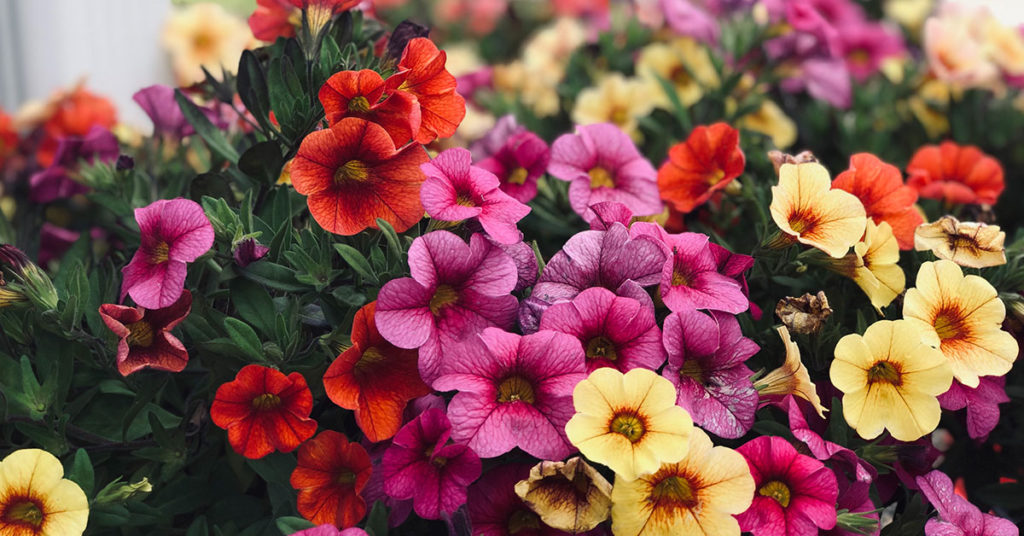
Petunias are a garden favorite, celebrated for their vibrant colors and extended blooming period, but they can also be prone to viral infections and bacterial blights that spread rapidly. Native to South America, petunias thrive in sunny locations with well-draining soil, yet their popularity and dense planting sometimes lead to conditions that favor disease outbreaks. I’ve experienced the disappointment of a petunia patch overtaken by unsightly spots and wilting foliage—it’s a harsh reminder that even our most admired flowers have a vulnerable side!
The succulent, velvety leaves of petunias can sometimes serve as ideal sites for pathogens to settle, and the insects attracted by their nectar may inadvertently help transfer these diseases. Although petunias are not invasive, their dense growth habit can make it challenging to detect early signs of infection. To keep your petunias thriving, it’s important to ensure good air circulation and apply preventative treatments at the first hint of disease—so you can continue enjoying their radiant display without interruption!
Begonias
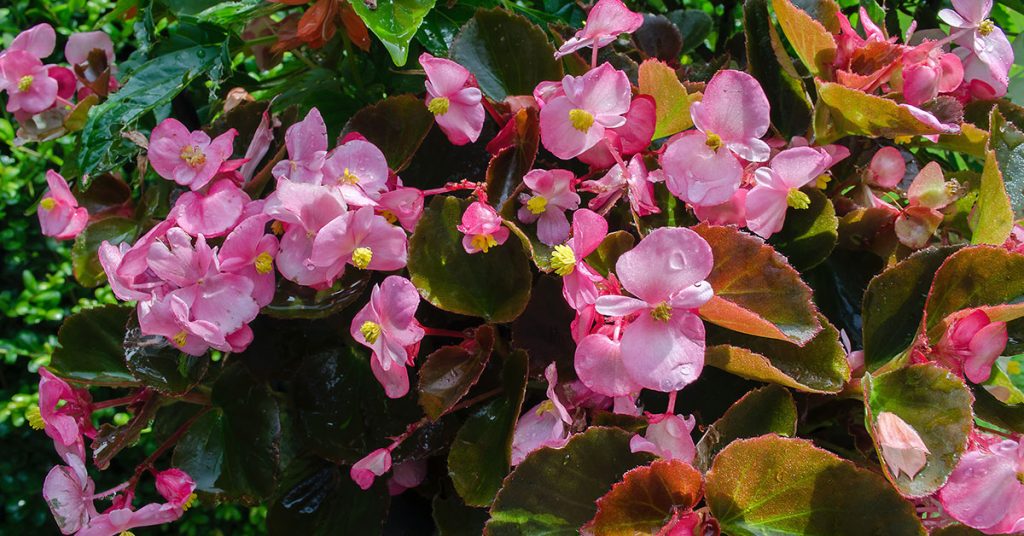
Begonias are adored for their unique, asymmetrical leaves and soft, colorful blooms that add a touch of exotic flair to shady garden spots. Native to tropical and subtropical regions, begonias can be particularly susceptible to bacterial leaf spot and fungal diseases, which can easily spread through damp, humid conditions. I’ve witnessed begonias go from being the star attraction in a shaded nook to a discolored, disease-ridden patch that saps the joy out of my garden—an all-too-familiar scenario for many plant lovers!
Their dense foliage and overlapping growth can trap moisture, creating a perfect environment for pathogens to thrive and be spread by the wind or even by insects seeking shelter. While begonias are generally not considered invasive, their vulnerability to disease means that a single infected plant can quickly turn into a larger problem if not addressed. Regular inspection, proper spacing, and targeted organic sprays can help mitigate these risks, keeping your begonias as healthy as they are eye-catching!
Asters
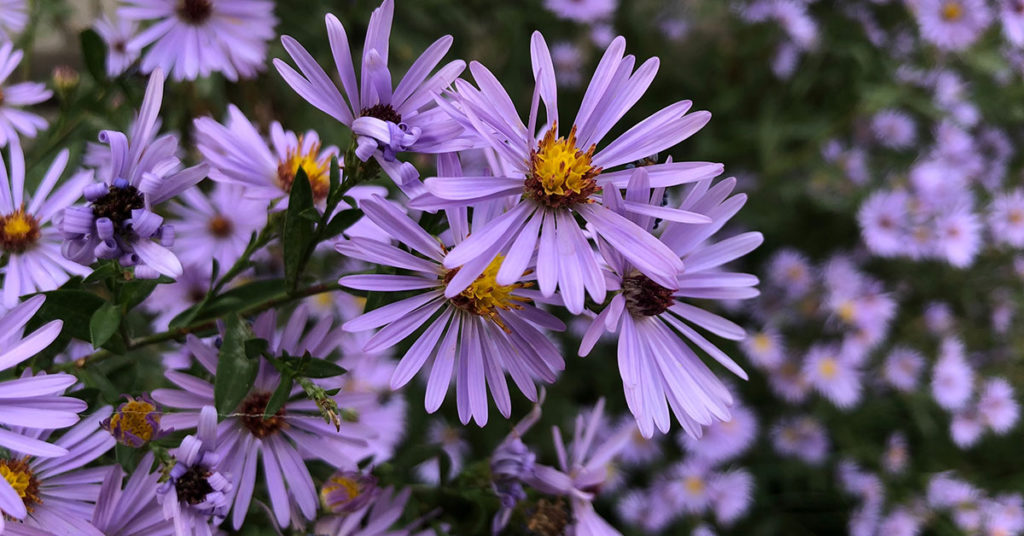
Asters, with their delicate, daisy-like blooms in soft shades of purple, pink, and white, bring a touch of woodland magic to garden beds. Native to various regions across North America and Europe, these perennials are celebrated for attracting a diverse array of pollinators. However, they are also prone to fungal infections such as aster yellows and powdery mildew, which can easily spread to neighboring plants if not managed properly. I’ve always appreciated the subtle beauty of asters, but it’s a real bummer when disease clouds their natural charm!
The open structure of aster flowers makes them attractive to beneficial insects, yet these same insects can sometimes inadvertently transfer fungal spores from one plant to another. Although asters are typically non-invasive, their susceptibility to certain pathogens means that maintaining proper garden hygiene is crucial. By ensuring adequate air circulation and employing timely treatments, you can protect your asters from disease while still enjoying their gentle, woodland allure!
Roses

Roses are perhaps the most iconic garden flowers, renowned for their timeless beauty and captivating fragrance. Native to Asia and Europe, roses have been cultivated for centuries, yet they are notoriously prone to a host of diseases like black spot, powdery mildew, and rose rust. I’ve experienced the heartbreak of watching a row of roses succumb to these persistent ailments, turning a once-lovely display into a battlefield of discolored leaves and damaged blooms—truly a gardener’s worst nightmare!
Beyond the aesthetic damage, diseased roses can also become sources of infection for other nearby plants. The dense, layered growth habit of many rose varieties can create a humid microenvironment that is perfect for the spread of pathogens. While roses are not invasive, their high susceptibility to disease means that meticulous care, including regular pruning and fungicide applications, is essential to keep them healthy. Protecting your roses is key to maintaining not only their beauty but also the overall health of your garden ecosystem!
Geraniums
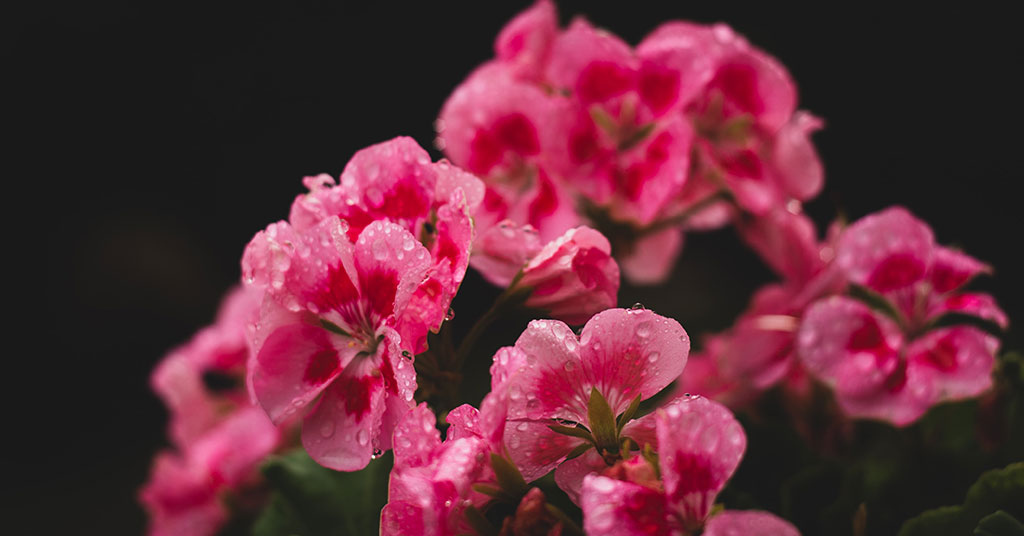
Geraniums, particularly the hardy varieties grown in gardens worldwide, are cherished for their vibrant blooms and lush, aromatic foliage. Native to South Africa, these plants bring a splash of color and a delightful fragrance to garden beds. However, they can sometimes harbor fungal diseases like root rot and bacterial blight that, if left unchecked, may spread to other plants in your garden. I’ve seen once-thriving geranium beds fall victim to these diseases, transforming a display of vibrant beauty into a patch of wilted, discolored leaves—a real heartbreaker for any gardener!
The dense foliage of geraniums can create damp conditions that serve as breeding grounds for pathogens, and the insects attracted by their nectar might inadvertently transfer these harmful agents. While geraniums are generally non-invasive and easy to care for, their susceptibility to disease means that proper maintenance, including good drainage and timely treatments, is crucial. By keeping a close eye on your geraniums and addressing any signs of disease promptly, you can preserve their beauty and protect your entire garden!
Snapdragons
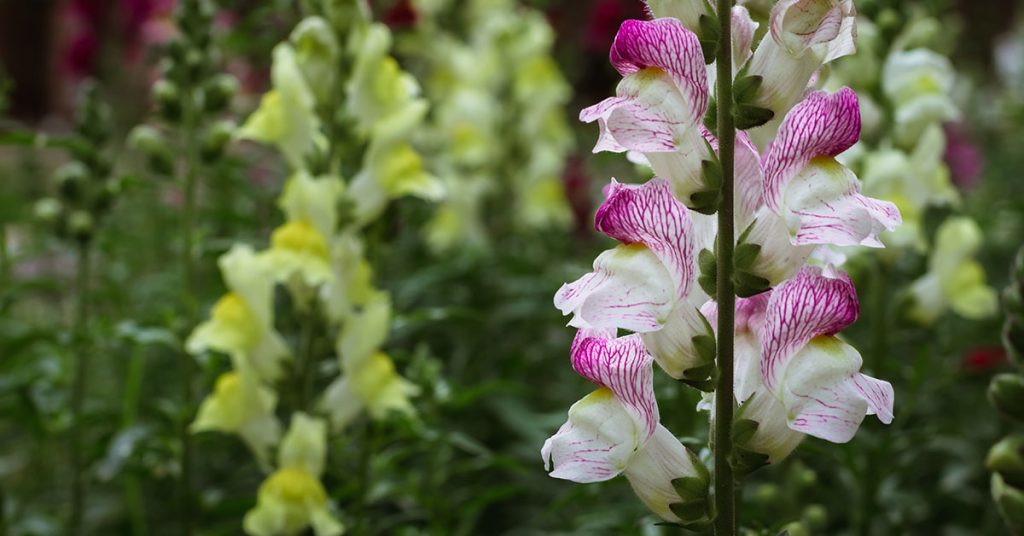
Snapdragons are renowned for their whimsical, dragon-shaped blooms that add a playful touch to any garden. Native to the Mediterranean region, these annuals and perennials are a favorite for their bright, cheerful colors and unique flower shape. However, Snapdragons can sometimes fall victim to bacterial leaf spot and powdery mildew, diseases that can spread quickly among densely planted specimens. I’ve experienced the disappointment of a once-vibrant snapdragon border turning into a sickly display of wilting, spotted leaves—a frustrating setback for any flower enthusiast!
The compact, clustered growth of snapdragons can facilitate the spread of pathogens, especially when humidity levels rise or watering practices are inconsistent. While snapdragons are not typically invasive, their disease susceptibility requires careful attention to soil moisture and air circulation. Ensuring proper spacing and employing organic fungicides at the first sign of trouble can help keep these delightful blooms healthy and prevent them from becoming vectors for plant diseases. With the right care, snapdragons can continue to charm your garden without spreading harm!
Zinnias
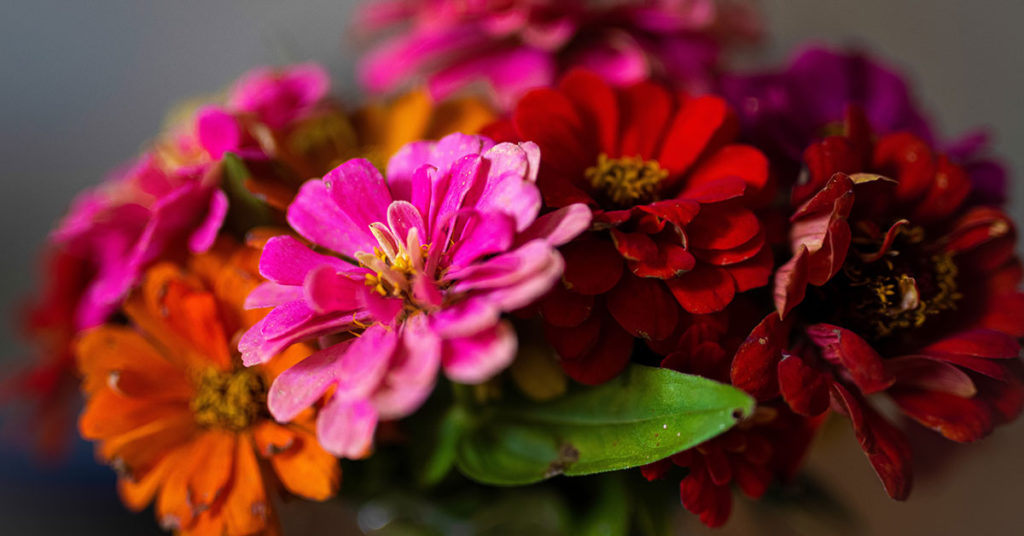
Zinnias are a burst of summer joy, known for their vivid, daisy-like blooms that come in a kaleidoscope of colors. Native to Mexico, these annuals are beloved for their fast growth and continuous flowering throughout the warm months. Unfortunately, zinnias are also prone to powdery mildew and fungal leaf spots that can quickly tarnish their brilliant appearance. I’ve seen zinnia patches go from dazzling to discolored and weakened in no time—a stark reminder that even our most colorful blooms can harbor hidden dangers!
The open, airy structure of zinnia flowers attracts a variety of pollinators, but it also leaves them vulnerable to airborne fungal spores that can be carried by the wind. While zinnias are not invasive and are relatively easy to manage, neglecting to monitor them for signs of disease can lead to rapid spread throughout your garden. Regular watering at the base, proper spacing, and early intervention with organic treatments are key to keeping zinnias healthy and their colors as vibrant as nature intended!
Dianthus
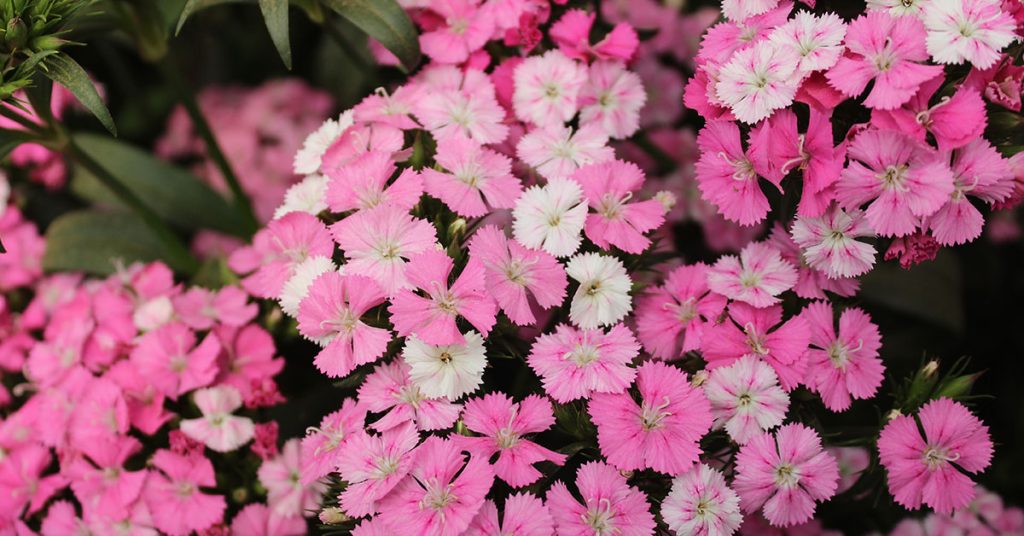
Dianthus, commonly known as pinks or carnations, are celebrated for their frilly, fragrant blooms that exude classic garden charm. Native to Europe and parts of Asia, these perennials and biennials are a staple in many gardens for their delicate appearance and enduring beauty. However, Dianthus can sometimes be carriers of fungal diseases such as powdery mildew and botrytis, which can easily spread to other plants if conditions become too humid. I’ve experienced the frustration of a Dianthus patch succumbing to these diseases, reducing what was once a field of soft, charming blooms to a patch of withered petals!
The dense, mounded growth of Dianthus not only provides a beautiful display but can also trap moisture, creating a microenvironment that encourages the spread of pathogens. Beneficial insects might visit for the nectar, yet if disease sets in, these same insects can inadvertently transfer spores to neighboring plants. Regular care, including proper air circulation and timely removal of diseased material, is essential to ensure that your Dianthus remain a source of delight rather than a disease vector. With the right attention, these flowers can continue to add a touch of elegance to your garden without the drawbacks of rampant disease!
Lantana

Lantana is a stunning shrub famous for its clusters of brightly colored bracts that shift hues as they mature, originally native to tropical regions of the Americas. Although its ornamental appeal is undeniable, Lantana can also serve as a reservoir for fungal pathogens and bacterial infections, which may spread to other nearby plants. I’ve marveled at its vibrant display in my own garden—only to later discover that some of its offshoots were harboring diseases that threatened to spill over into my more delicate specimens!
The intricate clusters of Lantana attract a plethora of pollinators, but these same visitors can sometimes contribute to the dissemination of pathogens. While Lantana is considered non-invasive in many regions when properly managed, its potential to spread diseases means that careful monitoring and regular maintenance are vital. Keeping an eye on its health, pruning away any infected parts, and ensuring good air circulation can help prevent Lantana from becoming a silent spreader of plant diseases in your garden!
Pansies
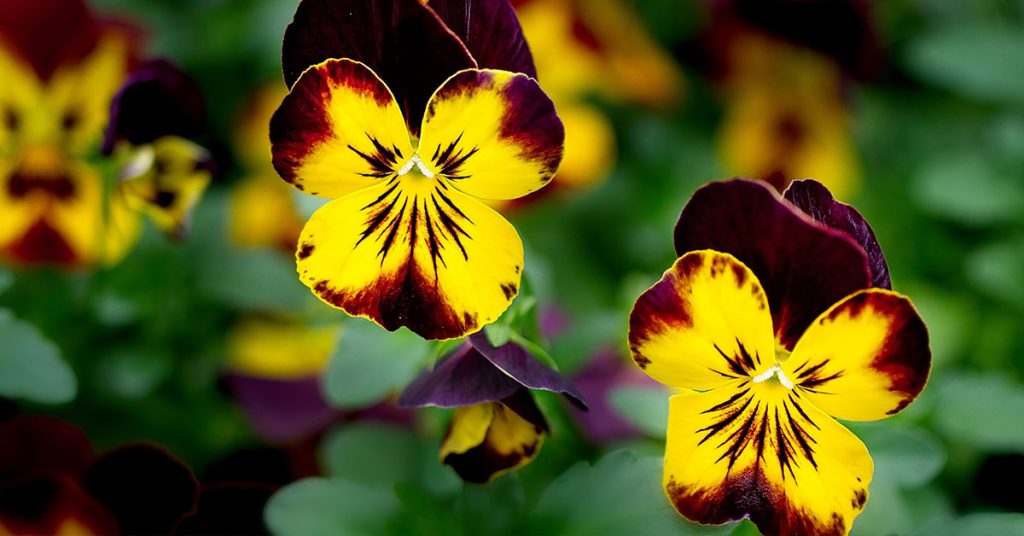
Pansies are cherished for their soft, velvety petals and a rainbow of colors that brighten up cool-season gardens. Native to regions in Europe, these annuals and short-lived perennials are a staple in early spring and fall displays. However, pansies can be surprisingly susceptible to fungal diseases such as downy mildew and botrytis, which can quickly spread among closely planted specimens. I’ve experienced the heartbreak of a once-lively pansy patch turning into a trail of discolored, wilting blooms—a scenario no gardener wants to face!
Their compact growth habit, while charming, creates a microenvironment where humidity can build up and diseases can proliferate. The delicate nature of pansy leaves means that even minor infections can escalate rapidly, especially when encouraged by poor air circulation or overwatering. Regular monitoring, proper spacing, and the timely use of organic fungicides are essential to keep pansies healthy and their brilliant colors intact. With careful attention, you can enjoy the beauty of pansies without the unwanted baggage of rampant disease!
Sunflowers

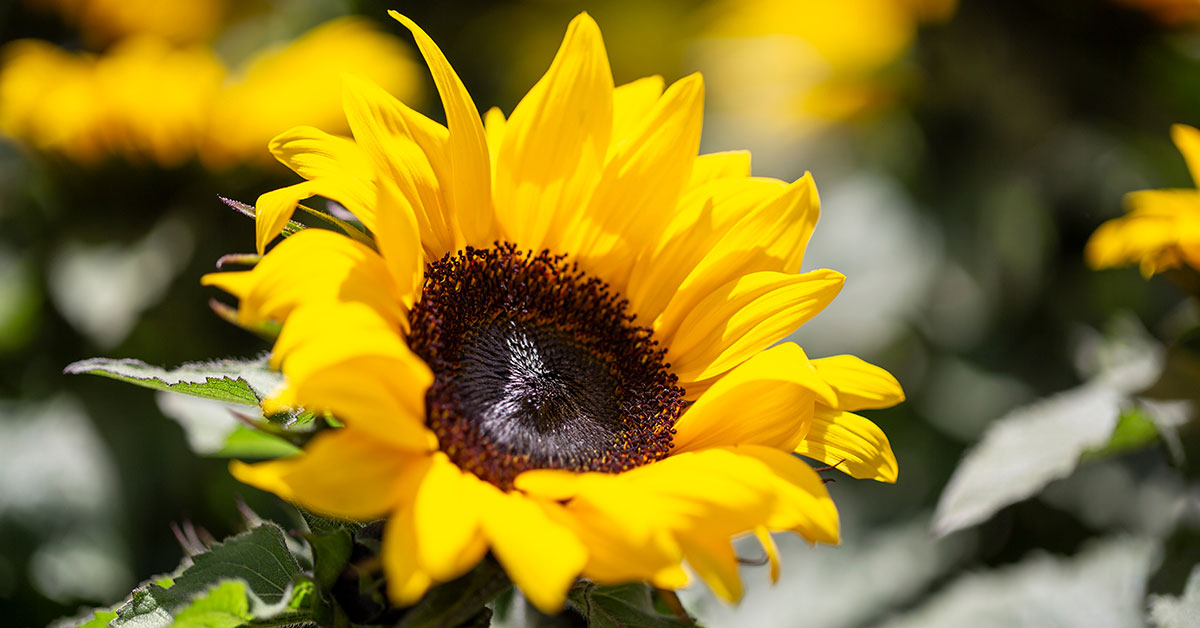
Sunflowers are majestic and iconic, known for their towering presence and radiant, daisy-like faces that follow the sun. Native to North America, these annuals are a favorite among gardeners for their impressive height and cheerful blooms. Yet, despite their robust appearance, sunflowers can fall victim to a range of fungal diseases such as powdery mildew and downy mildew, which can undermine their health and spread to other garden plants. I’ve seen sunflowers, once a symbol of summer’s promise, become marred by discolored leaves and weakened stems—a real blow to any garden’s spirit!
The large, open structure of sunflower heads attracts pollinators like bees and butterflies, which can inadvertently help carry fungal spores from one plant to another. Although sunflowers are non-invasive and generally resilient, neglecting to monitor and treat them for disease can lead to rapid decline and diminished vitality. Ensuring proper spacing, adequate air circulation, and timely organic treatments can protect your sunflowers and keep them shining as the sunny beacons of your garden that they’re meant to be!
Marigold
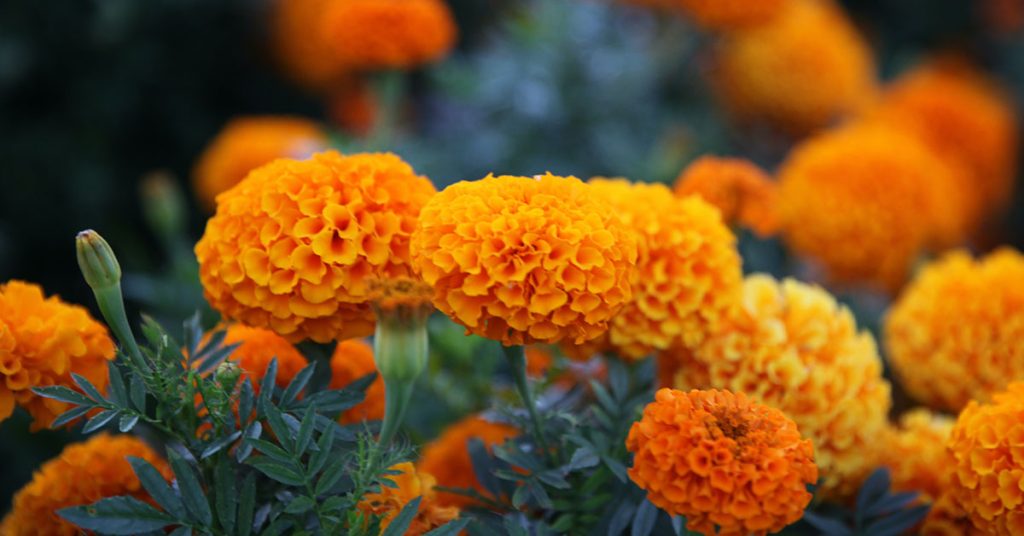
Marigolds are a vibrant burst of color, often used to repel pests and brighten up garden borders. Native to Mexico and Central America, these hardy annuals and perennials are well-known for their bright orange, yellow, and red blooms. However, marigolds can sometimes be unwitting carriers of fungal pathogens, such as Alternaria leaf spot and powdery mildew, which may spread to neighboring plants if conditions are favorable. I’ve encountered marigold patches where disease seemed to lurk beneath the cheerful exterior, threatening to undermine the health of my entire garden!
Their dense, bushy growth habit, while excellent for crowding out weeds, can also trap moisture and create an environment where pathogens thrive. Although marigolds are generally non-invasive and valued for their pest-repelling properties, it’s important to monitor them closely for any signs of disease. Regular pruning and good garden hygiene can help ensure that these vibrant flowers remain a boon rather than a burden in your outdoor space. With the right care, marigolds can continue to add warmth and beauty without spreading unwanted diseases!