

A vibrant garden that sings with birdsong is every gardener’s dream, and one of the best ways to achieve this is by planting flowers that naturally attract birds! Over the years, I’ve experimented with many varieties and discovered that certain blooms not only dazzle with their colors and fragrances but also serve as irresistible magnets for our feathered friends. When birds come calling, they bring with them a lively energy, natural pest control, and even the occasional surprise of a nest tucked away in the garden’s secret corners. I know how frustrating it is when pests take over your yard or when your favorite blooms go unnoticed—so let’s focus on plants that turn your garden into a bird paradise!
In this article, I’m excited to share 14 spectacular flowers that can transform your outdoor space into a haven for birds. Each section dives into where these plants are native, how they behave in your garden, and even details about their potential to provide nesting spots for beneficial insects and birds alike! Whether you’re a seasoned gardener or just starting out, these blooms promise to enhance your garden’s biodiversity, making every visit a chance to enjoy nature’s symphony of colors and chirps. Let’s explore these botanical gems that invite birds to dance among the petals!
Cardinal Flower
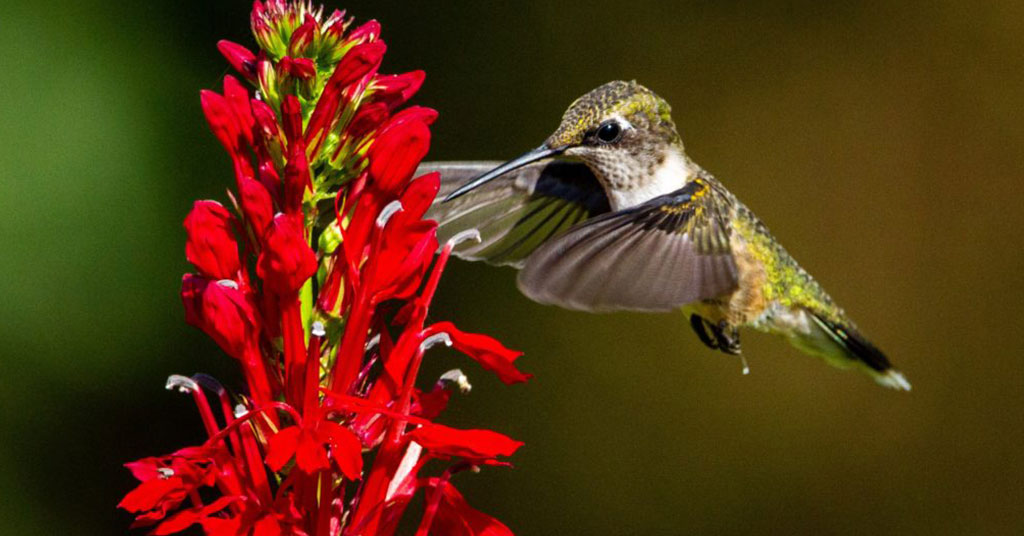
Cardinal Flower (Lobelia cardinalis) is a breathtaking perennial native to the wetlands of North America, celebrated for its vivid red blossoms that seem to glow in the sunlight. This stunning flower is a favorite for attracting hummingbirds and other nectar-loving birds, as its bright, tubular blooms are perfectly shaped for their long beaks. I’ve always been enchanted by the way these scarlet blossoms stand out against lush greenery, transforming any moist garden area into a veritable bird magnet!
Not only do Cardinal Flowers dazzle with their color, but they also create a natural microhabitat that benefits local wildlife. The plant’s dense growth can sometimes offer small nesting spots for beneficial insects, and its nectar-rich blooms ensure a steady stream of pollinators. Although not considered invasive, proper placement is key, as these plants thrive in damp, well-drained soils and add both beauty and ecological value to your bird-friendly garden!
Bee Balm

Bee Balm (Monarda didyma) is a show-stopping perennial native to North America that bursts into vibrant shades of red, pink, or purple. Its ruffled, tubular flowers produce an abundance of nectar, making it irresistible to hummingbirds, bees, and butterflies. I love how Bee Balm injects a burst of energy into my garden—its lively colors and delightful fragrance seem to call out to every visiting bird and insect!
Beyond its visual appeal, Bee Balm plays an essential role in the garden ecosystem by offering ideal perching and nesting sites for beneficial insects. The plant’s dense foliage and upright growth habit create small crevices where tiny creatures can take shelter, contributing to natural pest control. While Bee Balm is non-invasive when maintained properly, regular deadheading helps prolong its blooming period and ensures that your garden remains a vibrant sanctuary for birds all season long!
Coneflower

Coneflowers (Echinacea purpurea) are robust perennials native to the prairies of North America that captivate with their daisy-like blooms and distinctive, spiky centers. Their rich purple petals and seed heads not only add a splash of color but also supply birds with nutritious seeds once the flowers mature. I’ve seen countless birds flock to coneflower beds, eagerly pecking at the seeds and adding a delightful buzz of activity to the garden!
The structure of coneflowers also provides subtle shelter for beneficial insects that contribute to the garden’s overall health. Their open, airy form encourages a balanced ecosystem where natural pest control thrives. Coneflowers are non-invasive and hardy, making them a favorite among gardeners who want to enjoy both stunning blooms and the added bonus of attracting birds that help maintain the natural balance in the yard!
Black-Eyed Susan
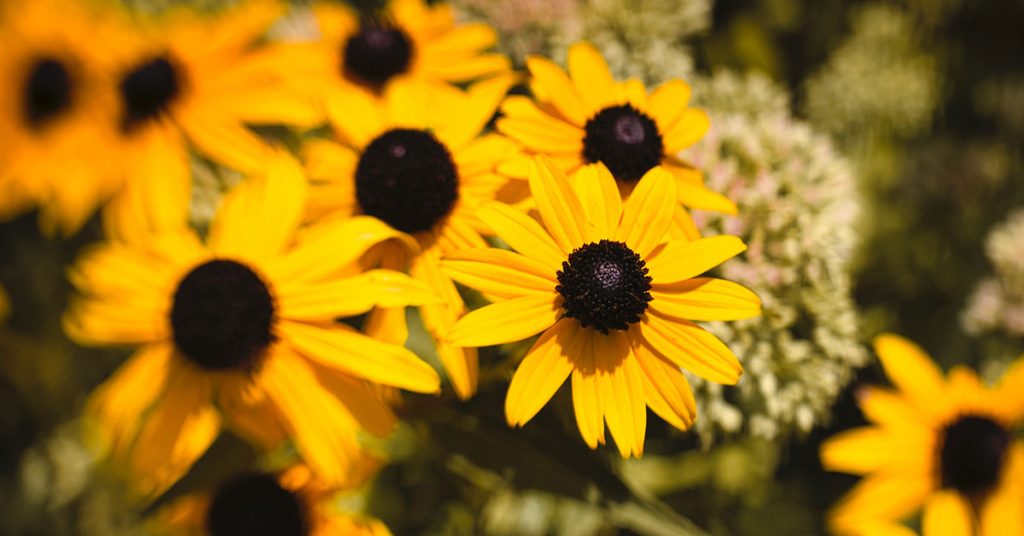
Black-Eyed Susan (Rudbeckia hirta) is a perennial powerhouse native to the prairies of North America, known for its brilliant yellow petals and dark, contrasting centers. These cheerful blooms not only brighten up any garden but also serve as an important food source for seed-eating birds once the flowers have faded. I’ve always been thrilled to see flocks of finches and sparrows visiting my Black-Eyed Susan patches, turning them into lively spots of natural activity!
The plant’s vigorous growth and dense clumps naturally suppress weeds while providing a safe haven for beneficial insects. Some of these insects may even use the sheltered areas between the leaves for nesting, further enhancing the garden’s biodiversity. Non-invasive and low-maintenance, Black-Eyed Susan is a must-have for anyone looking to create a bird-friendly landscape that’s both visually stunning and ecologically balanced!
Salvia
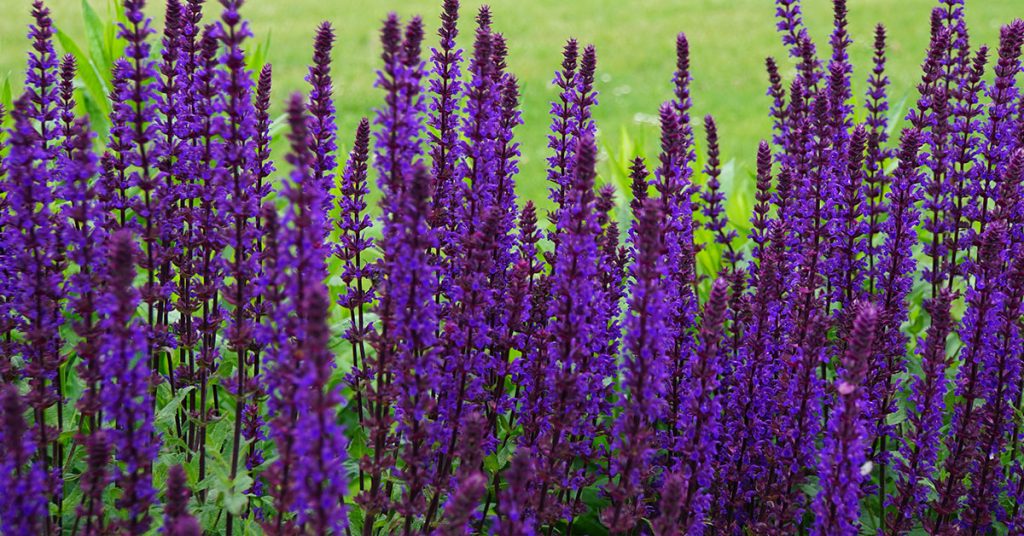
Salvia is a versatile perennial that comes in a variety of colors, from deep purples to vibrant reds, and is native to regions including Central America and the Mediterranean. Its spiky, nectar-rich flower clusters are irresistible to hummingbirds, bees, and butterflies, making it a vital addition to any bird-friendly garden. I’ve always found that planting Salvia transforms a space into a dynamic, living mosaic that attracts a flurry of winged visitors, all drawn to its abundant nectar!
Salvia’s upright growth habit and sturdy structure provide natural perches for birds and even create small niches that may be used by beneficial insects for temporary shelter. Although some varieties can be quite vigorous, Salvia is generally non-invasive and thrives with minimal maintenance. With its extended blooming period and striking appearance, Salvia is a reliable way to boost bird activity and add a touch of elegance to your garden year-round!
Lantana

Lantana (Lantana camara) is a tropical shrub native to the Americas, prized for its brilliant clusters of bracts that shift in color as they mature. These eye-catching blooms attract a variety of birds, including hummingbirds and orioles, which relish the nectar and the seeds Lantana produces. I’m always excited by its vibrant display—it’s as if the plant is putting on a continuous light show that beckons birds from near and far!
The sprawling habit of Lantana creates a dense thicket that offers excellent cover and nesting sites for small birds and beneficial insects alike. While Lantana can be invasive in some regions, when managed properly it remains a striking and functional addition to your bird-friendly garden. Its hardiness and ability to flourish in hot, sunny conditions make Lantana a perfect choice for those looking to enhance both the visual appeal and the ecological vibrancy of their outdoor spaces!
Red Hot Poker
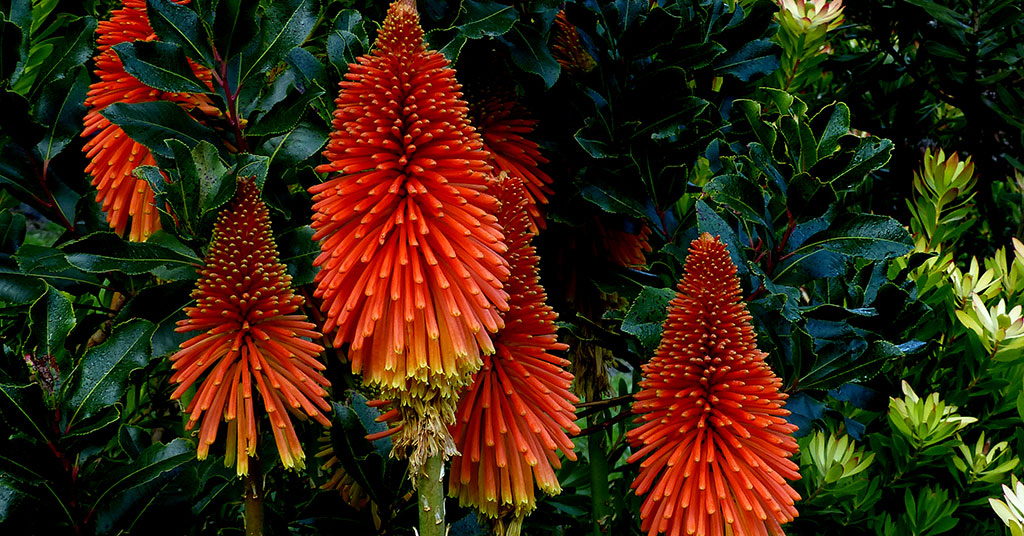
Red Hot Poker (Kniphofia uvaria) is a dramatic perennial native to Africa, known for its tall, torch-like flower spikes in shades of red, orange, and yellow. These striking, flame-like blooms create a visual spectacle that attracts an array of birds, especially hummingbirds, which are drawn to its vivid colors and abundant nectar. I’ve always been captivated by the way Red Hot Poker seems to set the garden ablaze with color, serving as both a focal point and a natural beacon for avian visitors!
Beyond its stunning visual appeal, Red Hot Poker’s sturdy, upright growth offers structural support that can serve as perching spots for birds and beneficial insects. While this plant is generally non-invasive and thrives in well-drained soils, its dramatic presence is enough to enhance the overall aesthetic and functionality of your garden. With its robust nature and eye-catching blooms, Red Hot Poker is an exceptional choice for any garden aiming to attract more birds while adding a burst of tropical flair!
Trumpet Vine
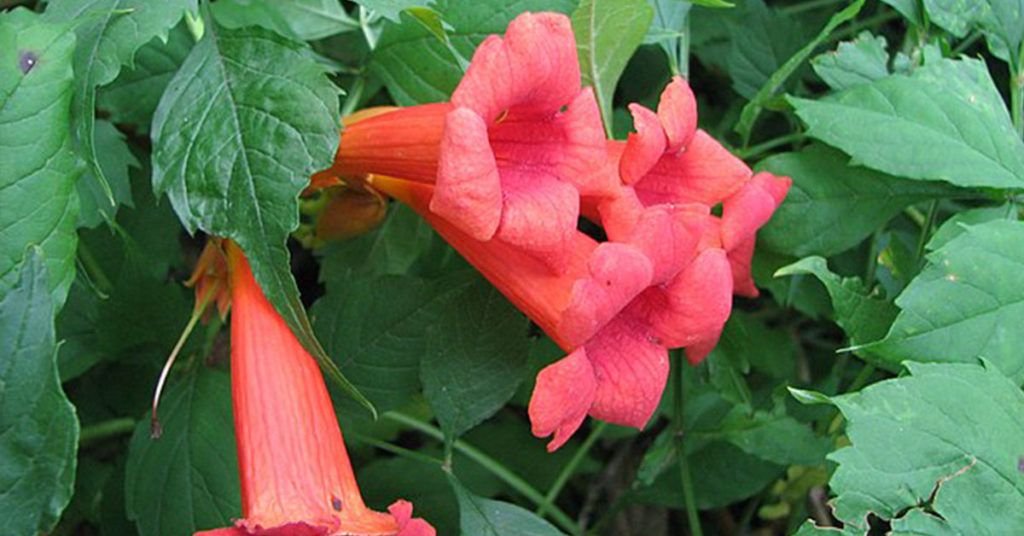
Trumpet Vine (Campsis radicans) is a vigorous climber native to the southeastern United States, famous for its large, trumpet-shaped flowers in vibrant oranges and reds. Its impressive, cascading blooms are a magnet for hummingbirds and other nectar-feeding birds, turning any trellis or fence into a living work of art. I’ve often marveled at how this plant can transform a simple garden structure into a dynamic bird haven, with its brilliant blossoms and energetic growth drawing winged visitors from all around!
The sprawling vines of Trumpet Vine provide not only a stunning display but also excellent cover and nesting spots for various small birds and beneficial insects. Although its aggressive growth can be invasive if left unchecked, proper pruning and training ensure that Trumpet Vine remains a controlled and valuable addition to your bird-friendly garden. Its dramatic floral display and natural ability to attract pollinators make it an exciting, must-have plant for anyone looking to infuse their landscape with life and color!
Butterfly Bush
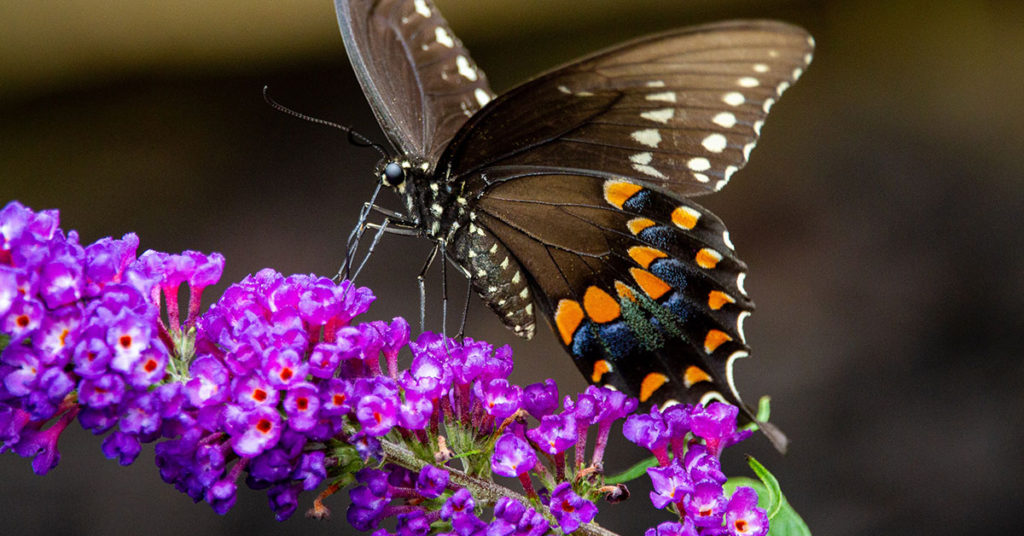
Butterfly Bush (Buddleja davidii) is a popular shrub native to China that captivates with its cascading clusters of fragrant, tubular flowers. While its name highlights its appeal to butterflies, it also draws in a host of birds such as hummingbirds, who are attracted to the nectar-rich blooms. I’ve seen my garden come alive with color and activity whenever Butterfly Bush is in full bloom, its profusion of blossoms creating a natural buffet for birds and insects alike!
The bushy growth habit of Butterfly Bush offers excellent shelter and even potential nesting spots for small birds, contributing to a lively, balanced ecosystem. Although it is considered invasive in some regions due to its rapid spread, careful pruning and management can help maintain its beauty without overwhelming your space. With its striking display and ability to invite nature’s winged wonders, Butterfly Bush is a captivating addition to any garden that seeks to enhance bird activity and biodiversity!
Hibiscus

Hibiscus, native to tropical and subtropical regions around the world, is renowned for its large, showy blooms that come in an array of colors from vibrant red to soft pink. These dramatic flowers not only add a tropical flair to your garden but also attract hummingbirds and other nectar-loving birds with their abundant, sugary nectar. I love the way Hibiscus transforms a garden into a tropical paradise, where every bloom is like a splash of sunshine that beckons birds to feast and frolic!
The robust structure of Hibiscus plants offers excellent perching areas for birds, and their broad leaves can provide some cover for small insects, contributing to a richer garden ecosystem. While Hibiscus is generally non-invasive when grown in appropriate climates, its stunning blossoms and vigorous growth can sometimes require careful management. With proper care and regular pruning, Hibiscus can be a star attraction that enhances both the aesthetic and ecological value of your outdoor space!
Zinnia
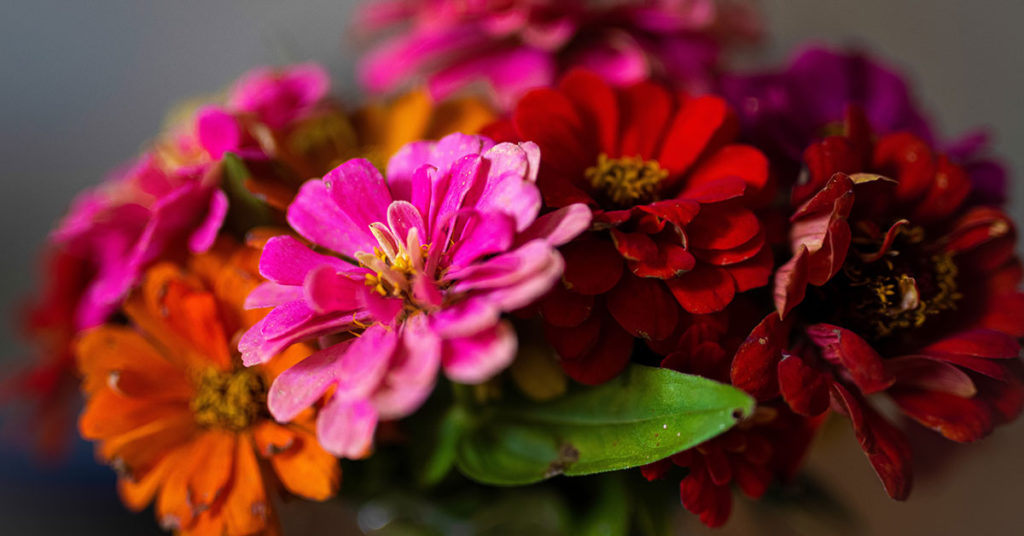
Zinnia (Zinnia elegans) is a cheerful annual native to Mexico that bursts into a kaleidoscope of colors, making it a favorite for attracting birds to the garden. Its vibrant, daisy-like blooms are not only visually striking but also serve as a rich source of nectar and pollen for a variety of pollinators, including hummingbirds and small songbirds. I always appreciate how Zinnia adds a festive spirit to my garden, its radiant hues creating an inviting atmosphere that draws birds like tiny living ornaments!
The open structure of Zinnia flowers allows for excellent air circulation, reducing disease while inviting beneficial insects to visit and even occasionally nest among the blossoms. Although Zinnia is an annual and not considered invasive, its prolific blooming and seed production can naturally reseed to create a continuous display of color. With minimal maintenance and maximum impact, Zinnia is an ideal choice for gardeners seeking to boost avian activity and add a burst of lively charm to their outdoor space!
Daylily
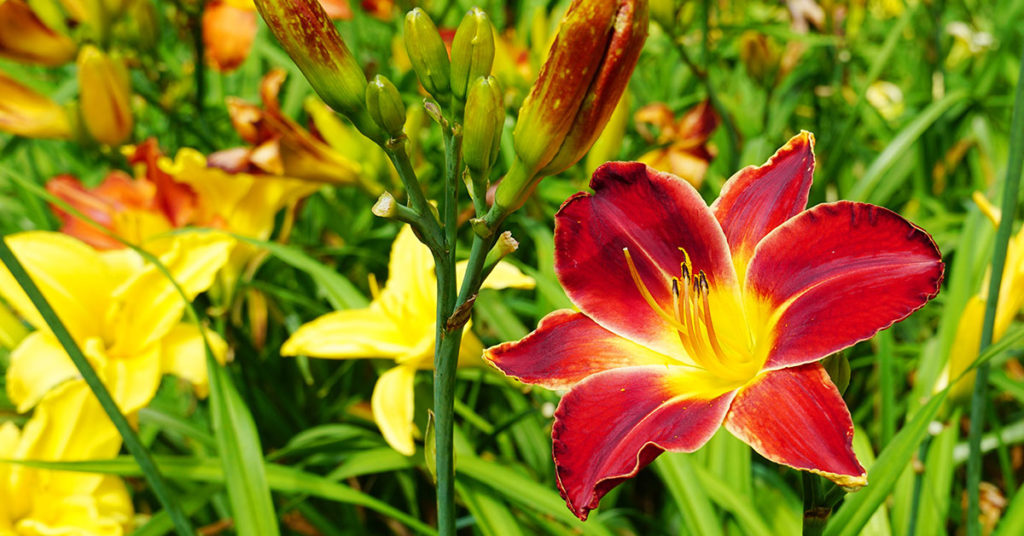
Daylilies (Hemerocallis spp.) are beloved perennials native to Asia that bring an effortless charm to any garden with their cheerful, trumpet-shaped blooms. Although each individual flower lasts only a day, their overlapping bloom cycles ensure a nearly continuous display of color that attracts a variety of birds, particularly those that relish the nectar and seeds left behind. I’ve always found that Daylilies add a dynamic rhythm to my garden—each bloom a brief, radiant moment that contributes to a larger symphony of nature!
Their clumping habit and robust foliage not only help suppress weeds but also provide ideal nesting sites for beneficial insects, which in turn support the garden’s ecosystem. While Daylilies are non-invasive and low-maintenance, proper spacing ensures that they maintain their full visual impact and continue to attract birds and pollinators year after year. With their resilient nature and effortless beauty, Daylilies are a wonderful addition for any gardener looking to create a bird-friendly and biodiverse landscape!
Lavender
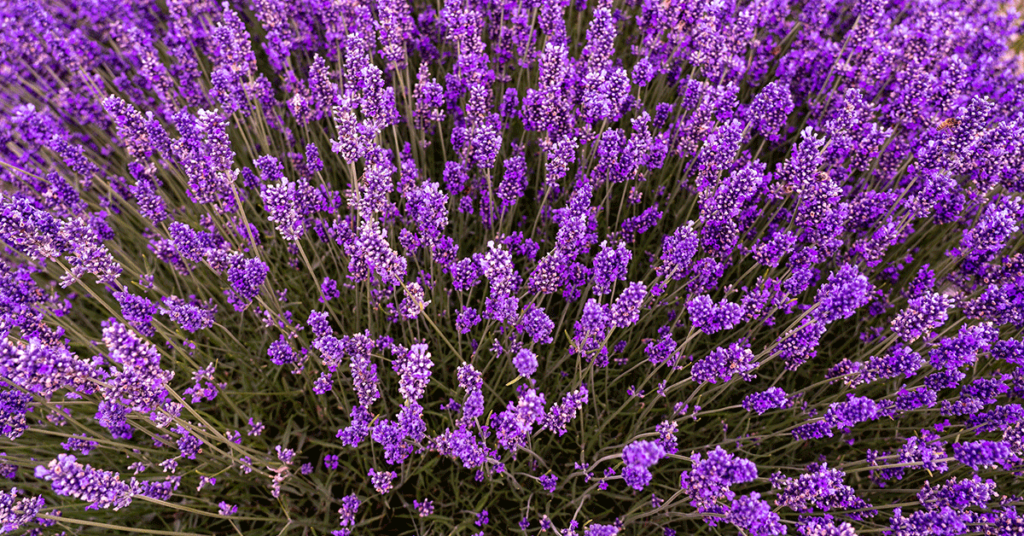
Lavender (Lavandula angustifolia) is a timeless perennial native to the Mediterranean that enchants with its aromatic, purple flower spikes and silvery foliage. Its drought-tolerant nature and ease of care make it a favorite in many gardens, and its sweet scent is irresistible to hummingbirds and various small songbirds. I’m always thrilled by the calming presence of Lavender in my garden—it not only provides a sensory delight but also invites birds and beneficial insects to linger and enjoy the fragrance!
The compact growth habit of Lavender offers excellent perching spots and even potential nesting niches for solitary bees and other tiny creatures. While Lavender is generally non-invasive, occasional pruning is recommended to keep its shape and maximize bloom production. With its delightful aroma, vibrant blooms, and ecological benefits, Lavender is a must-have for gardeners looking to enhance both the beauty and biodiversity of their outdoor spaces!
Agastache
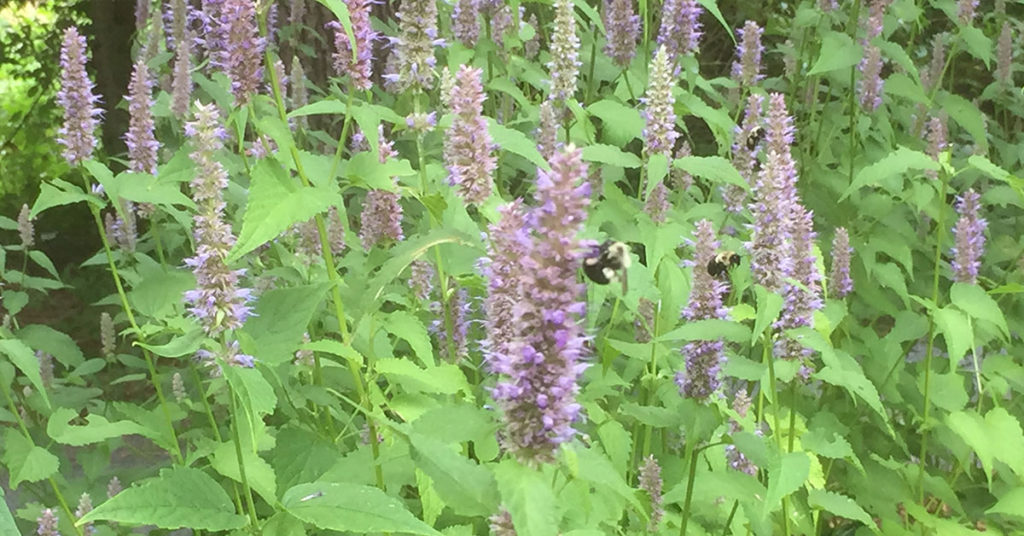
Agastache, also known as Giant Hyssop, is a fragrant perennial native to North America that produces spikes of vivid, tubular flowers in shades of purple, orange, or pink. Its nectar-rich blooms are a favorite of hummingbirds and other nectar feeders, making it a magnet for avian visitors. I’m always excited to see Agastache in my garden, as its tall, architectural form adds both visual interest and a burst of flavor to the landscape—truly a dynamic and versatile plant!
The plant’s aromatic leaves and dense growth habit provide ideal microhabitats for beneficial insects, which sometimes use the spaces between the stems for nesting. While Agastache is non-invasive and low-maintenance, its vigorous growth means it benefits from occasional trimming to keep it in shape. With its striking colors and powerful appeal to birds, Agastache is a superb addition to any garden focused on enhancing biodiversity and creating a lively, bird-friendly environment!