
Honoring a loved one through flowers is a timeless tradition that brings comfort and beauty in moments of remembrance. Choosing the right blooms can convey deep emotions—love, respect, hope—and create a living tribute that endures season after season. I know how meaningful it is to plant flowers that not only look beautiful but also resonate with heartfelt symbolism and ecological value.
In this article, we’ll explore fourteen exceptional flowers suited for memorial gardens or floral arrangements. Each section highlights origins, invasiveness considerations, pollinator–nesting benefits, and design tips, all from the perspective of a gardener excited to share these blooms’ stories. Let’s discover how these flowers can help your memorial space flourish with life and love!
Lavender (Lavandula angustifolia)
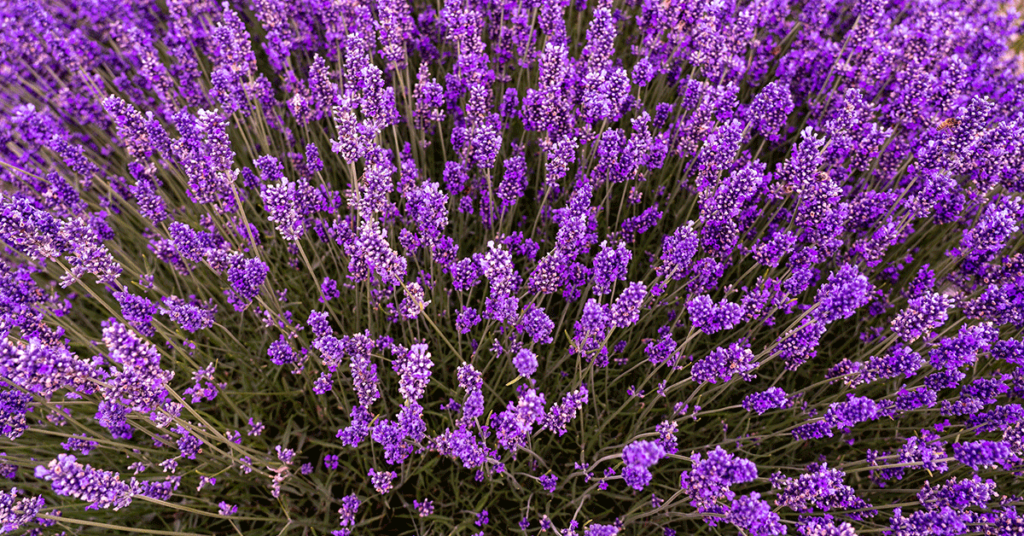
Lavender’s silvery foliage and fragrant purple spikes symbolize serenity and devotion—perfect for comforting memories. Native to the Mediterranean, this drought-tolerant perennial thrives in well-drained soils and full sun, rarely becoming invasive outside its native range. Planting lavender in a memorial garden can create a calming atmosphere that soothes the soul!
Bees and butterflies adore lavender’s nectar, and its hollow stems offer nesting spots for solitary mason bees. One of my favorite plants, it continues blooming into summer, reminding us of lasting bonds. Prune lightly after flowering to encourage a second bloom and maintain neat form in your remembrance bed!
Forget-Me-Nots (Myosotis sylvatica)
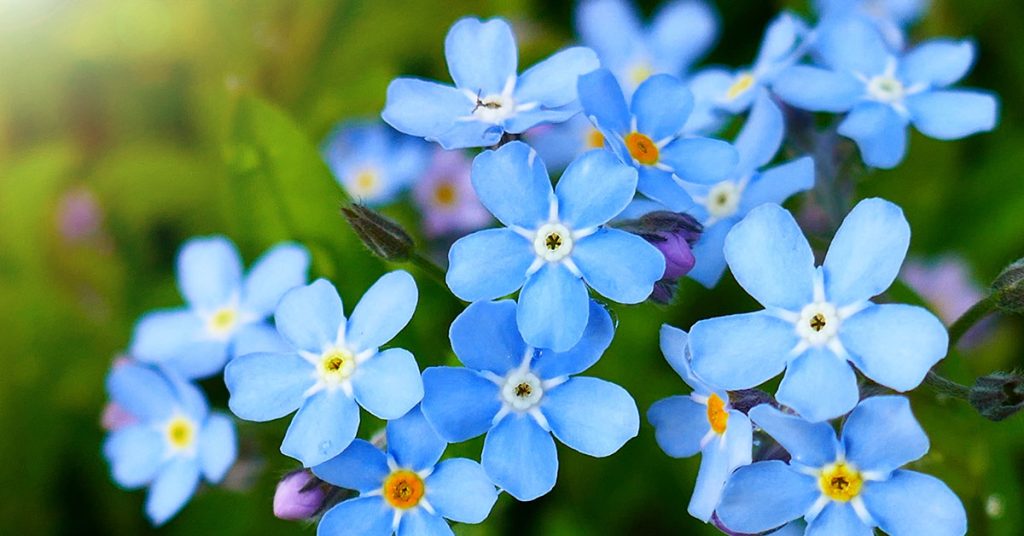
As their name suggests, forget-me-nots carry a poignant message of enduring remembrance. These delicate blue flowers are native to Europe and parts of Asia, where they naturalize happily in moist, shaded areas. While they can self-seed prolifically, they seldom crowd out other plants if you deadhead excess blooms.
Forget-me-nots attract hoverflies and small native bees that nest in ground litter. I love tucking them into shaded corners of a garden path, where their clusters of sky-blue blossoms remind visitors to hold cherished memories close. Their early spring bloom also heralds new beginnings, making them ideal for memorial plantings.
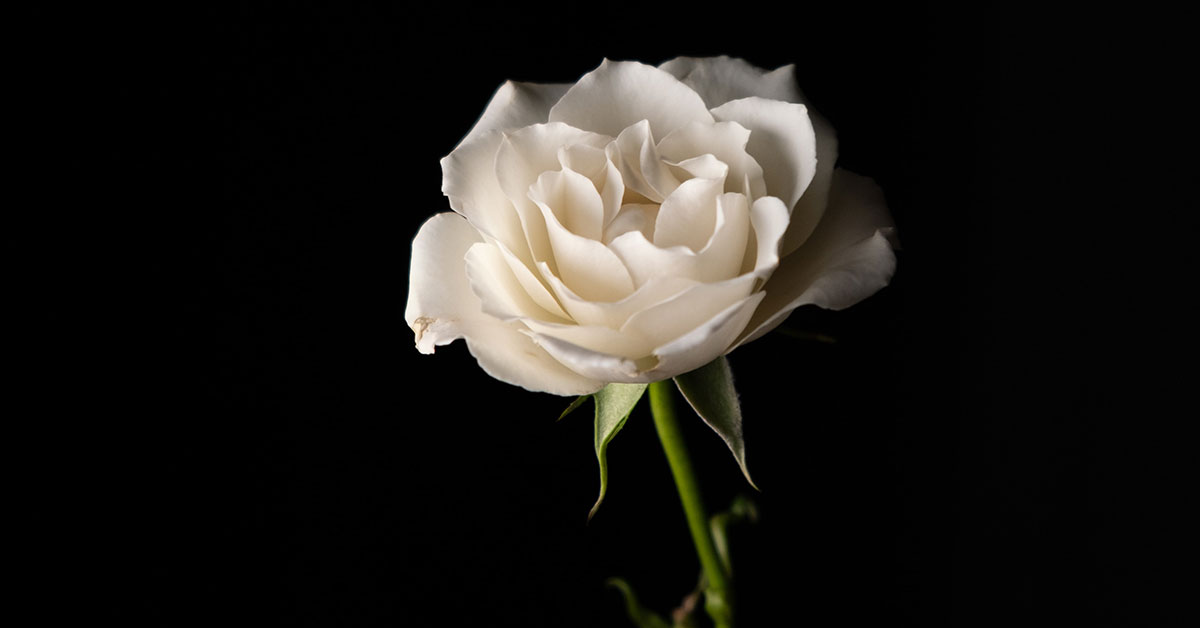
White Roses (Rosa spp.)

White roses epitomize purity, reverence, and remembrance—classic choices for memorial bouquets and beds. Most garden roses descend from species native to Asia and Europe; while some vigorous rose species can become invasive, cultivated varieties seldom escape into wild landscapes. Their elegant blooms convey deep respect and timeless love.
Beyond their striking beauty, roses support beneficial insects: bees forage on their pollen, and aphid-eating ladybugs often patrol rose bushes. One of my favorite moments is watching bumblebees tumble into open-centre roses! Regular deadheading and summer pruning keep the blooms coming, ensuring a memorial rose garden that flourishes all season.
Chrysanthemums (Chrysanthemum morifolium)
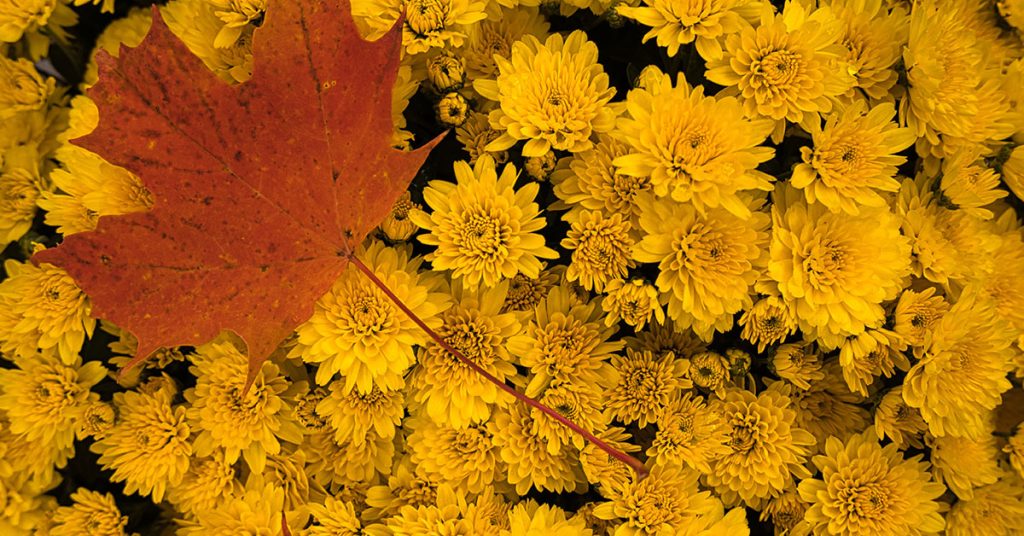
Chrysanthemums symbolize honor and grief in many cultures, especially in East Asia and Europe. Native to China, these late-season perennials thrive in sunny, well-drained soils and generally stay well-behaved in the garden. Their rich palette—from pristine white to deep burgundy—offers versatile design options for memorial beds.
Chrysanthemums attract butterflies and small solitary bees, which forage the dense flower heads. I’m always delighted by the flutter of painted ladies settling on these blooms in autumn! Cutting stems just above leaf nodes encourages a second flush, giving you more blooms to place in remembrance arrangements.
Calla Lilies (Zantedeschia aethiopica)
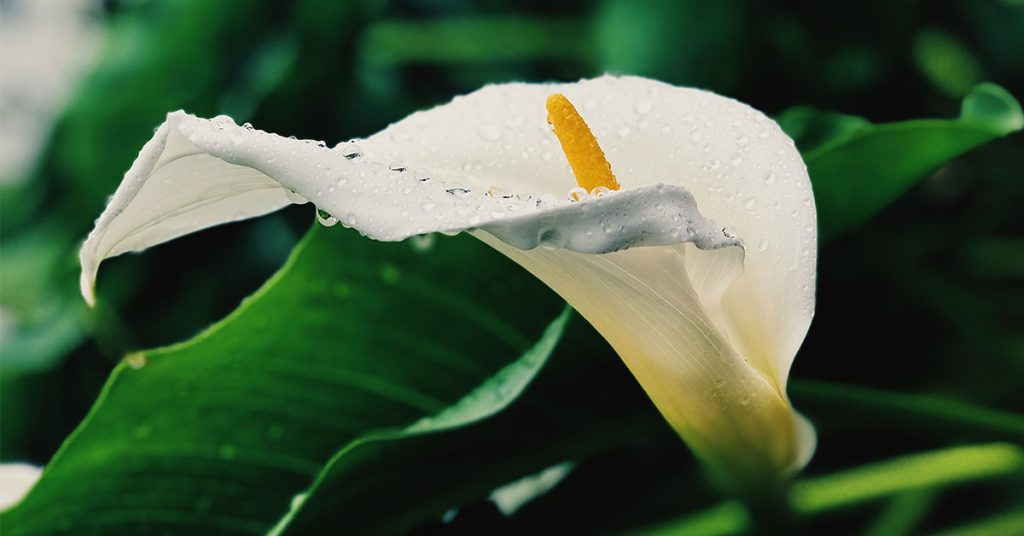
With their graceful, trumpet-shaped blooms, calla lilies convey beauty and rebirth—apt for memorial services and gardens. Native to southern Africa, they prefer consistently moist, organic-rich soils and partial shade. In most temperate regions, calla lilies naturalize without becoming invasive if spent flowers are removed.
These elegant flowers attract hoverflies and small bees seeking nectar in the flared spathes. I recall planting callas along a memorial pond, where dragonflies and damselflies hovered among the sleek stems—a serene setting for reflection. Dividing rhizomes every few years keeps the clumps vigorous and bloom-filled.
Sunflowers (Helianthus annuus)
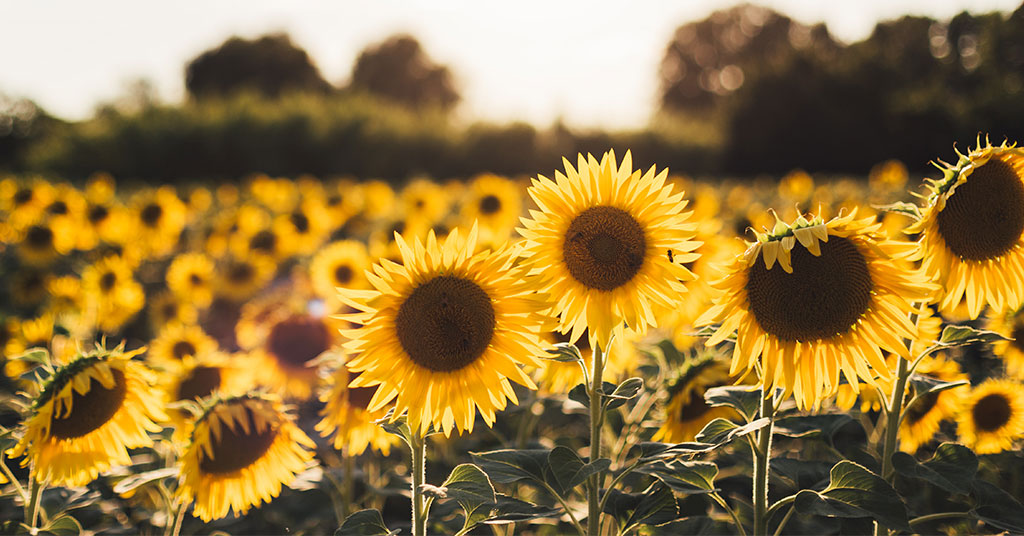
Tall and radiant, sunflowers symbolize loyalty and adoration—uplifting additions to a memorial border. Originally from North America, these annual giants are not invasive, as they complete their life cycle each year. Their golden faces turn skyward, reminding us to look forward with hope.
Sunflowers are magnets for pollinators: bees of all sizes, colorful butterflies, and even hummingbirds. Their sturdy stems also provide perching sites for songbirds that later harvest the seedheads. I love watching goldfinches flock to my sunflower patch in late summer—nature’s continuous cycle of giving!
Tulips (Tulipa spp.)
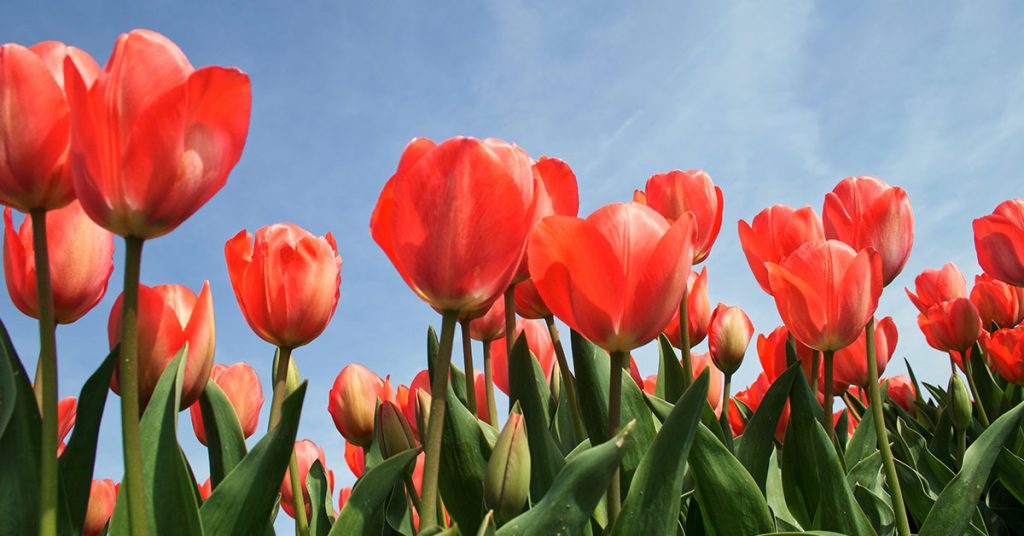
Tulips herald spring and symbolize eternal love, making them lovely springtime remembrances. Native to Central Asia, species tulips naturalize easily without aggressive spread. Cultivated hybrids offer a rainbow of hues for planting around memorial benches or lining pathways.
Tulip flowers attract early-emerging bees in need of nectar, and their strap-like foliage offers shelter for ground beetles. One year, I noticed bumblebees buzzing through a tulip bed before any other blooms had opened—truly a heartwarming sight! After blooms fade, allow foliage to die back naturally to nourish next year’s bulbs.
Gladiolus (Gladiolus x hortulanus)

Gladiolus, or “sword lilies,” represent strength and moral integrity—ideal for commemorating resilient spirits. These popular hybrids, derived from African and Mediterranean wild species, grow from corms and seldom become invasive in cooler climates. Their vertical spires make stunning focal points in memorial cut-flower gardens.
Hummingbirds and long-tongued bees probe the tubular florets for nectar, and the tall flower stalks can double as habitat perches for small butterflies. I once planted a gladiolus border and marveled as hummingbirds zoomed among the blooms! Lifting and dividing corms every few years ensures prolific flowering.
Hydrangeas (Hydrangea macrophylla)

Hydrangeas symbolize heartfelt emotion and remembrance—perfect for shaded memorial areas. Native to Japan and Korea, mophead and lacecap cultivars remain well-mannered in garden settings when pruned appropriately. Their lush flower heads bring softness and depth to remembrance beds.
Hydrangeas attract butterflies and bumblebees, especially lacecap types that expose fertile florets. I love seeing these gentle pollinators alight on blooms while birds perch in nearby branches. Pruning soon after flowering promotes strong wood and abundant blossoms the following season.
Irises (Iris germanica)
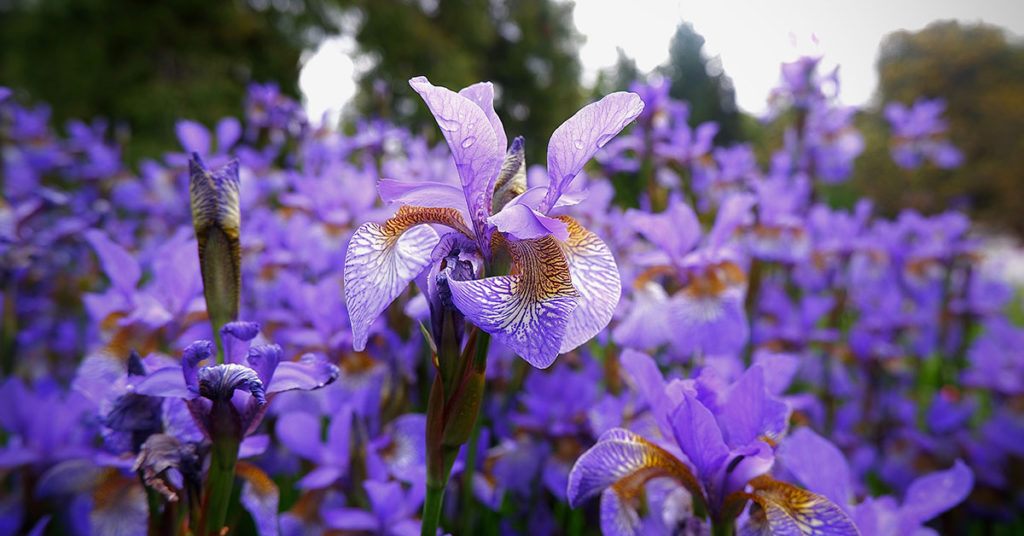
Irises convey hope, faith, and valor—powerful sentiments for memorial plantings. German bearded irises, with rhizomes native to the Mediterranean region, naturalize moderately without overt invasiveness. Their elegant form and range of colors—from pure white to royal purple—lend dignity to remembrance gardens.
These blooms draw mason bees and small butterflies, and their erect stalks offer shielded resting spots. One spring, I watched orange sulfurs flutter among yellow irises—such a vibrant contrast! Dividing clumps every three to four years prevents overcrowding and maximizes flowering.
Peonies (Paeonia lactiflora)
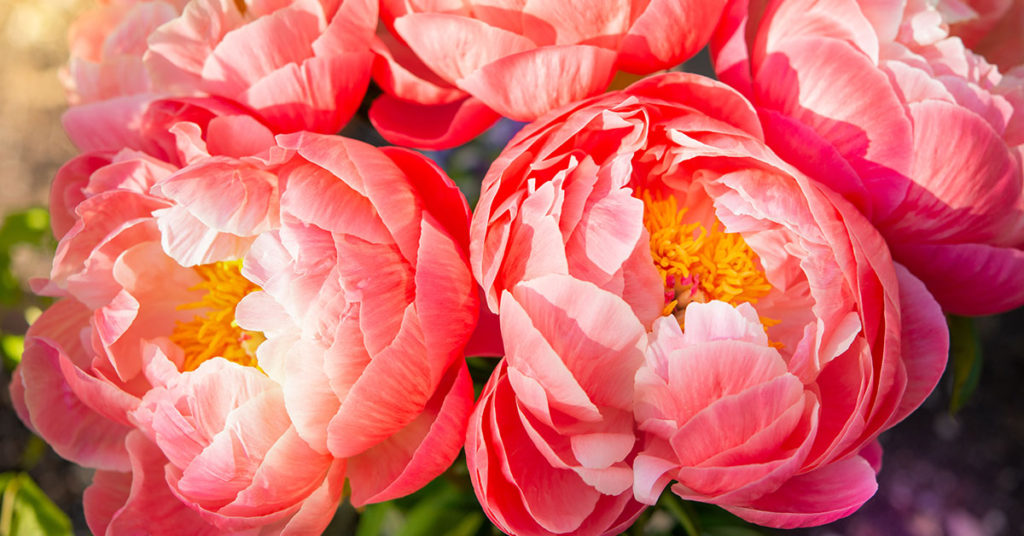
Peonies symbolize healing and honor—luxurious choices for a solemn tribute. Herbaceous peonies hailing from China and Siberia thrive in temperate gardens and pose no invasive risk. Their giant, fragrant blooms open in late spring, creating a heartfelt display.
Bees, especially carpenter and mason bees, burrow into the dense stamens for pollen, and the sturdy mounds offer cover for ground-dwelling beetles. One of my favorite plants, peonies never fail to draw a hush of admiration during bloom season. Cutting back foliage in autumn keeps the clumps tidy and disease-free.
Marigolds (Tagetes erecta)
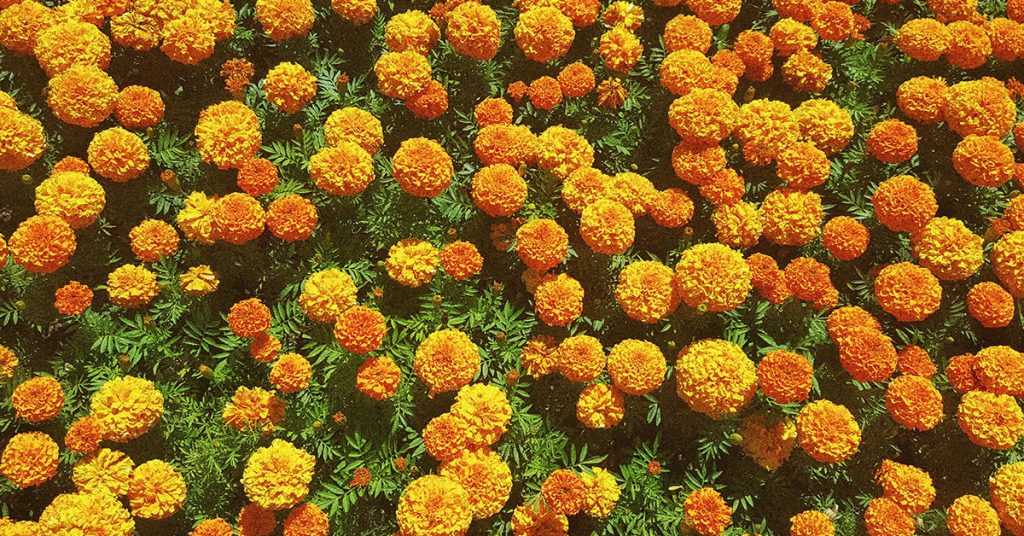
Marigolds symbolize remembrance and the sun’s warmth—frequently used in memorial altars and borders. Native to Mexico and Central America, these annuals self-seed sparingly but rarely become weedy. Their golden hues light up dusk-to-dawn displays and honor memories with vibrant color.
Marigolds repel certain garden pests through their scent and attract beneficial hoverflies and ground beetles. I scatter seeds around a memorial bench each spring and delight in the gentle hum of hoverflies among the marigold blooms—nature’s built-in protection squad!
Lilies (Lilium spp.)
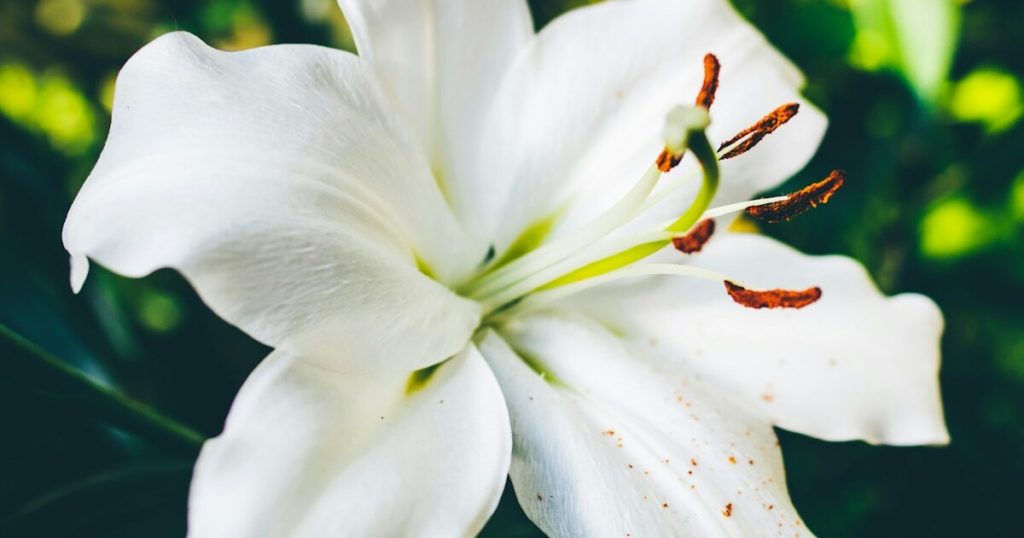
White lilies, especially the Easter or Madonna lily (L. longiflorum), symbolize purity and renewal—touching choices for memorial bouquets and gardens. As temperate bulbs from Asia and Europe, they naturalize modestly when their bulbs are left undisturbed. Their elegant trumpets convey solemn grace.
Lilies attract long-tongued bees and swallowtail butterflies, which sip nectar deep within the petals. I once planted white lilies by a reflecting pool, and monarchs danced among the blooms—a serene tribute to a loved one’s enduring spirit. Divide bulbs every few years to maintain vigor and bloom quality.
Cosmos (Cosmos bipinnatus)
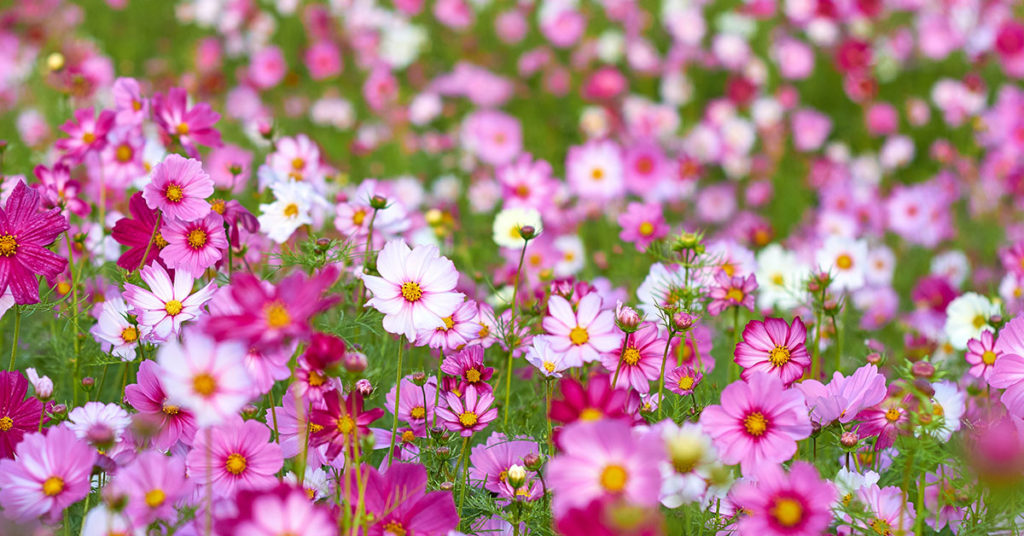
Cosmos bring airy, daisy-like flowers that evoke peace and order—perfect metaphors for remembrance. Native to Mexico, these annuals self-sow in moderation without becoming invasive. Their fine foliage creates a cloud of blooms in pinks, whites, and deep reds, softening memorial spaces.
Bees, butterflies, and beneficial wasps all forage cosmos blooms, making the flowers central to a healthy pollinator network. I love planting cosmos near native wildflower patches—watching goldfinches perch on the flower heads to nibble seeds! Deadheading spent blooms prolongs flowering into autumn, extending your tribute.