
There’s something truly magical about an organic garden—a place where nature’s balance is respected, beneficial insects thrive, and every plant plays a role in nurturing the ecosystem. As someone who’s spent countless hours learning from both successes and setbacks, I know the frustration of pest outbreaks and nutrient-depleted soils. That’s why I’m thrilled to share 14 essential plants that form the backbone of a thriving organic garden. These selections not only contribute to healthy soil and pest control but also attract pollinators and provide natural habitats for small critters, turning your garden into a living, breathing ecosystem!
Each of these plants has its own unique story—from their native origins to how they behave in the garden—and when used together, they create a resilient, sustainable landscape. Whether you’re a seasoned organic gardener or just beginning your journey, these plants offer a perfect blend of beauty, practicality, and natural defense. So, put on your gardening gloves and get ready to explore these botanical gems that make organic gardening not only feasible but truly rewarding!
White Clover

White Clover is a versatile nitrogen fixer that enriches the soil while adding a soft, carpet-like charm to your garden. Native to Europe, it thrives in a wide range of soils and tolerates both full sun and partial shade. In my garden, I’ve found that white clover naturally attracts bees and other beneficial insects, which in turn help pollinate neighboring plants. Its trifoliate leaves, when allowed to flower, create a gentle burst of white and pink that softens garden edges and offers a quiet refuge for small critters.
This hardy plant is non-invasive when managed properly, making it a fantastic cover crop in organic gardening. Its ability to self-seed provides an ongoing boost to soil fertility, reducing the need for synthetic fertilizers. I enjoy watching white clover form natural green mats that not only improve the structure of the soil but also serve as a living mulch to suppress unwanted weeds. Truly, it’s an indispensable ally in building a sustainable garden ecosystem!
Nasturtium

Nasturtium is as beautiful as it is beneficial—a vibrant flowering plant that doubles as a natural pest repellent. Native to South America, nasturtiums thrive in warm, well-drained soil and add a burst of orange, red, or yellow color to garden beds. Their peppery-tasting leaves and blossoms are edible, making them a delightful garnish for salads and a natural companion to many vegetables. I’m always pleasantly surprised by how these cascading climbers attract beneficial insects like predatory wasps while repelling pests such as aphids.
Despite its wild appearance, nasturtium is non-invasive and can be easily managed by allowing it to sprawl along fences or borders. Its bright, cheerful flowers not only enhance the visual appeal of an organic garden but also provide nectar for bees and butterflies, encouraging a lively, interconnected ecosystem. Embracing nasturtium in your garden means inviting both flavor and natural pest control—a true win-win for organic enthusiasts!
Marigold
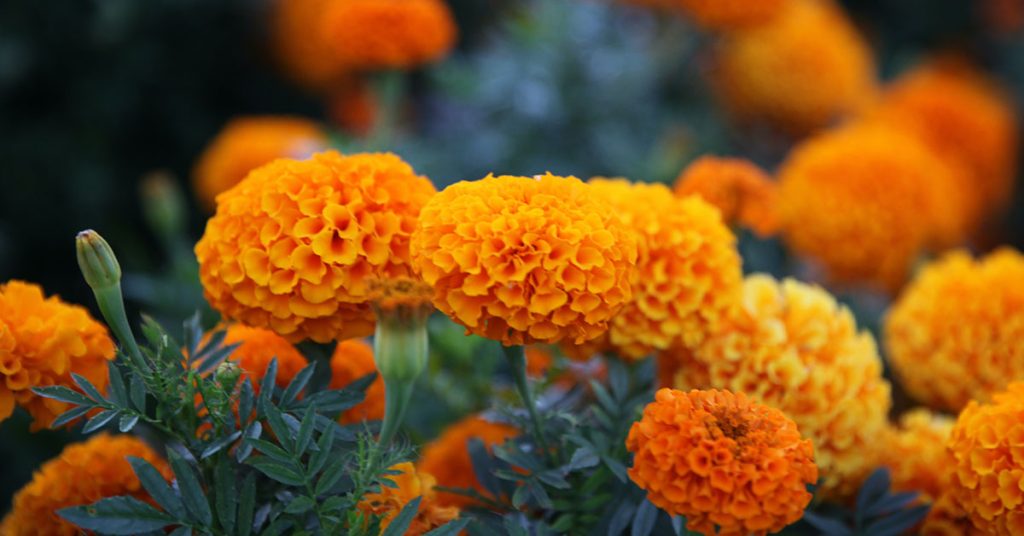
Marigold is a time-honored favorite in organic gardens, prized for its bright, bold blooms and natural ability to deter harmful pests. Native to the Americas, marigolds flourish in full sun and are remarkably adaptable to a variety of soil conditions. Their vibrant orange and yellow blossoms naturally attract beneficial insects like ladybugs and parasitic wasps, which help keep aphids and other pests in check. I appreciate how marigolds not only add a splash of color but also serve as a living barrier that protects more delicate crops.
Though marigolds are fast-growing, they are generally non-invasive and integrate seamlessly with other garden plants. Their aromatic foliage further repels unwanted insects while inviting pollinators to your organic oasis. In my garden, marigolds are a reliable companion that offers both beauty and a natural defense system—an essential component in maintaining a healthy, balanced environment without the need for chemical interventions!
Borage

Borage is a striking herb that stands out with its vibrant blue, star-shaped flowers, and it’s renowned for its ability to improve soil health. Native to the Mediterranean region, borage thrives in full sun and well-drained soil, while its blossoms attract bees, butterflies, and even hummingbirds. I’m always fascinated by how borage not only enhances the visual appeal of the garden but also accumulates nutrients in its leaves, which can be used as a natural fertilizer when incorporated into compost or mulch.
This beneficial herb is non-invasive and self-seeds modestly, ensuring that it adds consistent charm without overtaking your vegetable patches. Its continuous flowering provides a long-lasting nectar source for pollinators, which in turn helps maintain the balance of your organic ecosystem. Borage is a true multitasker—it improves soil, supports beneficial wildlife, and even has culinary uses, making it an indispensable plant for any organic gardener!
Basil
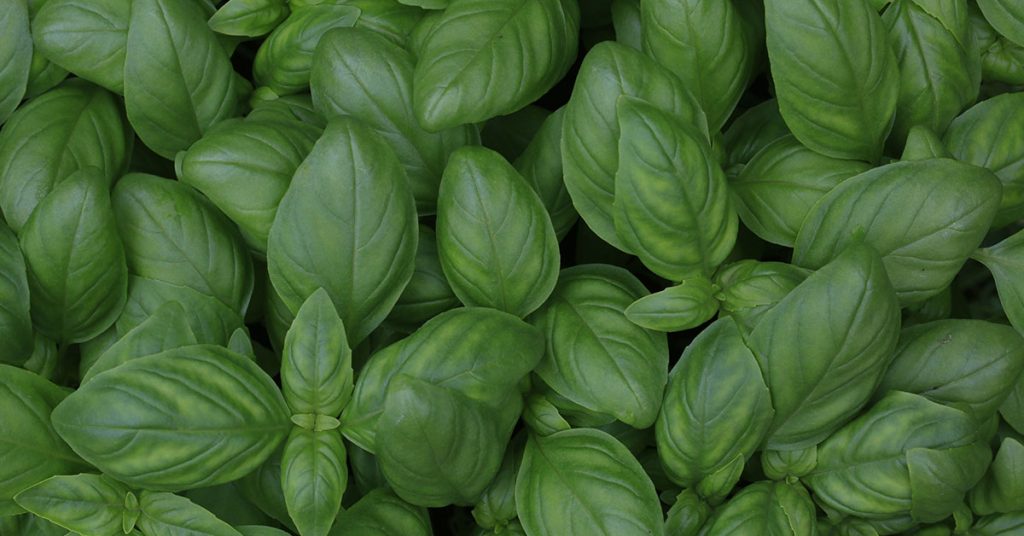
Basil is a culinary staple that also brings a host of organic benefits to the garden, acting as a natural companion plant for many vegetables. Native to tropical regions of central Africa and Southeast Asia, basil thrives in warm, sunny conditions and rich, well-drained soils. Its aromatic leaves not only enhance the flavor of countless dishes but also emit a scent that repels certain pests, such as mosquitoes and aphids. I’ve found that basil’s presence often attracts beneficial pollinators and helps create a microenvironment that supports healthy, organic growth.
Although basil is known for its rapid growth and prolific seeding, it remains non-invasive when properly managed in container or garden beds. Its bushy growth habit provides partial ground cover, reducing soil erosion and offering small critters a cozy habitat to nest. In my organic garden, basil is more than just an herb—it’s a dynamic plant that bridges the gap between culinary delight and ecological balance, making it essential for both the kitchen and the garden!
Lavender
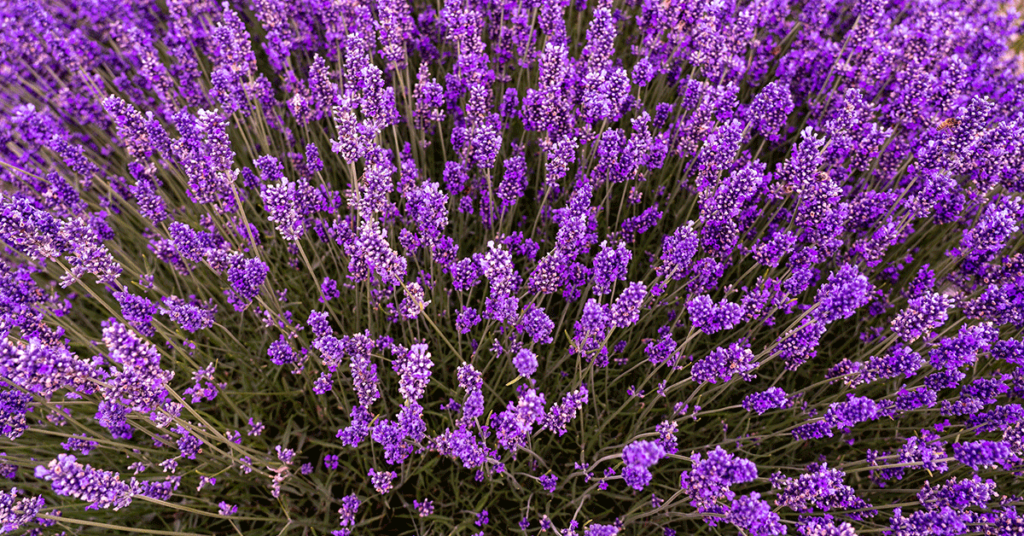
Lavender is a fragrant powerhouse that infuses any organic garden with its soothing aroma and beautiful purple blooms. Native to the Mediterranean, lavender thrives in full sun and well-drained, slightly alkaline soils. I love how its silvery-green foliage and gentle, aromatic flowers attract bees, butterflies, and even small birds that occasionally use its branches as a perch. Its calming scent not only enhances the sensory experience of your garden but also naturally repels pests like moths and fleas.
Although lavender is prized for its low-maintenance nature, occasional pruning is necessary to prevent it from becoming too woody. It is generally non-invasive and can be planted as a border or in herb gardens to create a serene, visually appealing backdrop for your organic vegetables. In my experience, lavender’s combination of beauty, aroma, and ecological benefits makes it a must-have for any gardener committed to natural, chemical-free growing practices!
Rosemary
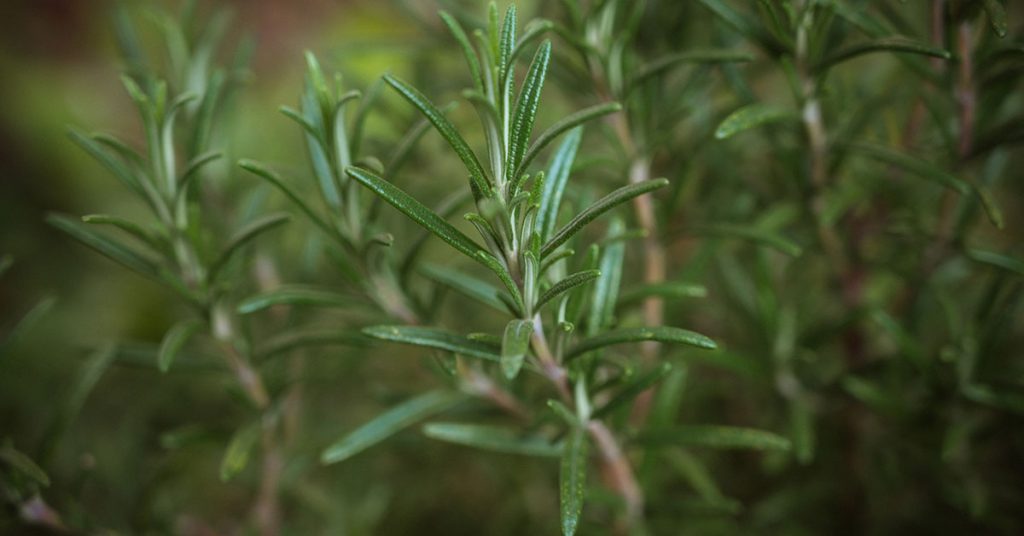
Rosemary is a robust, evergreen herb that brings both culinary versatility and natural pest control to the organic garden. Native to the Mediterranean region, rosemary thrives in sunny, well-drained soils and is celebrated for its needle-like leaves and aromatic qualities. Its strong scent deters a variety of pests while attracting pollinators such as bees, which are essential for maintaining a healthy garden ecosystem. I appreciate how rosemary not only enhances my cooking but also adds a touch of rustic charm to the garden.
While rosemary is generally non-invasive, its woody structure can become dominant if not pruned regularly, so a little maintenance goes a long way. Its dense, evergreen foliage also provides shelter for small garden critters and beneficial insects, contributing to a balanced microhabitat. In my organic garden, rosemary stands as a testament to the power of natural solutions—offering flavor, resilience, and ecological benefits without the need for synthetic interventions!
Thyme
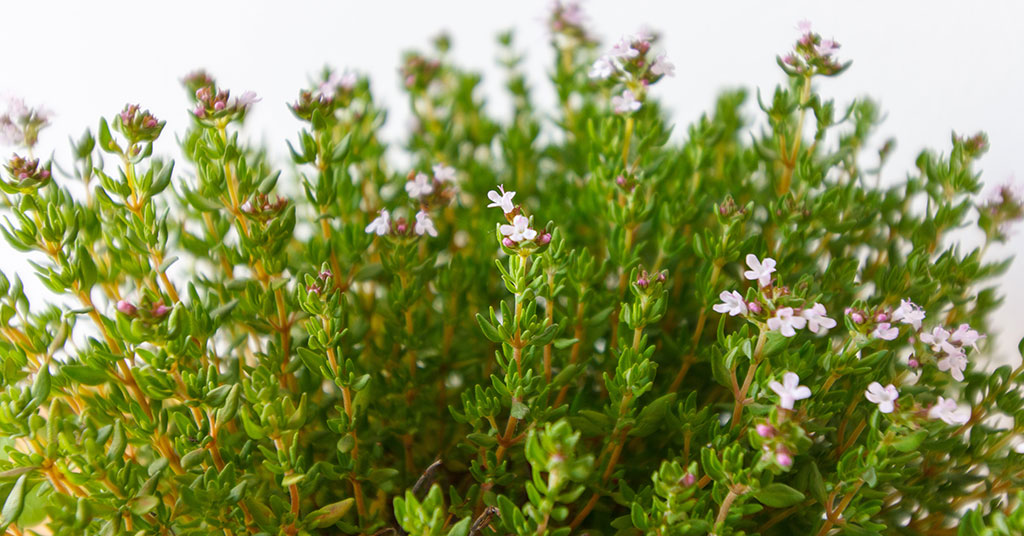
Thyme is a tiny but mighty herb that plays a significant role in organic gardening, both as a culinary delight and as a natural ground cover that suppresses weeds. Native to the Mediterranean, thyme thrives in full sun and well-drained, slightly sandy soils, producing small, aromatic leaves and clusters of tiny flowers that attract bees and other beneficial insects. I enjoy how its subtle fragrance not only enhances dishes but also creates a natural barrier against pests, making it an indispensable companion for many vegetables.
Its creeping growth habit and non-invasive nature allow thyme to spread gradually, providing a living mulch that helps conserve moisture and improve soil structure. In my garden, thyme’s delicate blooms serve as an inviting nectar source for pollinators while its low profile offers a safe haven for ground-dwelling critters. Embracing thyme in an organic garden is like inviting a tiny, resilient guardian whose natural charm and practical benefits enhance the entire landscape!
Chives
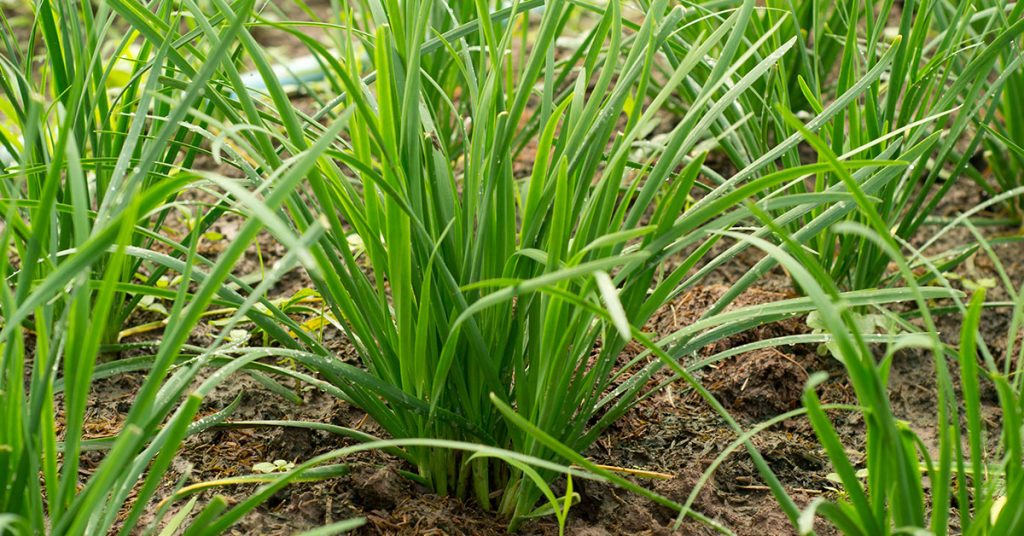
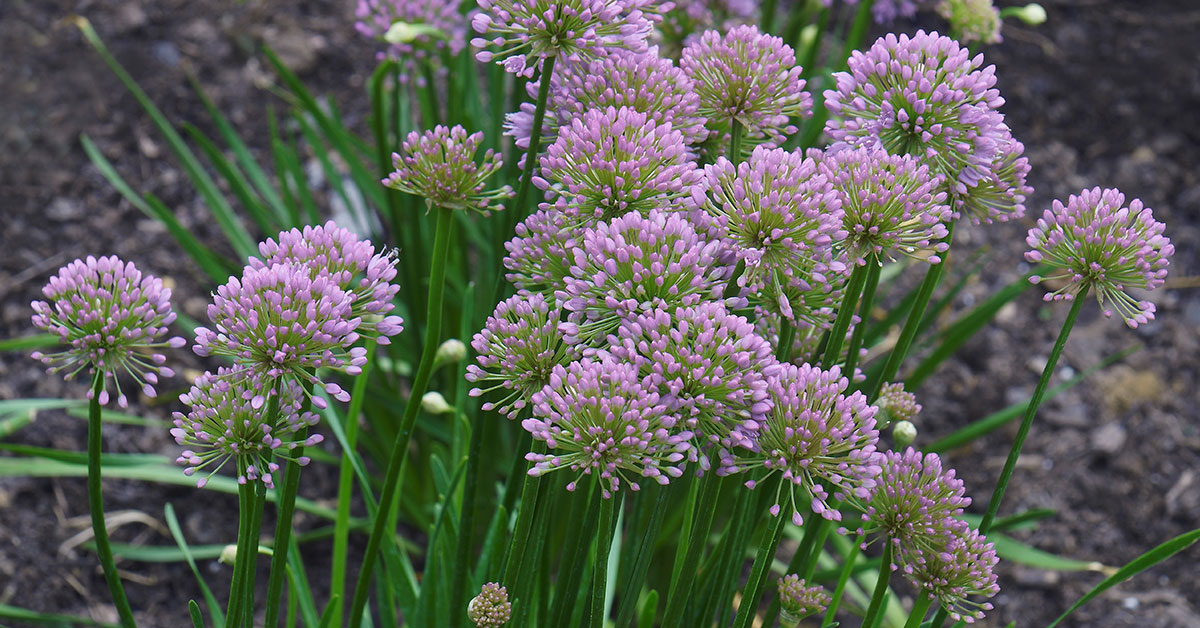
Chives are a gentle yet indispensable addition to any organic garden, offering both culinary value and ecological benefits with their slender, onion-flavored leaves. Native to Europe and Asia, chives flourish in full sun to partial shade and well-drained soils, producing delicate purple flowers that attract bees and butterflies. I’ve noticed that their clumping habit not only provides fresh greens for garnishing dishes but also creates small microhabitats where beneficial insects can thrive, sometimes even offering a nesting spot for tiny birds.
Although chives spread slowly by forming clumps, they are generally non-invasive and can be easily maintained with regular harvesting. Their robust flavor and attractive appearance make them a favorite among gardeners who value both practicality and aesthetics in their organic plots. Chives are a humble yet powerful reminder that sometimes the smallest plants offer the most significant contributions to a sustainable, thriving garden!
Sage
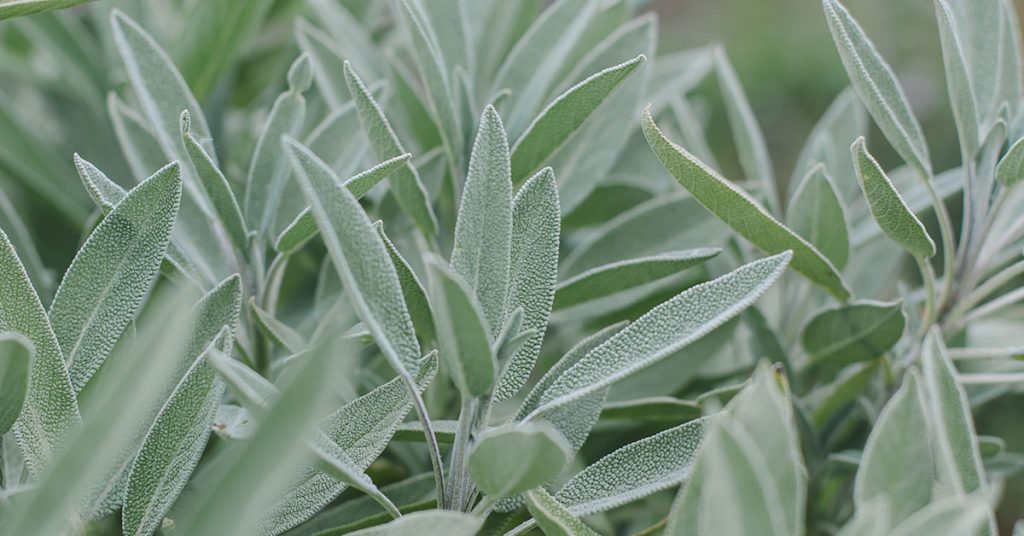
Sage is a time-honored herb celebrated not only for its distinctive, earthy flavor but also for its natural pest-repellent properties that benefit an organic garden. Native to the Mediterranean, sage thrives in full sun and well-drained, slightly alkaline soils, producing soft, gray-green leaves and subtle flower spikes that attract bees and butterflies. I appreciate how sage’s robust nature helps deter pests while its aromatic foliage creates a natural, calming ambiance that enhances the overall garden experience.
While sage can spread moderately if given free rein, it is generally non-invasive when pruned regularly, making it a manageable and reliable addition to your organic garden. Its medicinal properties and culinary versatility further cement its status as an essential herb, supporting both your well-being and your garden’s health. In my organic garden, sage is not just a flavor booster—it’s a natural ally that contributes to a balanced, pest-resistant ecosystem with minimal fuss!
Calendula

Calendula, often known as pot marigold, is a cheerful flowering herb that offers both medicinal benefits and a natural means to attract beneficial insects. Native to the Mediterranean region, calendula thrives in full sun and well-drained soils, producing bright orange and yellow blooms that are as visually striking as they are useful. I’ve always been impressed by how calendula’s petals can be used to soothe skin irritations while its blossoms lure in bees and butterflies, enhancing pollination and supporting a healthy garden environment.
Despite its prolific blooming, calendula is generally non-invasive and can be easily managed in an organic garden. Its self-seeding tendency adds a touch of wild beauty without overwhelming other plants, while its natural healing properties make it a favorite for homemade salves and teas. For me, calendula is a wonderful example of a plant that bridges the gap between aesthetic delight and practical organic gardening solutions!
Yarrow

Yarrow is a robust, multi-purpose perennial that plays a key role in organic gardening by enhancing soil health and attracting a diverse range of beneficial insects. Native to temperate regions of the Northern Hemisphere, yarrow thrives in full sun and well-drained soils, producing clusters of tiny, daisy-like flowers in shades of yellow, white, or pink. I love how its feathery foliage and abundant blooms create a natural haven for predatory insects like ladybugs and lacewings, which help keep pest populations in check without chemical interventions.
While yarrow has a reputation for self-seeding, it is generally non-invasive when maintained with periodic thinning, making it an excellent choice for sustainable gardening. Its ability to improve soil structure and attract pollinators makes yarrow an invaluable component of an organic garden’s ecosystem. Every time I see yarrow swaying in the breeze, I’m reminded of the timeless wisdom that nature offers powerful solutions when we work in harmony with its rhythms!
Comfrey
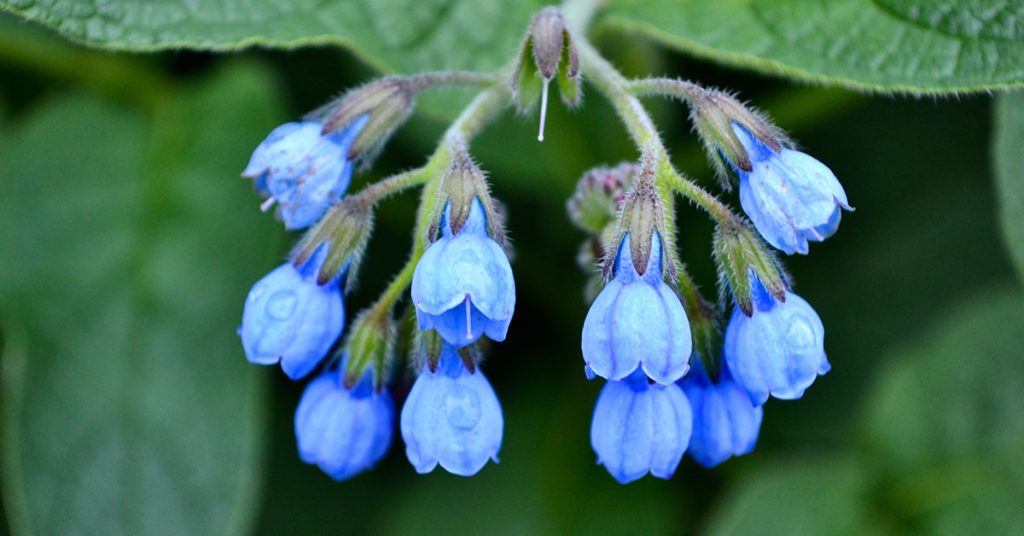
Comfrey is a powerhouse herb that contributes immensely to organic gardening by naturally enriching the soil and providing organic mulch. Native to Europe and parts of Asia, comfrey thrives in moist, nutrient-rich soils and prefers partial shade, producing large, fuzzy leaves and bell-shaped flowers that attract bees and beneficial insects. I’ve found that its deep taproots draw up nutrients from the subsoil, making its fallen leaves a fantastic green manure when incorporated into compost or used as mulch around vegetables.
Although comfrey tends to spread vigorously if left unchecked, careful management through regular pruning or containment ensures it remains a helpful rather than harmful presence. Its impressive ability to improve soil fertility and structure makes it a cornerstone in any organic garden, while its medicinal properties offer traditional remedies for skin healing and inflammation. For any gardener committed to sustainable practices, comfrey is an essential, multi-functional ally that transforms the garden into a natural haven of health and vitality!
Oregano
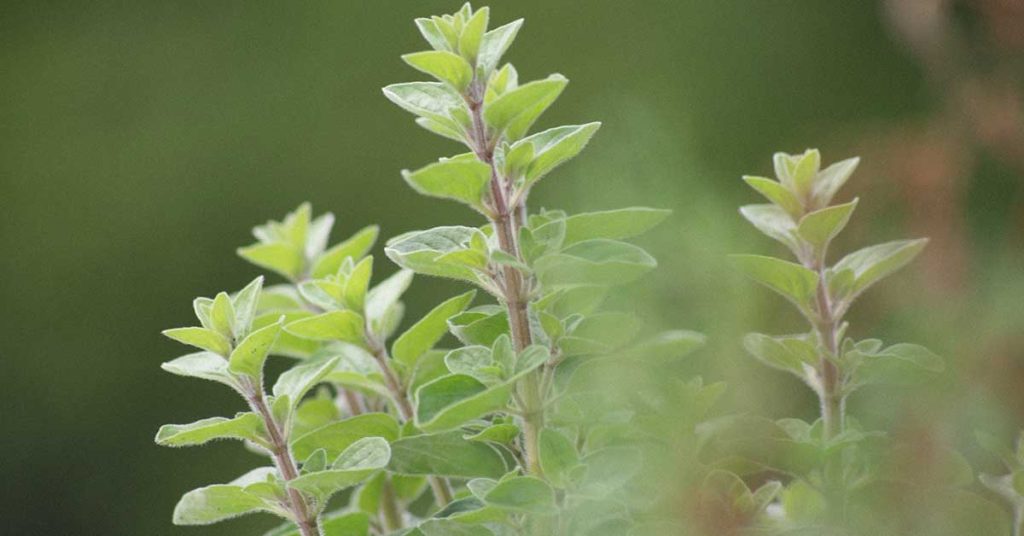
Oregano is a versatile and aromatic herb that stands out in an organic garden for both its culinary and ecological contributions. Native to the Mediterranean region, oregano thrives in full sun and well-drained soils, producing small, fragrant leaves and delicate flowers that attract bees and other beneficial insects. I enjoy how its robust flavor enhances a variety of dishes while its natural pest-repelling properties help protect neighboring plants from common garden invaders. Its spreading habit, though vigorous, is generally manageable with regular trimming.
In my garden, oregano serves as both a flavor enhancer and a living mulch that suppresses weeds and conserves soil moisture. Its ability to attract pollinators and create microhabitats for small critters makes it an essential component of a balanced organic ecosystem. Embracing oregano in your garden is like inviting a burst of Mediterranean sunshine that nourishes the soil, delights the senses, and supports sustainable gardening practices—all in one aromatic, vibrant package!