

Gardening has always been a passion of mine, and there’s nothing quite as satisfying as cultivating a garden that not only conserves water but also bursts with character and charm! In this article, I’m excited to share 14 drought-resistant plants that have truly transformed my garden. I know how frustrating it can be to struggle with thirsty plants and pest invasions, so I’ve compiled this list to help you find hardy options that thrive in dry conditions while attracting beneficial insects and even providing nesting spots for birds.
I’m thrilled to guide you through each of these remarkable plants, sharing insights from my own gardening journey. Each plant featured here is native to specific regions around the world, with some even showing invasive tendencies if not managed properly – so you’ll be well-informed about both their beauty and their behavior. Get ready for a fun, informative, and inspiring deep dive into the world of drought-resistant gardening!
Agave
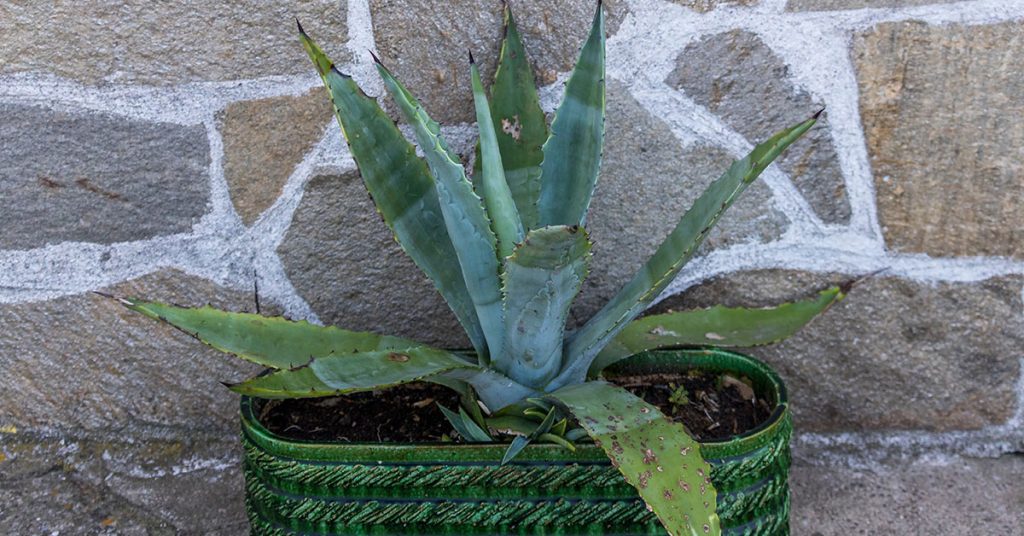
Agave is one of those striking succulents that immediately captures your attention with its bold, sculptural form! Native to the arid regions of the Americas, particularly Mexico and the southwestern United States, agave thrives in sun-soaked, low-water environments. I’ve seen how these resilient plants not only withstand the heat but also provide a dramatic focal point in my garden. Their sharp, pointed leaves can offer shelter to small nesting birds and insects, creating a mini oasis of biodiversity.
One of my favorite things about agave is its low maintenance nature – once established, it practically takes care of itself! However, it’s important to note that some agave species can become invasive in certain climates, so careful monitoring is essential. Their adaptability to poor soil conditions and minimal watering makes them an ideal choice for gardeners who appreciate both beauty and efficiency!
Lantana

Lantana is a vibrant and versatile plant that fills any garden with an array of bright, multicolored flowers! Originally native to tropical regions of the Americas, lantana has found its way into gardens all over the world, though in some areas it’s considered invasive due to its rapid spread. I adore how its clusters of flowers attract a variety of pollinators – from bees to butterflies – and even offer nesting opportunities for small birds, adding life and movement to the garden.
While its invasive potential means that care should be taken when planting lantana, its drought tolerance and vibrant blossoms make it a must-have for gardeners looking for a splash of color. I always enjoy pruning it back and shaping it into a natural border, which not only maintains its health but also ensures that it doesn’t overrun other plants. Its energetic presence truly uplifts the garden’s overall aesthetic!
Lavender
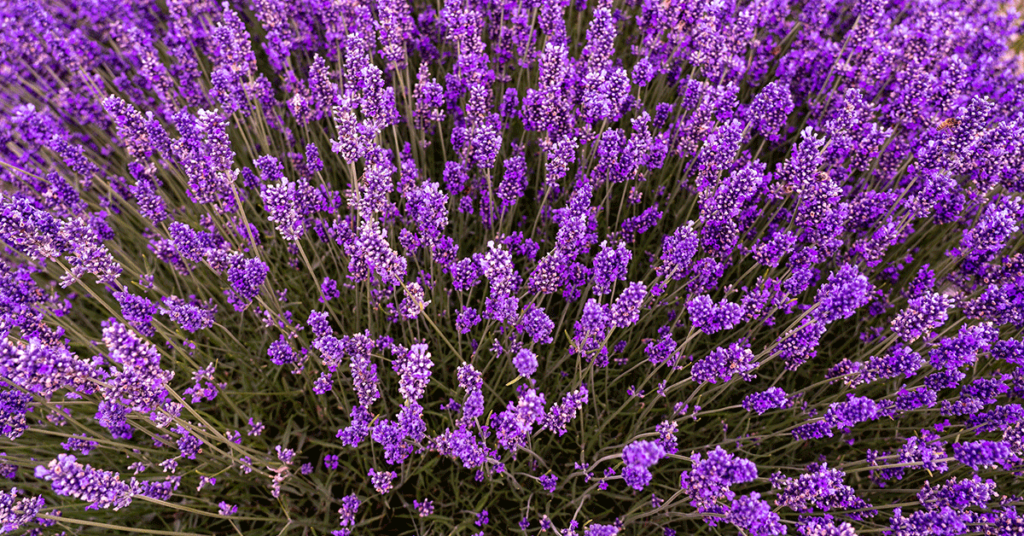
Lavender has long been a darling in the world of drought-resistant gardening, thanks to its soothing fragrance and delicate purple blooms! Native to the Mediterranean region, lavender thrives in hot, dry climates and is renowned for its ability to repel pests while attracting beneficial pollinators like bees and butterflies. I find its presence incredibly calming, and I often use its dried flowers for crafts and homemade sachets.
Beyond its aromatic charm, lavender also offers an inviting habitat for nesting insects and small birds, creating a lively ecosystem in your garden. Although it’s generally well-behaved, in some areas it can exhibit invasive tendencies if local conditions favor its rapid spread. This plant is not only a feast for the senses but also a testament to the beauty of sustainable gardening practices!
Russian Sage
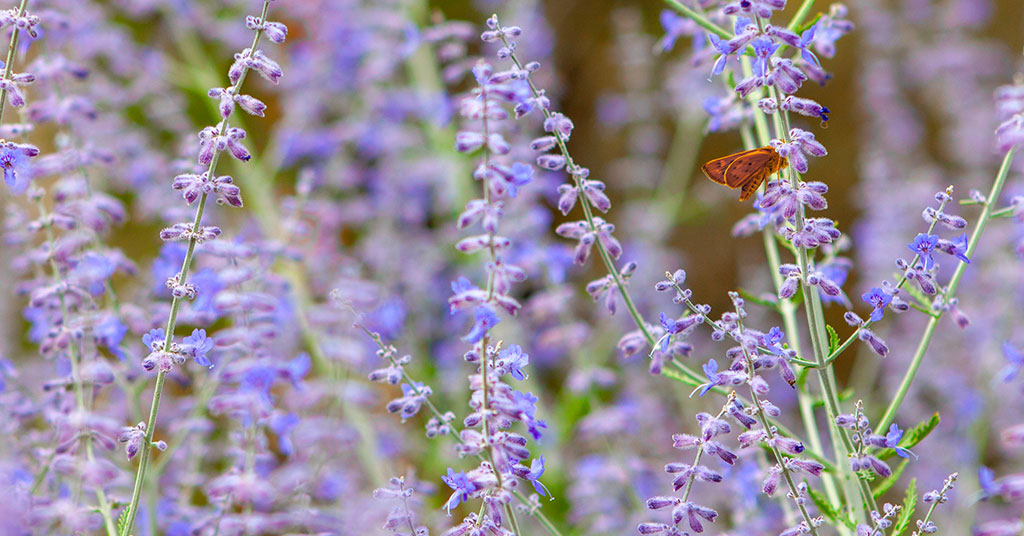
Russian Sage, with its wispy silvery foliage and tall spires of blue-purple flowers, has become a staple in my drought-resistant garden! Native to the western regions of North America, this plant thrives in well-drained soil and full sun, making it perfect for gardens that face water scarcity. I’ve always admired its airy, almost ethereal appearance, which brings a touch of elegance to any landscape.
One of the best parts about Russian Sage is its low-maintenance nature; it hardly ever requires extra watering once established. Despite its delicate look, it’s tough and can become invasive in some regions if left unchecked. The plant’s long flowering period and ability to attract pollinators – sometimes even encouraging birds to nest nearby – make it an indispensable part of my garden’s ecosystem!
Sedum
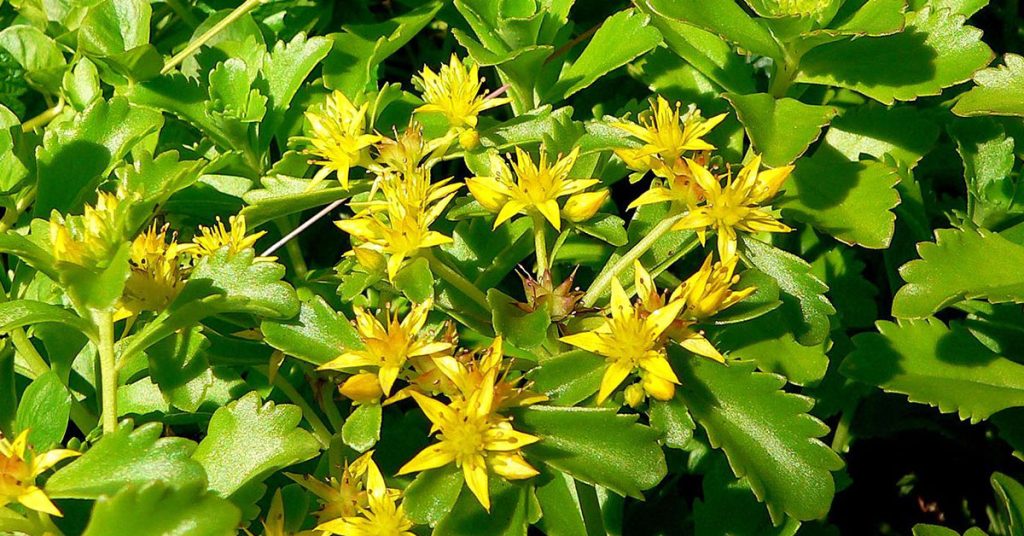
Sedum, commonly known as stonecrop, is an incredibly resilient plant that I love for its ability to add texture and interest to any garden setting! Native to Europe and parts of Asia, sedum varieties have adapted well to dry, rocky soils, making them ideal for drought-resistant gardens. Their fleshy, water-storing leaves are perfect for enduring hot, dry summers, and they offer a delightful contrast in both color and form to other plants.
What I find particularly fascinating about sedum is its role in the garden ecosystem – its clusters of star-shaped flowers attract bees and butterflies, while the robust foliage provides a haven for nesting insects and occasionally even small birds. Although sedum is generally non-invasive, it can spread quickly under optimal conditions, so a little care is needed to keep it in check. Its versatility and low-water demands truly make it a gardener’s best friend!
Thyme
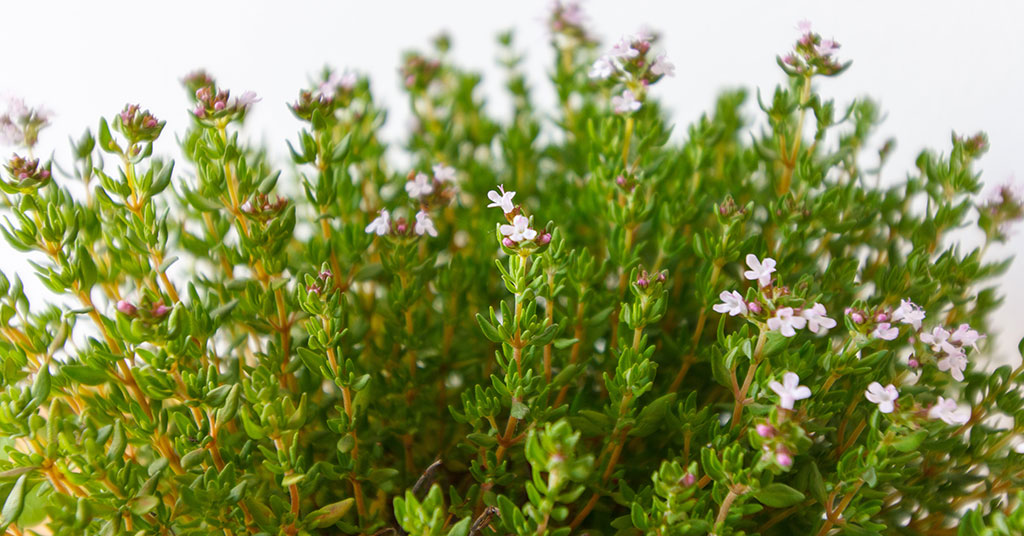
Thyme is not only a culinary delight but also a charming, drought-tolerant groundcover that I can’t help but admire! Native to the Mediterranean region, thyme thrives in sunny, dry conditions and is a perfect addition to any herb garden. I love how its tiny leaves release a subtle aroma when brushed against, inviting pollinators and even providing safe nesting spots for beneficial insects.
In addition to its culinary and aromatic appeal, thyme plays a pivotal role in weed suppression and soil conservation. While it rarely becomes invasive, it can sometimes form dense mats that require occasional thinning. Its multi-functional use in the garden, from seasoning meals to enhancing garden aesthetics, truly makes it a cherished plant in my gardening repertoire!
Yucca

Yucca, with its bold, sword-like leaves and striking flower spikes, is a plant that never fails to make a statement in my garden! Native to the arid regions of the Americas, yucca is perfectly suited for hot, dry environments where water is scarce. I love how its dramatic silhouette adds architectural interest and serves as a natural windbreak, while its flowers attract moths, bees, and occasionally provide shelter for nesting insects.
Despite its hardy nature, yucca does require some monitoring, as certain species can become invasive if planted in regions where the climate allows them to spread unchecked. Its resilience and low water requirements make it an ideal choice for gardeners looking to create a bold, sustainable landscape. The fascinating interplay between its structural beauty and its ecological benefits has made it one of my standout favorites!
Penstemon
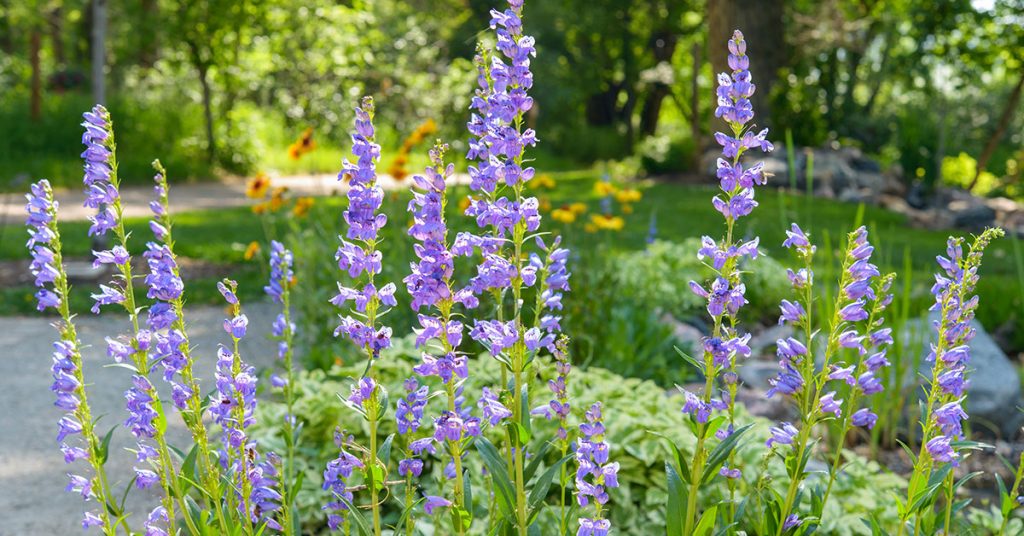
Penstemon, known for its tubular, nectar-rich flowers, has been a delightful addition to my drought-resistant garden! Native to North America, penstemon varieties are celebrated for their ability to flourish in well-drained soils and sunny locations. I’m particularly fond of how these vibrant blooms attract hummingbirds and bees, while the plant itself provides interesting textures that add depth to any garden setting.
This versatile plant is not only visually appealing but also plays a significant role in supporting local wildlife. Its flowers serve as a valuable source of nectar for pollinators, and the sturdy structure of the plant sometimes becomes a favored nesting site for small birds. Although penstemon is generally non-invasive, a little oversight ensures it remains a harmonious part of your garden’s ecosystem. I truly appreciate its blend of beauty, function, and low water needs!
Echinacea

Echinacea, or coneflower, is a true gem in the realm of drought-resistant plants, offering both medicinal benefits and striking beauty! Native to the central regions of North America, echinacea thrives in sunny, well-drained environments and has become a go-to choice for gardeners who appreciate its robust resilience. I love how its large, daisy-like blooms not only brighten up the landscape but also attract an abundance of pollinators, including bees, butterflies, and occasionally even small birds seeking a nesting spot.
This perennial plant is renowned for its role in supporting local ecosystems, and its deep roots help stabilize the soil in arid conditions. While echinacea is generally considered non-invasive, its vigorous growth can sometimes lead to self-seeding in abundance. With its blend of aesthetic appeal and ecological benefits, echinacea is a true testament to the wonders of drought-tolerant gardening – a plant that keeps giving back year after year!
Rosemary

Rosemary is one of my absolute favorite drought-resistant herbs, cherished not only for its culinary uses but also for its beautiful, aromatic presence in the garden! Native to the Mediterranean region, rosemary thrives in dry, sunny conditions and is known for its needle-like leaves and fragrant, evergreen nature. I’ve found that its strong scent not only deters pests but also attracts bees and other pollinators, sometimes even providing a cozy nesting environment for small critters.
Its robust nature and ability to flourish in poor soils make rosemary a versatile and low-maintenance addition to any garden. However, in some regions, particularly where conditions are just right, rosemary can exhibit invasive tendencies, so it’s best to keep an eye on its spread. The combination of practical benefits and sensory delight is why I always recommend rosemary for anyone looking to enhance their drought-tolerant garden!
Verbena
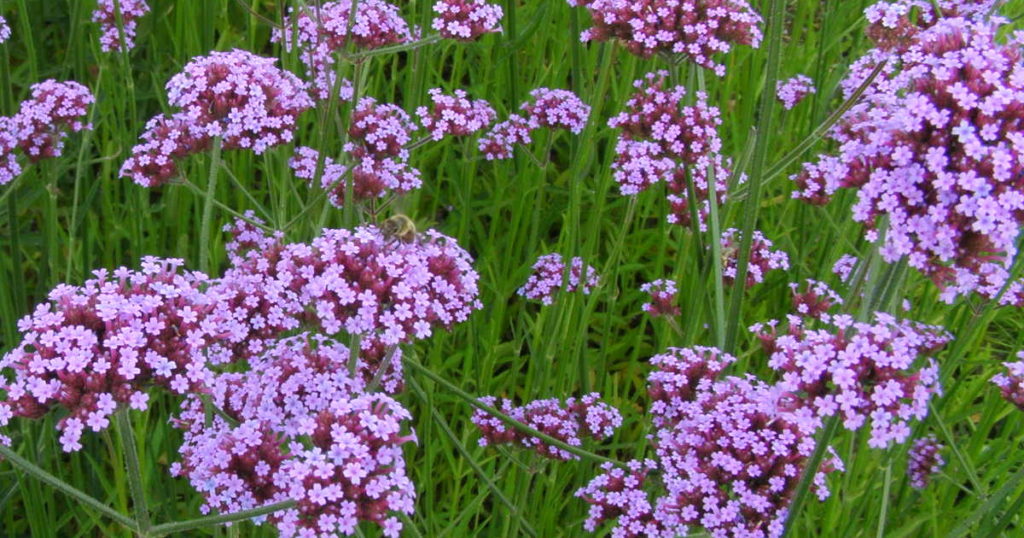
Verbena is a delightful, low-maintenance plant that adds a burst of color to any garden with its vibrant clusters of flowers! Native to South America, verbena thrives in warm, dry climates and has quickly become a favorite in my garden. I appreciate how its delicate blooms attract a plethora of pollinators, from bees to butterflies, and even create attractive nesting sites for small insects that help keep pests at bay.
Although verbena is generally regarded as non-invasive, some species can spread more rapidly than others, so I always advise careful observation when planting. Its resilience and bright, cheery appearance make it a must-have for gardeners who want to add both beauty and ecological value to their outdoor spaces. I’m always excited to share my verbena stories – it’s a plant that truly embodies the spirit of sustainable, joyful gardening!
Oregano
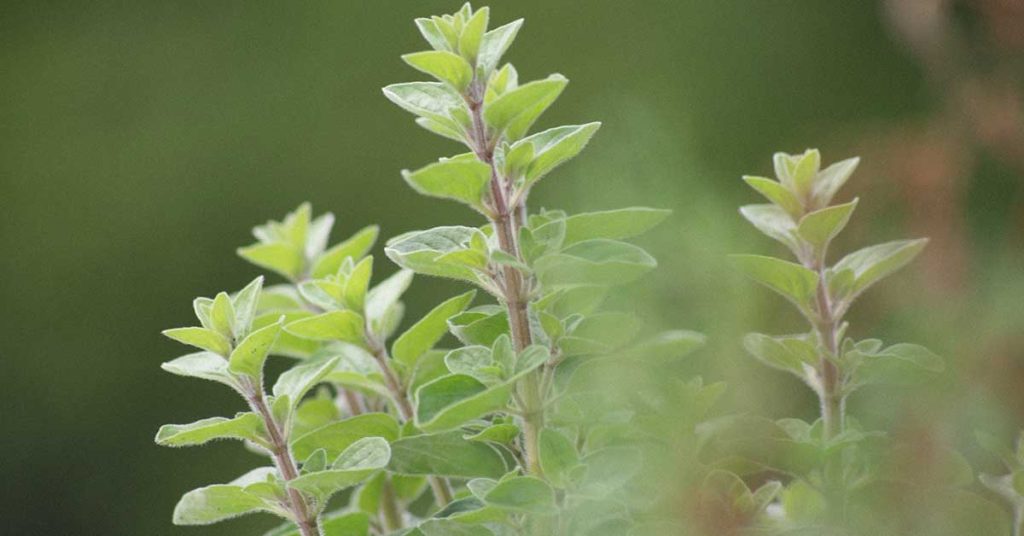
Oregano is much more than just a culinary herb – it’s a hardy, drought-resistant plant that brings both flavor and charm to the garden! Native to the Mediterranean, oregano flourishes in hot, dry conditions and is prized for its robust aroma and versatile use in cooking. I love how it not only enriches dishes but also creates a natural ground cover that attracts beneficial insects and even provides safe nesting spaces for local pollinators.
In my own garden, oregano has proven to be both a decorative and functional addition, thriving under minimal water and offering continuous bursts of flavor throughout the season. While oregano is generally non-invasive, it’s always wise to monitor its spread to ensure it doesn’t overtake neighboring plants. Its dual role as a culinary staple and an attractive, resilient garden plant makes it an invaluable asset for any gardener!
Santolina
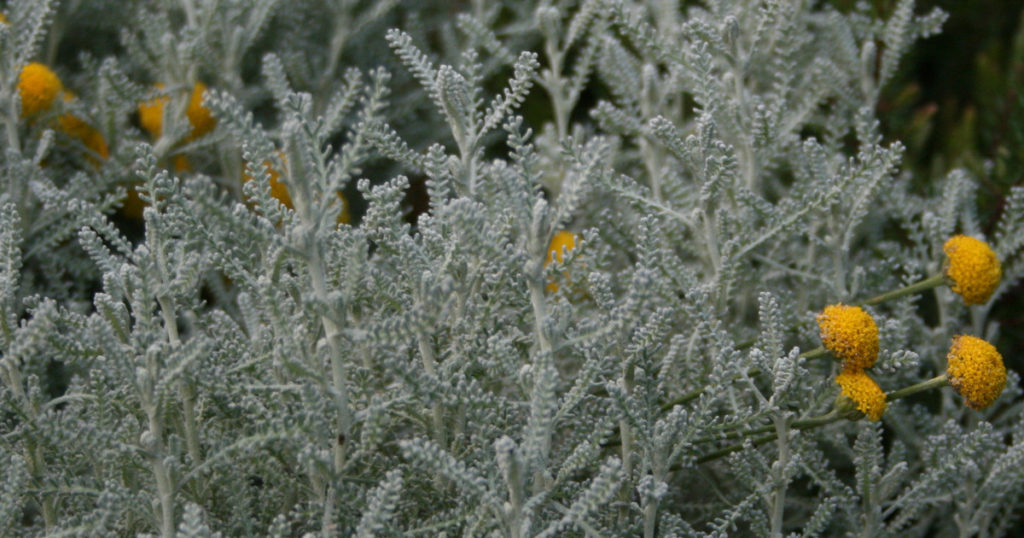
Santolina, with its silvery foliage and button-like yellow flowers, is a truly enchanting addition to any drought-tolerant garden! Native to the Mediterranean region, santolina thrives in dry, sunny areas and has a charming, aromatic quality that fills the air. I love its compact form and the way it can be used to create natural borders in the garden, providing a subtle yet striking backdrop that enhances other plants. Its unique structure also offers shelter and even occasional nesting opportunities for beneficial insects.
Despite its modest size, santolina is known for its hardiness and can spread relatively quickly under favorable conditions – so it’s important to manage its growth to prevent it from becoming invasive. Its low water requirements and delightful fragrance make it a plant that I always turn to when planning a sustainable, eco-friendly garden. Every time I see santolina in bloom, it reminds me of the beauty and resilience that nature has to offer!
Salvia
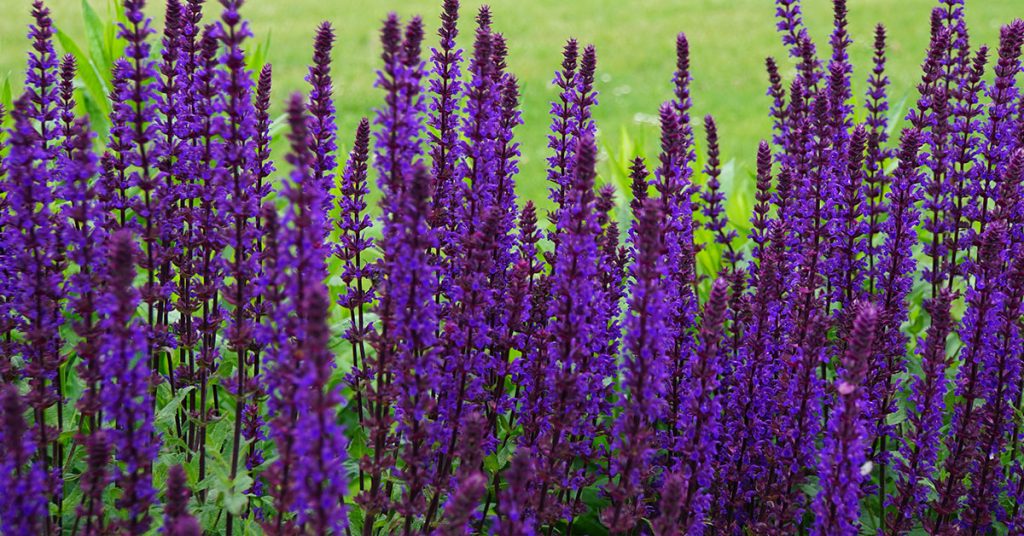
Salvia, often referred to as sage, is a versatile and eye-catching plant that has secured a special place in my drought-resistant garden! Native to diverse regions ranging from Central America to the Mediterranean, salvia is renowned for its striking flower spikes and aromatic leaves. I’m always excited by its ability to attract hummingbirds, bees, and butterflies – and in some cases, even provide cozy nesting sites for small birds that add a lively buzz to the garden.
This robust plant not only offers a splash of color but also supports the local ecosystem by creating habitats for various pollinators. While most salvia species are well-behaved, a few can exhibit invasive tendencies in certain climates, so a little vigilance is advised. Its blend of beauty, resilience, and ecological benefits has made salvia one of my cherished choices for creating a garden that’s both sustainable and bursting with life!