

Radishes are some of the speediest crops in the garden—quick to grow, satisfying to harvest, and fantastic for improving the soil in tight planting schedules. But despite how easy they are to grow, radishes can still fall prey to pests like flea beetles and root maggots. They also tend to do best when planted alongside other helpful companions. That’s why I always mix my radish beds with herbs, flowers, and even other vegetables that offer mutual benefits.
Whether you’re hoping to mask the scent of your radishes from hungry insects, improve soil texture, or maximize your space with smart layering, these 14 companion plants are ready to step up. I’ve experimented with many of these combos myself, and the results are always more productive and more beautiful. The list below is thoroughly randomized, just to keep it fresh—because your garden should be as full of surprises as it is of soil and sunshine!
Calendula

Calendula (Calendula officinalis) is a cheerful flower that does more than brighten up your beds—it also draws in a whole host of beneficial insects, including hoverflies and parasitic wasps. These little predators help keep aphid populations under control, which is a huge relief when radishes are in their vulnerable early growth stage. Calendula is native to southern Europe and the Mediterranean, and it’s not invasive, though it may reseed itself freely.
Its shallow root system means it won’t compete with your radishes for nutrients, and the blooms are long-lasting even in cooler temperatures. I find calendula especially useful for filling in the margins of my radish rows, creating a pollinator-friendly border that helps the entire vegetable bed hum with life. Plus, its petals are edible and make a gorgeous garnish!
Lettuce
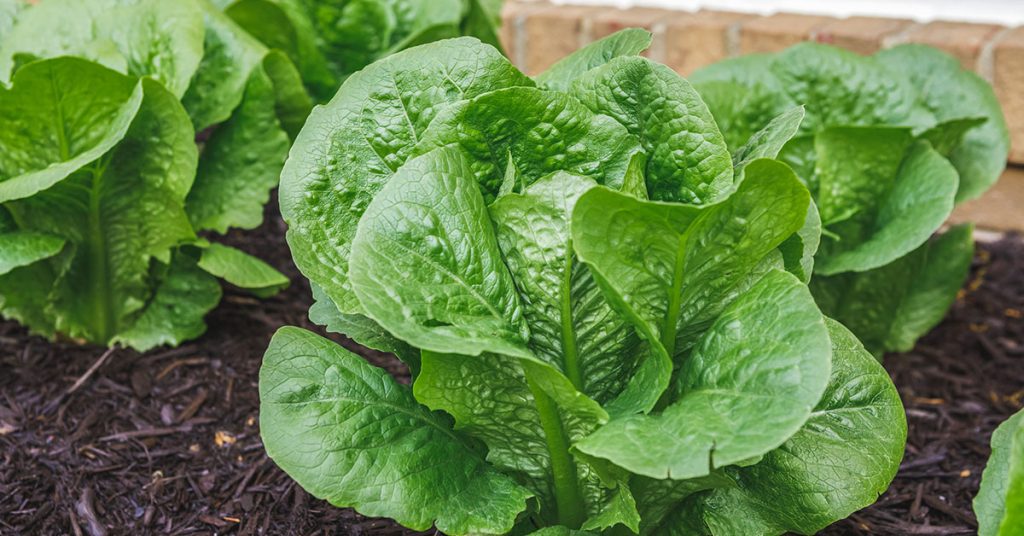
Lettuce (Lactuca sativa) is one of the easiest vegetables to pair with radishes. Their roots grow at different depths, meaning they don’t crowd each other underground. Radishes can even help break up the soil for slower-growing lettuce roots. Originally native to the Mediterranean region, lettuce isn’t invasive and comes in a wide variety of textures and colors, making your garden beds look as good as they taste.
Because radishes mature quickly, they make excellent early markers for slower lettuce varieties. I often sow them together—radishes come out first, leaving the lettuce room to spread. They enjoy the same cool-season conditions and watering schedule, which simplifies care. It’s such a natural partnership that I rarely grow one without the other anymore!
Nasturtium

Nasturtiums (Tropaeolum majus) are stellar companions for many garden vegetables, and radishes are no exception. These South American natives aren’t invasive, but they do grow enthusiastically, trailing or mounding depending on the variety. Nasturtiums attract aphids away from your radishes, serving as a kind of trap crop, and their peppery foliage repels pests like whiteflies and squash bugs.
Their bright blooms attract pollinators like bees and hoverflies, and the flowers, leaves, and even immature seed pods are all edible. I love tucking nasturtiums around the edges of my radish beds to keep the insect drama down and the visual impact high. They bring charm, color, and a lot of practical pest protection to the plot.
Carrots

Carrots (Daucus carota subsp. sativus) are a surprisingly smart companion for radishes. They take longer to germinate and grow, so planting radishes with them can help mark rows and break up the soil crust early on. Native to Europe and southwestern Asia, carrots are not invasive, though they do best in loose, well-tilled soil.
I like the way radishes help make space for slower-rooting carrots, especially when I’m growing in compacted beds. Radishes loosen things up just in time for carrots to push through more easily. By the time the radishes are ready to pull, the carrots are just hitting their stride. It’s a staggered dance of timing and growth that works beautifully.
Dill
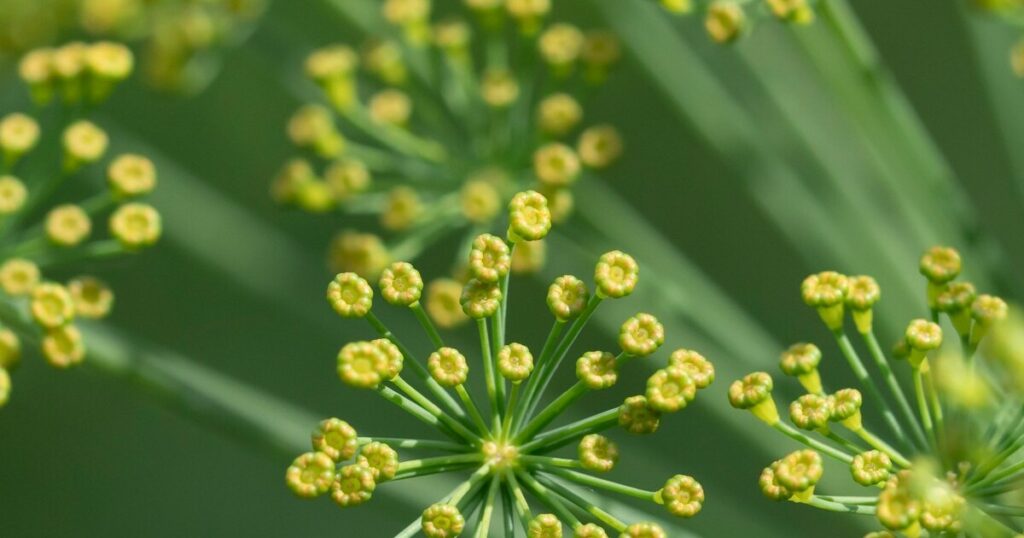
Dill (Anethum graveolens) is one of those airy, elegant herbs that does a lot behind the scenes. It attracts ladybugs, lacewings, and parasitic wasps—exactly the kind of insects you want around when flea beetles are eyeing your radishes. Native to the Mediterranean and southwestern Asia, dill isn’t invasive but will reseed if allowed.
Its feathery foliage won’t shade out your radishes, and its fragrance can mask their scent from pests. I like to plant dill just upwind of my radish patch so the aroma drifts through the bed. As a bonus, you can harvest the leaves for salads and the flowers for pickling, making it as practical as it is protective.
Chamomile

Chamomile (Matricaria chamomilla or Chamaemelum nobile) might not be the first thing that comes to mind for a radish bed, but trust me—it’s a secret weapon. Its flowers bring in tiny parasitic wasps and hoverflies that take care of aphids and thrips. Native to Europe and western Asia, chamomile isn’t invasive but will reseed gently if conditions are right.
I plant chamomile near radishes not just for its beauty and pest control, but because it improves the health and flavor of nearby crops. It has a calming, balancing energy in the garden. The flowers make a wonderful tea, and harvesting them gives you an excuse to spend a little extra time observing your radishes up close.
Peas

Peas (Pisum sativum) are a cool-season favorite that pair well with radishes thanks to their ability to fix nitrogen in the soil. That extra boost of fertility is great for root crops, and peas’ vertical growth means they don’t hog space at the soil line. Native to the Mediterranean, peas aren’t invasive, though they will climb and sprawl if not trellised.
I often plant radishes around the base of my pea trellises in early spring. The timing lines up perfectly—radishes are harvested just as the peas are filling out. It’s a wonderful way to double up on productivity in a small space while improving soil health naturally.
Spinach
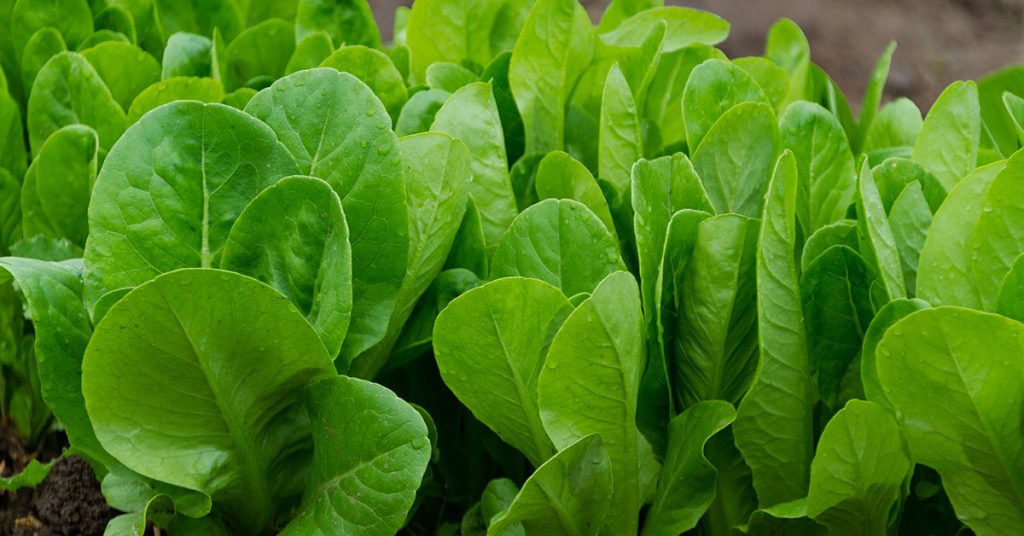
Spinach (Spinacia oleracea) makes a great leafy partner for radishes. Both thrive in cooler weather and germinate quickly, often coming to maturity around the same time. Spinach is native to Persia (modern-day Iran) and is not invasive, although it may bolt if the weather gets too warm too fast.
Radishes help mark rows and reduce weeds, and their rapid root growth can slightly loosen the soil around slower-growing spinach. I find that growing them together saves garden space while delivering two delicious harvests from a single bed. Just be sure to give both enough moisture—radishes especially can get woody in dry soil.
Mint (in containers!)

Mint (Mentha spp.) can be a very helpful ally for radishes—but with a big caveat: keep it in containers! Mint spreads aggressively and is considered invasive in many regions. That said, when grown responsibly in pots near your radish beds, its strong aroma deters flea beetles, aphids, and even rodents.
I like to place potted mint along the edges of raised beds where radishes are growing. It doesn’t take up bed space but still lends its pest-repelling power. Plus, you’ll always have fresh mint on hand for drinks and desserts. Just keep an eye out for runners and don’t let it escape its container!
Cucumber
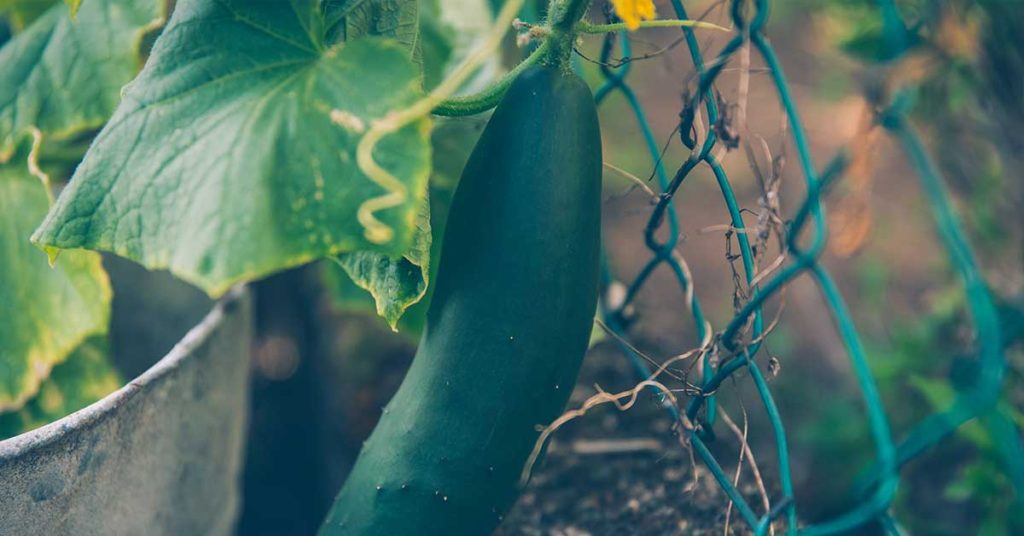
Cucumbers (Cucumis sativus) might seem like unlikely companions for radishes, but if you time it right, they make a solid pairing. Cucumbers are native to South Asia and aren’t invasive, though they do need plenty of space and warmth. Radishes, on the other hand, grow quickly and are out of the ground before cucumbers begin to sprawl.
By interplanting radishes early in your cucumber bed, you get a bonus harvest before the vines take over. I especially like doing this in spring under row cover—radishes pop up quickly, giving me something to munch on while I wait for the slower cucumbers to develop. It’s a fun way to make the most of every square inch.
Basil
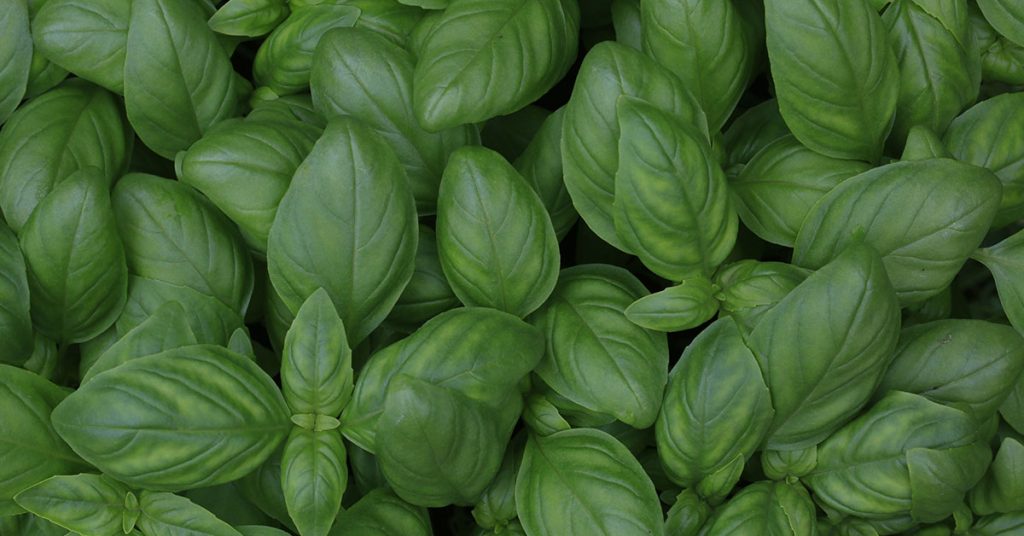
Basil (Ocimum basilicum) might be more famous for pairing with tomatoes, but it also has a place beside radishes. This aromatic herb deters thrips, aphids, and even mosquitoes. Native to tropical Asia, basil isn’t invasive but does prefer heat—so this combo works best during the later part of the radish season or in warmer zones.
I plant basil near the tail end of my radish succession planting. It doesn’t compete much with radishes, and once the radishes are out, basil takes over the space. It’s a companion with good timing, good flavor, and great scent—what’s not to love?
Marigold
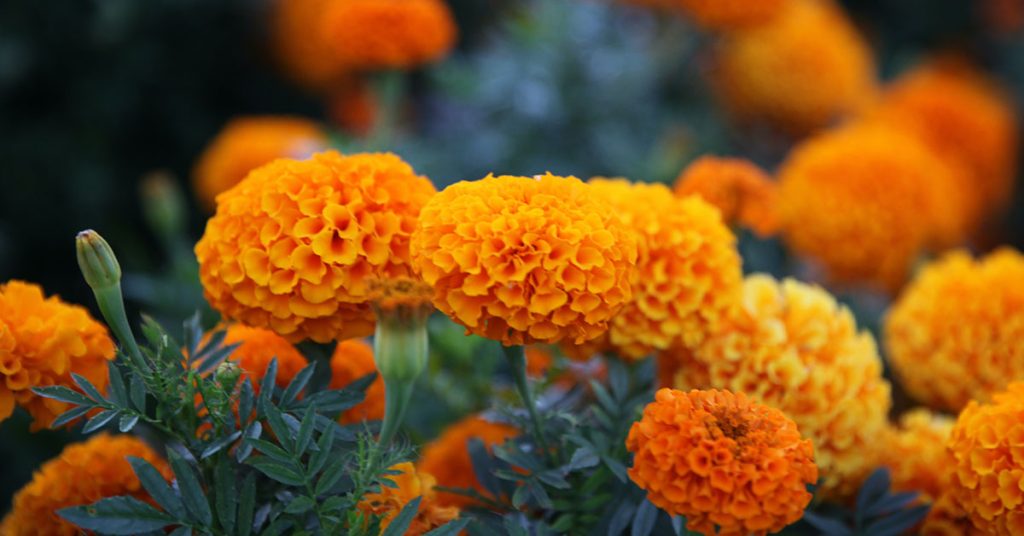
Marigolds (Tagetes spp.) are true multitaskers in the garden. Their roots produce compounds that suppress nematodes, while their flowers confuse and repel pests like aphids and flea beetles. Native to the Americas, marigolds aren’t invasive and can be grown as either compact or bushy plants depending on the variety.
They love the same full-sun spaces radishes enjoy and bring a pop of color that contrasts nicely with leafy greens. I like tucking them at the corners of radish beds or in nearby pots. They attract pollinators too, which is always a bonus even for root crops!
Oregano
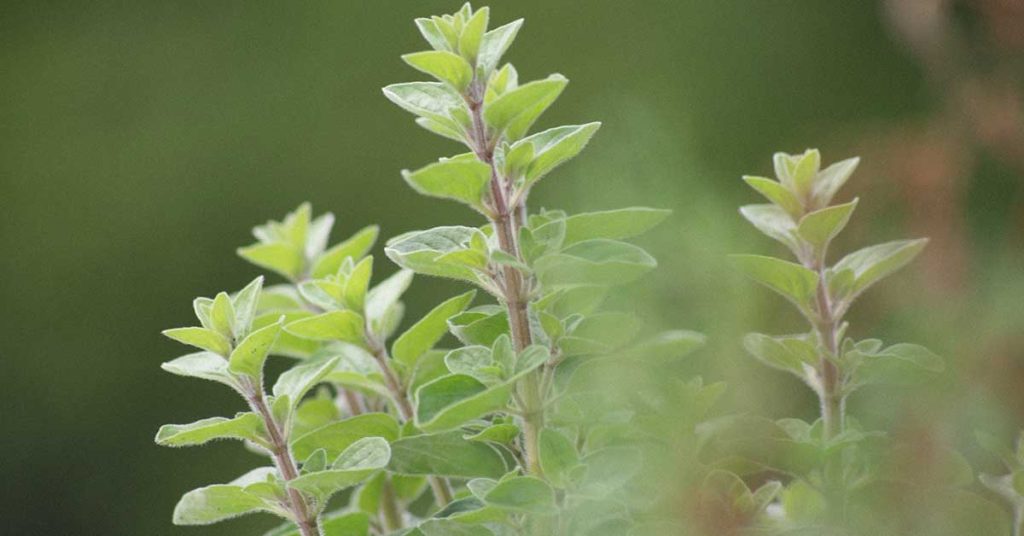
Oregano (Origanum vulgare) is another fragrant herb that offers subtle but powerful pest-repelling effects. It’s native to the Mediterranean and southwestern Eurasia and is not considered invasive in most regions, though it will spread steadily in rich soil. Its aroma helps deter aphids, and the small flowers it produces attract pollinators and beneficial insects alike.
I grow oregano in containers next to radish beds, where it quietly supports the surrounding plants while giving me a steady supply of leaves for cooking. Its low-growing nature means it doesn’t shade anything out, and it fits beautifully into the patchwork of a productive garden bed.
Beans
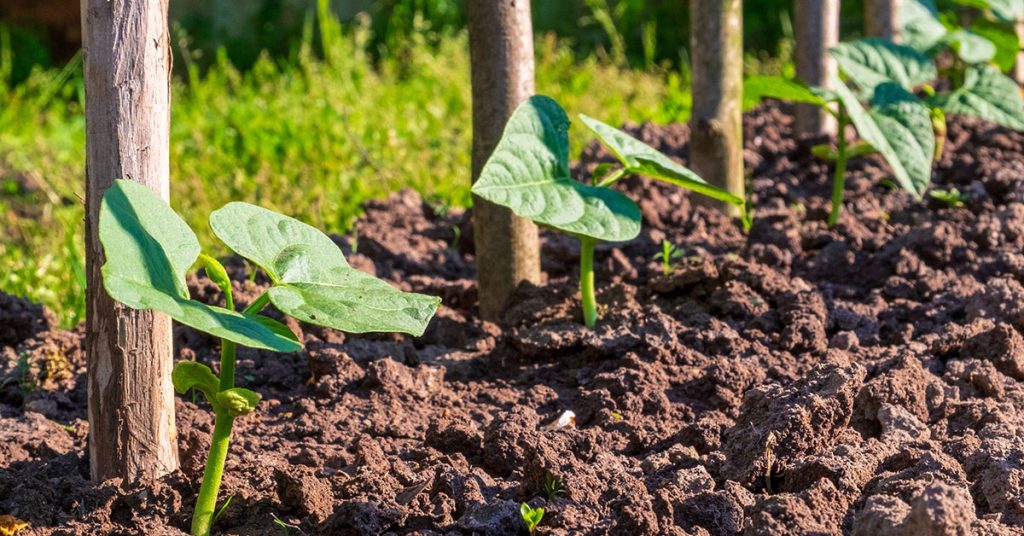
Beans (Phaseolus vulgaris) are nitrogen-fixers, making them natural soil enhancers when grown alongside radishes. They’re native to the Americas and aren’t invasive, though pole varieties need trellising to prevent sprawling. I like using bush beans alongside radishes for a space-efficient, mutually beneficial combo.
Beans help enrich the soil, and radishes enjoy the resulting boost in nutrients. Plus, if you grow a variety like ‘Dragon Tongue’ or ‘Provider,’ you’ll be harvesting crisp, juicy pods just as the last radishes come out. It’s a great transition planting strategy and a treat for the harvest basket.