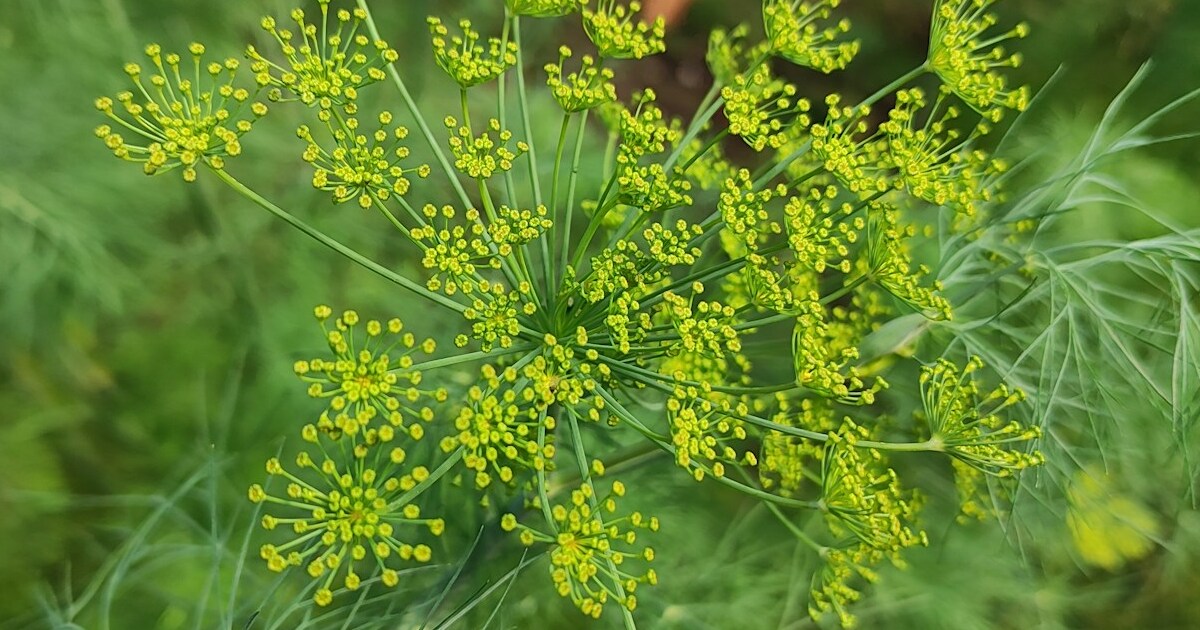

I can’t wait to share these delightful companions that thrive alongside dill! Dill (Anethum graveolens) is not only a culinary superstar but also a magnet for beneficial insects like ladybugs, lacewings, and parasitic wasps. Its feathery foliage creates inviting shelter for predatory insects that keep pests in check, and its umbrella-like flower heads provide nectar to pollinators. Pairing dill with the right neighbors can boost yields, enrich your garden’s ecosystem, and even add splashes of color and fragrance.
I know how frustrating it can be when your garden feels like a battlefield against aphids or when a lone plant languishes in the shade. That’s why I’m thrilled to walk you through fourteen plants that practically sing “plant me next to dill!” With each pairing, I’ll dive into native origins, potential invasiveness, and the charming behaviors—like hoverflies nesting in broad leaves—that make your plot burst with life. Let’s dig in!
Peppers
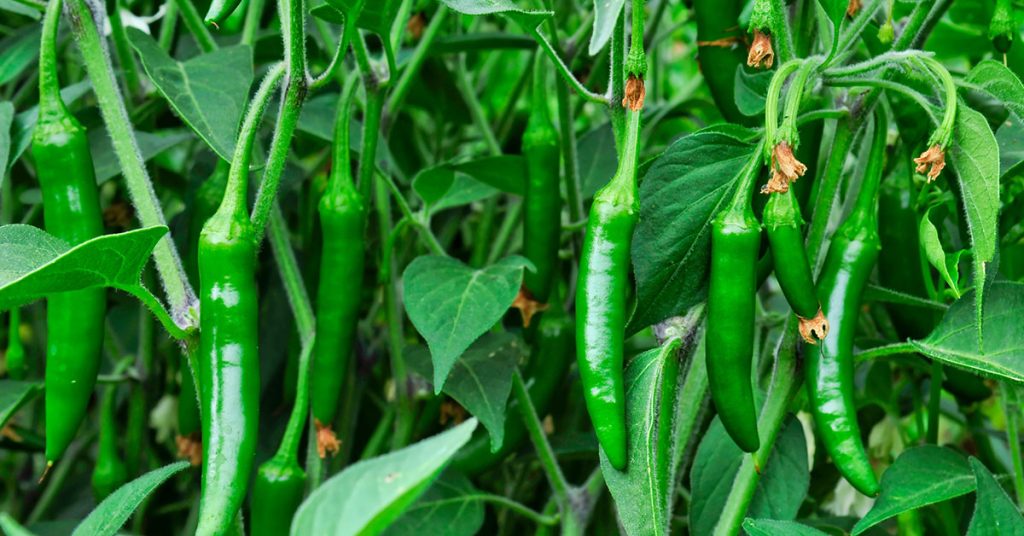
Peppers (Capsicum spp.) are native to Central and South America and bring a vibrant pop of color to any garden. When nestled next to dill, their sturdy stems and upright habit create a protective barrier for the delicate dill foliage below. Dill’s fragrance can also help confuse common pepper pests like aphids, while the peppers’ blooms attract hoverflies that feed on caterpillars and whiteflies.
Although most pepper varieties aren’t invasive, volunteer seedlings can crop up if you let overripe fruits drop. I love harvesting little bells of heat or sweet crunch right beside the dill—it feels like picking two treasures at once! Plus, pepper plants offer small pockets of shelter for parasitic wasps to nest, enhancing your garden’s natural pest patrol.
Calendula

Calendula (Calendula officinalis), often called pot marigold, hails from the Mediterranean and dazzles with cheerful orange and yellow blooms. These flowers not only brighten your bed but also draw pollinators like bees and hoverflies, which then patrol for aphids in your dill patch. Their shallow root system won’t compete heavily for nutrients, making calendula an ideal understory bloom.
While calendula can self-seed if you let spent flowers remain, it rarely becomes a nuisance. I often scatter calendula seeds around my dill to create a living mulch that suppresses weeds and attracts beneficial insects. Watching tiny solitary bees burrow into the soft soil beneath the blooms is one of my favorite garden moments!
Carrots

Carrots (Daucus carota) share the same Apiaceae family as dill and originated in the region stretching from Afghanistan to Iran. When planted nearby, dill’s airy fronds provide dappled shade to new carrot seedlings, reducing scorching in hot weather. Carrots, in turn, loosen compacted soil with their taproots, helping dill establish strong roots.
Though wild carrot relatives can naturalize in some areas, cultivated varieties typically stay put. It’s such a joy to harvest tender baby carrots under the protective canopy of dill—like unearthing hidden gems. I also love how ground-nesting bees often choose the soft soil between dill and carrot rows to create tiny brood chambers!
Marigolds

French and African marigolds (Tagetes spp.) hail from Mexico and are celebrated for their pest-repelling compounds. Their strong scent deters nematodes in the soil, which benefits dill’s root health, while the flowers attract predatory insects like minute pirate bugs that seek out thrips and aphids hiding in dill fronds.
Marigolds can self-seed if you allow seed heads to mature, but I find their cheerful blossoms well worth a few surprises. One of my favorite garden rituals is checking under their petals and finding lacewings tucked away—nature’s own pest control agents! Pair these sunny blooms with dill, and you’ve got both color and defense in one combo.
Cucumbers
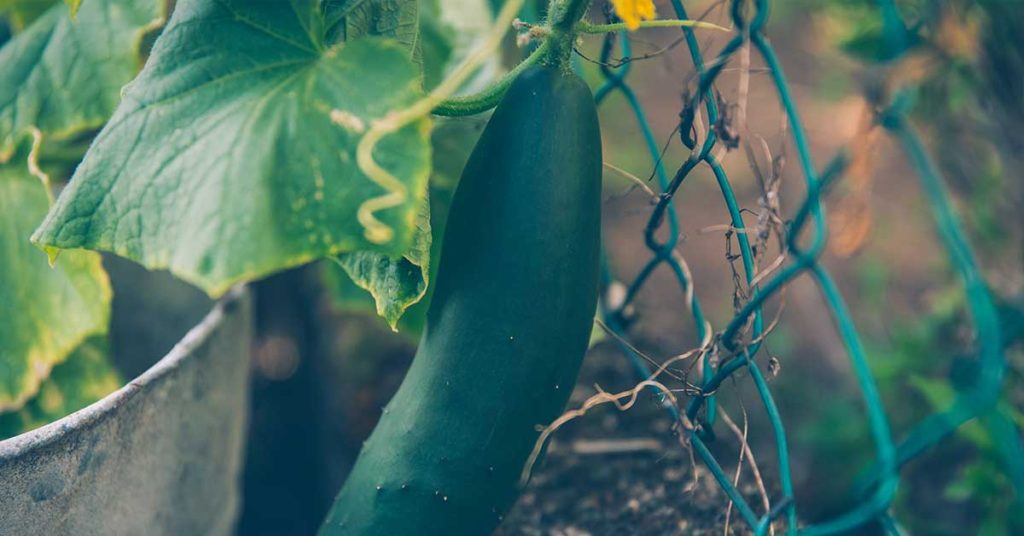
Cucumbers (Cucumis sativus), native to South Asia, thrive in the shade and moisture retained beneath dill’s canopy. Dill’s fragrance helps mask the cucumber’s own scent, confusing cucumber beetles that otherwise chomp on leaves. The sprawling vines also create winding tunnels under dill, offering shelter for ground beetles that prey on slugs.
Cucumbers aren’t considered invasive in home gardens, though volunteers can pop up from dropped fruits. I often train my cucumber vines to weave through dill stalks—it looks whimsical and maximizes space! Watching soldier beetles patrol the leaves makes me feel like I’ve recruited an army of garden guardians.
Tomatoes

Tomatoes (Solanum lycopersicum) originated in western South America and benefit from dill’s pest-deflecting aroma. Planting dill at the base of tomato cages attracts wasps that target hornworms, those ravenous caterpillars that can decimate tomato foliage. In turn, the tall tomato plants cast light shade, helping dill avoid heat stress on scorching afternoons.
While tomatoes won’t take over your garden, volunteer seedlings can surprise you if you leave composted tomato scraps. One of my favorite moments is spotting parasitic wasp larvae on hornworms in the tomato patch—proof that your dill-tomato alliance is working! It’s such a thrill to see the food web unfold right in my backyard.
Nasturtiums

Nasturtiums (Tropaeolum majus), native to South America, are celebrated as living trap crops: their peppery leaves draw aphids away from dill. These bright blooms also attract predatory larvae that later hunt other pests. Because nasturtium roots are shallow, they won’t steal nutrients from dill, and their sprawling habit acts as a living mulch.
Though they self-seed readily, I welcome the little volunteers each spring—they add an effortless wild charm. I love how tiny wasps set up nests between their stems, using the foliage as a nursery canopy. Planting nasturtiums next to dill creates a dynamic duo: attraction for pollinators and protection from suckers!
Strawberries
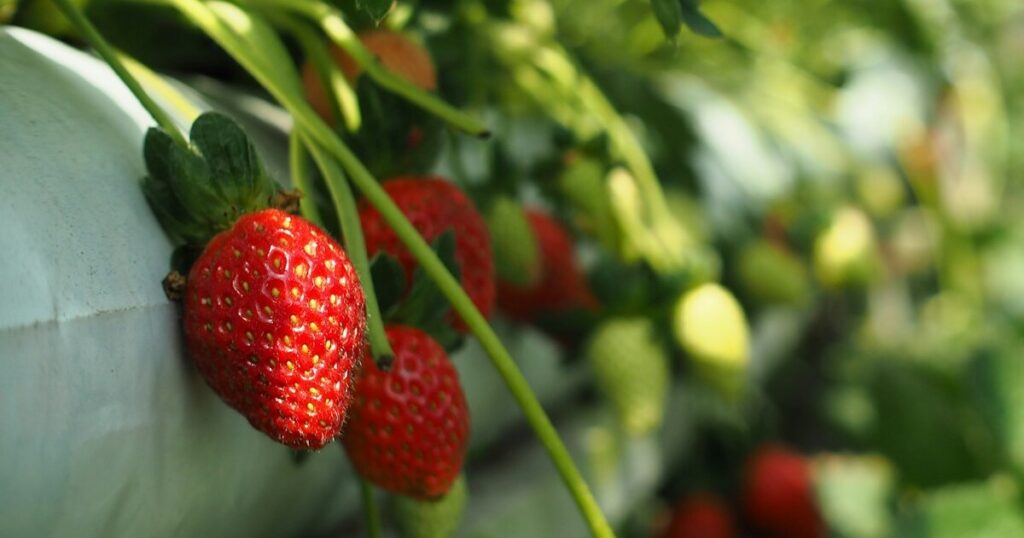
Strawberries (Fragaria × ananassa) come from European and American wild species and form low mats that suppress weeds around dill’s base. The sweet flowers lure bees that then visit dill’s umbels, enhancing pollination for both. The dense mats also create a humid microclimate that dill seedlings adore.
Cultivated strawberries won’t wander far, though runners may extend your patch if unchecked. I delight in harvesting juicy red berries next to feathery dill foliage—it’s a sensory feast of sight, smell, and taste! And don’t miss the tiny mining bees that bore small tunnels in the soft soil near their roots—that’s nature’s own aeration service.
Spinach
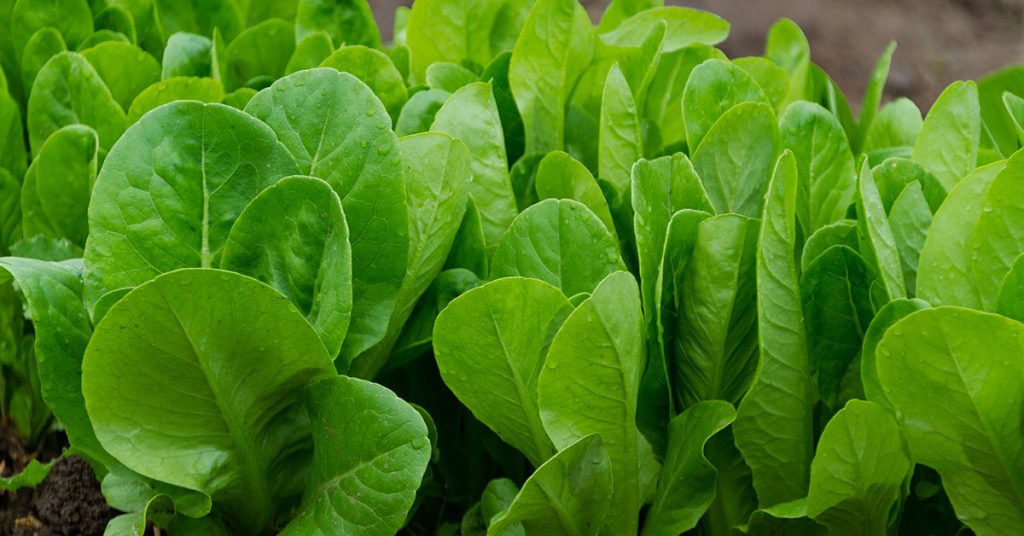
Spinach (Spinacia oleracea), native to central and southwestern Asia, appreciates the dappled shade dill provides during warmer months. Dill’s light touch above reduces soil temperature, preventing spinach from bolting too early, while spinach’s broad leaves shade out weeds around dill’s base.
Spinach rarely escapes the vegetable bed, so you can plant it confidently near dill. I love snipping baby spinach leaves beneath dill in early summer salads—it feels like a stealthy harvest! The cool, moist environment also invites earthworms, which aerate and enrich the soil for both crops.
Onions
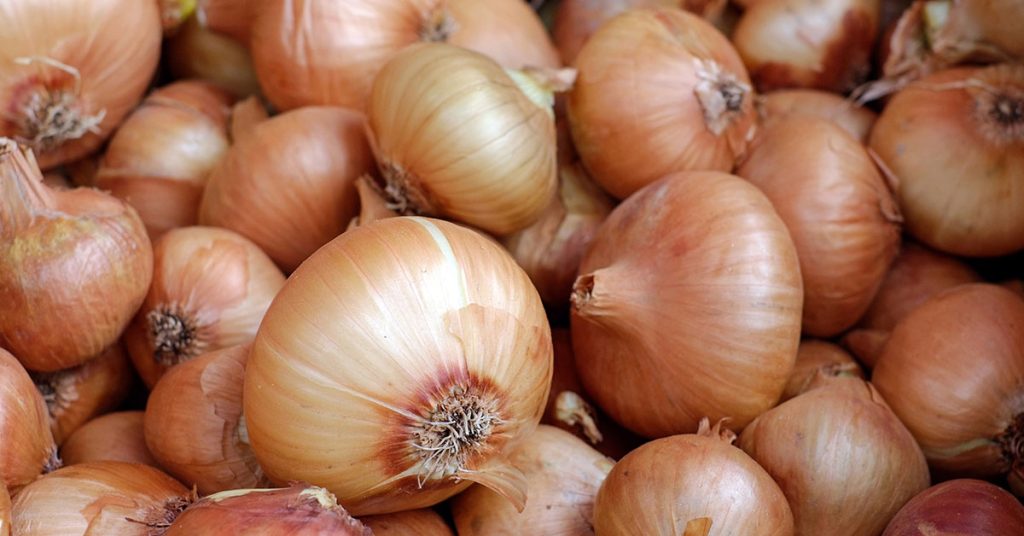
Onions (Allium cepa), with origins traced to Central Asia, emit sulfurous compounds that help repel aphids threatening dill. In return, dill’s flowers attract hoverflies that lay eggs on onion foliage, and the larvae feast on aphids, creating a balanced pest-management cycle.
Onions are not invasive but can sprout new bulbs if you leave clumps too long. I love how the slender onion leaves create a contrasting texture next to dill’s fronds—like a botanical conversation! Plus, finding tiny lacewings nestled between the leaves is a delightful surprise that reminds me how interconnected everything is.
Cabbage
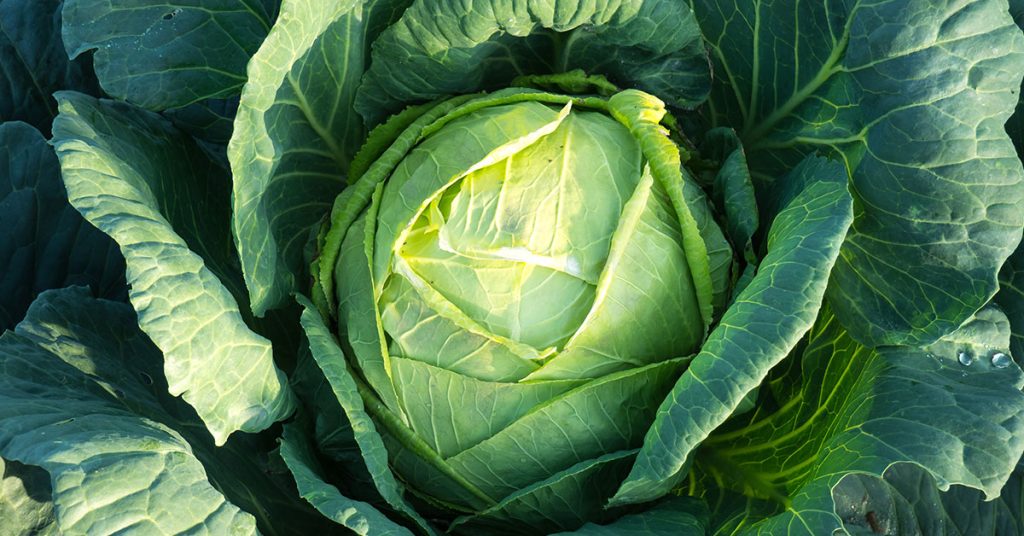
Cabbage (Brassica oleracea) hails from the Mediterranean and can suffer from cabbage white butterflies laying eggs on its leaves. Dill’s strong scent masks cabbage, confusing the butterflies, while the dill flowers attract parasitic wasps that target caterpillars before they munch your heads of cabbage.
Though cabbage won’t spread unchecked, its volunteers can arise from seed pods if you let them go to seed. One of my favorite victories is spotting parasitized caterpillars on the underside of cabbage leaves—a sign that your dill-assisted defense is in full swing! It’s such a relief to see nature’s pest control at work.
Sunflowers
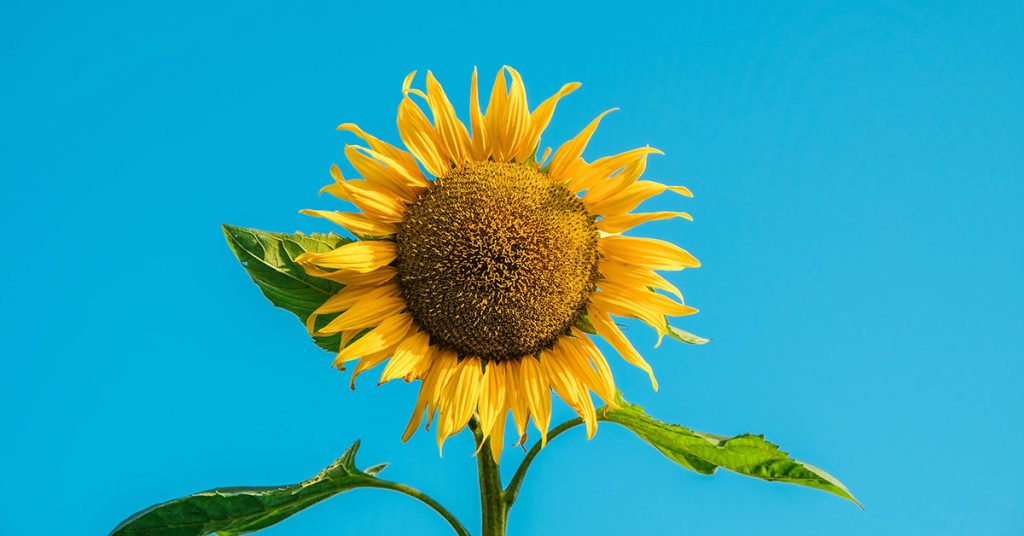
Sunflowers (Helianthus annuus) are native to North America and bring towering, golden cheer to any garden bed. Their stiff stalks offer support for vining neighbors, and the broad leaves below create microhabitats where beneficial insects like solitary bees nest. Dill’s delicate foliage at the base helps break up airflow, reducing fungal issues in the sunflower’s shaded crown.
Though sunflowers can self-seed, they rarely become invasive in home gardens. I delight in standing among the sunflowers on a sunny afternoon, spotting bumblebees burrowing into disk florets! Planting dill at their feet ensures a bustling corridor of pollinators and predators that benefits both species.
Lettuce
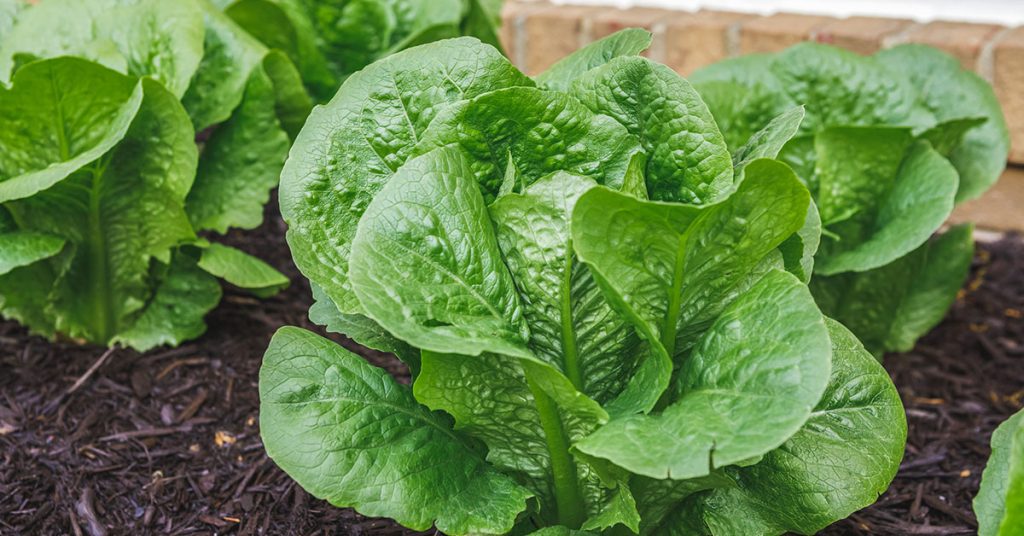
Lettuce (Lactuca sativa), originating in the Mediterranean, flourishes under dill’s dappled shade—especially during hot spells when full sun can cause bitter bolt. Dill’s height provides just enough relief, and its flowers draw syrphid flies whose larvae snack on aphids infesting lettuce leaves.
Lettuce rarely volunteers beyond intentional sowing, so you won’t be surprised by rogue seedlings. I know how disheartening it is to watch young lettuce heat-stress and bolt, so I always interplant dill to keep the greens lush! The partnership feels like a leafy fortress protecting your salad dreams.