

There’s nothing quite like a serene garden oasis to help quiet the mind and uplift the spirit, and I’m thrilled to share my top picks for a peaceful meditation garden! As a devoted gardener who’s experienced both the challenges of pest invasions and the joy of nurturing a blooming sanctuary, I understand how important it is to choose flowers that not only please the eye but also create a calming atmosphere. In this article, we’re exploring 14 of the best flowers to cultivate in your meditation haven, complete with fascinating backstories about their native origins, growth behaviors, and even tips on managing invasive tendencies.
Each plant featured here carries its own special energy and charm, from delicate blossoms that attract buzzing pollinators to large, graceful blooms that provide quiet nesting spots for small birds and beneficial insects. Whether you’re battling a shady garden dilemma or simply yearning for a tranquil retreat from everyday chaos, these flowers promise to enrich your space with natural beauty and mindful serenity. So, roll up your sleeves, put on your gardening gloves, and let’s embark on a journey to create a garden that soothes the soul and inspires the senses!
Japanese Iris
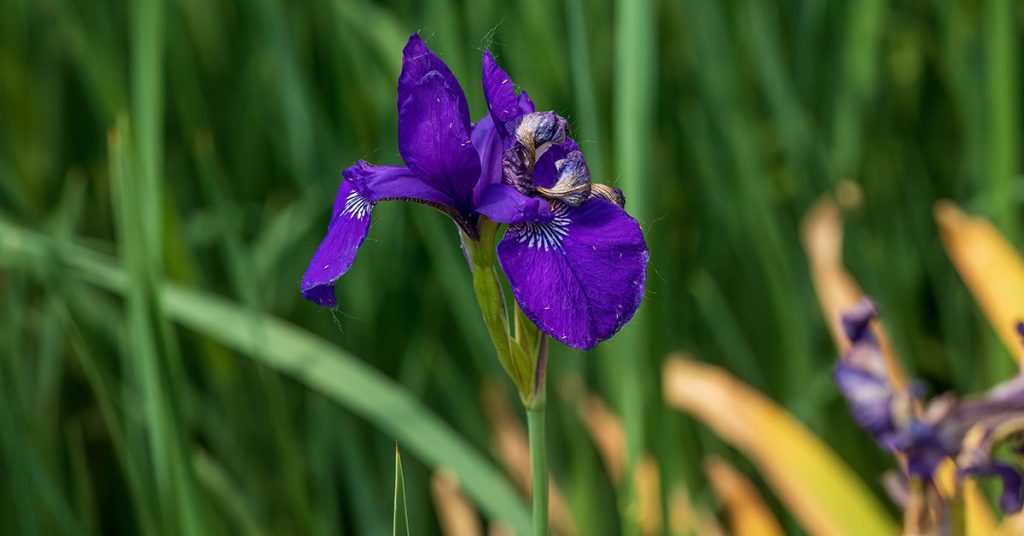
Japanese Iris is a graceful and elegant flower that brings a touch of refined beauty to any meditation garden! Native to Japan and Korea, these irises flourish in moist, well-drained soils and partial shade, offering tall, slender stems crowned with intricate blossoms. I find their striking, ruffled petals and soft hues wonderfully soothing, and they naturally invite bees and delicate butterflies to visit, adding to the garden’s gentle ambiance.
This non-invasive plant is ideal for creating a serene focal point in a quiet garden corner, where its delicate structure can serve as both a visual feast and a resting spot for small beneficial insects. Watching Japanese Iris sway in the breeze as light filters through their petals is a daily reminder of nature’s quiet elegance, making them a cherished part of my meditation garden!
Lavender
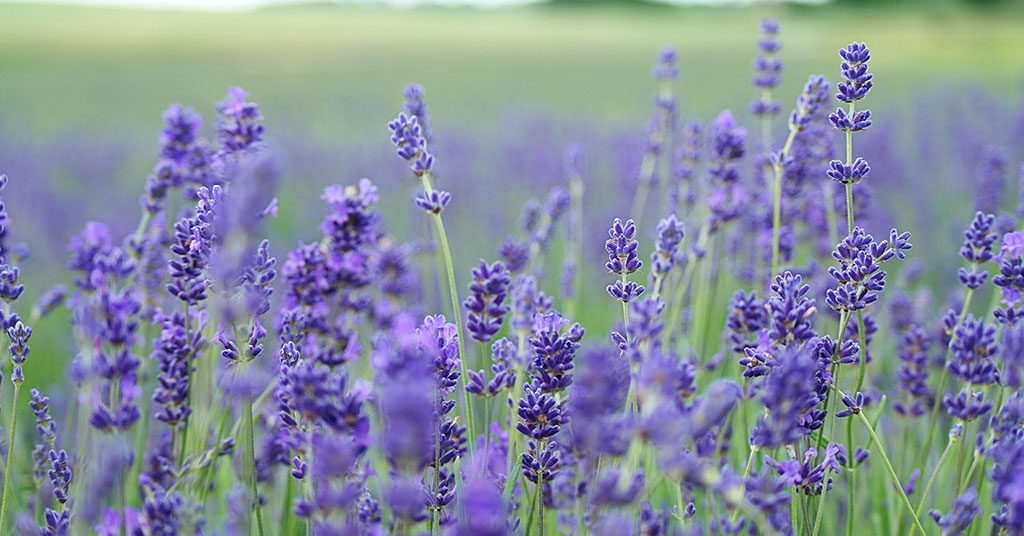
Lavender is a timeless favorite for any garden aiming to evoke calm and clarity, thanks to its soothing scent and vibrant purple blossoms! Native to the Mediterranean, lavender thrives in sun-drenched, well-drained conditions and has a natural knack for attracting busy bees and fluttering butterflies that enhance the garden’s tranquil vibe. I love how its aromatic foliage not only promotes relaxation but also provides gentle cover for small insects that play a crucial role in the garden’s ecosystem.
Its low-maintenance nature means that lavender rarely becomes invasive, allowing you to enjoy its delicate beauty without worrying about it overrunning your space. With every breath of its calming fragrance and every flutter of a visiting bee, lavender transforms a simple garden into a peaceful retreat that rejuvenates the mind and soothes the spirit!
Lotus

Lotus is a sacred aquatic flower that symbolizes purity and spiritual awakening, making it a perfect centerpiece for a meditation garden with a water feature! Native to Asia, the lotus thrives in warm, murky waters, blossoming from the depths to reveal radiant, layered petals. In my own garden, I adore the sight of lotus flowers opening at sunrise, inviting gentle hummingbirds and dragonflies to dance around the water’s edge.
Though lotus plants require a pond or water container to flourish, their enchanting beauty and spiritual symbolism make them well worth the effort. They are generally non-invasive when grown in confined water gardens, and their broad leaves often serve as temporary resting spots for small aquatic creatures, creating a living tapestry of natural harmony and mindful reflection!
White Rose

White Rose embodies timeless elegance and peace, lending an air of refined tranquility to any meditation garden! With roots spanning across Asia and Europe, these roses thrive in sunny, well-tended gardens and produce soft, luminous blooms that exude a sense of calm. I relish the sight of dew-kissed petals in the early morning light, and their subtle fragrance often attracts gentle pollinators and even provides a perch for small birds seeking a quiet resting place.
While white roses are typically well-behaved, it’s always wise to keep an eye on their growth, as proper pruning ensures they don’t encroach on your peaceful haven. Their classic beauty and nurturing nature make them a beloved addition, offering not just aesthetic pleasure but also a reminder of the delicate balance between nature’s wild spirit and cultivated serenity!
Peony
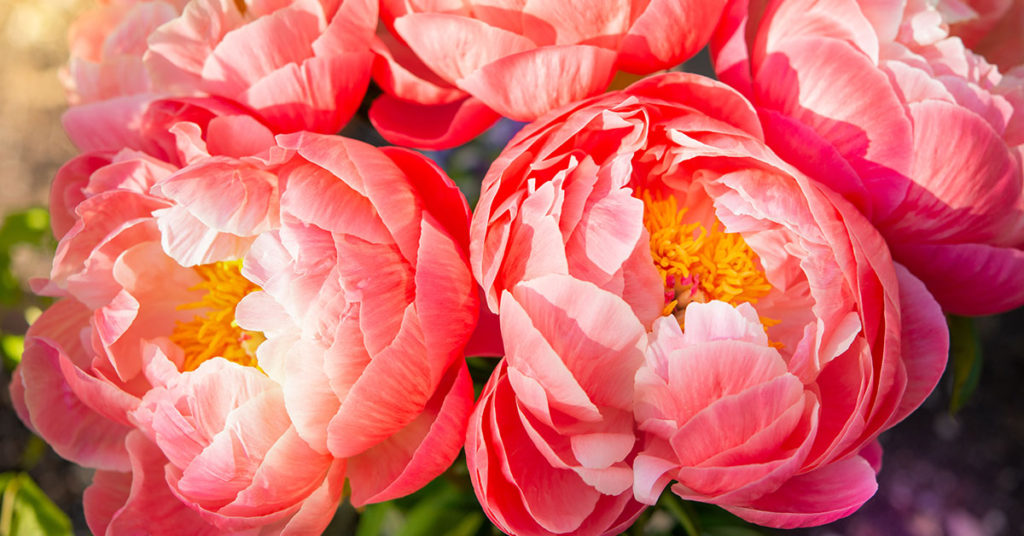
Peony is a lavish, full-bloomed flower that brings a sense of abundance and gentle luxury to a meditation garden! Native to Asia, peonies flourish in temperate climates and produce large, ruffled blossoms in shades of pink, red, or white that feel almost like a soft whisper of nature’s grace. I find these blooms to be incredibly soothing, and they naturally attract butterflies and bees that add a gentle hum to the garden’s quiet rhythm.
Though peonies are generally non-invasive, they do benefit from thoughtful spacing and occasional pruning to maintain their full, healthy form. Their lush, romantic blooms create a natural sanctuary that feels both inviting and meditative – a perfect setting to reflect and enjoy the harmonious interplay of color, scent, and subtle wildlife activity in your garden!
Gardenia
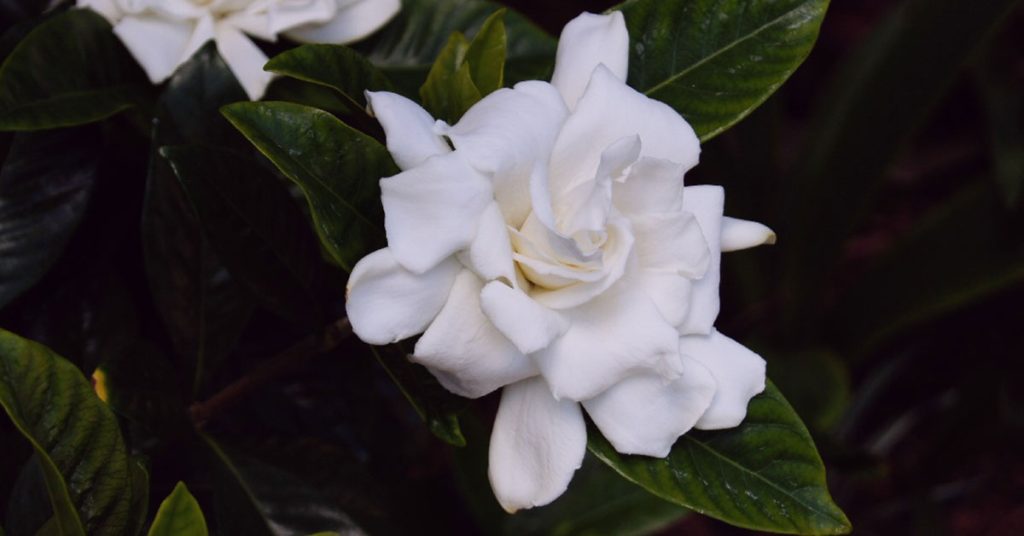
Gardenia exudes an intoxicating fragrance and pristine, creamy blossoms that are synonymous with peaceful elegance in a meditation garden! Native to tropical and subtropical regions of Asia and the Pacific, gardenias thrive in warm, humid environments and prefer partial shade. In my garden, I’m always delighted to see how their rich aroma not only soothes the mind but also attracts a myriad of tiny beneficial insects and sometimes even offers a quiet corner for small birds to rest.
While gardenias require a bit of extra care to maintain optimal soil acidity and moisture, they are not known to be invasive when cultivated with proper attention. Their timeless beauty and heady scent create an atmosphere of serenity that transforms any space into a natural retreat – a place where every inhale brings a wave of calm and every bloom tells a story of delicate, nurturing grace!
Chamomile
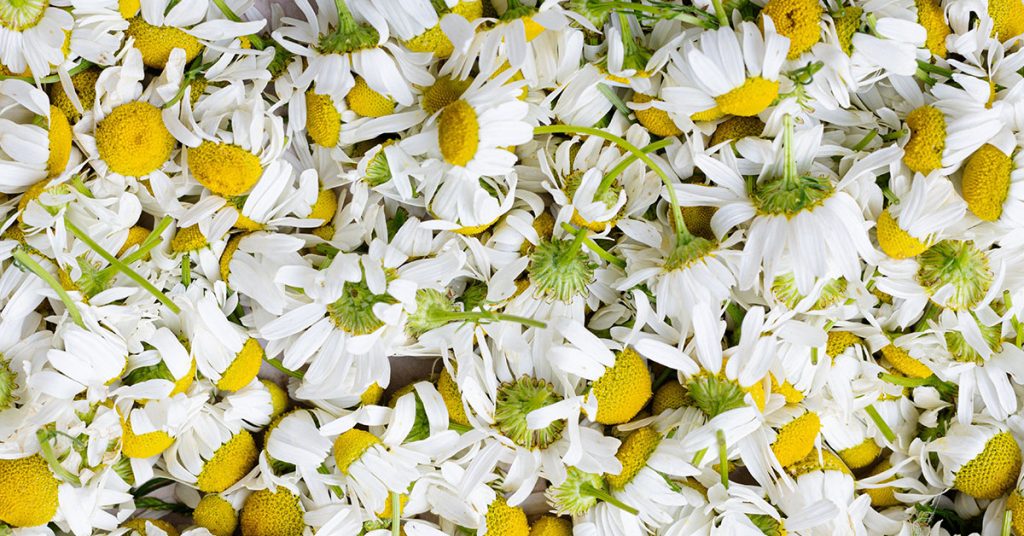
Chamomile is a modest yet enchanting flower known for its gentle, calming properties that make it an ideal choice for a meditation garden! Native to Europe and Western Asia, chamomile thrives in well-drained, sunny spots and produces small, daisy-like blooms that exude a soothing fragrance. I always smile when I see how its simple yet captivating presence naturally attracts tiny bees and other beneficial insects, adding a subtle buzz to the tranquil garden atmosphere.
Its non-invasive nature makes chamomile perfect for filling in gaps between larger meditative blooms, and its ease of growth means it’s a favorite for both novice and seasoned gardeners alike. Whether used as a tea or simply enjoyed for its natural beauty, chamomile provides a nurturing, low-key energy that helps create a peaceful sanctuary where every petal whispers relaxation and mindful calm!
Jasmine
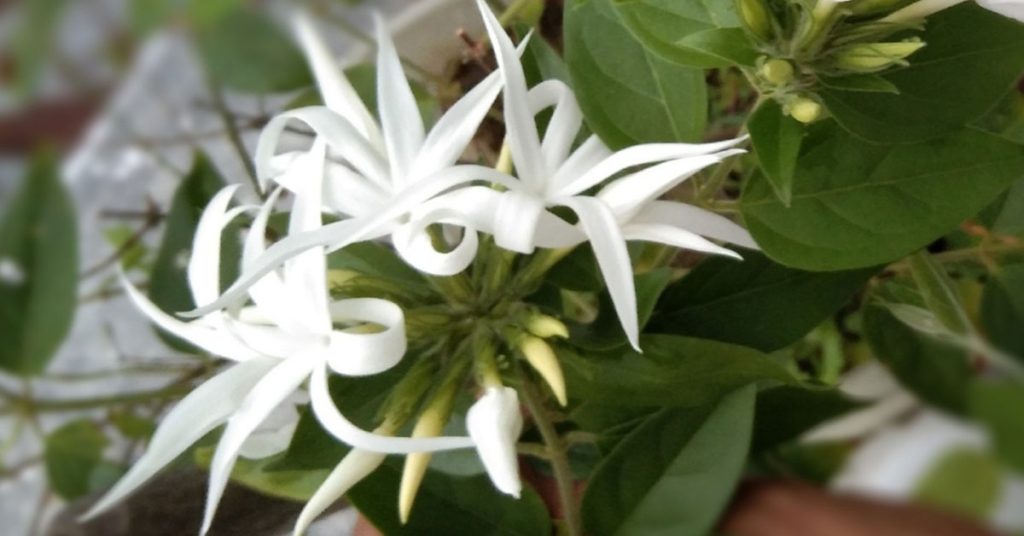
Jasmine is a delicate, fragrant flower that fills the air with a heady aroma, turning any meditation garden into a sensory haven! Native to tropical and subtropical regions of Asia, jasmine thrives in warm climates and prefers a mix of sun and gentle shade. In my own garden, its clusters of small, star-shaped blossoms are a constant delight, naturally attracting night-flying moths and even tiny birds that sometimes settle in its lush branches during the cooler hours.
Despite its enchanting allure, jasmine is typically non-invasive when grown under controlled conditions, making it a reliable and low-maintenance addition to a peaceful garden setting. Its intoxicating fragrance and elegant blooms invite moments of quiet reflection and sensory enjoyment, making every evening spent among jasmine-scented breezes a gentle reminder of nature’s endless capacity to soothe and inspire!
Hibiscus

Hibiscus is a vibrant, tropical bloom that brings a burst of energy and color to a meditation garden while still maintaining a sense of tranquil allure! Native to warm regions of Asia and the Pacific Islands, hibiscus thrives in full sun and well-drained soils, producing large, dramatic blossoms that captivate the eye. I adore watching hummingbirds and butterflies dart around its bold petals, as they are drawn to the abundant nectar and the shelter its broad leaves sometimes provide for small insects.
Although hibiscus can sometimes self-seed in favorable conditions, with proper care it remains a non-invasive wonder that adds a dynamic contrast to the serene garden setting. Its tropical splendor offers a unique meditative escape, where each striking bloom serves as a vibrant reminder of nature’s beauty and resilience. Hibiscus brings a joyful energy to your garden, making it a perfect centerpiece for moments of reflection and lively admiration!
Wisteria
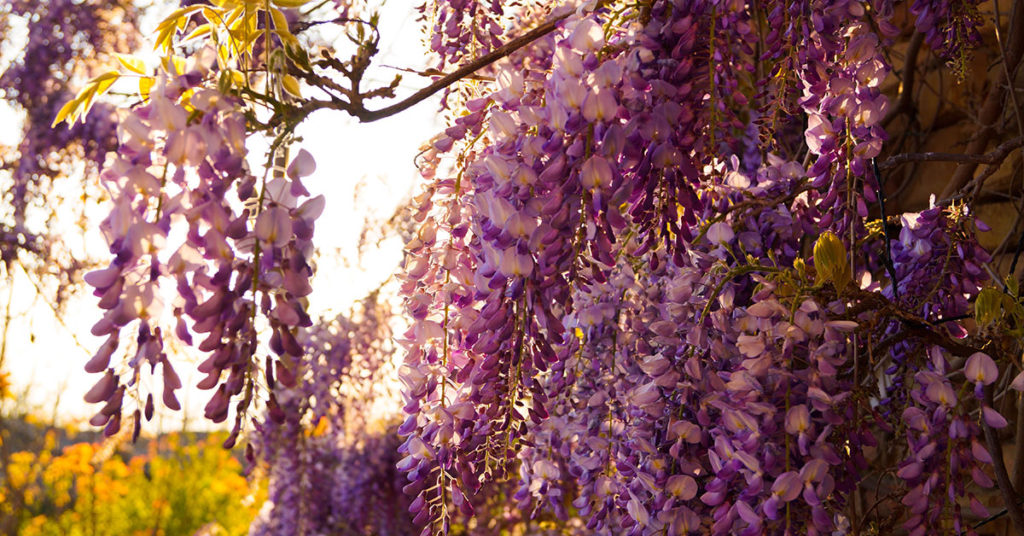
Wisteria, with its cascading clusters of delicate blossoms, creates a dreamy, almost ethereal atmosphere perfect for a meditation garden! Native to East Asia and the eastern United States, wisteria thrives in full sun with proper support and well-drained soil, producing long, flowing clusters of purple or white flowers that seem to float in the air. I’m always captivated by how its graceful vines invite butterflies and bees, and sometimes even provide a sheltered nook for small birds during quiet moments of rest.
Though wisteria is renowned for its beauty, it can be invasive in some climates if left unchecked; however, with proper pruning and support structures, it becomes a controlled, stunning spectacle. Its romantic, cascading blooms and gentle aroma create a serene canopy under which you can unwind and meditate, offering a living tapestry of color and movement that is as nurturing as it is breathtaking!
Delphinium
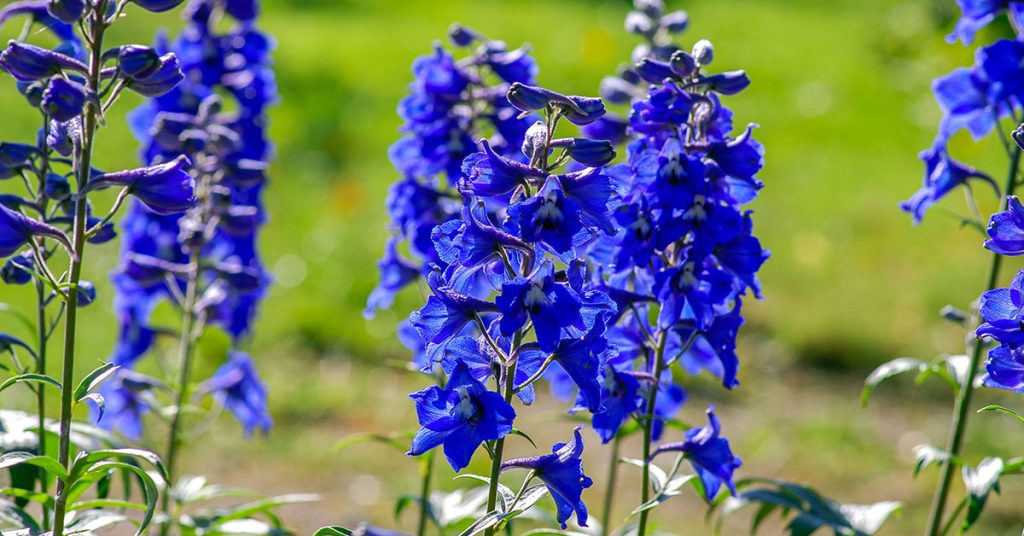
Delphinium stands tall with its dramatic, spiky flower clusters that add a sense of noble grandeur to any meditation garden! Native to the temperate regions of the Northern Hemisphere, delphinium thrives in cooler climates and rich, well-drained soils, producing striking vertical displays in hues of blue, purple, and white. I find that these elegant spikes naturally attract bees and butterflies, turning them into busy, pollinator-friendly sanctuaries that add to the garden’s calm, reflective atmosphere.
While delphinium is generally non-invasive, it does require thoughtful care and occasional staking to support its lofty growth habit. Its commanding presence, combined with the delicate movement of its blossoms in the breeze, inspires a deep sense of awe and quiet contemplation – a true visual symphony that elevates your garden into a space of mindful beauty and tranquil wonder!
Cosmos
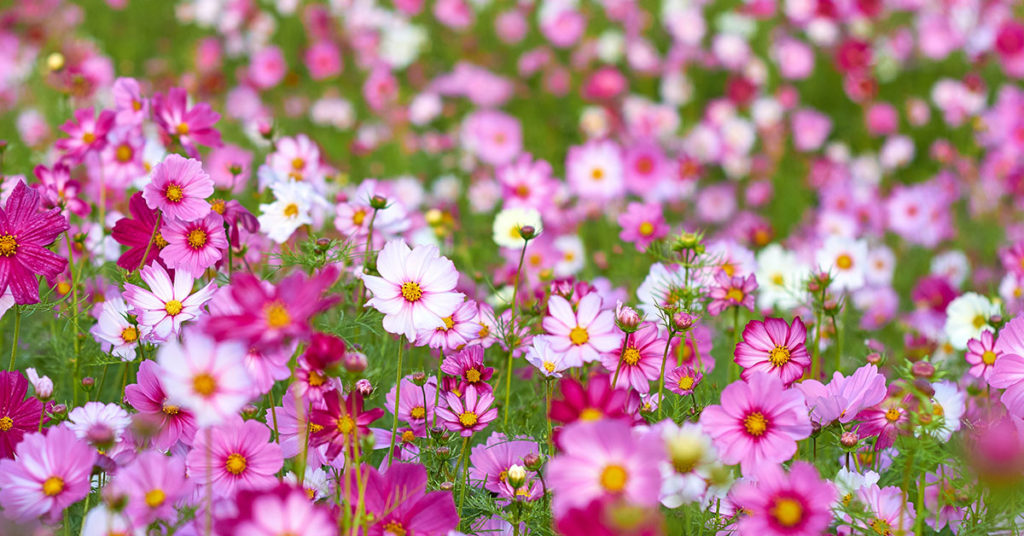
Cosmos is a light, airy flower that effortlessly lends a whimsical, carefree spirit to a meditation garden! Native to Mexico, cosmos flourish in full sun and well-drained soil, producing delicate, daisy-like blooms in soft shades of pink, white, and orange. Their feathery foliage and fluttering petals create a gentle, breezy movement that draws in bees and small butterflies, contributing to the serene rhythm of your garden space.
Despite its charming appearance, cosmos is known for being non-invasive and easy to maintain, making it a perfect choice for gardeners of all skill levels. Its effortless beauty and unhurried growth remind me of the simple pleasures in life, inviting you to pause, breathe deeply, and enjoy the delicate dance of nature’s quiet wonders. Cosmos adds an uplifting, almost ethereal quality to your garden, encouraging moments of mindful reflection and joyful serenity!
Coneflower
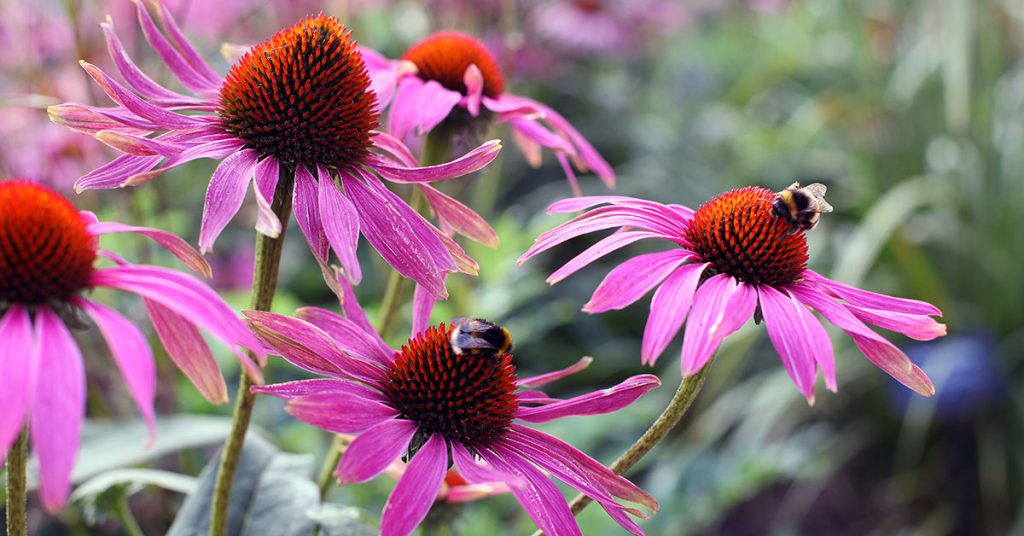
Coneflower, or Echinacea, is a robust and striking bloom that infuses a meditation garden with both energy and a sense of grounded calm! Native to North America, coneflowers thrive in full sun and well-drained soils, producing vibrant, daisy-like blossoms with a distinctive central cone. I enjoy watching how these dynamic flowers naturally attract butterflies, bees, and even small birds that sometimes find refuge in the surrounding foliage, adding a lively yet soothing cadence to the garden.
This hardy plant is typically non-invasive, making it an excellent choice for gardeners looking to create a balanced and naturalistic retreat. Its bold presence and enduring charm serve as a reminder of the resilience and beauty inherent in nature, offering a meditative focus that inspires both awe and reflection. Coneflower’s inviting energy and colorful display make it a timeless addition to any garden dedicated to peace and mindful rejuvenation!
Bluebells
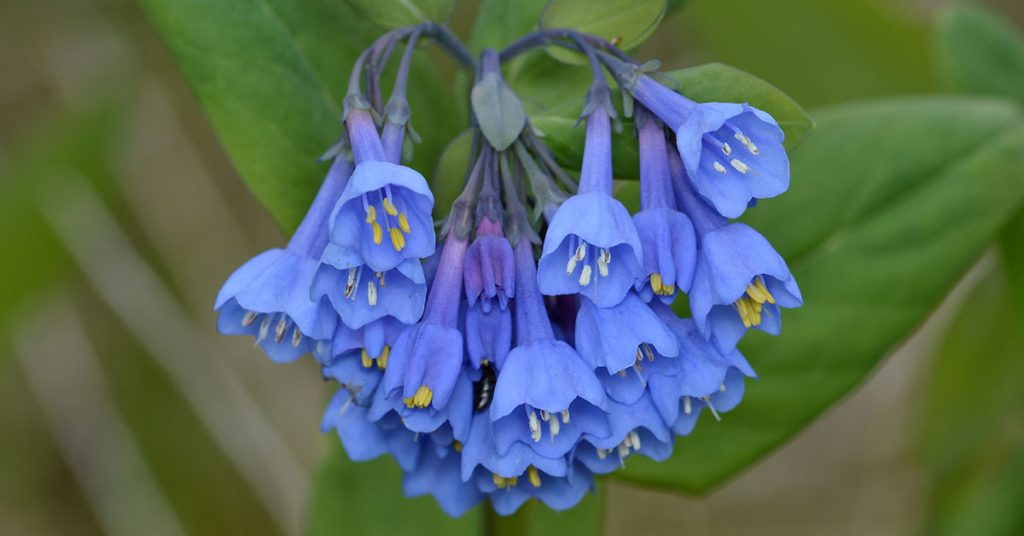
Bluebells bring a quiet, enchanted allure to a meditation garden with their soft, bell-shaped blooms that evoke images of ancient woodlands! Native to Europe and parts of Asia, bluebells flourish in shaded, moist areas, forming carpets of delicate blue that create an atmosphere of gentle tranquility. I love how these charming flowers naturally attract bees and small insects, while sometimes even offering a hidden nook where tiny birds can rest in the soft embrace of their blossoms.
Generally non-invasive, bluebells integrate seamlessly into a garden setting, providing a cool, serene contrast to more vibrant blooms. Their subtle elegance and calming presence have a way of transforming any space into a quiet sanctuary, where the mind can wander and the spirit can find repose. For me, bluebells are a constant reminder that sometimes the softest hues and quietest voices in nature hold the most profound power to inspire and soothe!