
Spring and summer are the perfect times to explore the beauty of plants with elegant, sword-shaped leaves that lend an air of sophistication and structure to any garden! As a passionate gardener who has spent many joyful hours experimenting with different species, I’m thrilled to share my insights into 14 stunning plants that not only showcase striking foliage but also bring unique ecological benefits. Whether you’re looking to attract pollinators, provide nesting sites for beneficial insects, or simply enjoy a visually appealing landscape, this guide offers a detailed look at each plant’s native origins, growth behaviors, and potential concerns like invasiveness.
I understand the challenges of balancing beauty with practicality in the garden—especially when invasive tendencies can sometimes derail your well-laid plans. It’s such a bummer when a plant you adore becomes more trouble than treasure, so I’ve compiled this comprehensive list to help you choose wisely! Each section is crafted with care and a bit of personal flair, offering practical tips, historical insights, and a friendly tone to ensure your gardening journey is as informed as it is enjoyable!
Dracaena marginata
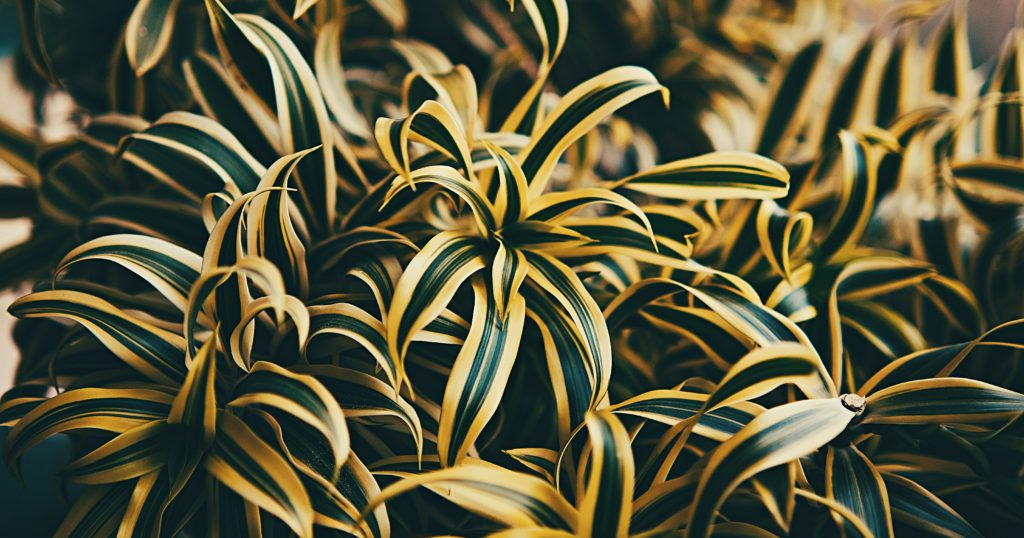
Dracaena marginata, known as the Madagascar Dragon Tree, is a true standout with its narrow, sword-like leaves edged in a hint of red! Native to Madagascar, this striking plant has become a favorite in both indoor and outdoor settings thanks to its modern, architectural appeal and low-maintenance nature. I’ve found that its spiky leaves not only add a dramatic flair but also attract attention from local pollinators, creating delightful interactions that remind me of the intricate dance of nature.
In my own garden, the Dragon Tree has served as a wonderful conversation starter and a natural piece of living art. While it isn’t known to be invasive in most climates, it’s important to provide it with the right conditions—bright, indirect light and well-draining soil—to maintain its elegant form. This plant’s versatility means it can thrive in various settings, from a cozy patio corner to a spacious backyard, making it an exciting choice for any garden enthusiast!
Aloe vera
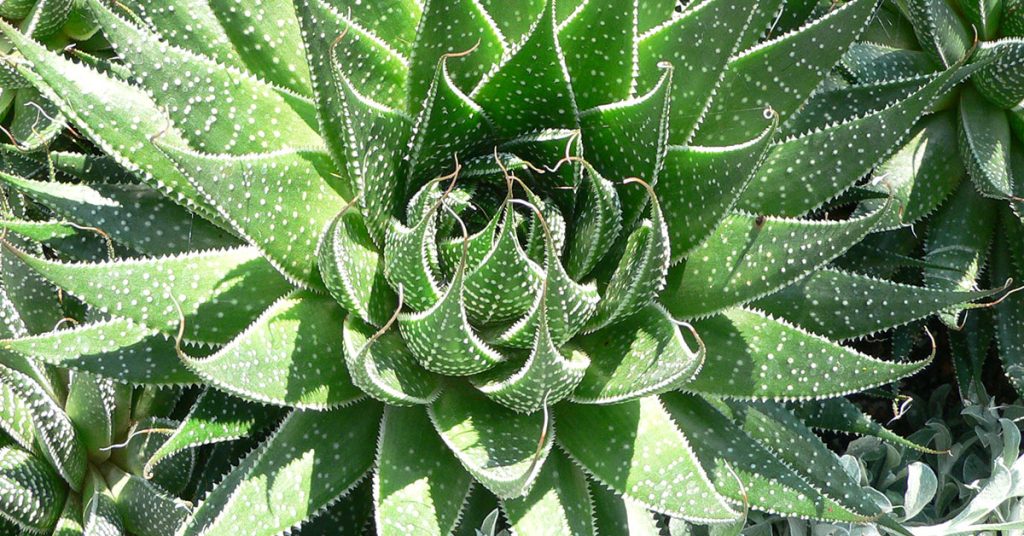
Aloe vera is celebrated for its medicinal properties and its graceful, succulent sword-shaped leaves that create a modern, tropical vibe in any garden! Originally native to the Arabian Peninsula, this resilient plant has found a home in gardens worldwide, prized for its drought tolerance and healing gel. I’ve enjoyed watching aloe vera not only bring a burst of green to my outdoor space but also serve as a natural refuge for small insects and even the occasional lizard looking for a sunny perch.
Its low-maintenance nature and adaptability make Aloe vera a favorite among gardeners, although it rarely exhibits invasive tendencies when given proper space. The thick, fleshy leaves store water and create a microhabitat that attracts pollinators, making it both a practical and aesthetically pleasing choice. Whether placed in a modern container or integrated into a more natural landscape, aloe vera never fails to impress with its blend of beauty and functionality!
Iris germanica

Iris germanica, commonly known as the Bearded Iris, boasts long, slender, sword-like leaves that provide a striking backdrop to its colorful, intricate blooms! Native to the Mediterranean region, these irises have long been celebrated in gardens across the world for their elegance and resilience. I’ve often found that the architectural quality of the iris foliage not only enhances the visual appeal of a garden but also creates an inviting microenvironment for bees and butterflies looking for nesting sites.
Caring for Iris germanica is a delight as they prefer well-drained soil and a sunny spot to flourish, though they can occasionally behave aggressively if left unchecked. Their clumping habit, however, rarely qualifies as invasive, making them a secure choice for gardeners who want a blend of traditional beauty and natural charm. The combination of their dramatic leaves and dazzling flowers always fills me with anticipation each spring, as these irises transform any landscape into a veritable work of art!
Festuca glauca (Blue Fescue)

Festuca glauca, or Blue Fescue, is a charming ornamental grass with narrow, sword-like blades that add texture and movement to the garden! Native to the Eurasian steppes, its cool, blue-gray foliage provides a striking contrast to more lush, green plantings and creates a natural, windswept look that I find both calming and invigorating. In my own garden, the gentle swaying of Blue Fescue in the breeze has become a delightful sight, reminiscent of a miniature prairie in the midst of more traditional plantings.
This ornamental grass is well-regarded for its low maintenance and non-invasive growth habit, making it an ideal choice for gardeners who want to add structure without overwhelming the space. The tight clumps not only enhance the visual appeal but also offer a subtle habitat for small ground-dwelling insects that contribute to a balanced ecosystem. With its unique color and form, Blue Fescue is a small but mighty addition that brings a touch of wild elegance to any landscape!
Agave americana
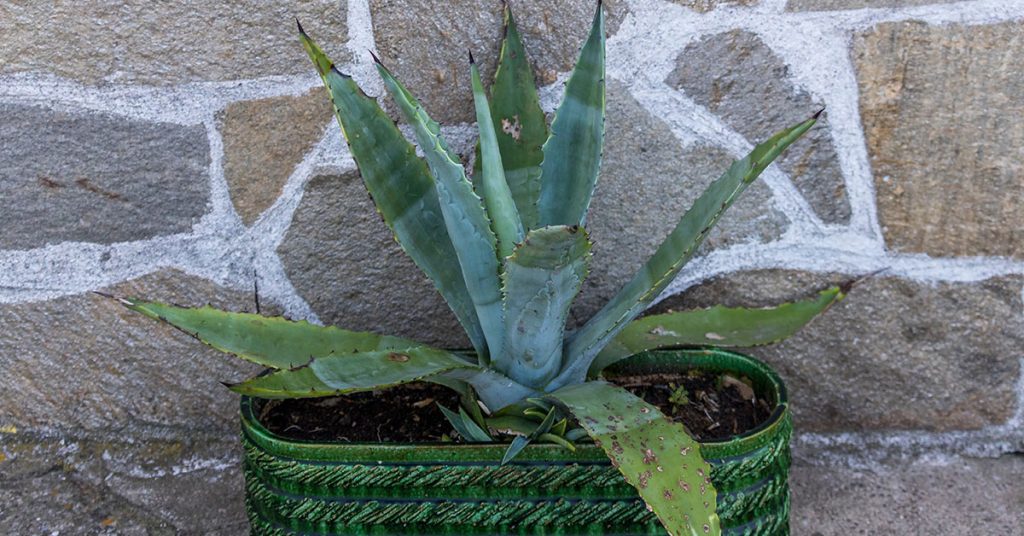
Agave americana, often known as the Century Plant, is a dramatic succulent with thick, sword-shaped leaves that command attention in any garden setting! Native to the arid regions of Mexico and the southwestern United States, this plant has become a beloved icon in xeriscaping for its bold form and sculptural beauty. I’ve always admired how its robust, spiky leaves create a sense of strength and resilience, and they even offer a surprising refuge for small, heat-tolerant insects seeking a sunny spot to nest.
While Agave americana is undeniably stunning, it’s important to note that its rapid, clumping growth can sometimes verge on being invasive in the wrong conditions. However, with proper spacing and a keen eye on its spread, this agave can be the centerpiece of a modern desert garden that attracts pollinators like bees and hummingbirds. Its unique combination of toughness and beauty always fills me with awe, reminding me why nature’s designs are truly unparalleled!
Cordyline fruticosa

Cordyline fruticosa, commonly known as the Ti Plant, is a tropical delight with long, sword-shaped leaves that burst with color and personality! Native to Southeast Asia and the Pacific Islands, this vibrant plant adds a splash of exotic flair to any garden. I love how its elongated, lanceolate leaves create a dynamic silhouette, attracting a range of pollinators and even offering subtle nesting spots for small insects that thrive in warm, humid environments.
This plant not only captivates with its striking appearance but also enriches the garden with a sense of tropical escape. While Cordyline fruticosa is generally well-behaved and non-invasive, it does require a climate that mimics its native habitat to truly shine. In my experience, when provided with the right conditions—bright light and ample moisture—it transforms any garden corner into a mini oasis of color and life!
Hemerocallis fulva (Daylily)
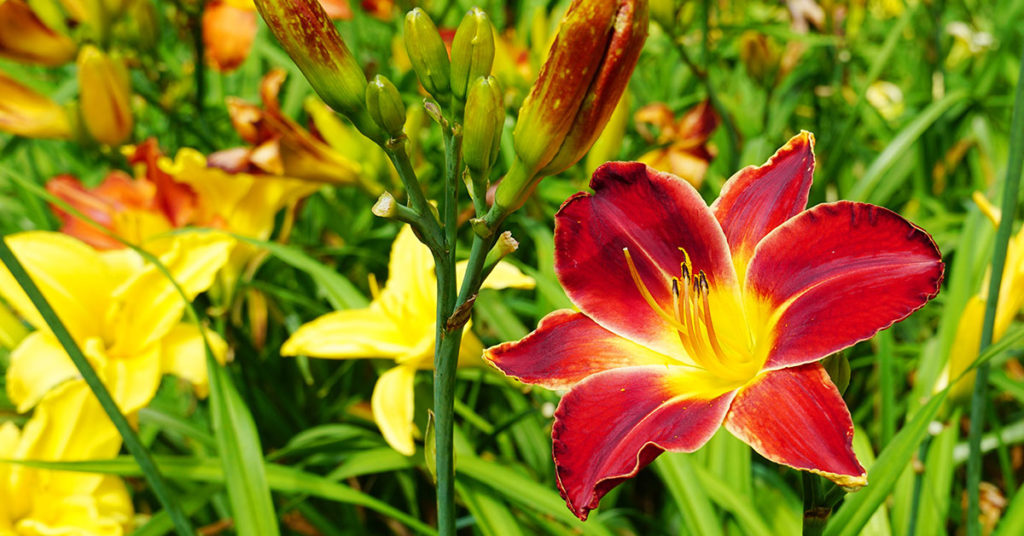
Hemerocallis fulva, or the Daylily, is a perennial favorite with long, strap-like leaves that resemble delicate swords slicing through the air! Native to Asia, daylilies have been cherished in gardens around the world for their effortless beauty and robust nature. I’ve often marveled at how these leaves provide a graceful, arching frame for their vibrant, short-lived blooms, creating a dynamic interplay of form and color that attracts both bees and butterflies looking for a sunny resting spot.
The adaptability of daylilies makes them a reliable companion in many gardens, and their non-invasive clumping habit ensures they won’t overrun your carefully designed landscape. Their ability to thrive in a range of conditions—from full sun to partial shade—has always impressed me, as it allows for creative flexibility in garden design. Every time I see daylilies in full bloom, I’m reminded of the simple joys that come from nurturing plants that not only look lovely but also support local wildlife!
Sansevieria trifasciata
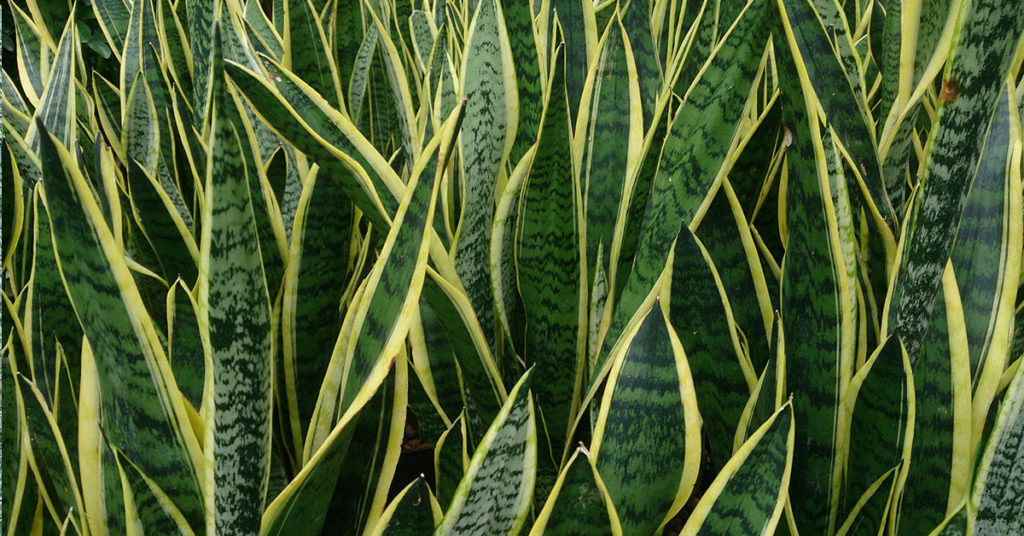
Sansevieria trifasciata, commonly referred to as the Snake Plant, features long, sword-like leaves with a striking pattern that adds a modern twist to any indoor or outdoor space! Although native to West Africa, this resilient plant has earned global acclaim for its adaptability and low-maintenance care. I appreciate how its stiff, upright leaves create an instant focal point in the garden, while also attracting a modest array of small insects that might use its crevices as temporary nesting spots during cooler nights.
Its hardy nature and slow, controlled growth mean that Sansevieria rarely becomes invasive, making it an excellent choice for gardeners who seek both style and practicality. The snake plant’s ability to purify indoor air is a bonus that has won it many admirers, and its unique form never fails to evoke admiration and curiosity from visitors. With its distinctive architectural presence, this plant stands as a testament to the beauty found in simplicity and durability!
Yucca filamentosa

Yucca filamentosa, often known as Adam’s Needle, is a striking plant with rigid, sword-shaped leaves that lend a dramatic flair to any landscape! Native to the southeastern United States, this yucca has been a staple in xeriscaping and rock gardens due to its robust nature and low water requirements. I’ve seen its crisp, spiky foliage create a stunning contrast against softer, more delicate plantings, all while attracting bees and butterflies that appreciate the structure for brief nesting or foraging stops.
This plant’s natural, architectural beauty makes it a cherished addition to my garden, and its clumping habit is manageable without posing an invasive threat. Yucca filamentosa is admired not only for its visual impact but also for its resilience in harsh conditions, making it an ideal choice for those challenging spots where few other plants can thrive. Every time I care for my yucca, I’m reminded of the enduring strength of nature and the subtle elegance that comes from a well-adapted native species!
Lilium candidum (Madonna Lily)
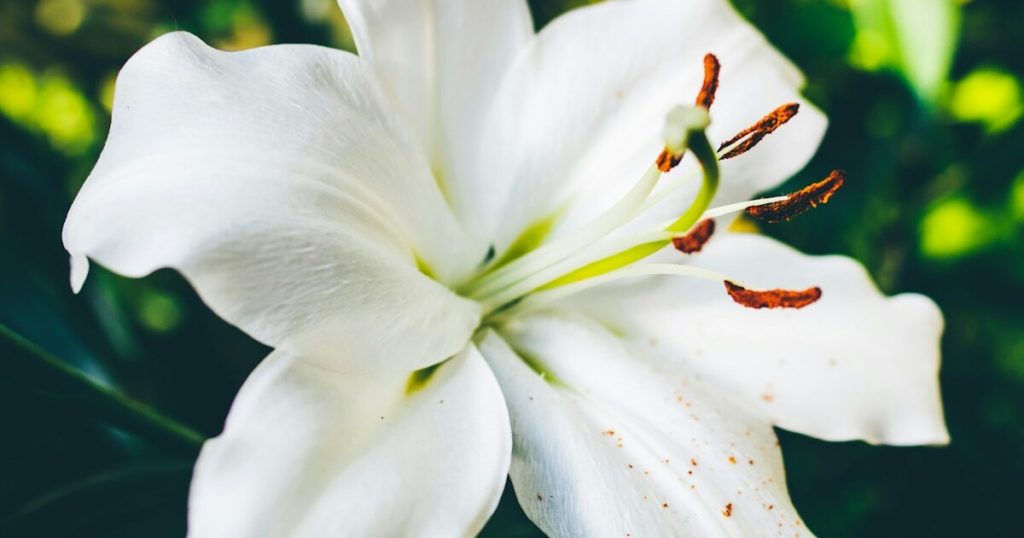
Lilium candidum, the Madonna Lily, boasts graceful, sword-shaped leaves that provide an exquisite frame for its pure, fragrant blooms! Native to the Mediterranean region, this lily has enchanted gardeners for centuries with its classical beauty and captivating aroma. I’ve always been enthralled by the way its slender, upright foliage accentuates the elegance of its blossoms, creating a harmonious display that invites both admiration and a flurry of pollinator visits—especially from bees and butterflies seeking a delightful spot to rest.
Cultivating the Madonna Lily is a rewarding experience that rewards careful attention to soil and moisture, though it is not known for being invasive. Its refined form and delicate petals add a touch of sophistication to any garden, making it a perennial favorite for those who appreciate timeless elegance with a modern twist. Each bloom feels like a gentle celebration of nature’s artistry, filling my garden with an almost sacred sense of beauty and tranquility!
Hesperaloe parviflora (Red Yucca)
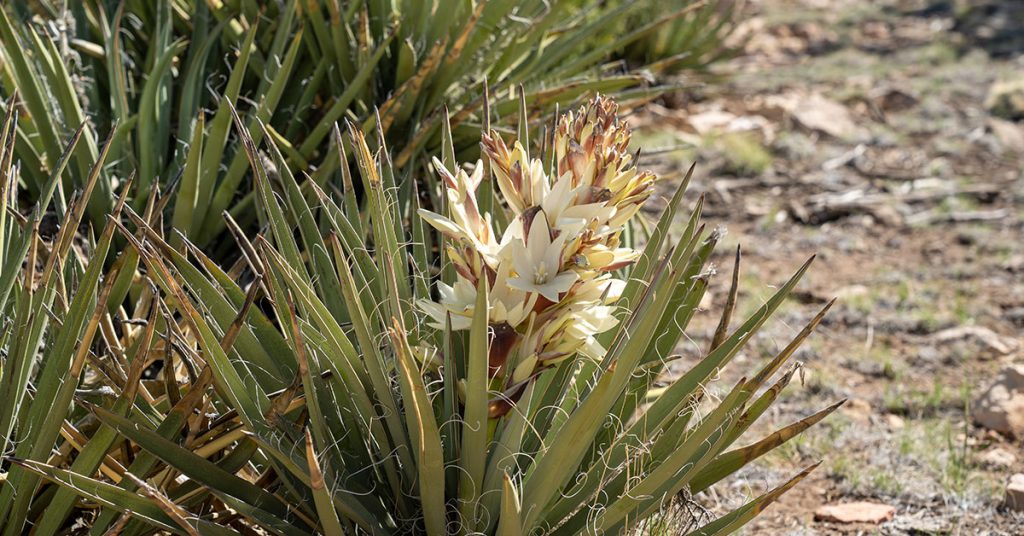
Hesperaloe parviflora, commonly known as Red Yucca, is a captivating succulent with long, narrow, sword-shaped leaves that contrast beautifully with its vibrant, coral-like flower spikes! Native to the arid regions of southwestern North America, this plant has become popular in drought-tolerant landscapes thanks to its striking form and minimal water needs. I’ve delighted in watching its graceful foliage sway gently in the breeze, attracting hummingbirds and bees that find refuge and a brief nesting opportunity among its sturdy, resilient leaves.
Despite its common name, Red Yucca isn’t a true yucca but shares many of its rugged qualities without being invasive. Its clumping habit ensures that it remains a manageable feature in the garden, while its showy blooms provide a splash of unexpected color during the warmer months. Every time I see this plant in full display, I’m reminded of the ingenuity of nature in adapting to harsh environments—an inspiration for any gardener striving to create beauty in every corner of their landscape!
Canna indica (Canna Lily)
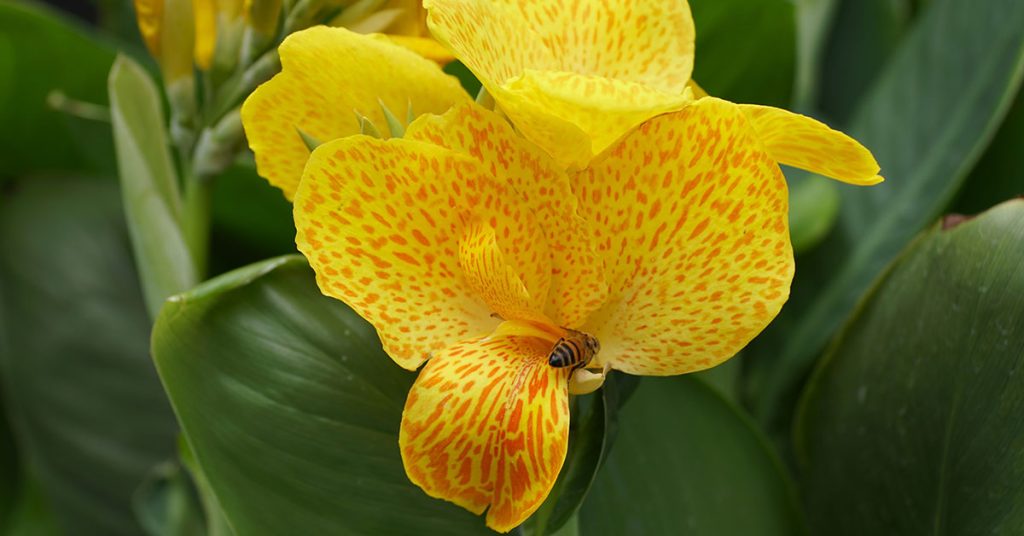
Canna indica, known widely as the Canna Lily, is a bold, tropical plant featuring broad, sword-shaped leaves that make a powerful visual statement in any garden! Native to tropical regions of the Americas, its lush foliage and dramatic form have made it a beloved addition to both formal and informal landscapes. I’ve found that the long, elegant leaves not only create a striking backdrop for its vivid blooms but also serve as a natural shelter, inviting butterflies and hummingbirds to explore its vibrant territory.
While Canna lilies are celebrated for their exuberant beauty, they can be quite vigorous in the right conditions—so it’s important to manage their spread carefully to prevent unwanted overgrowth. Their robust nature, however, rarely veers into invasiveness when properly contained, ensuring that their impressive foliage and colorful flowers remain a delightful highlight rather than a nuisance. With every planting, these canna lilies remind me of the bold, creative spirit that defines a truly dynamic garden!
Molinia caerulea (Purple Moor Grass)
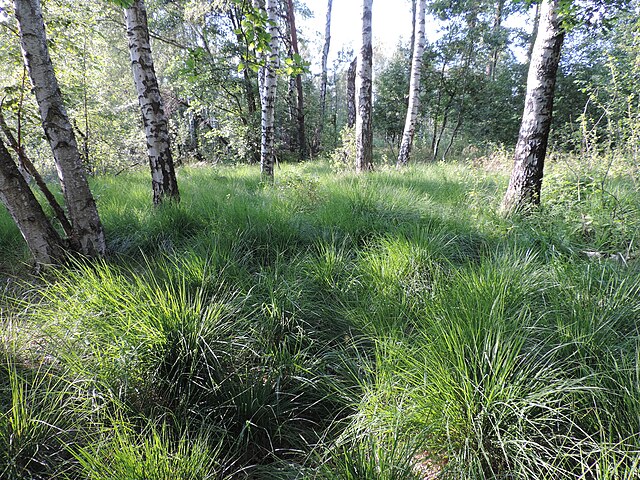
Molinia caerulea, commonly known as Purple Moor Grass, enchants with its long, narrow, sword-like blades that dance gracefully in the wind! Native to Europe, this ornamental grass has found favor in many gardens for its delicate, flowing form and subtle hues that range from silvery blue to deep purple. I love how its airy, vertical strands add a sense of movement and elegance to the landscape, while also creating microhabitats that can attract small insects and even serve as a nesting ground for certain bird species.
Despite its refined appearance, Purple Moor Grass is known for forming dense clumps that can gradually expand if left unchecked. However, when properly managed, it provides a natural, low-maintenance accent that complements a variety of garden styles without posing an invasive threat. Its graceful presence always lifts my spirits, reminding me that even the most unassuming grasses can bring an unexpected touch of sophistication and dynamism to any outdoor space!
Allium (Ornamental Onion)

Allium, particularly ornamental varieties, is renowned for its striking, sword-like foliage and magnificent spherical flower heads that create a dramatic impact in any garden! Native to various regions of the Northern Hemisphere, these ornamental onions have long been a favorite among gardeners for their architectural form and ability to draw in an array of pollinators. I appreciate how their narrow, linear leaves create a sharp contrast against the soft curves of their blooms, inviting bees and other beneficial insects to explore their unique structure and even find brief nesting opportunities in the surrounding clumps.
These versatile plants are not only visually appealing but also practical, as they rarely exhibit invasive tendencies when grown under proper conditions. Their controlled growth and defined clump-forming habit make them a reliable choice for gardeners who value both beauty and ease of care. Every planting of Allium in my garden fills me with excitement, as I watch these bold, geometric beauties transform an ordinary space into a captivating display of nature’s artistry!