
Gardening is a journey full of delightful surprises and occasional challenges, and one of the biggest joys is watching annual blooms grace your garden from spring through fall! As an enthusiastic gardener, I know how disheartening it can be when your vibrant flower beds get overtaken by dull, invasive weeds. That’s why I’m excited to share 14 annuals that not only deliver continuous, stunning blooms but also attract a host of beneficial pollinators and even offer cozy spots for tiny critters to nest. These dynamic plants bring color, life, and a bit of natural defense to your outdoor space, making every gardening moment a celebration!
I completely understand the frustration of fighting off persistent weeds and battling unpredictable pests! In this article, I’m sharing my personal experiences and insights on a variety of annuals from different parts of the world. Each of these flowers comes with a unique backstory regarding its native region and potential invasiveness, offering both beauty and functionality. Let’s explore these botanical gems and discover how they can transform your garden into a continuously blooming paradise!
Marigold (Tagetes spp.)
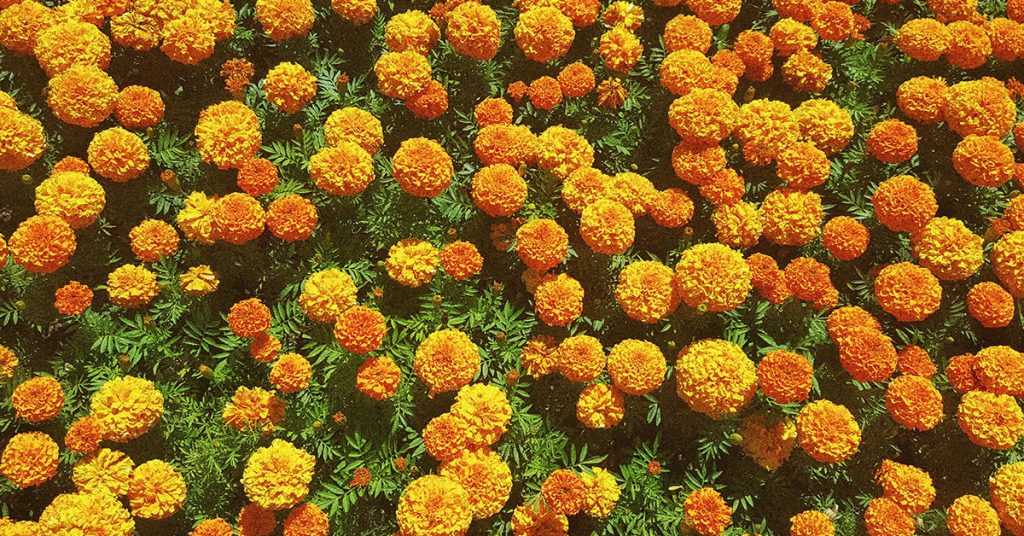
Marigolds, with their vibrant oranges and yellows, have been a staple in my garden for years, dazzling both the eye and the spirit! Native to the Americas, these annuals thrive in full sun and well-drained soils, making them an excellent choice for gardeners who face the challenges of competing weeds. Their prolific blooming from spring until fall is a natural deterrent to unwelcome growth, and they often attract beneficial insects like ladybugs, which help keep pests in check.
In addition to their visual appeal, marigolds are known for their pest-repellent properties—a true gardener’s secret weapon! While not typically considered invasive, some species may spread more readily in favorable climates, so it’s wise to monitor their growth. I’ve often found that interplanting marigolds with vegetables not only boosts the overall color palette of my garden but also creates an ecosystem where pollinators and even tiny nesting insects feel right at home!
Snapdragon (Antirrhinum majus)
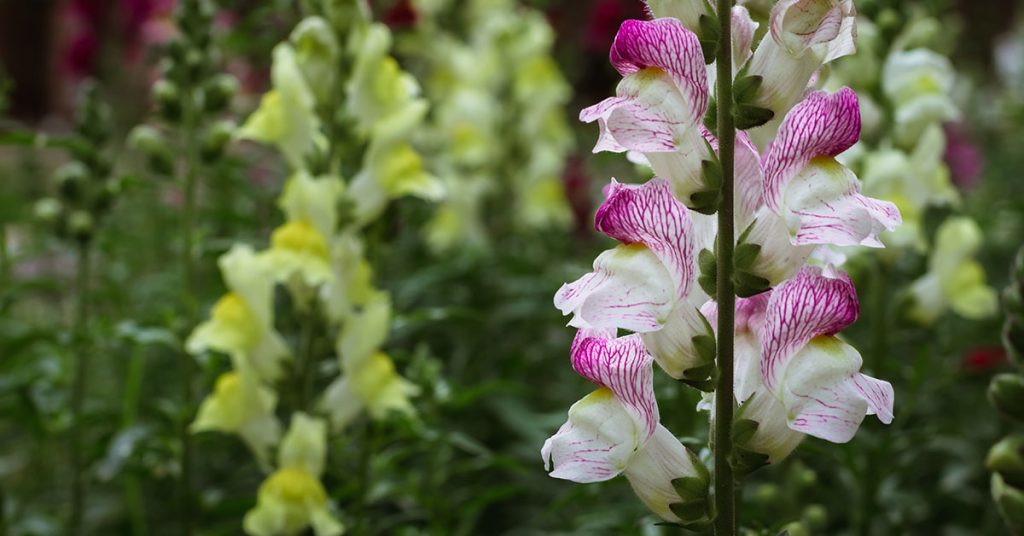
Snapdragons are a delightful burst of color that add a dramatic flair to any garden setting! Native to the Mediterranean region, these annuals flourish in cooler climates, offering a cascade of vibrant blooms that attract hummingbirds and butterflies. I’ve always been impressed by their towering spikes and the way they create a striking vertical accent among lower-growing plants, all while naturally deterring weed encroachment.
Their unique structure provides more than just beauty—it also offers shelter for small beneficial insects looking for a place to rest or even nest! While snapdragons are generally non-invasive, their vibrant presence demands thoughtful spacing to ensure they don’t overshadow more delicate species. Their long blooming season means you get an extended show of color and life, making each day in the garden feel like a celebration of nature’s artistry!
Petunia (Petunia × hybrida)
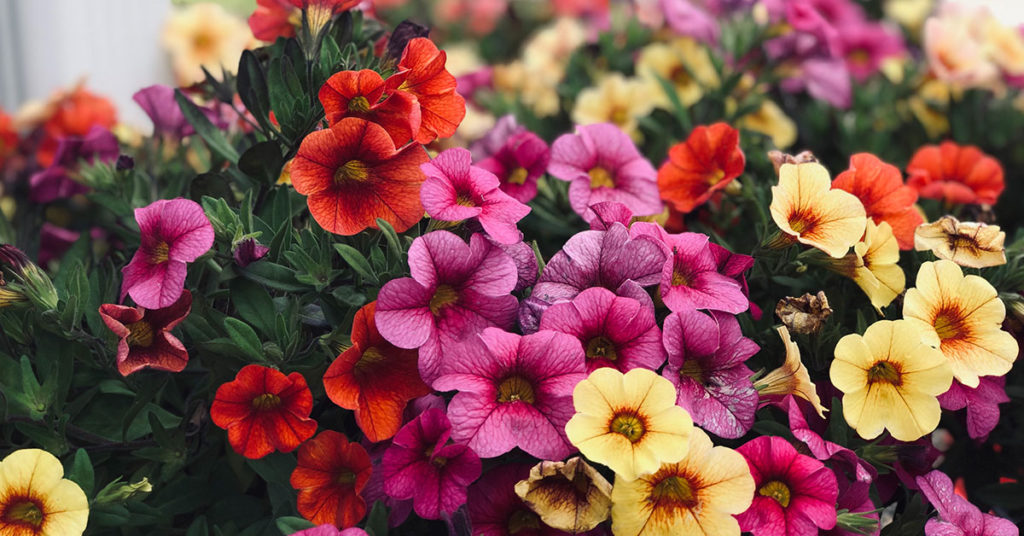
Petunias are a burst of lively hues that have transformed my garden into a cheerful haven from early spring through late fall! Native to South America, these annuals thrive in warm, sunny environments and are incredibly versatile in design. I appreciate how petunias not only provide continuous color but also attract an array of pollinators, from bees to butterflies, creating a bustling, vibrant ecosystem in the garden.
The sprawling habit of petunias makes them excellent ground cover, effectively minimizing the space available for invasive weeds. While they are generally non-invasive in most climates, their rapid growth can sometimes require a little routine pruning to maintain balance. Watching these brilliant blooms open day after day gives me the warm satisfaction of knowing that my garden is a lively retreat where nature and beauty work hand in hand!
Bacopa (Sutera cordata)
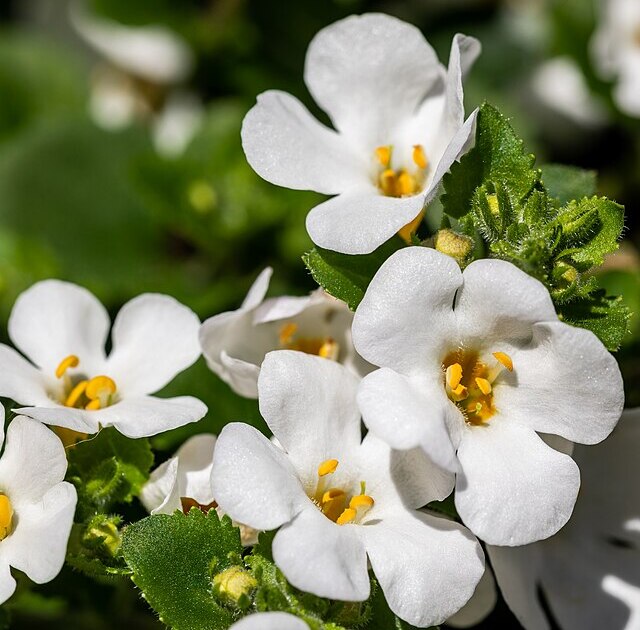
Bacopa, with its delicate clusters of white or blue flowers, is one of those annuals that quietly steals the show with its understated charm! Native to South Africa, Bacopa thrives in both sunny and partially shaded areas, making it a flexible option for gardeners facing varying light conditions. I find its trailing habit particularly delightful as it cascades over containers and garden beds, creating a soft, inviting carpet that also discourages the growth of stray weeds.
Beyond its aesthetic appeal, Bacopa is a magnet for beneficial insects, including small bees and even ladybugs that sometimes use its dense clusters as a temporary nesting site. Though it’s not known to be invasive, a little vigilance is always wise to ensure it doesn’t encroach on other cherished plants. Every time I see Bacopa in bloom, I’m reminded that subtle beauty and practicality can go hand in hand, making it a must-have in any vibrant garden display!
Zinnia (Zinnia elegans)
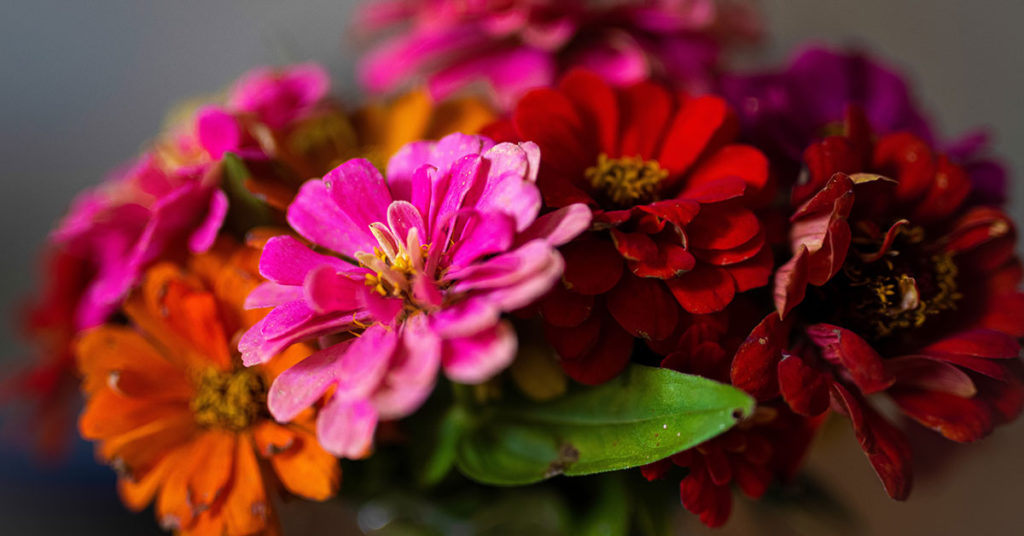
Zinnias are like a festival in full bloom, lighting up garden beds with their brilliant, multicolored petals! Native to Mexico, these annuals are renowned for their hardiness and rapid growth, making them a favorite among gardeners who want continuous color without the hassle of constant replanting. Their dense, bushy growth habit naturally stifles weed growth, leaving more room for the eye-catching blossoms to shine.
I love watching zinnias attract a delightful mix of butterflies and bees that flutter and buzz around, turning my garden into a lively social hub for pollinators! While zinnias are generally non-invasive, their vigorous growth means they can sometimes dominate a small area, so I always plan their placement carefully. Their bold presence and constant blooms serve as a reminder that sometimes, nature’s brilliance comes in the form of simple, stunning annuals!
Calendula (Calendula officinalis)

Calendula, often known as pot marigold, brings a cheerful splash of orange and yellow that brightens any garden corner! Native to the Mediterranean region, these annuals thrive in well-drained soil and can handle cooler temperatures, making them an excellent choice for gardeners who want a long blooming season. I’ve always admired their daisy-like appearance and the way they can naturally deter weed growth by forming a dense, ground-covering mat.
Their vibrant blossoms aren’t just a treat for the eyes—they’re also a haven for beneficial insects such as bees and hoverflies, which sometimes find a cozy spot for nesting right among the petals! Calendula is generally non-invasive, which means you can enjoy its charming presence without worrying about it overtaking your garden. Every time I plant calendula, I’m filled with excitement at the prospect of long, sunlit days enhanced by these radiant flowers!
Cosmos (Cosmos bipinnatus)
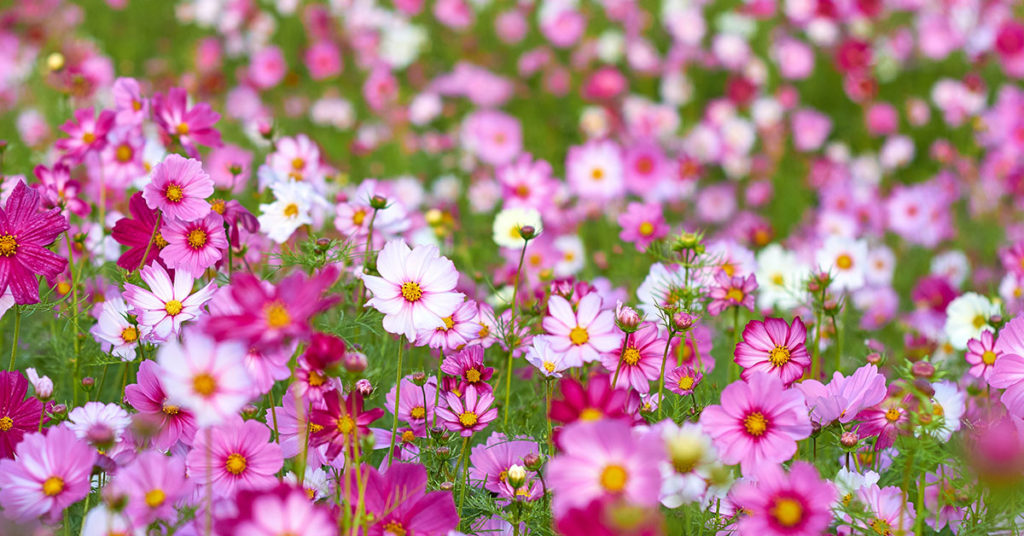
Cosmos is a whimsical annual that turns any garden into a dreamy canvas of pinks, whites, and reds! Native to Mexico, these delicate flowers thrive in warm, sunny conditions and are perfect for gardeners who want a relaxed, meadow-like feel in their outdoor space. I love the airy, feathery foliage and the way cosmos sway gently in the breeze, creating a natural movement that adds a dynamic charm to the garden.
Not only do cosmos add beauty, but they also serve as a magnet for a variety of pollinators, from bees to butterflies, which often use the plant as a temporary nesting ground during their busy routines. Cosmos are generally non-invasive and are known for their ease of care, making them a popular choice for both novice and experienced gardeners. Their effortless elegance and continuous blooming season make every day outdoors feel like a breath of fresh, floral air!
Impatiens (Impatiens walleriana)
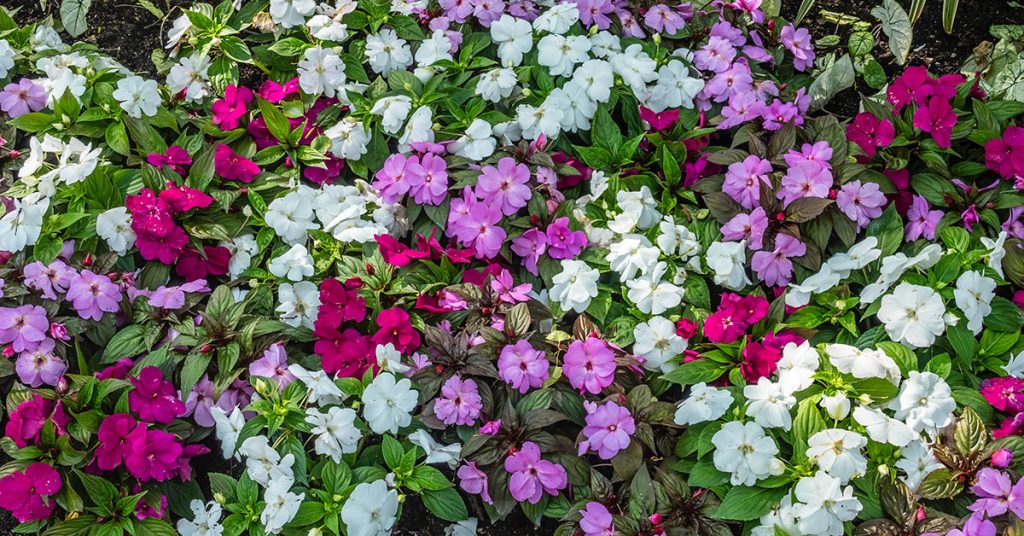
Impatiens, with their delicate and vibrant blossoms, have long been a go-to annual for adding life to shady garden spots! Native to parts of Africa and Asia, these annuals thrive in low-light conditions where many other flowers struggle, making them ideal for brightening up shaded patios or under-tree plantings. I’m always thrilled by how impatiens manage to burst forth with color, transforming even the gloomiest corners into cheerful retreats.
The compact, bushy nature of impatiens helps them suppress the growth of nearby weeds while providing a lush backdrop for visiting pollinators like butterflies and small bees. While impatiens are generally not invasive, their preference for moist, sheltered spots means they do best when their growing conditions are carefully managed. Their ability to thrive in the shade is a constant reminder that even in less-than-ideal light, beauty can flourish and brighten our days!
Sunflower (Helianthus annuus)
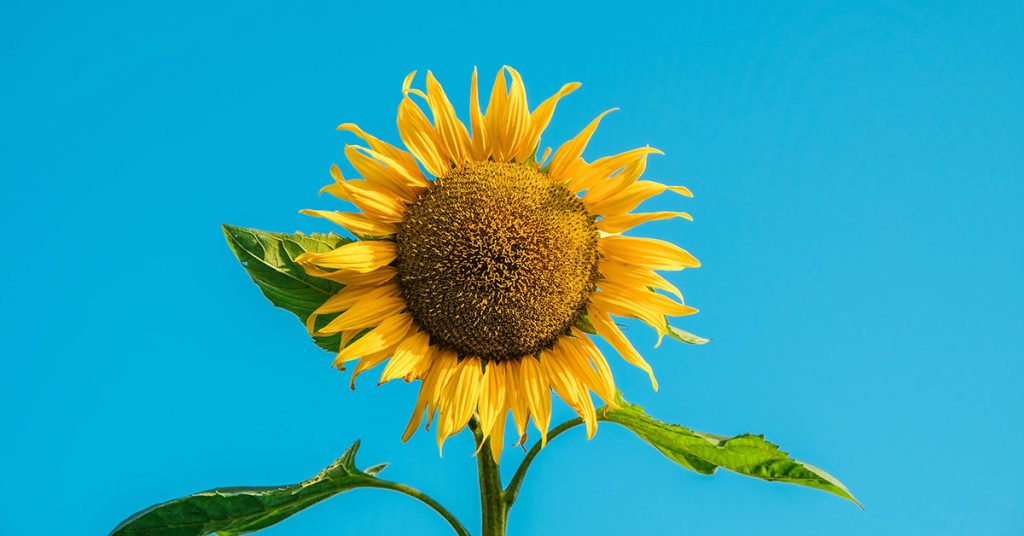
Sunflowers are a radiant annual that instantly fill my garden with warmth and cheer, even on the cloudiest days! Native to North America, these majestic blooms thrive in full sun and produce gigantic, eye-catching flowers that seem to follow the sun’s every move. I’m continually amazed by their towering presence and the way their dense foliage naturally limits the growth of encroaching weeds, creating a stunning, organized display.
Their large, vibrant heads are not only a treat for the eyes—they also attract a myriad of pollinators, including bees, butterflies, and even small birds looking for seeds and shelter. Sunflowers are typically non-invasive and are celebrated for their ease of cultivation, making them a popular choice among gardeners of all skill levels. Every time I plant sunflowers, I feel an overwhelming sense of joy and optimism, knowing that nature’s own sunshine is blooming right in my backyard!
Pansy (Viola tricolor var. hortensis)
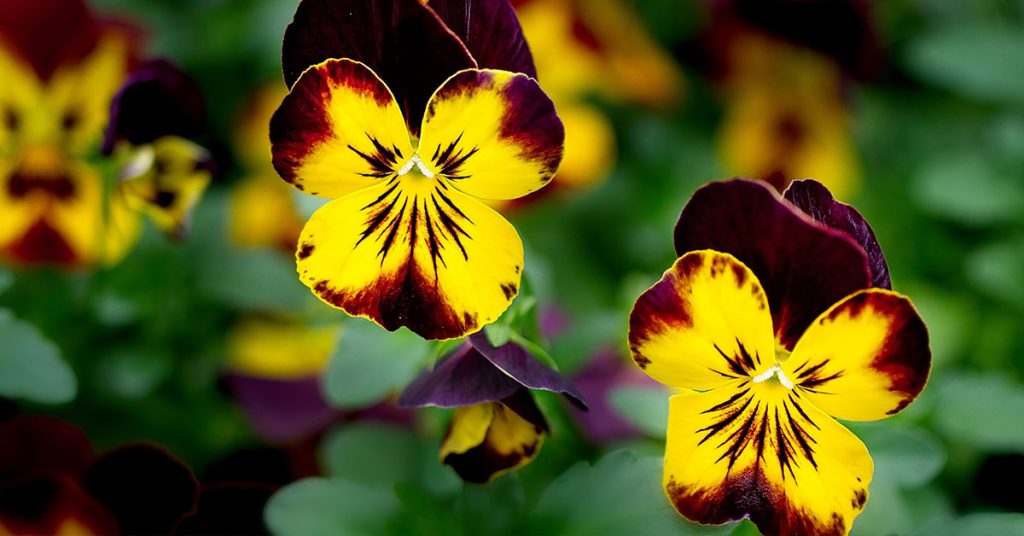
Pansies bring a gentle, soft charm to the garden, offering a kaleidoscope of colors in every cool season! Native to Europe and parts of Asia, these annuals thrive in cooler weather, gracing gardens with their delicate, velvety petals from early spring to fall. Their unique ability to withstand lower temperatures makes them a cherished choice for gardeners who want blooms even when the heat of summer fades.
I’ve always admired pansies for their subtle beauty and the way they attract small pollinators like bees and hoverflies, which sometimes even find a snug spot to rest on their soft petals. While pansies are generally non-invasive, they do best when given enough space to spread gracefully without being crowded by other plants. Their refined presence and enduring blooms provide a comforting reminder that beauty can persist through the changing seasons, inviting us to enjoy nature’s quiet elegance!
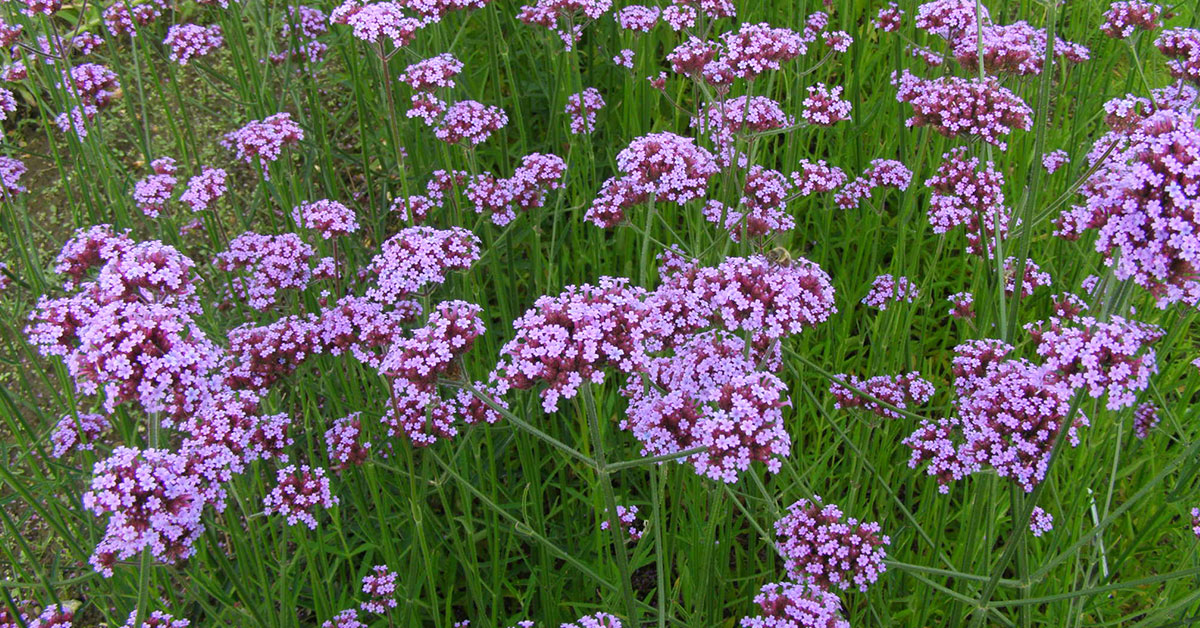
Verbena (Verbena hybrida)
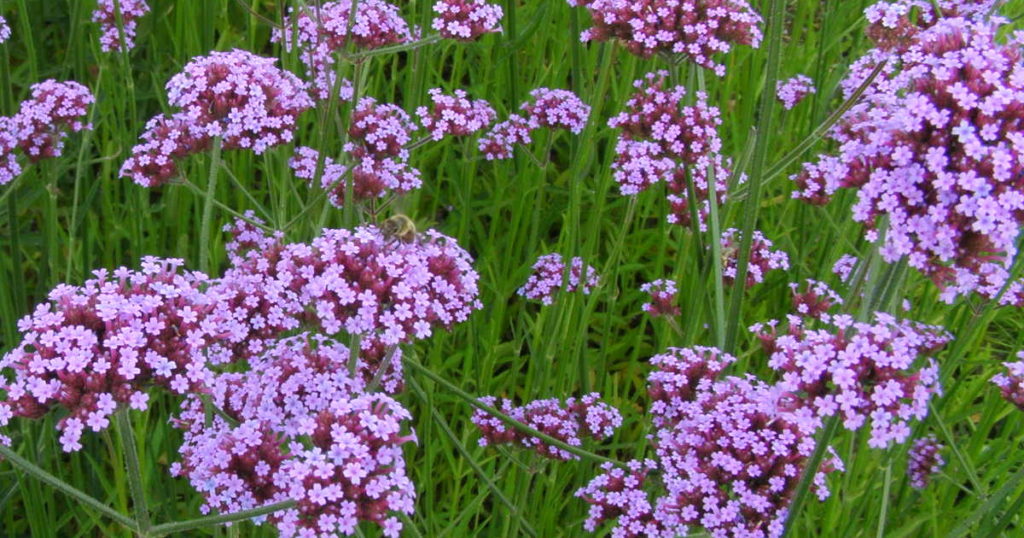
Verbena is an energetic annual that infuses my garden with a splash of vivacious color and continuous blooms! Native to regions in South America, this plant thrives in hot, sunny climates, making it a perfect addition for gardeners battling long, dry summers. I appreciate how verbena’s clusters of small, vibrant flowers create an almost electric display that naturally limits the spread of invasive weeds by covering the ground densely.
Beyond their visual appeal, verbena plants are known to attract a diverse array of pollinators, including butterflies, bees, and even hummingbirds that sometimes explore the blossoms for shelter and nesting. Although verbena is generally non-invasive, its rapid growth means that a bit of pruning may be necessary to keep it in check. Its non-stop burst of color and energy makes every day in the garden feel like a lively celebration of nature’s brilliance!
Geranium (Pelargonium spp.)
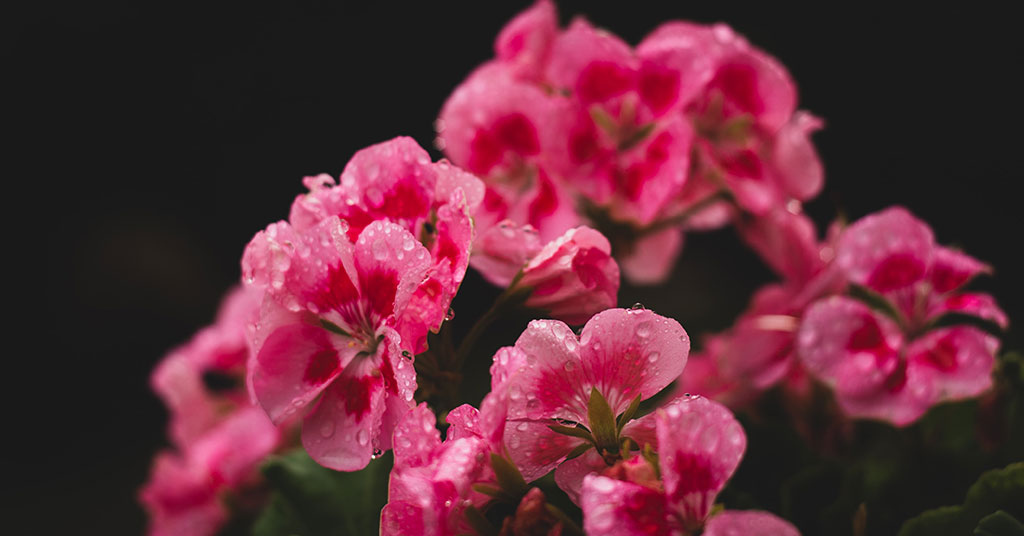
Geraniums bring a timeless charm and a splash of vibrant color to any garden setting! Native to southern Africa, these annuals are cherished for their robust blooms and distinct, aromatic foliage that not only captivates the senses but also naturally suppresses competing weeds. I’ve found that geraniums create an inviting atmosphere that encourages bees, butterflies, and even tiny insects to visit and sometimes even set up temporary nests among their clusters.
Their hardiness and ease of care make them a favorite for gardeners seeking reliable, long-lasting color throughout the growing season. While geraniums are generally non-invasive, their vigorous growth demands a bit of regular maintenance to prevent them from overshadowing neighboring plants. Every time these delightful flowers burst into bloom, I’m reminded of how nature’s resilience can transform even the simplest garden into a vibrant sanctuary of life and color!
Nasturtium (Tropaeolum majus)

Nasturtiums offer a playful burst of color and a touch of whimsy to my garden, making them one of the most endearing annuals to cultivate! Native to South America, these annuals thrive in poor, sandy soils where many other plants might struggle, proving that sometimes less is more. I adore how nasturtiums trail gracefully over the edges of containers and garden beds, creating a natural barrier that keeps unwanted weeds at bay while providing a vibrant display of blossoms.
Their bright, peppery flowers not only dazzle the eye but also attract beneficial insects such as bees and even small butterflies that sometimes use the leafy tendrils as a safe resting spot. Generally non-invasive, nasturtiums require minimal care, making them a fantastic option for gardeners who desire beauty with little fuss. Each time these charming blooms appear, they remind me that even the simplest plants can bring an abundance of joy and natural elegance to our outdoor spaces!
Sweet Alyssum (Lobularia maritime)
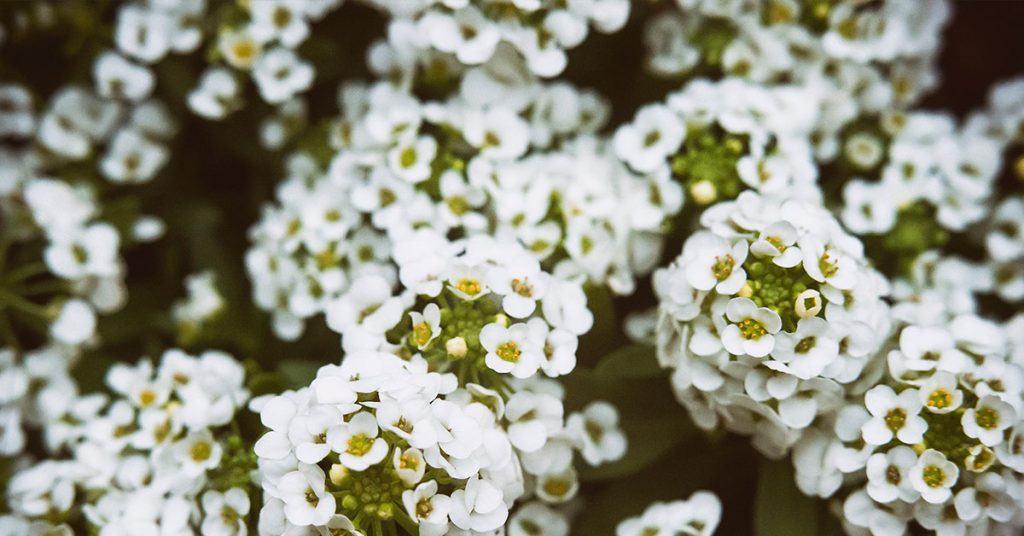
Sweet Alyssum is a delicate annual that transforms garden borders into a fragrant, white-flowered carpet from spring through fall! Native to the Mediterranean region, this low-growing plant thrives in full sun and well-drained soils, adding both beauty and a subtle, enchanting scent to any landscape. I’m always delighted by how its dense clusters of tiny blossoms naturally crowd out weeds, creating a tidy and inviting carpet of blooms that seem to whisper summer secrets!
Its soft, sweet fragrance not only charms the senses but also attracts a host of beneficial pollinators, including small bees and butterflies that appreciate its inviting structure as a nesting ground. While Sweet Alyssum is typically non-invasive, its rapid spreading habit can occasionally require a little control to maintain a balanced garden design. The gentle, continuous cascade of blooms never fails to brighten my day, making it a cherished annual that turns every garden visit into a delightful sensory experience!