

Gardening is a journey filled with surprises, setbacks, and delightful discoveries, and as a passionate gardener I’ve learned that organic practices can truly transform your vegetable patch into a vibrant, thriving ecosystem! There’s nothing quite as satisfying as watching your vegetables burst with flavor and vigor when they’re nurtured by nutrient-rich, chemical-free soil. I understand the frustration of battling pests and poor yields in conventional gardens, so I’ve turned to organic methods that not only boost plant health but also attract beneficial insects and support sustainable growth. It’s such a bummer when synthetic inputs do more harm than good, and that’s why I’m excited to share these 13 powerful ways organic gardening can make your vegetables even healthier!
In this article, I’ll walk you through a variety of approaches—from building rich soil to encouraging natural pest control—that can enhance the flavor, resilience, and productivity of your garden. Whether you’re a seasoned gardener or someone who sometimes forgets to tend to every detail, these strategies are designed to work harmoniously with nature. Each method has been carefully tested in my own garden, and I’m thrilled to pass on the insights that have helped me create a sustainable, organic haven that even the busiest gardener can enjoy. Let’s dive into these organic secrets that promise not only to boost your harvest but also to create an ecosystem teeming with life!
Encouraging Beneficial Microorganisms with Compost

One of the most transformative aspects of organic gardening is the use of compost, which supercharges your soil with beneficial microorganisms! When you add well-aged compost to your garden, you’re inviting a host of bacteria, fungi, and other microscopic allies to work their magic—breaking down organic matter, releasing nutrients, and improving soil structure. I’ve seen firsthand how compost enriches the soil, creating a hospitable environment where vegetables can develop robust root systems. These microorganisms also help plants fend off diseases, turning your garden into a thriving, living network of natural defenders.
What excites me most is that composting is a natural process that mirrors the cycles found in nature. It attracts earthworms and other critters that aerate the soil and further enhance nutrient cycling, much like in native ecosystems. Although compost piles can sometimes attract fruit flies or other small insects, they’re harmless and even contribute to the garden’s biodiversity. With each layer of decomposed leaves and food scraps, you’re laying the foundation for vegetables that are healthier, more flavorful, and better equipped to handle the challenges of outdoor life!
Building Rich, Healthy Soil

Nothing beats the feeling of digging into soil that’s teeming with life and nutrients—a hallmark of organic gardening that makes your vegetables even healthier! By amending your garden with natural organic matter like compost, aged manure, and cover crops, you can create a rich, living soil that supports robust vegetable growth. This approach mimics the natural fertility of the land, much like native soils in undisturbed ecosystems, where nutrient cycling is continuous and balanced. In my garden, I’ve noticed that healthy soil not only yields bigger, tastier vegetables but also acts as a buffer against pests and diseases.
Healthy soil is also a magnet for beneficial organisms. Earthworms, beneficial microbes, and myriads of insects use the soil as both habitat and food source, creating a dynamic ecosystem that supports plant health. This living soil helps retain moisture, improves aeration, and gradually releases essential nutrients, ensuring that every vegetable receives a steady diet of goodness. When you nurture your soil organically, you’re investing in the long-term health of your garden, and the rewards are as satisfying as pulling a perfectly ripe tomato from the earth on a sunny day!
Enhancing Nutrient Cycling Through Cover Crops
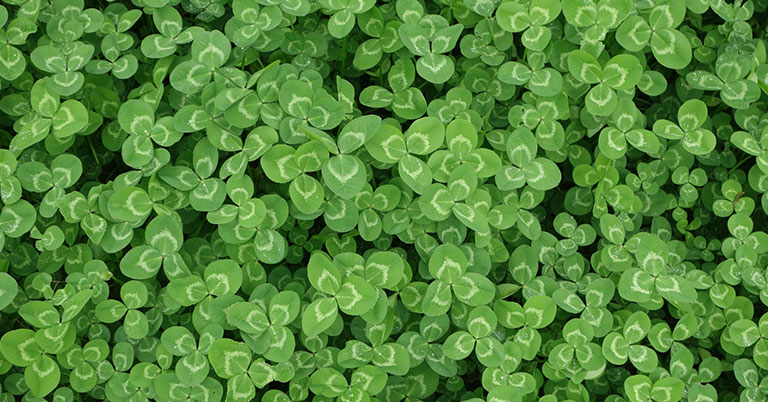
Cover crops are like nature’s secret fertilizer, working tirelessly to improve soil fertility and structure throughout the growing season! Planting cover crops such as clover, rye, or buckwheat in the off-season not only prevents soil erosion but also fixes nitrogen and adds organic matter to the soil as they decompose. I’ve experienced firsthand how rotating cover crops with my vegetable beds results in richer, more vibrant harvests. These crops create a living mulch that shields the soil, retains moisture, and fosters an environment teeming with beneficial insects and microbial life.
Beyond their soil-enriching benefits, cover crops also help suppress weeds and reduce the need for chemical interventions—making your garden more sustainable and healthier overall. Their diverse growth patterns attract a range of pollinators and natural predators, creating mini-niches where beneficial insects can thrive and even nest. I find it exhilarating to see how a simple rotation of cover crops can rejuvenate tired soil and set the stage for a bumper vegetable crop, proving that nature’s own cycles are the best source of lasting nourishment!
Attracting Beneficial Insects with Companion Planting

Companion planting is a dynamic, organic strategy that not only boosts your vegetable health but also creates a balanced ecosystem teeming with beneficial insects! By strategically planting flowers, herbs, and other companion species alongside your vegetables, you create an environment that attracts natural predators of common pests. For instance, marigolds, nasturtiums, and dill have all been my allies, drawing in ladybugs, lacewings, and parasitic wasps that help keep pest populations under control. This approach is reminiscent of native plant communities where diverse species coexist and support one another through intricate ecological interactions.
The beauty of companion planting is that it works on multiple levels. It enhances the aesthetic appeal of your garden while improving pollination and even offering edible benefits for your table. When I arrange my garden with a mix of colorful, fragrant plants, I not only enjoy a visually stunning landscape but also witness a lively interplay of insects and birds that add movement and sound to the space. This method truly embodies the idea that a harmonious garden is a healthy garden—one where every plant contributes to a robust natural defense system!
Improving Water Retention with Organic Mulches

Organic mulches are an essential ingredient in any organic garden, playing a pivotal role in water retention and soil health! Materials like straw, shredded leaves, or wood chips create a protective layer over the soil, reducing evaporation and maintaining a consistent moisture level—especially important during hot, dry periods. I’ve seen how a generous layer of mulch can transform parched soil into a thriving bed that supports vibrant vegetable growth. This natural barrier not only conserves water but also gradually decomposes, adding valuable nutrients back into the soil.
In addition to water retention, organic mulches help suppress weed growth and moderate soil temperature, creating a more hospitable environment for beneficial soil organisms. These tiny critters, from earthworms to beneficial microbes, find refuge in the mulch, contributing to improved nutrient cycling and overall soil structure. Every time I spread mulch over my garden, I’m reminded of nature’s incredible ability to recycle and renew—ensuring that my vegetables receive the best possible conditions for growth, even on the busiest of days!
Boosting Plant Immunity with Organic Inputs

Organic gardening isn’t just about avoiding chemicals—it’s about giving your vegetables the natural boost they need to fend off pests and diseases! By using organic fertilizers, compost teas, and natural amendments like seaweed extracts, you can enhance the immune systems of your plants. I’ve found that these inputs, which mimic the nutrients available in native soils, help my vegetables develop stronger cell walls and more robust defenses. This means that even when pests try to invade, my plants are better prepared to resist and recover, resulting in healthier, more resilient yields.
The beauty of organic inputs is that they work in harmony with nature, encouraging the development of beneficial microorganisms that further support plant health. These microbes act like tiny bodyguards, forming symbiotic relationships with plant roots and helping them absorb nutrients more efficiently. I love knowing that every organic boost I give my garden not only improves the flavor and texture of my vegetables but also creates a vibrant ecosystem where plants and microbes work together to keep diseases at bay! It’s a win-win that makes every harvest a little more satisfying.
Strengthening Root Systems Naturally
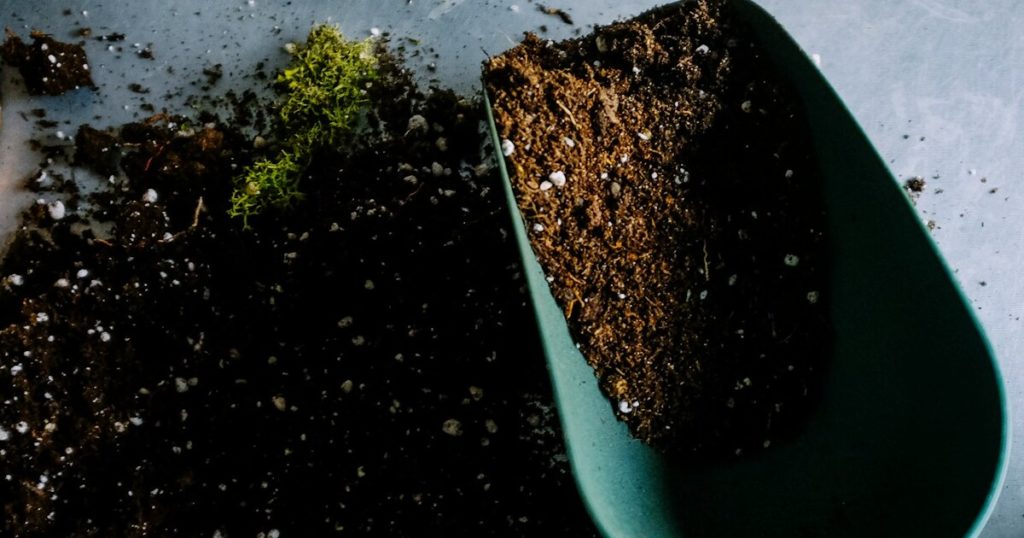
Healthy roots are the foundation of a vigorous vegetable garden, and organic practices are key to developing a strong, resilient root system! By enriching the soil with organic matter and avoiding harsh chemical inputs, you allow the roots to penetrate deeply and absorb nutrients more efficiently. I’ve noticed that vegetables grown in organically enriched soil tend to have more extensive root networks, which not only support better growth but also improve water uptake and overall plant stability. This robust underground structure makes your vegetables less susceptible to stress and disease.
Furthermore, the natural interactions between roots and beneficial soil microbes enhance nutrient availability, creating a dynamic, symbiotic relationship that mirrors what we see in native ecosystems. These microbes, including mycorrhizal fungi, colonize the roots and extend their reach, providing a constant supply of water and nutrients. Every time I dig into my garden, I’m reminded that nurturing a strong root system is the key to long-term success—a principle that underscores the beauty and efficacy of organic gardening practices!
Reducing Chemical Residues for Superior Flavor
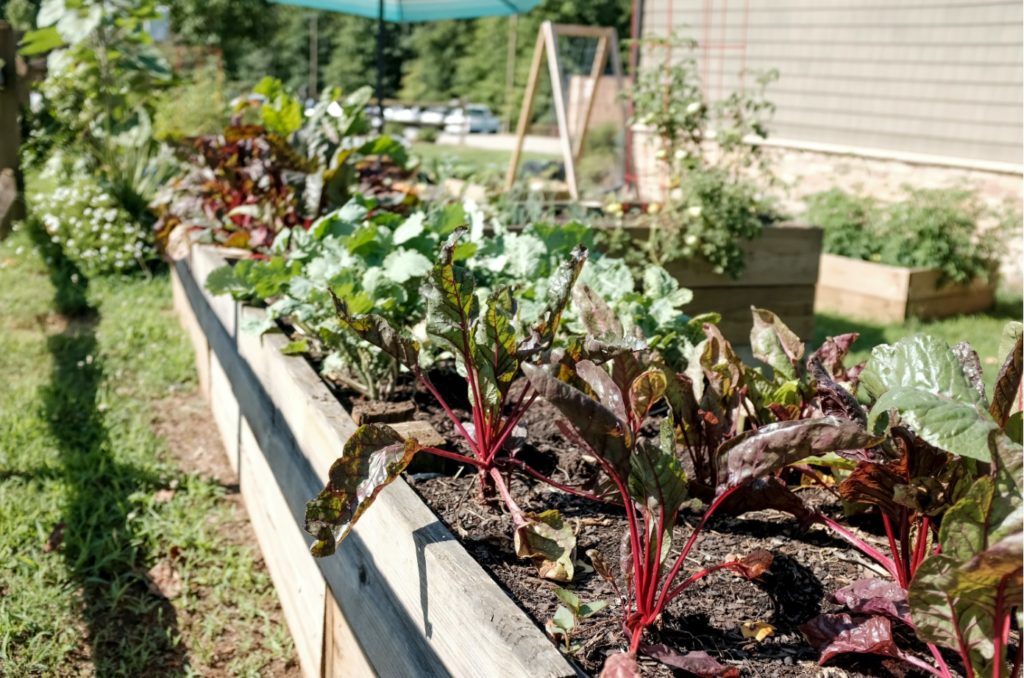
One of the most rewarding benefits of organic gardening is the purity of your vegetables, free from synthetic chemical residues that can dull their natural flavor! When you avoid pesticides and synthetic fertilizers, your plants have the opportunity to develop their full spectrum of taste and nutrition. I’ve often found that organically grown tomatoes, peppers, and greens burst with vibrant flavors that truly reflect the quality of the soil. This is because organic practices encourage a balanced ecosystem where plants can naturally synthesize essential oils and nutrients, resulting in produce that’s both healthier and more delicious.
Beyond taste, reducing chemical residues also means that your vegetables are safer for consumption and better for the environment. Organic gardening practices promote biodiversity and reduce the risk of water contamination, creating a cycle of health that benefits both your family and the planet. Every bite of a crisp, organically grown vegetable is a reminder of the care and respect we owe to nature—a sentiment that makes every harvest feel like a celebration of sustainable living and true flavor!
Crop Rotation for Sustained Soil Fertility

Crop rotation is an age-old organic technique that keeps your garden thriving by preventing nutrient depletion and pest buildup! By alternating the types of crops planted in a given area, you ensure that the soil maintains a balanced nutrient profile and that specific pests don’t become overly established. I’ve seen firsthand how rotating legumes, leafy greens, and root vegetables can transform a tired garden bed into a vibrant, productive patch. This method mimics natural ecosystems where diversity is the norm, and it supports long-term soil health by breaking disease cycles and replenishing essential nutrients.
Not only does crop rotation improve soil fertility, but it also creates a dynamic environment that attracts a variety of beneficial organisms. These organisms, from earthworms to beneficial microbes, thrive in diverse settings and contribute to a self-sustaining garden ecosystem. I enjoy the planning and excitement that comes with each new planting cycle, knowing that the care I put into rotating my crops today will lead to bountiful, healthy harvests tomorrow. It’s a practical, time-tested approach that reminds us all that variety is truly the spice of life!
Utilizing Organic Mulches for Temperature Regulation
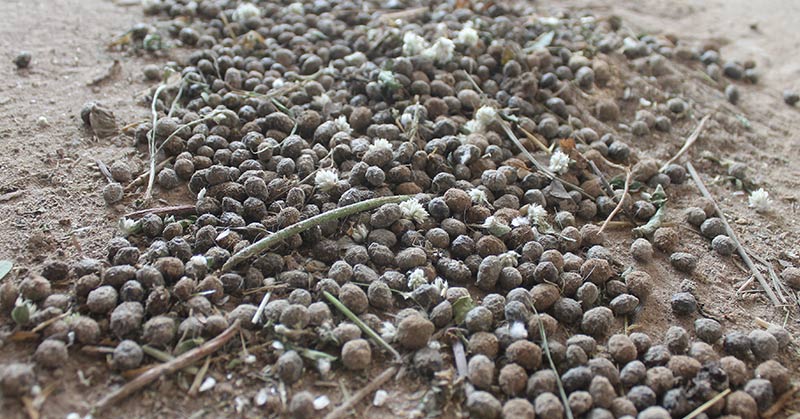
Organic mulches play a pivotal role in moderating soil temperature, which is crucial for the healthy growth of your vegetables! By applying a thick layer of organic materials such as straw, leaves, or grass clippings, you create a natural insulation barrier that keeps the soil cooler in the summer and warmer in the winter. I’ve observed that vegetables grown under organic mulches develop stronger root systems and exhibit improved resistance to heat stress. This natural temperature regulation also reduces water evaporation, ensuring that every drop of moisture counts during the hottest days of the growing season.
Moreover, organic mulches gradually decompose, adding nutrients to the soil and fostering a rich, dynamic ecosystem. This process attracts earthworms, beneficial insects, and microbes that help break down the mulch, further enriching the soil and promoting plant health. I find that using organic mulches not only beautifies my garden with a natural, rustic charm but also provides practical benefits that result in healthier, more flavorful vegetables. It’s a simple yet powerful strategy that every gardener can embrace for a more sustainable and bountiful harvest!
Supporting Natural Pest Control with Beneficial Insects
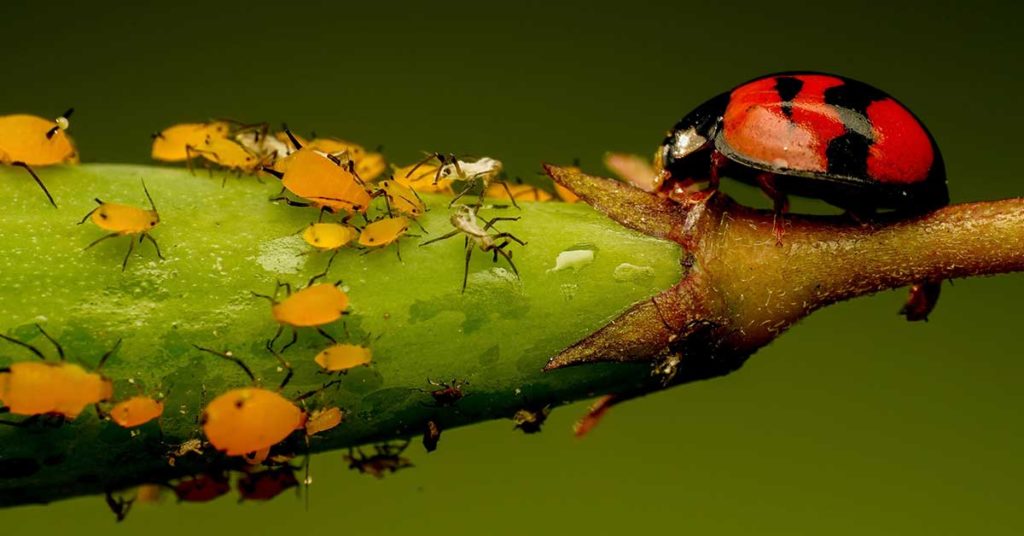
Organic gardening creates a welcoming environment for beneficial insects that serve as nature’s own pest controllers—an essential strategy for healthier vegetables! By avoiding chemical pesticides and fostering biodiversity through organic practices, you invite a host of natural predators such as ladybugs, lacewings, and parasitic wasps into your garden. I’ve seen how these tiny guardians work tirelessly to keep pest populations like aphids and caterpillars in check, ensuring that your vegetables can grow strong and unbothered. Their presence not only reduces the need for interventions but also creates a balanced ecosystem where every creature plays a part.
The magic of natural pest control lies in the intricate relationships between plants and insects. Many beneficial insects even use organic mulch, flowering borders, and native plants as nesting sites or food sources, reinforcing the overall health of the garden. I find it incredibly rewarding to watch these insects flit about, knowing that my commitment to organic practices is nurturing a vibrant community of allies. This symbiotic relationship between nature and nurture is one of the greatest gifts of organic gardening, making every harvest a testament to the power of living in harmony with the earth!
Enhancing Nutrient Absorption with Mycorrhizal Fungi
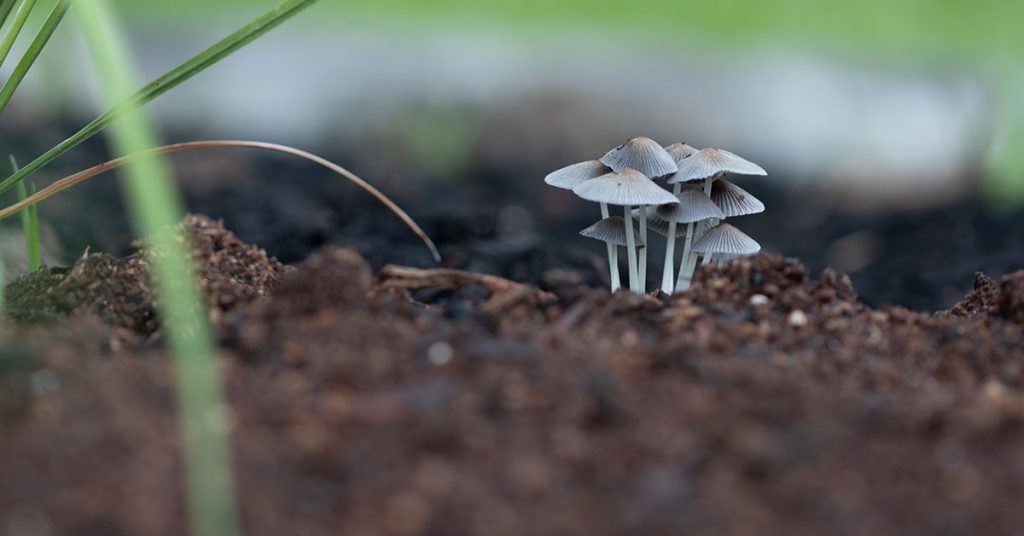
Mycorrhizal fungi are nature’s secret partners in organic gardening, forging symbiotic relationships with plant roots to boost nutrient absorption and overall plant health! These beneficial fungi are naturally present in healthy, undisturbed soils and play a critical role in breaking down organic matter into forms that plants can readily use. By maintaining an organic garden, you foster an environment where mycorrhizal fungi can thrive, helping your vegetables develop deep, extensive root systems. I’ve noticed that plants with strong fungal partnerships often exhibit more vigorous growth, enhanced disease resistance, and richer flavors—a true testament to the benefits of working with nature rather than against it.
What’s truly fascinating is how these fungi extend their network far beyond the immediate root zone, connecting neighboring plants and facilitating nutrient exchange across your garden. This underground network not only improves individual plant health but also contributes to a more resilient, interconnected ecosystem. Every time I inspect my garden’s soil, I’m amazed by the invisible threads that unite my plants, ensuring that each one receives the nutrients it needs to flourish. It’s a reminder that the best gardening practices are those that honor and harness nature’s innate wisdom!
Creating a Resilient, Sustainable Garden Ecosystem

Organic gardening is about more than just producing tasty vegetables—it’s about creating a resilient, sustainable ecosystem that thrives over time! By using organic methods, you work with nature to build a garden that attracts beneficial organisms, supports healthy soil, and minimizes environmental impact. I’ve found that practices such as crop rotation, cover cropping, and the use of natural fertilizers work synergistically to create an environment where plants, microbes, and insects support one another. This holistic approach not only yields healthier vegetables but also contributes to long-term sustainability—a goal that is both personally rewarding and environmentally responsible.
Embracing organic gardening means accepting that every part of the ecosystem plays a role, from the smallest bacteria to the largest pollinators. It creates a living, breathing landscape that can adapt to changing conditions and continue to produce year after year. I’m constantly inspired by the beauty and resilience of a well-tended organic garden—a place where nature’s processes are celebrated and harnessed for the benefit of all. Every time I step into my garden, I’m reminded that sustainability isn’t just a goal; it’s a way of life that transforms even the simplest vegetable patch into a vibrant testament to nature’s endless bounty!