
Tired of planting the same old tomatoes and cucumbers? It’s such a thrill to surprise your taste buds—and dinner guests—with unexpected harvests straight from the garden! Growing uncommon vegetables not only adds variety to your meals but also challenges you to learn new cultivation tricks. Whether you’re in a tight urban plot or a sprawling backyard, these 14 gems are worth trying. I know how frustrating it can be when you browse seed catalogs and feel stuck in a rut—trust me, I’ve been there!
In this article, we’ll explore thirteen under-the-radar veggies that reward you with unique flavors and textures. We’ll touch on each plant’s native origins—from the Andes to the Mediterranean—and note if any have a tendency to self-seed (though none are truly invasive in home beds). You’ll also discover how some of these oddballs attract beneficial pollinators or nestling insects, further enriching your garden ecosystem. Let’s get growing!
Black Salsify
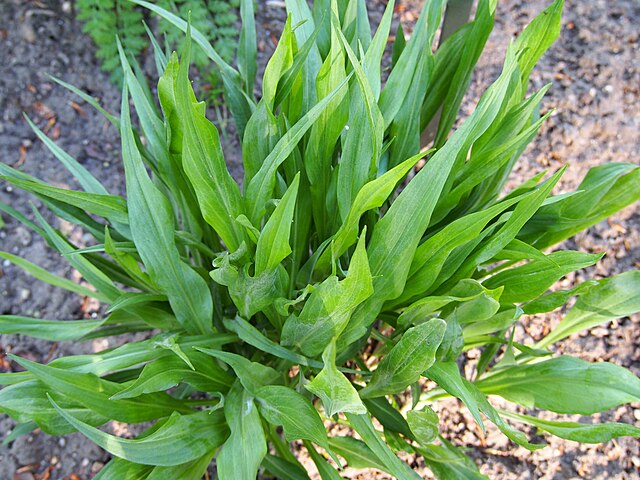
Black salsify (Scorzonera hispanica) produces slender, dark-skinned roots with a mild oyster-like flavor—an absolute revelation when roasted or mashed! Sow skinny seeds in spring about half an inch deep; in 100–120 days you’ll lift creamy, tapering roots. Their delicate blossoms, pale yellow and dandelion-like, attract hoverflies and solitary bees that appreciate nesting in undisturbed corners of the bed.
Native to southern Europe and western Asia, black salsify isn’t invasive but does benefit from loose, deep soil to develop straight roots. I always amend my beds with compost and coarse sand to prevent forked or twisted roots. If you’ve ever been disappointed by stubby parsnips, these long beauties are your ticket to gourmet dinners!
Ground Cherries
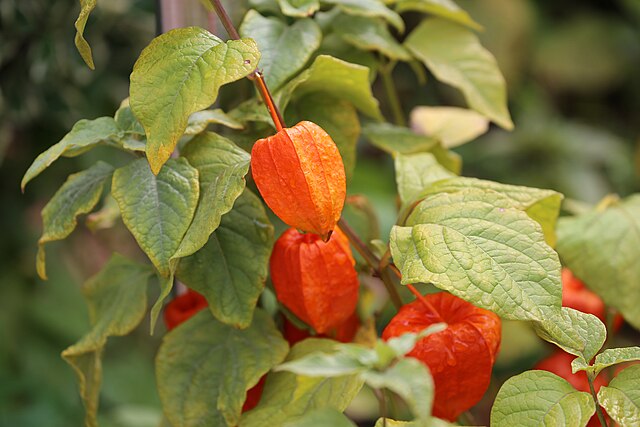
Ground cherries (Physalis pruinosa) hide tangy fruit inside paper-like husks—each golden berry offering a sweet, citrusy burst. Plant seedlings after frost in warm, sunny spots; within 70–80 days you’ll be harvesting husked lanterns. Their little yellow flowers attract tiny native bees, which love nesting in nearby bare soil patches and pollinating for a bumper crop.
Hailing from Central America, ground cherries rarely escape cultivation, making them perfect for containers or garden beds. I scatter a few extra plants along the fence line each year and delight in popping those sweet orbs straight into my mouth. If you’ve never tasted them fresh, prepare for a fruity surprise!
Winged Beans
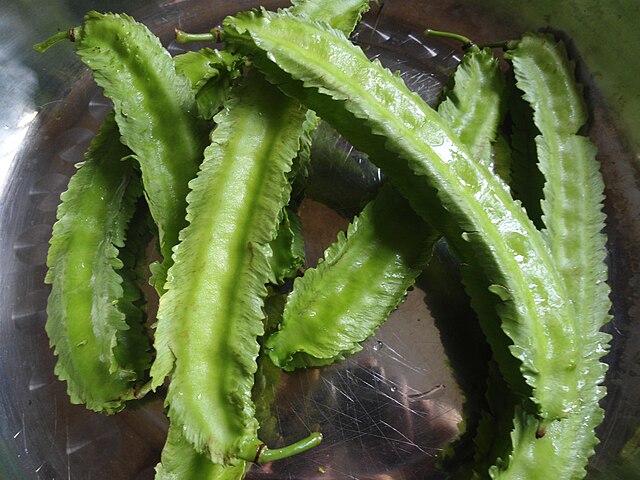
Winged beans (Psophocarpus tetragonolobus) offer edible leaves, flowers, pods, and tubers—truly a “one-plant feast”! Sow seeds in warm, well-drained soil after the last frost and train vigorous vines on trellises; by late summer, you’ll harvest crisp, four-angled pods. Their pea-like flowers draw in honeybees and even encourage hoverflies to lay eggs and control aphids nearby.
Originating in Southeast Asia, winged beans aren’t invasive in temperate gardens but thrive in heat and humidity. I love their versatility: pods stir-fried, leaves in curries, and tubers boiled like yams. Growing them feels like cultivating an entire vegetable patch on a single vine!
Celeriac
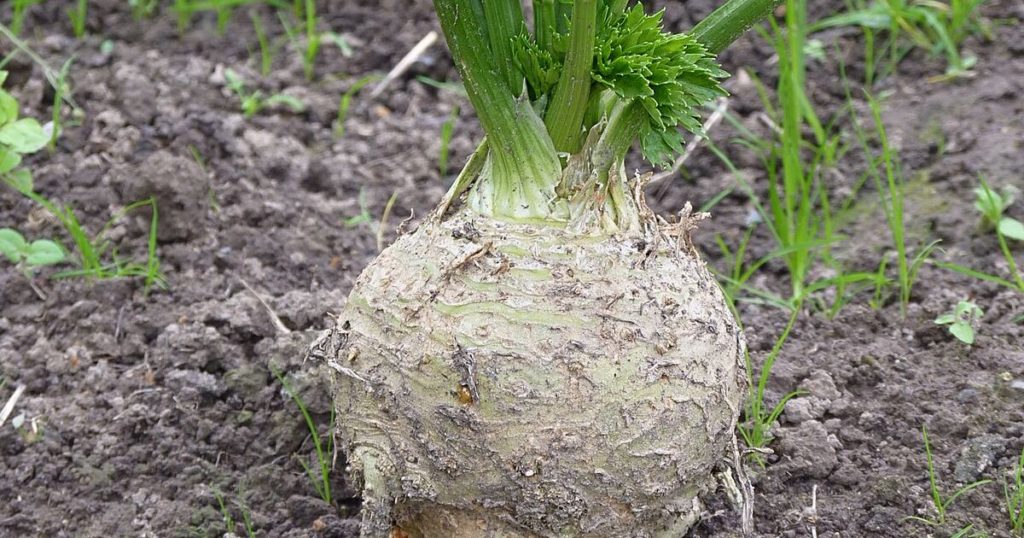
Celeriac (Apium graveolens var. rapaceum) boasts knobby, gnarly roots with a mild celery flavor—perfect for creamy soups or roasted root medleys. Start seeds indoors eight weeks before last frost, transplanting into rich, moisture-retentive soil. Their umbrella-like flower clusters attract parasitic wasps, which nest in ground crevices and keep pests such as aphids in check!
Native to the Mediterranean region, celeriac isn’t invasive but does appreciate consistent moisture to prevent woody textures. I mulch heavily around each plant and side-dress with compost to maintain that moisture. When harvest time comes, those round, smooth roots yield wonderfully fragrant gourmet dishes.
Water Spinach
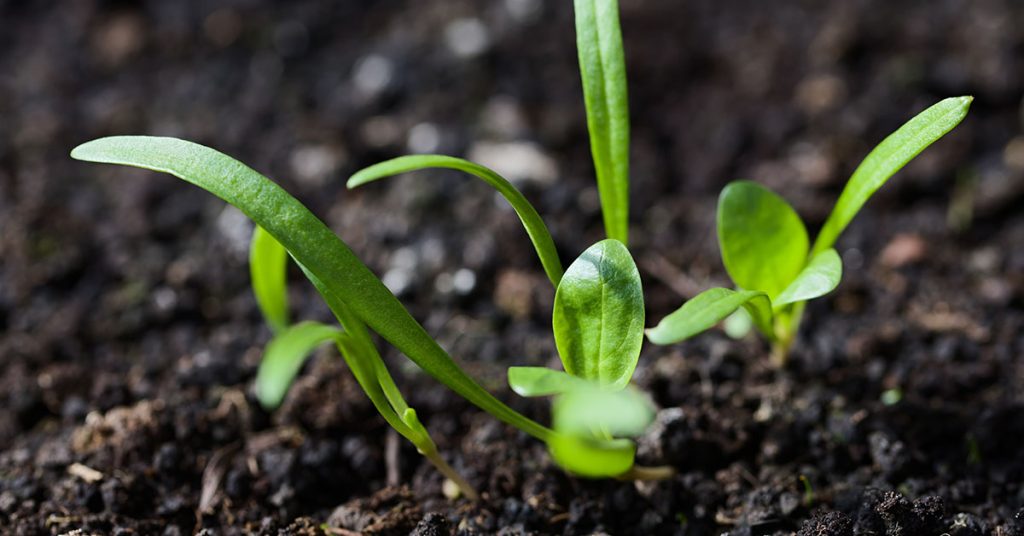
Water spinach (Ipomoea aquatica), aka kangkong, delivers tender, hollow stems and lance-shaped leaves ideal for stir-fries. Plant cuttings or seedlings in moist soil or shallow water; in warm weather you’ll enjoy rapid, vining growth and successive harvests of leaf tips. White, tubular flowers attract butterflies and honeybees, which sometimes nest in nearby hedgerows.
Hailing from Southeast Asia, water spinach can naturalize in wet climates but remains easy to contain in raised beds or flooded troughs. I plant mine in large containers sunk into the ground—this keeps roots moist without threatening nearby waterways. The crisp, mild greens are a staple in Asian cuisine and a fun departure from lettuce!
Chayote
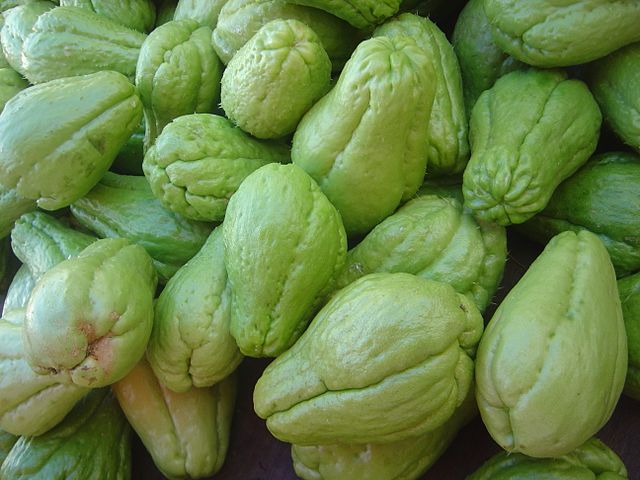
Chayote (Sechium edule) climbs vigorously, producing pear-shaped fruits with mild squashy flavor. Train vines on sturdy arbors to support heavy yield; blossoms bloom in summer and draw pollinators like squash bees that nest in undisturbed soil banks. Fruits mature in 90–120 days and store well for winter stews and sautés!
Native to Mesoamerica, chayote is not invasive in temperate zones, though it can sprawl. I trim back excess vines after harvest to focus energy on remaining fruit. Those pale green gourds have a crisp texture—raw in salads—or soften delightfully when cooked. Every bite tastes like summer harvest!
Romanesco Cauliflower

Romanesco (Brassica oleracea var. botrytis) dazzles with lime-green, fractal-shaped heads that taste like sweet broccoli mixed with cauliflower. Sow seeds in cool spring soil; in 80–100 days, tight spiraled curds emerge. Its tiny yellow flowers, if left unharvested, attract hoverflies and native bees for nesting in shady corners!
Originating in Italy, Romanesco isn’t invasive but appreciates fertile, well-drained beds. I side-dress with compost tea mid-season to boost head size. Cutting a head apart reveals mesmerizing geometry—garden and plate both become conversation pieces!
Egyptian Walking Onions

Egyptian walking onions (Allium × proliferum) form clusters of bulbils at stem tips, which bend and “walk” to the soil—hence the name. Plant bulbs in fall; next summer the dangling clusters drop and root themselves, creating new plants. Their tiny flowers attract beneficial hoverflies, whose larvae feast on aphids!
A resilient heirloom from Egypt’s Nile Delta, these onions are noninvasive in most gardens but self-propagate freely. I harvest bulbils to replant where needed or share with friends. Mild green shoots in spring, scallion-like bulbs in summer—it’s like three crops in one!
Kohlrabi

Kohlrabi (Brassica oleracea var. gongylodes) develops swollen stems that peel and taste like mild cabbage-apple hybrids. Sow seeds in cool spring, harvesting bulbous stems in 45–60 days. Their tiny, daisy-like white flowers attract hoverflies and ladybugs, which nest in ground litter and help control aphids.
Native to northern Europe, kohlrabi isn’t invasive but thrives in succession plantings. I sow every two weeks for continuous harvests of crunchy bulbs. Sliced raw in slaws or roasted for sweetness, these orbs add delightful texture to any meal!
Orach
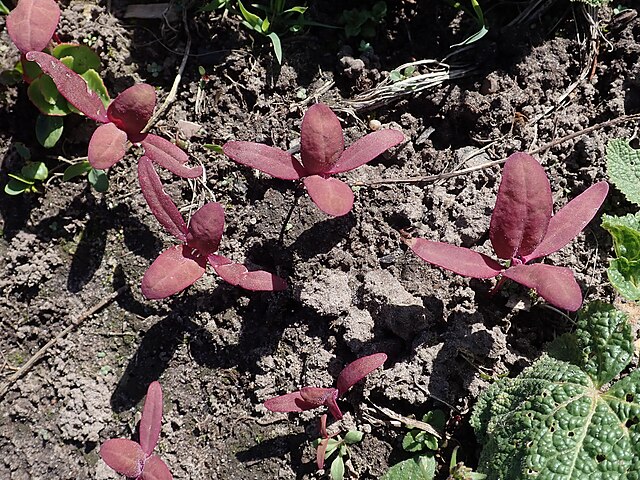
Orach (Atriplex hortensis) offers vibrant red, orange, and green leaves with a spinach-like flavor that tolerates heat better than true spinach. Sow seeds in early spring; within 40 days, harvest tender leaves. Its tiny bracted flowers aren’t showy but attract minute pollinators like minute pirate bugs that nest in nearby bark crevices!
Native to Eurasia, orach self-seeds readily but isn’t invasive in home plots. I let a few plants bloom for decorative seedheads, then pull volunteers where I don’t want them. Sauteed or added raw to salads, its colorful foliage livens up both garden and plate!
Oca
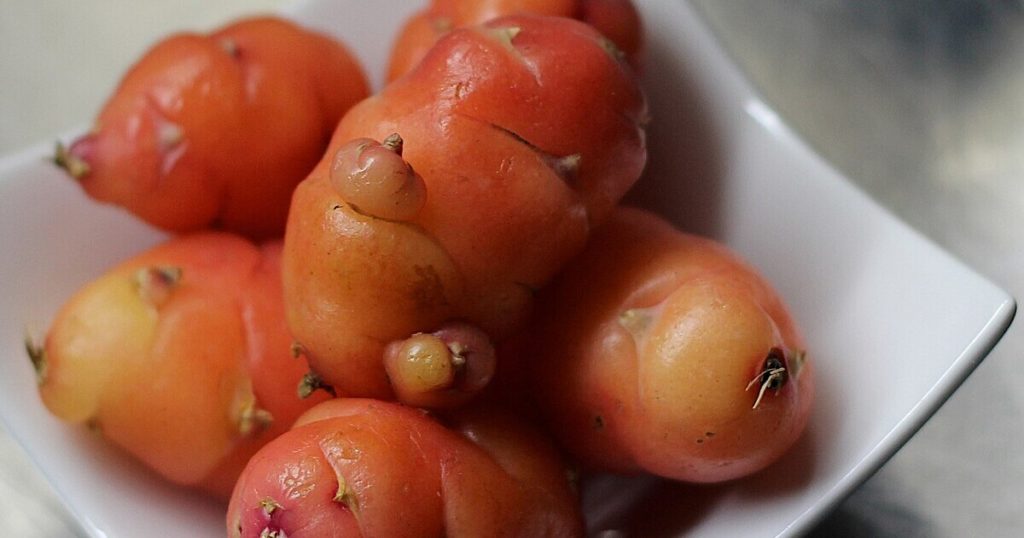
Oca (Oxalis tuberosa) produces tangy, colorful tubers—pink, yellow, and orange—that cook like waxy potatoes. Plant small tubers in spring; as vines die back in fall, dig up edible roots. Their bright yellow flowers attract solitary bees, which nest in till-free rows and pollinate adjacent crops!
Originating in the Andes, oca isn’t invasive in most climates but benefits from hilling to protect tubers from light. I mound soil around vines mid-season for larger yields. Their apple-tart flavor on your fork is like biting into mountain sunshine!
Cardoon

Cardoon (Cynara cardunculus) resembles a giant celery with silvery, serrated leaves and edible stalks. Blanch stalks by tying them together or hilling soil around bases for two weeks before harvest to reduce bitterness. Thistle-like purple flowers later on attract bees that nest in hollow stems and stone walls!
A Mediterranean native, cardoon self-seeds sparingly and is not invasive in cool climates. I reserve a corner of my plot for these architectural giants. Braised or dipped in sauce, their tender stalks taste like artichoke hearts on steroids!
Malabar Spinach

Malabar spinach (Basella alba) climbs heat with glossy, succulent leaves that hold up in summer’s fiercest sun. Train vines on trellises; harvest leaf pairs continuously once vines reach a foot tall. Its tiny white flowers attract parasitic wasps that nest in mulch, hunting down whitefly larvae!
From tropical Asia, this heat-tolerant green isn’t invasive in cooler gardens but loves warm weather. I plant it where tomatoes might struggle in mid-summer heat. It’s my go-to when true spinach bolted weeks ago—fresh, juicy leaves without the drama!