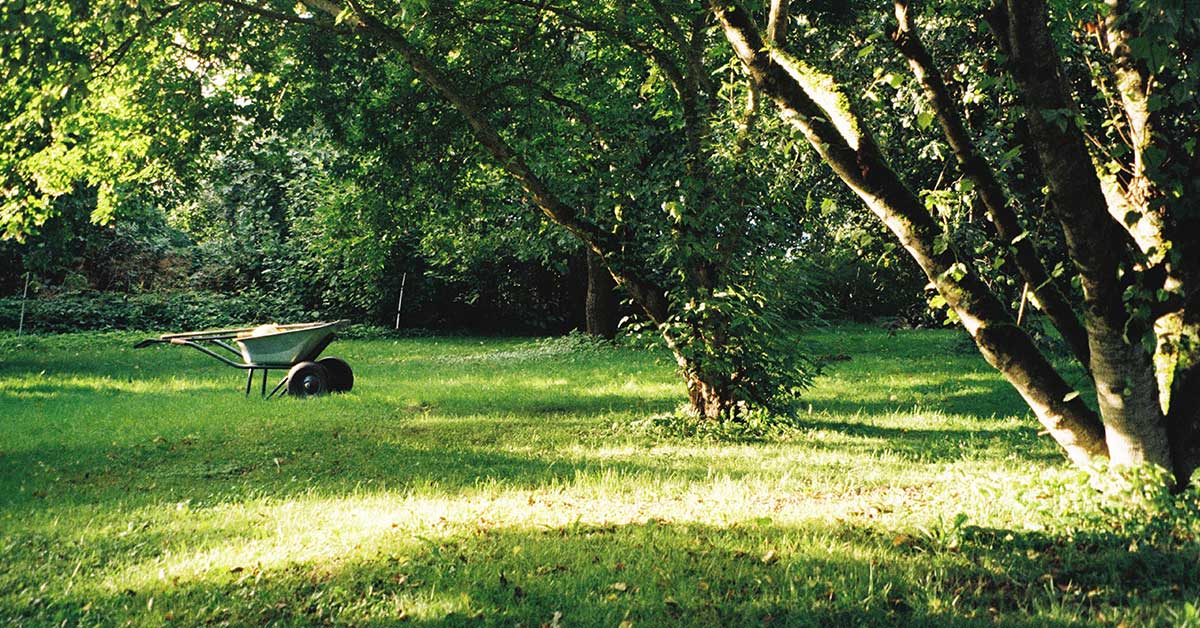

It’s such a relief when your lawn feels soft underfoot instead of patchy or worn—especially as we head into the dog days of summer! By August, grasses are often stressed from heat, foot traffic, and early-season pests. As a gardener who’s spent many July afternoons nursing thirsty turf back to life, I know how discouraging it can be to see bare spots, yellowing blades, or sudden weed invasions just when you want your yard at its peak.
Taking action now can mean the difference between a vibrant, emerald carpet and a tired, thinning mess come September. From strengthening roots with aeration to welcoming beneficial earthworms and pollinators, here are thirteen essential tasks your lawn needs before August!
Establish Beneficial Insect and Earthworm Habitat

Leaving small patches of white clover (Trifolium repens) unmowed near borders attracts pollinators like solitary bees and hoverflies. Though native to Europe and western Asia, white clover seldom becomes invasive in a well-maintained lawn and provides nectar when grass flowers are scarce!
Undisturbed mulch zones along trees and garden edges encourage predator beetles and earthworms to nest. Earthworms act as natural aerators—tunneling through soil and improving drainage—while predatory insects help keep pest populations in check, creating a self-regulating mini-ecosystem beneath your turf.
Conduct a Soil Test and Amend Accordingly

Healthy lawns start underground, so a comprehensive soil test reveals nutrient deficiencies, pH imbalances, and organic matter levels. One year, my test showed low potassium and high acidity; after liming and adding wood-ash-based potash, the grass color and resilience improved dramatically within weeks!
With precise results in hand, you can apply targeted amendments—lime to raise pH, sulfur to lower it, or compost to boost organic content. Correcting these foundational issues ensures every bit of fertilizer or water you apply goes straight into nourishing grassroots instead of being wasted on suboptimal soil.
Optimize Your Mowing Height

Setting your mower blade correctly is a simple yet powerful way to boost turf health. Keeping cool-season grasses around 3 inches (and warm-season varieties at 2–2½ inches) shades the soil, conserves moisture, and encourages deeper roots. I once rescued a sunburned lawn simply by raising the deck—those taller crowns act like natural umbrellas for thirsty roots!
Longer grass also suppresses annual weed seeds, preventing them from germinating and establishing seed heads. When adjusting your height, mow frequently enough so you never remove more than one-third of the blade in a single pass—this gentle trimming reduces plant stress and keeps your lawn looking neat without scalping.
Aerate to Relieve Compaction

Foot traffic compacts soil, squeezing out air and hindering root expansion. Aeration—using a plug or spike aerator—creates pathways for oxygen, water, and nutrients to reach the root zone. One of my favorite spring rituals is running a plug aerator over the lawn; by midsummer, I can see earthworms and beneficial microbes thronging those newly opened tunnels!
If your soil is heavy clay or loamy, aeration is especially crucial. Removing soil cores and leaving them to disintegrate adds organic matter back into the lawn, further feeding grassroots and microbial communities. Aim to aerate at least once a year, ideally in late spring when moisture levels are moderate.
Control Weeds Before They Set Seed
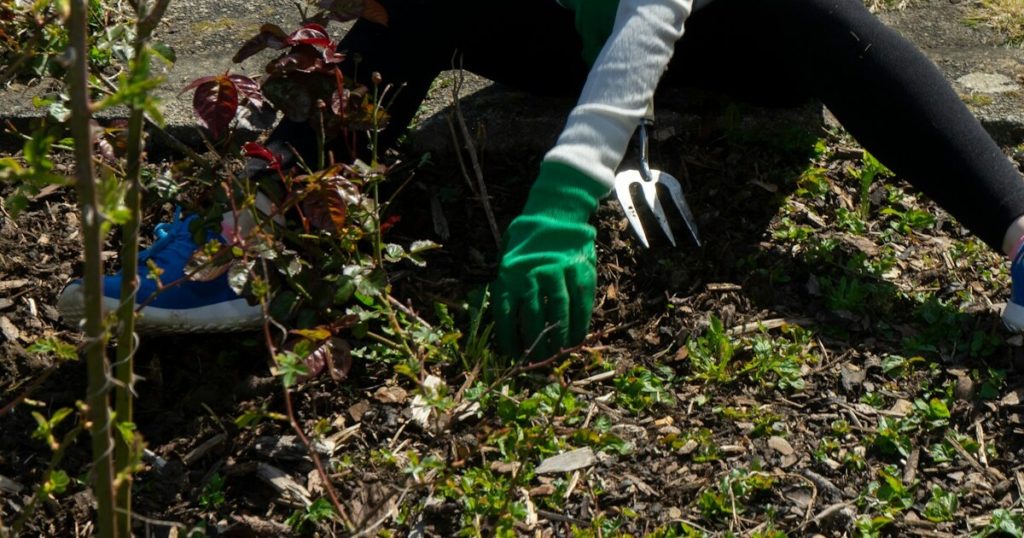
Stopping weeds before they flower is far easier than battling mature invaders. Spot-treat broadleaf weeds like dandelions with a selective herbicide suited to your grass type or hand-pull them while the soil is moist. I tackle dandelions in early July to prevent those fluffy seed heads drifting across my lawn!
For grassy weeds such as crabgrass, apply a post-emergent herbicide when they’re young and actively growing. Keeping competition at bay ensures your grass receives maximum light, water, and nutrients during its critical summer growth phase.
Topdress with Organic Matter

After aeration, spreading a thin layer (about ¼ inch) of well-aged compost or finely screened topsoil smooths uneven areas and feeds grassroots. I once revived a bumpy, bare patch by topdressing with compost—within weeks, fresh shoots filled in, and thatch began to break down naturally!
This light covering also moderates soil temperature, protecting roots from midday heat and chilling nighttime breezes. Over time, organic particles work their way deeper, improving drainage and encouraging earthworms—nature’s tillers—to nest and aerate further.
pH Adjustment for Optimal Nutrient Uptake
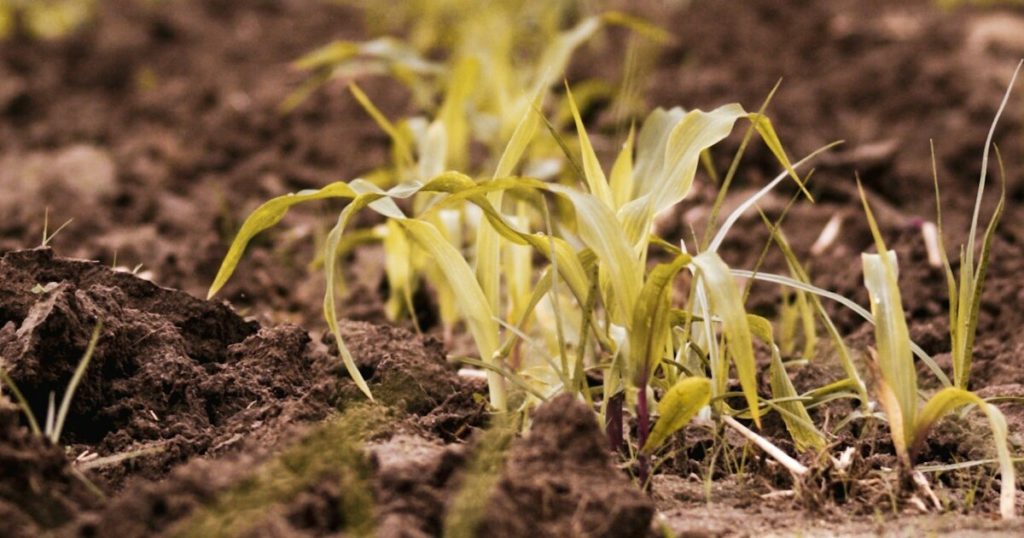
Most turfgrasses prefer a soil pH between 6.0 and 7.0. If your soil test shows values outside this range, corrective measures now can prevent nutrient lock-up or deficiencies later. Applying dolomitic lime for acidic soils or elemental sulfur for alkaline soils gradually steers pH toward the sweet spot!
I once dealt with yellowing grass that refused to green up until I corrected a pH of 5.2—after liming, the turf thickened within a month. Adjusting pH ensures every nutrient you add is fully available to your lawn.
Overseed Thin or Bare Areas

Warm days and cool nights in July create perfect germination conditions. After aeration and topdressing, overseed bare spots with a high-quality grass blend suited to your climate. I love seeing each new wave of seedlings bring fresh green life to patches that looked hopeless just weeks earlier!
Good seed-to-soil contact is key: gently rake or press seed into the topsoil, then keep it consistently moist until sprouts reach about 2 inches. With light daily misting or an early-morning sprinkler run, you’ll see tender blades popping up in 7–14 days.
Maintain Proper Irrigation Practices

Deep, infrequent watering encourages roots to dive downward in search of moisture, boosting drought resilience. Aim for about 1 inch of water per week—either from rain or irrigation—applied in one or two sessions rather than daily shallow sprays. I set my sprinkler to run early mornings to reduce evaporation and fungal risk!
Watch your lawn’s signals: if blades fold lengthwise or take on a dull bluish tint, it’s time to water. Avoid overwatering, which can suffocate roots and promote diseases like Pythium blight or root rot.
Balance Fertilization for Summer Growth

A mid-summer application of a slow-release, nitrogen-rich fertilizer fuels blade production and root development without causing rank top growth. I once overfertilized with a fast-release product and ended up mowing three times more than usual—lesson learned!
Choose a balanced N-P-K ratio based on your soil test, and avoid high-phosphorus blends unless a deficiency is documented. Applying in late July gives grass a lift heading into August’s heat and traffic demands.
Manage Thatch with Dethatching Tools
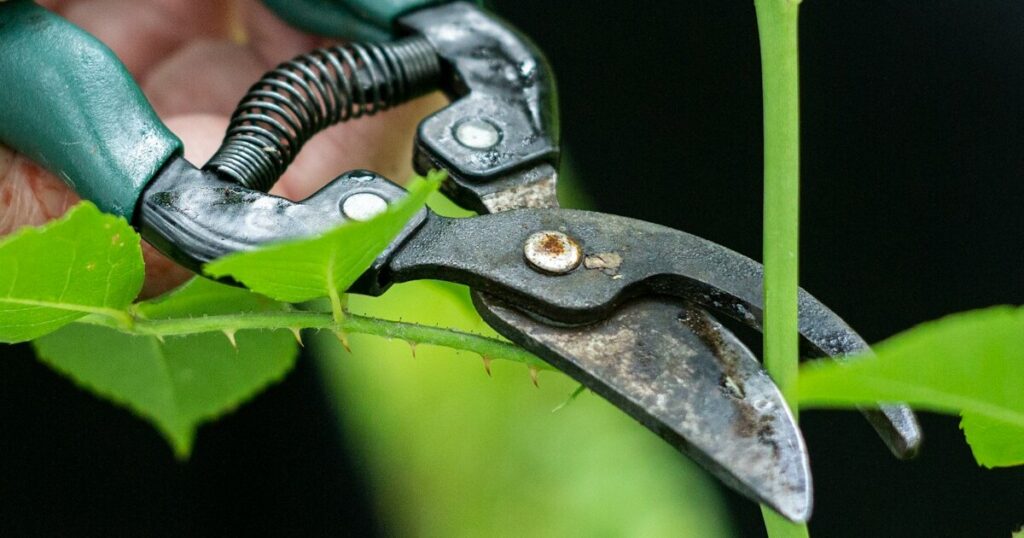
A thin thatch layer (under ½ inch) can protect crowns, but anything thicker impedes water and nutrient penetration. Using a dethatching rake or power dethatcher in mid-summer clears away this spongy barrier. After dethatching, I always aerate and topdress to help grass recover quickly and prevent exposed roots from drying out!
Stubborn thatch may require annual treatments until balance returns. Once thatch is controlled, you’ll notice improved resilience against pests, drought, and foot traffic.
Scout for Pests Like Grubs and Chinch Bugs

July is prime time for lawn pests—grubs munch on roots while chinch bugs chew blades at the surface. Regular inspection helps catch infestations early: simply lift a square foot of turf and look for C-shaped white grubs or active bugs in sunny patches!
If populations exceed threshold levels (usually five or more grubs per square foot), treat with biological controls like milky spore or beneficial nematodes. These natural enemies patrol the soil without harming earthworms or pollinators.
Edge and Define Borders for Visual Appeal
Crisp edges between lawn and flower beds not only look professional but also prevent grass from invading ornamental areas. Using a half-moon edger or a stiff spade, cut a clean boundary, then backfill with fresh compost or decorative mulch. I find those neat lines make my entire garden feel tidier and reduce hand-weeding!
Defined borders also help you mow more efficiently, preventing metal decks from nicking stems. Plus, nearby mulch zones act as additional moisture reservoirs, benefiting adjacent plants while keeping grass where it belongs.