

There’s nothing quite like stepping onto your patio or porch and being greeted by a vibrant tapestry of blooms, foliage, and fluttering pollinators! I know how frustrating it is to carefully arrange potted plants, only to have them wilt under blazing sun or languish in shady corners. That’s why I’m so excited to share thirteen standout summer plants that thrive in containers—each perfect for transforming your outdoor living space into a buzzing, colorful oasis.
Whether you have full sun, dappled shade, or a north-facing nook, this list covers a range of sun and soil preferences, with notes on native origins, invasive tendencies, and wildlife-friendly behaviors. From nectar-rich blooms that draw hummingbirds to foliage that provides shelter for beneficial insects, these picks will ensure your patio and porch are teeming with life all season long.
Petunia (Petunia × atkinsiana)
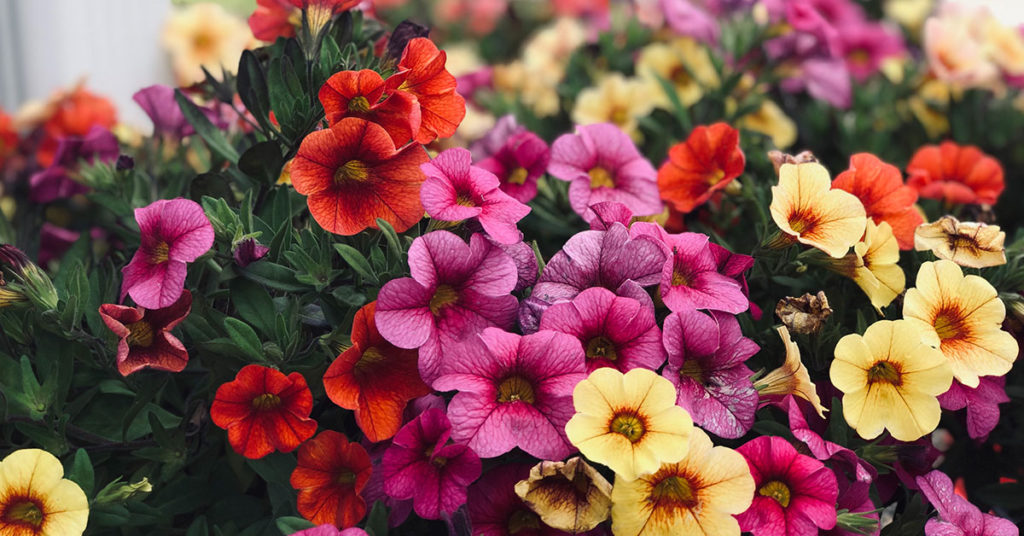
Petunias—hybrids derived from South American wild species—are the go-to sun-lovers for hanging baskets and window boxes. Their cheerful trumpet-shaped blooms in every hue tolerate long, hot days and occasional drought, making them ideal for a sunny porch edge! I’ve found that morning-glory petunias handle direct sun best, while multiflora types brighten shaded patios with their prolific flowering.
Beyond their showy petals, petunias attract a variety of pollinators. Hummingbirds can’t resist their tubular shapes, and moths visit fragrant evening varieties. The dense mats also create tiny sheltered spots where beneficial hoverflies and predatory wasps nestle, helping control aphids and other pests naturally!
Coleus (Plectranthus scutellarioides)

Coleus, native to Southeast Asia and Australia, dazzles with foliage in neon chartreuse, burgundy, and raspberry marbled patterns. These shade-tolerant beauties thrive on porches where direct sun would scorch delicate leaves. I’ve experimented with pairing my Black Dragon coleus with Impatiens for a lush, layered look—and it’s always a showstopper!
Coleus isn’t invasive in container settings, but it does produce tiny flowers that some bees and butterflies sip on. Pinching off flower spikes encourages bushier growth, creating more hiding nooks for ground beetles and springtails that patrol the soil surface and aid decomposition.
Lantana (Lantana camara)

Lantana’s clusters of vibrant blooms—from sunset oranges to fuchsia purples—are magnets for butterflies and bees. Native to tropical America, these heat-loving shrubs flourish in pots on sun-drenched patios. I once watched monarchs flock to a single container of ‘Miss Huff’ lantana on my deck—such a delight!
While lantana can be invasive in some warm regions, container planting keeps it contained. Its rough-textured foliage provides daytime perches for pollinators, and the layered blooms offer late-season nectar for migrating butterflies preparing for their long journey south.
Begonia (Begonia × semperflorens-cultorum)
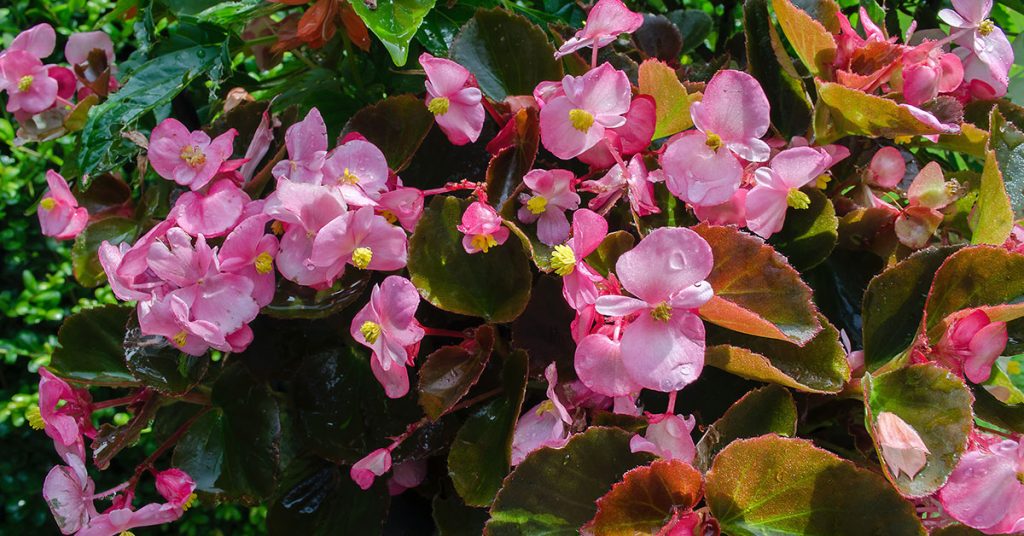
Shrub and wax begonias, hybrids with origins in South America and Africa, bring shade-friendly blooms to porches that bake in afternoon sun. Their waxy leaves and clusters of pink, red, or white flowers resist heat and humidity. I’ve found that ‘Nonstop Ruffled Red’ begonias bloom nonstop under a covered patio for weeks on end!
Begonias’ sheltered blooms invite tiny bees and hoverflies, while their dense leaf canopy offers hiding spots for predatory spiders that help manage pesky thrips and whiteflies. With regular deadheading, these begonias stay neat and vibrant without becoming needy.
Calibrachoa (Calibrachoa × hybrida)
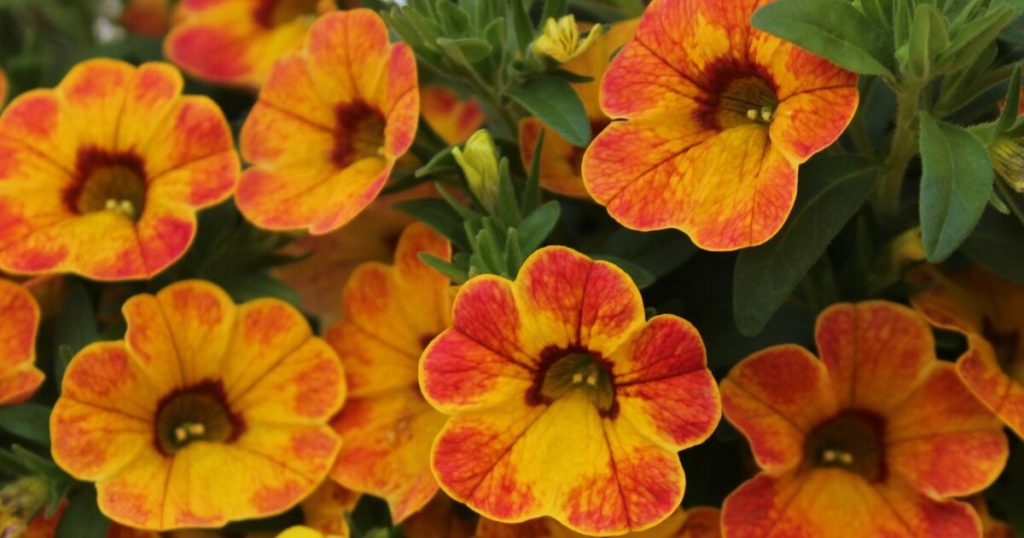
Calibrachoa, aka Million Bells, is a petite cousin of petunia native to South America, perfect for cascading baskets on sunny porches. Their petite, petunia-like flowers in jewel tones bloom prolifically with minimal care. I love how they spill over container edges, creating a living waterfall of color!
Their abundance of nectar supports hummingbirds and small butterflies like skippers. The foliage forms a dense mat that shelters beneficial lacewings and ladybugs, which patrol for aphids, keeping the display lush and pest-free without pesticides.
New Guinea Impatiens (Impatiens hawkeri)
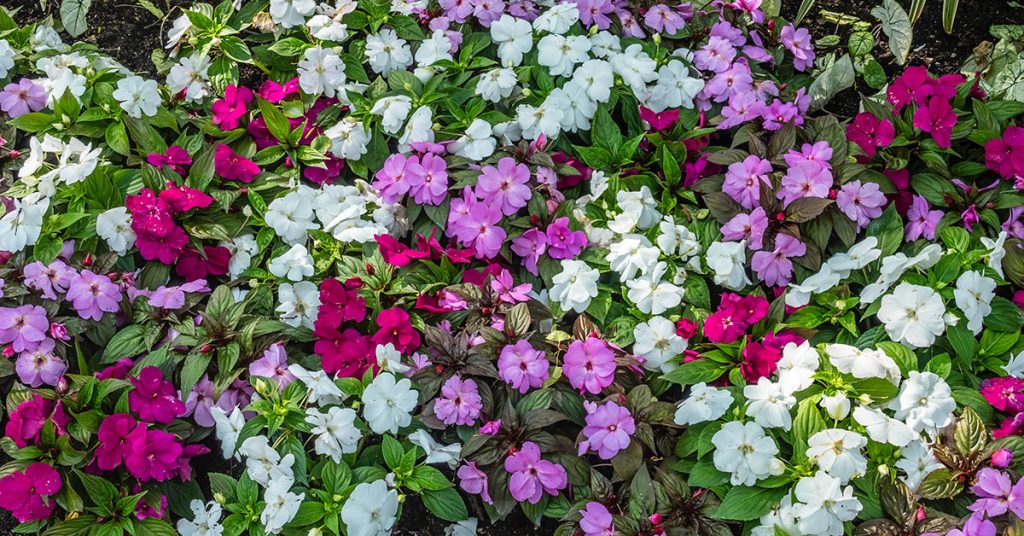
New Guinea impatiens—native to Papua New Guinea—thrive where common impatiens falter, tolerating brighter light and heat. Their bold blooms in magenta, coral, and peach colors bring a tropical flair to partially shaded patios. I once rescued a shady porch with cascading ‘Super Elfin’ impatiens, and they instantly revived the space!
Impatiens flowers’ open faces attract bumblebees searching for pollen, and the thick foliage provides daytime shelter for beneficial ground beetles. While they can self-seed lightly, container gardening keeps volunteers contained and under your control.
Salvia (Salvia splendens)
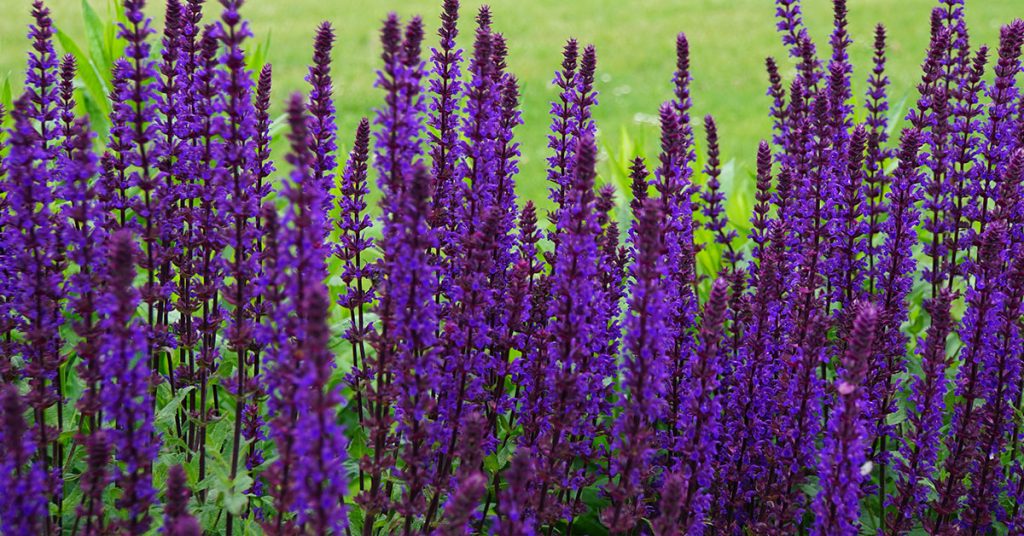
Salvia splendens, or scarlet sage, is a sun-loving annual from Brazil that ignites containers with striking red flower spikes. These tubular blooms are hummingbird magnets, drawing feathery drinkers that dance above the pots. I’ve enjoyed watching their quick visits as they flit between salvia and petunia neighbors!
This salvia rarely self-sows outside its pot, and its square stems form an airy framework where beneficial syrphid flies rest. The foliage’s aromatic oils even deter some pests, offering protection to adjacent plants in mixed containers.
Sweet Potato Vine (Ipomoea batatas)
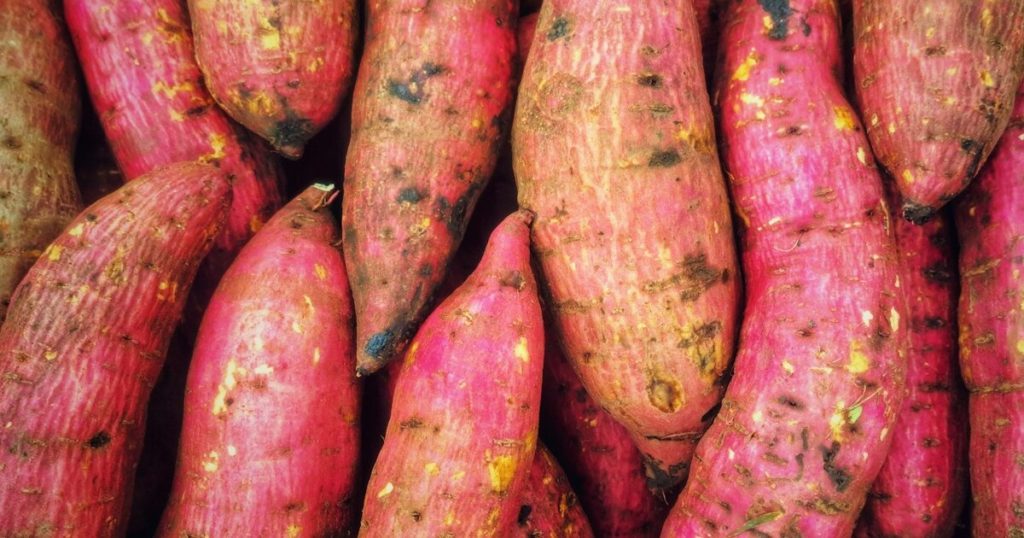
Ornamental sweet potato vine, native to tropical America, is prized for its trailing, heart-shaped leaves in chartreuse, burgundy, or variegated patterns. Thriving in full sun to part shade, it drapes elegantly over porch railings and container edges. I always tuck this vine around impatiens and begonias to soften edges and create continuous texture!
While true sweet potatoes can be invasive in warm climates, these ornamental varieties stay put in pots. The dense vines also form a living mulch, shading soil and creating microhabitats for ground-nesting solitary bees and rove beetles.
Dahlias (Dahlia pinnata)
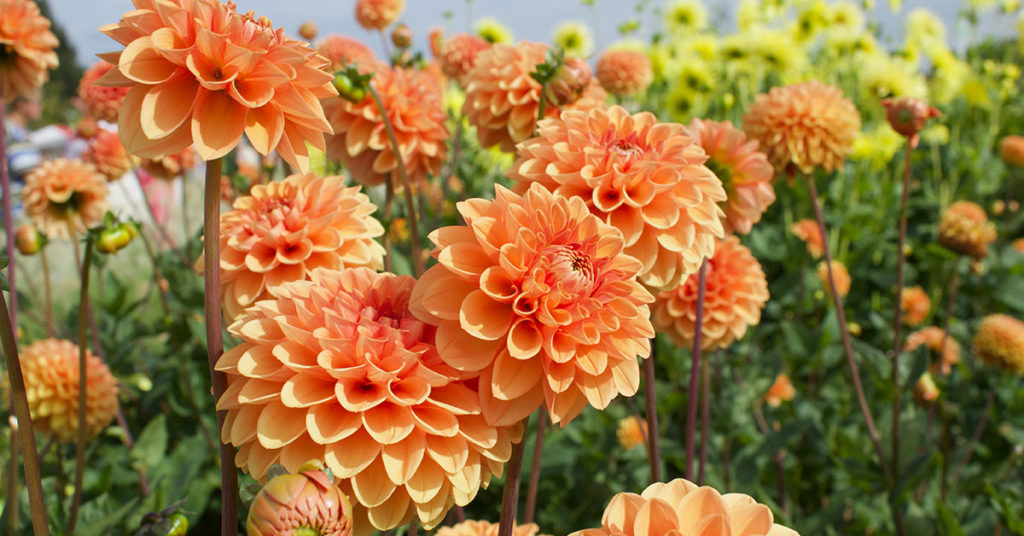
Dahlia pinnata, native to Mexico and Central America, offers a blockbuster bloom show in sunny containers. From pompom forms to dinner-plate giants, dahlias bring sculptural beauty to patios. I’ve had ‘Bishop of Llandaff’ in pots, and its fiery red blooms contrasted beautifully with cooler-toned companions!
Dahlia flowers attract a range of pollinators—from bees to butterflies—and the sturdy stalks provide perches for small predatory wasps. Deadheading spent flowers keeps the display constant and prevents seedlings from popping up unexpectedly.
Lavender (Lavandula angustifolia)
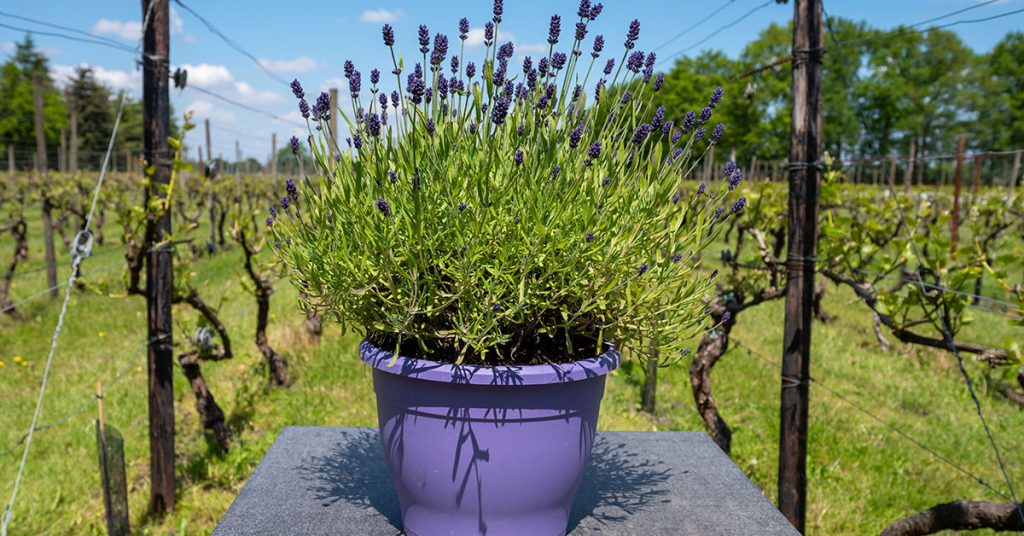
Lavender, native to the Mediterranean, loves sun-baked containers and lean soils. Its silvery foliage and purple flower spikes scent the air, calming the patio atmosphere. I always plant lavender in wide, shallow pots to ensure rapid drainage and a strong fragrance release on warm evenings!
Bees adore lavender’s nectar, with bumblebees buzzing through the blooms in large numbers. The tight tufts also offer shelter for beneficial ground-dwelling beetles that emerge at dusk, making lavender both beautiful and ecologically supportive.
Hibiscus (Hibiscus rosa-sinensis)

Tropical hibiscus, native to East Asia and the Pacific, brings lush, exotic blooms to sunny porches when grown in large pots. Their dramatic, waxy flowers in reds, pinks, and yellows open daily, creating instant impact. I’ve pampered mine with regular feeding, and the butterflies and hummingbirds have never had so many choices!
The broad leaves form shady undersides where friendly toads and frogs may shelter—natural pest controllers devouring slugs and caterpillars. While hibiscus can overgrow in warm climates, container culture keeps it neatly contained and blooming profusely.
Marigold (Tagetes erecta)

African marigolds, originally from Mexico, light up containers with golden pompom blooms that last all summer. They thrive in sun-drenched pots with average soils. I love how their strong scent repels nematodes and some insect pests—perfect for edging vegetable-inspired container gardens!
Marigolds also attract hoverflies and lacewings, whose larvae feast on aphids and caterpillars. The dense mats help shade soil, reducing evaporation and creating cooler microhabitats for beneficial ground beetles hiding beneath the foliage.
Caladium (Caladium bicolor)

Caladium bicolor, native to South America’s tropical forests, dazzles shaded porches with heart-shaped leaves in white, pink, and green. Preferring bright, indirect light and consistently moist soil, caladiums fill shady corners where flowering annuals struggle. I once revived a north-facing deck with ‘Frieda Hemple’ caladiums, and the color contrast was unforgettable!
Though caladiums aren’t invasive, their large leaves provide shelter for ground spiders and predatory rove beetles. Their tubers form seasonal interest—dig them up before frost and replant in spring for year-after-year shade drama!