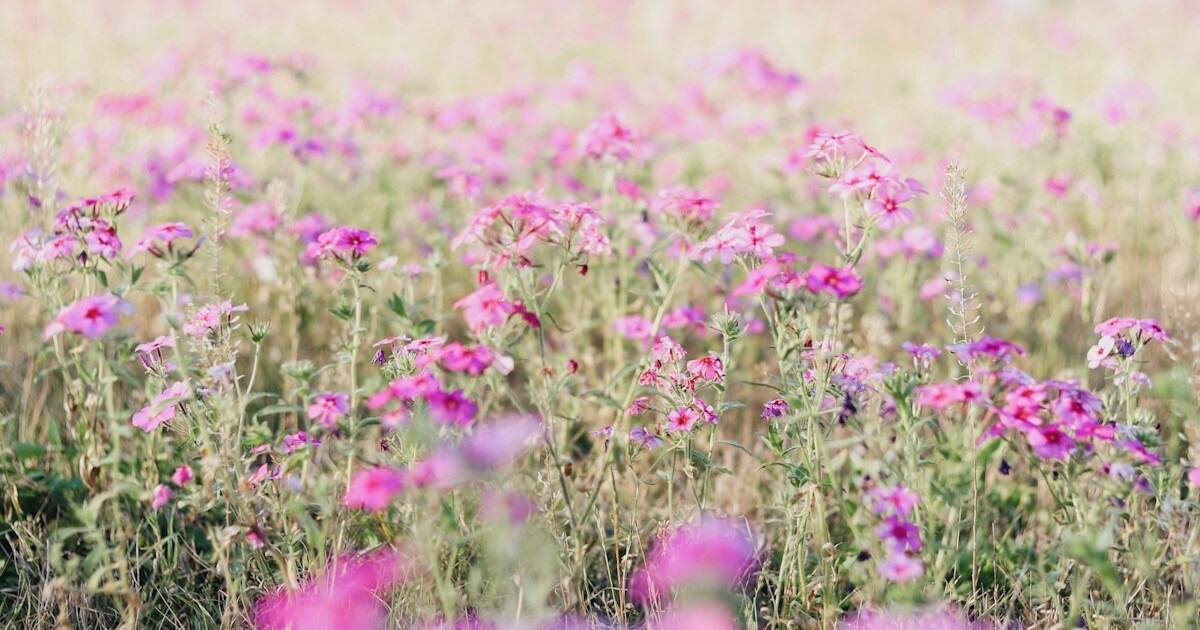

Spring and summer are the perfect seasons to witness nature in full bloom, and there’s nothing more exciting than watching a garden filled with wildflowers thrive in its natural glory. As a passionate gardener who loves embracing nature’s unpredictable beauty, I’ve discovered that wildflower meadows offer a dynamic, eco-friendly alternative to traditional lawns. Not only do wildflowers bring brilliant colors and delicate fragrances to your space, but they also cultivate a living tapestry that supports local ecosystems—a refreshing change from the uniform expanse of turf. I understand the frustration of battling high maintenance lawns and the disappointment when they fail to entice beneficial wildlife. It’s such a bummer when your space lacks both visual appeal and natural vibrancy!
Wildflower gardens are about much more than aesthetics; they provide practical benefits that help restore the balance of nature in urban environments. Each wildflower has its unique native heritage—whether hailing from the prairies of North America, the sun-soaked regions of Europe, or the diverse landscapes of Asia—and together, they foster a thriving habitat for pollinators, nesting birds, and beneficial insects. These diverse, low-maintenance plantings reduce the reliance on chemicals and save water while simultaneously elevating your outdoor space into an ever-changing, sustainable wonderland. Let’s explore 13 compelling reasons why replacing your lawn with wildflowers can create an elegant, nature-infused retreat right at home!
Enhances Biodiversity and Ecosystem Health

Growing wildflowers instead of a homogeneous lawn dramatically increases biodiversity, creating a vibrant habitat where a multitude of species can coexist harmoniously. Unlike a mown, uniform lawn, a wildflower garden is teeming with different textures, colors, and heights that support a variety of insects, birds, and even small mammals. I’ve noticed that inviting a diverse range of wildflowers can transform your yard into a miniature oasis that naturally attracts a host of beneficial organisms—benefits that are vital for maintaining ecological balance and a resilient garden.
Wildflowers often come from native plant species that have evolved to thrive in local conditions, ensuring a better fit with your regional climate and soil. With these native wildflowers, you’re not just cultivating a pretty space; you’re also supporting the natural ecosystem by providing food, shelter, and nesting sites for local pollinators and birds. Their presence helps foster a self-sustaining garden where each plant plays its role, creating an environment of vibrant life and natural regeneration—a truly enriching experience for any devoted gardener!
Low Maintenance and Water Conservation
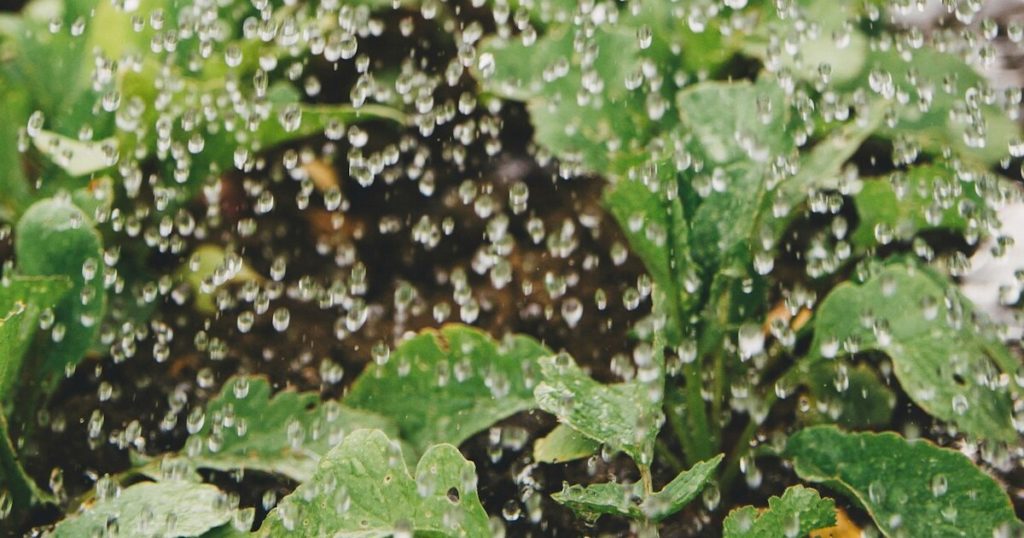
One of the biggest advantages of choosing wildflowers over traditional lawns is their low maintenance requirement. Wildflower gardens are naturally self-sustaining once established, needing far less mowing, edging, and watering compared to a conventional lawn. I’ve experienced the peace of mind that comes with knowing your garden is thriving with minimal human intervention—a truly liberating thought for busy gardeners! Wildflowers are typically adapted to local conditions, meaning they often require less water and fewer fertilizers, saving both time and resources.
Wildflowers are renowned for their drought tolerance, especially varieties native to arid or semi-arid regions. These plants have evolved efficient water-use strategies in their native habitats, which means they cope well with less frequent watering. By reducing water consumption, you not only lower your utility bills but also contribute positively to water conservation efforts—an important consideration in today’s environmentally conscious world. It feels incredibly satisfying to cultivate a garden that flourishes naturally, even in challenging conditions!
Attracts Beneficial Wildlife
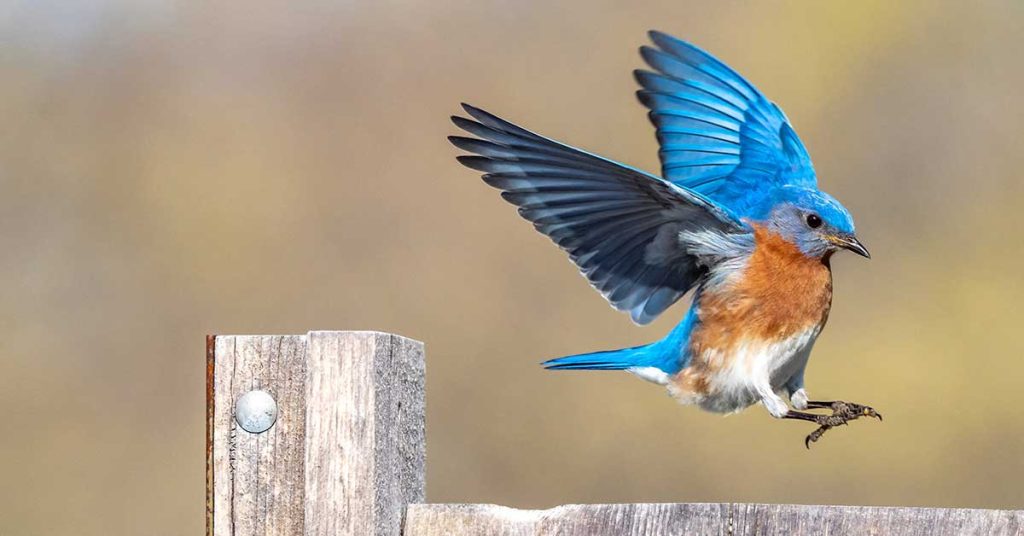
Wildflower gardens are a magnet for beneficial wildlife, drawing in an array of pollinators, insects, and small birds that enrich the garden ecosystem. I’ve observed that the vibrant blooms and varied textures of wildflowers offer perfect foraging and nesting habitats for bees, butterflies, and even tiny birds looking for a safe place to rest and raise their young. This natural attraction enhances pollination for other plants in your garden, fostering a balanced, productive landscape that buzzes with life.
These flowering plants often mimic the conditions in their native wild habitats, where they have long coexisted with diverse wildlife. Wildflowers not only provide nectar and pollen but also create micro-niches for ground-dwelling insects and small mammals, which help control pests naturally. The result is a healthy, self-regulating ecosystem that minimizes the need for chemical pest control and encourages sustainable gardening practices. By embracing wildflowers, you invite nature to work its wonders, transforming your garden into a lively, symbiotic retreat!
Improves Soil Health and Fertility
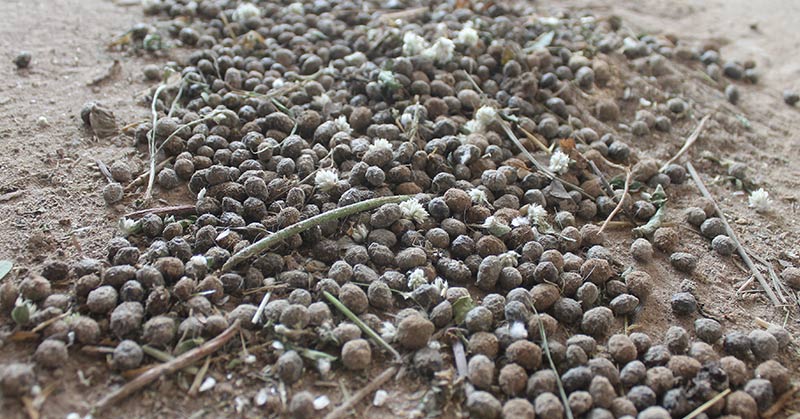
Unlike a monoculture lawn, a wildflower garden enriches the soil by fostering a complex community of microorganisms and organic matter. Wildflowers, many of which are native to nutrient-poor soils, have natural mechanisms for improving soil structure and fertility. In my own experience, integrating a range of wildflowers has boosted the organic content of my garden beds, encouraging the growth of beneficial bacteria and earthworms that help recycle nutrients. This results in healthier plants and a vibrant foundation that sustains the entire ecosystem.
The root systems of various wildflowers work together to prevent erosion and improve aeration in the soil, creating a robust, self-enhancing environment. As these plants grow, they contribute to a living humus that acts like nature’s compost—gradually breaking down organic matter and releasing nutrients over time. By nurturing your soil naturally, you’re not only supporting your wildflower harvest but also laying the groundwork for future growth and biodiversity. It’s an ongoing cycle of regeneration that ensures your garden remains fertile and full of life!
Enhances Aesthetic and Seasonal Interest

Wildflower gardens offer an ever-changing kaleidoscope of colors and textures that evolve with the seasons, providing continuous visual interest throughout the year. Instead of a static, uniformly green lawn, wildflowers bring dynamic beauty with varying hues, bloom times, and forms that capture the essence of each season. I’m always delighted by the spontaneous and unscripted beauty of a wildflower display, where every visit offers a new surprise—from delicate, pastel blooms in spring to vibrant, fiery shades in summer and soft, muted tones in autumn.
The interplay of colors and textures not only creates a stunning visual impact but also harmonizes with modern, minimalist landscapes. Wildflowers can be arranged in a way that complements contemporary architectural elements while softening harsh lines and adding a natural, organic feel. This aesthetic transformation is like injecting a burst of nature’s poetry into your everyday environment—turning your outdoor space into a dynamic living artwork that continuously evolves and inspires creativity.
Reduces Chemical Dependency
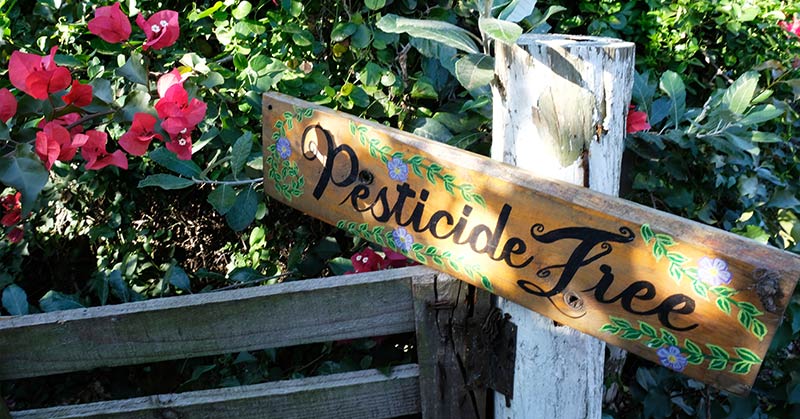
One of the most environmentally beneficial aspects of cultivating wildflowers is the reduced reliance on chemical fertilizers and pesticides. Wildflower gardens, by their very nature, are more diverse and resilient than uniform lawns, allowing natural processes to keep pests and diseases in check. In my own gardening journey, I’ve found that a diverse planting of wildflowers supports a balanced ecosystem where predatory insects and natural flora help control invasive species without the need for chemical intervention. This organic approach not only safeguards your health but also ensures that your garden remains a safe haven for beneficial insects and wildlife.
By minimizing chemical usage, you also promote a cleaner, healthier environment in and around your garden. Wildflower gardens boost soil health and encourage natural pest deterrence, reducing the likelihood that you’ll need to resort to harmful synthetic products. It’s incredibly rewarding to know that you’re contributing to a more sustainable ecosystem while enjoying the natural beauty of your garden. A chemical-free garden resonates with the principles of organic gardening, fostering a landscape that is as pure as it is vibrant!
Reduces Lawn Maintenance and Costs

Replacing a traditional lawn with a wildflower garden can significantly reduce both maintenance time and associated costs. Lawns often demand frequent mowing, chemical treatments, watering, and fertilization—efforts that can quickly add up in time and resources. In contrast, wildflower gardens are naturally low-maintenance, relying on the resilience of native plants and the benefits of a diverse ecosystem to thrive with minimal intervention. I’ve personally experienced the joy of spending less time battling weeds and more time admiring the spontaneous beauty of my wildflower displays!
Moreover, a wildflower garden is a long-term investment that improves over time, reducing the need for expensive lawn care equipment and chemical inputs. With fewer maintenance demands, your garden becomes a peaceful retreat where you can enjoy the natural rhythm of the seasons. This shift not only makes for a more relaxing lifestyle but also contributes to a sustainable and budget-friendly gardening approach. Imagine reclaiming the hours spent mowing your lawn and instead soaking up the beauty of a flourishing, diverse wildflower meadow—what a liberating thought!
Promotes Native Plant Conservation
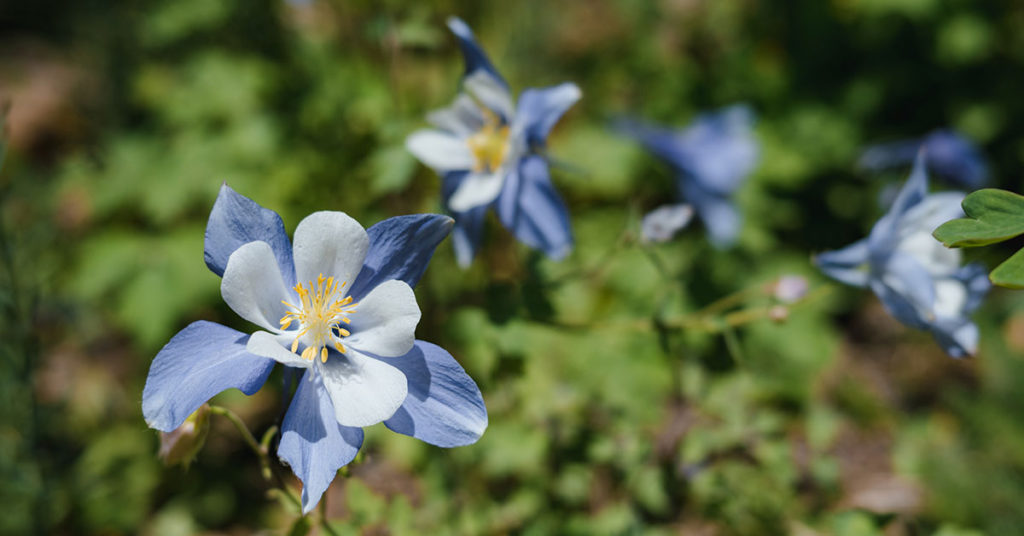
One of the most heartening reasons to grow wildflowers instead of maintaining a conventional lawn is the opportunity to promote native plant conservation. Many wildflowers are indigenous to the region where you live, having co-evolved with local wildlife and soil conditions over millennia. By choosing these native species, you support the local ecosystem, ensuring that the plants in your garden are well-suited to the climate and less likely to require extra maintenance. I’ve seen firsthand how native wildflowers foster a balanced habitat that encourages the natural growth of beneficial insects and birds, all while preserving the genetic heritage of the region.
Emphasizing native plants in your garden helps to create a sustainable landscape that contributes to biodiversity conservation. These species tend to be non-invasive and self-regulating, integrating seamlessly into your outdoor space without overwhelming it. By nurturing a garden that honors native flora, you become part of a broader movement to restore and protect natural habitats, making a tangible difference in your local environment. Every wildflower you plant is a celebration of regional beauty and resilience—a testament to the power of sustainable gardening that benefits both you and the planet!
Encourages Natural Weed Control
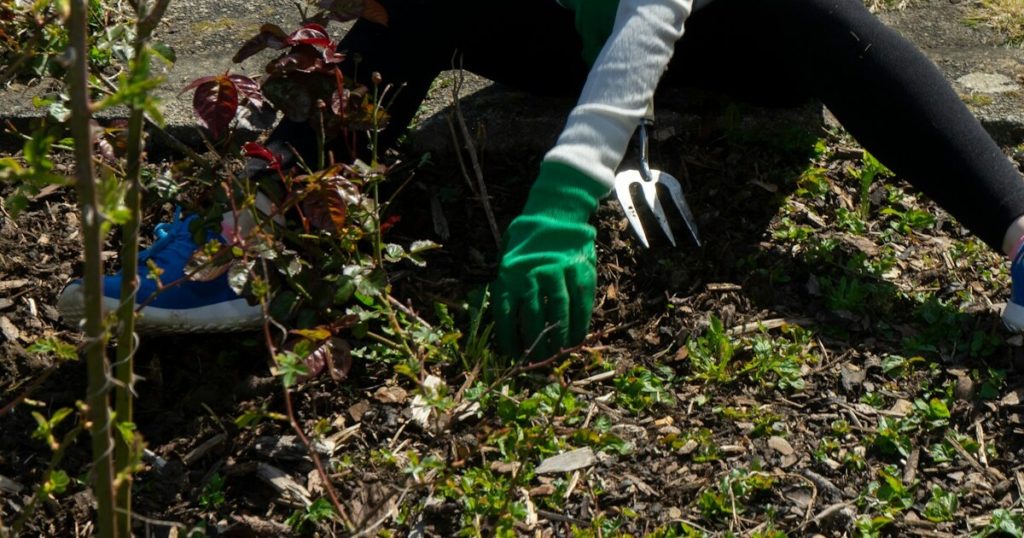
Wildflower gardens naturally suppress weeds by creating a competitive, thriving ecosystem where every plant plays a role. When you replace a manicured lawn with a diverse array of wildflowers, you let nature do the work to keep unwanted plants in check. In my own garden, I’ve found that a dense wildflower planting reduces the space available for aggressive weeds to take hold, diminishing the need for constant weeding and chemical herbicides. This natural suppression creates a healthier, more balanced garden where native flora thrive and invasive species are kept at bay—a far cry from the constant battle against weeds on a traditional lawn!
This technique not only minimizes maintenance but also promotes an environment where beneficial organisms flourish. The interplay of root systems in a wildflower garden improves soil structure and moisture retention, further discouraging weed germination. Over time, the sustainable cycle of growth and natural competition ensures that your garden remains tidy and balanced with minimal intervention. Embracing wildflowers for natural weed control is a practical, eco-friendly strategy that reinforces the beauty and resilience of a well-managed landscape—one that I find both inspiring and effective!
Boosts Air Quality and Reduces Dust
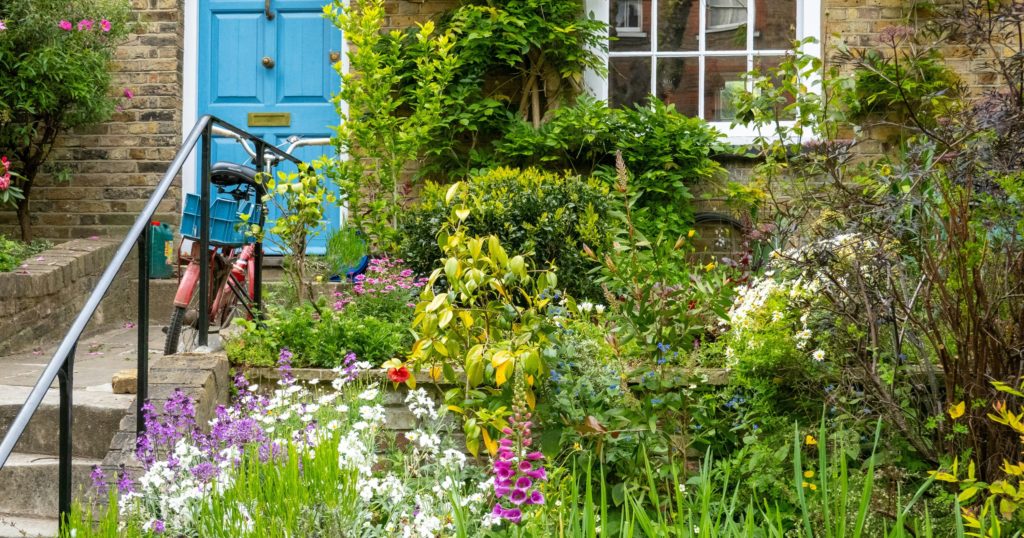
A lush wildflower garden can significantly improve the air quality around your home, particularly when compared to the dust and allergens often associated with a mowed lawn. Wildflowers, with their deep root systems and diverse foliage, help to stabilize the soil and reduce the amount of airborne dust, while also absorbing pollutants. In my experience, a well-tended wildflower bed releases a refreshing, natural aroma that cleans the air, inviting beneficial insects and even small birds to visit. This not only creates a healthier environment but also adds an element of tranquility that greatly enhances the overall appeal of your outdoor space.
Improved air quality is a natural side effect of a garden that is rich in biodiversity. The harmonious interplay of wildflowers contributes to a cleaner, less polluted microclimate, which has a direct positive impact on your well-being. Lower dust levels and increased oxygen production make the space more inviting, whether you’re spending time outdoors or enjoying a view from your window. The idea that your garden can actively contribute to a healthier atmosphere is both uplifting and motivating—an added bonus that reminds us why nurturing nature is one of life’s sweetest rewards!
Reduces Soil Erosion and Water Runoff
Traditional lawns can contribute to soil erosion and excessive water runoff, especially in areas subjected to heavy rainfall. Wildflower gardens, with their diverse root systems and varied plant structures, hold the soil together more effectively, reducing erosion and improving water infiltration. I’ve observed in my garden that wildflowers create a natural, protective ground cover that minimizes soil displacement. Their intertwining roots work tirelessly to stabilize the earth, making your garden more resilient against storms and water damage!
Improved soil stability also enhances the overall fertility and health of the land, as nutrients remain locked within the topsoil rather than being washed away. This creates a self-sustaining environment where each plant can benefit from the rich, unspoiled soil conditions. The integration of wildflowers is like a natural insurance policy for your garden, ensuring that the area remains vibrant and productive for years to come. It’s both a practical and an environmentally responsible choice that makes a lasting impact on your landscape.
Encourages Natural Aesthetics and Artistic Expression

Wildflower gardens offer a natural canvas that transforms your outdoor space into a living work of art. Unlike the uniform expanse of a traditional lawn, wildflowers create a dynamic composition of colors, textures, and forms that evolve with the seasons. I’ve found that this organic approach to landscaping not only results in a more attractive garden but also serves as a source of inspiration and personal expression. Each wildflower brings its unique beauty—from the delicate petals of anemones to the bold splash of poppies—creating an ever-changing mosaic that delights the senses!
The creative potential of wildflower gardens is immense; it allows you to design a space that reflects your personality and values, all while championing ecological harmony. This method of gardening offers an escape from the rigidity of conventional lawns, inviting you to experiment with combinations of native and adapted species that thrive together. Every arrangement is a celebration of nature’s artistry—a testament to the beauty of diversity and the joy of working with living elements in a way that feels both spontaneous and thoughtfully curated. It’s a natural expression of creativity that keeps your garden forever fresh, inviting, and uniquely yours!
Boosts Environmental Sustainability

Growing wildflowers instead of maintaining a traditional lawn is a powerful way to boost environmental sustainability. Wildflower gardens require less water, fewer chemical inputs, and less energy for upkeep compared to manicured lawns. I’ve seen how switching to wildflowers helps reduce water consumption and minimizes the use of pesticides, thereby decreasing harmful runoff into local waterways. This sustainable approach not only benefits your garden but also contributes to a healthier community and planet—something I’m deeply passionate about as a gardener who cares about our environment.
Embracing wildflowers is also about honoring the natural heritage of the region by prioritizing native species that thrive in local conditions. This reduction in the ecological footprint is a step towards more responsible gardening practices that align with nature’s wisdom and long-term resilience. Every bloom in your wildflower garden serves as a reminder that beauty can be achieved sustainably, and that small changes in your landscaping choices have a significant cumulative impact on environmental health. It’s a truly rewarding way to cultivate your space with both aesthetic and ethical abundance!