

Late summer can fool you into thinking the garden season is slowing down, but there is still plenty of beauty left to coax from your plants. Deadheading, or removing spent blooms, is one of the simplest ways to encourage another round of flowers before fall truly sets in. By trimming away fading blooms, you’re redirecting the plant’s energy from seed production back into creating fresh buds, giving your garden a vibrant second wind.
The secret is knowing which plants respond best to this technique and when to let them naturally go to seed. Below, we’ll cover 13 popular plants that thrive with a late-summer trim and offer tips on when to pause deadheading so your garden can prepare for next year.
Lavender
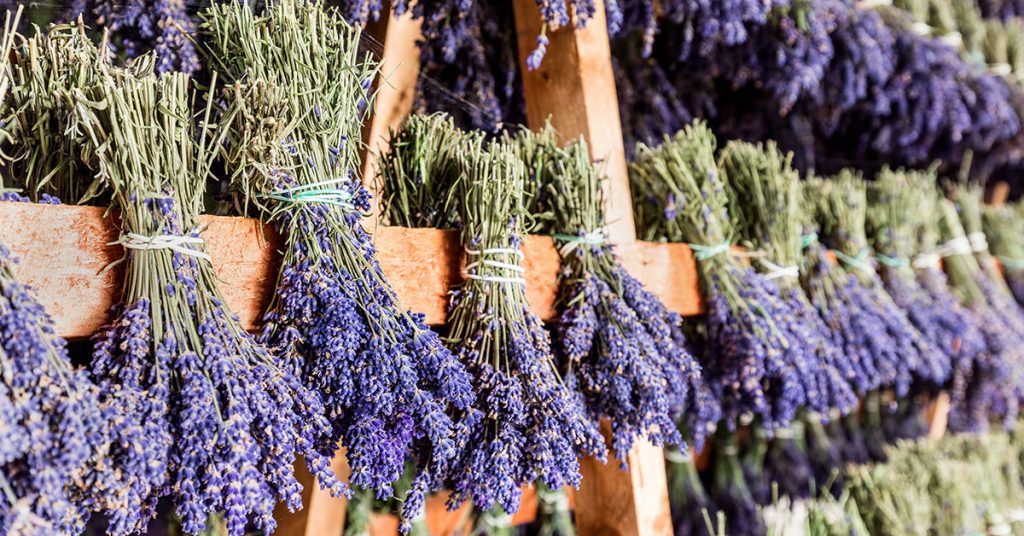
Lavender is a reliable rebloomer if you give it a quick trim after its summer flowers fade. Cut each spent stem back to the first healthy set of leaves to encourage fresh buds to form. Within a few weeks, you can enjoy another wave of soft purple blooms and the lovely fragrance lavender is known for.
Regular deadheading also helps lavender maintain a compact, tidy shape and prevents it from becoming woody. It’s a small effort with a big payoff, especially if you enjoy harvesting lavender for crafts or sachets later in the season.
Coneflowers

Coneflowers put on a spectacular display, and a little deadheading can extend that beauty into fall. Snip faded flowers just above the first set of strong leaves to encourage new blooms. By keeping the plant’s energy focused on flower production, you can enjoy vibrant pinks and purples for several more weeks.
However, coneflowers also produce seed heads that birds love, especially goldfinches. Plan to stop deadheading toward the end of the season so your local wildlife can benefit and the plants can reseed naturally.
Coreopsis
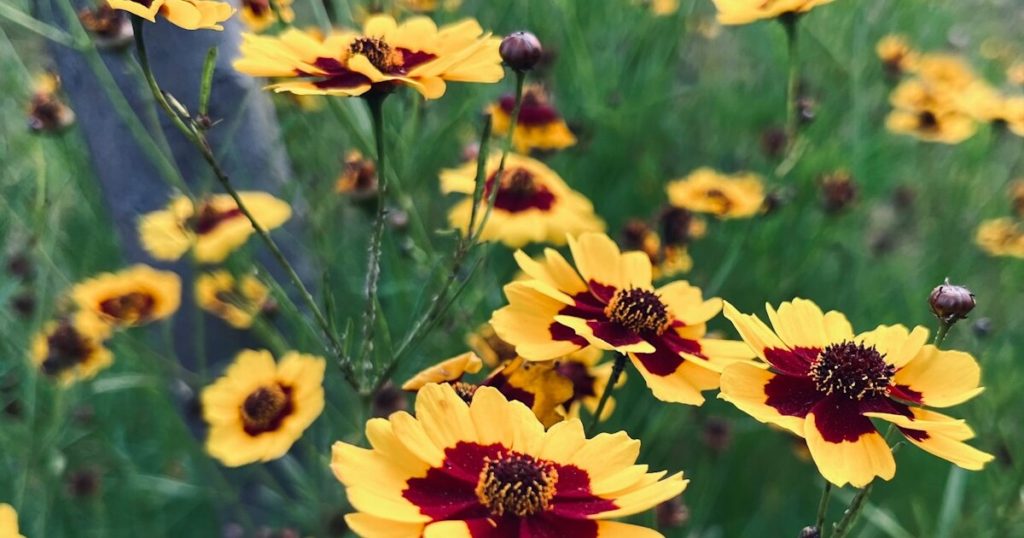
Coreopsis, often called tickseed, is one of the longest-blooming perennials when properly maintained. Removing spent flowers regularly prompts the plant to push out even more of its cheerful yellow blossoms well into autumn. Trim each stem back to a fresh set of leaves to keep the plant looking neat and vibrant.
In addition to encouraging blooms, deadheading coreopsis helps prevent it from becoming leggy. With a quick trim every week or two, you can keep these sunny flowers thriving deep into the season.
Petunias
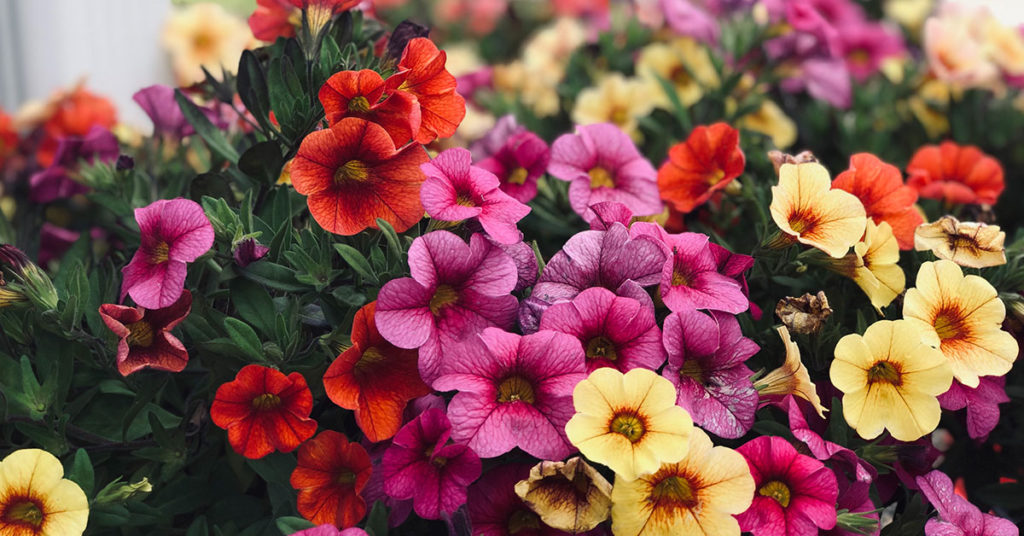
Petunias are notorious for slowing down if you leave old flowers in place, so deadheading is essential for a big fall comeback. Pinch or snip spent blooms along with the seed pods beneath them to encourage fresh blossoms.
If your petunias have grown long and scraggly, give them a light haircut while you’re at it. Cutting back stems by about a third promotes fuller growth and even more vibrant flowers in the weeks ahead.
Zinnias
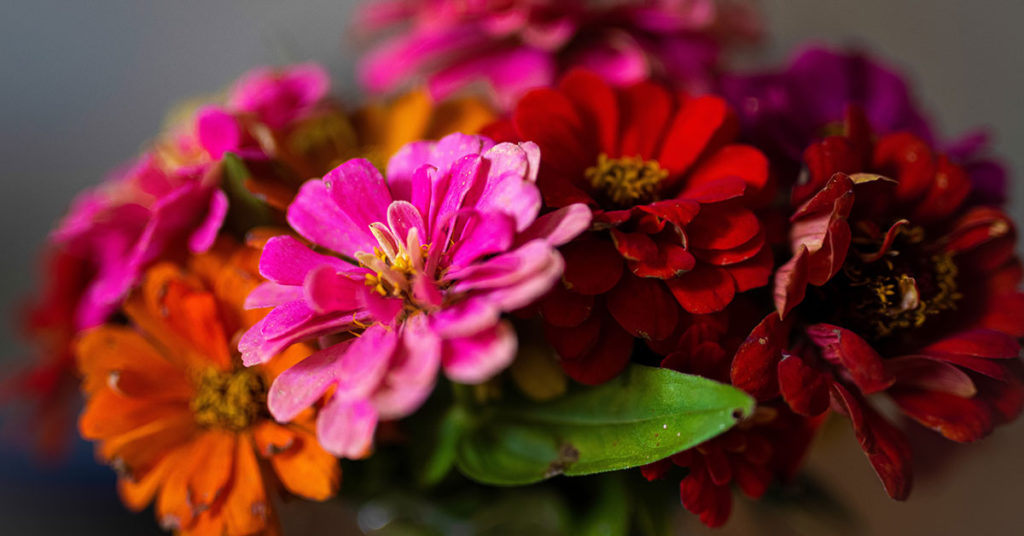
Zinnias thrive in the summer heat and respond beautifully to deadheading. Clip faded flowers just above a healthy leaf set to prompt the plant to send up new buds. With consistent trimming, zinnias can keep blooming until the first frost.
They’re also an excellent choice for cut flower gardens. Every time you snip blooms for a vase, you’re effectively deadheading, which means your plant gets the signal to produce even more flowers.
Black-Eyed Susans
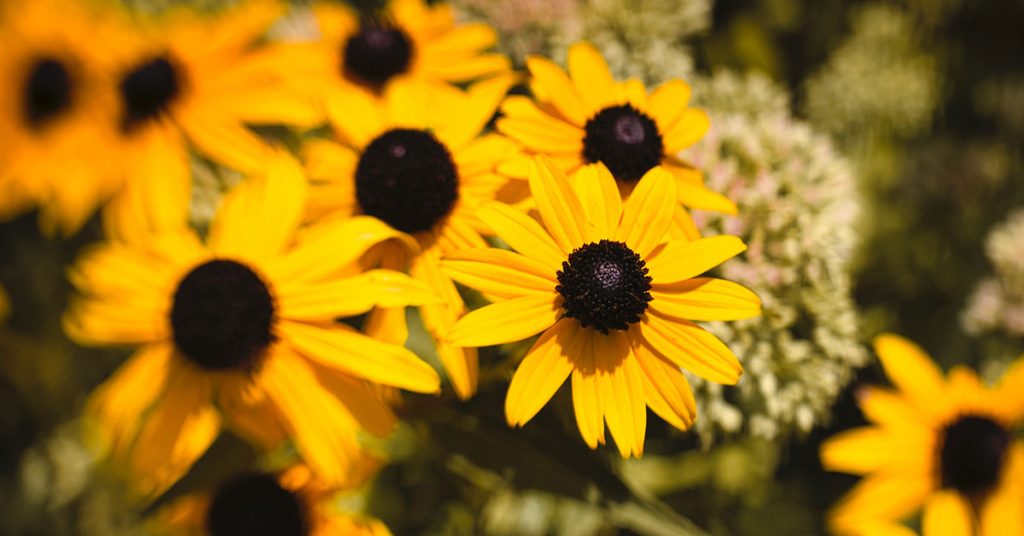
Black-eyed Susans are resilient, long-blooming perennials that reward gardeners who deadhead consistently. Trim away spent flowers just above the next leaf node to encourage another round of golden blooms before autumn arrives.
As with coneflowers, consider leaving the final round of seed heads intact. Birds love them, and the seeds can also help your plants reseed naturally, ensuring an even bigger display next year.
Salvia
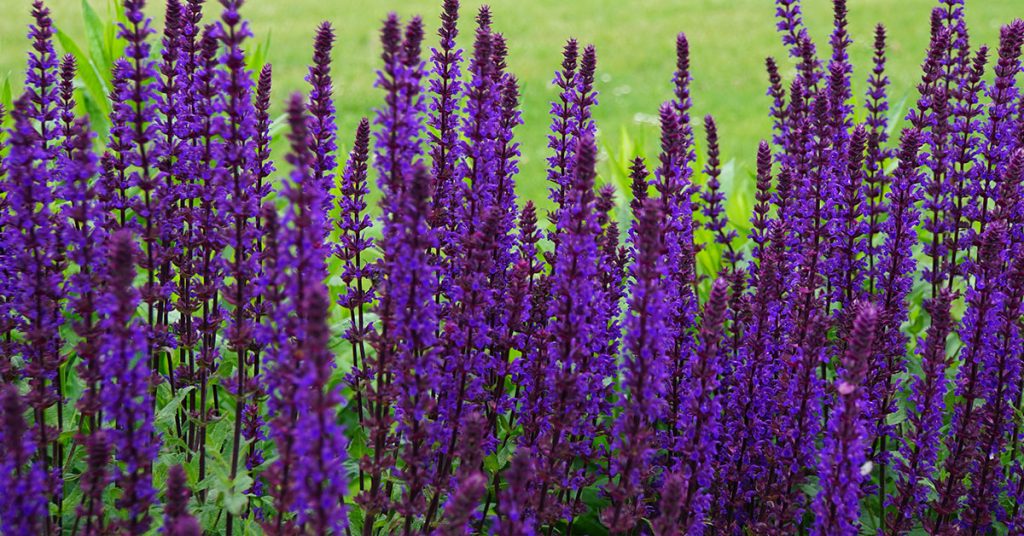
Salvia benefits tremendously from deadheading, often producing an entirely fresh flush of blooms after a mid-season trim. Cut faded flower spikes back by about one-third of their height, and within a couple of weeks, you’ll see new buds forming.
Deadheading also keeps the plant’s shape compact and encourages healthier foliage. Salvia’s late-season blooms are magnets for pollinators, so a quick trim now can make your garden buzz with activity.
Bee Balm

Bee balm is a pollinator favorite, and with a little deadheading, you can enjoy another set of brilliant blooms this season. Snip off spent flowers just above a healthy set of leaves to encourage fresh growth.
This step also helps improve airflow around the plant, which is especially important since bee balm is prone to mildew. Removing older blooms now gives you healthier plants and a stronger late-summer display.
Gaillardia
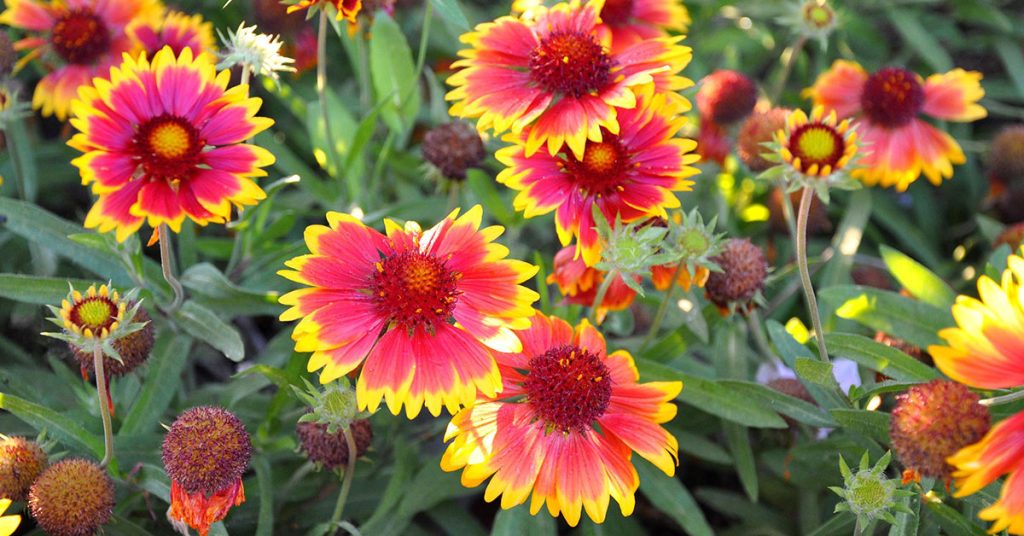
Gaillardia, or blanket flowers, are prolific bloomers that respond well to regular deadheading. Remove faded blooms down to the next set of leaves to keep these bright, fiery flowers coming until frost.
These plants also self-seed readily, so if you want more gaillardia next year, stop trimming toward the end of the season. Leaving the final blooms in place ensures the seeds can drop and naturalize your garden beautifully.
Shasta Daisies
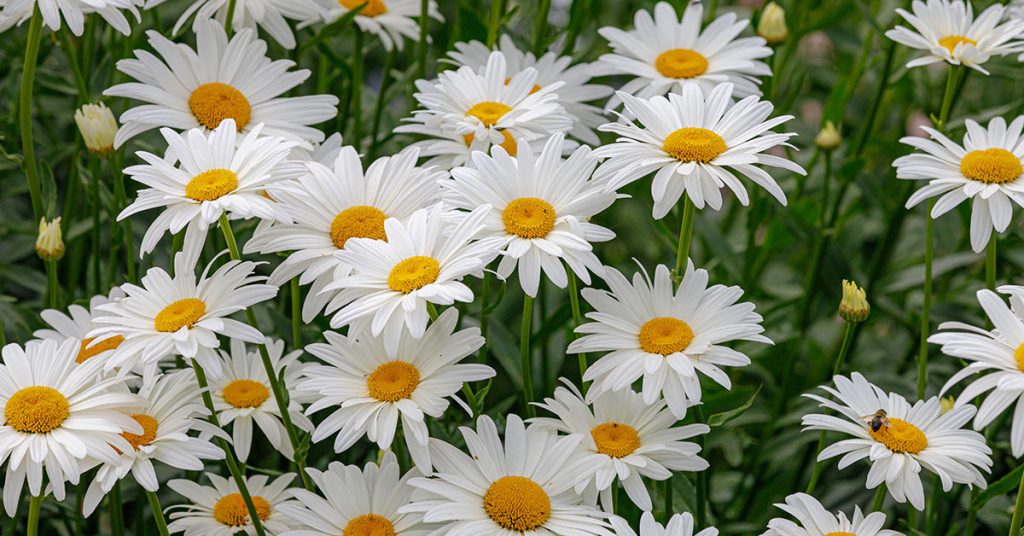
Shasta daisies often surprise gardeners with bonus blooms if they’re deadheaded at the right time. Cut spent flowers down to a fresh set of leaves to encourage the plant to redirect energy into new buds.
Even if they don’t produce a full second round of blooms, trimming back old flowers keeps the plants tidy and helps them store energy for a stronger show next summer.
Phlox
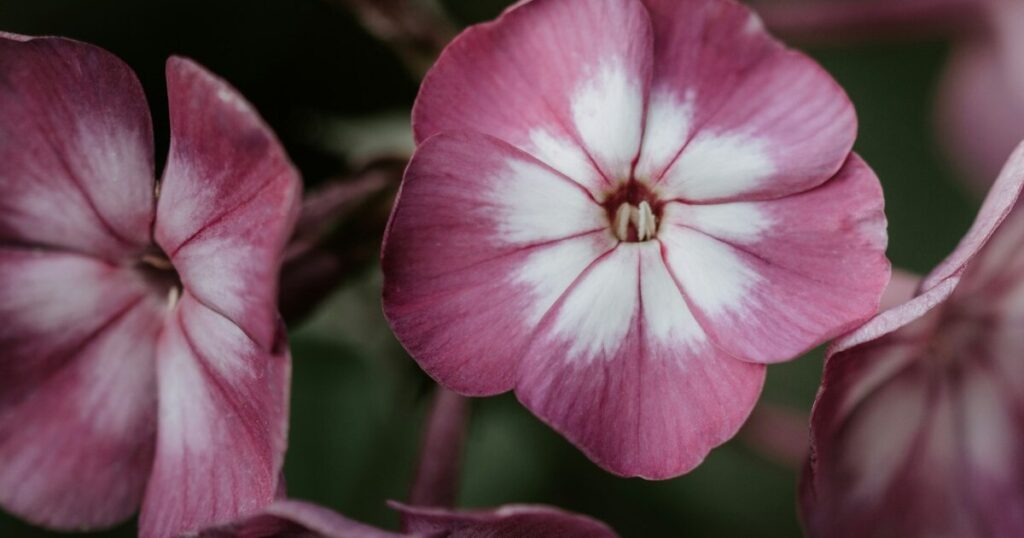
Phlox brings beautiful pops of color to summer gardens, and deadheading can keep the display going well into fall. Snip away spent flower clusters just above the next healthy set of leaves to stimulate new growth.
This is especially helpful for tall garden phlox, which can look messy after its first flush of flowers. With a quick trim, you can enjoy weeks of fresh blossoms and a neater garden overall.
Marigolds
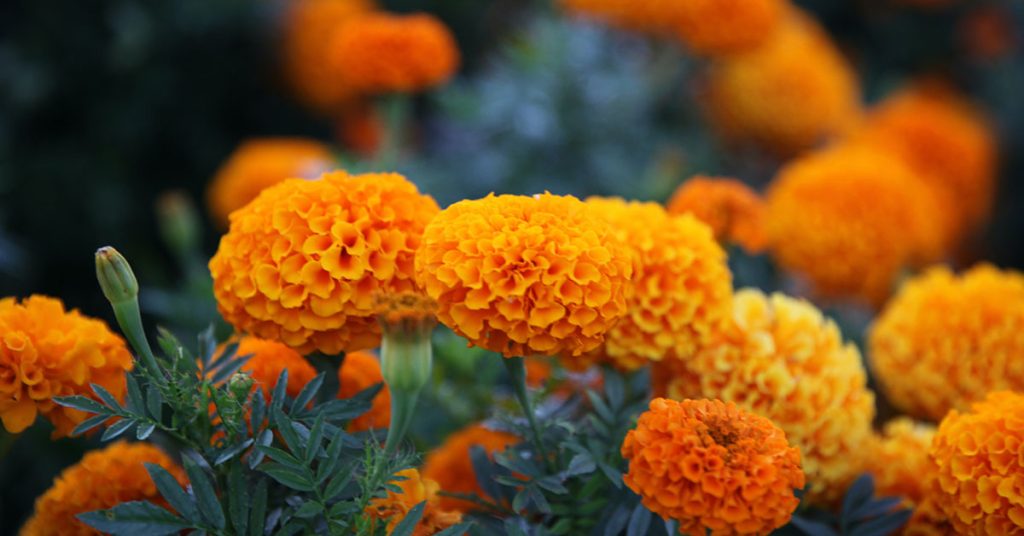
Marigolds are tireless bloomers, but they’ll keep going longer if you deadhead regularly. Pinch off fading flowers or cut the stem back to the nearest leaf node to keep new blooms coming.
This simple step also prevents the plant from setting seeds too early, which encourages marigolds to keep putting their energy into flowering instead of winding down for the season.
Geraniums
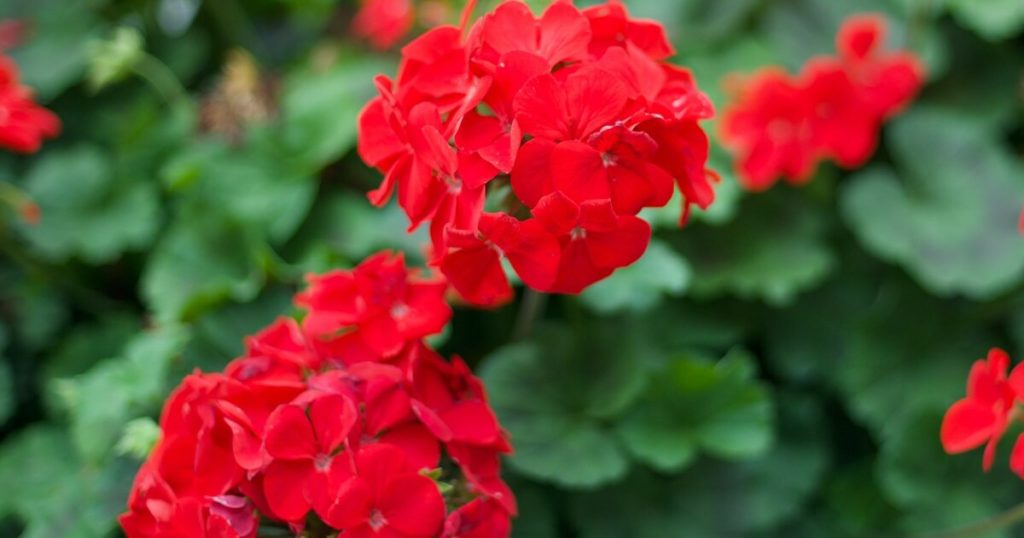
Geraniums benefit greatly from a good trim in late summer. Remove spent blooms at the base of the stem to stimulate fresh flowers and keep the plant looking lush.
If your geraniums are getting leggy, lightly prune back long stems while deadheading. This encourages fuller, bushier growth and ensures plenty of vibrant color as fall approaches.
When to Stop Deadheading
Deadheading is a powerful tool for extending the season, but knowing when to stop is just as important. As fall nears, your plants need time to form seeds and prepare for winter. Aim to pause deadheading about four to six weeks before your region’s first expected frost.
This timing allows seed-bearing plants like coneflowers, black-eyed Susans, and gaillardia to develop food for birds while also reseeding naturally. By balancing bloom extension with seed production, you’ll enjoy a gorgeous garden now and an even better one next year.