
Gardening can be both incredibly rewarding and deeply frustrating, especially when aphids decide to invade your precious plants! As a passionate gardener who’s experienced the heartbreak of aphid infestations firsthand, I understand the struggle of trying to maintain a healthy, thriving garden. That’s why I’ve spent years exploring natural methods to keep these pesky invaders at bay—discovering a selection of resilient, low-maintenance plants that not only add beauty and charm to your garden but also naturally repel aphids. These plants are my secret weapons, each with its own fascinating history, native origins, and unique behaviors that benefit the overall garden ecosystem.
In this article, I’m excited to share 13 of my favorite aphid-repelling plants that work wonders even when you’re a bit forgetful with upkeep! From vibrantly colored annuals to aromatic perennials, each plant has been chosen for its proven ability to deter aphids while attracting beneficial pollinators and providing shelter for small creatures. Whether you’re battling infestations on your veggies or simply looking to create a balanced, chemical-free garden, these plants offer a natural, sustainable solution. Let’s dive in and explore the regal array of botanical allies that help keep aphids at bay!
Marigold (Tagetes spp.)
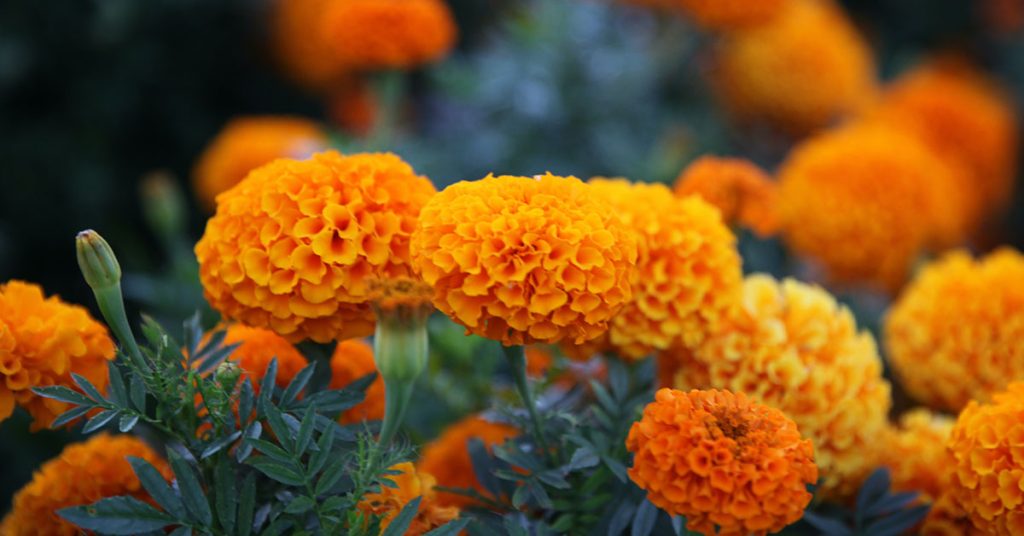
Marigolds are renowned for their cheerful, fiery blooms and their natural ability to repel a range of garden pests, including aphids! Native to the Americas, these annuals thrive in full sun and well-drained soils, making them a popular choice for both ornamental and vegetable gardens. I’ve found that the strong scent of marigolds confuses aphids and deters them from settling on nearby plants, while also attracting beneficial insects such as ladybugs that help keep pest populations in check.
Beyond their pest-repelling properties, marigolds add a burst of warm color and a sense of vitality to any garden layout. They are generally non-invasive and easy to manage, making them ideal for gardeners who prefer low-maintenance yet effective solutions. Every time I plant marigolds, I enjoy watching their radiant blossoms light up the garden, knowing they’re working silently to create a natural barrier against aphids while also enhancing the overall landscape!
Nasturtium (Tropaeolum majus)

Nasturtiums are a delightful annual that not only bring vibrant splashes of orange, red, and yellow to your garden but also serve as a natural aphid deterrent! Native to South America, these fast-growing plants flourish in sunny conditions and can tolerate poor soils, making them an excellent choice for those who need a resilient companion against pests. Their peppery scent and attractive, edible leaves have been known to repel aphids, keeping them off your more delicate vegetables while inviting a host of pollinators to visit.
In addition to their pest-repelling prowess, nasturtiums have a cascading growth habit that makes them perfect for spilling over containers or creating a living ground cover. Although they’re not considered invasive, their vigorous growth does require some regular trimming to maintain neatness. I love how these charming blooms transform any garden space into a lively, colorful haven while providing a natural defense system against aphids—a true win-win for both aesthetics and functionality!
Lavender (Lavandula angustifolia)
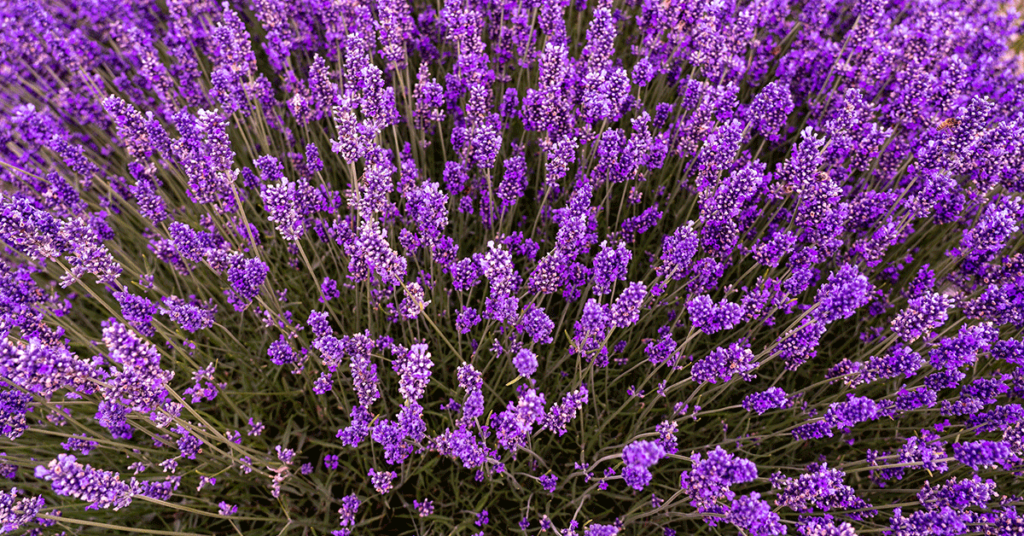
Lavender is much more than a fragrant herb; it’s a proven ally in the fight against aphids, infusing your garden with a touch of elegance and calm! Native to the Mediterranean, lavender thrives in hot, dry conditions and is renowned for its aromatic foliage and delicate purple flowers that attract bees and butterflies. I’ve noticed that the strong scent of lavender not only repels aphids but also masks the odors that can lure them in, providing a subtle yet effective shield around vulnerable plants.
Beyond its pest-repelling properties, lavender adds a timeless beauty and a soothing ambiance to any garden. It is typically non-invasive and requires minimal water once established, making it perfect for gardeners who appreciate low-maintenance, drought-tolerant plants. Every time I stroll past a patch of lavender, I’m reminded that nature often provides the best solutions—with its lovely blooms and gentle fragrance, lavender creates a royal atmosphere that keeps aphids and other nuisances at bay!
Basil (Ocimum basilicum)
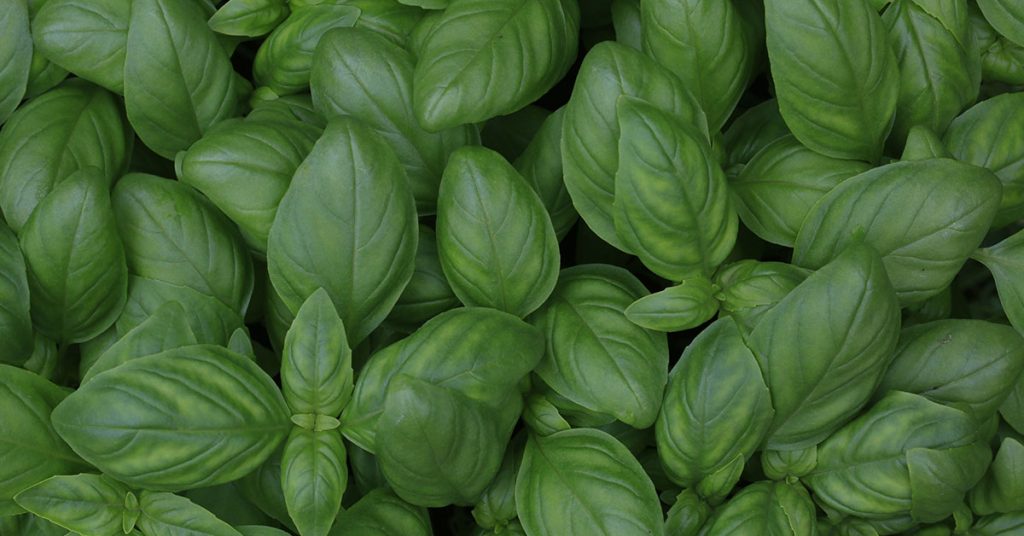
Basil is a culinary favorite that also doubles as a natural aphid repellent, making it a multi-talented addition to any garden! Native to tropical regions of central Africa and Southeast Asia, basil thrives in warm, sunny conditions and produces aromatic leaves that many aphids find unappealing. I’ve always been impressed by how basil’s strong scent not only enhances your dishes but also confuses and deters aphids from making themselves at home on your prized vegetables.
In my experience, planting basil near other sensitive crops creates a protective barrier, reducing aphid infestations naturally. While basil is generally non-invasive, it does benefit from regular pinching and pruning to encourage a bushier, more productive habit. Its dual role as a flavorful herb and a natural pest controller makes basil an indispensable companion for any gardener looking to enjoy both culinary delights and a healthier, more resilient garden ecosystem!
Garlic (Allium sativum)
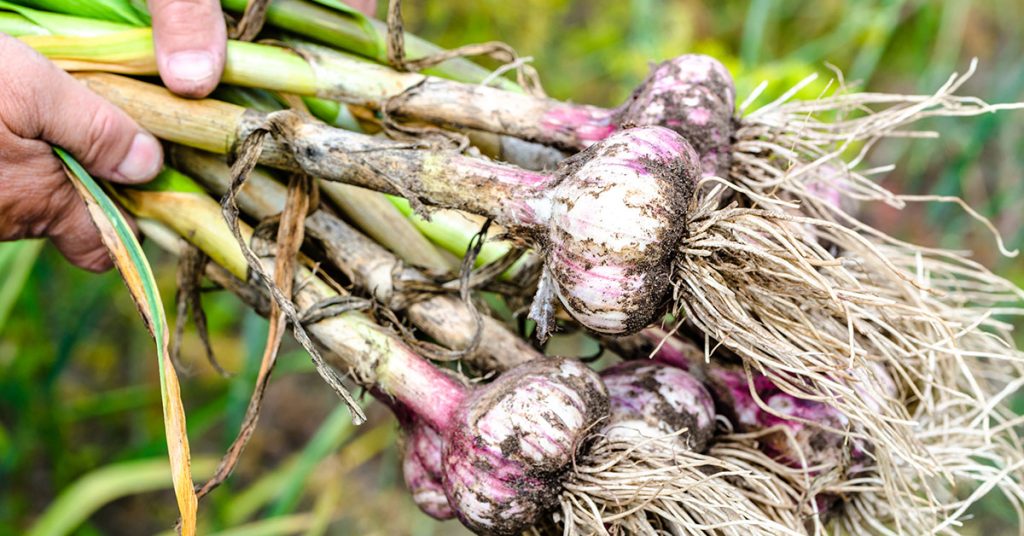
Garlic isn’t just a kitchen staple—it’s also a powerful natural repellent for aphids, offering a robust defense system for your garden! Native to Central Asia, garlic has been used for centuries both for its potent flavor and its medicinal properties. When planted near susceptible crops, its strong aroma confuses aphids and discourages them from settling on nearby plants. I often incorporate garlic into my garden beds as a living barrier, appreciating its ability to repel pests while adding a touch of culinary magic to my landscape.
In addition to its pest-repelling qualities, garlic is remarkably low-maintenance and non-invasive, making it ideal for gardeners who might occasionally forget a watering session. Its hardy nature and adaptability allow it to thrive under a variety of conditions, ensuring that even when care is sporadic, garlic continues to perform its protective role. Every time I harvest a bulb of garlic, I’m reminded that nature provides us with incredible allies—simple yet effective solutions that keep aphids and other nuisances at bay while enriching our gardens!
Mint (Mentha spp.)
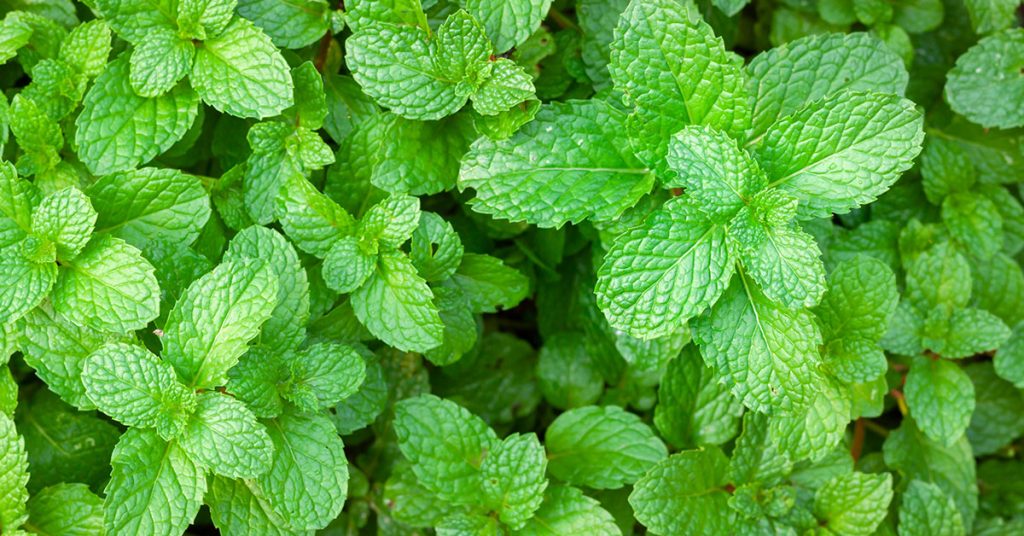
Mint is a refreshingly vigorous herb that not only enlivens your senses with its cool aroma but also acts as a natural aphid deterrent! Native to Europe and Asia, mint is known for its rapid growth and ability to thrive in a variety of conditions—even when gardening attention is less frequent. I’ve found that the potent scent of mint is off-putting to aphids, reducing their tendency to infest nearby plants while attracting a host of beneficial insects that help maintain a balanced garden ecosystem.
While mint is celebrated for its hardiness, it can spread aggressively if not contained, so it’s wise to plant it in pots or designated areas to prevent it from becoming invasive. I appreciate its robust nature and the lively green accents it adds to garden borders and herb gardens alike. With mint by your side, you’ll enjoy not only its culinary and aromatic benefits but also its natural pest-repelling prowess—a true ally for any forgetful gardener looking to keep aphids at bay!
Catnip (Nepeta cataria)
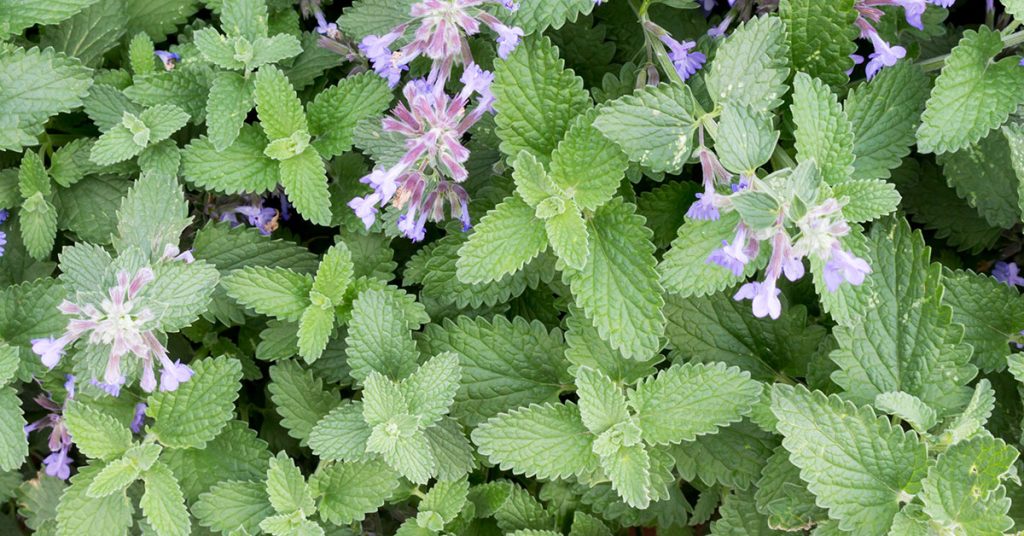
Catnip is a fascinating herb that’s well-known for its effect on our feline friends, but it also works wonders as a natural aphid repellent! Native to Europe and Asia, catnip produces clusters of small, minty-scented flowers that attract beneficial insects while deterring aphids with its strong odor. I’ve found that planting catnip near other vulnerable species creates a protective perimeter that discourages aphids from establishing a foothold, while its blooms often serve as a delightful treat for bees and butterflies seeking nectar and shelter.
Despite its reputation for attracting cats, catnip is generally non-invasive and requires minimal maintenance—perfect for gardeners who might occasionally forget routine care. Its vigorous growth and charming, aromatic presence make it a versatile addition to herb gardens, borders, or even container plantings. Every time I see catnip in full bloom, I’m reminded that nature provides incredible, multi-functional solutions—turning a simple herb into a guardian of your garden against aphid invasions!
Chives (Allium schoenoprasum)
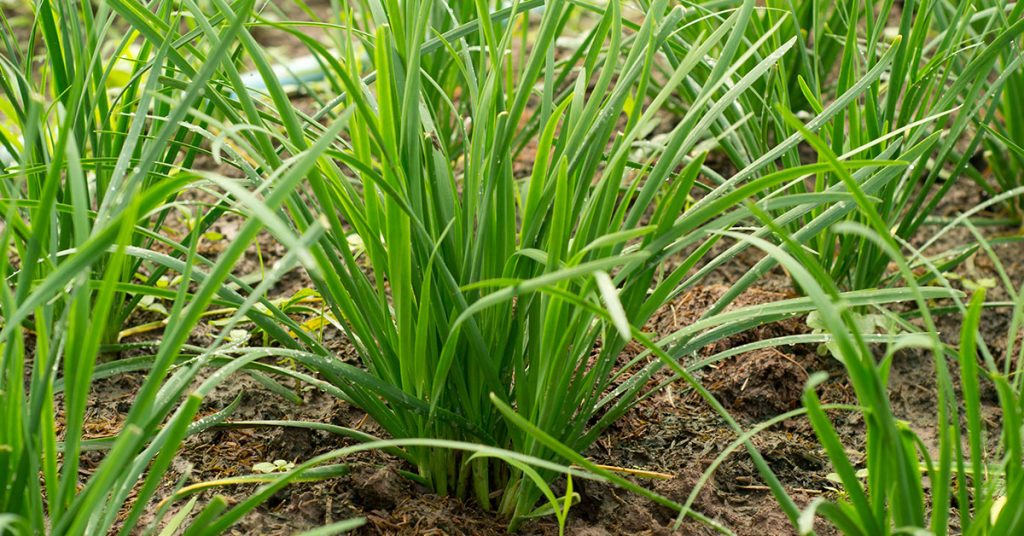
Chives are an elegant and resilient herb that not only enhance your culinary creations but also contribute to natural aphid control! Native to Eurasia, chives are known for their slender, tubular leaves and mild onion flavor, as well as their tendency to emit a subtle aroma that deters aphids from settling on nearby plants. I’ve always appreciated how these delicate perennials form neat clumps that add both texture and a pop of green to my garden, while their purple, star-shaped flowers attract beneficial pollinators like bees and butterflies.
In addition to their pest-repelling benefits, chives are non-invasive and extremely low-maintenance, making them an ideal choice for gardeners with busy lives or occasional lapses in care. Their graceful appearance and versatility allow them to be interplanted with a variety of vegetables, creating a natural defense barrier that keeps aphids at bay. Every time I harvest a bunch of chives for my kitchen, I’m reminded that even the smallest plants can offer mighty protection—truly a delight for any forgetful gardener!
Rue (Ruta graveolens)
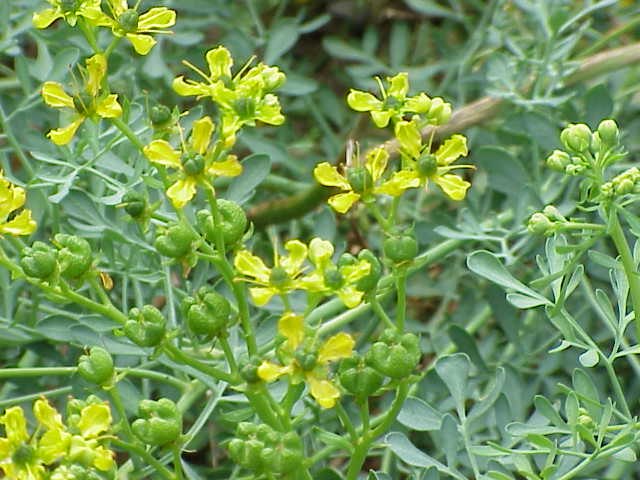
Rue is a robust, aromatic shrub that has been prized for centuries for its potent insect-repelling properties, including its ability to ward off aphids! Native to the Mediterranean region, this evergreen perennial produces a strong, bitter fragrance that naturally deters a variety of pests. I’ve found that planting rue near vulnerable garden crops creates a natural shield against aphid infestations, while its silvery-green foliage adds an interesting textural contrast to the landscape.
Although rue is not generally invasive, it does have a vigorous growth habit that requires occasional pruning to maintain its compact shape. Its resilience and low water requirements make it an excellent option for gardeners who value both beauty and practicality. Every time I encounter rue in full leaf, I’m struck by its enduring charm and effectiveness—a true reminder that nature often provides the simplest solutions to even the most persistent pest problems!
Yarrow (Achillea millefolium)
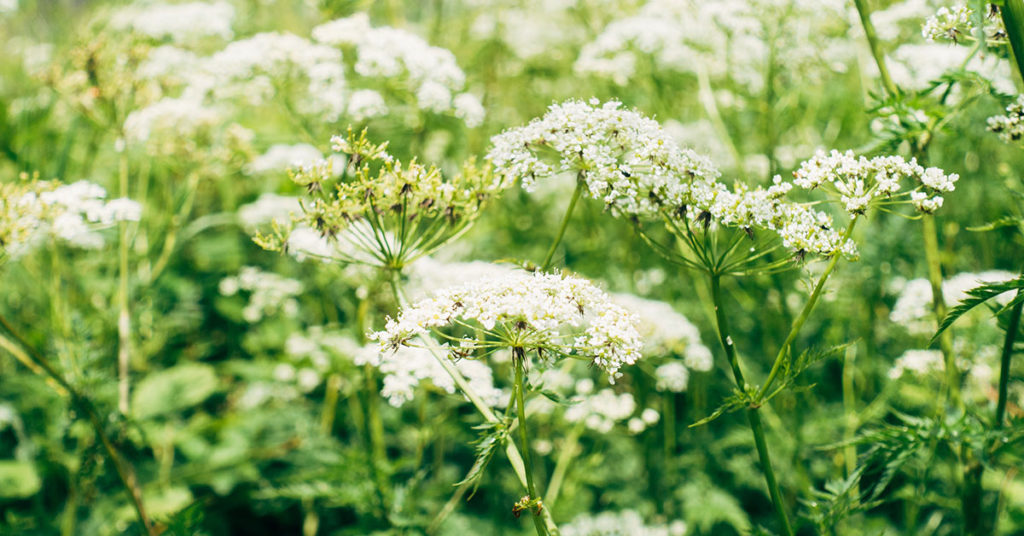
Yarrow is a hardy perennial that brings a touch of wild beauty to any garden while playing an essential role in repelling aphids! Native to temperate regions across the Northern Hemisphere, yarrow is celebrated for its fern-like foliage and clusters of small, daisy-like flowers that attract a variety of beneficial insects. I’ve observed that the subtle, herbaceous aroma of yarrow confuses aphids, making it less likely for them to target nearby plants. Its natural ability to support pollinators while deterring pests makes it an invaluable addition to any sustainable garden.
Yarrow is typically non-invasive and easy to care for, thriving even in challenging soil conditions and periods of neglect. Its vigorous growth habit and capacity to form dense clumps help suppress weeds, further contributing to a healthy garden ecosystem. Every time I see yarrow dancing in the breeze, I’m reminded of the power of natural resilience—providing both a burst of color and a shield against aphids that any gardener can appreciate!
Chrysanthemum (Chrysanthemum spp.)

Chrysanthemums are not only beloved for their vibrant, decorative blooms but also for their natural aphid-repelling properties! Native to Asia and northeastern Europe, these perennials and annuals produce large, multi-layered flowers that emit a strong scent, which aphids tend to avoid. I’ve found that planting chrysanthemums around vegetable beds and other sensitive plants creates a protective barrier that discourages aphid activity, while also inviting beneficial insects like ladybugs and lacewings to patrol the area.
Despite their robust growth, chrysanthemums are generally well-behaved and non-invasive when properly maintained. Their diverse range of colors and forms can transform any garden into a lively, festive space that exudes charm and practicality. Every time I see these captivating flowers in bloom, I’m filled with the joy of knowing that nature’s own artistry can provide an effective defense against pests—making chrysanthemums a must-have for any aphid-conscious gardener!
Tansy (Tanacetum vulgare)
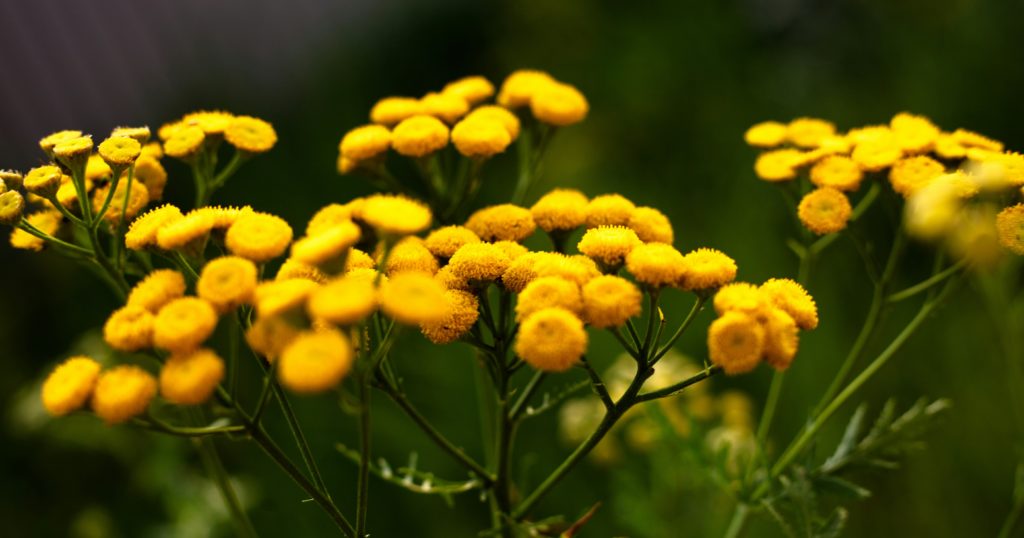
Tansy is a perennial herb with a long history of use as a natural insect repellent, and it works wonders in keeping aphids away from your garden! Native to Eurasia, tansy produces bright, button-like yellow flowers and finely divided leaves that release a potent aroma repulsive to many insects. I’ve noticed that tansy not only deters aphids but also attracts a host of beneficial predators that feed on them, creating a dynamic, self-regulating ecosystem. Its robust nature makes it a reliable ally even when other plants might suffer from neglect.
Although tansy can be invasive in some regions if left unchecked, careful management and regular trimming keep its growth under control. I appreciate its dual role as both a natural pesticide and a decorative element that adds a touch of old-world charm to any garden. Every time I spot a cluster of tansy swaying gently in the breeze, I’m reminded that sometimes, nature provides the best defense against pests—offering a sustainable solution that even the most forgetful gardener can rely on!
Borage (Borago officinalis)

Borage is a delightful, herbaceous annual that not only adds a splash of blue to your garden but also serves as an effective aphid repellent! Native to the Mediterranean region, borage is known for its star-shaped blue flowers and fuzzy leaves that exude a subtle, cucumber-like aroma unattractive to aphids. I’ve found that borage works wonders when interplanted with vegetables, creating a natural barrier that confuses aphids and encourages beneficial insects to visit. Its sprawling habit and ability to self-seed make it a charming and hardy addition to any garden.
Despite its prolific growth, borage is generally non-invasive and easy to manage with occasional thinning. I love how this plant not only supports natural pest control but also enriches the soil by attracting pollinators and serving as a favorite among bees. Every time I see borage in full bloom, I’m filled with the satisfaction of knowing that even simple, humble plants can provide powerful protection—making it a treasured asset for any gardener looking to keep aphids at bay naturally!