

There’s something magical about being greeted by the first pops of color in the garden after a long, gray winter. Those early spring blooms feel like a warm handshake from the season ahead, promising brighter days and buzzing pollinators. But here’s the secret: to get that show, you can’t wait until spring to start thinking about it. Late summer is actually the perfect time to plant many perennials that will establish their roots before winter and burst into bloom as soon as the weather allows. Planting now gives them a head start, so they’re ready to wake up at the first hint of sunshine.
I know how disheartening it can be to step into the garden in March or April and find bare soil where you were hoping for flowers. That’s why I’ve learned to think ahead. These perennials are hardy, beautiful, and full of personality—not to mention helpful for early-season pollinators like bumblebees, which are often out foraging before many plants have woken up. Some are native, others are well-behaved imports, but each has its own way of making your spring garden feel alive from the start.
Hellebores (Helleborus orientalis)
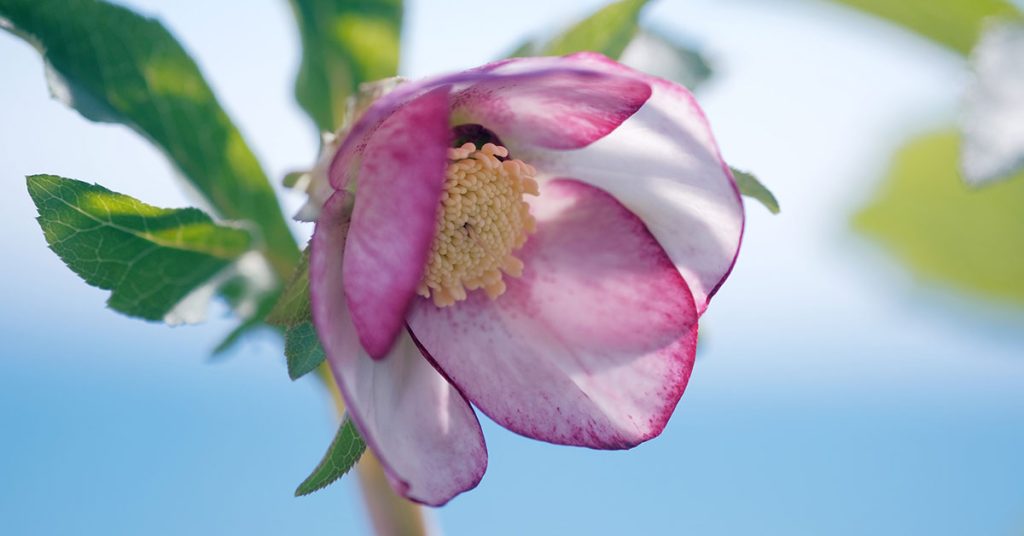
Hellebores, also known as Lenten roses, are among the earliest perennials to bloom, often flowering while there’s still snow on the ground. Native to parts of Europe and Asia, they’re not considered invasive in most regions, but they will happily self-seed in favorable spots. Their nodding blooms come in shades of white, pink, purple, and even speckled varieties, offering a refined elegance to the late winter and early spring garden. Their leathery, evergreen leaves provide shelter for small insects during the cold months, making them a subtle contributor to your garden’s ecosystem.
These flowers are a boon for early pollinators, especially bumblebees searching for nectar before other plants have emerged. I’ve had hellebores blooming in February when nothing else dared to open, and the sight of bees hovering over them felt like a sign of hope. They prefer partial shade and rich, well-draining soil, so planting them beneath deciduous trees in late summer sets them up for success.
Virginia Bluebells (Mertensia virginica)
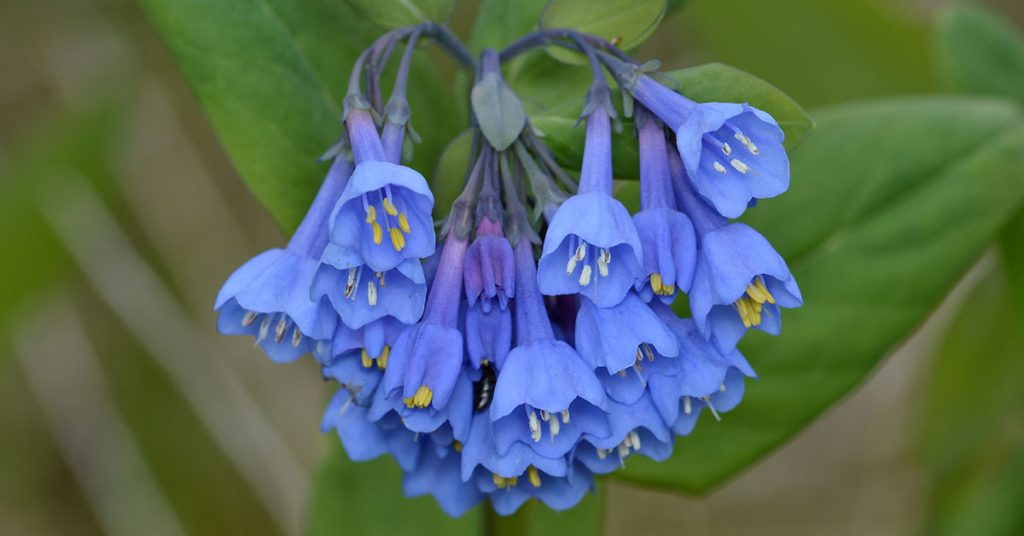
Virginia bluebells are native wildflowers in eastern North America that bring a soft, dreamy quality to early spring gardens. Their nodding clusters of pink buds open into trumpet-shaped blue flowers, which create a gentle pastel display that pollinators adore. They aren’t invasive but will naturalize over time, forming beautiful drifts if allowed to spread. In the wild, they’re often found in moist, shady woodlands, which makes them perfect companions for shade gardens at home.
These perennials attract early-season bees and even hummingbirds, and their foliage provides temporary cover for beneficial insects. One of the joys of planting them in late summer is that they have time to settle their roots before going dormant in fall, ensuring a stronger emergence in spring. I find them especially rewarding because they vanish by summer, making room for other plants to take over the space.
Crocus (Crocus spp.)
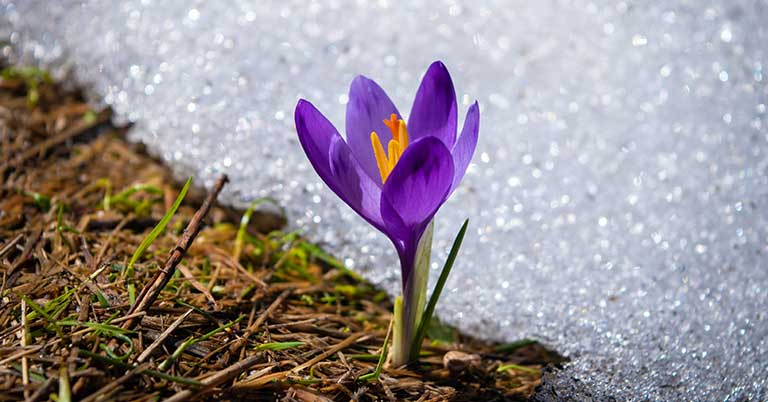
Crocuses are small but mighty spring bloomers, often appearing before the grass has even greened up. Native to Europe, North Africa, and parts of Asia, crocuses are not invasive in most gardens, though they can naturalize in lawns or beds over time. They come in vibrant purples, yellows, and whites, and their cheerful petals are often the first food source for emerging pollinators like honeybees.
Planting crocus corms in late summer gives them the cool-weather period they need to prepare for spring. I’ve had mornings where I walk outside and see a patch of snow melting around a group of crocuses—it’s like they bring their own warmth. They’re perfect for tucking into borders, rock gardens, or even containers that will sit outdoors all winter.
Pasque Flower (Pulsatilla vulgaris)
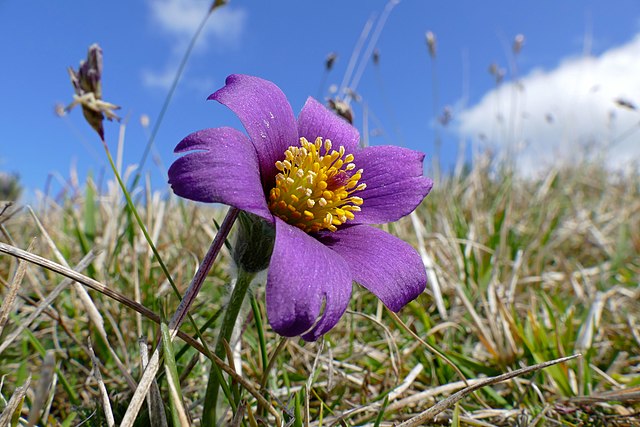
Pasque flowers are enchanting perennials that bloom in early spring with silky, bell-shaped blossoms in shades of purple, pink, or white. Native to Europe, they’re not considered invasive and actually do best in well-draining, even sandy soils. Their fine, feathery foliage emerges alongside the flowers, creating a soft texture that remains attractive after the blooms fade.
What makes them particularly special is their ability to attract early pollinators, especially solitary bees that emerge before most plants are blooming. I’ve planted them in sunny rock gardens and watched them hold their blooms through chilly April mornings, unfazed by frost. Their seed heads are just as ornamental as their flowers, with silky tufts that catch the light beautifully.
Lungwort (Pulmonaria officinalis)
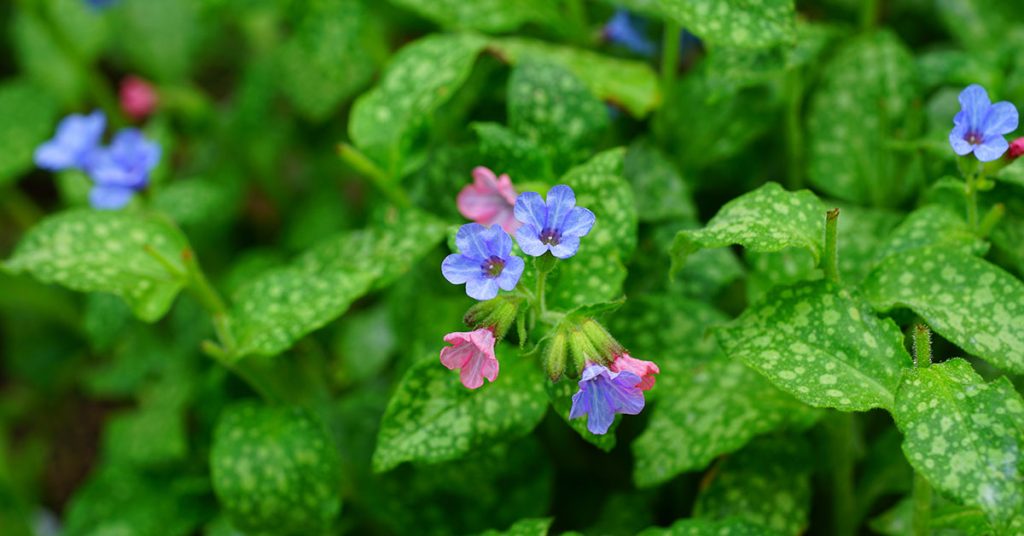
Lungwort is a charming perennial with speckled leaves and clusters of small flowers that change color as they age—from pink to blue or purple. Native to Europe and western Asia, it’s not invasive but will slowly form clumps over time. The leaves often persist through winter, providing shelter for small insects, and the early blooms are an important nectar source for bees when little else is available.
I love lungwort for shady gardens, especially under deciduous trees where it can get sun in spring before the leaves fill in. Planting it in late summer allows it to establish before winter, ensuring strong growth in early spring. Its low-growing habit also makes it a perfect groundcover for areas where you want both beauty and ecological value.
Grape Hyacinth (Muscari armeniacum)

Grape hyacinths produce dense clusters of tiny, bell-shaped flowers that resemble bunches of grapes. Native to Eurasia, they’re not generally invasive but can naturalize in the right conditions. Their vivid blue or purple blooms add a striking contrast to other early spring flowers, and they’re especially attractive to bees emerging from winter dormancy.
I’ve found that planting them in drifts creates a wave of color that feels bigger than the small plants themselves. They thrive in sunny to lightly shaded areas and adapt well to different soils. Planting the bulbs in late summer ensures they have time to root before winter, setting the stage for a vibrant display.
Bleeding Heart (Dicentra spectabilis)
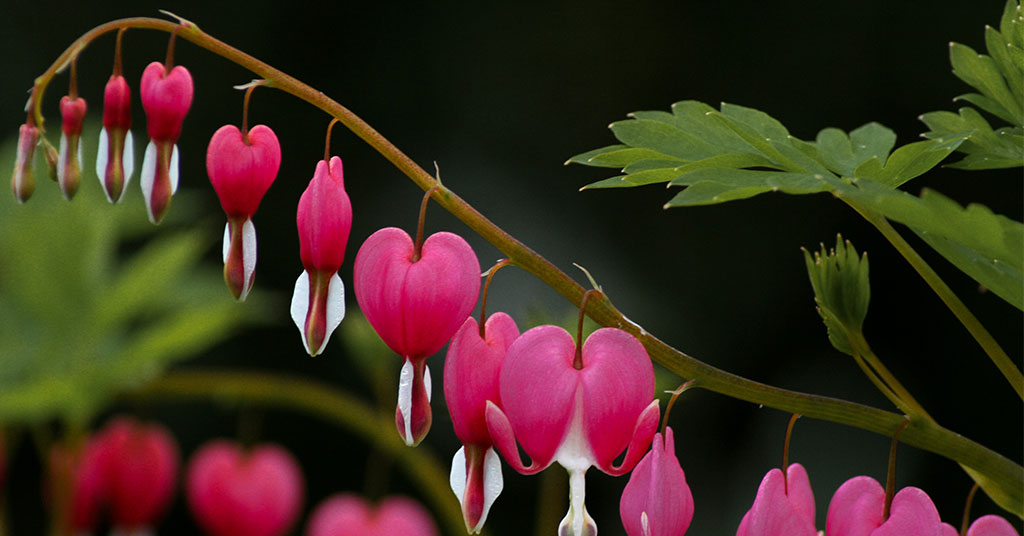
Bleeding hearts are beloved for their delicate, heart-shaped flowers that dangle along arching stems in shades of pink or white. Native to Asia, they’re not invasive in most regions, though they will slowly expand their clumps over time. Their fern-like foliage emerges early in spring, providing both beauty and cover for insects in the garden.
These plants thrive in partial shade with moist, well-draining soil. Planting them in late summer gives them time to anchor themselves before going dormant in winter. I always find it delightful when their flowers open—there’s something so uplifting about seeing them swaying in a light breeze after months of gray skies.
Snowdrops (Galanthus nivalis)
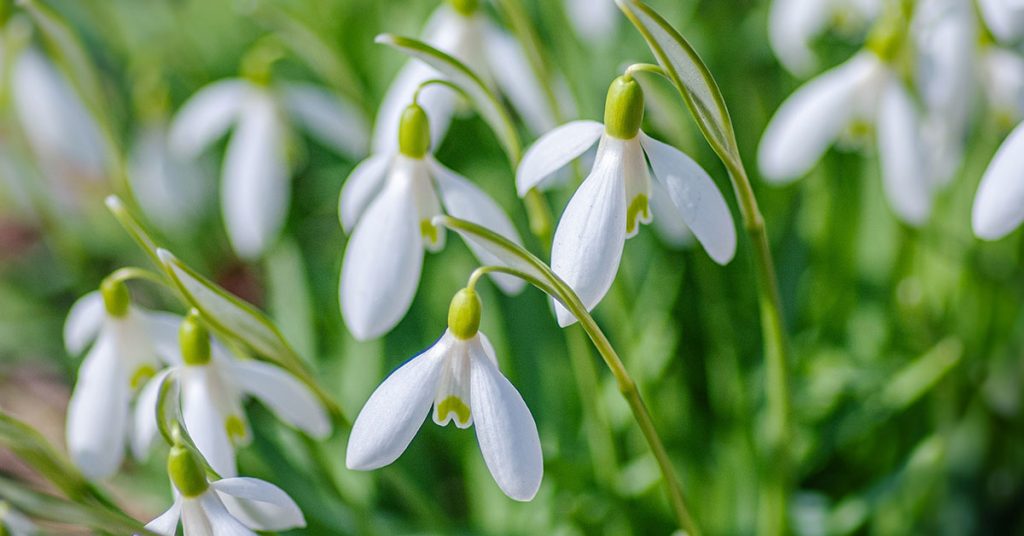
Snowdrops are among the very first flowers to emerge in spring, sometimes even blooming through snow. Native to Europe and the Middle East, they’re not considered invasive in most areas, but they do naturalize beautifully when left undisturbed. Their nodding white blooms are a beacon for early bees looking for nectar.
I adore planting snowdrops in clusters near pathways, so I can admire them up close on chilly late-winter walks. Planting the bulbs in late summer ensures they’ll be ready to make their surprise appearance as soon as temperatures start to warm. They’re a reminder that winter won’t last forever!
Siberian Squill (Scilla siberica)

Siberian squill produces electric-blue, star-shaped flowers in early spring. Native to Russia and parts of Eurasia, it can naturalize readily but isn’t typically aggressive in managed gardens. The blooms are a magnet for pollinators, especially honeybees seeking early nectar sources.
Planting in late summer gives the bulbs time to settle before the cold arrives. I like tucking them into lawns or woodland edges, where they create a carpet of color. They’re low-maintenance, tough, and dependable—just the kind of plant that keeps giving without demanding much in return.
Primrose (Primula vulgaris)
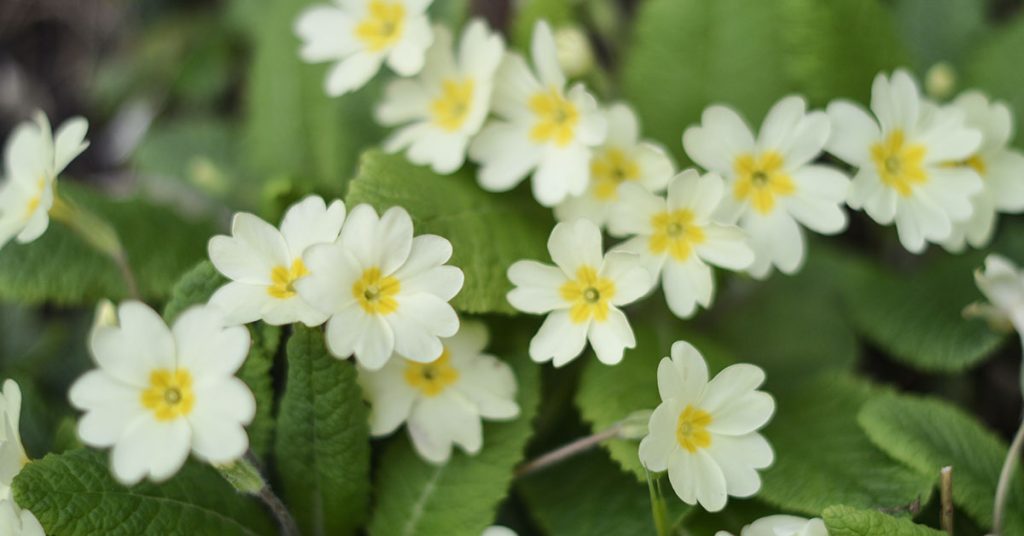
Primroses are charming perennials with a wide range of flower colors, from buttery yellows to deep reds and purples. Native to Europe and parts of Asia, they’re not considered invasive and do well in cool, moist conditions. They’re among the earliest to bloom, offering nectar for pollinators when other flowers are scarce.
Planting them in late summer allows them to develop strong root systems before winter sets in. I’ve found them especially lovely in cottage-style borders and woodland gardens, where their cheerful blooms can really shine. They’re also perfect for containers, making it easy to move them into prime viewing spots.
Anemone blanda
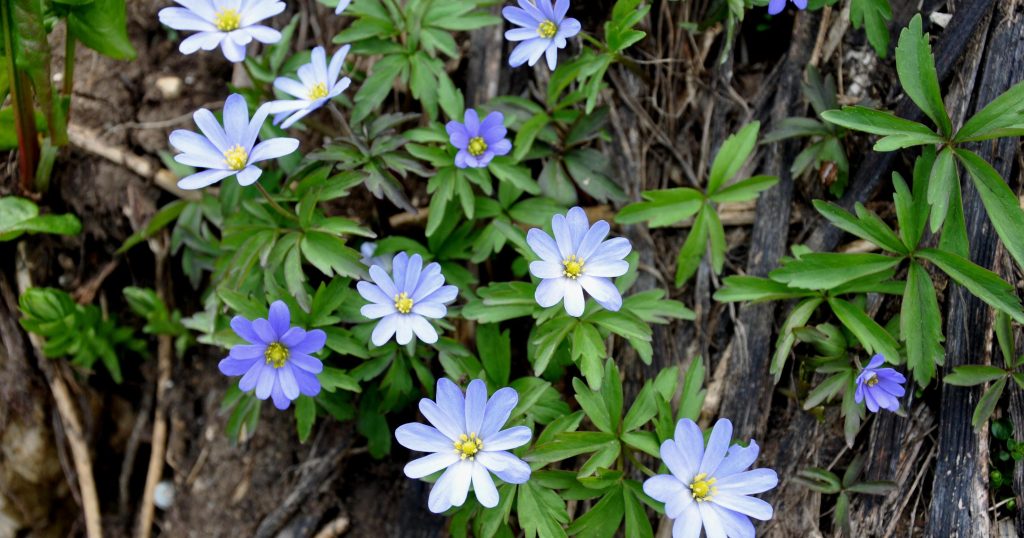
Anemone blanda, also known as Grecian windflower, produces cheerful daisy-like blooms in shades of blue, pink, or white. Native to southeastern Europe, it’s not invasive but can naturalize nicely under the right conditions. These low-growing perennials are perfect for edging pathways or planting beneath deciduous trees.
They attract early pollinators and create a gentle, whimsical feel in the garden. Planting the tubers in late summer gives them time to settle before their early-spring debut. I’ve always loved the way they open fully in the sun and close at night—it’s like they have their own daily rhythm.
Winter Aconite (Eranthis hyemalis)
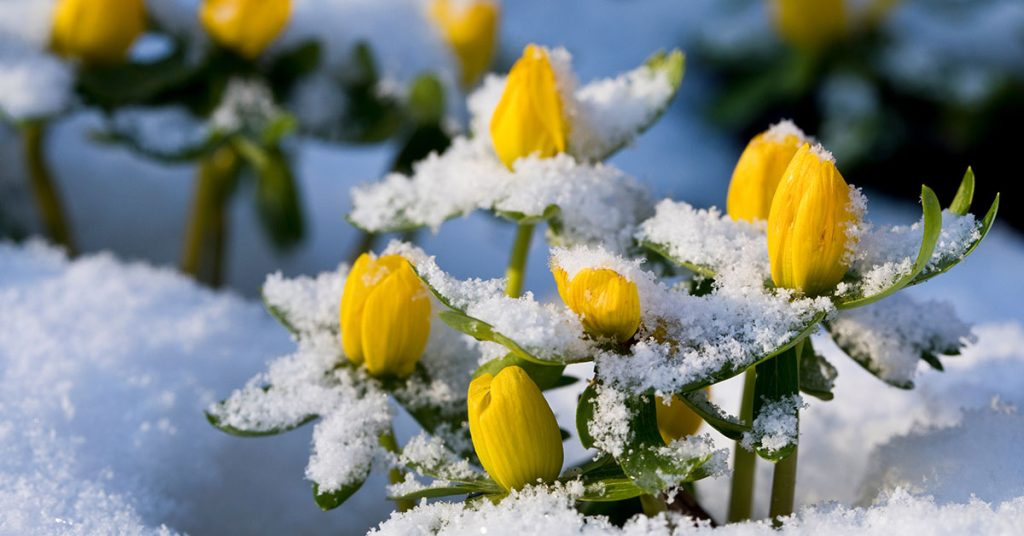
Winter aconite’s bright yellow blooms are some of the first to push through the soil in late winter, even before crocuses. Native to Europe, they’re not invasive but will naturalize in woodland areas if happy. Their cheerful flowers are a welcome nectar source for early pollinators, and their foliage provides a bit of cover for small ground insects.
Planting the tubers in late summer ensures they’ll be ready to burst into color at the first hint of warmth. I find them especially delightful near snowdrops, where their contrasting colors create a stunning early-season display. They’re a reminder that even the coldest winters give way to color and life.
Leopard’s Bane (Doronicum orientale)
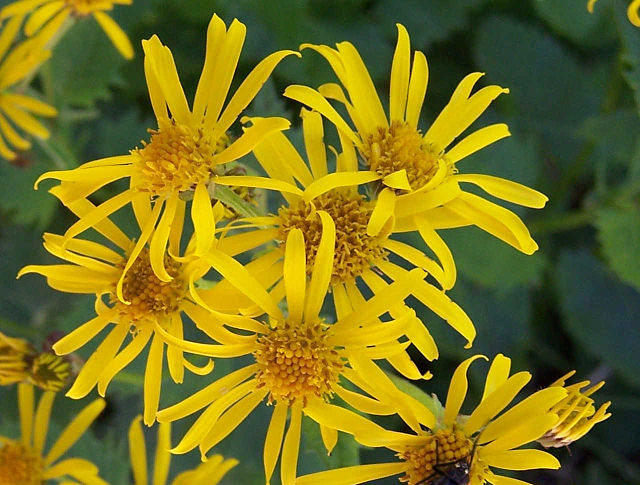
Leopard’s bane is one of the earliest daisies to bloom, with bright yellow flowers that light up shady spots in spring. Native to Europe and western Asia, it’s not invasive and is well-behaved in garden settings. The blooms attract early butterflies and bees, providing valuable nectar.
Planting in late summer allows the roots to establish before winter, resulting in a robust spring display. I love pairing it with other early bloomers for a layered effect—it’s such a cheerful way to kick off the gardening season. Its heart-shaped leaves also add texture even when it’s not in bloom.