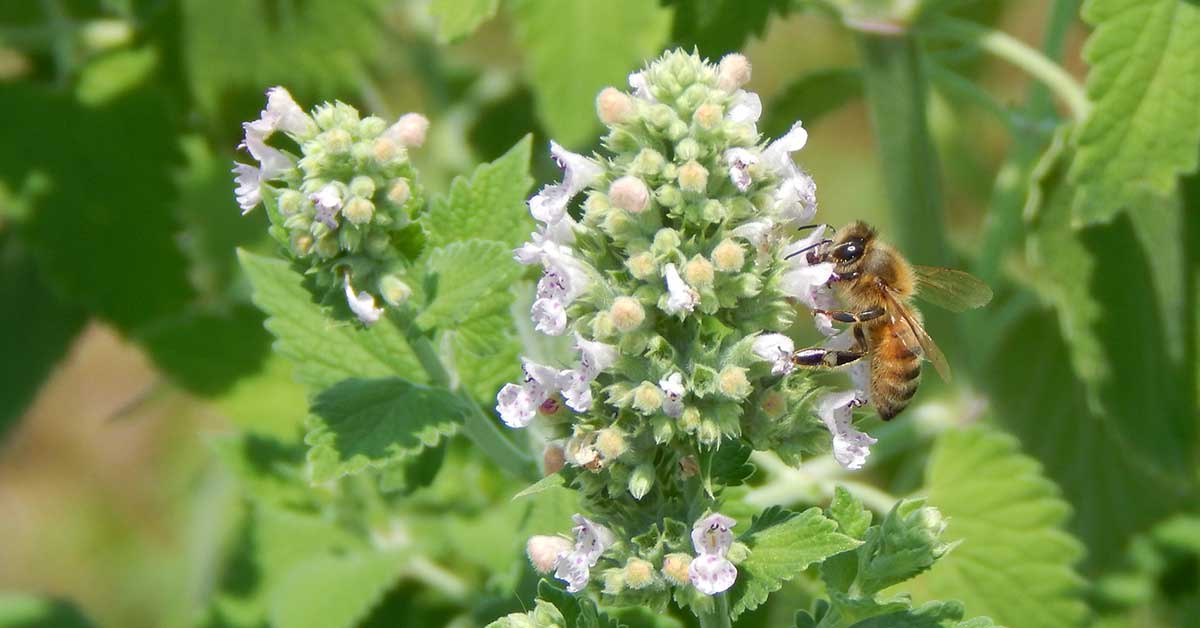

Creating your own homemade potpourri is a delightful way to infuse your living space with natural, long-lasting fragrances, and it all starts with growing the right herbs! As someone who’s spent countless hours experimenting in the garden, I truly understand the disappointment when store-bought scents aren’t quite authentic—and the struggle to find hardy, aromatic plants that can brighten up even a modest garden space. Whether pests are taking over your garden or the light just isn’t cooperating, selecting the ideal herbs can transform your indoor potpourri projects into fragrant works of art!
Over the years, I’ve honed my gardening techniques to nurture plants that not only produce captivating aromas but also attract beneficial insects and even offer tiny nesting spots for local critters. In this article, I’m excited to share 13 remarkable herbs—each with its distinct native heritage and non-invasive nature—that are perfect for making your own potpourri. Get ready to explore botanical treasures that promise to fill your home with enchanting scents and create a natural, eco-friendly ambiance!
Lavender

Lavender (Lavandula angustifolia) is a timeless favorite renowned for its soothing aroma and delicate, purple spikes that persist through long, aromatic springs. Native to the Mediterranean region, this non-invasive herb thrives in full sun and well-drained soils, making it perfect for small gardens and container cultivation. Its calming fragrance is a staple in potpourri, and the abundant blooms naturally attract bees and butterflies, adding a touch of animated beauty to your outdoor space!
In my own garden, the vibrant clusters of Lavender not only embellish the landscape with their soothing hues but also serve as a magnet for beneficial pollinators. I often see bees bustling around its blossoms, and occasionally tiny butterflies take respite among its silvery leaves. The fresh, persistent fragrance of Lavender makes it an indispensable ingredient in homemade potpourri, providing both sensory delight and an inviting, relaxed atmosphere!
Rosemary

Rosemary (Rosmarinus officinalis) offers a robust, herbaceous aroma that is both invigorating and deeply calming—perfect for infusing your potpourri with a Mediterranean twist. Native to the warm regions of the Mediterranean basin, this woody herb thrives in full sun and well-drained soil. Its non-invasive nature makes it an excellent candidate for container gardening, where its needle-like leaves release a powerful aroma that can transform your living space!
In my garden, Rosemary is a standout star that attracts a diverse array of pollinators, from buzzing bees to occasional hummingbirds drawn to its small, delicate flowers. The aromatic foliage not only enhances the flavor of culinary dishes but also lends a subtle, evergreen note to potpourri blends. Its resilience against common diseases and drought makes Rosemary a long-lasting, aromatic companion that fills my home with uplifting scents all year round!
Mint
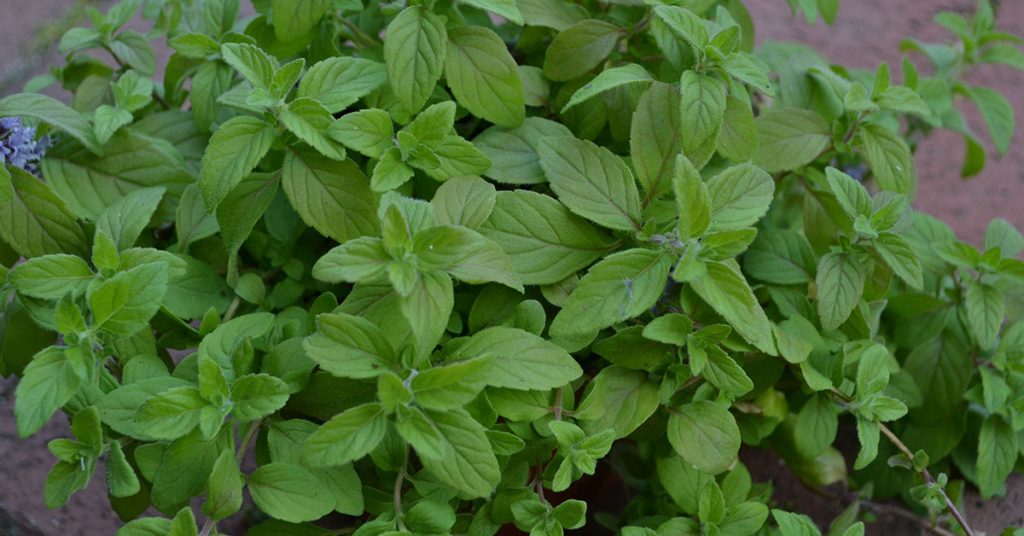
Mint (Mentha spicata or Mentha × piperita) is a refreshingly cool herb that lends a brisk, invigorating aroma to any potpourri blend. Native to Europe and Asia, Mint thrives in moist, partially shaded environments and is celebrated for its rapid, spreading growth—though it is non-invasive when grown in containers. Its crisp, aromatic leaves are a popular addition to potpourri and herbal teas alike, creating a lively, cooling effect that brightens the air!
In my own setup, Mint is a veritable magnet for beneficial insects—tiny bees, hoverflies, and even a few curious butterflies find its scent irresistible. I enjoy how its lush, green foliage creates a living carpet that enhances the overall charm of my garden boxes, often providing a natural habitat for small critters seeking shelter. Whether used as a standalone accent or blended with other herbs, Mint is a versatile and essential ingredient for creating a refreshing, balanced potpourri.
Lemon Balm
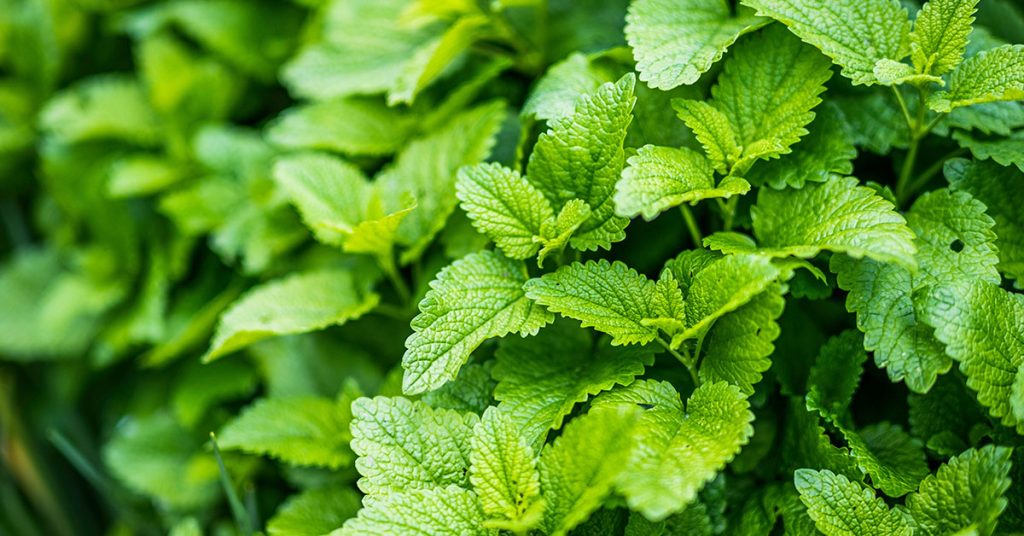
Lemon Balm (Melissa officinalis) is cherished for its bright, citrus-like fragrance and soft, lemon-scented leaves that add a cheerful note to any homemade potpourri. Native to southern Europe and the Mediterranean, this herb thrives in partially shaded, well-drained areas and remains non-invasive when contained. Its delicate, heart-shaped leaves not only release a subtle, refreshing aroma but also provide a burst of uplifting energy that lightens the mood!
In my own garden, Lemon Balm is a delightful treat—its gentle, lemony scent attracts a host of pollinators such as bees and butterflies, which play a crucial role in maintaining a balanced microecosystem. I often notice these tiny visitors settling on the foliage, creating an animated display of natural harmony. Its versatility and gentle aroma make Lemon Balm an indispensable addition to any potpourri blend, bringing a touch of sunlit freshness to every mix!
Sage
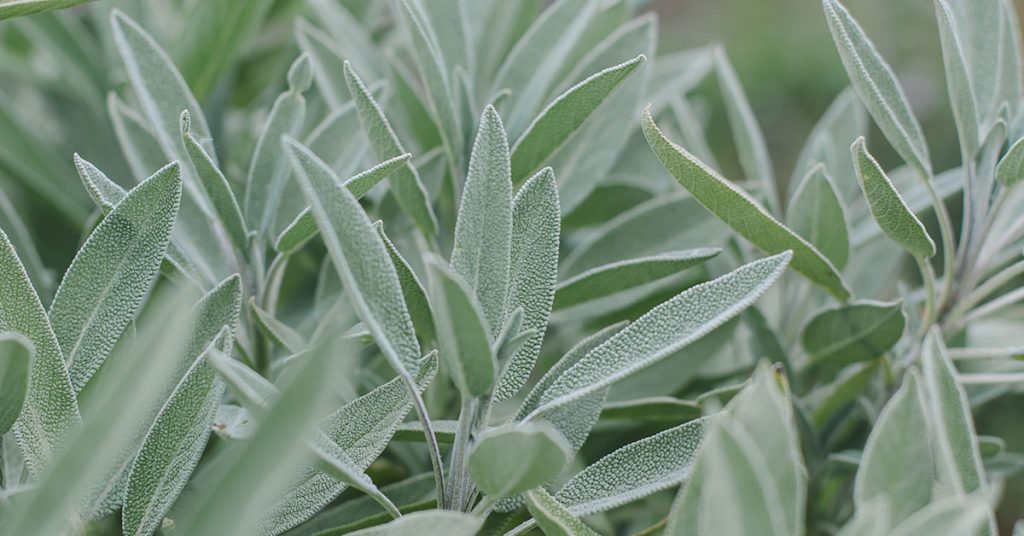
Sage (Salvia officinalis) is a perennial favorite known for its earthy, warm fragrance that deepens the complexity of any potpourri mix. Native to the Mediterranean region, Sage thrives in full sun and well-drained soils and is non-invasive when cultivated in containers or garden beds. Its rugged, gray-green leaves provide a robust backdrop to more delicate scents and help lend an herbaceous depth to your aromatic creations.
In my garden, Sage not only exudes a comforting aroma but also attracts bees and small butterflies to its occasional white or purple flower clusters. I love how its textured leaves serve as a natural, inviting canvas for these beneficial insects, which sometimes take refuge in the robust, sprawling growth. Sage’s enduring and layered fragrance makes it a perfect complement to more floral herbs in potpourri, ensuring a symphony of aromas that delight the senses!
Thyme
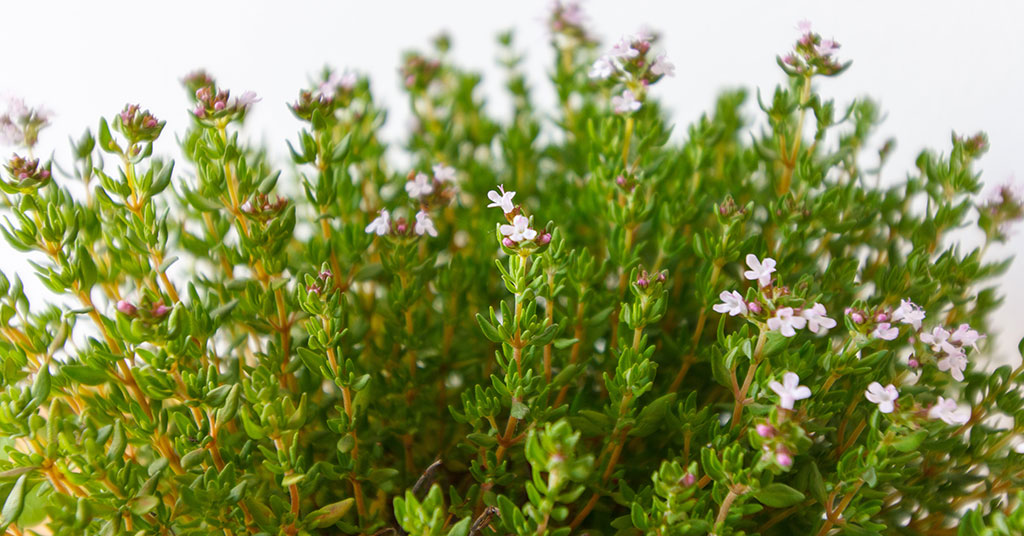
Thyme (Thymus vulgaris) is a small yet mighty herb that adds an unexpectedly potent layer of spice and warmth to your potpourri. Native to the Mediterranean, it thrives in sunny, well-drained conditions and is completely non-invasive, making it a splendid choice for container gardening and small garden patches. Its tiny, aromatic leaves pack a burst of flavor and fragrance that can subtly elevate your homemade blends to new heights.
In my own indoor garden, Thyme constantly surprises me with its resilience and the way it attracts tiny pollinators such as small bees and minute butterflies. I’ve even seen these tiny critters using its low, spreading mats as a safe nook during cool evenings. Thyme’s adaptability, combined with its rich, herbal scent, makes it an indispensable ingredient in crafting balanced, aromatic potpourri that lingers beautifully in any room.
Chamomile’
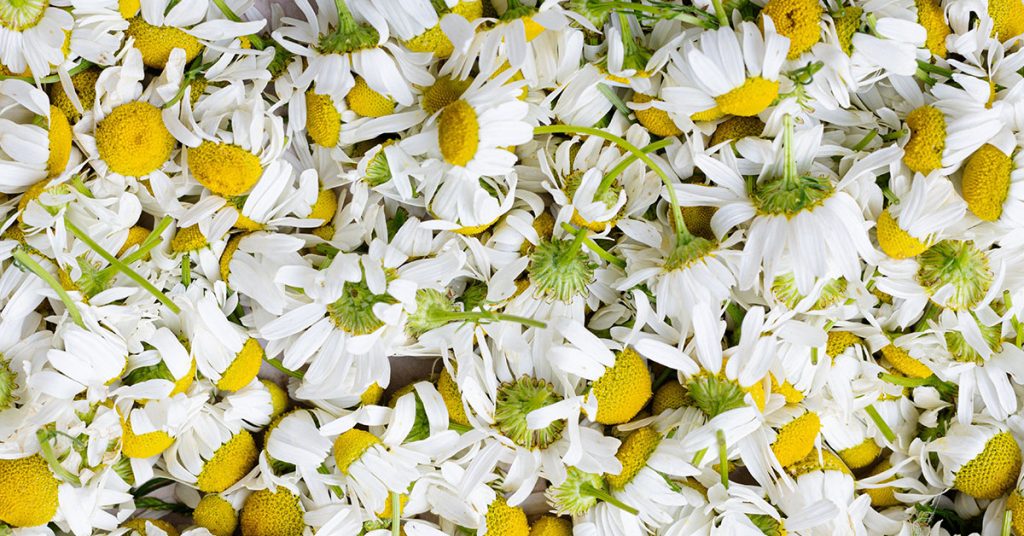
Chamomile (Matricaria chamomilla or Chamaemelum nobile) is a delicate, soothing herb celebrated for its calming, apple-like fragrance that enhances the sensory appeal of potpourri. Native to Europe and Western Asia, Chamomile thrives in full sun to partial shade and is non-invasive, which makes it an excellent candidate for small garden boxes or container setups. Its dainty, white-petaled blossoms, set against soft green foliage, lend an air of gentle tranquility that enriches any aromatic blend.
In my own garden, Chamomile’s understated beauty and delicate scent create a tranquil haven that attracts small, beneficial bees and other pollinators. It’s a joy to watch as these little visitors hover among the blossoms, supporting a natural, balanced ecosystem while adding to the overall charm of the potpourri. The relaxing aroma and subtle visual appeal of Chamomile make it a must-have for anyone looking to create a potpourri blend that soothes the mind and elevates the spirit!
Marjoram
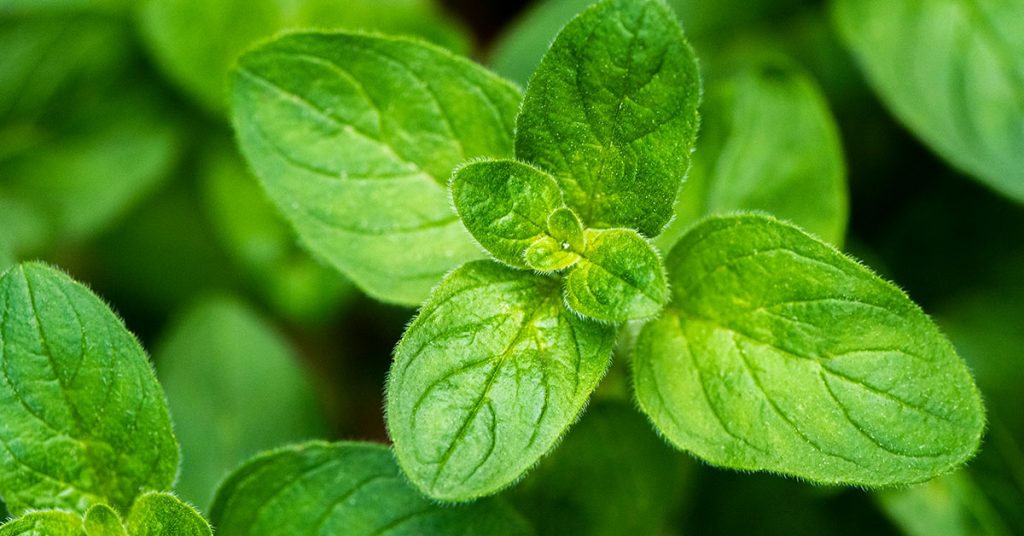
Marjoram (Origanum majorana) is a tender, sweet herb known for its subtle, floral fragrance and delicate leaves, making it a lovely addition to homemade potpourri. Native to the Mediterranean region, Marjoram thrives in well-drained soil and full sun, and its non-invasive growth makes it a perfect candidate for container or garden box cultivation. Its soft, aromatic foliage and small, pastel blossoms provide a gentle, refined note that complements stronger scents beautifully.
In my own garden, Marjoram has become a personal favorite because of its consistent, mellow aroma that attracts beneficial insects—small bees and butterflies are often seen dancing among its flowers. I appreciate how its understated, graceful form offers a soothing contrast to more vigorous herbaceous scents, creating a balanced, harmonious blend in my potpourri mixes. Its easy maintenance and delicate beauty make Marjoram a delightful addition to any aromatic collection!
Basil
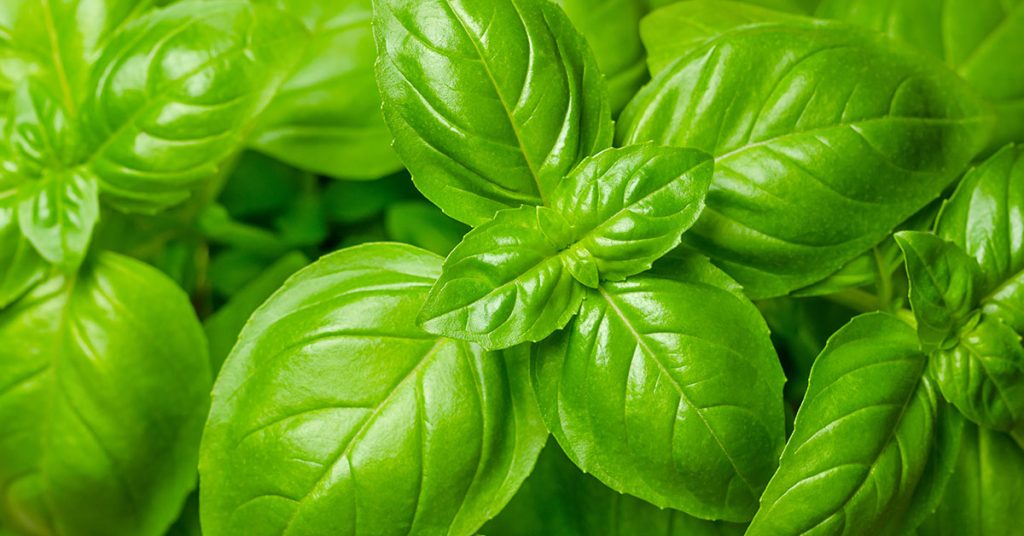
Basil (Ocimum basilicum) is a versatile herb that brings a burst of sweet and spicy fragrance, lending vibrant character to homemade potpourri. Native to tropical regions of Asia, Basil adapts wonderfully to container growth and is non-invasive when carefully managed in indoor or small outdoor garden boxes. Its glossy, green leaves and occasional tiny white or purple blossoms add a lush, aromatic touch that enhances both culinary dishes and fragrance blends.
In my own windowsill garden, Basil is a vivid centerpiece—its rich aroma attracts bees and butterflies that help pollinate its delicate flowers and create a natural, buzzing symphony. I particularly enjoy how its leaves contribute to a layered, complex scent profile in potpourri, delivering a refreshing yet robust herbal note that delights the senses. With its rapid growth and versatile use, Basil is an indispensable ally for anyone wishing to craft potpourri that bursts with garden-fresh vitality!
Oregano

Oregano (Origanum vulgare) is a robust, sun-loving herb that adds a warm, peppery note to any potpourri blend. Native to the Mediterranean region, Oregano thrives in full sun and well-drained soil, and its non-invasive, spreading habit makes it ideal for container gardens. Its aromatic leaves release a distinctive, earthy scent that enhances the complexity of homemade potpourri, providing both flavor and fragrance in every whiff.
In my own gardening adventures, Oregano consistently draws a flurry of small bees and butterflies to its subtle blossoms, which lend a charming, delicate detail to the plant’s rugged foliage. I enjoy how its compact growth encourages a natural balance, offering a little haven for beneficial insects that contribute to the overall garden ecosystem. Its hearty aroma and ease of care make Oregano a perfect ingredient for potpourri that is both grounding and invigorating!
Catnip
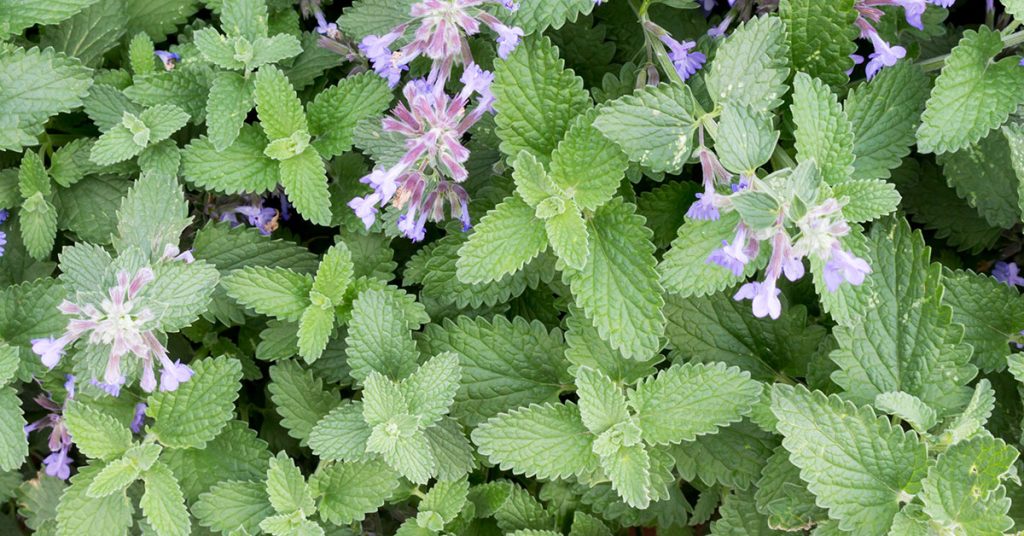
Catnip (Nepeta cataria) is a playful herb known for its delightful, slightly minty aroma and is a fascinating addition to homemade potpourri blends. Native to Europe and now popular in North America, Catnip thrives in well-drained soil under full sun to partial shade and remains non-invasive when grown in containers. Its fuzzy, heart-shaped leaves exude a potent fragrance that not only appeals to humans but also often attracts cats—a fun bonus for pet lovers!
In my garden, Catnip frequently turns heads as its soft, aromatic foliage draws in a host of beneficial insects, such as small bees and even tiny butterflies. I’ve observed that its dense growth sometimes provides the perfect, cozy nook for little critters to take shelter or even nest temporarily. Its unexpected charm and robust, lingering aroma make Catnip a unique and dynamic ingredient in potpourri, adding both whimsy and warmth to your aromatic collection!
Lemon Verbena
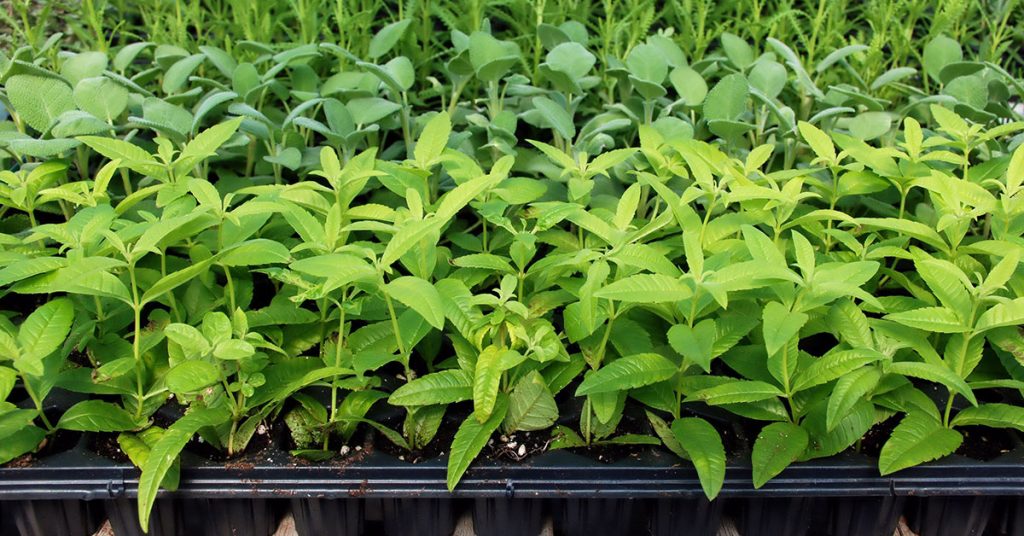
Lemon Verbena (Aloysia citrodora) is a herb that stands out for its intensely lemony fragrance and finely divided, feathery leaves—ideal for creating bright, uplifting potpourri blends. Native to South America but widely naturalized in warmer climates, Lemon Verbena thrives in full sun and well-drained soil and is considered non-invasive when grown in contained settings. Its powerful citrus notes can instantly brighten any room, making it a prized addition to homemade scent collections.
In my own windowsill garden, Lemon Verbena never fails to enchant—its crisp, fresh aroma attracts bees and butterflies that appreciate its nectar, while its delicate texture adds an elegant visual element. I find that the striking scent of Lemon Verbena not only invigorates the space but also blends beautifully with other floral or herbal aromas, creating a layered, refreshing potpourri that sparks joy and energy. Its rapid spread in contained environments means you can enjoy its vibrant presence without worry!
Calendula

Calendula (Calendula officinalis) is a cheerful herb with bright, sunny blooms that infuse your potpourri with both color and a subtle, spicy aroma. Native to the Mediterranean, Calendula adapts well to container gardening and is non-invasive—making it a delightful addition for those short on space. Its vivid orange or yellow flowers are a natural magnet for beneficial insects like bees, creating a lively microecosystem in your garden box that enhances its overall charm!
In my garden, Calendula brings an unexpected burst of energy—its blooms serve as a natural focal point among other herbs, while its mild, earthy fragrance adds depth to any potpourri blend. I’ve noticed that the delicate petals sometimes offer a safe haven for tiny beneficial insects, such as hoverflies, which further contribute to a balanced, thriving garden ecosystem. The radiant beauty and natural resilience of Calendula make it an excellent choice for anyone looking to create homemade potpourri that is as nourishing for the senses as it is visually stunning!