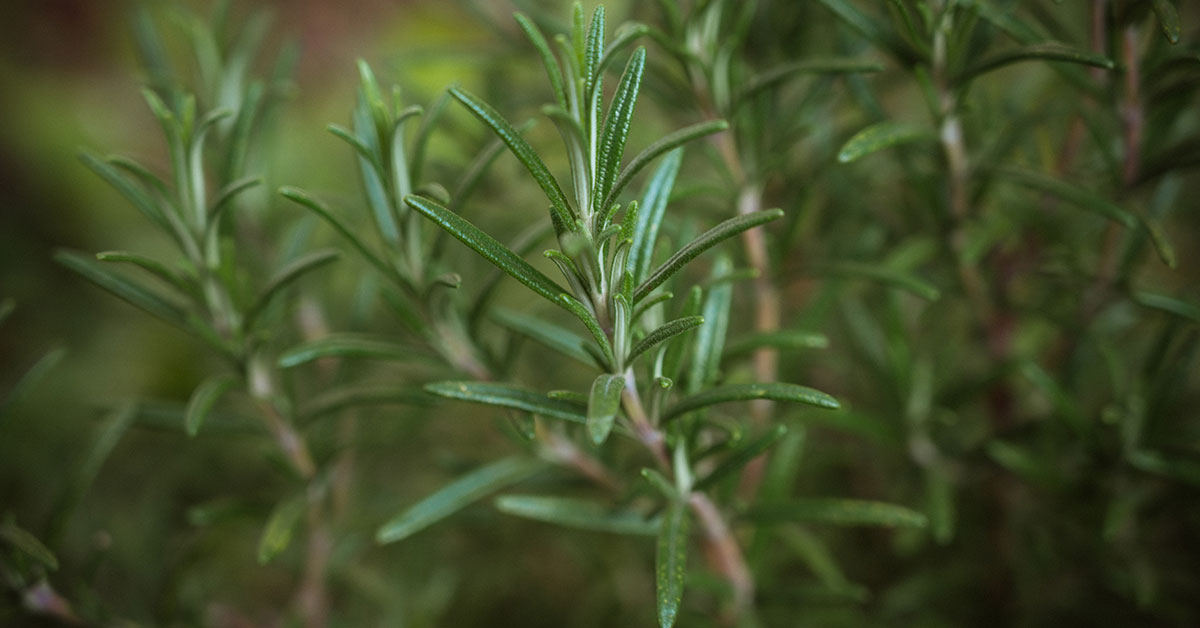

Gardening in containers is one of the most versatile ways to cultivate your favorite herbs—even if you have limited space or harsh conditions. As someone who’s spent countless hours experimenting with small-scale gardening, I understand the joy of watching tender leaves and fragrant blooms emerge in a pot on a sunny windowsill, even when pests sometimes try to spoil the fun. Over time, I’ve discovered that some herbs not only survive but truly thrive in container gardens, offering robust flavors, delightful aromas, and a charming attraction for beneficial insects. These carefully selected herbs have rich native histories and are non-invasive, making them perfect for the confined yet creative spaces many of us call home!
On the flip side, not every herb is suited for container living—some require deep, expansive soil or a natural landscape to fully express their beauty and vigor. I’ve learned the hard way how disheartening it can be when a favorite herb simply won’t thrive in a pot, despite your best efforts. In this article, I’m excited to share 13 herbs that flourish in container gardens along with 7 that are better left in the ground. Each section dives into where these herbs are native, their growth behaviors, and even how they attract pollinators or offer nesting spots for tiny critters.
Basil
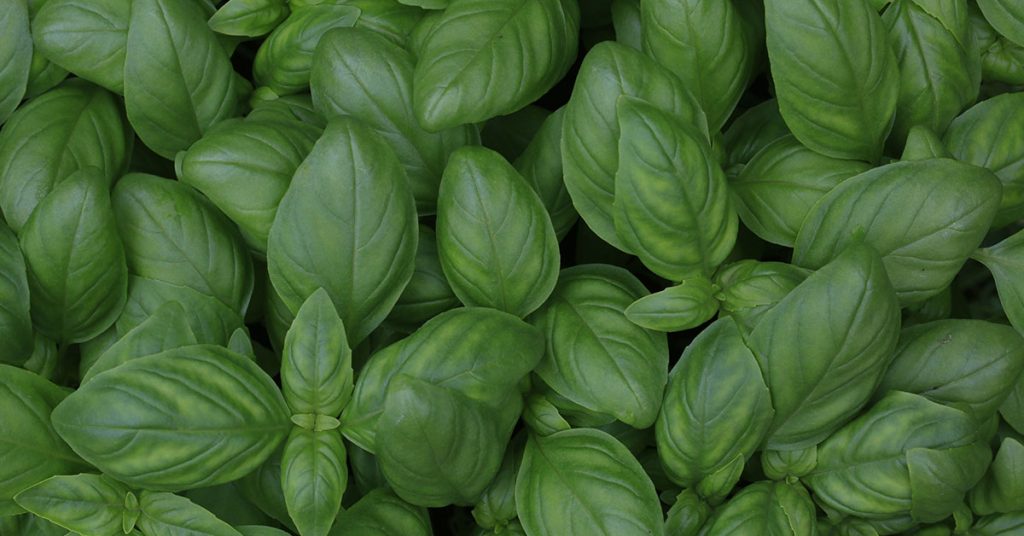
Basil, native to tropical regions of central Africa and Southeast Asia, is a staple in many kitchens and a vibrant addition to container gardens. Its aromatic, glossy leaves not only bring a burst of flavor to dishes but also attract buzzing bees that help pollinate neighboring plants. In my container garden, basil thrives in warm, sunny spots and repays its care with a continuous harvest of fragrant leaves, perfect for pesto, salads, or even a fresh garnish.
This herb is delightfully non-invasive, ensuring that it stays neatly confined to its pot while still producing an abundant yield. With minimal maintenance—just regular watering and occasional trimming—basil is a reliable, low-fuss companion that brings both beauty and utility to your indoor or outdoor container space. Every time I snip a fresh sprig, I’m reminded that the simplest herbs often provide the richest rewards!
Oregano
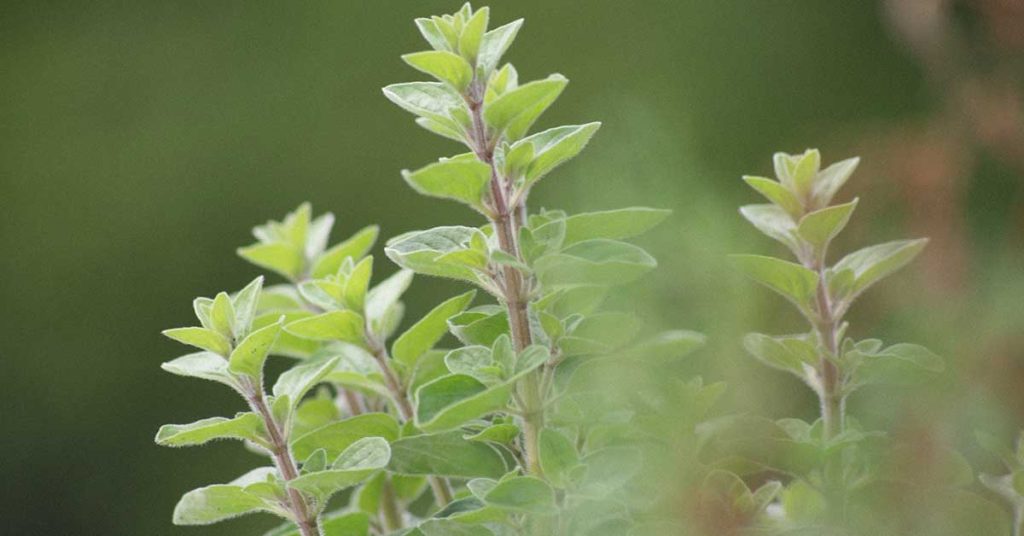
Oregano, native to the Mediterranean region, is a robust herb well-suited for container gardening thanks to its compact growth and intense, savory aroma. Its small, evergreen leaves add a rustic charm to any pot, while attracting beneficial insects such as bees that boost local pollination. In my experience, oregano thrives with just a little sun and well-drained soil, infusing dishes with a bold flavor that’s hard to beat.
Non-invasive by nature, oregano spreads gently, making it an ideal herb for container setups where space is at a premium. With minimal care—occasional watering and a touch of organic fertilizer—it rewards gardeners with a steady supply of leaves that enrich pizzas, pastas, and marinades alike. Every time I sprinkle oregano into a recipe, it’s a reminder of how this unassuming herb can elevate both your cooking and your container garden!
Rosemary
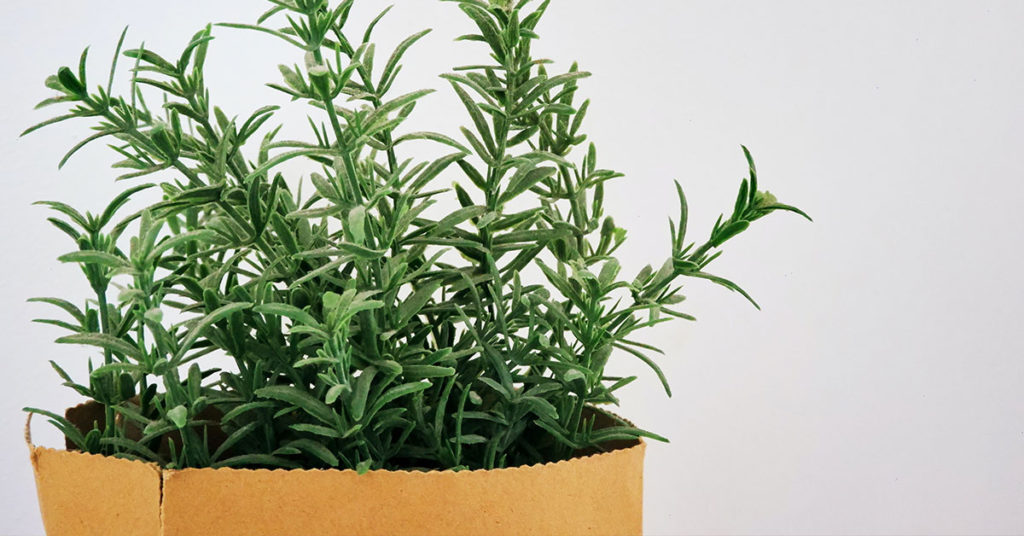
Rosemary, a fragrant evergreen native to the Mediterranean, brings a robust, pine-like aroma and a striking visual appeal to container gardens. In my garden, rosemary’s needle-like leaves and woody stems create an elegant silhouette that attracts bees and small butterflies, all while adding a savory note to culinary dishes. Its ability to thrive in relatively low water conditions makes it an excellent choice for those who want a resilient herb in a container.
While rosemary can grow quite large, many modern cultivars have been bred to remain compact and non-invasive, making them well-suited for container life. With a bit of regular pruning and adequate drainage, rosemary produces a continuous harvest of aromatic sprigs that are perfect for seasoning meats, breads, and stews. Every time I catch a whiff of rosemary, it’s like a breath of Mediterranean air right in my own home—a delightful reminder that strength and fragrance can flourish together in a small space!
Mint
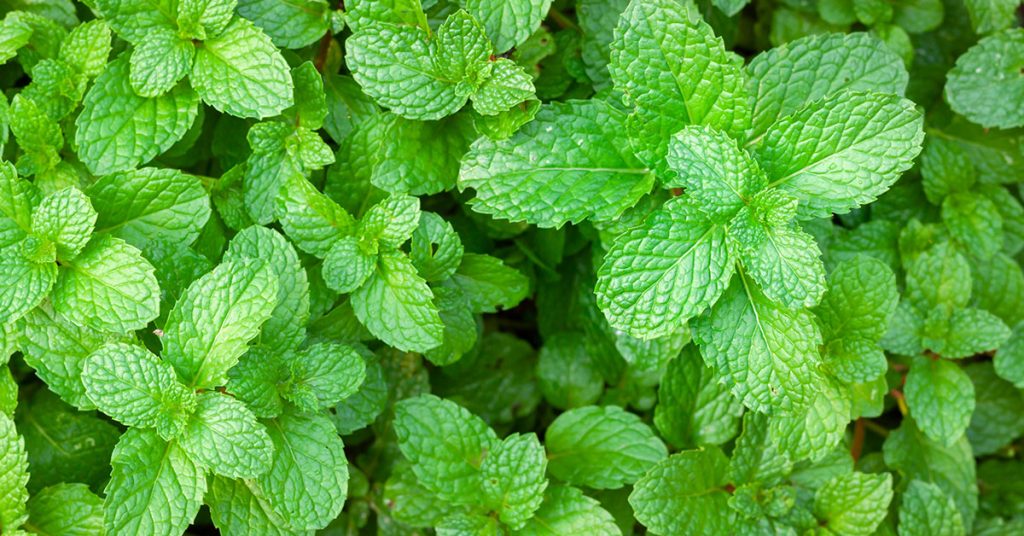
Mint, originally from Europe and Asia, is a vigorous herb that can flourish in containers when managed properly. Its refreshing, cool leaves and distinctive aroma are irresistible to bees, butterflies, and even some small birds, which find shelter among its dense foliage. In my container garden, mint adds a lively burst of greenery and an invigorating scent that brightens up even the dullest corner.
Although mint is known for its rapid growth, it’s delightfully non-invasive when grown in a container, where its spread can be easily controlled. With regular watering and a spot in bright, indirect light, mint continuously provides a fresh harvest that’s ideal for teas, salads, and sauces. Every time I pluck a few mint leaves, I’m reminded that a little containment can go a long way in harnessing nature’s exuberance without the mess!
Parsley
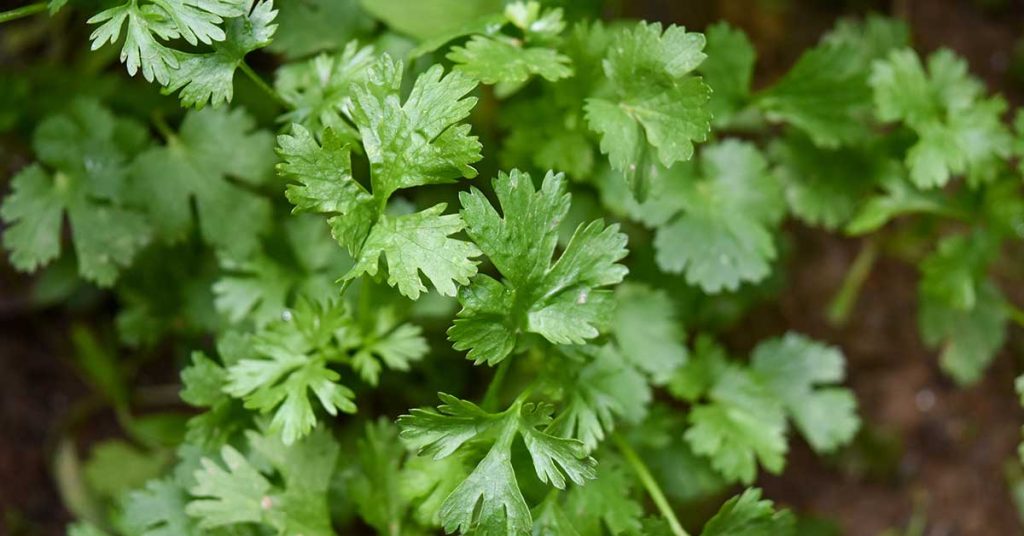
Parsley, native to the Mediterranean, is a versatile herb that thrives in containers, offering lush, vibrant foliage that enhances both culinary dishes and the visual appeal of your garden. In my experience, parsley’s curly or flat leaves not only lend a burst of flavor to soups and salads but also attract beneficial insects like small bees that aid in pollination. Its bright green color and compact growth make it a standout addition to any container setup.
Non-invasive and easy to maintain, parsley performs best in well-drained soil with regular watering, ensuring a continuous harvest throughout the growing season. With minimal fuss and maximum flavor, parsley proves that even in limited space, you can cultivate a kitchen garden that’s both practical and delightful. Every time I garnish a plate with fresh parsley, I’m reminded of the simple joys of homegrown herbs and the satisfaction of a thriving container garden!
Cilantro
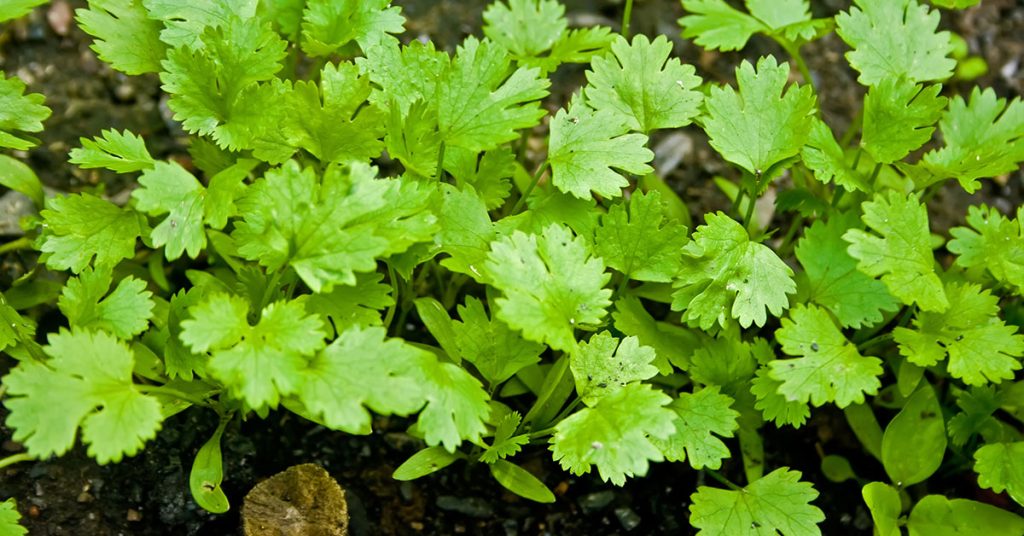
Cilantro, also known as coriander, is an herb native to regions spanning from Southern Europe to Southwestern Asia, prized for its bright, citrusy flavor that enlivens salsas, salads, and curries. In my container garden, cilantro’s delicate, lacy leaves attract small pollinators such as bees and hoverflies, which help keep the garden’s micro-ecosystem balanced. Its rapid growth and continuous harvest make it an excellent choice for adding a burst of freshness to your culinary creations.
This herb is non-invasive and adapts well to container life when provided with cool conditions and regular moisture. With a bit of attention to watering and a spot in indirect light, cilantro flourishes and produces a steady yield that can be enjoyed both fresh and in dried form. Every time I pluck cilantro for a zesty garnish, it reminds me that even in a confined space, nature’s flavors can shine brilliantly!
Chives
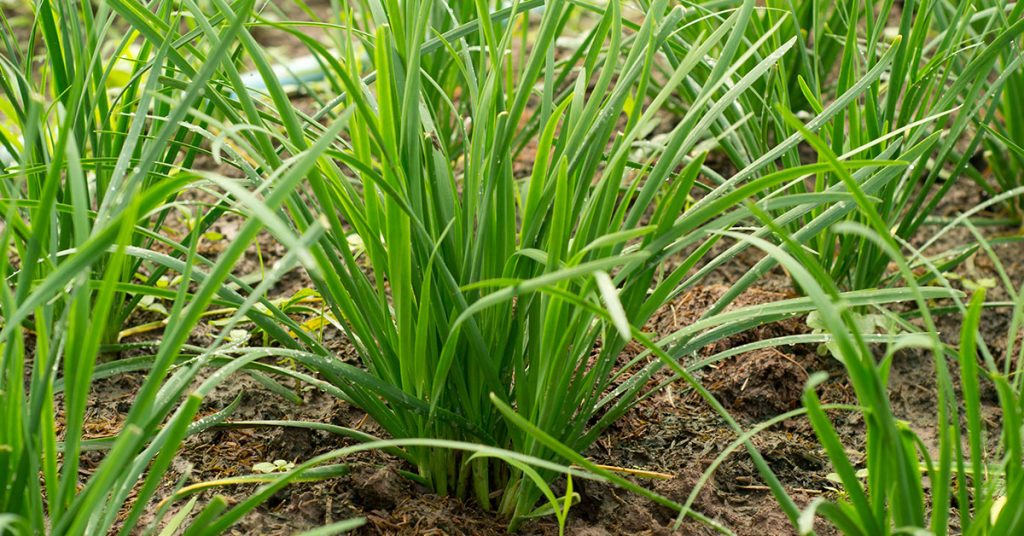
Chives (Allium schoenoprasum) are a perennial favorite, native to Central Asia, known for their slender, grassy leaves and mild onion flavor that enhances a variety of dishes. In my container garden, chives add a delicate burst of green and are particularly attractive to small bees and hoverflies, which flutter around their purple flower heads during bloom. Their neat, clumping growth habit makes them perfect for pots, ensuring that they don’t overwhelm other plants.
Non-invasive and easy to care for, chives require minimal watering and occasional trimming, making them a reliable choice for gardeners with limited space. With each harvest, their fresh, aromatic leaves lend a subtle zing to salads, soups, and garnishes, reinforcing the notion that some of the simplest plants can be the most versatile. Every time I snip a few chives, I’m filled with the satisfaction of knowing that my container garden is thriving with both flavor and charm!
Thyme
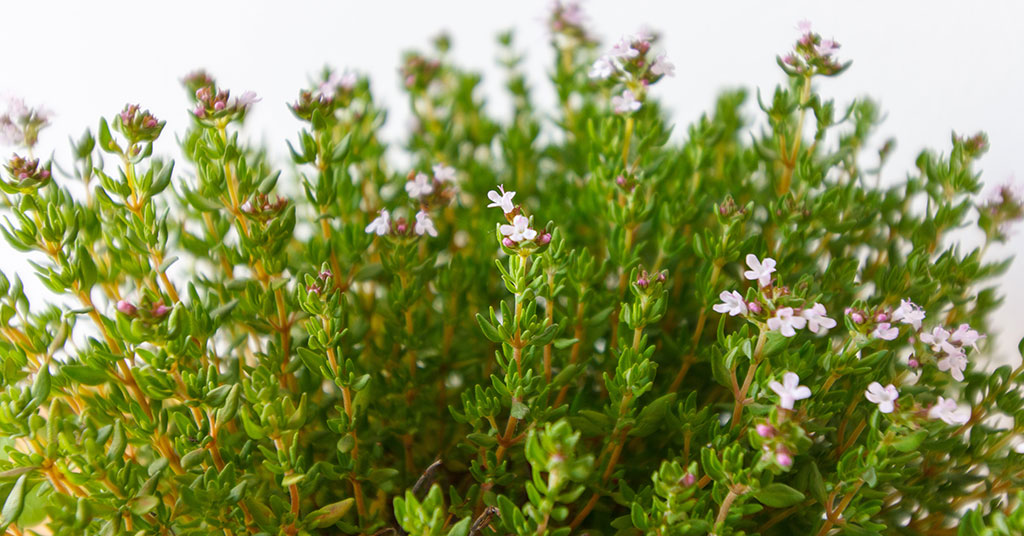
Thyme, native to the Mediterranean, is a diminutive yet mighty herb that thrives in containers, offering an earthy, aromatic flavor perfect for seasoning a wide range of dishes. In my garden, thyme’s tiny, hardy leaves create a charming, low-growing mat that attracts beneficial insects such as solitary bees, which play a crucial role in pollinating surrounding plants. Its subtle scent and resilient nature make thyme a constant, delightful presence in my container setup.
This herb is non-invasive and requires only minimal care, flourishing in well-drained soil and bright, indirect light. With regular, light watering and occasional trimming, thyme provides a steady, aromatic harvest that enhances both culinary creations and the overall ambiance of your indoor garden. Every time I sprinkle a pinch of thyme onto my favorite dish, I’m reminded of the simple, enduring beauty that can emerge from even the smallest container!
Lemon Balm
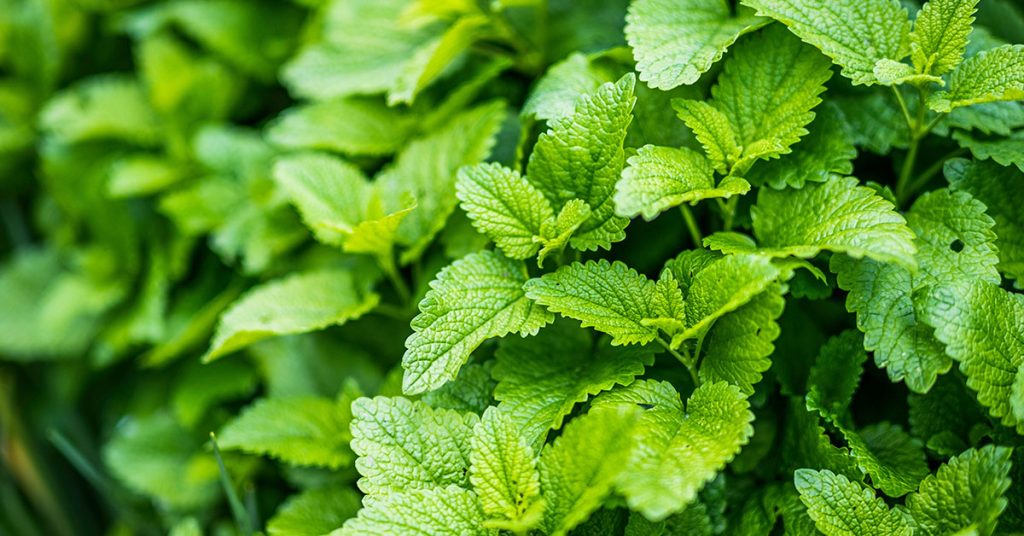
Lemon Balm, native to Europe, is a soothing herb that thrives in containers, offering a gentle lemony aroma and bright green foliage that instantly livens up any space. In my container garden, lemon balm’s soft, minty-scented leaves attract beneficial insects like bees and butterflies, which help keep the indoor environment buzzing with life. Its delicate, sprawling habit adds a refreshing note to teas, salads, and even aromatherapy, making it a versatile and charming addition to any home.
Non-invasive and easy to maintain, lemon balm flourishes in well-drained soil with regular watering and a spot in bright, indirect light. Its continuous, subtle fragrance not only enhances your culinary endeavors but also creates a calming atmosphere that soothes the soul. Every time I inhale its gentle aroma, I’m reminded that even in a confined space, nature can deliver endless moments of relaxation and joy!
Dill
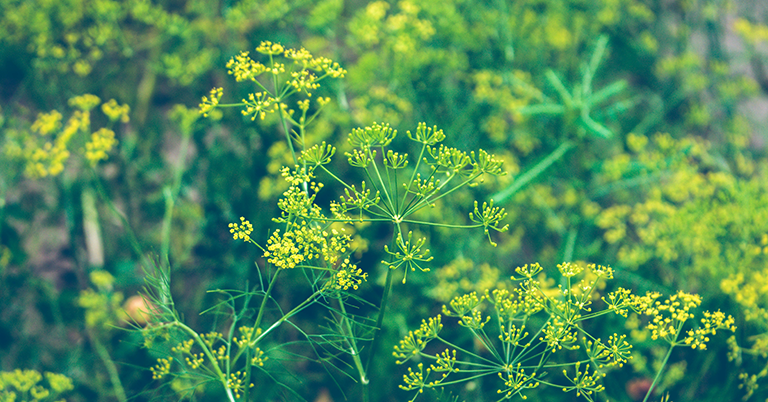
Dill, an aromatic herb native to the Mediterranean and Southwest Asia, is a must-have for container gardens due to its feathery, lacy foliage and distinct, fresh flavor. In my experience, dill attracts a variety of beneficial insects, including ladybugs and bees, which help maintain a balanced ecosystem while its delicate umbels provide an inviting habitat for small pollinators. Its vibrant green fronds add a light, airy quality to any container arrangement, making it a delightful and functional addition to my indoor herb collection.
This herb is non-invasive and thrives in containers with well-drained soil and ample sunlight, offering a continuous harvest that enhances everything from salads to pickles. With minimal care beyond regular watering and occasional fertilization, dill remains a reliable source of flavor and freshness throughout the growing season. Every time I sprinkle freshly chopped dill onto a dish, I’m reminded of the ease and joy that comes from cultivating your own flavorful garden in even the coziest of spaces!
Marjoram
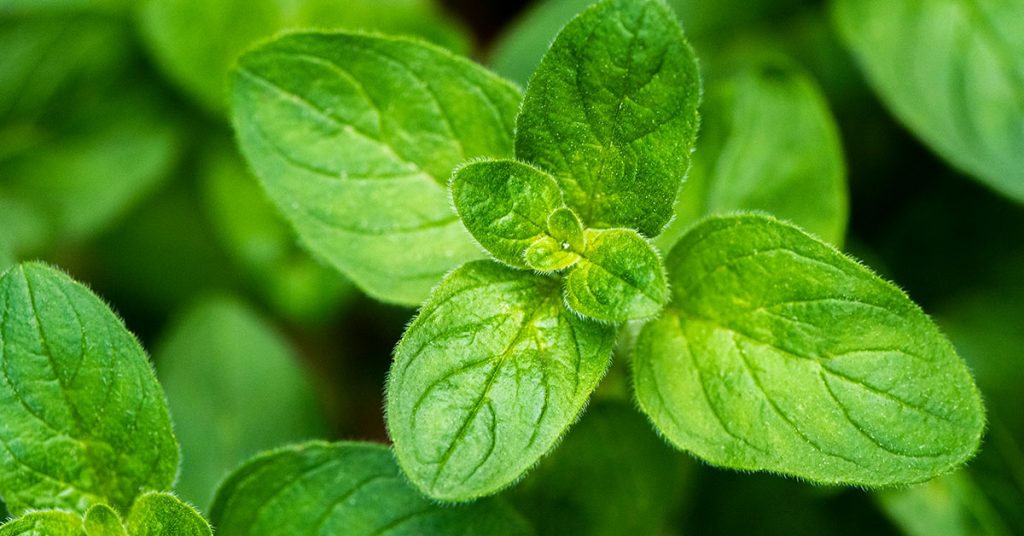
Marjoram, a tender herb native to the Mediterranean region, is prized for its sweet, subtle flavor that enhances soups, stews, and a variety of savory dishes. In my container garden, marjoram’s compact, bushy habit and delicate, aromatic leaves attract beneficial insects like bees and butterflies, contributing to a lively and balanced indoor ecosystem. Its soft, slightly floral scent adds a refined note to culinary creations, making it a must-have for any herb enthusiast seeking a touch of elegance in a small space.
This herb is non-invasive and adapts well to container gardening, thriving in well-drained soil and partial sunlight. With minimal maintenance and a bit of regular watering, marjoram provides a continuous, flavorful harvest that keeps my kitchen stocked with its delightful, herbaceous aroma. Every time I use marjoram in my cooking, I’m reminded that even the gentlest flavors can transform a meal—and a container garden—into a truly satisfying experience!
Summer Savory

Summer Savory is a delicate, peppery herb native to the Mediterranean that thrives beautifully in container gardens. Its finely textured leaves and subtle, spicy aroma add a unique dimension to culinary dishes, making it a favorite for seasoning beans, meats, and vegetables. In my garden, summer savory attracts small bees and beneficial insects, enhancing the local ecosystem while offering a distinctive flavor profile that is both fresh and invigorating.
This herb is non-invasive and adapts well to containers with well-drained soil and regular watering. With minimal maintenance, summer savory provides a continuous harvest that keeps my kitchen stocked with its robust, zesty leaves—ideal for adding a little extra kick to everyday meals. Every time I use summer savory, I’m reminded that even the most understated herbs can bring a burst of flavor and personality to your container garden!
Sage
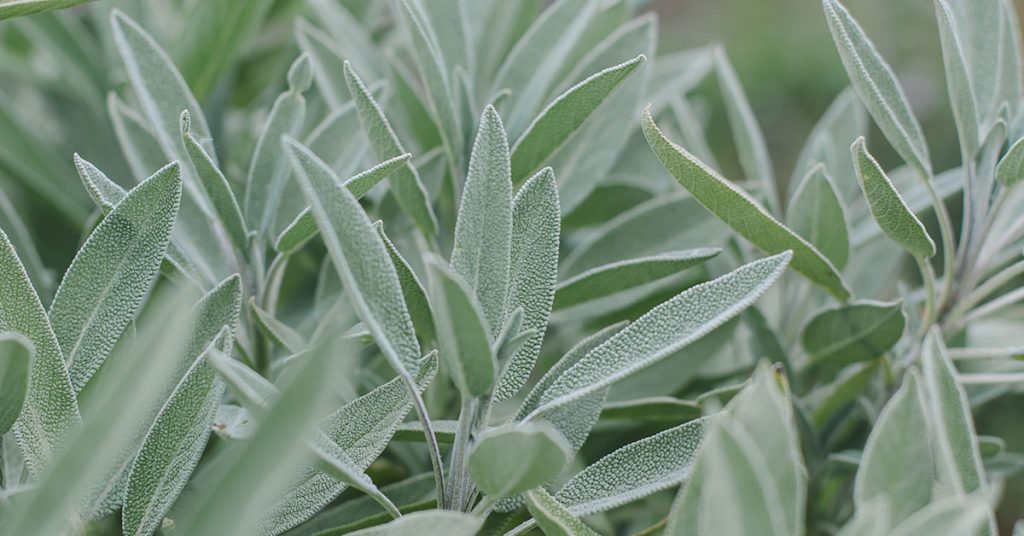
Sage, a hardy herb native to the Mediterranean, is renowned for its earthy, robust flavor and subtle, aromatic fragrance that elevates any culinary creation. In my container garden, sage’s silvery-green leaves and woody stems attract beneficial insects like solitary bees, which help pollinate nearby plants, adding life to even the shadiest corners. Its traditional, time-honored charm and versatile culinary use make sage a perennial favorite among gardeners and cooks alike.
This herb is non-invasive and thrives in well-drained soil with plenty of sunlight or bright, indirect light in containers. With minimal care—occasional watering and periodic trimming—sage continuously provides a steady harvest of flavorful leaves that enrich sauces, roasts, and herbal teas. Every time I incorporate sage into my meals, I’m reminded that even the most enduring flavors can be nurtured in the simplest of spaces, bringing both taste and tradition to your home!
Herbs That Don’t Thrive in Container Gardens
While many herbs flourish in containers, some simply need the room and natural conditions of an open garden to truly shine. These herbs often require deeper soil or more extensive root systems, making them less suitable for confined spaces. It’s such a bummer when a favorite herb fails to perform in a pot, so here are seven herbs that I’ve learned are best left in the ground, where they can spread naturally without restriction.
For those with ample outdoor space or who can dedicate a garden bed, these herbs offer robust growth and abundant harvests, but they tend to become invasive if forced into container living. I hope this guide helps you avoid the frustration of trying to grow a plant that’s meant to roam free. Let’s explore these seven herbs that are better off thriving outdoors!
Fennel
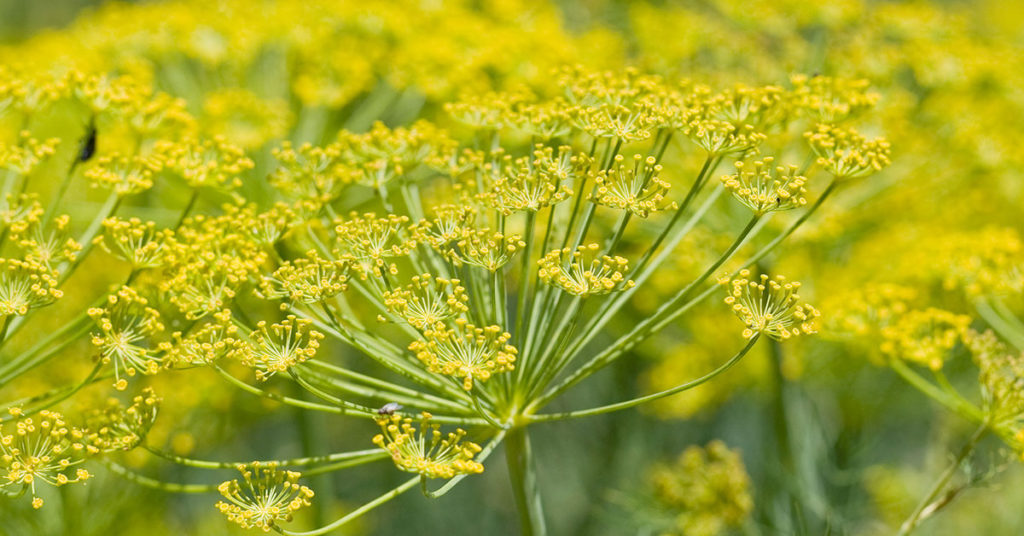
Fennel (Foeniculum vulgare) is a striking herb native to the Mediterranean that boasts feathery, aromatic fronds and a distinctive, licorice-like flavor. Although it’s a culinary delight, fennel tends to grow vigorously and can become invasive if confined to a container. In my experience, fennel attracts a myriad of beneficial insects, including small bees and butterflies, but its rapid, sprawling growth makes it challenging to control in a limited space.
For optimal growth, fennel needs a deep, expansive garden bed where its roots can spread freely and its tall stalks can rise without constraint. Its natural, wild appearance is best appreciated in an open field rather than a pot, ensuring that it doesn’t crowd out neighboring plants. Every time I see fennel thriving in the garden, I’m reminded that some plants simply demand room to grow!
Lovage
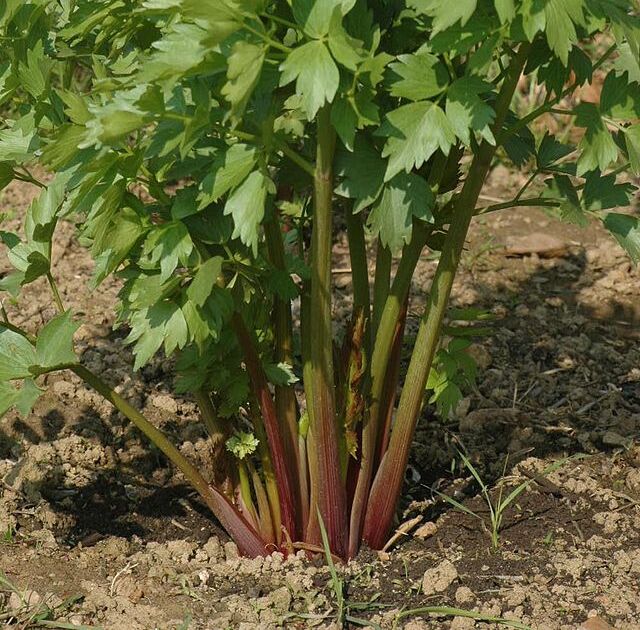
Lovage (Levisticum officinale) is a robust perennial herb native to Europe and parts of Asia, known for its celery-like flavor and impressive size. Its large, aromatic leaves and towering stalks make it a fantastic culinary herb, but they also require deep, rich soil and ample space to develop properly. In my outdoor garden, lovage attracts beneficial insects like bees and small butterflies that enhance the natural ecosystem, yet it quickly outgrows any container, becoming unwieldy and difficult to manage.
Due to its invasive potential when planted in confined spaces, lovage is best cultivated in a dedicated garden bed where it can spread naturally. Its vigorous growth and large stature mean that it can overshadow other, more delicate herbs if forced into a container environment. Every time I harvest lovage from a spacious bed, it’s a reminder that some of nature’s most flavorful treasures are meant to roam free!
French Tarragon
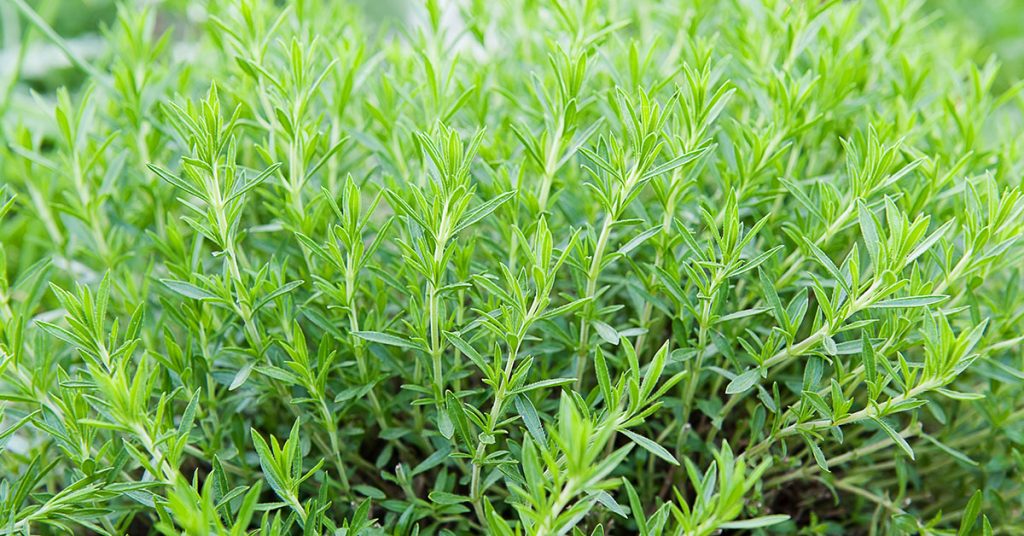
French Tarragon (Artemisia dracunculus) is renowned for its refined, subtle flavor and is a favorite in gourmet cooking. Native to the Mediterranean region, French tarragon thrives in spacious, well-drained garden beds but struggles in containers due to its delicate root system and need for ample space. In my garden, this herb attracts a modest array of beneficial insects, yet its low, sprawling growth and sensitivity to overcrowding make container cultivation a real challenge.
Because French tarragon is slow-growing and prefers a natural, unconfined environment, it rarely performs well in confined pots. Its exquisite flavor and aromatic qualities are best enjoyed when the plant is given room to develop, ensuring a robust, high-quality harvest. Every time I see French tarragon flourishing in an open garden, I’m reminded that some herbs are simply meant to spread their delicate charm across a broader canvas.
Horseradish
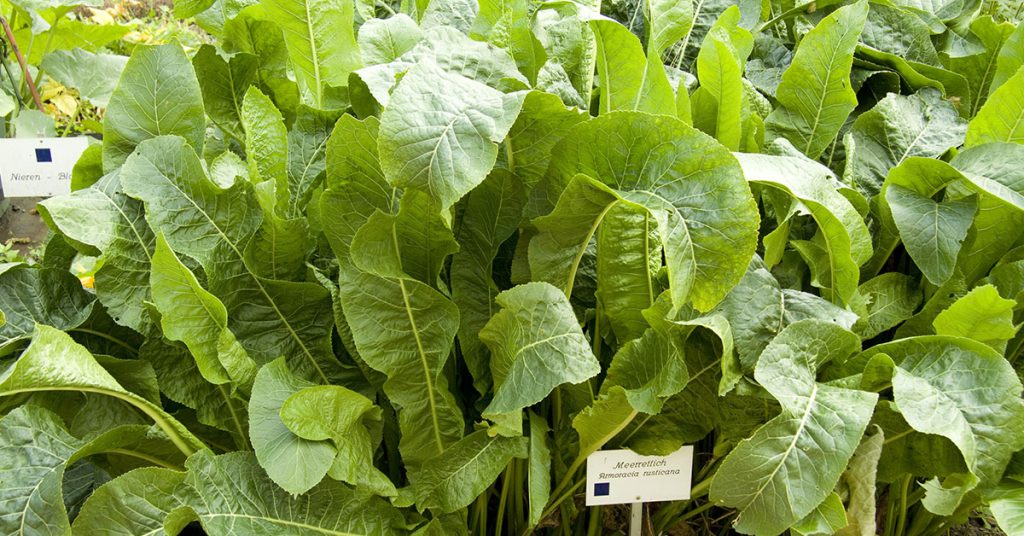
Horseradish (Armoracia rusticana) is a pungent, vigorous root vegetable native to southeastern Europe that’s highly valued for its intense, spicy flavor. However, its aggressive growth habit and deep taproot system make it a poor choice for container gardening. In my experience, horseradish attracts a few beneficial soil insects that help break down organic matter, but its rapid spread and enormous root system can quickly overwhelm a small container, making maintenance nearly impossible.
For optimal growth, horseradish demands a large, open garden bed where it can expand freely without crowding other plants. Its robust, invasive nature is best contained by giving it plenty of room to flourish naturally. Every time I harvest horseradish from a spacious garden, I’m reminded that some plants simply require an open field to truly showcase their bold, fiery character!
Bay Laurel
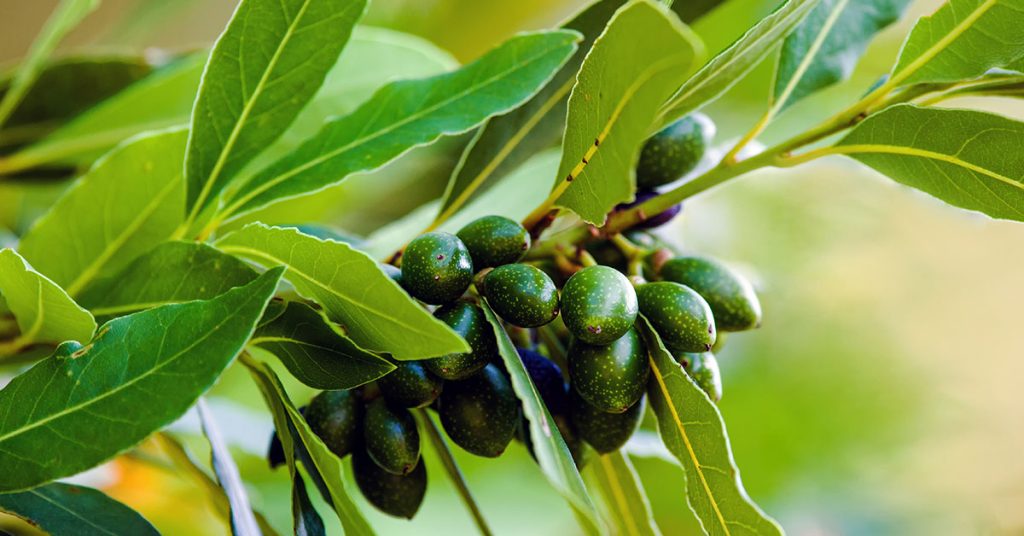
Bay Laurel (Laurus nobilis) is a revered herb native to the Mediterranean, cherished for its aromatic leaves that add depth to a variety of dishes. While bay laurel can be grown in containers, it tends to be less suited for confined spaces due to its tree-like growth habit and extensive root system. In my outdoor garden, bay laurel attracts small birds and beneficial insects that sometimes nest in its dense canopy, but it quickly becomes too large for most containers, limiting its productivity and health.
For these reasons, bay laurel is best planted in a dedicated garden area where it can develop into its full, majestic form. Its expansive growth and need for deep, nutrient-rich soil mean that it flourishes best in an open setting, providing both culinary delights and natural beauty. Every time I see a bay laurel tree standing proudly in a spacious garden, it reminds me that some herbs are truly grand and require room to spread their wings!
Chervil

Chervil (Anthriscus cerefolium) is a delicate, aromatic herb native to Europe, prized for its subtle, anise-like flavor that enhances salads and soups. In my experience, chervil’s fine, lacy foliage and gentle blossoms attract tiny beneficial insects, contributing to a balanced garden ecosystem. However, its fragile roots and need for consistently moist, rich soil make it challenging to grow successfully in containers, where conditions often fluctuate too drastically.
Due to its delicate nature, chervil thrives best in a dedicated garden bed where it can spread slowly without being disturbed by the constraints of a pot. Its non-invasive habit is overshadowed by its sensitivity to environmental changes, which can lead to premature bolting or poor growth in containers. Every time I plant chervil in an open garden, I’m reminded that some herbs are best left in their natural, unconfined setting to fully express their subtle, delightful charm.
Anise
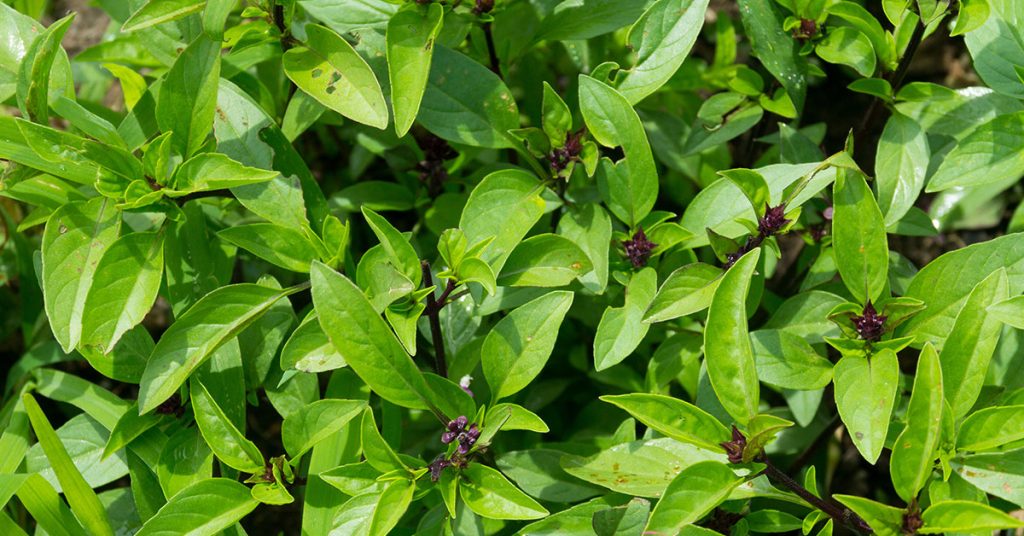
Anise (Pimpinella anisum) is an herb native to the Eastern Mediterranean that’s celebrated for its sweet, licorice-like flavor and its fragrant, delicate blossoms. In my garden, anise is a joy to behold as it attracts bees and butterflies with its subtle scent and charming, airy appearance. However, its long taproot and expansive growth habits mean that it struggles to adapt to container life, often resulting in stunted growth and reduced flavor when grown in confined spaces.
For optimal performance, anise needs deep, well-drained soil and plenty of room to develop naturally—a setting that simply isn’t provided by most containers. Its non-invasive quality is overshadowed by its need for space, making it better suited for open garden beds where it can truly flourish. Every time I harvest anise from a spacious plot, I’m reminded that some of nature’s most flavorful herbs require the freedom of the great outdoors to fully express their delightful essence!