
As someone who has spent countless hours tending to my own herb garden, I know the frustration of watching pests invade or seeing plants that just don’t click together in the same environment. Lavender, with its soothing fragrance and beautiful purple spikes, thrives best when paired with neighbors that enjoy sunny, well-drained conditions. In this article, I’m excited to present 13 fantastic companion plants for lavender that not only complement its beauty but also attract beneficial insects and create delightful microhabitats for tiny critters!
Throughout my gardening journey, I’ve learned that the right plant companions can transform your outdoor space into a vibrant ecosystem. Whether you’re dealing with invasive species or battling a lackluster garden, finding the perfect allies for your lavender is key to success! Each section below explores a unique companion plant, delving into its native origins, growth behaviors, and even its tendency to offer nesting spots for beneficial wildlife.
Rosemary

Rosemary (Rosmarinus officinalis) stands out as a classic companion for lavender, sharing similar water and sunlight needs while offering a robust, woody aroma that enhances any herb garden! Native to the Mediterranean basin, rosemary thrives in full sun and well-drained soils, making it a natural neighbor for lavender. I’ve often admired how its needle-like leaves and compact growth add both visual texture and practical benefits by attracting pollinators such as bees, which are essential for a thriving garden ecosystem.
Beyond its delightful fragrance, rosemary also provides a subtle barrier against common pests that might otherwise target lavender. Its non-invasive growth habit means you can plant it confidently without fear of it overtaking your carefully arranged garden beds. With its dual role as both a culinary herb and a reliable companion, rosemary truly elevates the overall appeal of your garden with a touch of Mediterranean charm and resilience!
Catmint
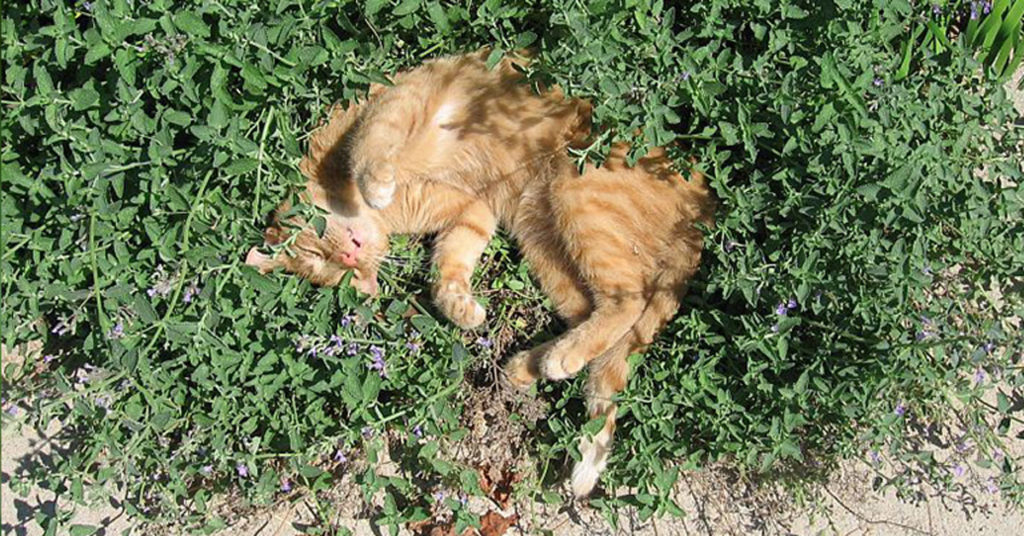
Catmint (Nepeta × faassenii) is a true gem that pairs effortlessly with lavender, thanks to its soft, aromatic foliage and delightful clusters of blue-purple flowers! Native to the Mediterranean region and parts of Asia, catmint flourishes in the same sun-drenched, well-drained soils that lavender adores. I’ve found that its sprawling habit not only adds a splash of color but also attracts an abundance of bees and butterflies that happily visit its blooms, occasionally even using its structure for short-term shelter and nesting!
What I find most appealing about catmint is its ability to serve as a natural pest deterrent with its strong, herbaceous scent. It remains non-invasive, so you won’t have to worry about it overwhelming your lavender beds. Its lively growth and cheerful presence provide a constant reminder that nature’s beauty is all about balance and harmony—a sentiment that every gardener can appreciate when striving to create a vibrant outdoor haven!
Borage

Borage is a wonderful flowering herb that brings a burst of sky-blue blooms and a touch of whimsy to your lavender borders! Native to the Mediterranean region, borage thrives in sunny, well-drained conditions and is known for attracting a wide range of beneficial pollinators—especially bees. I love how its star-shaped flowers serve as a beacon for these helpful insects, which in turn support the overall health of your garden and sometimes even seek refuge among its lush foliage.
Its vigorous yet non-invasive nature makes borage a friendly neighbor for lavender, complementing the arid conditions both plants enjoy. Not only does borage enhance the visual appeal of your herb garden, but it also enriches the soil by drawing up nutrients from deeper layers, creating a natural boost for nearby plants. The dynamic energy of borage is a joyful reminder that even simple plants can have a profound impact on your garden’s vibrancy!
Verbena
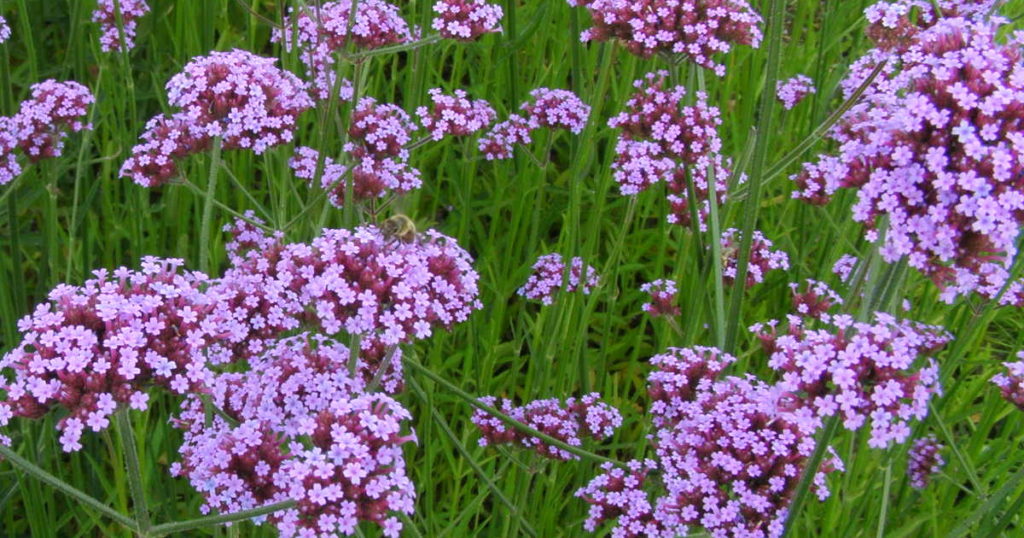
Verbena adds a splash of vivid color and an air of tropical exuberance to your lavender patch, making it a truly eye-catching companion! Native to the Americas, many verbena species flourish under full sun and in well-drained soil conditions—ideal for pairing with drought-tolerant lavender. I’m always excited to see verbena’s clusters of delicate, often purple or pink flowers attract swarms of butterflies and hummingbirds, creating a dynamic and lively atmosphere in the garden.
Beyond its visual charm, verbena serves an important ecological role by offering nectar-rich blossoms that provide sustenance for beneficial insects. Its fast, yet controlled growth means it won’t overshadow your lavender, instead contributing to a layered and balanced garden composition. The interplay between verbena and lavender is like watching two dancers perform in perfect harmony—each accentuating the other’s best qualities while creating a stunning display of color and life!
Yarrow
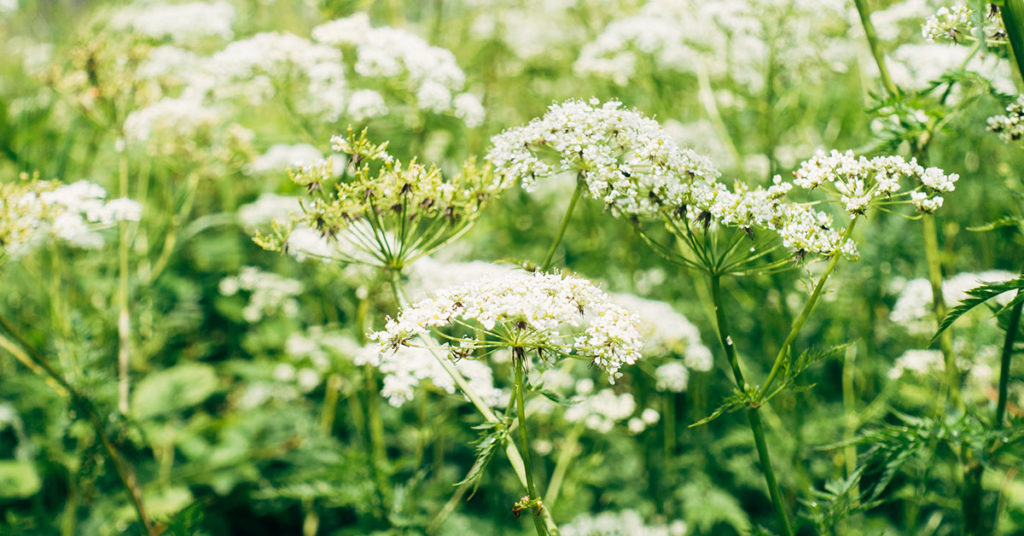
Yarrow (Achillea millefolium) is an exceptionally hardy flowering plant that thrives in sunny, well-drained soils, making it a superb companion for lavender! Native to temperate regions across the Northern Hemisphere, yarrow is known for its feathery foliage and clusters of small, vibrant blooms that can range from white to deep pink. I’ve often been enchanted by how its delicate structure attracts a variety of beneficial insects such as ladybugs and solitary bees, which not only aid in pollination but sometimes even use the dense clusters for brief nesting opportunities!
What makes yarrow especially appealing is its drought tolerance and low maintenance requirements—qualities it shares with lavender. This non-invasive perennial enhances garden diversity while reinforcing a natural pest control system. Its resilience and effortless beauty remind me that a well-balanced garden is built on the synergy of plants that support one another through their unique strengths and contributions!
Oregano
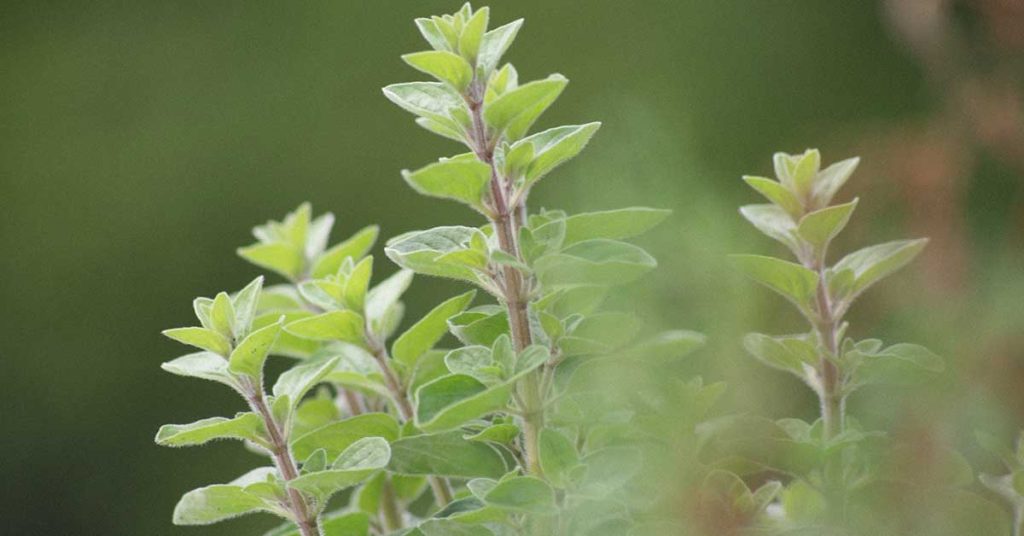
Oregano (Origanum vulgare) is a robust herb that thrives in the sun-soaked, dry conditions favored by lavender, making it an ideal companion in any herb garden! Native to the Mediterranean region, oregano not only spices up your culinary creations but also adds a rustic visual charm with its bushy growth and aromatic leaves. I’ve noticed that oregano’s low, spreading habit creates a natural groundcover that helps conserve moisture and attracts bees and other small pollinators—often using its dense clusters as temporary nesting sites!
Its vigorous yet non-invasive nature ensures that oregano enhances rather than competes with your lavender. The spicy, herbaceous fragrance of oregano mingles beautifully with the soothing scent of lavender, creating an immersive sensory experience that delights the entire garden. For those seeking a practical yet decorative plant companion, oregano is a fantastic choice that brings both flavor and function to your outdoor space!
Sage
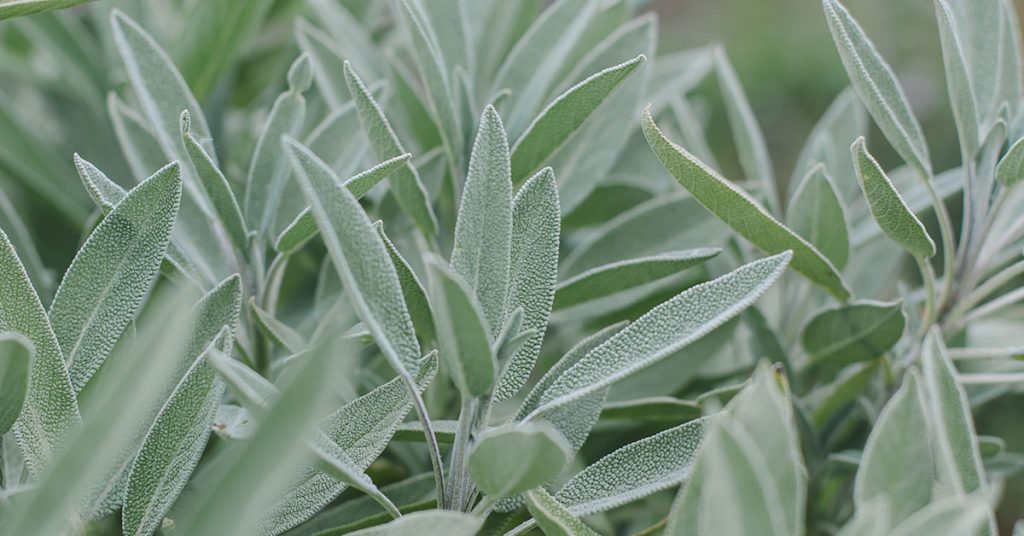
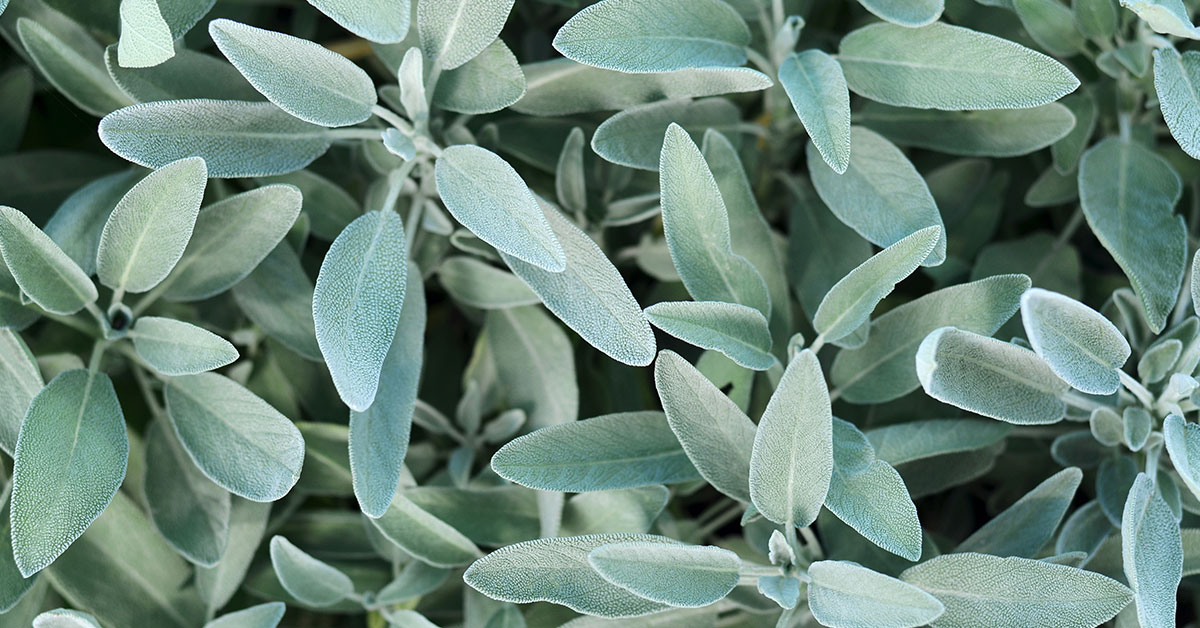
Sage (Salvia officinalis) is a versatile herb that pairs harmoniously with lavender, sharing similar Mediterranean origins and thriving under the same sunlit, well-drained conditions! Native to the Mediterranean, sage is celebrated for its soft, gray-green leaves and its distinctive, earthy aroma that attracts a host of beneficial insects. I’ve always been captivated by how sage not only enriches the flavor of your dishes but also serves as a natural magnet for pollinators like bees and hoverflies, which may even find shelter among its dense foliage!
Moreover, sage’s compact, non-invasive growth habit makes it a perfect match for lavender without overwhelming its delicate structure. Its practical benefits extend to natural pest control, as the aromatic oils in sage can deter unwanted insects. With sage in your garden, you create a cohesive and balanced ecosystem where every plant supports the others, offering a delightful mix of sensory and ecological benefits that any gardener will appreciate!
Russian Sage
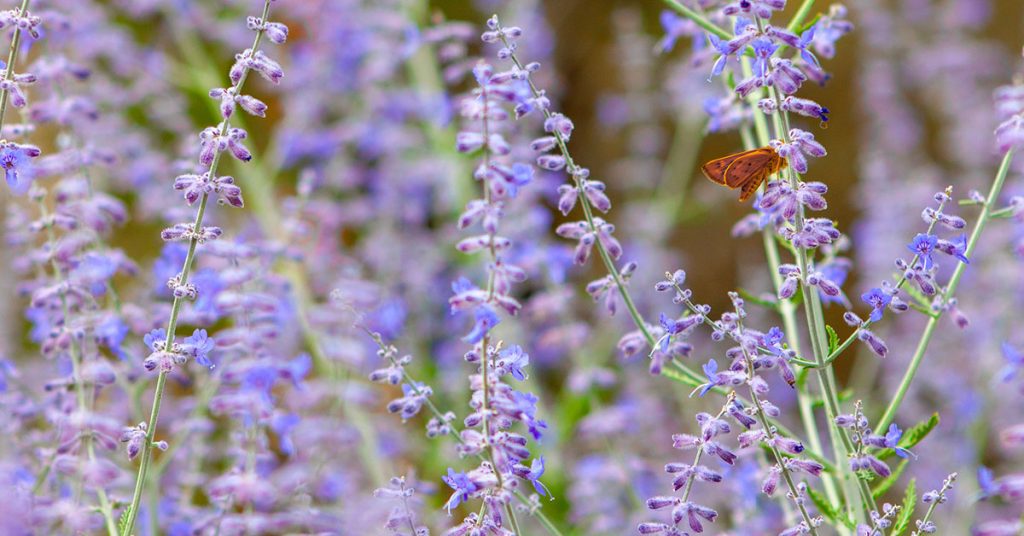
Russian Sage (Perovskia atriplicifolia) is a striking perennial that beautifully complements lavender with its airy, silvery foliage and clusters of light blue flowers! Native to the steppes of Central Asia, Russian Sage thrives in dry, well-drained soils and full sun—conditions that perfectly mirror those preferred by lavender. I’m always inspired by how its delicate, almost ethereal blooms attract swarms of bees and other beneficial insects, which are essential for pollinating nearby plants and sometimes even use the plant’s airy structure as a temporary nesting ground!
Its robust yet non-invasive nature makes Russian Sage an excellent partner in creating a textured, layered garden display. The interplay between its soft, billowing foliage and the aromatic spikes of lavender creates a visual symphony that is both relaxing and invigorating. For gardeners looking to add a touch of cool, silvery elegance to their Mediterranean-inspired landscape, Russian Sage is an absolute must-have that exudes both charm and resilience!
Marjoram
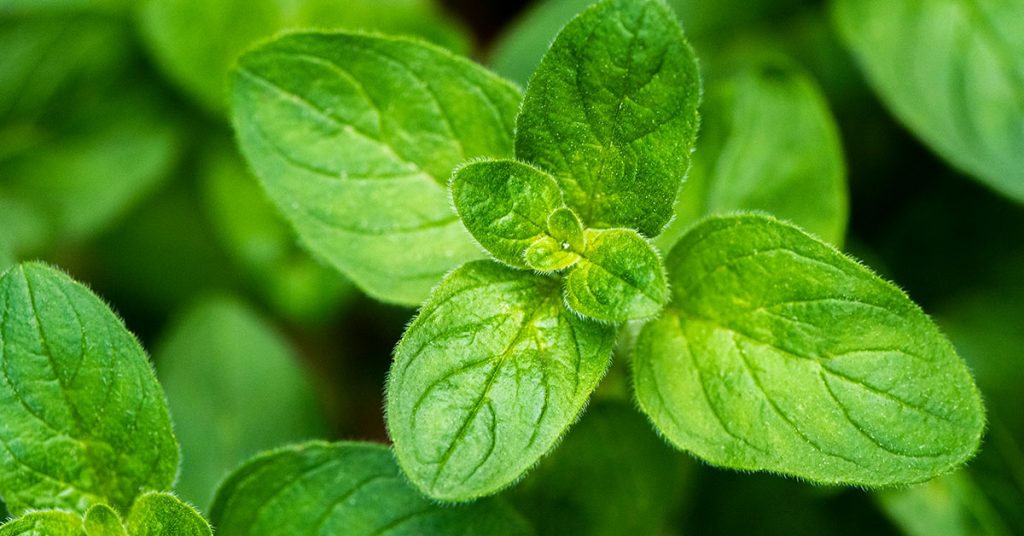
Marjoram (Origanum majorana) brings a sweet, subtle fragrance and a delicate burst of color to a lavender garden, creating a delightful sensory experience! Native to the Mediterranean region, marjoram thrives in similar dry, sunlit conditions, and its soft, rounded leaves provide a gentle contrast to the bold, spiky form of lavender. I’ve always found that marjoram not only enriches the culinary palette but also attracts a variety of beneficial insects such as bees and butterflies, some of which even use its tender foliage for brief shelter or nesting stops!
Its compact, non-invasive growth habit makes marjoram an ideal partner that doesn’t compete with lavender for resources. The harmonious blend of marjoram’s sweet aroma with lavender’s calming scent results in a garden that is as delightful to the senses as it is visually stunning. For anyone looking to create a cohesive, Mediterranean-inspired herb garden, marjoram is a charming and functional choice that brings both beauty and practical benefits to your outdoor oasis!
Lamb’s Ear
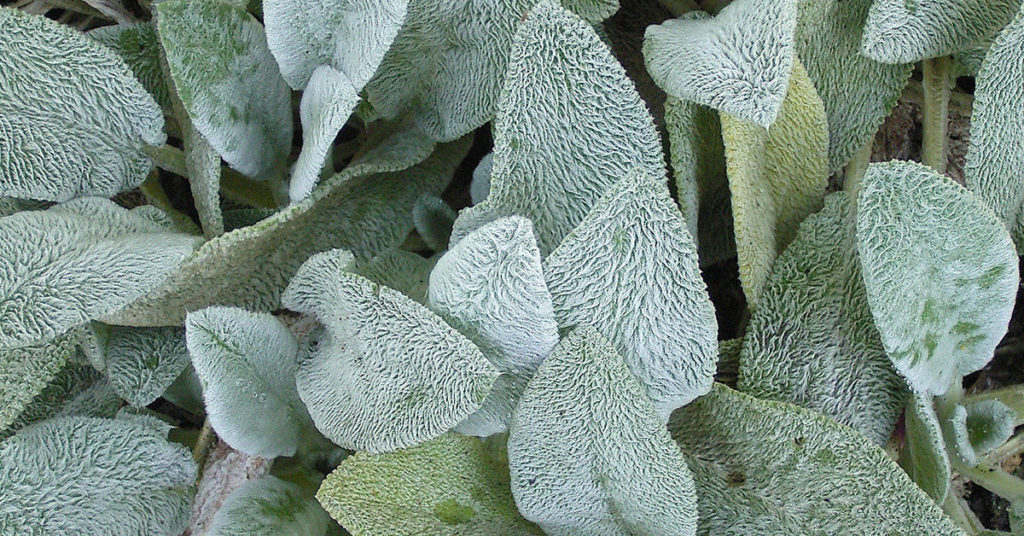
Lamb’s Ear (Stachys byzantina) is a uniquely textured perennial that offers a soft, velvety contrast to the spiky elegance of lavender! Native to the Mediterranean, this plant thrives in full sun and well-drained soils, where its silvery, fuzzy leaves create a stunning visual complement to the fine structure of lavender. I’ve always been enchanted by how Lamb’s Ear attracts beneficial insects—its densely packed leaves provide a cool, sheltered microhabitat that can even serve as a temporary nesting spot for small, harmless critters, adding an extra layer of life to your garden!
In addition to its tactile appeal, Lamb’s Ear is non-invasive and remarkably low-maintenance, making it an excellent companion for a drought-tolerant landscape. Its natural ability to reflect sunlight and regulate soil temperature works in perfect synergy with lavender’s needs, ensuring a healthy, balanced growing environment. For gardeners seeking both beauty and functionality, Lamb’s Ear is a fantastic choice that adds a soft, rustic charm to any herbaceous border!
Satureja
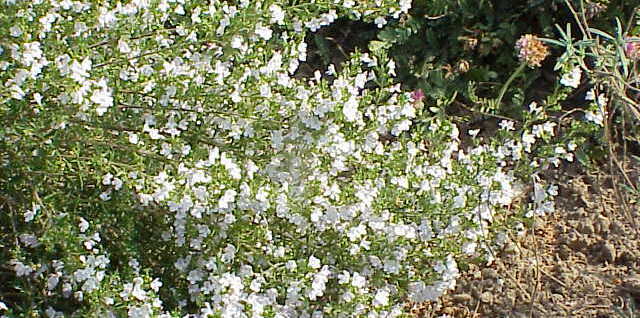
Satureja, commonly known as summer savory, is a spirited herb that forms an excellent companion for lavender through its robust flavor and attractive, compact form! Native to the Mediterranean region, Satureja thrives in dry, sunny conditions and well-drained soils—the very environment that lavender demands. I’ve always appreciated its low, bushy growth habit, which not only enhances garden texture but also attracts beneficial insects such as bees and predatory wasps that use its sturdy branches for short-term nesting and shelter!
What makes Satureja particularly appealing is its non-invasive nature, ensuring that it coexists harmoniously with lavender without overwhelming the space. Its aromatic leaves release a spicy, peppery scent that mingles delightfully with lavender’s soothing fragrance, creating a dynamic olfactory experience. For gardeners who love to infuse their herb gardens with both beauty and practicality, Satureja offers an inviting burst of character that elevates the entire outdoor space!
Thyme
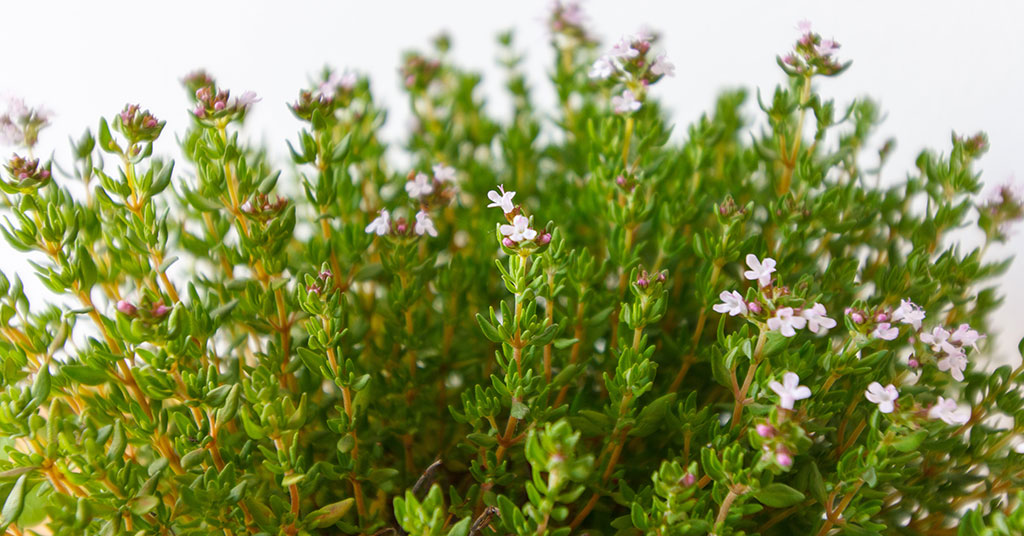
Thyme (Thymus vulgaris) is a diminutive yet powerful herb that perfectly complements lavender with its low, spreading habit and potent fragrance! Native to the Mediterranean region, thyme flourishes in full sun and well-drained soils, making it an ideal neighbor for lavender’s arid, sunlit environment. I’m always charmed by how its tiny, aromatic leaves create a delicate groundcover that not only enhances the garden’s visual appeal but also attracts an array of beneficial insects. These little visitors sometimes use thyme as a temporary refuge, adding life and activity to the garden!
Its non-invasive, creeping nature makes thyme an excellent companion that enriches the ecosystem without competing for resources. The intermingling scents of thyme and lavender offer a harmonious blend that delights the senses and promotes natural pest control. For those who appreciate a garden that is both visually captivating and ecologically balanced, thyme is an indispensable addition that brings a touch of Mediterranean magic to your outdoor sanctuary!
Artemisia
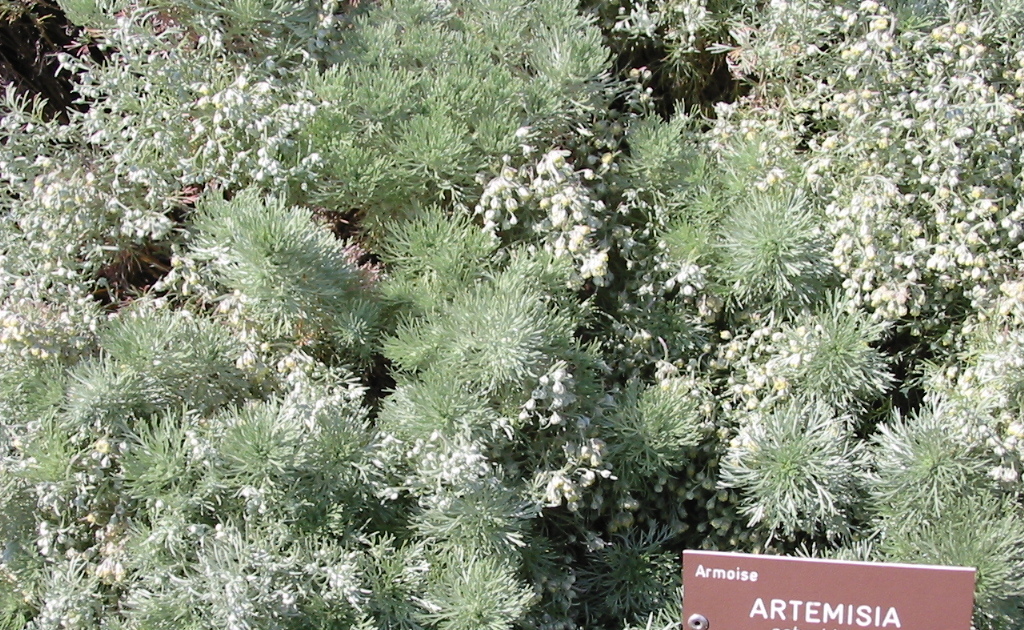
Artemisia, with its striking silvery foliage and aromatic presence, offers a fascinating contrast to the vibrant blooms of lavender! Native to the temperate regions of Europe, Asia, and North Africa, artemisia thrives in dry, well-drained soils and full sun—conditions that perfectly suit lavender’s needs. I’ve always been intrigued by its airy, feathery leaves, which not only add visual interest but also attract beneficial insects that seek shelter among its delicate structures. This plant’s unique texture can serve as a natural windbreak and occasionally even provide a nesting haven for small insects!
Its non-invasive behavior and low water requirements make artemisia a superb companion for a drought-tolerant garden. The subtle, herbaceous aroma of artemisia melds beautifully with lavender’s soothing scent, creating an inviting, layered sensory experience. For gardeners who delight in the interplay of contrasting textures and aromas, artemisia is a must-have addition that brings both beauty and resilience to your outdoor space!