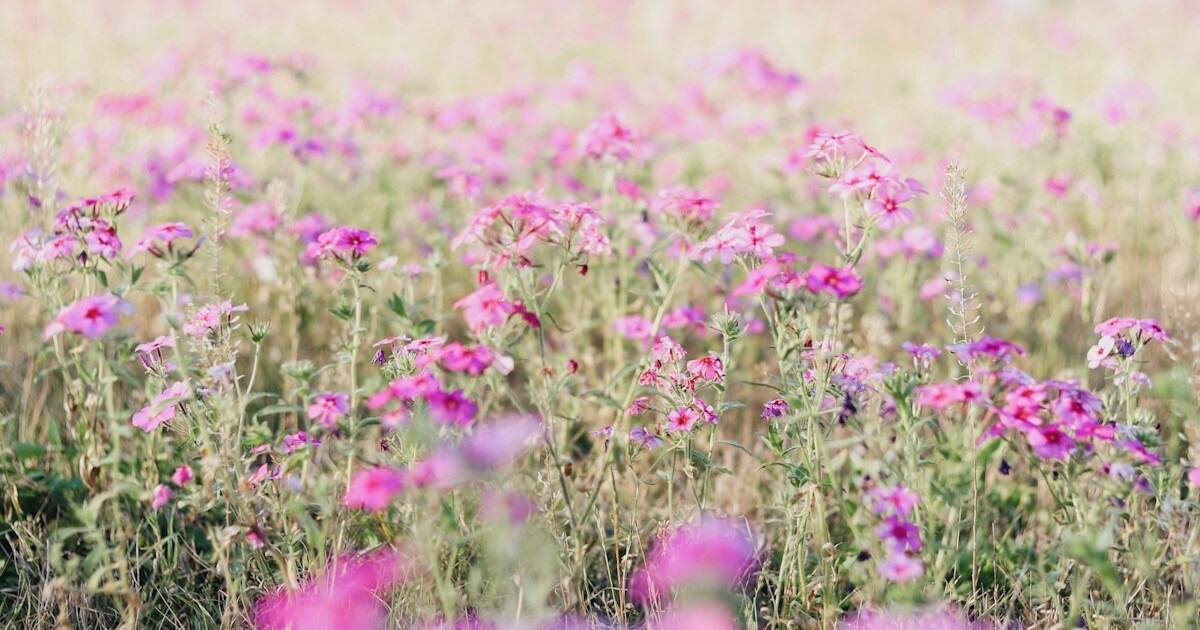

June is the month when flower gardens reach their peak vigor, bursting into full bloom and presenting a riot of color and fragrance. As a gardener who lives for these sunny days, I know exactly how exciting yet daunting this time can be. One of my favorite moments is stepping into the garden at dawn, breathing in the scent of roses and peonies, and hearing the first soft hums of bees on the morning breeze. Yet, it’s also such a bummer when pests find a foothold or when heat stress causes blooms to wither. In this article, I’ll share 12 thorough tips to help you keep your flower garden looking its absolute best throughout June, from soil checks to pest patrols, with all the nitty-gritty details you need.
Whether you’re a seasoned horticulturist or a newcomer eager to coax every last blossom from your beds, these tips will guide you through June’s unique challenges. We’ll talk about deadheading spent blossoms, scouting for early-season diseases, and even how to create cozy nesting spots for solitary bees! I’ll discuss which flowers are native pollinator magnets and which non-natives can turn invasive if left unchecked. By the end, you’ll know how to water wisely, feed appropriately, manage weeds, and ensure your June flower garden hums with life and beauty (rather than frustration). So, grab your gardening gloves and let’s dive into these 13 essential practices—randomized for good measure—each delivered with enthusiasm and empathy for those days when the garden feels like both a sanctuary and a demanding project.
Scout For Pests And Diseases Regularly

Regular scouting for pests and diseases in June can prevent small issues from ballooning into full-blown crises. I remember last June when I spotted my first aphid colony on a blush-pink peony bud—if I’d waited, the entire stand might have become overwhelmed. Check both the tops and undersides of leaves, looking for early signs of powdery mildew on roses or Japanese beetles munching on my daylilies (Hemerocallis spp.), which are native to Asia but notorious for aggressive growth if crowded. By picking off tiny egg masses or spraying a gentle insecticidal soap at first sight, you’ll save yourself the heartbreak of wilting petals and chewed foliage later on.
Beyond visual inspections, pay attention to plant behavior: wilting, yellowing, or distorted leaves often indicate root issues or nutrient deficiencies. June’s warm nights and humid days can foster fungal growth—so if you see any tiny powdery patches on geranium leaves or black spots on rose foliage, act promptly. Remove and dispose of any severely infected plant parts to prevent spreading, and sanitize your pruning shears between cuts. The quicker you respond, the less likely you are to need harsh chemical interventions. Your future self (and your flourishing June blooms) will thank you for this vigilance!
Deadhead Spent Blooms To Encourage Continuous Flowering

Deadheading spent blooms is one of the simplest yet most gratifying tasks you can perform in June. When you remove faded petals from plants like coneflowers (Echinacea purpurea) or black-eyed Susans (Rudbeckia fulgida)—both North American natives—you’re signaling the plant to redirect energy towards producing new flowers instead of seed. I love walking through my garden each morning with a pair of snips, quickly clipping away withered blossoms. As the new buds emerge, I feel a surge of excitement, knowing I’ll enjoy an encore performance of color in just a few weeks. Plus, without decaying blossoms lying around, the risk of fungal spores taking hold is significantly reduced.
Keep in mind that some annuals and non-native perennials, like impatiens (Impatiens walleriana), can self-seed prolifically if their spent blooms are left on the plant. By deadheading these, you not only maintain tidiness but also prevent surprise seedlings from popping up in shady corners where they might outcompete your hostas. If you’re looking to feed wildlife later in the season, you can leave seedheads on late-flowering native plants—goldfinches adore the seeds of Rudbeckia. However, for June’s midseason flush, deadheading is key to keeping your flower garden lush and vibrant.
Provide Adequate And Proper Watering
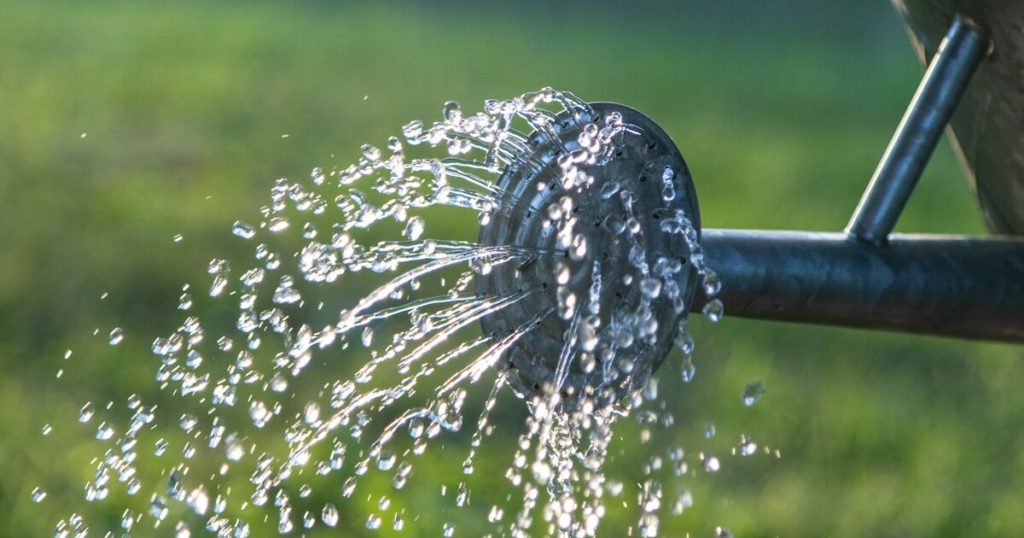
June’s rising temperatures can stress even the most drought-tolerant perennials if they don’t receive consistent moisture. Finding the right balance between sufficiency and overwatering is crucial. My go-to method is an early-morning deep soak—about one inch of water per week to the root zone of most flowering shrubs and perennials. Watering at dawn reduces evaporation and gives plants time to uptake moisture before the afternoon heat. I use a rain gauge to account for natural precipitation; if June is especially dry, supplemental watering keeps my roses and peonies unfazed by the heat.
Opt for drip irrigation or soaker hoses when possible, as wet leaves can invite fungal diseases like black spot on roses or botrytis blight on snapdragons (Antirrhinum majus), which are native to the Mediterranean but widely cultivated. Keeping foliage relatively dry prevents mildew growth while still delivering moisture to roots. If you have newly planted perennials—like ‘Blue Chip’ heuchera (Heuchera micrantha), a West Coast native—those need extra vigilance, as their root systems are still establishing. Mulching around these new transplants (as discussed later) helps lock in moisture, making your June watering routine more efficient and less labor-intensive.
Mulch To Retain Moisture And Suppress Weeds
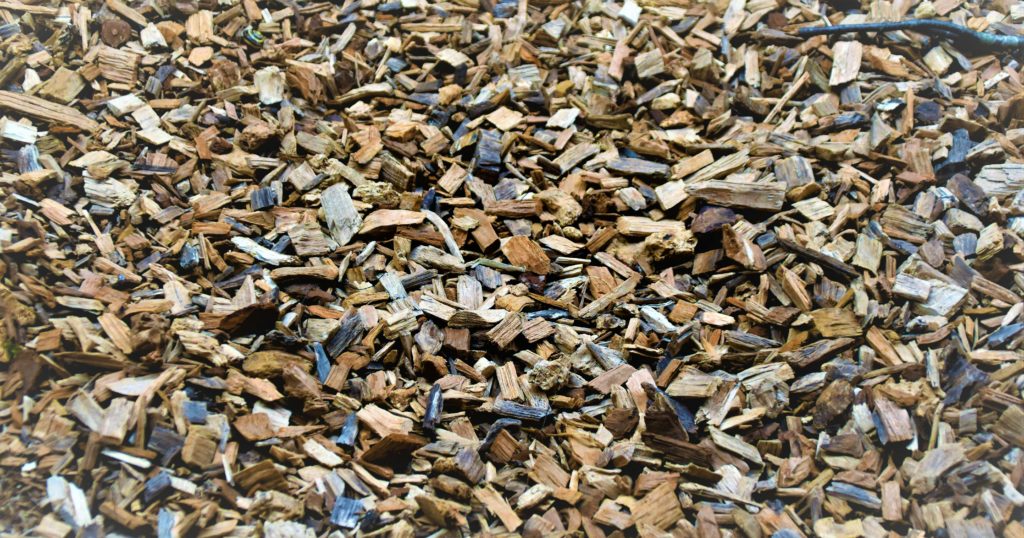
Applying a generous 2-to-3-inch layer of organic mulch in June is like giving your flower beds a cool blanket against the rising heat. I prefer shredded hardwood bark or locally sourced pine straw, which breaks down slowly and improves soil structure over time. Mulch not only retains moisture—requiring fewer trips with the hose—but also suppresses weeds that would otherwise sprout and compete with your prized peonies (Paeonia lactiflora) or daisies (Leucanthemum × superbum). A weed-free bed ensures that those lush June blooms get every drop of water and nutrient they need.
Choose mulch materials with an eye toward invasiveness: straw can be a fantastic moisture-retainer, but if it’s from fields containing foxtail (Setaria spp.), you might inadvertently introduce these aggressive grasses to your garden. Shredded oak leaves, a native resource in many regions, not only help retain moisture but also support beneficial insects like ground beetles and spiders that hunt slugs. I remember last June finding a tiny praying mantis egg case tucked beneath my mulch—nature’s own pest control! Just be sure to leave a small gap around each stem so mulch doesn’t smother trunks or crown tissues.
Prune And Pinch For Shape And Growth
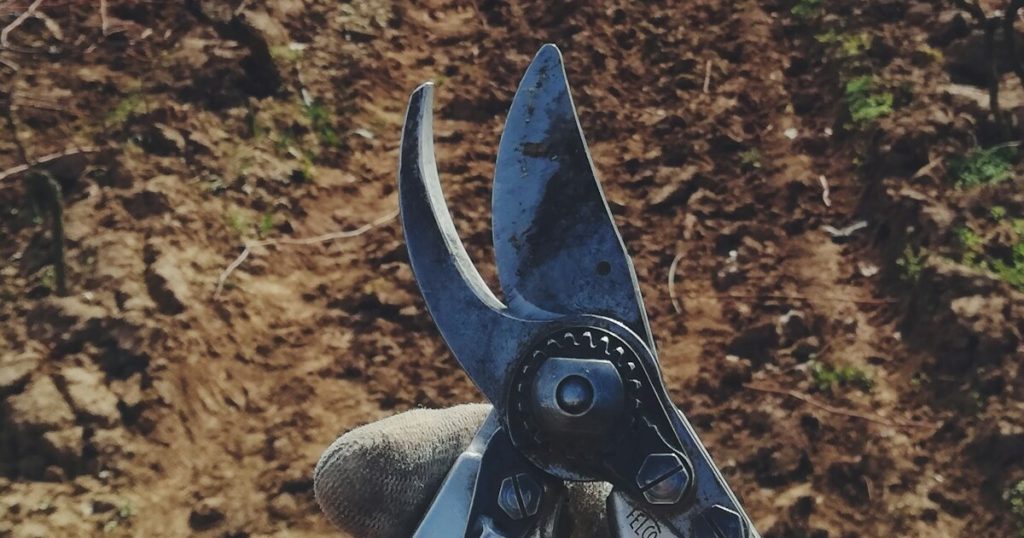
Pruning and pinching in June can keep mid-season bloomers tidy and encourage bushier, more compact growth. Take columbines (Aquilegia canadensis), for example—a North American native whose spent seed stalks can look leggy by mid-June. Snipping back these stalks after flowering helps the plant redirect energy to new leaf and side-shoot development. I find that pinching young shoots on annuals like zinnias (Zinnia elegans) encourages branching, leading to a fuller display of blooms by July.
However, not all plants should be pruned in June; for instance, avoid cutting back spring-flowering shrubs like forsythia (Forsythia × intermedia), as they set buds for the following year during the previous summer. When deadheading roses, always remove the entire spent stem back to a five-leaflet leaf or an outward-facing bud, ensuring a clean cut that minimizes disease entry. Clean, sharp bypass pruners are essential—dull blades can crush stems, inviting pathogens. By selectively pruning and pinching at key points in June, you maintain structural integrity, manage size, and ensure your flower garden remains lush and orderly.
Support Tall And Top-Heavy Plants

In early June, as your tall bloomers reach for the sky, it’s essential to provide extra support before they flop over. Delphiniums (Delphinium spp.)—native to temperate regions in the Northern Hemisphere—are notorious for needing staking once they hit 2–3 feet tall, especially when June rains weigh down their beautiful spikes. I use sturdy bamboo stakes and soft garden ties to gently guide these statuesque spires upright, ensuring the flowers remain on proud display and don’t break under their own weight.
Similarly, heirloom peonies, though relatively short-lived, can produce massive blooms that cause stems to bow, especially after a heavy June shower. Chickering (herbaceous) and Itoh (intersectional) peonies benefit from circular peony rings or individual stakes placed early in the season. These supports keep blooms off the ground, preventing browning petals and improving air circulation, which reduces risk of botrytis. Remember that some tall, non-native ornamentals, like certain varieties of foxglove (Digitalis purpurea), can self-seed aggressively if heads aren’t deadheaded; but with proper early staking and timely bloom removal, you can manage both structure and spread effectively.
Divide And Transplant Overcrowded Perennials

June is a prime time to divide and transplant overcrowded perennials, allowing each section to thrive rather than compete for resources. Plants like Echinacea purpurea (purple coneflower), native to North American prairies, can become congested by their third year, producing fewer blooms. Dig up the entire clump, then carefully separate the crown into smaller divisions, each with several healthy shoots and roots. Replant these divisions immediately—preferably on a slightly elevated mound for improved drainage—and keep them well-watered until they re-establish.
Beware of dividing certain invasive relatives: for instance, dividing patches of Iris pseudacorus (yellow flag iris) in wet areas should be done sparingly, as this Eurasian native can spread aggressively via rhizomes. Instead, choose less invasive iris species like the lovely Iris versicolor, a North American native, when dividing. Whenever you transplant, enrich the new bed with aged compost to supply slow-release nutrients and adjust soil texture. By dividing and relocating perennials in June, you rejuvenate blooms and maintain healthy, balanced beds that will shine through summer’s peak.
Attract Pollinators And Beneficial Insects

Flower gardens truly come alive when pollinators and beneficial insects are nesting nearby. Planting a mixture of native blooming perennials—like Monarda fistulosa (wild bergamot) and Asclepias tuberosa (butterfly weed)—in June draws bumblebees, native solitary bees, and butterflies to feed on nectar. I still recall my first June morning surrounded by the soft hum of mason bees entering their hole-nesting tubes among my sedum patches; those early visits led to abundant pollination of my rose bushes and daylilies later in the season.
Creating habitat is just as important as planting. Leave small patches of bare, undisturbed soil for ground-nesting bees—such as digger bees and Colletes species—to excavate tunnels. Cover a sunny corner of the garden with brush piles or small logs to encourage predatory insects like ground beetles, which hunt slugs and caterpillars. June’s buzzing energy is truly infectious; when you foster these insect-friendly conditions, watching your zinnias and cosmos flourish becomes infinitely more rewarding, knowing beneficial critters are supporting the health of your flower garden.
Fertilize Established Flowering Plants
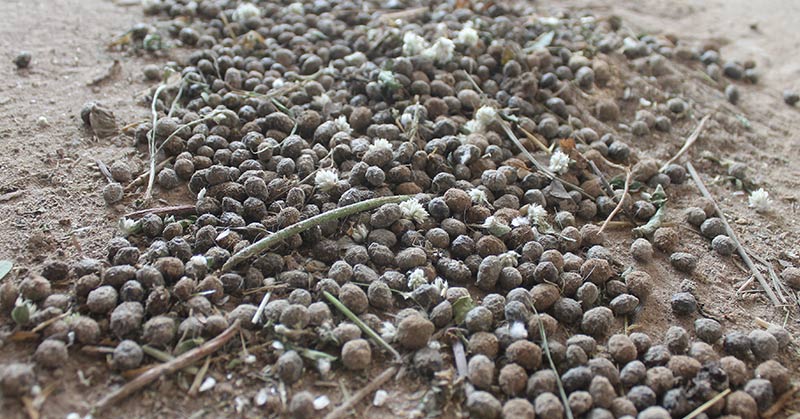
By June, most established perennials and annuals benefit from a midseason feed to maintain robust growth and flower production. I like using a balanced, slow-release organic fertilizer or applying a layer of compost around the base of my roses (Rosa spp.)—many of which are non-native but beloved for their classic blooms. Compost adds nutrients gradually and improves soil structure, enticing earthworms and microbial life that help break down organic matter, enriching your beds in the long term.
When fertilizing, avoid overdoing it—excess nitrogen can cause lush foliage at the expense of blooms. Instead, aim for a balanced 10-10-10 formulation or a compost tea made from fermented kelp and compost. This gentle approach feeds hungry June blooms without shocking root systems. If you’ve planted native asters or black-eyed Susans, consider that they often thrive in lean soils; in these cases, a light dusting of compost can be sufficient. By feeding thoughtfully in June, you ensure continued vigor and a stunning succession of flowers through summer.
Weed Vigilantly To Prevent Competition
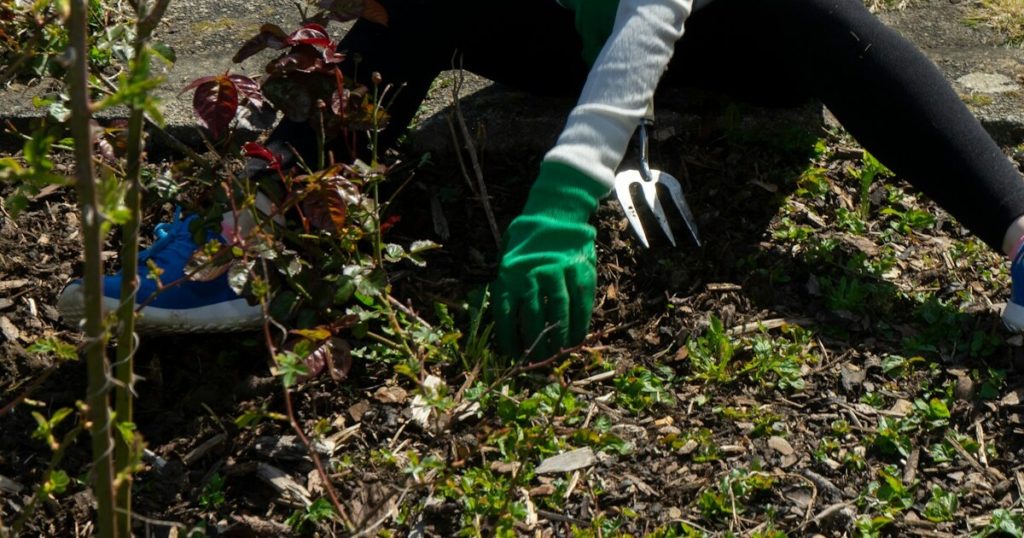
Weeds germinate with gusto in June’s warm, moist conditions, and if left unchecked, they rob your flower garden of water, nutrients, and valuable space. I make it a habit to weed beds every few days, particularly after rain when the soil is soft and seedlings pull out easily. Using a sharp hand fork or hoe, I target dandelions (Taraxacum officinale)—native to Europe but invasive almost everywhere—and creeping bindweed (Convolvulus arvensis), which can smother young primroses (Primula spp.) if not removed promptly.
Mulching (as described earlier) helps curb some weed growth, but there’s no substitute for close inspection. When you spot little lamb’s quarters (Chenopodium album), a common invasive that can sprout anywhere disturbed, pull it out before it goes to seed. Companion planting can also help—growing groundcovers like creeping thyme (Thymus serpyllum), a native to Europe but non-invasive when managed, between taller perennials suppresses weed seedlings and provides splashes of color. By weaving vigilant weeding into your June routine, you keep your flower beds free of interlopers, ensuring each cultivar shines unhindered.
Monitor Soil Moisture And Amend As Needed

June’s fluctuating weather—cool mornings followed by scorching afternoons—makes consistent soil monitoring essential. Dig down a few inches with your finger or a soil probe: if the subsoil feels dry, it’s time to water deeply. I often discover that my lavender (Lavandula angustifolia), a Mediterranean native that prefers fast-draining soil, is parched in spots under my deeper clay. In those cases, I work in a handful of horticultural grit or small stones to improve drainage around each plant.
Testing pH and nutrient levels in early June can alert you to deficiencies that could affect bloom performance. Perennials like lupines (Lupinus polyphyllus), native to North America, prefer slightly acidic soils (pH 6.0–6.5). If your test indicates alkalinity, a light application of elemental sulfur can correct it. Conversely, if soil is too acidic for plants like daylilies (Hemerocallis spp.)—which thrive around pH 6.8—you might add lime to raise pH. Incorporating a thin layer of well-rotted compost around each root zone not only boosts nutrients but also improves water retention. By paying close attention to soil conditions in June, you give your flower garden every advantage for outstanding bloom production.
Rotate Container Plants And Refresh Potting Mix

Containers and hanging baskets often need special attention in June, as their limited soil can heat up and dry out rapidly. I always rotate pots weekly so that all sides receive equal sun exposure, preventing one side from scorching while the other remains shaded. For heat-sensitive plants like begonias (Begonia spp.), which hail from tropical understories and can struggle under intense midday sun, I move their containers to partial shade during the hottest hours.
June is also a perfect time to refresh potting mix. Remove a few inches of old, depleted potting soil from the top and replace it with a blend of fresh peat-free or coconut coir–based mix, mixed with slow-release fertilizer pellets. This replenishes nutrients for container-grown gazanias (Gazania rigens), which prefer Mediterranean climates and can become root-bound if left unchecked. If you notice roots circling at the drainage holes, gently tease them apart before repotting—this encourages outward growth instead of root strangulation. By rotating and refreshing containers in June, you ensure your potted beauties remain lush and vibrant through the summer heat.
Manage Invasive Volunteer Seedlings
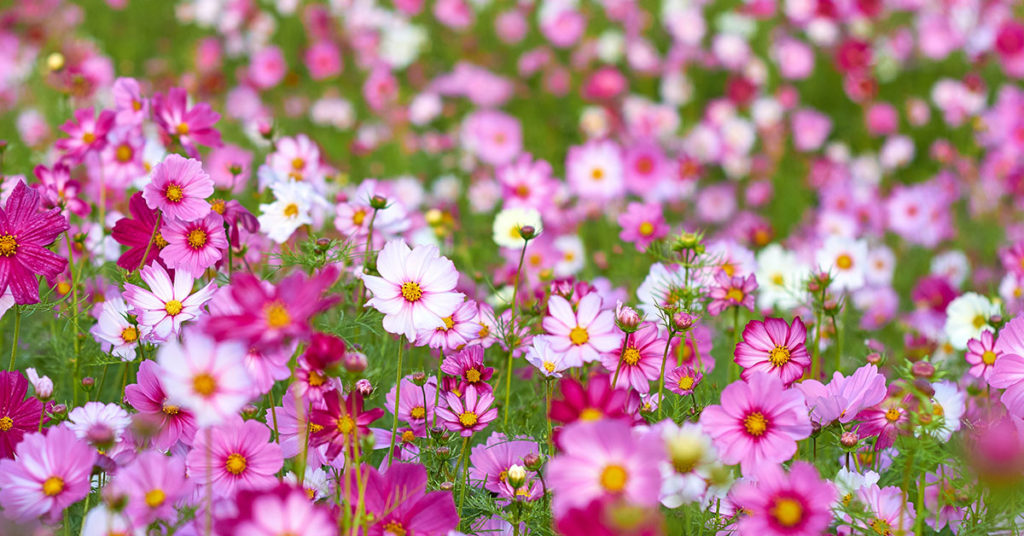
Even the most carefully maintained flower garden can get invaded by unexpected volunteers in June. Cosmos (Cosmos bipinnatus), though originally native to Mexico, readily self-seed and can become invasive in mild climates. When you see stray cosmos seedlings popping up among your coreopsis (Coreopsis spp.), a North American native, gently remove them or transplant them to a new location before they establish deep roots. Similarly, keep an eye out for butterfly bush (Buddleja davidii), beloved by butterflies but capable of rampant spread in some regions—deadhead spent blooms immediately after June’s first flush to prevent seed formation.
With perennials like Oriental poppies (Papaver orientale), whose seeds can drift on the breeze, watch for seedlings in unintended areas. If you allow these to remain unchecked, they can compete with more desirable plants like Echinacea or Rudbeckia. It’s helpful to map out your garden in June—note where unwanted volunteers begin emerging, then pull them when they’re still small. Removing invasive volunteer seedlings not only protects your favorite blooms but also minimizes future labor and preserves biodiversity, ensuring your June flower garden remains balanced and thriving.