
Salvia (Sage)
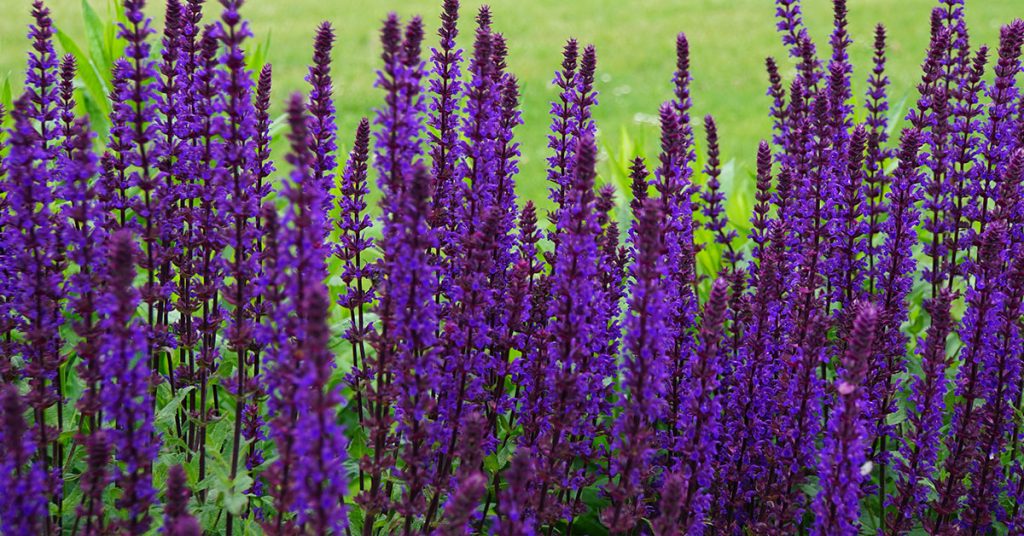
Salvia (Salvia spp.), part of the mint family and native to regions ranging from the Mediterranean to Latin America, includes many varieties that bloom prolifically when planted or transplanted in June. Consider annual salvias like Salvia coccinea (scarlet sage) or tender perennials such as Salvia nemorosa (meadow sage) in zones 5 and above. Plant them in well-draining soil with full sun, spacing perennials 12–18 inches apart and annuals around 8–10 inches apart. By July, these plants erupt in spikes of purple, blue, red, or white flowers that last well into fall—one of my favorite midsummer sights.
Sage’s tubular blossoms attract hummingbirds, bumblebees, and native solitary bees—especially hummingbird sage, whose red flowers are irresistible to ruby-throated hummingbirds. Hoverflies and predatory wasps also frequent the flower spikes, taking advantage of nectar while patrolling for aphids. Salvias rarely become invasive (with the exception of some hardy perennial species in milder regions), and their fragrant foliage often deters rabbits and deer. With minimal deadheading—snip spikes just above new side shoots—salvia continues blooming unabated all summer. Planting salvias in June ensures you’ll enjoy hummingbird visits and buzzing bees right through September’s first chills.