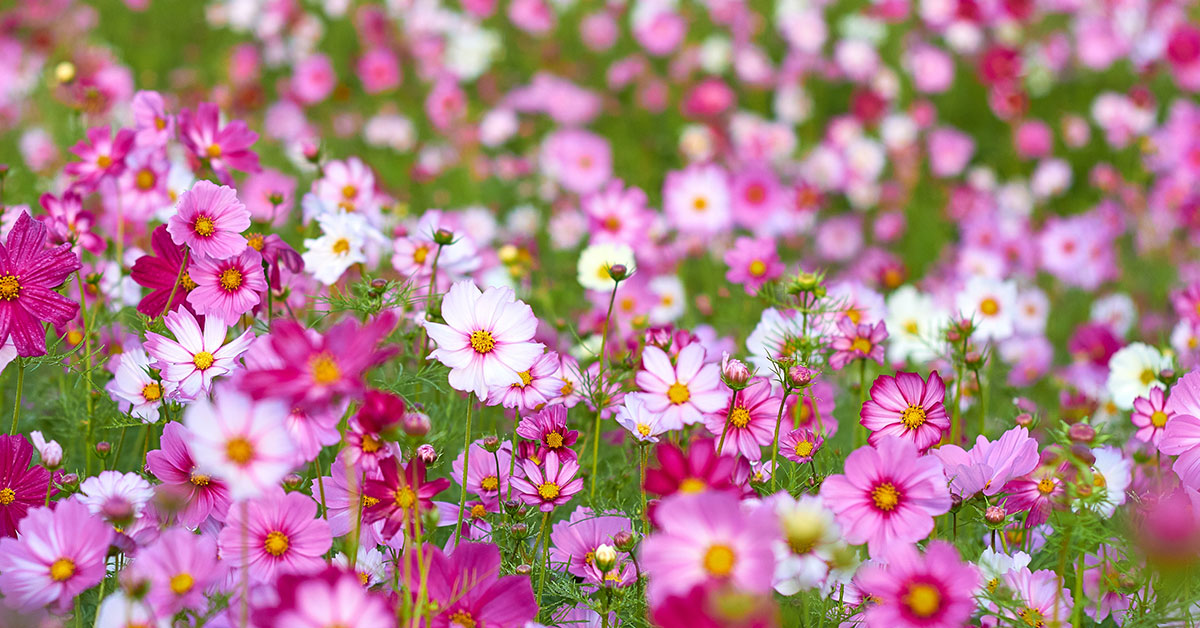

June often feels like nature’s launch pad—garden beds bursting with early-season perennials, tender seedlings finally settling in, and the promise of long, flower-filled days ahead. There’s nothing quite like stepping into a garden in June and knowing that your next couple of months will be awash in color and humming with pollinator activity. However, it can be overwhelming deciding which flowers to plant now to ensure continuous blossoms through July, August, and into early fall. I’ve been there—planting too early with spring cool-season annuals that peter out by midsummer, or relying solely on perennials that don’t really hit their stride until late July. If you’re reading this feeling anxious about keeping blank spots from appearing by mid-June, you’re in the right place!
Below, I’ll share 13 exceptional flowers—each with robust late-spring plantability and a remarkable ability to keep blooming until the first frost. We’ll delve into their native origins, check for any invasive tendencies, explore how they attract beneficial insects (or discourage pests), and give you practical tips on planting, soil, and care in June. Whether you have a full sun border, a shady patio, or a handful of containers, you’ll find options that suit your conditions and keep your garden alive with color. From dwarf sunflowers that seem to chase the sun to low-growing portulacas that thrive in scorching heat, these selections will help you avoid the “summer slump” in your flower beds—leaving you to enjoy lazy evenings among blooming beauty rather than weeping over fading foliage!
Cosmos
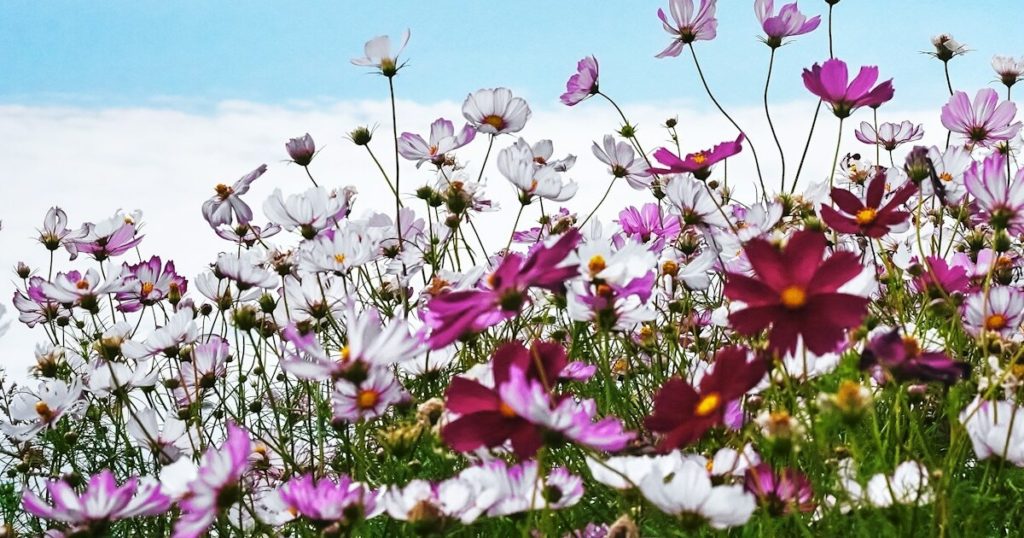
Cosmos (Cosmos bipinnatus), native to Mexico and Central America, are quintessential summer-bloomers that thrive when sown in June’s warming soils. Plant cosmos seeds directly in well-draining beds, spacing them about 12 inches apart; they germinate in just 7–10 days. These daisy-like annuals produce airy foliage topped with dainty white, pink, or deep rose blooms that sway gracefully in every breeze! I remember sowing a patch last June and being delighted by how quickly they filled in bare spots, even after earlier-season plants faded under the high heat.
One stellar feature of cosmos is their magnetism to pollinators: honeybees, bumblebees, and native solitary bees flit among the open petals, collecting copious nectar and pollen. Butterflies—particularly monarchs and swallowtails—are also frequent visitors, often resting on the petals before continuing their migration journeys. The slender stems provide perches for minute pirate bugs and hoverflies that hunt aphids in nearby beds, promoting natural pest control. Cosmos aren’t invasive in most regions, though they self-seed generously; if you want to limit volunteers, simply deadhead spent blooms before seed pods form. They’ll keep blooming from mid-June until frost, providing a relentless splash of color that brightens any garden space.
Marigolds
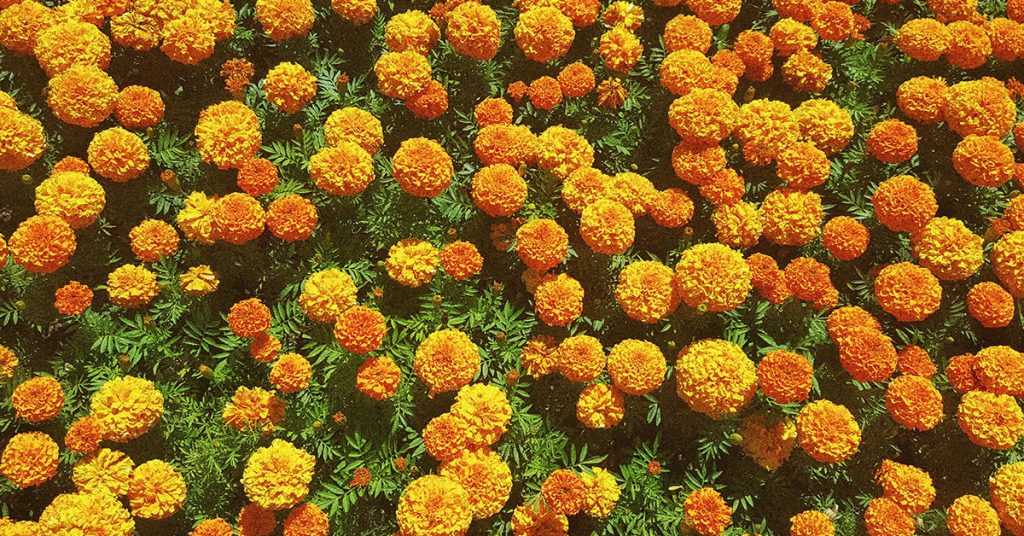
Marigolds (Tagetes spp.), native to Mexico and Central America, are renowned for their vibrant golden and orange hues that seem to glow even under blazing summer sun. Sow seeds directly in June or transplant nursery-grown seedlings, spacing them 8–12 inches apart in full sun and fertile, well-draining soil. These hardy annuals handle high temperatures and poor soils better than many others—one of my go-to recommendations when summer seems hotter than usual! Their compact form and abundant blooms also make them a favorite for edging borders or filling container gardens.
Beyond their cheerful appearance, marigolds exude a pungent aroma—especially French marigolds (Tagetes patula)—that repels many insect pests, including nematodes that harm root vegetables. However, Japanese beetles (Popillia japonica), invasive in parts of North America, are actually attracted to certain marigold varieties; if you notice large beetle congregations, remove those plants or deadhead frequently to reduce infestation. On the beneficial side, marigolds draw hoverflies and parasitic wasps that prey on aphids and caterpillars. By June, expect non-stop blooms that last until the first frost, offering continuous color and natural pest management in your flower beds!
Zinnias
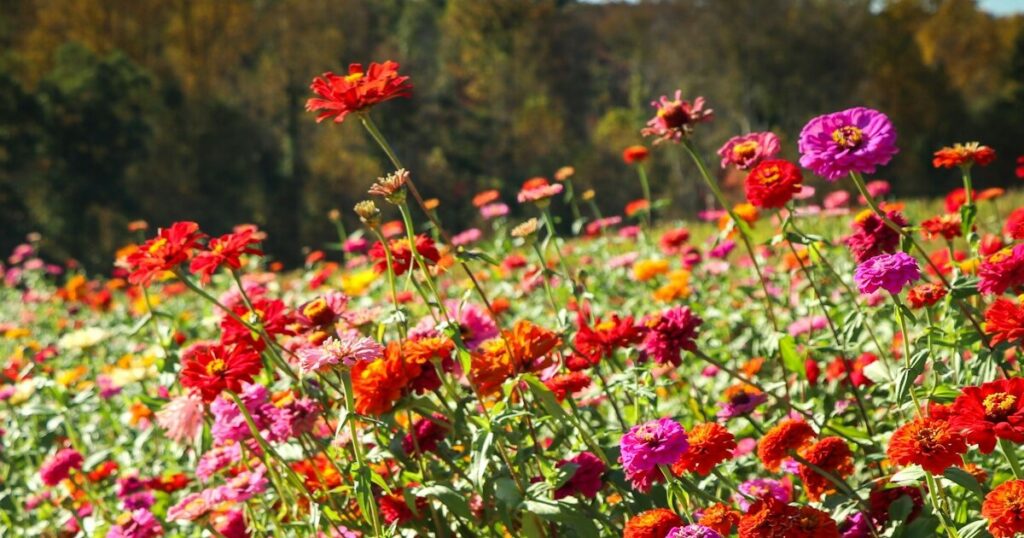
Zinnias (Zinnia elegans), natives of Mexico, are a summer gardener’s delight when planted in June. Sow seeds directly in sunny spots with well-draining soil, spacing them about 6–12 inches apart depending on the variety—larger dahlias-style zinnias need more room, while dwarf types can be closer together. They germinate in 5–7 days, and soon thick green foliage produces bright, pompom-like blossoms in pinks, reds, yellows, and purples. Their sturdy stems make them perfect for cutting gardens: I love snipping off a few blooms each morning for fresh vases—such an instant mood lifter!
Zinnias are also pollinator powerhouses. Bumblebees, butterflies (especially swallowtails and fritillaries), and native solitary bees swarm the flat, open centers searching for nectar, while lady beetles patrol for aphids that sneak in on emerging foliage. One tip: watch for powdery mildew, which can appear in late midsummer—plant resistant varieties like ‘Lilliput’ or ‘Benary’s Giant’ and ensure good air circulation by spacing plants adequately. When you deadhead zinnias regularly, they’ll produce new blooms well into September, making them a June planting you’ll thank yourself for when August heat bakes everything else.
Sunflower (Dwarf Varieties)

Sunflowers (Helianthus annuus), beloved for their golden faces that track the sun, are not just for spring plantings—certain dwarf varieties sown in early June still reach blooming height and add cheerful drama to gardens. Choose compact types like ‘Teddy Bear’ or ‘Sunny Smile,’ which grow 1–2 feet tall and bloom about 60 days after sowing. Plant seeds 1 inch deep in fertile, well-draining soil with full sun exposure, spacing them 6–12 inches apart. Within two weeks, bright green seedlings appear, and those iconic petals burst open by late July or early August.
These cheerful flowers are magnets for pollinators: honeybees and native sweat bees forage the disk florets for pollen, while butterflies and hoverflies visit for nectar. Plus, the broad leaves create shade underneath, offering refuge for small ground beetles that hunt slugs and caterpillars in the soil. Since sunflowers can self-seed, adult plants that drop seeds in late summer may pop up volunteers next year—so if you want a tidy look, remove spent heads before full seed maturation. Dwarf sunflowers brighten container gardens and borders alike, ensuring that even a June planting yields that iconic “sunny” vibe all summer long.
Nasturtiums

Nasturtiums (Tropaeolum majus), native to Central and South America, are versatile annuals that flourish when sown or transplanted in June. They grow easily in most soils—though they prefer lean, well-draining conditions—and need at least 6 hours of sun. Directly sow seeds ½ inch deep and 10–12 inches apart, or pop in nursery starts after the last frost. Warm days set off quick growth; within 3 to 4 weeks, you’ll see lush, round leaves and vibrant orange, yellow, or red blooms. Nasturtiums are edible, too—peppery petals make excellent salad garnishes and open a fun way to get kids interested in gardening!
One standout feature of nasturtiums is their role as “trap crops”: they lure aphids away from more tender vegetables, making them biological pest controllers in summer gardens. At the same time, beneficials like hoverflies and predatory wasps frequent the blossoms, hunting any pest insects lurking amid the leaves. The trailing varieties spill gracefully over containers, while upright forms—though non-native—remain non-invasive in most regions, providing a mass of color that lasts until the first frost. With minimal fertilization—too much nitrogen leads to lush foliage but sparse blooms—nasturtiums sown in June will cascade beauty across flower beds and veggie gardens all summer long.
Portulaca (Moss Rose)

Portulaca (Portulaca grandiflora), also called moss rose, is a heat-loving succulent annual native to South America that thrives when planted in June’s full sun. Sow seeds directly or transplant tiny plugs in well-draining, sandy soil; allow at least 6 inches of spacing for spreading varieties. Within days, succulent leaves appear, followed quickly by vibrant single or double blooms in pinks, reds, oranges, and whites. Their delicate stems hug the ground, creating a colorful mat that endures blistering heatwithout complaint—perfect for containers, rock gardens, or as border groundcover.
Portulaca blooms close at night and open again at sunrise, offering a dynamic, living clock in your garden. Pollinators like native bees and small butterflies dart in to sip nectar from the open blooms during daylight hours, while the fleshy leaves provide minimal shade, discouraging slugs and snails. Because portulaca is not invasive and requires almost no supplemental watering once established, it’s a gardener’s dream for those hot summer weekends when irrigation is sporadic. By July and August, your garden will be resplendent with the moss rose’s jewel-toned carpet, showing that a June planting can indeed yield nonstop summer brilliance.
Geraniums (Pelargonium)
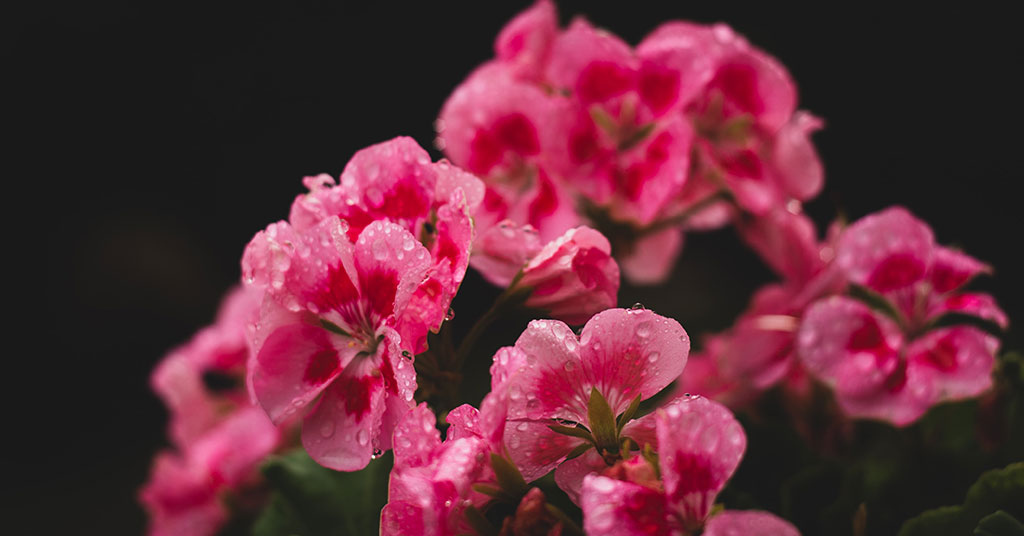
Geraniums (Pelargonium spp.), native to South Africa, are classic summer favorites that flourish when planted in June. Choose zonal geraniums (Pelargonium × hortorum) or ivy geraniums (Pelargonium peltatum), and plant in fertile, well-draining soil with at least six hours of sun per day. Space plants 10–12 inches apart, ensuring good air circulation to reduce disease risk. Once they settle in, they’ll quickly produce clusters of vibrant blooms—ranging from crimson to blush—against a backdrop of rounded or trailing foliage. I recall how last June’s heatwave barely fazed my geraniums; they performed like troopers while other container plants wilted.
Beyond their beauty, geraniums attract a variety of pollinators: honeybees and bumblebees forage for nectar in plentiful blooms, while hoverflies zip in to investigate any aphid colonies. The aromatic foliage also deters some pests; the scent of crushed leaves repels certain mosquitoes and deer, making geraniums a dual-purpose choice near patios and walking paths. In regions where overwintering is challenging, geraniums can be brought indoors or treated as annuals, ensuring you can start fresh each June. As midsummer warmth intensifies, these reliably blooming plants keep your flower beds and containers colorful and alive until frost arrives.
Salvia (Sage)
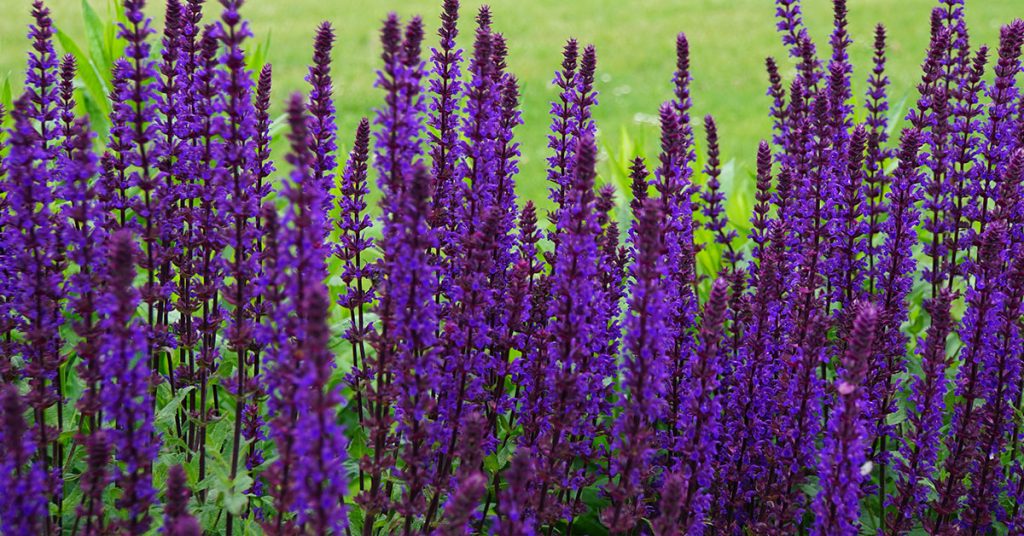
Salvia (Salvia spp.), part of the mint family and native to regions ranging from the Mediterranean to Latin America, includes many varieties that bloom prolifically when planted or transplanted in June. Consider annual salvias like Salvia coccinea (scarlet sage) or tender perennials such as Salvia nemorosa (meadow sage) in zones 5 and above. Plant them in well-draining soil with full sun, spacing perennials 12–18 inches apart and annuals around 8–10 inches apart. By July, these plants erupt in spikes of purple, blue, red, or white flowers that last well into fall—one of my favorite midsummer sights.
Sage’s tubular blossoms attract hummingbirds, bumblebees, and native solitary bees—especially hummingbird sage, whose red flowers are irresistible to ruby-throated hummingbirds. Hoverflies and predatory wasps also frequent the flower spikes, taking advantage of nectar while patrolling for aphids. Salvias rarely become invasive (with the exception of some hardy perennial species in milder regions), and their fragrant foliage often deters rabbits and deer. With minimal deadheading—snip spikes just above new side shoots—salvia continues blooming unabated all summer. Planting salvias in June ensures you’ll enjoy hummingbird visits and buzzing bees right through September’s first chills.
Vinca (Periwinkle)
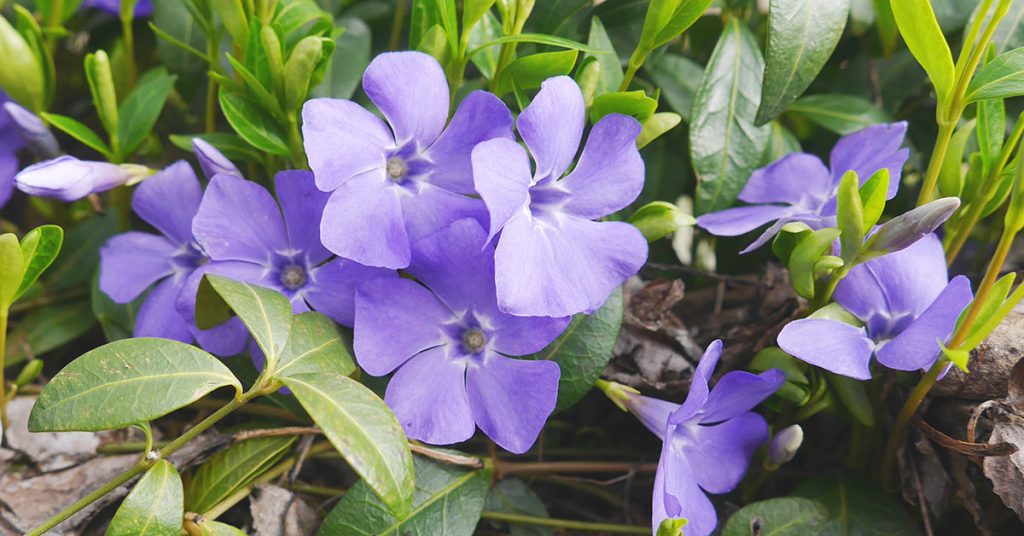
Vinca, or periwinkle (Catharanthus roseus), a tender annual native to Madagascar, thrives in June’s heat and drought, making it ideal for beds and containers. Sow seeds or transplant seedlings once soil temps reach 65°F, spacing them 6–8 inches apart in well-draining, nutrient-rich soil with at least six hours of sun. Their glossy, dark-green leaves support cheerful single blooms in shades of pink, purple, red, and white that persist even as higher summer temperatures set in. I remember planting a bed of periwinkles last June, and they filled in bare spots within weeks, offering non-stop color even when other annuals faded.
One wonderful aspect of periwinkle is its ability to attract pollinators while discouraging pests. Though their star-shaped flowers appeal to small butterflies and certain solitary bees seeking nectar, the foliage isn’t particularly palatable to deer or rabbits—perfect if wildlife pressure is high in your area. Vinca is not considered invasive in most temperate zones, provided you remove spent blooms and avoid letting seeds blow into natural areas. In addition, periwinkle’s robust form suppresses weeds, reducing habitat for slugs and snails that prefer lush, damp foliage. With minimal maintenance beyond occasional deadheading, periwinkles planted in June will flourish until the first frost, delivering reliable summer cheer.
Blanket Flower (Gaillardia)
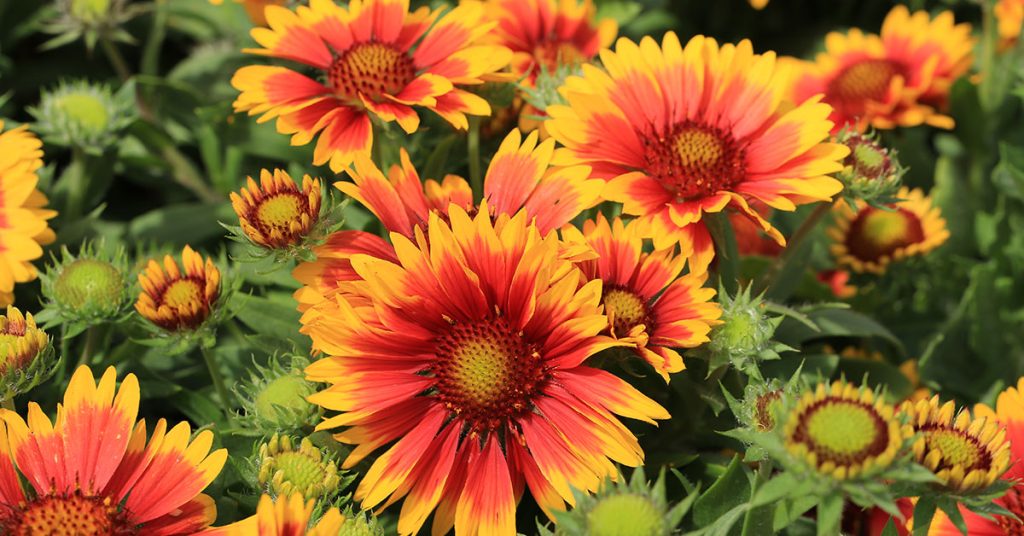
Blanket flower (Gaillardia spp.), native to North and South America, is prized for its daisy-like heads featuring bicolored red, yellow, and orange petals that appear to radiate warmth. Plant blanket flowers in June in well-draining, sandy or loamy soil with full sun exposure—these sun-lovers bristle with blooms when other plants wilt in mid-summer heat. I still recall digging divisions and transplanting them last June; within days, the baby plants sprouted vibrant blossoms that lasted well into September. Established blanket flowers can self-seed, though they rarely become invasive—just deadhead spent blooms to control volunteers if you wish.
These flowers are veritable pollinator magnets: bumblebees, honeybees, and native sweat bees swarm the open centers, collecting pollen while providing vital pollination services in your garden. Butterflies—especially black hairstreaks and monarchs—frequently perch on the colorful petals, sipping nectar and resting between flights. Below the blooms, ground beetles and small spiders patrol for pests like aphids and caterpillars, adding an extra dimension of natural pest control. Because blanket flowers tolerate poor soils and occasional drought, a June planting gives you months of reliable, fiery color and a thriving hotspot for pollinator activity—an absolute summer essential!
Coreopsis (Tickseed)
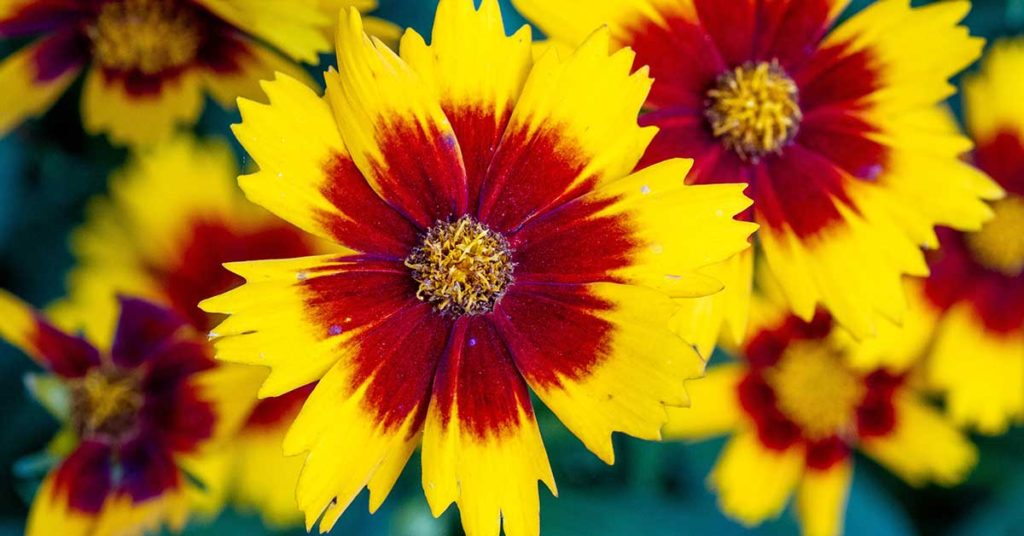
Coreopsis (Coreopsis spp.), commonly called tickseed, includes several North American natives—such as Coreopsis tinctoria—that flourish when sowed or transplanted in June. Plant in full sun with well-draining soil, spacing plants 8–12 inches apart. In just a few weeks, these drought-tolerant perennials burst into bright yellow and gold—sometimes with hints of red—that dance on long, wiry stems above feathery foliage. One of my favorite memories is last June’s patch of Coreopsis lanceolata brightening a dry patch where little else would grow; the bees buzzed so loudly you could hear them from across the yard!
Coreopsis blooms from July through September, providing a vital late-season forage source. Bumblebees, honeybees, and native solitary bees collect pollen from the flat, open centers, while butterflies such as painted ladies and monarchs sip nectar from the bright petals. These perennials also create ground-level habitat for beneficial predators like lacewings and lady beetles, which keep aphid populations in check. Coreopsis is not invasive when kept within garden borders, making it a reliable choice for long-lasting summer bloom. With minimal watering and occasional deadheading, a June planting yields a sea of golden daisies that brighten any garden and support pollinators through the hottest months.
Petunias
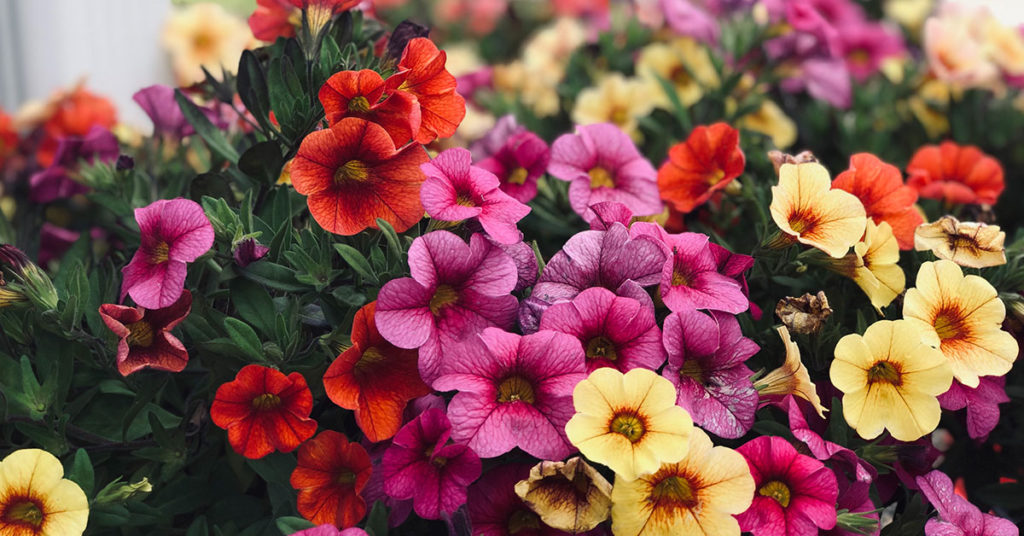
Petunias (Petunia × atkinsiana), hybrids originating from South American petunias native to Argentina and Brazil, are summer bedding classics that perform spectacularly when planted in June. Choose vigorous spreading varieties and plant them in containers, hanging baskets, or flower beds with rich, well-draining soil and six to eight hours of sun. Within a week or two, the plentiful trumpet-shaped blooms emerge in an array of colors—from pure white to deep purple—creating a cascading effect that looks like a waterfall of petals. I love how petunias bounce back quickly after rainstorms, even under intense heat!
These plants also play host to pollinators: hummingbirds compete with hawk moths for their nectar, while small bees like sweat bees collect pollen from the sticky stamen. Petunias also attract beneficial hoverflies, which feed on aphids and serve as weed pollinators. Be mindful that certain strains—especially those bred for extreme showiness—may be less fragrant and slightly less attractive to pollinators. If you care about fragrance and bee visits, look for lightly scented heritage varieties. Regular deadheading of spent blooms encourages new flowers to open and keeps the plants looking neat. Sown or transplanted in June, petunias can bloom continuously until frost, adding vibrant color and pollinator interest throughout summer.
Lantana

Lantana (Lantana camara), native to tropical regions of Central and South America, thrives in June’s warm soils and summer sun, producing clusters of multi-colored tubular blooms. Plant new seedlings or transplants in full sun with well-draining soil, spacing them about 18–24 inches apart—lantana appreciates room to spread. I discovered ‘Miss Huff,’ a compact cultivar, last June; within weeks, it erupted into a combination of red, orange, yellow, and pink blooms that seemed to glow under the afternoon sun. Its tolerance for heat and drought makes it an ideal choice for hot, dry climates.
One of the most compelling reasons to plant lantana is its pollinator appeal: hummingbirds gorge on the nectar, and butterflies—like monarchs and swallowtails—cluster en masse on the flower heads, giving your garden an enchanting flutter. Bees also visit to collect just enough nectar to fuel their foraging flights. Keep in mind that lantana can become invasive in warmer regions (zones 9–11), seeding prolifically if not managed. To prevent unwanted spread, deadhead spent flower heads before they develop berry-like seeds and consider container planting in cooler or at-risk areas. When maintained responsibly, a June planting of lantana keeps your summer garden awash in color and hummingbird serenades.