
Gardening is such a personal and delightful journey—especially when you discover the secret to unlocking even more vibrant blooms! I’ve spent countless hours tending to my garden and learning the art of deadheading, a practice that encourages many plants to produce new, stunning flowers. I understand how disheartening it can be when your hard work seems to fade into droopy petals and spent blooms. That’s why I’m excited to share these 13 fabulous flowers with you, each of which rewards you with an explosion of color when properly pruned!
I know exactly how frustrating it is to see your garden’s potential wilt away, and trust me, you’re not alone! Whether you’re battling stubborn pests or simply struggling with a shady spot that refuses to bloom, mastering deadheading can be a game changer. In the following sections, I’ll reveal a mix of native beauties and beloved cultivars from all corners of the globe—each with its own unique behaviors and characteristics. Let’s dive in and transform your garden into the thriving, colorful oasis you’ve always dreamed of!
Verbena
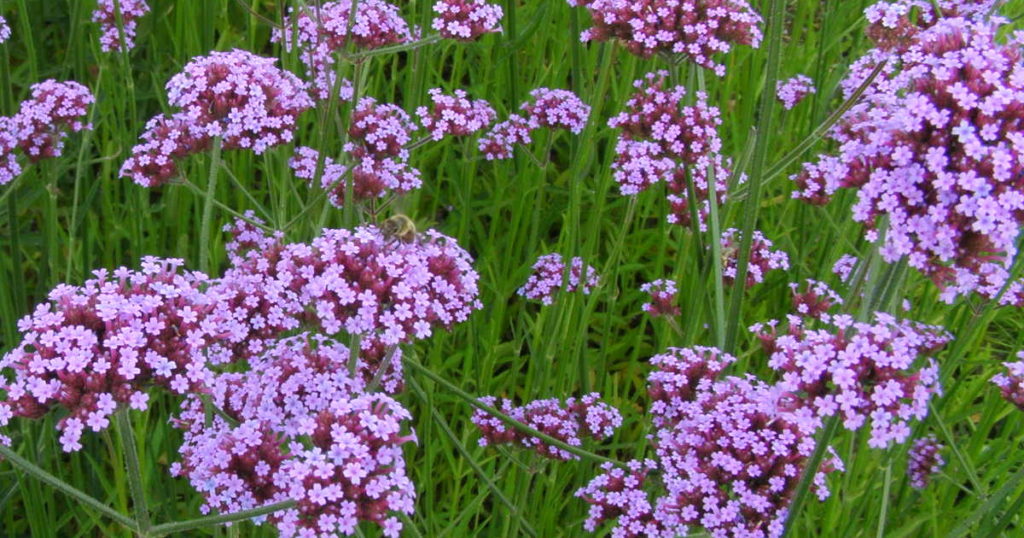
Verbena bonariensis, native to South America, is a dainty yet resilient flower that can bring a splash of airy charm to any garden. Its slender stems and clusters of tiny, purple blossoms seem to attract butterflies and hummingbirds alike, almost as if they’re constructing a delicate nest for these visiting creatures! Deadheading this perennial not only prolongs its blooming period but also keeps it looking fresh and vibrant throughout the season.
I’ve found that regular deadheading of Verbena helps the plant redirect its energy toward new growth and improved flower production. While it can sometimes self-seed, Verbena is generally well-behaved and rarely invasive when maintained properly. It’s a joy to watch as each cut spurs a renewed burst of blooms, inviting a little bit of wild elegance into your carefully curated garden!
Roses

Roses are perhaps the most classic of all garden flowers, with species native to regions spanning Asia, Europe, and North America. Their lush petals and intoxicating fragrance have enchanted gardeners for centuries, and deadheading these beauties is essential to encourage repeat flowering! I always take a moment to appreciate how a neatly pruned rose bush not only looks its best but also reminds me of the delicate balance between nature’s wild spirit and cultivated art.
In my experience, removing spent blooms from roses is like giving them a little boost of energy. This practice prevents the plant from expending energy on seed production and instead focuses on creating new, captivating blossoms. Although many modern rose varieties are cultivated and rarely become invasive, it’s still important to prune them carefully to keep them thriving in your garden sanctuary!
Lavender

Lavender, native to the sun-kissed Mediterranean, fills any garden with its soothing fragrance and striking purple spikes. Deadheading lavender is a must if you want to encourage it to produce even more of those enchanting blooms! I find that each time I trim the spent flowers, it feels like I’m inviting a fresh wave of summer into my garden, one that not only pleases the eyes but also relaxes the soul.
This versatile herb is celebrated not only for its beauty but also for its practical uses, from aromatherapy to culinary delights. Its native habitat in the Mediterranean ensures that it’s well-adapted to drier climates, and it typically doesn’t become invasive when properly maintained. Regular deadheading helps maintain its tidy form and ensures that the plant remains a striking focal point in any outdoor space, offering both aesthetic charm and a touch of nature’s calm!
Snapdragons
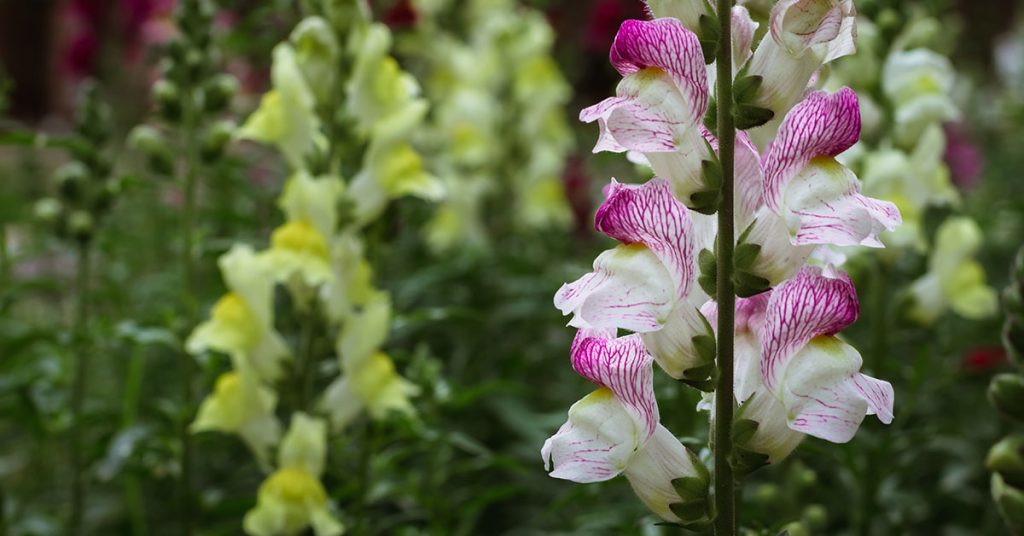
Snapdragons (Antirrhinum majus), with their whimsical, dragon-shaped blooms, add a playful twist to any garden scene. Native to the Mediterranean region and parts of Europe, these tall, vibrant flowers thrive when their faded blooms are removed. Deadheading snapdragons not only makes the display more dynamic but also prevents the plant from diverting energy into seed production, encouraging a fuller burst of color!
Every time I work with snapdragons, I marvel at their almost theatrical presentation. Their unique structure seems to create little clusters that resemble tiny nests, perfectly arranged to invite bees and butterflies to their party! While snapdragons are generally well-behaved and non-invasive, a bit of routine care goes a long way in keeping them at their most brilliant. Their bold nature and distinct form always remind me that gardening is as much about art as it is about nature’s rhythm!
Petunias
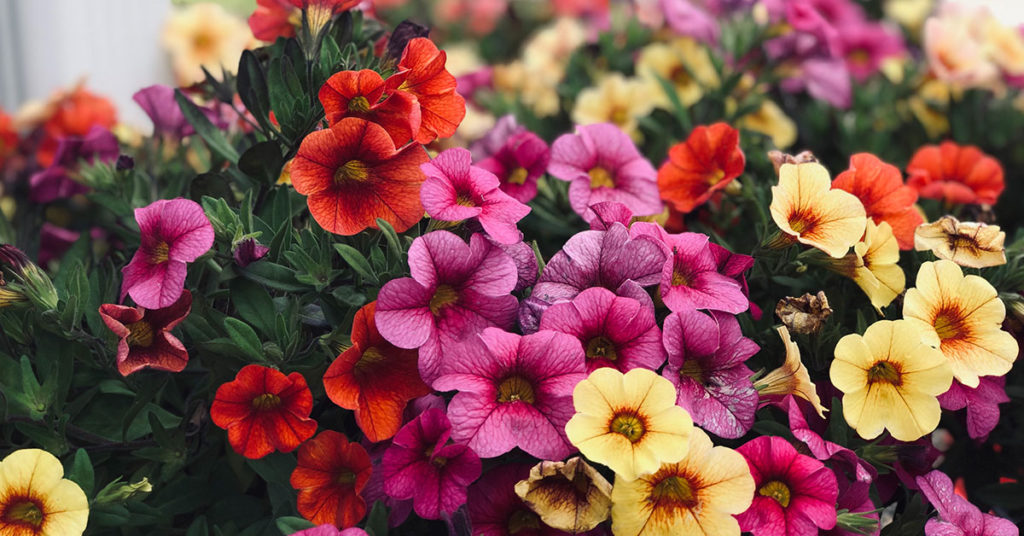
Petunias, with their exuberant and trumpet-shaped blooms, bring an unmistakable flair to any garden setting. Native to the warm regions of South America, these flowers thrive under the gentle art of deadheading—where the removal of spent blooms inspires a continuous cascade of fresh, vivid petals! I love how their playful nature transforms a simple garden space into a lively tapestry of color and movement.
In my own gardening adventures, I’ve learned that petunias reward diligent care with an almost endless display of cheerful blossoms. Their growth habit, which sometimes creates little clusters reminiscent of a natural nest, attracts a host of pollinators while remaining delightfully non-invasive. Deadheading petunias isn’t just a chore; it’s a ritual that connects you with nature’s cycle of renewal, ensuring that every corner of your garden sings with life and energy!
Zinnias
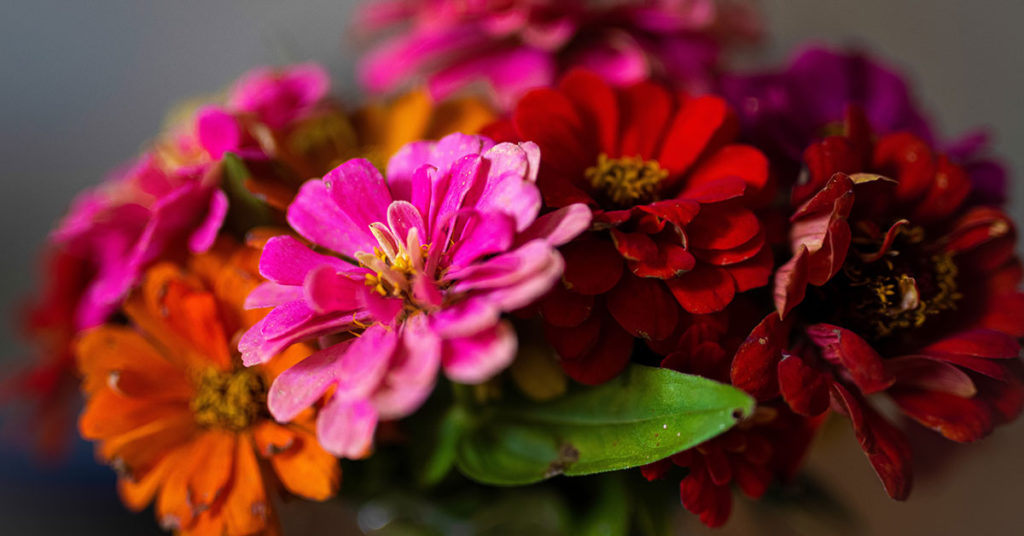
Zinnias, native to the vibrant landscapes of Mexico, are a burst of sunshine in any garden. Their bold, multi-hued petals and distinctive shape seem to capture the essence of summer, and deadheading them encourages a fresh surge of blooms that keep the garden lively and inviting! I’ve always admired how each new flush of zinnias seems to build a natural mosaic, attracting butterflies and bees with an almost nest-like appeal.
Having nurtured zinnias for years, I know that removing their spent blooms is the secret to maintaining their radiant display. This practice prevents the plant from getting bogged down by seed formation and helps redirect its energy into producing more delightful flowers. While zinnias can sometimes self-sow, they are generally non-invasive and perfectly suited to gardens that aim to celebrate the unbridled beauty of nature without losing control over the landscape!
Black-Eyed Susans
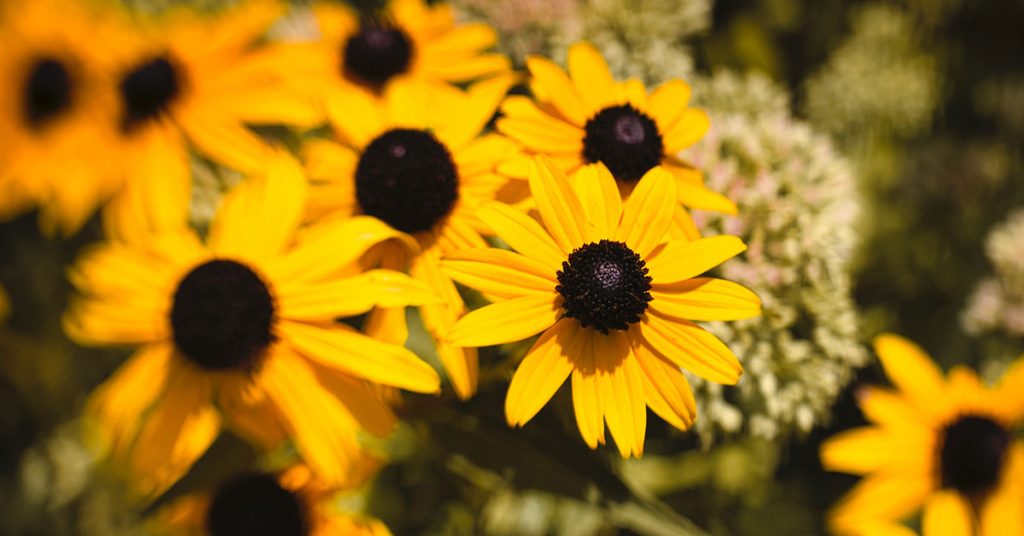
Black-eyed Susans (Rudbeckia hirta), native to North America, are a robust and cheerful addition to any flower bed. With their bright yellow petals and dark, captivating centers, these flowers seem to create a natural nest that attracts pollinators while adding a splash of radiant color. Deadheading these perennials is essential for maintaining their dynamic display and encouraging even more vigorous blooming throughout the season!
In my gardening experience, Black-eyed Susans are like a beacon of natural joy, their spent blooms cleared away to allow space for new growth. Their origins in the diverse prairies of North America give them a hardy disposition, ensuring they rarely become invasive while still thriving with minimal care. Every time I deadhead a cluster of these vibrant blooms, I’m reminded that a little maintenance can unleash a symphony of nature’s best colors right in your backyard!
Marigolds
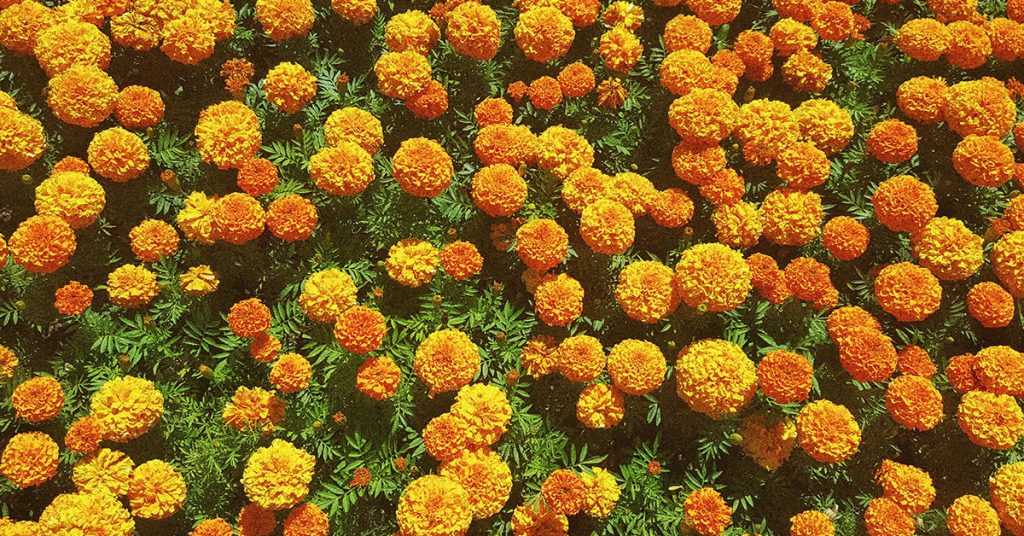
Marigolds (Tagetes spp.) are native to the Americas, particularly prized for their warm, sunny hues that light up even the dreariest corners of a garden. These cheerful blooms are well known for attracting beneficial insects and adding a lively, nest-like structure to garden beds. Deadheading marigolds ensures that they keep on blooming, transforming your space into a cascade of fiery orange, red, and yellow splashes that lift your spirits instantly!
I’ve always found that a little extra care with marigolds reaps huge rewards—each trimmed flower paves the way for new, stunning ones to emerge. Their vigorous growth habit means that, while they occasionally self-seed, they generally remain well-behaved and non-invasive under routine deadheading. Every time I prune my marigolds, it’s as if I’m opening the door to a vibrant celebration of life, making even the simplest garden feel like a festival of nature!
Impatiens
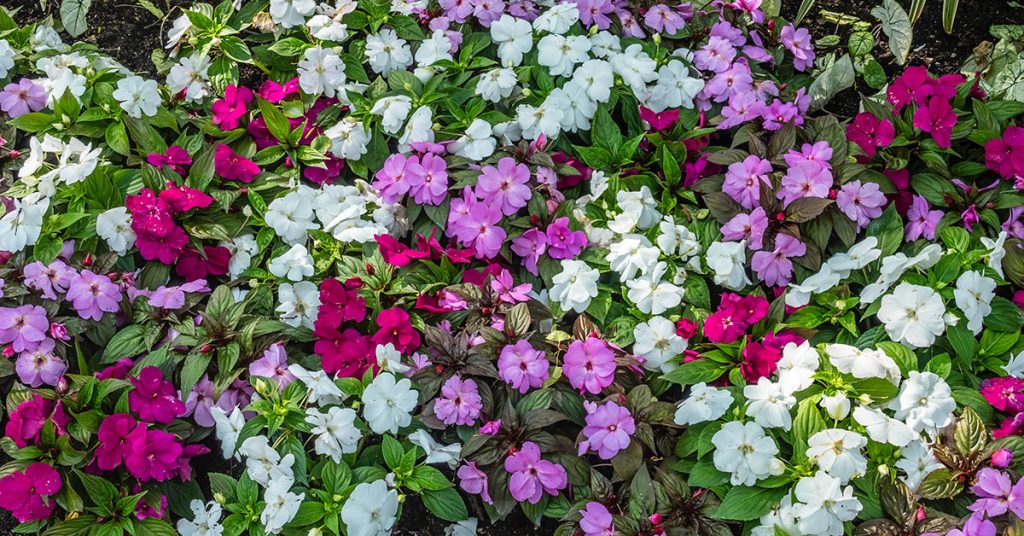
Impatiens, especially the popular Impatiens walleriana, hail from the moist, tropical regions of East Africa and offer a burst of color to shady garden spots. Their delicate, vibrant flowers create a soft, inviting display that seems to form natural clusters—almost like a nest that shelters an array of tiny, buzzing visitors! Deadheading impatiens is crucial to prevent them from overexerting their energy in seed production and to maintain their radiant flow of blossoms throughout the growing season.
In my gardening practice, I’ve noticed that impatiens respond wonderfully to regular deadheading, which keeps them compact and continuously flowering. Their native tropical origins imbue them with an inherent resilience, though in some climates they can become a bit invasive if left unchecked. By maintaining a careful balance through timely pruning, you not only enhance their beauty but also ensure that your garden remains a well-orchestrated haven of color and life!
Coneflowers

Coneflowers (Echinacea spp.) are striking native wildflowers from North America that bring both beauty and a touch of rustic charm to any garden. Their daisy-like appearance, with prominent, cone-shaped centers, makes them a magnet for butterflies and bees—a behavior that mirrors the way birds sometimes nest in a protective cluster of leaves! Deadheading these resilient perennials helps stimulate further blooming, ensuring that their natural allure isn’t diminished by the onset of seed formation.
From my own experience, I’ve found that deadheading coneflowers keeps them looking fresh and encourages an extended flowering period. These hardy plants are adapted to the open prairies and meadows of North America, and while they do self-seed occasionally, they are generally non-invasive when properly maintained. Every trim is like a small act of rejuvenation, allowing these native beauties to shine with even more vibrancy and charm in your garden sanctuary!
Cosmos
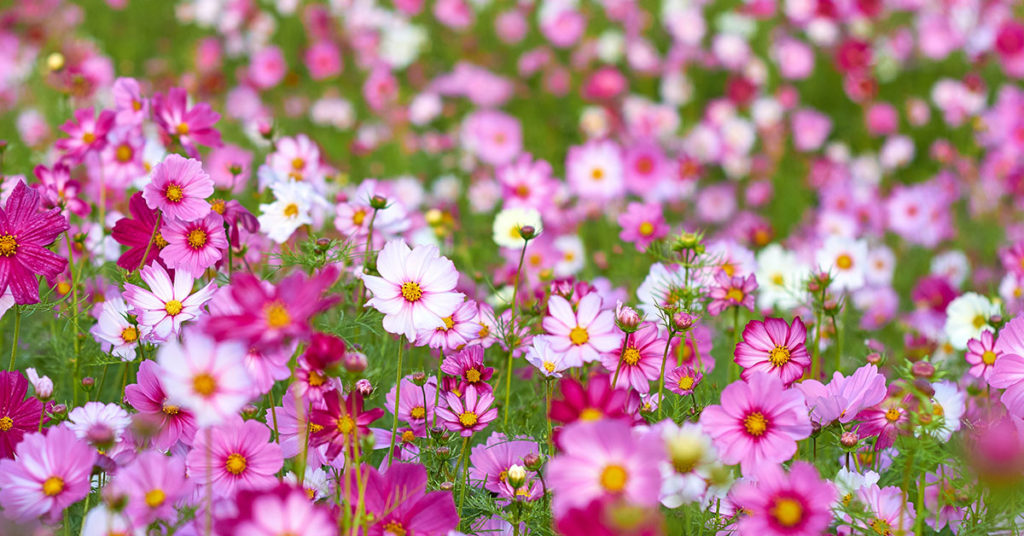
Cosmos bipinnatus, native to the sun-drenched fields of Mexico, is renowned for its delicate, feathery foliage and daisy-like blossoms that seem to dance in the breeze. Their natural, almost wild arrangement gives the impression of tiny nests cradling clusters of bright, airy flowers! Regular deadheading of cosmos is key to ensuring that they don’t settle into a dormant phase too early, but rather continue to dazzle you with one stunning bloom after another.
I’ve witnessed firsthand how cosmos, when pruned meticulously, transforms into a spectacular display of nature’s effortless beauty. Their self-sowing nature means they can sometimes become a bit too prolific, but with a little deadheading, they remain a well-behaved, non-invasive addition to your garden. This simple act of care not only maintains their delicate charm but also invites a delightful array of pollinators to celebrate the season with you!
Geraniums
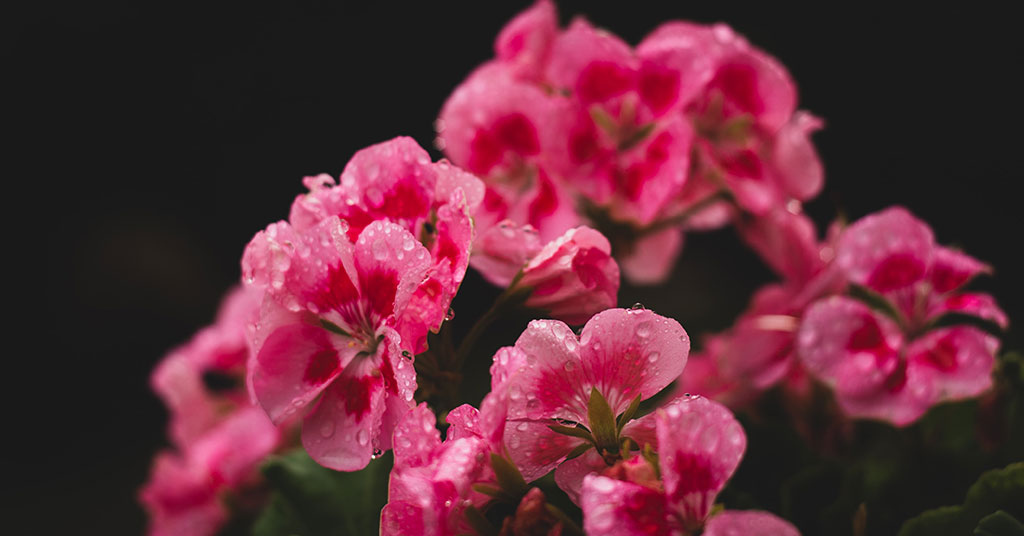
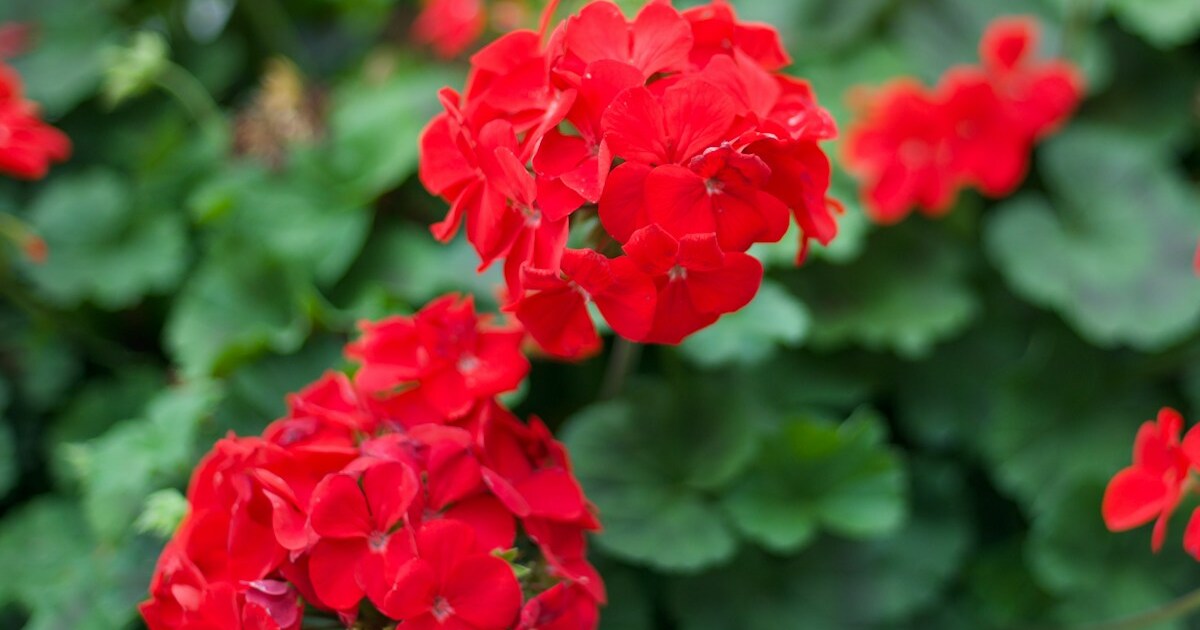
Geraniums (Pelargonium spp.), often cherished for their robust, colorful blooms, are native to regions such as South Africa and bring a touch of sophisticated charm to any garden space. Their uniquely arranged blossoms and sometimes sprawling habit create little natural nests that attract both butterflies and hummingbirds. Deadheading these beauties is a critical step in ensuring that they continue to deliver vibrant, fresh petals rather than expending energy on seed formation!
In my gardening journey, I’ve found that geraniums reward even the slightest bit of attention with an impressive burst of color and life. Though their vigorous growth can occasionally lead to self-seeding, they are typically non-invasive when properly pruned. Each time I remove the faded blooms, I feel as if I’m inviting a renewed wave of vitality into my garden—a true celebration of nature’s endless capacity to surprise and delight!
Dianthus
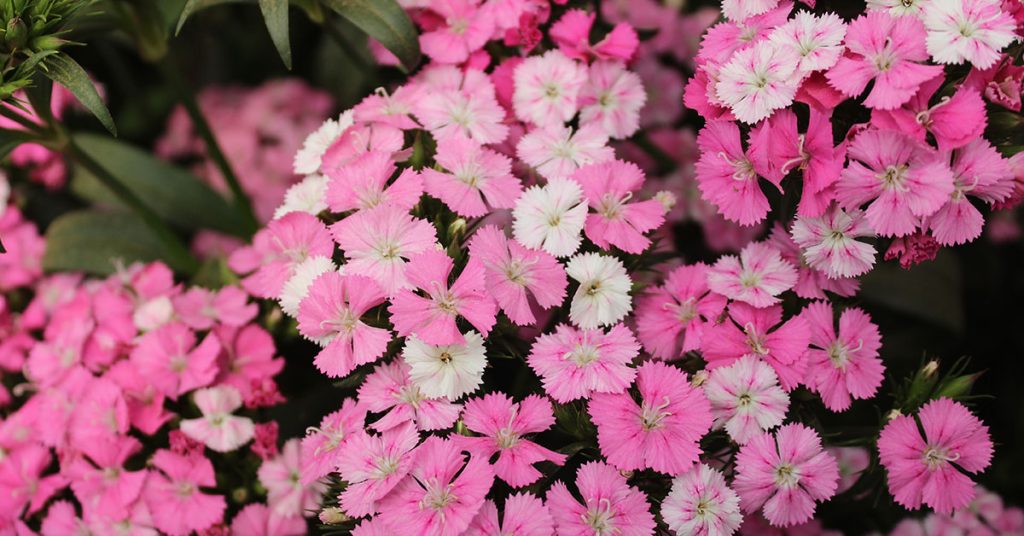
Dianthus, commonly known as pinks or carnations, are elegant flowers native to Europe and parts of Asia, celebrated for their delicate fragrance and intricate petal structures. Their subtle, nest-like clusters of blooms create a refined tapestry that seems to beckon pollinators and garden visitors alike! Deadheading dianthus is essential to maintaining their elegant form and encouraging the production of new, captivating flowers that enhance any garden setting.
I’ve always admired dianthus for the way they balance old-world charm with resilient blooming habits. Their cultivated varieties are generally well-behaved and non-invasive, making them a perfect addition to a meticulously maintained flower bed. Every time I trim away the spent blooms, I’m rewarded with a burst of fresh, aromatic flowers that remind me why gardening is such a joyful, rewarding pursuit. The art of deadheading dianthus has become a cherished ritual in my gardening routine—one that ensures a continuous display of refined, natural beauty!