

Flowers have long been nature’s messengers of the heart, conveying the depth of family bonds and the strength of relationships without uttering a single word. As a gardener who’s spent countless hours nurturing beds and creating bouquets for weddings, anniversaries, and reunions, I’ve seen firsthand how the right bloom can capture sentiments that words sometimes can’t. It’s such a bummer when your carefully chosen flowers struggle against pests or poor light—nothing sours the joy of gift-giving quite like drooping petals! By selecting flowers known for their symbolic meanings, you ensure that every bouquet and garden corner speaks volumes about loyalty, love, and shared histories.
Over the years, I’ve curated a list of thirteen flowers whose meanings align beautifully with family and relational themes. For each, we’ll explore where it’s native, how it behaves in garden settings (invasive tendencies or well-behaved clumping), and the delightful ways it interacts with wildlife—perhaps a hummingbird sipping nectar from gardenia or a wren nesting in hydrangea thickets. Armed with this floral vocabulary, you can craft living tributes that honor the connections you hold most dear.
Freesia
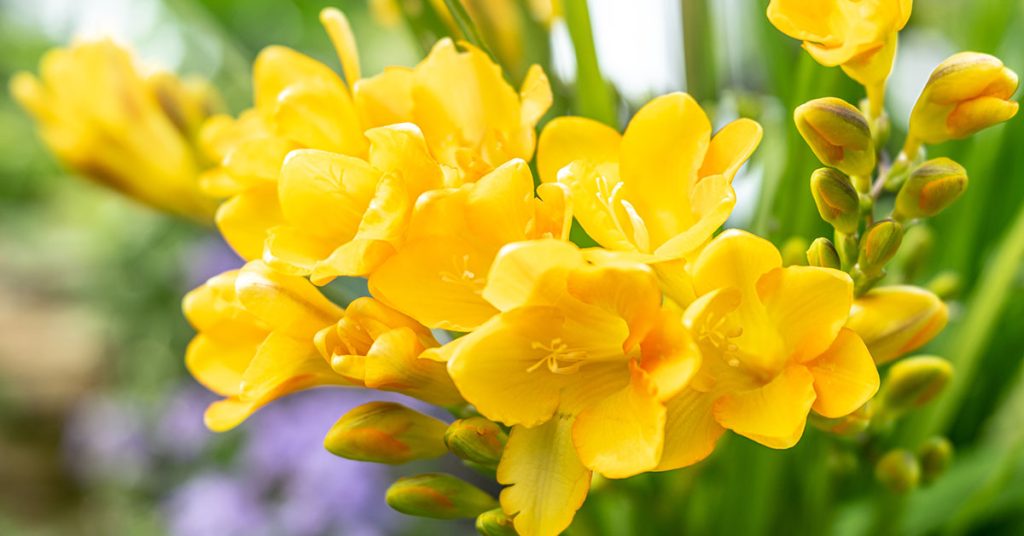
Freesias, hailing from South Africa’s Cape Province, are cherished for their delicate, trumpet-shaped blooms and intoxicating fragrance. Symbolizing trust and friendship, they make heartfelt gifts for siblings, parents, or lifelong pals. Freesias grow in well-drained soil under full sun to partial shade, forming compact clumps that rarely spread invasively—perfect for container gardens or mixed borders where space is at a premium.
When in bloom, freesia flowers attract hummingbirds, drawn by the tubular shape, and butterflies feasting on nectar. Beneath their foliage, thrips and tiny predatory insects like lacewings might take refuge, helping to keep aphids in check. Planting freesias not only conveys affectionate bonds but also nurtures a small, bustling ecosystem right on your patio or windowsill!
Daisy
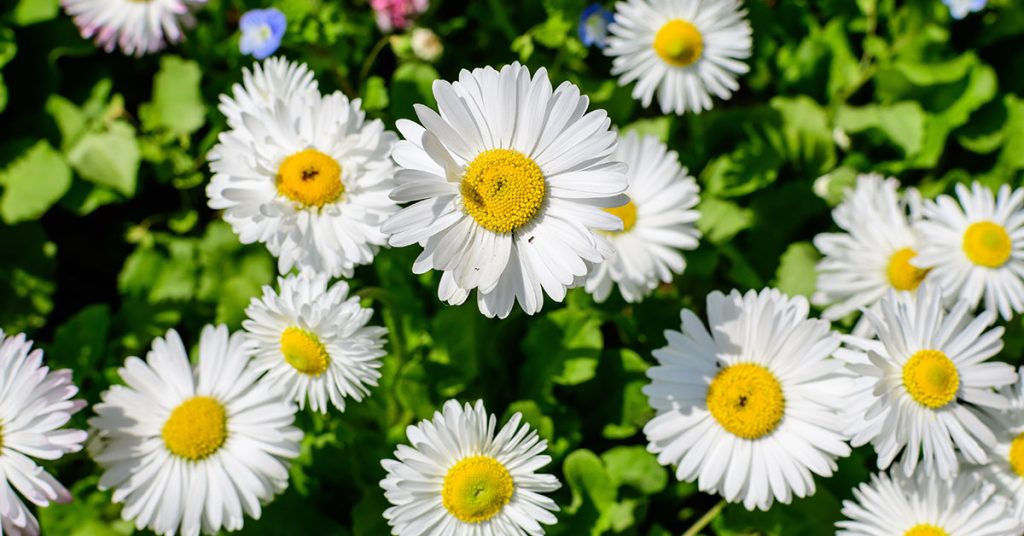
Daisies—whether the classic English daisy (Bellis perennis) or the larger Shasta variety (Leucanthemum × superbum)—symbolize purity, innocence, and loyal love, reflecting the steadfast support found in family circles. Native to Europe, they thrive in full sun and well-drained soil, forming dense mats or neat clumps without running rampant. Their simple, sunny faces lift spirits and remind us of childhood and carefree family picnics.
These flowers are magnets for small native bees and hoverflies, which dart between blooms collecting pollen and nectar. The ground beneath daisies often hosts solitary bee nests in bare soil patches, while ladybugs feed on aphids that sometimes infest the foliage. A daisy patch thus becomes both a living emblem of familial bonds and a mini-refuge for vital pollinators!
Orchid
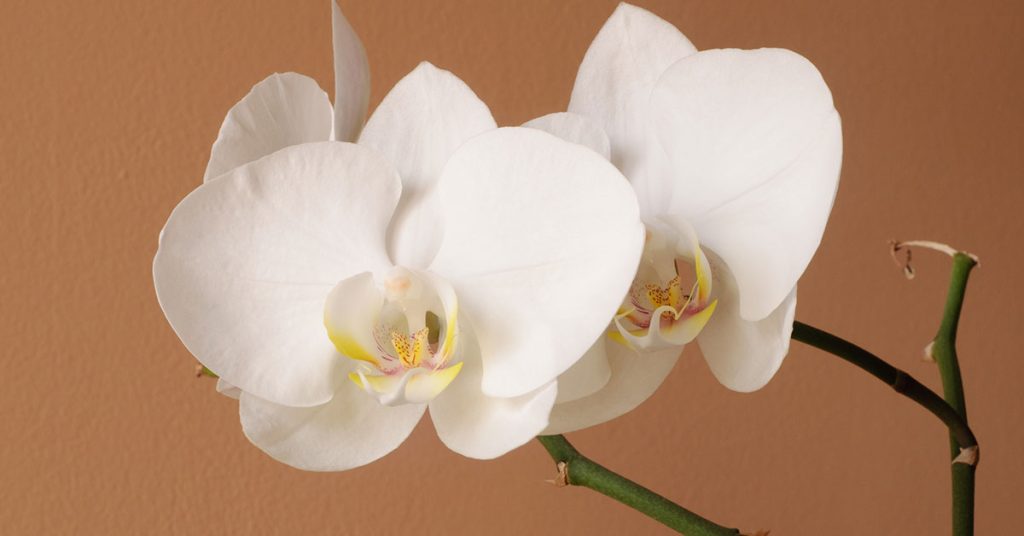
Orchids encompass tens of thousands of species worldwide, from tropical rainforests to temperate regions, symbolizing refinement, beauty, and deep affection. In particular, the Phalaenopsis orchid represents enduring love and family unity. While some orchid species can naturalize or become invasive in warm climates, most cultivated varieties remain well-contained in pots or mounted displays.
Phalaenopsis blooms attract nocturnal moths and small bees, drawn by the intricate flower structures and occasional light fragrance. In indoor environments, orchids’ moss- or bark-based growing media can harbor tiny springtails that feed on decaying organic matter, adding a layer of microfauna to your indoor garden. Displaying orchids thus weaves a story of elegance and interconnectedness, resonating with life’s delicate relationships!
Hydrangea
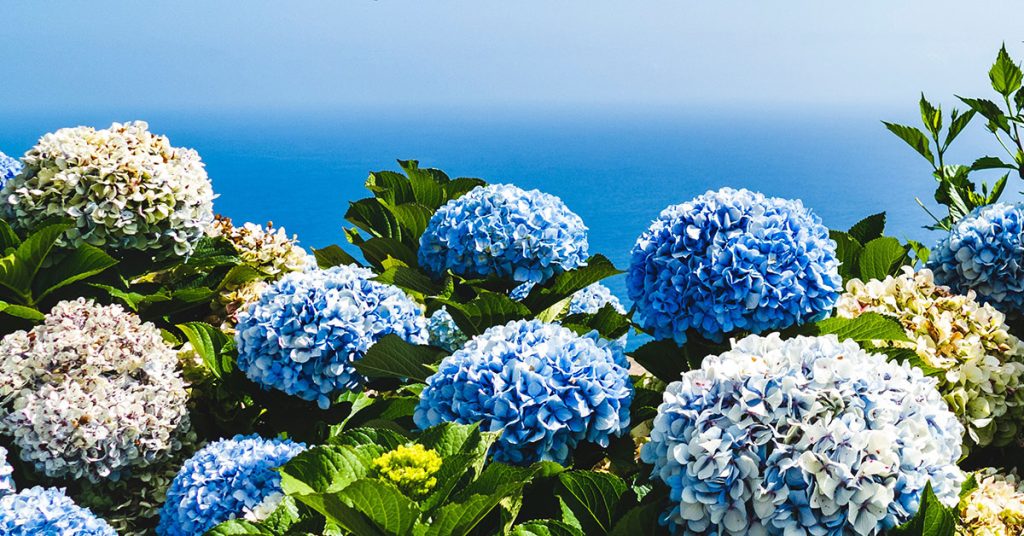
Hydrangeas (Hydrangea macrophylla), native to Japan and Korea, are prized for their lavish mophead blooms in shades of pink, blue, and white. They symbolize heartfelt emotions, gratitude, and steadfast grace—ideal for expressing deep familial appreciation. Hydrangeas require partial shade and rich, well-drained soil, and they form neat, non-invasive shrubs or hedges that enhance any garden border.
Their dense flower clusters attract butterflies, particularly swallowtails, which bask on the flat petals while sipping nectar. Beneath the canopy, small sparrows sometimes build nests in the protective foliage. Planting hydrangeas not only celebrates emotional bonds but also creates a sheltering haven for birds and pollinators, echoing the comforting embrace of family!
Sunflower

Sunflowers (Helianthus annuus), native to North America’s prairies, are radiant symbols of adoration, loyalty, and longevity—qualities that mirror strong family ties. These annual giants follow the sun’s movement, embodying unwavering affection. Growing in full sun and rich, well-drained soil, they generally remain contained in their rows without becoming invasive.
Their abundant seeds and nectar draw a wide array of wildlife: bees and butterflies flutter around the golden heads, while finches and sparrows feast on matured seeds later in the season. A sunflower patch thus becomes a dynamic, buzzing community, mirroring the warmth and vitality of close familial relationships!
Camellia
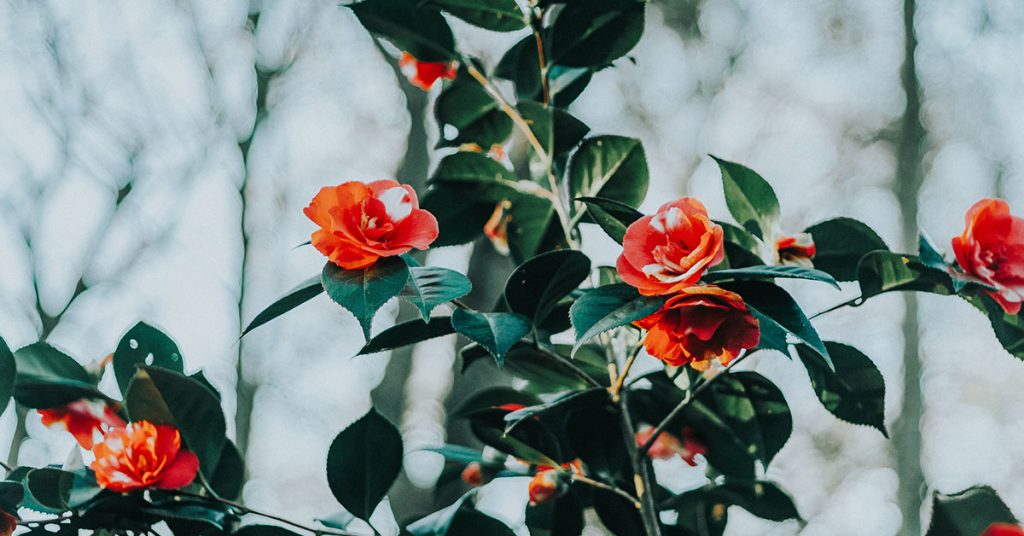
Camellias (Camellia japonica), native to eastern Asia, bloom in late winter or early spring, symbolizing admiration, perfection, and unwavering love. Their glossy evergreen foliage and rose-like blooms add elegance to shaded gardens. Camellias remain well-behaved shrubs when grown in acidic, well-drained soil, rarely spreading beyond their intended space.
Their fragrant flowers attract early-emerging bees, which forage for nectar during scarce cold-season blooms. Beneath camellia canopies, beneficial predatory insects like ground beetles find shelter. Cultivating camellias celebrates refined, enduring affections while supporting critical early-season pollinators!
Gardenia
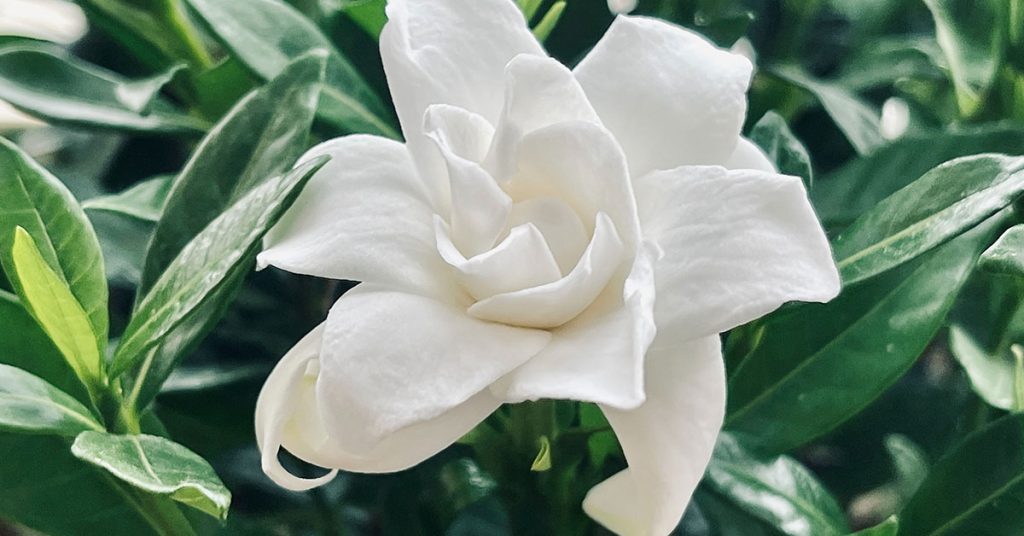
Gardenias (Gardenia jasminoides), native to Asia’s subtropical regions, are adored for their creamy-white flowers and heady fragrance, symbolizing purity, love, and refinement. They thrive in partial shade and acidic, well-drained soil, forming compact, evergreen shrubs that stay contained in garden beds or large containers.
Gardenia blooms open in the evening, attracting nocturnal hawk moths that pollinate under moonlight. The dense foliage also offers cozy nesting sites for small birds like warblers, which pause to rest among the glossy leaves. A gardenia hedge thus weaves together sensory delight and wildlife refuge, echoing the refined support of cherished relationships!
Carnation

Carnations (Dianthus caryophyllus), native to the Mediterranean, stand for love, fascination, and distinction—perfect for honoring special family bonds or close friendships. Their frilled petals come in myriad hues, from deep reds to pastel pinks, and they form well-behaved clumps in full sun and well-drained soil without self-seeding excessively.
These blooms attract tiny hoverflies, whose larvae prey on aphids that sometimes plague carnations. Ground-nesting solitary bees also tunnel in the soil below, benefiting from the nearby floral resources. Planting carnations thus conveys vibrant affection while enriching your garden’s natural pest control and pollination networks!
Zinnia
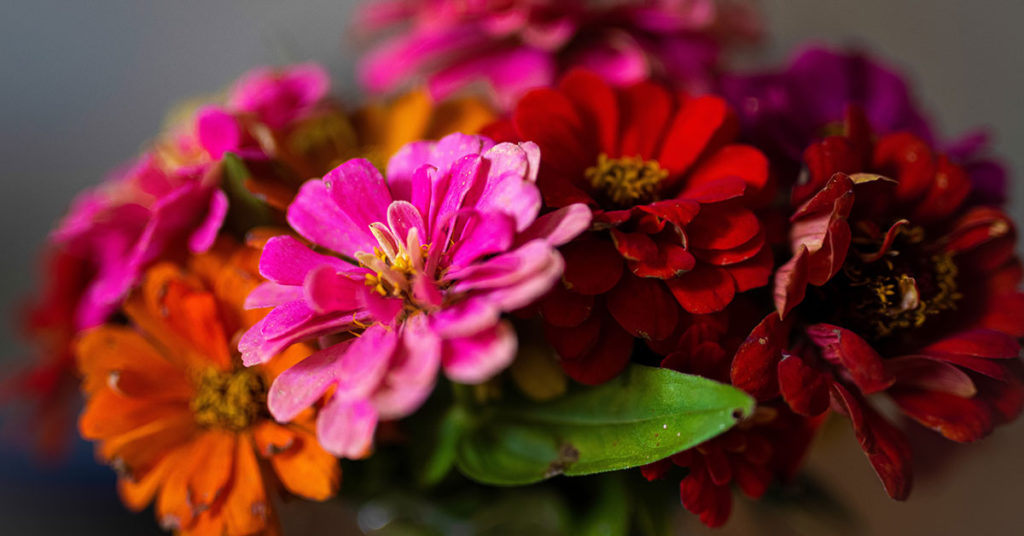
Zinnias (Zinnia elegans), native to Mexico and Central America, symbolize lasting affection, friendship, and remembrance. Their daisy-like, multi-petaled blooms in vibrant colors—from fiery reds to sunny yellows—open in full sun and average, well-drained soil, staying non-invasive when regularly deadheaded.
Zinnias are butterfly magnets, drawing species like monarchs and swallowtails for extended feeding sessions. The plants also host beneficial predatory wasps, which help regulate garden pests. Growing zinnias creates a kaleidoscope of color and movement that mirrors the joy and dynamism of strong relational ties!
Dahlia
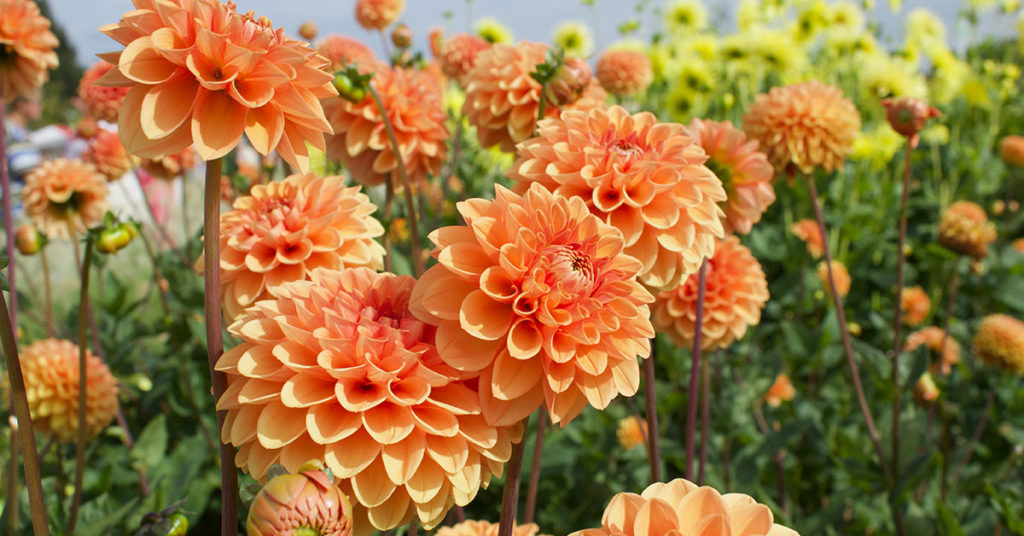
Dahlias, native to Mexico and Central America, convey elegance, commitment, and inner strength—ideal for commemorating family unity or a steadfast partnership. Their sculptural blooms come in remarkable shapes and hues, from spiky stars to perfect pompons, thriving in rich, well-drained soil under full sun.
Their nectar-rich flowers draw hummingbirds and bees, while the sturdy stems support nesting small insects like aphid-hunting lacewings. As the blooms persist from midsummer to frost, dahlias serve as vibrant emblems of enduring bonds and the lively interplay of garden life!
Iris
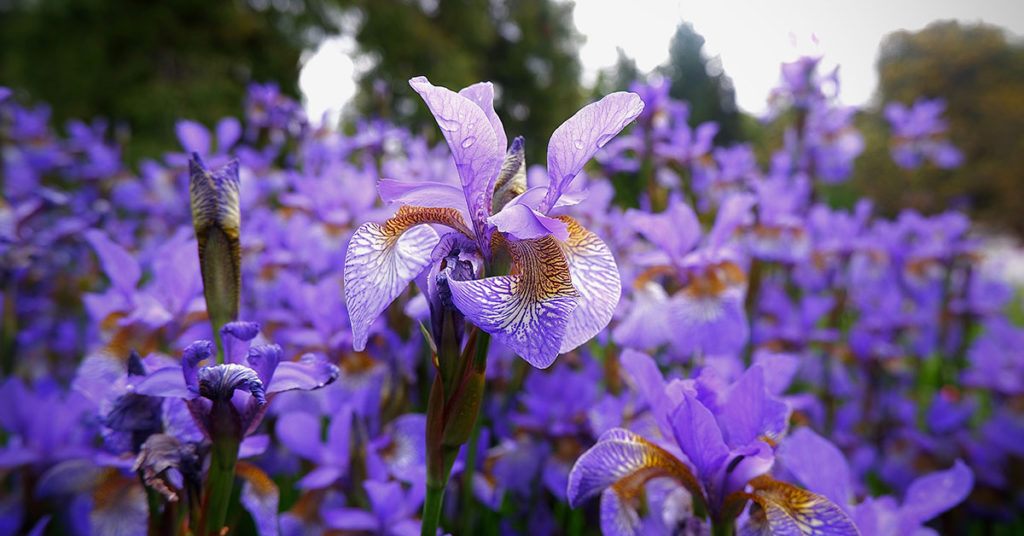
Irises (Iris germanica and others), rooted in Europe and Asia, symbolize hope, cherished friendship, and admiration. Their sword-like leaves and showy blooms in blues, purples, and yellows brighten spring borders. Irises grow in neat clumps, rarely becoming invasive when divided every few years.
Butterflies, particularly fritillaries, flock to iris blossoms, and small bees nest in the bare soil patches next to the rhizomes. Cultivating irises thus fosters hope and mutual respect—key ingredients in any lasting relationship—while supporting a fluttering host of pollinators!
Lily-of-the-Valley
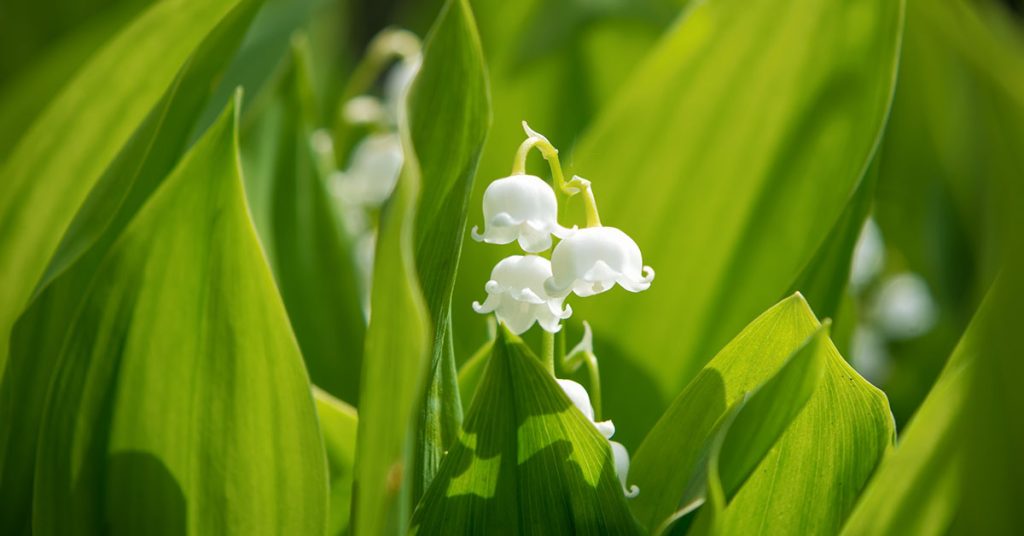
Lily-of-the-Valley (Convallaria majalis), native to Europe and Asia, represents sweetness, humility, and the return of happiness—perfect for celebrating family milestones or reconciliations. Its bell-shaped, fragrant white flowers bloom in spring from creeping rhizomes, requiring partial shade and moist, well-drained soil.
Though it can naturalize if unchecked, regular division keeps it contained. As lilies-of-the-valley bloom, they attract small hoverflies and solitary bees, while providing ground cover that shelters beneficial ground beetles. Planting these delicate bells creates a fragrant tapestry of renewal and joy within familial bonds!
Lavender

Lavender (Lavandula angustifolia), native to the Mediterranean, epitomizes devotion, serenity, and calm—foundational to nurturing family and close relationships. Its silvery foliage and purple flower spikes thrive in full sun and poor, well-drained soil, remaining non-invasive in borders and containers.
Lavender is a magnet for bees, butterflies, and even hummingbirds, filling the air with gentle wingbeats. Beneath its canopy, solitary bees nest in bare soil, while predatory insects patrol for pests. Lavender’s soothing scent and lively insect visitors create a tranquil retreat that celebrates the peaceful strength of enduring bonds!