
June is a magical time in the garden—a month bursting with color, life, and the promise of summer’s full embrace. As a passionate gardener, I eagerly welcome this season, when each flower unveils its charm in unique and exciting ways! Whether you’re a seasoned green thumb or just starting out, I understand the joy and occasional frustration that comes with nurturing your garden, especially when pests threaten to steal the show. These blooms not only add visual delight but also play a vital role in attracting pollinators and providing cozy nesting spots for birds.
I’ve gathered 13 fabulous flowers that burst into bloom in June, each with its own rich story and native heritage. I’ve randomized the order to keep things fresh and surprising, ensuring you get a varied tour of the garden’s best offerings. I’ll dive into where each plant originates from, its behavior in the wild (or in your backyard!), and whether it’s known to be invasive. Grab your gardening gloves and join me on this vibrant journey—a celebration of nature’s bounty and a heartfelt guide for every flower enthusiast!
Foxglove

Foxgloves cast an enchanting spell over my garden with their tall, graceful spires and bell-shaped blossoms that seem straight out of a fairy tale! Native to Europe, these delicate flowers create a vertical spectacle that not only elevates the garden’s aesthetic but also draws in bees and hummingbirds eager to explore their tubular charm. Their presence is a gentle reminder of nature’s poetic beauty, and watching them sway in the summer breeze always brings a smile to my face.
While foxgloves are truly mesmerizing, they do have a tendency to self-seed if left unchecked, making them potentially invasive in some garden settings. However, with regular thinning and mindful care, you can enjoy their captivating allure without worrying about them overrunning your space. Their natural appeal and the tiny shelters they provide for beneficial insects make them a favorite in many gardens, including mine!
Peony
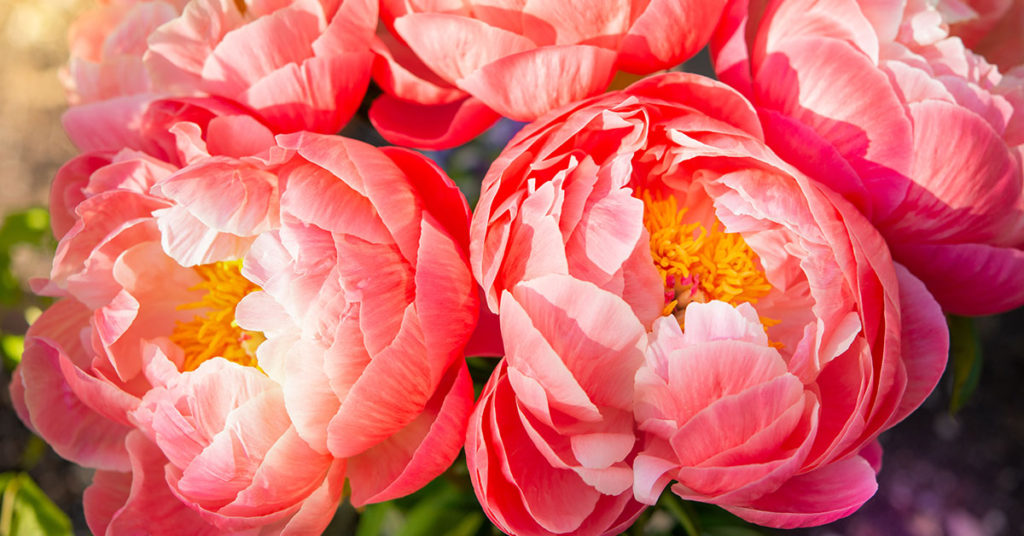
Peonies bring a touch of old-world charm to the June garden, boasting large, lush blooms and a heady fragrance that fills the air with nostalgia and elegance! With roots spanning across Asia, Europe, and Western North America, these perennial beauties have been celebrated by gardeners for centuries. Their robust blossoms attract a variety of pollinators, offering a sweet reward to bees and butterflies, and even serving as a resting spot for small birds seeking shelter on a warm day.
Though peonies are celebrated for their impressive display, they generally remain well-behaved and non-invasive when given ample space to grow. I always plant them in sunny, well-drained areas to let their full splendor shine without competition. Their timeless beauty and the way they effortlessly blend into any garden setting make them an indispensable part of my summer planting plans!
Lavender

Lavender is a standout star in my June garden, infusing the air with its soothing aroma and vibrant purple hues that feel like a gentle caress on a sunny day! Native to the Mediterranean region, this herbaceous perennial has not only captivated gardeners for its beauty but also for its calming and medicinal qualities. Its slender spikes and delicate blooms attract a host of pollinators, and I’ve even noticed small birds pausing by the foliage to catch a glimpse of its charm.
Despite its many enchanting qualities, lavender does require careful handling to ensure it doesn’t spread too far, although it is typically not invasive when grown in well-drained soil and full sun. I find that proper pruning and spacing help maintain its shape and maximize its visual impact. There’s nothing quite like a burst of lavender in the garden to transform a hectic day into a moment of peaceful wonder!
Coneflower

Coneflowers, also known as Echinacea, add a burst of energy and resilience to any June garden! Native to North America, these bold, daisy-like blooms captivate with their prominent central cones surrounded by vibrant petals that invite bees, butterflies, and even small birds. Their robust structure and vivid colors make them a natural magnet for pollinators, turning every sunny day into a festival of life and movement.
These perennials are as practical as they are beautiful, being non-invasive and low-maintenance when given proper care. I always make sure they have enough room to spread and soak up plenty of sunlight, ensuring their dramatic displays never fade. For any gardener looking to create a lively and inviting outdoor space, coneflowers are a wonderful choice that brings both ecological benefits and a joyful burst of color!
Iris
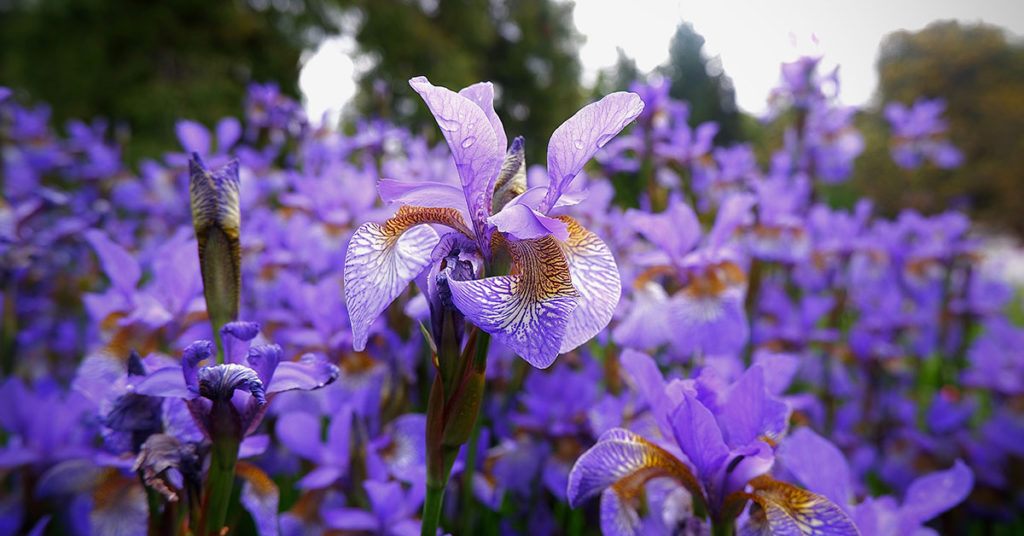
Irises add a striking touch of drama to the June garden with their sword-like foliage and intricate, vividly colored blooms that seem to dance in the light! Found natively across Europe, Asia, and North America, these flowers are known for their versatility and ability to create bold focal points in any planting scheme. I appreciate how their structured form attracts an array of pollinators, providing both nectar and a safe perch for visiting bees and butterflies.
In my gardening adventures, I’ve found irises to be relatively low-maintenance and non-invasive, thriving best in well-drained soil and areas with abundant sunlight. Their elegant form and energetic splash of color never fail to add a touch of sophistication to my outdoor space. Every bloom feels like a personal celebration of summer’s arrival and a nod to the beauty of nature’s intricate designs!
Daylily
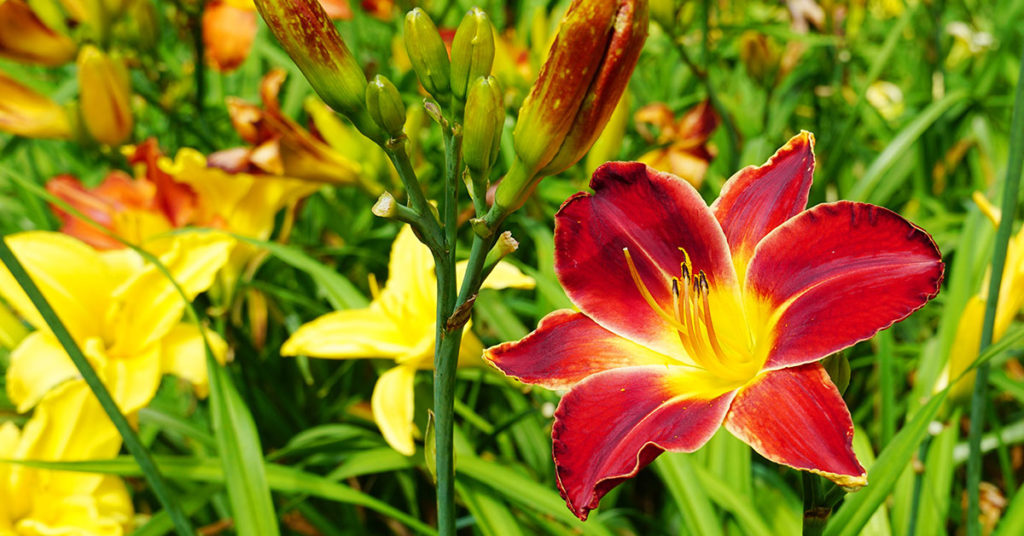
Daylilies bring a remarkable burst of transient beauty to the garden, with each flower showcasing its vibrant hue for just a day before making room for another dazzling bloom! Originally hailing from Asia, daylilies have become a garden staple around the globe thanks to their adaptability and cheerful appearance. I love how these flowers not only brighten my garden but also attract an abundance of pollinators like bees, butterflies, and hummingbirds that thrive on their nectar.
Despite their fleeting display, daylilies are robust and can multiply rapidly, which sometimes raises concerns about invasiveness in certain regions. With careful management and regular trimming, however, they become a controlled yet joyful addition to any garden space. Their energetic presence and the way they invite nature’s little helpers to feast on their offerings make every day in June feel like a fresh start!
Hydrangea
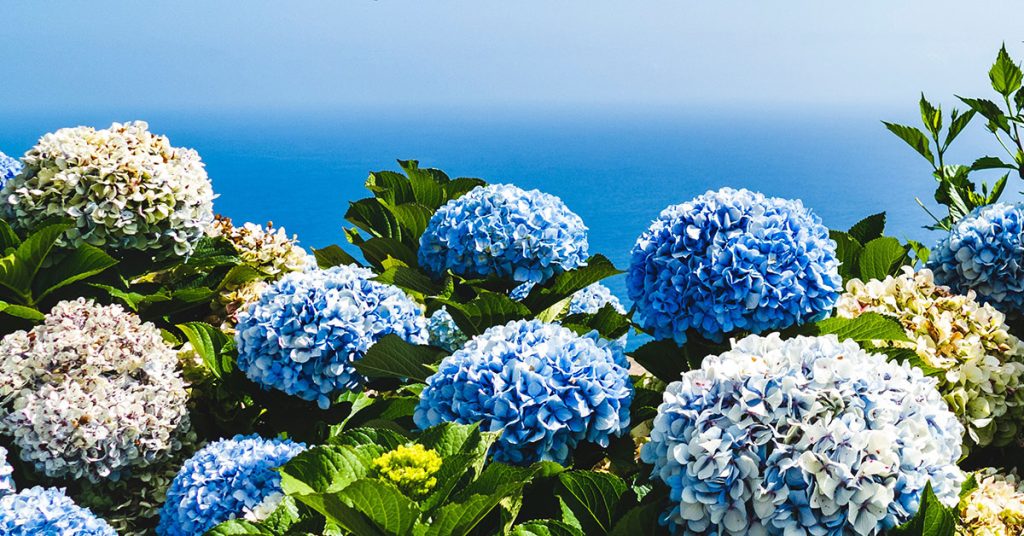
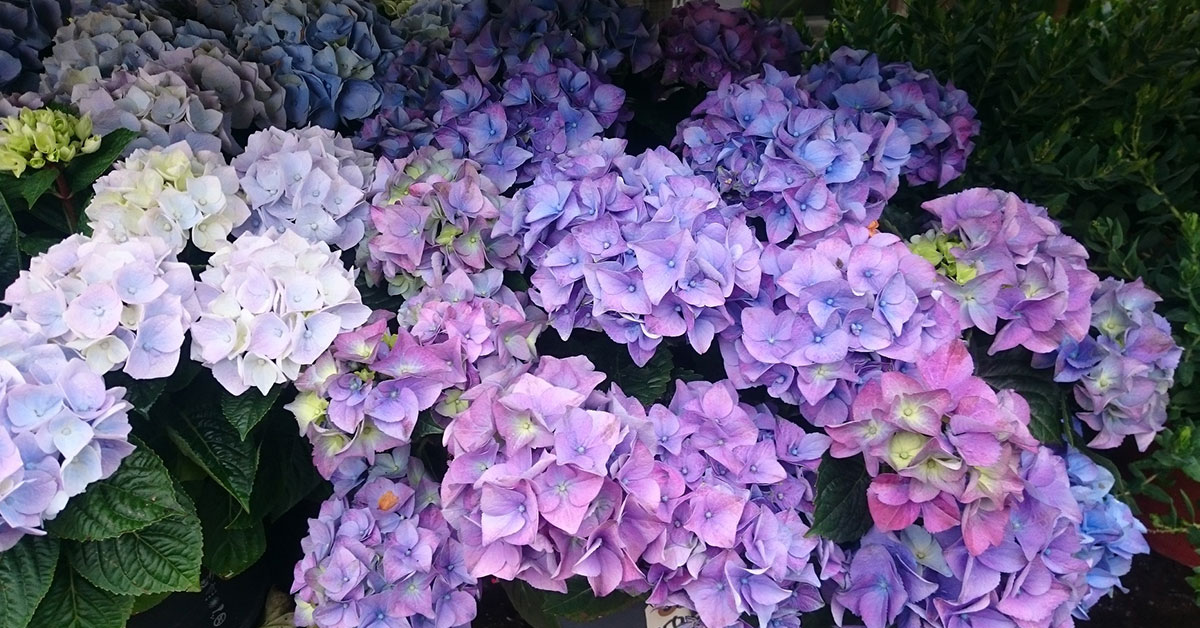
Hydrangeas are a true delight in any June garden, offering clusters of large, sumptuous blooms that transform the landscape into a canvas of color and texture! Native to parts of Asia and the Americas, these shrubs are admired for their ability to shift hues depending on soil pH—a fascinating detail that always intrigues me as I tend to my garden. Their voluminous blossoms create inviting spaces for pollinators and even small birds looking for a cozy nest.
While hydrangeas tend to be vigorous growers, they are not typically considered invasive when pruned and maintained with care. I find that regular trimming and strategic planting help keep them in check while still allowing them to command attention in any garden setting. Their lush display and capacity to create natural shelters for beneficial insects make hydrangeas an essential part of my summer planting repertoire!
Poppy
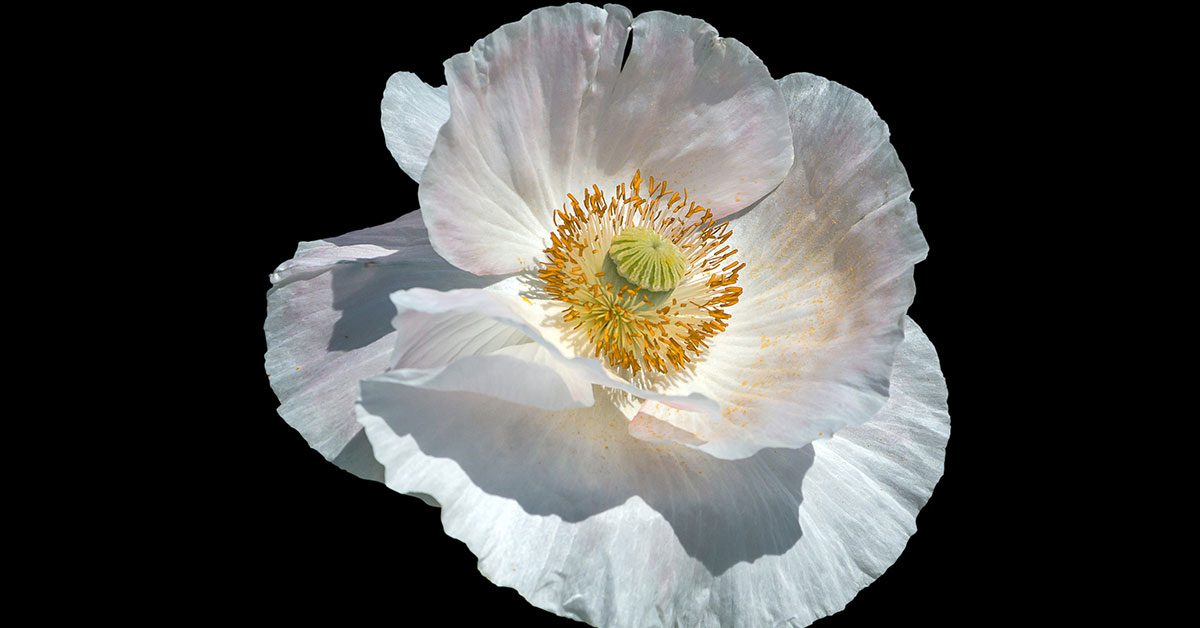
Poppies inject a sense of spontaneity and artistic flair into the June garden, offering delicate, papery petals that flutter in the breeze like bursts of joyful confetti! Native to a range of regions including Europe, Asia, and North America, poppies have long been cherished for their vibrant colors and ephemeral beauty. Their blossoms attract a variety of pollinators, including bees and butterflies, which add to the lively atmosphere of any garden scene.
Although poppies are not typically considered invasive, their prolific seeding can lead to unexpected naturalized displays if left undisturbed. I always encourage a bit of controlled spontaneity in my garden, ensuring that these charming blooms add flair without overwhelming other plants. Their dynamic presence and the way they effortlessly blend with the seasonal rhythm of the garden make them a truly delightful addition!
Bee Balm

Bee Balm, or Monarda, is a vivacious and aromatic flower that electrifies the June garden with its brilliant display of red, pink, or purple blossoms! Native to North America, it has won the hearts of many gardeners for its ability to attract hummingbirds, bees, and butterflies in a veritable pollinator party. I cherish the way bee balm creates a lively, interactive atmosphere in the garden, turning every sunny day into a celebration of nature’s bounty.
Even though bee balm tends to spread a bit if left unchecked, it is generally manageable and non-invasive when planted with proper care. I always ensure it has sufficient space to flourish, allowing its clusters to become natural meeting points for beneficial insects and even small birds seeking a safe retreat. Its vibrant energy and the sense of community it brings to the garden make every blooming moment a little festival of life!
Delphinium

Delphiniums are nothing short of spectacular in my June garden, renowned for their towering spires and bursts of brilliant color that seem to defy gravity! Native to the Northern Hemisphere, these elegant perennials have long been admired in European and Asian gardens for their dramatic flair. Their impressive verticality creates a stunning visual contrast against lower-growing plants, and they serve as a magnet for bees and butterflies looking for a delightful spot to sip nectar.
While delphiniums are undeniably gorgeous, they do require a bit of extra care to thrive, as they prefer cooler, well-drained conditions and sometimes need support to maintain their lofty stance. They are generally well-behaved and not considered invasive, making them a rewarding challenge for dedicated gardeners. Their regal presence and the dynamic energy they infuse into the garden make every planting session feel like an exciting venture into nature’s artistry!
Phlox
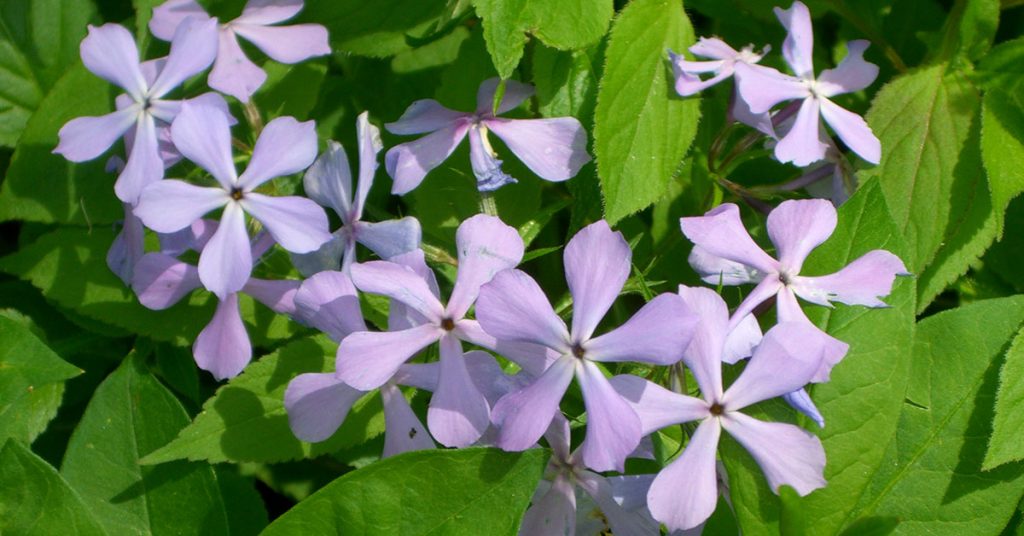
Phlox dazzles with its profusion of fragrant, multi-colored clusters that transform any garden space into a lively canvas of hues and scents! Native to North America, phlox has been a beloved choice for many gardeners seeking to attract butterflies, hummingbirds, and other delightful pollinators. I find that each burst of phlox is like nature’s way of throwing a party, with vibrant blooms that light up the garden and create an inviting atmosphere for all.
Although phlox can spread if not properly contained, it is generally non-invasive and manageable with regular maintenance. I always give it enough room to flourish in either full sun or partial shade, ensuring that its natural beauty is accentuated without crowding other plants. The way phlox enriches the garden with both color and a delightful fragrance never ceases to amaze me—it truly feels like a small celebration of summer every time it blooms!
Black-eyed Susan

Black-eyed Susans bring a warm and sunny disposition to the June garden, with their bright golden petals framing a dramatic, dark center that commands attention! Native to North America, these hardy perennials are a constant source of cheer and resilience, drawing in bees, butterflies, and even small birds with their irresistible nectar. I always enjoy how their robust presence can turn even a modest garden corner into a lively and welcoming retreat.
These versatile flowers are also incredibly easy to care for and rarely pose any issues with invasiveness. Their natural charm and low-maintenance nature make them an ideal choice for gardeners who sometimes struggle with pest problems or unpredictable weather. With each bloom, black-eyed Susans remind us that nature’s simple beauties can create a thriving ecosystem, even in the face of gardening challenges!
Rose

Roses are timeless icons of beauty and romance, gracing the June garden with their elegant, fragrant blooms that have captivated hearts for centuries! Native to Asia, Europe, and North America, these classic flowers come in an endless array of colors and forms, making each rose bush a unique masterpiece. I adore the way a well-tended rose not only adds a burst of sophisticated color but also creates an enchanting aroma that elevates the entire garden experience.
Even though roses can sometimes invite unwanted pests, a little attentive care and pruning keep them flourishing without any major issues. They are generally not invasive, and their blossoms serve as a delightful magnet for bees and other pollinators. For me, tending to my roses is like nurturing a piece of living art—every bloom is a celebration of nature’s splendor and a testament to the enduring charm of the garden!