

Gardening can be an incredibly rewarding adventure, especially when you’re just starting out and every little sprout fills you with excitement! I understand the challenges of beginning a garden—the trials of pests, unpredictable weather, and that all-too-familiar moment when your efforts seem to vanish. That’s why I’m thrilled to share with you 13 easy herbs that are perfect for beginner gardeners. Each herb comes with its own fascinating background, natural behaviors, and a history rooted in its native land, making your gardening journey not only fruitful but also richly educational!
I know how disheartening it can be when your garden doesn’t behave as planned or when you’re overwhelmed by maintenance needs. With these herbs, you’ll discover plants that are forgiving, high-yielding, and delightful even when nature takes its own course! From natural nesting formations that attract helpful pollinators to robust species that have thrived for centuries in their native climates, these herbs are the perfect companions for anyone eager to cultivate a little green magic in their home garden!
Basil
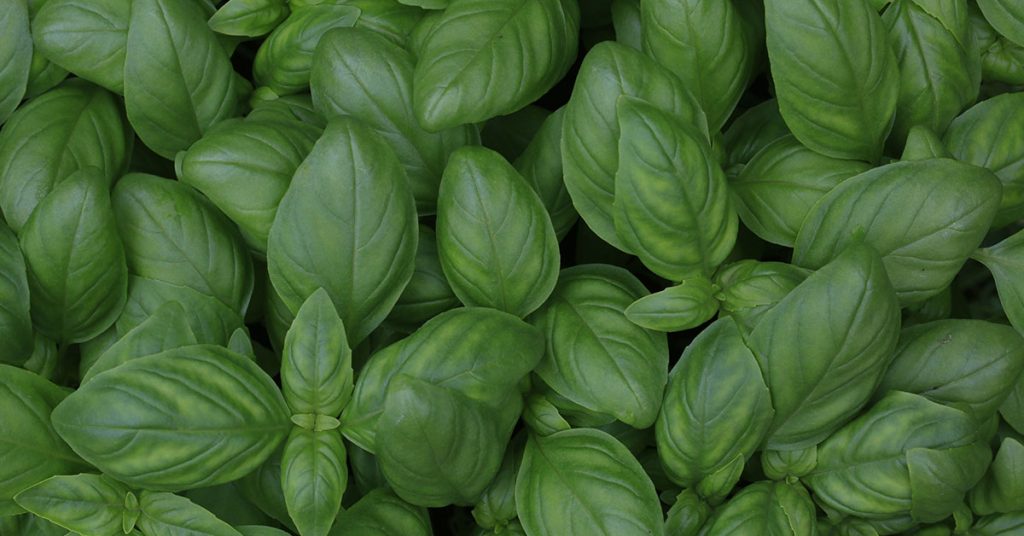
Basil, originally native to tropical regions of central Africa and Southeast Asia, is a fragrant herb that has won the hearts of gardeners around the world. Its lush, vibrant leaves are not only a treat for the senses but also seem to form natural, cozy clusters that attract bees and other beneficial insects—almost like tiny nests of flavor waiting to be enjoyed! I’ve found that basil thrives with minimal care and rewards you with an abundance of aromatic leaves that can transform any dish into a gourmet experience.
In my own garden, basil has proven to be both resilient and productive, even on days when my attention is divided. It’s a warm-weather favorite that flourishes in sunny spots and well-drained soil, and while it can self-seed in ideal conditions, it rarely becomes invasive when kept in check. Every time I snip a few leaves for a fresh pesto or salad, I’m reminded of basil’s humble origins and its wonderful ability to brighten not just meals but also the garden itself!
Mint
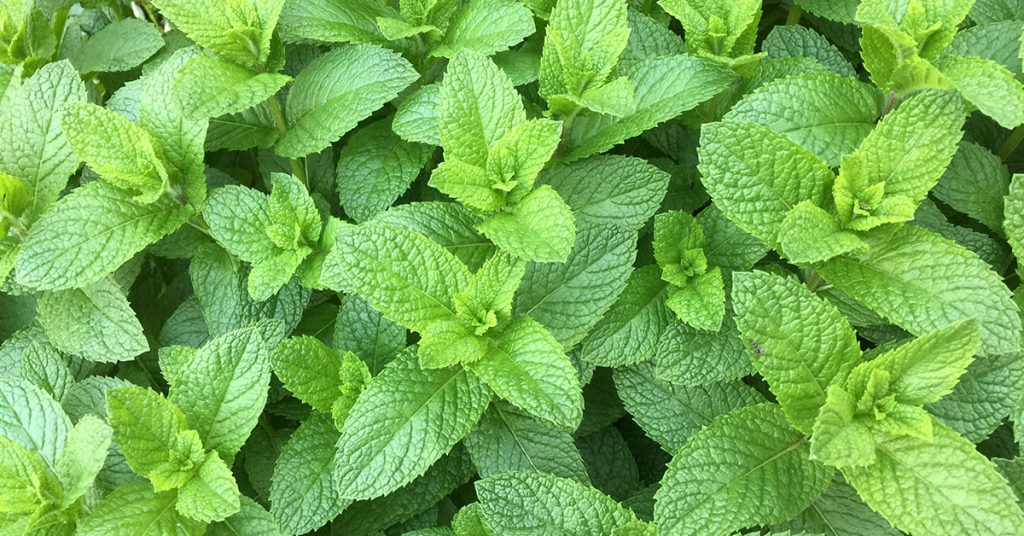
Mint, with its cool, refreshing aroma and lively growth habits, is native to Europe and Asia and has long been cherished for its culinary and medicinal properties. Its vigorous, sprawling growth creates a natural carpet of foliage that forms little nest-like clusters, making it a magnet for pollinators and a friendly addition to any herb garden! I must admit, watching mint take over its designated space can be both amusing and impressive, as it tends to spread rapidly with little intervention.
While mint’s exuberant nature is a blessing for flavor, it’s wise to plant it in containers or controlled areas to prevent it from becoming invasive. Despite this, I appreciate its tenacity and resilience—qualities that make it a perfect herb for beginners who sometimes forget to prune or water regularly. Every time I encounter a burst of minty freshness in my garden, I’m reminded of its storied heritage and the simple joys of growing an herb that’s both practical and aromatic!
Rosemary
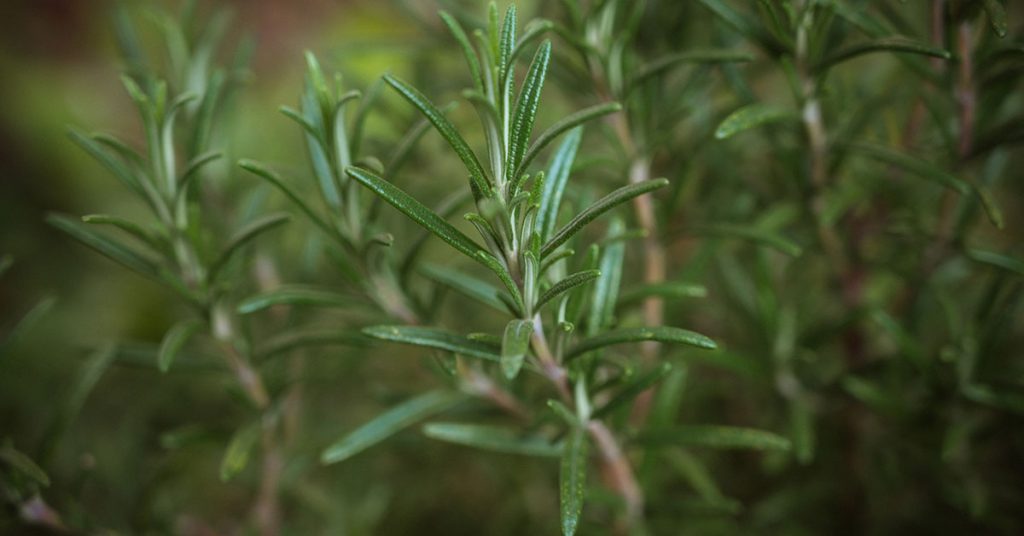
Rosemary, native to the Mediterranean region, is a hardy, aromatic herb that has become a beloved staple in both kitchens and gardens. Its needle-like leaves form dense, natural clusters that often appear as if they’re carefully arranged nests, inviting pollinators and even lending a touch of wild charm to your garden! I’ve always been impressed by rosemary’s resilience—it flourishes in warm, sunny conditions with minimal water and care, making it an ideal herb for those who prefer a low-maintenance garden.
In my experience, rosemary not only adds a burst of flavor to dishes but also brings an air of sophistication to the garden with its evergreen presence. Although its vigorous growth can sometimes lead to self-seeding, rosemary remains well-behaved and non-invasive when given the right space. Its robust nature and storied past remind me that sometimes the simplest, most time-honored herbs are the ones that deliver the greatest rewards both in the kitchen and in the garden!
Cilantro
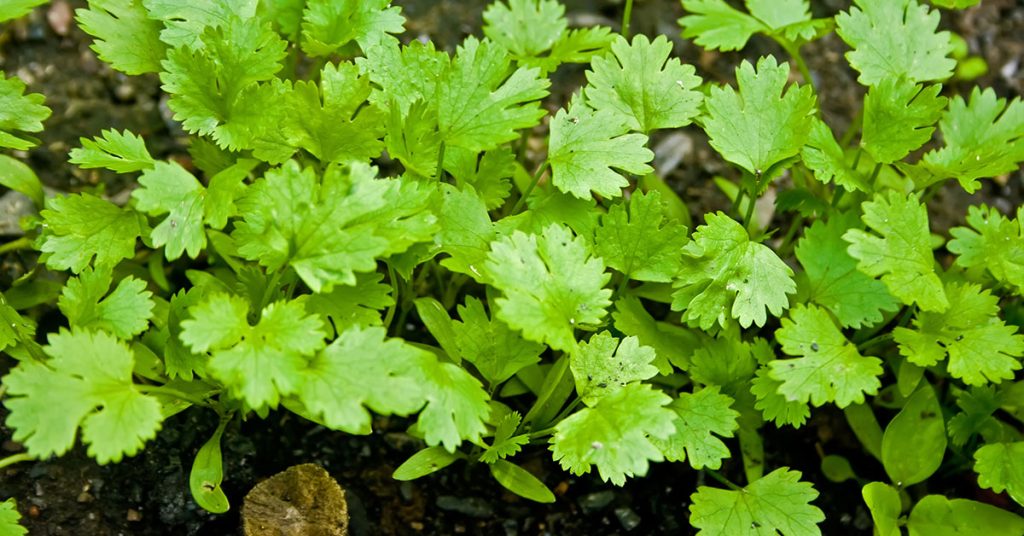
Cilantro, also known as coriander in many parts of the world, is native to regions spanning from Southern Europe to Western Asia. This herb stands out with its delicate, lacy leaves and a flavor that adds a zesty kick to many dishes, while its growth habit often creates natural clusters that look like miniature nests! I find cilantro to be a wonderfully dynamic plant, perfect for those who want a herb that brings both culinary versatility and a dash of visual interest to their garden.
In my gardening adventures, cilantro has taught me that some herbs thrive best when left to their own devices—even if that means occasional self-sowing. Although it can spread under favorable conditions, it rarely becomes invasive, making it ideal for small gardens or window boxes. Every time I harvest its fresh leaves, I’m reminded of its unique blend of cultural heritage and nature’s playful design, making it a must-have for beginner gardeners aiming for both flavor and flair!
Chives
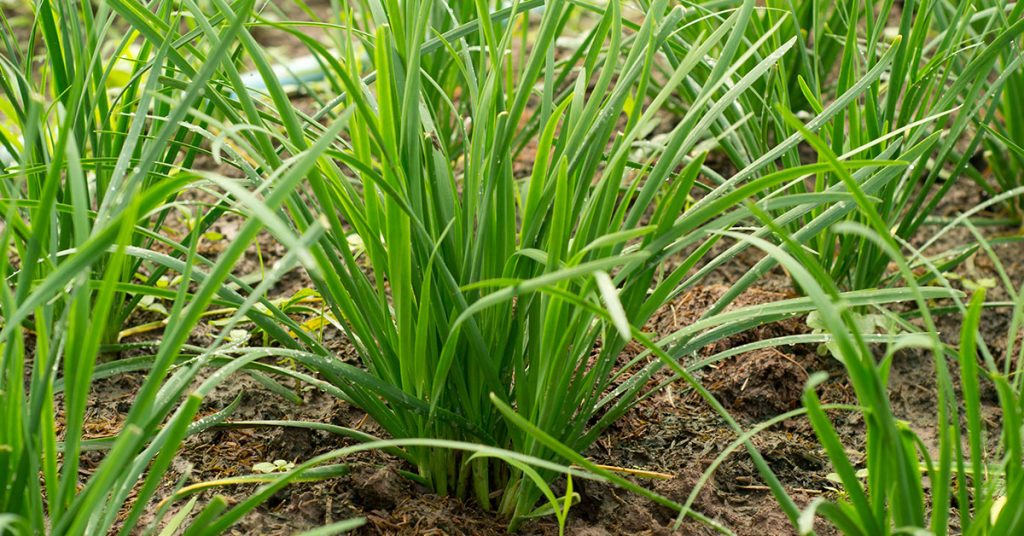
Chives, a member of the allium family and native to Europe, Asia, and North America, are a charming herb that brings both beauty and utility to any garden. Their slender, tubular leaves form delicate, nest-like clumps that attract pollinators while adding a subtle, onion-like flavor to your meals! I’ve often marveled at how these hardy herbs manage to flourish even in small spaces, proving that sometimes less truly is more.
From my own experience, chives are the perfect addition for anyone who appreciates a neat, low-maintenance herb with a lot of character. They are especially forgiving, thriving with minimal water and care, and while they can occasionally self-sow, they remain non-invasive and easily controlled. Every snip of chives is a little reminder that nature’s simplicity can elevate your cooking and brighten up your garden in the most delightful way!
Oregano
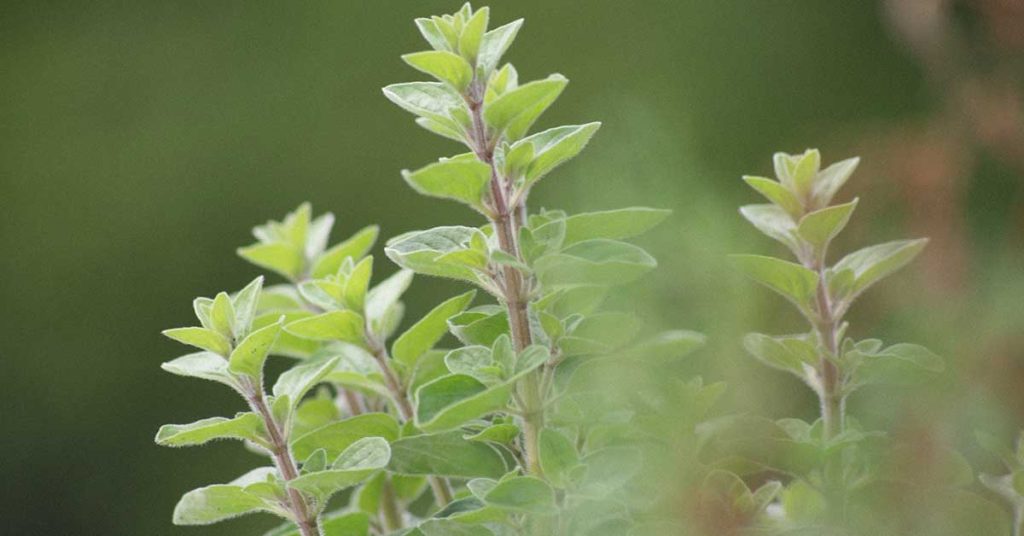
Oregano, with its bold, peppery flavor, is native to the Mediterranean region and has long been celebrated for its culinary and medicinal properties. Its robust, sprawling growth often creates natural, tightly packed clusters that resemble little nests, providing shelter for beneficial insects while imparting its distinctive aroma to the garden! I’ve found oregano to be exceptionally hardy—a true testament to its Mediterranean roots, thriving under full sun and with minimal care.
In my garden, oregano is a star player that effortlessly enhances a variety of dishes, from pizzas to pastas, while also serving as a natural weed suppressant. Although it can self-seed in favorable conditions, it is generally non-invasive when managed properly. Each time I harvest its leaves, I’m reminded of oregano’s time-tested resilience and its ability to bring a burst of flavor and charm to even the simplest garden setting!
Parsley
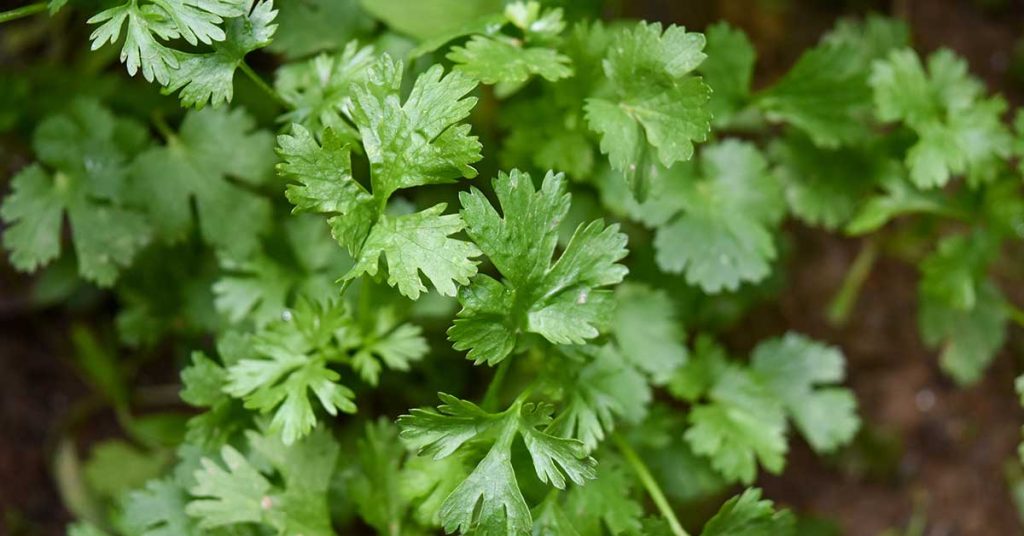
Parsley, native to the Mediterranean basin, is a versatile herb that adds a fresh, slightly peppery note to countless recipes. Its lush, dark green fronds form natural rosettes that create a welcoming, nest-like display in your garden, attracting both beneficial insects and admiring gazes! I appreciate parsley not just for its culinary utility, but also for its ease of growth and its ability to thrive even when my gardening attention is more relaxed.
In my experience, parsley is one of those herbs that rewards you generously for even the smallest bit of care. It thrives in both sun and partial shade and, while it can occasionally self-seed, it remains non-invasive and well-behaved in a contained garden bed. Every time I chop fresh parsley for a garnish, I’m filled with gratitude for this herb’s rich history and the effortless beauty it brings to my garden and table alike!
Thyme
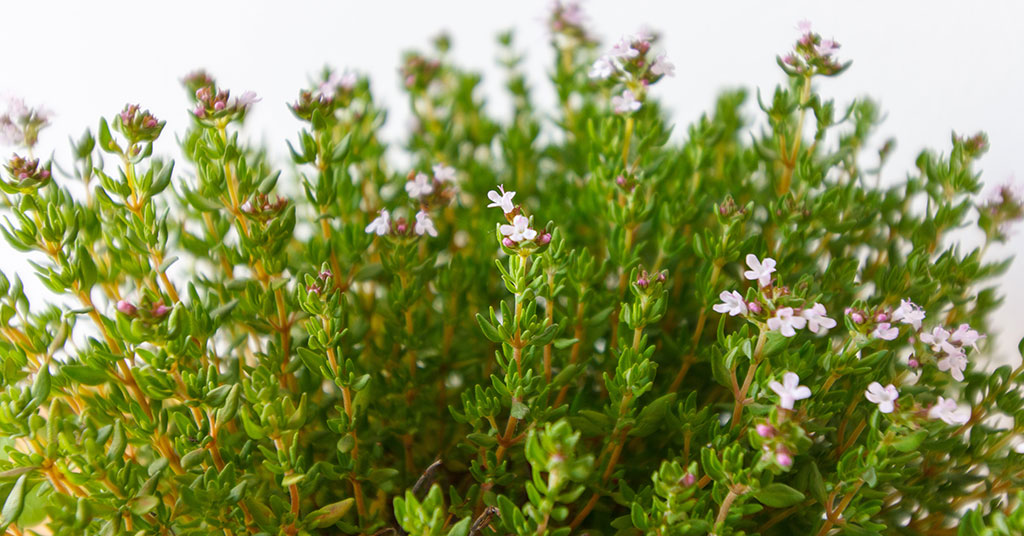
Thyme, native to the Mediterranean, is a tiny herb with a mighty personality that can transform your garden and kitchen alike. Its small, aromatic leaves form low, cushion-like mats that resemble intricately woven nests, creating a perfect habitat for tiny pollinators and adding texture to your garden beds! I’ve always admired thyme’s ability to thrive in rocky, dry soils with minimal water, making it a go-to herb for those who appreciate a low-maintenance yet high-impact plant.
In my garden, thyme not only delivers a burst of flavor to dishes but also stands as a symbol of resilience and adaptability. While it may self-sow under ideal conditions, thyme is generally non-invasive and remains an attractive, tidy ground cover. Every time I see a carpet of thyme spreading its fragrant leaves, I’m reminded of nature’s capacity to deliver beauty and functionality in the simplest of packages—a true delight for any beginner gardener!
Sage
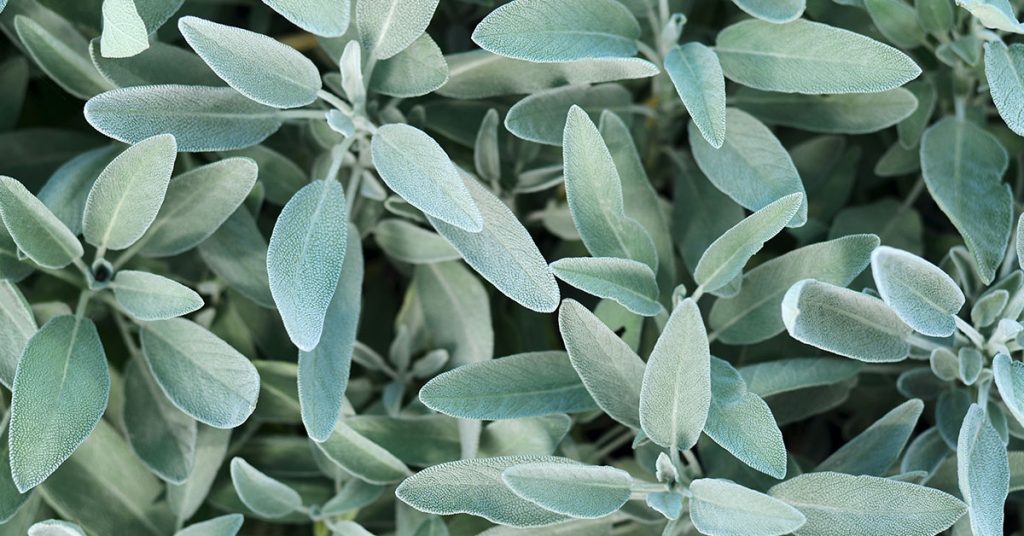
Sage, with its rich, earthy flavor and storied history, is native to the Mediterranean region and has been revered for centuries for its culinary and healing properties. Its silvery-green leaves form natural, layered clusters that evoke the image of tiny nests, providing shelter for beneficial insects and adding a rustic charm to your garden! I find sage to be both practical and poetic—a herb that stands strong even in challenging conditions, making it ideal for beginners who crave both flavor and resilience.
In my own garden, sage has proven to be remarkably forgiving, flourishing in sunny, well-drained spots with minimal intervention. While it can self-seed if left unchecked, it generally remains non-invasive and manageable, ensuring that its bold presence is always a positive addition. Every time I incorporate sage into my cooking or simply enjoy its aromatic presence, I’m reminded of its ancient roots and its enduring ability to enrich both our dishes and our garden landscapes!
Dill
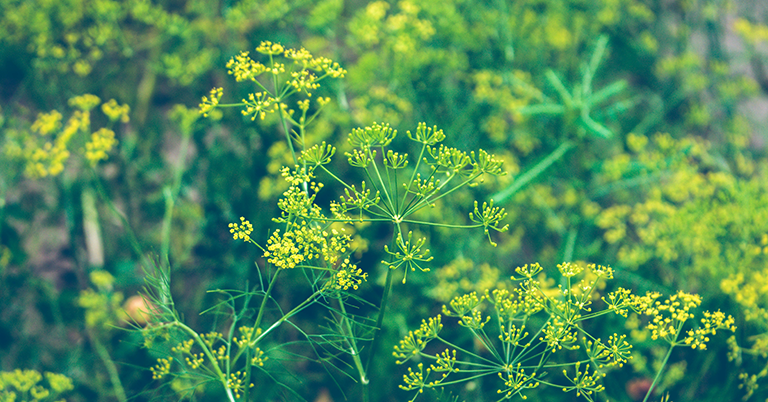
Dill, native to regions spanning Eastern Europe and Western Asia, is a herb with a unique, tangy flavor that brightens up any meal. Its feathery, delicate fronds form airy, nest-like clusters that not only create visual interest but also attract a host of beneficial insects to your garden! I’ve always found dill to be a whimsical yet practical herb, perfect for those who enjoy a garden that’s as flavorful as it is beautiful.
In my gardening experience, dill is wonderfully low-maintenance, thriving in full sun and well-drained soil even when I’m not able to devote too much time to it. Although it can occasionally self-sow, dill remains non-invasive and fits neatly into any herb garden. Every harvest of dill feels like uncovering a little treasure—a testament to nature’s ability to provide abundance and culinary inspiration with minimal fuss!
Tarragon
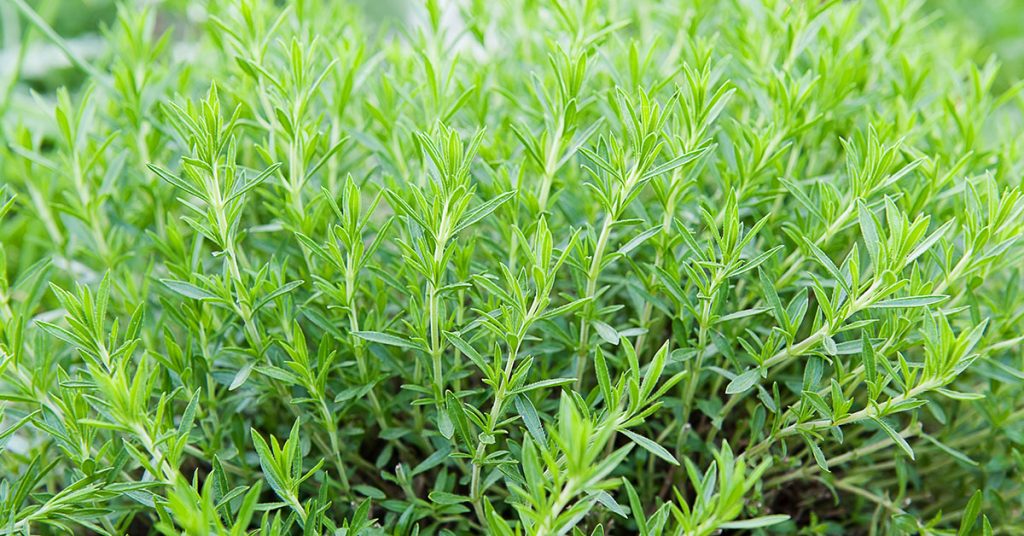
Tarragon, a herb prized for its delicate anise-like flavor, is native to Eurasia and has been a favorite in French cuisine for generations. Its slender, glossy leaves form tidy, natural clusters that evoke the appearance of miniature nests, subtly inviting pollinators and adding an air of refined charm to your garden! I’ve found tarragon to be wonderfully forgiving, thriving in sunny spots and well-drained soil even when my gardening attention is sporadic.
In my own backyard, tarragon’s ability to produce abundant, aromatic leaves has been a delightful surprise—each harvest a gentle reminder that even a laid-back approach can yield gourmet results. While it may occasionally self-seed under ideal conditions, tarragon is generally non-invasive, ensuring that its graceful growth remains an asset rather than a nuisance. Every time I use tarragon in a recipe, I’m reminded of its storied heritage and the unique way it transforms simple dishes into culinary masterpieces!
Lemon Balm
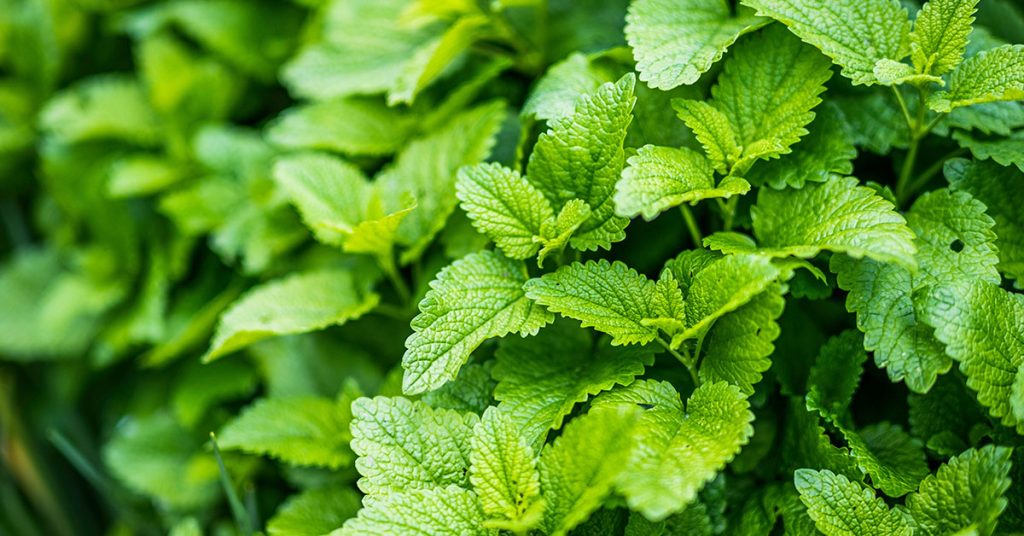
Lemon Balm, a member of the mint family native to Europe and Central Asia, is a cheerful herb known for its citrusy fragrance and soothing properties. Its soft, heart-shaped leaves form natural clusters that resemble little nests, drawing in bees and other pollinators while adding a splash of freshness to your garden! I’ve always been enchanted by lemon balm’s vibrant aroma and its ability to brighten up both my garden and my mood, even on the busiest days.
In my experience, lemon balm is incredibly easy to grow and maintain, flourishing in a variety of conditions with little fuss. Although it can spread readily, it is generally non-invasive when contained in a garden bed or pot, making it an ideal choice for beginner gardeners. Every time I sip a cup of lemon balm-infused tea or use it to add a zesty note to a dish, I’m reminded of its delightful heritage and the simple joys it brings to everyday life—truly a herb that embodies both practicality and pure, natural charm!