
Creating a water-wise garden is not only a sustainable way to conserve precious resources, but it also opens up a world of unique, resilient blooms that thrive on minimal water. As an avid gardener who’s navigated many a dry spell, I know how disheartening it is when traditional plants wilt under the harsh sun. But there’s good news—there’s a wonderful selection of drought-tolerant flowers that not only look stunning but also contribute to a balanced ecosystem by attracting beneficial pollinators and sometimes even providing nesting spots for nature’s tiny helpers!
In this article, I’m excited to share 13 remarkable drought-tolerant flowers, each with its own native heritage and special traits. From the sun-soaked landscapes of California to the arid regions of the Mediterranean, these plants are your secret weapon for a flourishing garden that uses water wisely. Let’s explore these resilient beauties, learn a few gardening tips along the way, and ensure that your garden remains a vibrant oasis, even during the driest seasons!
California Poppy
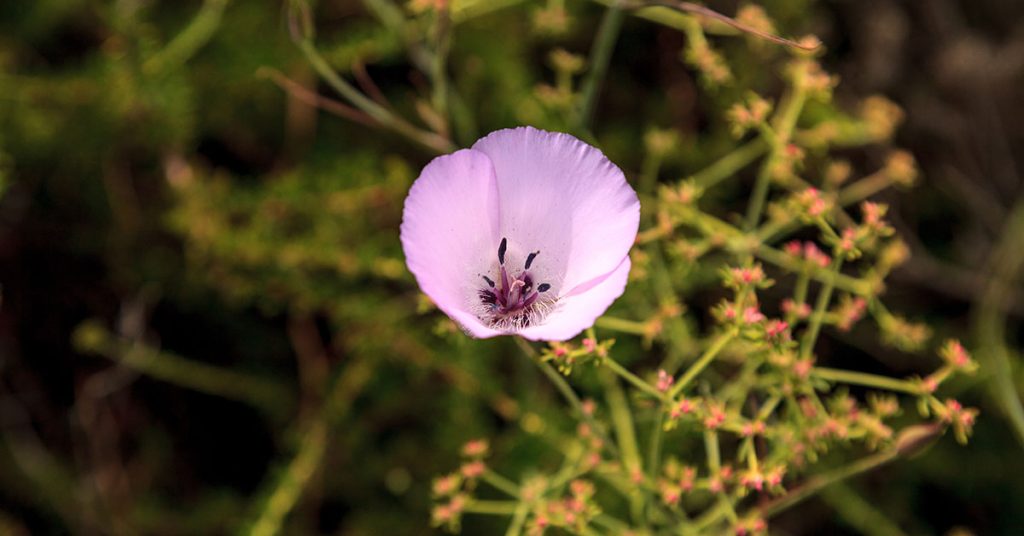
California Poppy (Eschscholzia californica) is a radiant annual native to the chaparral and deserts of California, renowned for its brilliant orange blossoms that seem to capture the essence of the sun. These cheerful flowers are a gardener’s delight, thriving in poor, well-draining soils and requiring minimal water once established. I’ve always been captivated by their effortless beauty and the way they turn even the most arid patches into fields of fire and gold!
Their low-growing habit not only suppresses weeds but also creates a microenvironment that attracts beneficial insects like bees and butterflies. While California Poppies are not invasive, they self-seed freely under the right conditions, offering a natural, ongoing display. This hardy flower is perfect for water-wise gardens, adding both color and ecological value without demanding much of our precious water supply!
Blanket Flower (Gaillardia)
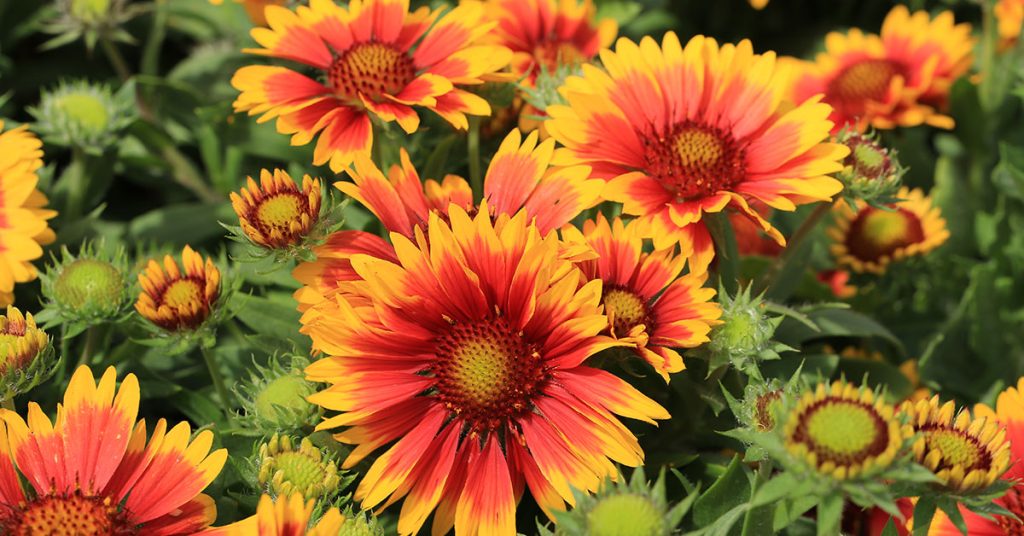
Blanket Flower, or Gaillardia, hails from the prairies of North America and dazzles with its fiery red and yellow blooms. Its tough, drought-resistant nature makes it an excellent choice for water-wise gardens, where its deep taproot and fibrous system allow it to flourish in poor soils. I love how this vibrant perennial not only adds a splash of summer warmth to my garden but also stands firm against the relentless heat!
Beyond its striking appearance, Blanket Flower forms a dense ground cover that naturally outcompetes weeds, ensuring that your garden stays tidy with minimal intervention. It attracts a variety of pollinators—bees, butterflies, and even hummingbirds, who often find shelter among its robust foliage. With its continuous blooming and low-maintenance nature, Blanket Flower is a true testament to nature’s resilience and a must-have for any drought-tolerant landscape!
Sedum (Stonecrop)
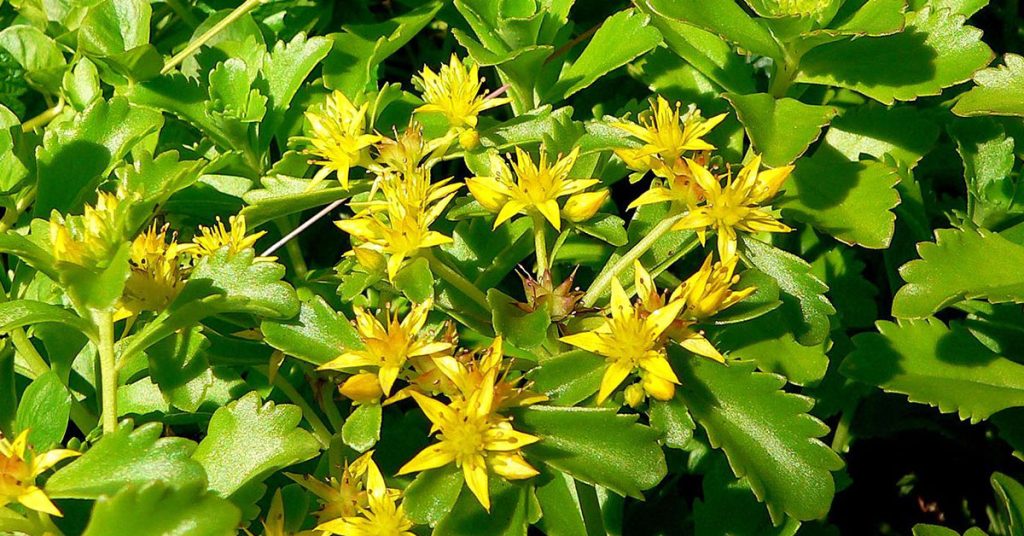
Sedum, commonly known as Stonecrop, is a succulent perennial that originates from Europe and Asia and thrives in arid conditions. Its fleshy, water-storing leaves and sprawling, mat-forming habit make it a superstar in drought-tolerant gardens. I’ve always admired Sedum for its versatility—it works brilliantly in rock gardens, borders, or as ground cover that elegantly suppresses weeds while adding texture and color to the landscape!
Sedum’s clusters of star-shaped flowers attract a variety of pollinators, such as bees and small butterflies, who sometimes even find refuge within its dense, succulent clumps. Although Sedum is non-invasive, its vigorous spread can be managed with occasional trimming. Its minimal water requirements and robust growth make it an indispensable plant for gardeners looking to create a sustainable and visually appealing garden without the constant need for irrigation.
Yarrow
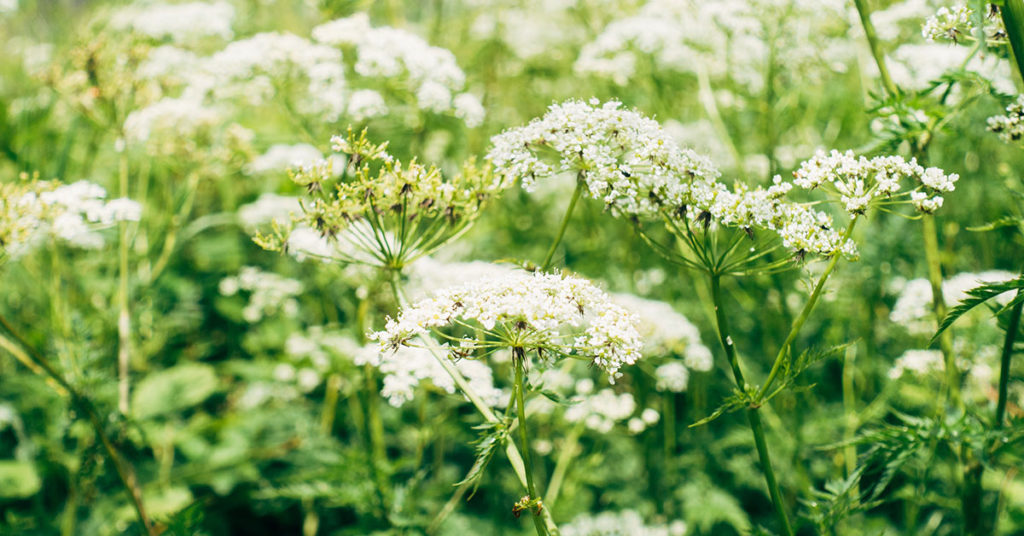
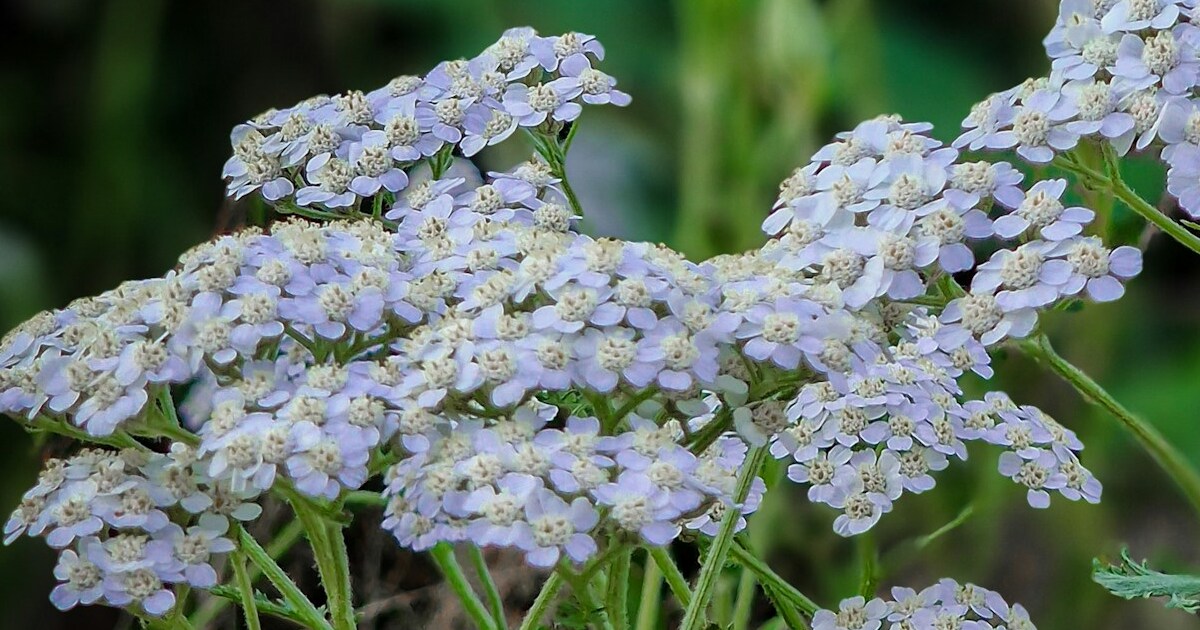
Yarrow (Achillea millefolium) is a perennial native to temperate regions around the world, prized for its clusters of tiny, flat-topped flowers in shades of white, yellow, pink, or red. Its deep, fibrous root system and finely divided foliage enable it to thrive in dry, poor soils, making it an ideal choice for a water-wise garden. I’ve found that Yarrow not only adds a touch of wild beauty but also offers impressive resilience against drought and heat!
This hardy plant attracts a diverse array of beneficial insects, including ladybugs, lacewings, and various bees that often use its clumps as temporary nesting sites. Yarrow is non-invasive and self-sows gently, contributing to a natural, layered landscape that enhances biodiversity. With its extended bloom period and low water needs, Yarrow is a perennial favorite for those who want both beauty and functionality in their sustainable garden design!
Lavender

Lavender, native to the Mediterranean, is celebrated for its aromatic, silvery-green foliage and slender spikes of purple flowers that thrive under the sun. Its drought-tolerant nature and ability to grow in poor, well-draining soils make it a classic choice for water-wise gardens. I love how Lavender transforms a garden into a fragrant sanctuary, inviting not only a sense of calm but also a host of pollinators that help maintain a vibrant ecosystem!
In addition to its visual and aromatic appeal, Lavender’s dense growth offers small crevices that can serve as nesting spots for beneficial insects like solitary bees. Although it can become moderately spreading if conditions are ideal, its behavior is generally non-invasive when managed with occasional pruning. Lavender is a versatile and low-maintenance plant that embodies the perfect balance of beauty and sustainability—truly a must-have for any drought-tolerant garden!
Verbena
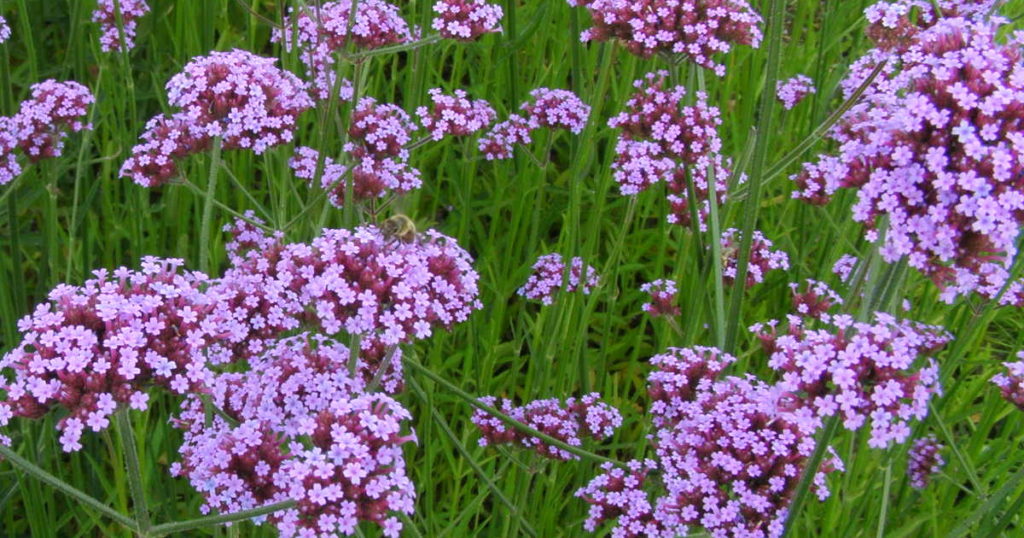
Verbena is a charming perennial with clusters of small, vibrant flowers that come in hues of purple, pink, and white. Native to tropical and subtropical regions, Verbena is well-adapted to dry conditions and thrives in full sun and well-drained soil. I’m always impressed by how this hardy plant adds a burst of lively color to my garden while using minimal water—a true gem for water-wise landscapes!
Its sprawling habit not only covers ground quickly, outcompeting weeds, but also attracts numerous pollinators such as bees and butterflies. These beneficial insects sometimes even nest in the crevices between the compact foliage, further boosting garden biodiversity. With its continuous blooming and low-maintenance care, Verbena is an excellent choice for gardeners looking to add both beauty and ecological value to their arid gardens.
Salvia
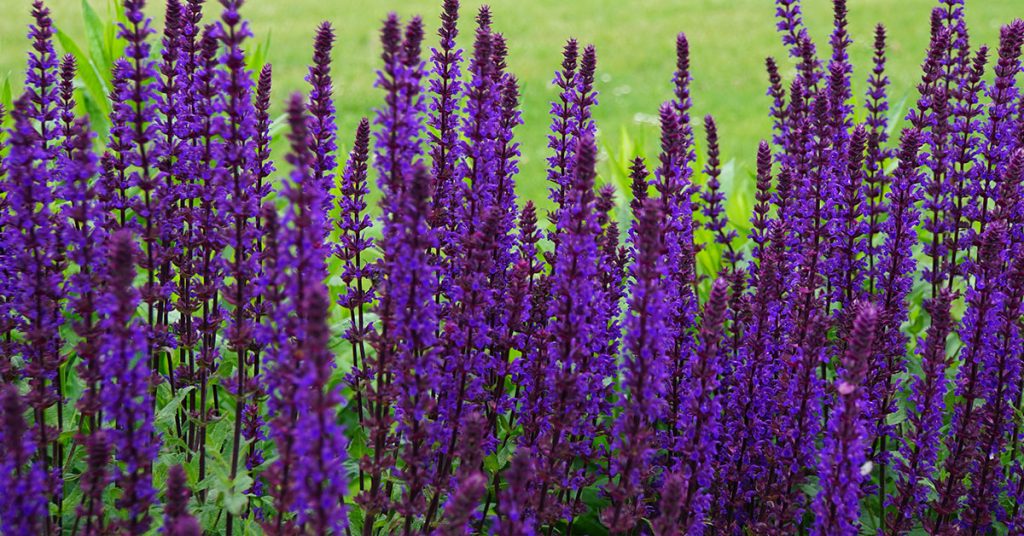
Salvia is a versatile perennial native to regions as diverse as Central America and the Mediterranean, celebrated for its striking, spiky flower clusters and aromatic foliage. Its drought-tolerant nature allows it to flourish in hot, dry conditions with little water, making it a staple in water-wise gardens. I’m always delighted by the bold bursts of color that Salvia brings to my landscape—its tall, architectural form adds a modern edge while attracting a flurry of pollinators!
The nectar-rich blooms of Salvia attract bees, butterflies, and hummingbirds, which not only enhance the beauty of your garden but also contribute to its overall ecological health. These insects sometimes use the gaps between the flower spikes for temporary shelter, creating a dynamic mini-habitat. Although Salvia is generally non-invasive, proper spacing and occasional deadheading ensure it remains a controlled and captivating addition to your sustainable garden design!
Black-Eyed Susan
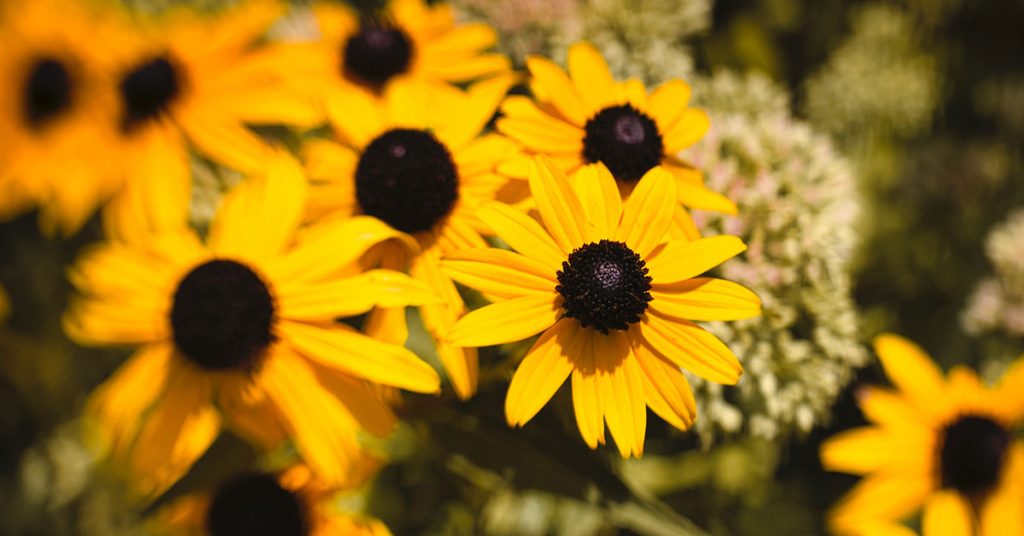
Black-Eyed Susan (Rudbeckia hirta) is a cheerful perennial native to the prairies of North America that thrives under full sun and in dry, well-drained soils. Its vibrant yellow petals and dark centers create a striking contrast that lights up any garden, even in the heat of summer. I’m always thrilled by how these flowers brighten my garden with their radiant presence while enduring drought conditions with minimal fuss!
Their robust, spreading habit helps suppress weeds naturally, as the dense clumps make it difficult for unwanted plants to take root. Black-Eyed Susans also attract a variety of pollinators—bees, butterflies, and even small beetles—who may use the foliage for shelter or temporary nesting. With their long blooming season and low water requirements, these resilient flowers are an essential addition to any water-wise garden that values both aesthetics and ecological function.
Russian Sage
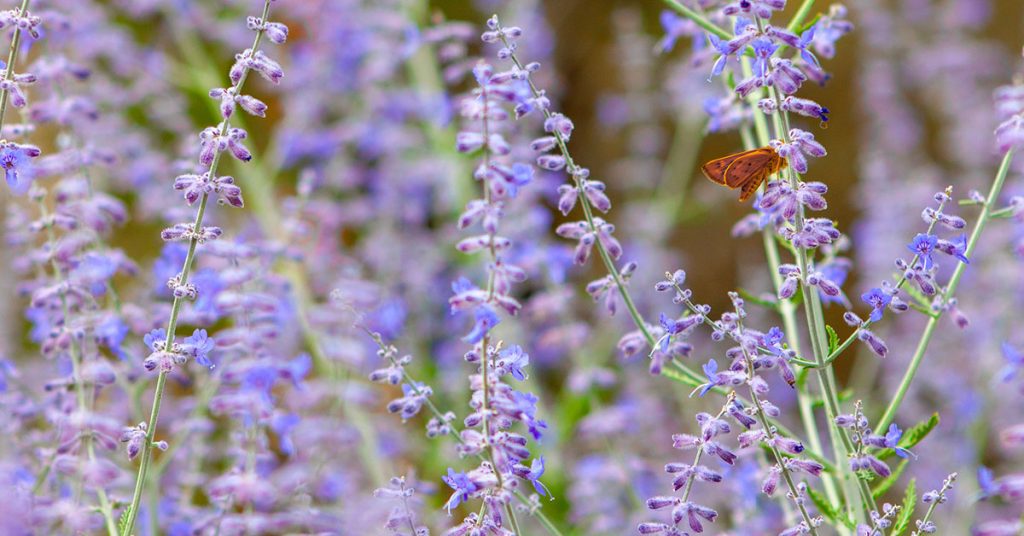
Russian Sage (Perovskia atriplicifolia) is a graceful perennial hailing from the dry steppes of Russia and Central Asia, renowned for its airy, silvery foliage and spiky lavender-blue flowers. Its robust, drought-tolerant nature makes it a standout choice for water-wise gardens, where it thrives in full sun and well-drained soils. I love how Russian Sage adds an ethereal, almost otherworldly quality to my garden, with its wispy blooms and cool-toned leaves providing a striking contrast to warmer colors.
Beyond its visual appeal, Russian Sage attracts a host of beneficial pollinators such as bees and butterflies, which help maintain a balanced ecosystem in your garden. Its open, airy structure offers ideal nesting spots for some of these insects, further enhancing its ecological value. While it can spread moderately, proper pruning keeps it in check, making Russian Sage a delightful and practical choice for any drought-tolerant landscape!
Coreopsis
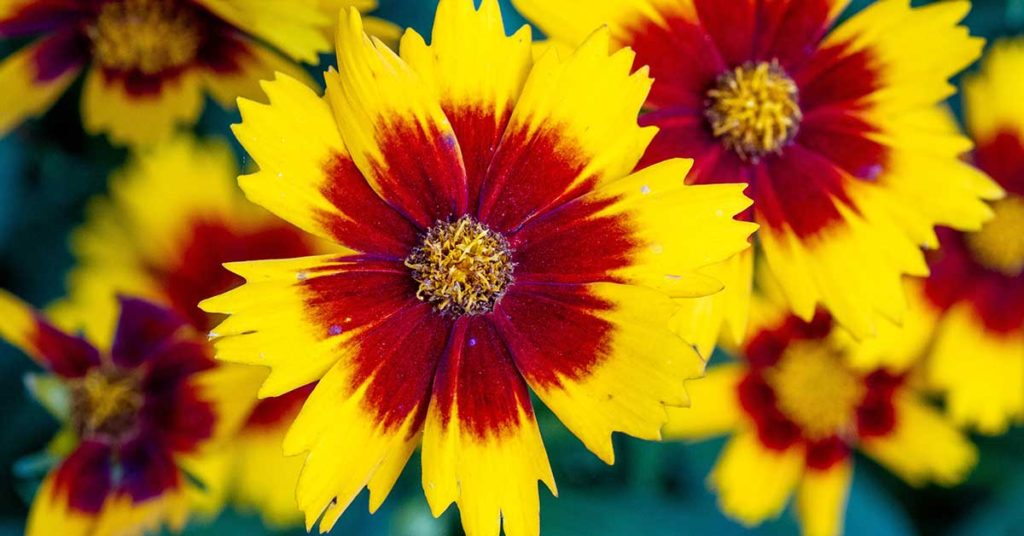
Coreopsis, also known as Tickseed, is a vibrant perennial native to North America that brings a burst of cheerful color to even the driest gardens. Its daisy-like, sunburst flowers and low-growing habit make it an excellent ground cover, naturally outcompeting weeds and requiring minimal water. I’ve always been enchanted by the way Coreopsis transforms a garden bed into a radiant mosaic, its golden hues evoking the warmth of a summer sunset—even during drought!
The open, delicate structure of Coreopsis flowers attracts a variety of pollinators such as bees, butterflies, and hoverflies, which contribute to a thriving, biodiverse ecosystem. These beneficial insects sometimes use the plant’s clumps as temporary nesting sites, ensuring that the garden remains a hub of natural activity. Non-invasive and low-maintenance, Coreopsis is a top choice for gardeners looking to create a water-wise haven that’s both stunning and ecologically robust!
Coneflower

Coneflowers, or Echinacea, are robust perennials native to the prairies of North America, renowned for their striking purple petals surrounding a spiky central cone. Their deep, extensive root systems make them highly drought-tolerant and capable of thriving in challenging conditions. I’m always impressed by how these hardy blooms add a dramatic focal point to my garden while requiring very little water—a true symbol of resilience and natural beauty!
Not only do Coneflowers offer stunning visual appeal, but their prominent blooms attract a variety of beneficial pollinators such as bees and butterflies, who sometimes find refuge in the dense clumps of foliage. While they are generally non-invasive, their vigorous growth can be managed with occasional thinning to maintain balance. Coneflowers serve as a dual asset to any water-wise garden, providing both a burst of color and vital support to local pollinator populations!
Dianthus
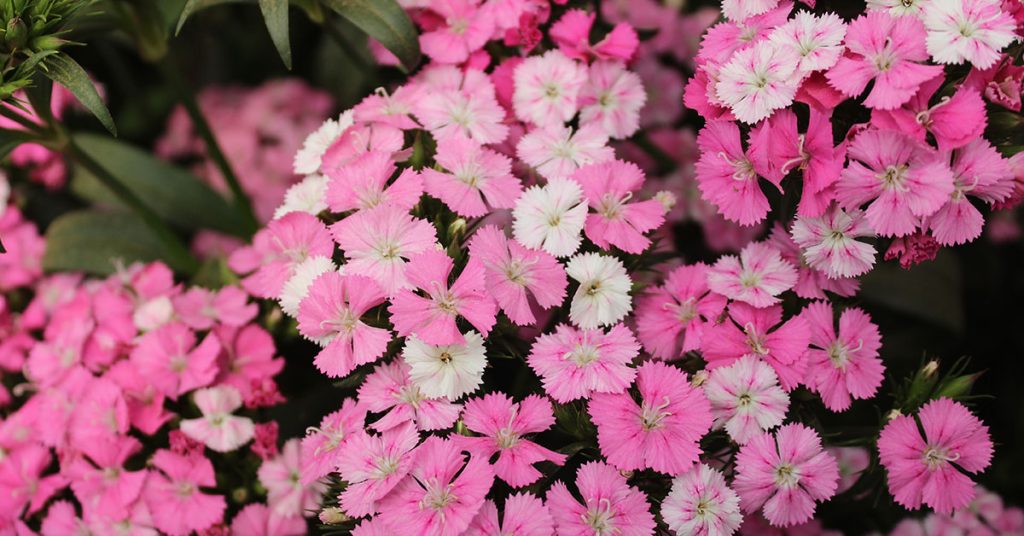
Dianthus, commonly known as pinks or carnations, are charming perennials native to Europe and parts of Asia that thrive in dry, well-drained soils. Their intricately frilled, fragrant blossoms and low-spreading habit make them a superb choice for water-wise gardens, where every drop of moisture counts. I’ve always found that Dianthus adds a touch of delicate, vintage charm to my garden while standing strong under the sun’s intense heat!
The compact, mounded growth of Dianthus not only suppresses weed growth but also attracts small pollinators like solitary bees and butterflies, which might even use the plant’s tight clusters for brief nesting. While Dianthus is non-invasive when maintained properly, its prolific seeding can enhance ground cover if desired. With its enduring beauty and minimal water requirements, Dianthus is a delightful addition for anyone seeking to create an elegant and sustainable garden!
Agastache
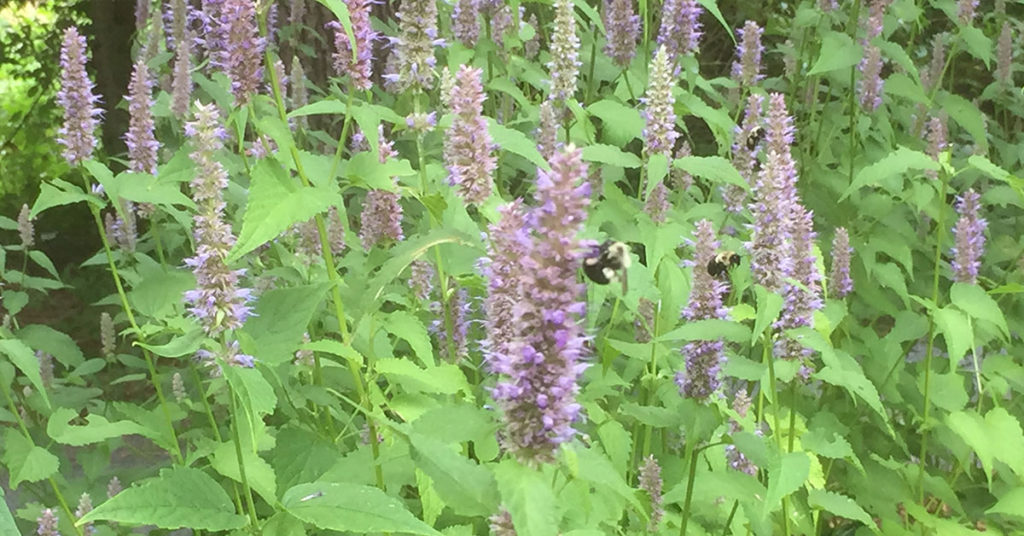
Agastache, also known as Giant Hyssop, is a fragrant perennial native to North America that offers spikes of vibrant flowers in shades of purple, orange, or pink. Its aromatic foliage and drought-tolerant nature make it an excellent choice for gardeners looking to save water while still enjoying a burst of color. I love how Agastache fills my garden with a delightful, herbaceous scent that attracts hummingbirds and butterflies—turning every corner into a lively, buzzing oasis!
Its upright, clumping habit helps to suppress weeds naturally by shading the soil and reducing moisture evaporation. Beneficial insects often find Agastache’s dense structure inviting, sometimes using it as a nesting site, which further enhances your garden’s biodiversity. Non-invasive and remarkably low-maintenance, Agastache is a powerhouse in water-wise gardening, combining beauty, fragrance, and ecological benefits into one versatile plant!