
Hello, fellow plant enthusiasts! I’m thrilled to share a carefully curated list of 13 anti-anxiety plants that can transform your indoor garden into a peaceful sanctuary. As someone who’s spent countless hours experimenting with different species to create a calm and inviting space, I know how essential it is to have the right plants to soothe your mind and purify your air. In this guide, I’ll dive deep into each plant’s unique background, including their native origins, growth habits, and whether they might behave invasively. My hope is that these insights inspire you to nurture a living retreat that eases stress and sparks joy every day!
I completely understand the frustration when environmental factors or unsuitable plant choices disrupt your quest for serenity. It’s such a bummer when pests invade your space or when that one plant just doesn’t cooperate! Each section of this article is packed with personal anecdotes, practical tips, and detailed descriptions to help you choose the perfect anti-anxiety companion. So grab your favorite mug of tea, settle in, and let’s explore these botanical treasures that can infuse your indoor garden with calm, balance, and a touch of natural magic!
Valerian
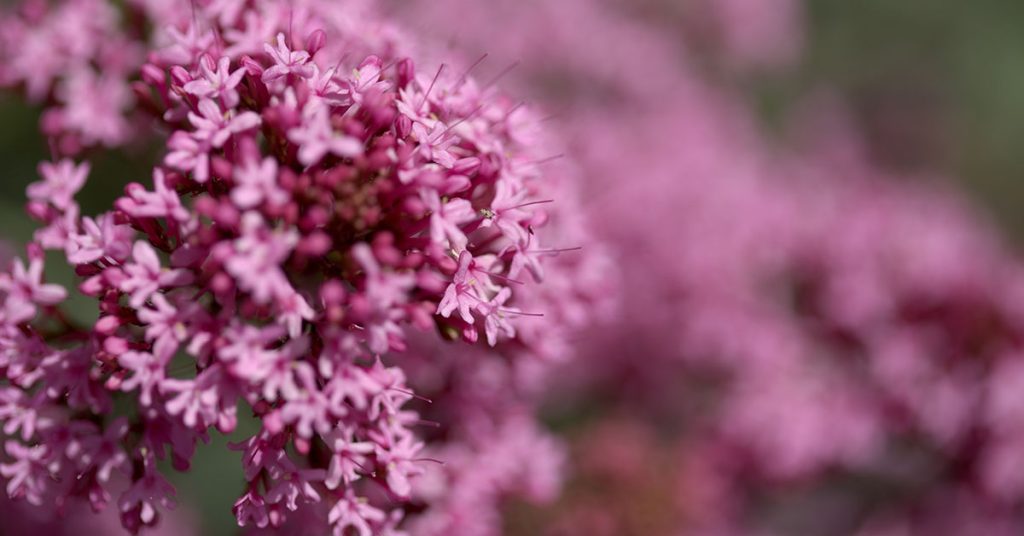
Valerian is a soothing herb known for its natural calming properties, making it an ideal choice for an anti-anxiety indoor garden. Native to Europe and parts of Asia, this perennial has been used for centuries as a natural remedy to ease stress and promote sleep. I first discovered the gentle power of valerian when I was struggling to unwind after a long day, and its subtle, musky aroma instantly helped me relax! Although it is not considered invasive, valerian does appreciate a well-drained potting mix and plenty of indirect light to keep it thriving indoors.
In addition to its stress-relieving benefits, valerian has an intriguing behavior when it comes to attracting beneficial insects. Its small, delicate blooms often serve as a magnet for solitary bees and other pollinators that appreciate the quiet corners of your home garden. I’ve found that having valerian nearby creates a micro-ecosystem where nature quietly works its magic, offering not only relaxation but also a boost in overall air quality. It’s a charming reminder that sometimes, the smallest details can bring the greatest comfort!
Peace Lily
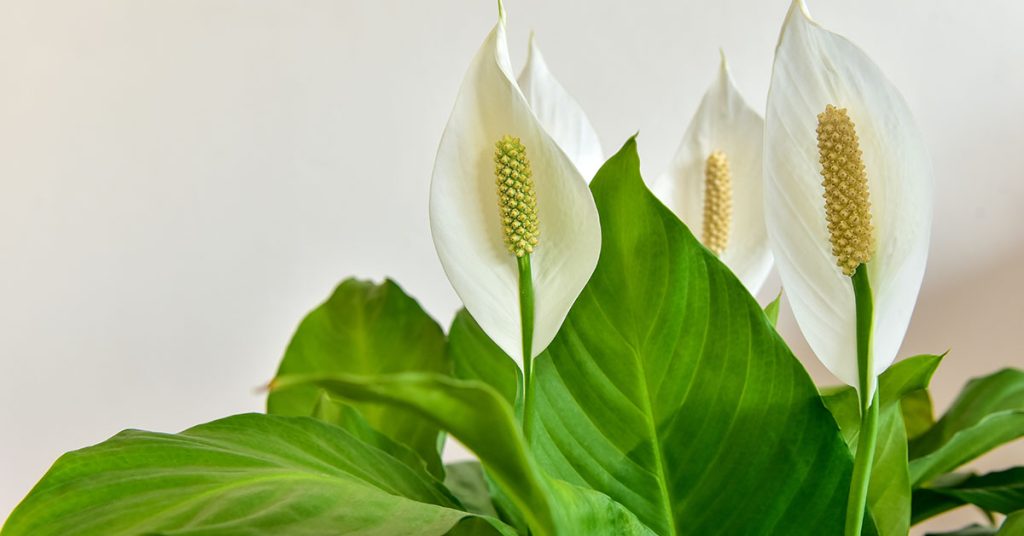
The Peace Lily is a perennial favorite for anyone looking to create a serene indoor environment. Native to the tropical regions of the Americas and Southeast Asia, this elegant plant is renowned for its graceful white blooms and lush, dark foliage that exude calm and sophistication. I’ve always admired its ability to purify indoor air and instill a sense of tranquility, making it a perfect anti-anxiety companion in any home! While Peace Lilies are not invasive, they do require a bit of extra humidity and filtered light to keep their delicate balance intact.
Beyond their aesthetic appeal, Peace Lilies serve as a natural attractor for beneficial critters such as tiny insects and even small spiders that help maintain a balanced indoor ecosystem. I’ve noticed that these plants can create a subtle microhabitat where nature seems to settle into a gentle rhythm, providing both visual delight and practical air-cleansing benefits. Their nurturing presence has consistently helped me reduce stress levels, reminding me that sometimes, a little greenery is all it takes to bring peace to your indoor sanctuary!
Chamomile
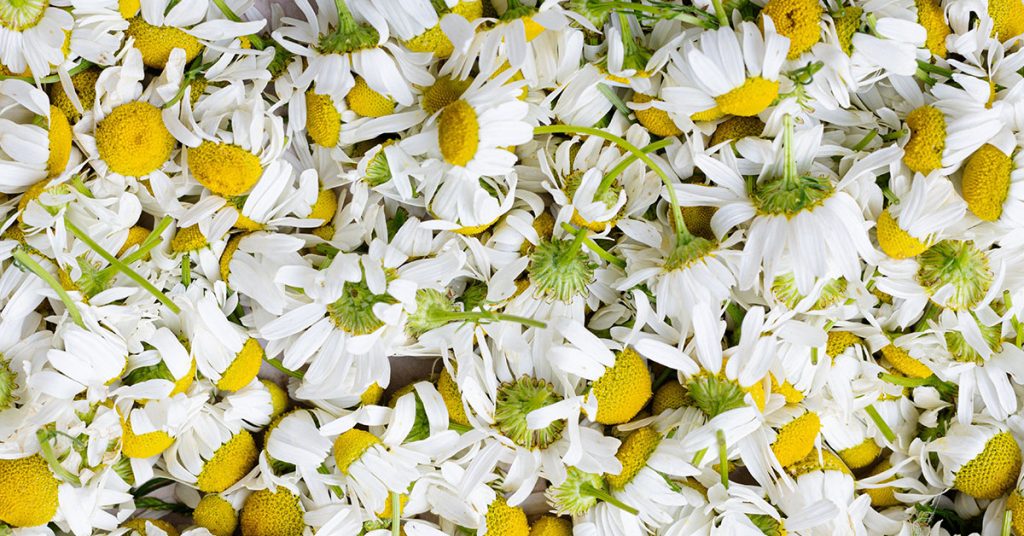
Chamomile is celebrated for its soothing fragrance and calming effects, making it an excellent addition to any indoor garden focused on reducing anxiety. Native to Europe and Western Asia, this dainty herb has a long history of use in herbal teas and natural remedies designed to calm the nerves and ease tension. I vividly recall brewing chamomile tea during stressful evenings and marveling at how its gentle aroma seemed to wash away the day’s worries! Although chamomile is generally non-invasive, it does benefit from a sunny windowsill and well-draining soil to flourish indoors.
In my experience, chamomile not only offers a sensory escape but also attracts small, beneficial insects such as ladybugs and solitary bees that thrive around its dainty white and yellow flowers. These tiny visitors add an extra layer of life to your indoor garden, creating a peaceful, buzzing micro-ecosystem that complements its calming qualities. Whether you’re sipping a cup of tea or simply enjoying its soft, soothing presence, chamomile is a delightful reminder that nature’s little comforts can have a big impact on our well-being!
English Ivy

English Ivy is a versatile and time-honored plant that brings both aesthetic charm and air-purifying benefits to your indoor garden. Native to Europe and western Asia, this trailing vine has adorned walls and interiors for centuries with its classic, evergreen foliage. I was first introduced to English Ivy in a cozy old library, and its lush, cascading leaves immediately gave the space a warm, inviting vibe! Although it can be considered invasive in outdoor settings, when grown indoors in a controlled environment, English Ivy remains a tidy, non-invasive marvel that enhances any space with its timeless beauty.
Beyond its visual appeal, English Ivy is known for attracting beneficial insects that help maintain indoor air quality. Its dense foliage often becomes a favorite resting spot for small pollinators and micro-arthropods, creating a subtle yet thriving mini-ecosystem. I’ve observed that its presence not only improves the aesthetic of a room but also contributes to a more balanced, natural atmosphere that can help ease anxiety. Embracing English Ivy in your indoor garden is like inviting a touch of vintage elegance along with a natural, calming energy that truly makes a difference!
Basil
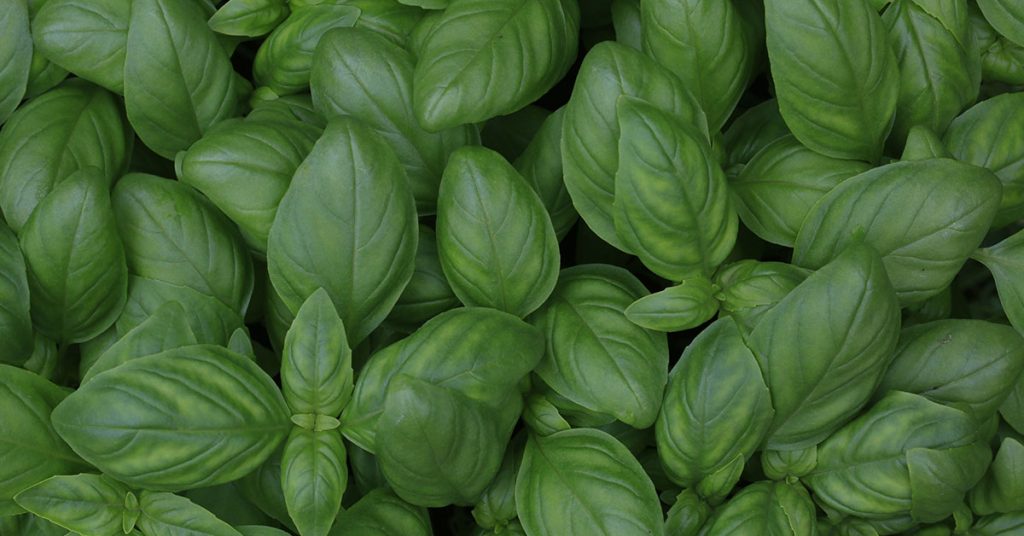
Basil is much more than just a culinary herb; it’s also a natural stress reliever that brings a burst of aromatic joy to any indoor garden. Native to tropical regions of Asia and Africa, basil has been cultivated for centuries not only for its distinctive flavor but also for its calming, herbaceous scent. I have always found that having a pot of basil on my kitchen counter adds an invigorating and yet soothing element to my day—it’s a wonderful reminder of nature’s bounty! Basil is non-invasive when grown in containers indoors, and its vibrant green leaves make for an attractive, easy-to-maintain addition to any peaceful space.
Moreover, basil is known for attracting beneficial insects like bees and hoverflies, even in indoor settings when provided with ample sunlight. Its fragrant leaves create a microhabitat that encourages these helpful visitors, which in turn enhance the natural balance and air quality of your garden. I’ve often marveled at how a simple basil plant can transform an ordinary space into a dynamic yet calming retreat, full of life and subtle energy. For anyone seeking a blend of practicality, beauty, and anti-anxiety benefits, basil is an absolute must-have!
Lavender
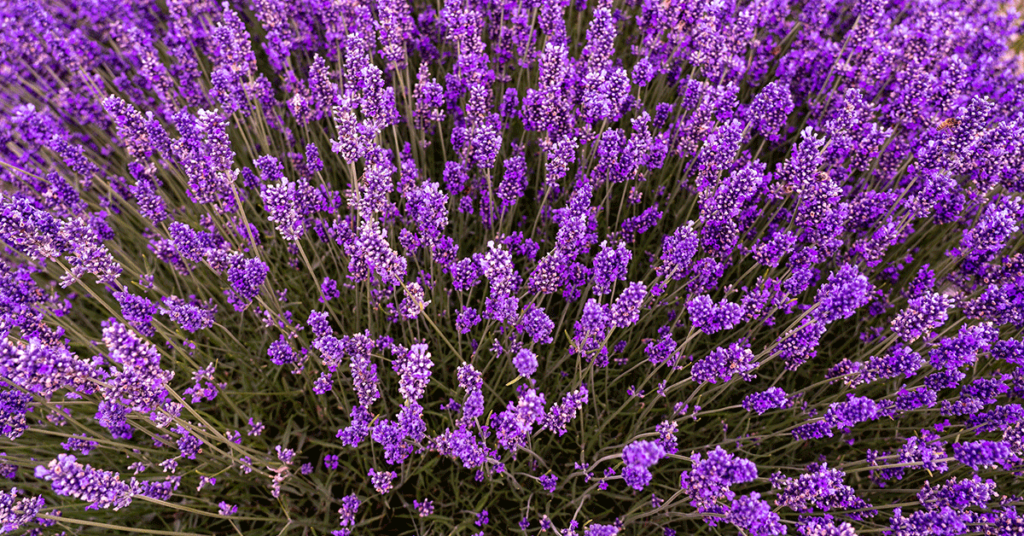
Lavender is arguably one of the most iconic anti-anxiety plants, celebrated for its enchanting fragrance and soothing purple blooms. Native to the Mediterranean region, this perennial herb has long been used in aromatherapy and natural remedies to promote relaxation and alleviate stress. I recall my first encounter with lavender in a quaint countryside garden, where its delicate scent and soft hues instantly calmed my nerves—it’s truly a sensory delight! Although it typically does not become invasive in a pot or indoor setting, ensuring it has plenty of bright light and well-drained soil is key to keeping it healthy and vibrant.
In addition to its calming aroma, lavender attracts a host of beneficial pollinators like bees and butterflies even when grown indoors near a sunny window. These tiny visitors not only help maintain a balanced micro-ecosystem but also add a touch of natural liveliness that enhances the overall ambiance. I’ve learned that cultivating lavender in your indoor garden creates a serene oasis where stress simply melts away, leaving you with a peaceful and aromatic retreat. Its timeless beauty and practical benefits make lavender a cherished companion for anyone seeking to embrace relaxation through nature!
Aloe Vera

Aloe Vera is a remarkable succulent that not only offers skin-soothing benefits but also creates a calming presence in any indoor garden. Native to the Arabian Peninsula, this resilient plant has been revered for its healing properties for millennia. I was pleasantly surprised when I discovered how much a humble Aloe Vera could contribute to the overall tranquility of my space—not just with its curative gel but with its refreshing, sculptural form! While aloe is non-invasive in indoor settings, it does require minimal watering and plenty of indirect light to maintain its plump, healthful leaves.
What makes Aloe Vera even more endearing is its ability to attract a modest array of beneficial insects and microfauna that help keep its pot ecosystem balanced. Its thick, fleshy leaves create micro-niches where tiny critters can occasionally find shelter, contributing to a more dynamic indoor environment. In my experience, the presence of Aloe Vera is a subtle yet constant reminder of nature’s resilience and the gentle care required to nurture life. It’s a perfect blend of functionality and aesthetic appeal, ideal for anyone looking to create a serene, health-focused indoor garden!
Geranium
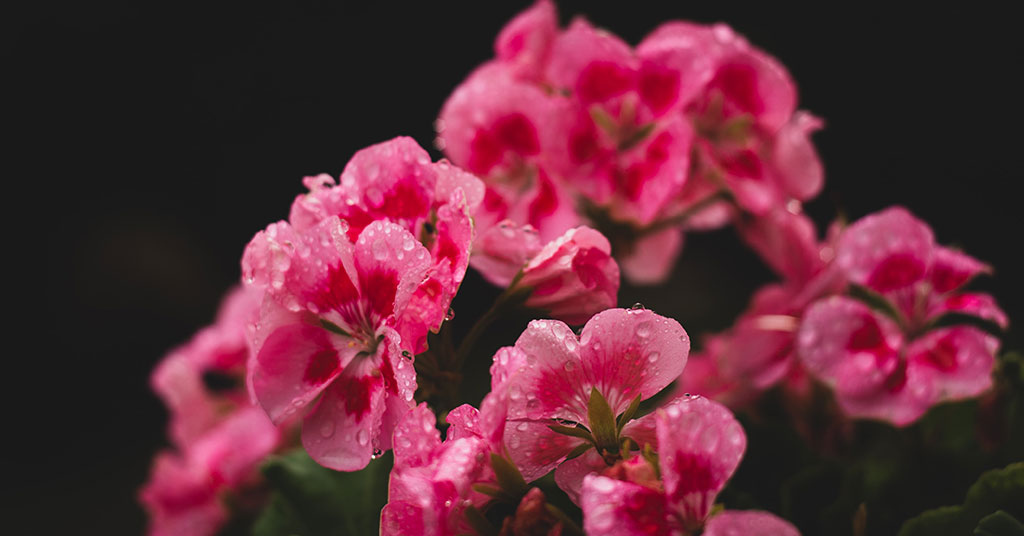
Geraniums, particularly the scented varieties, are treasured for their captivating fragrance and mood-lifting properties. Native to South Africa, these charming plants have been brought into homes around the world for their ability to provide both ornamental beauty and natural stress relief. I first encountered a scented geranium on a rustic farmhouse porch, where its rich, earthy aroma mingled with the fresh country air and instantly boosted my spirits! Typically non-invasive when grown indoors, geraniums thrive in bright, airy spaces where their vibrant blooms and aromatic leaves can truly shine.
In addition to their delightful scent, geraniums are known to attract beneficial insects like ladybugs and small bees that help maintain a healthy indoor ecosystem. Their dense clusters of flowers create miniature havens where these tiny visitors can perch and forage, contributing to a balanced and lively atmosphere. I’ve found that having geraniums nearby not only elevates the visual appeal of my living space but also infuses it with a natural, calming energy that eases anxiety. Their versatile charm makes them an indispensable part of any indoor garden aiming for both beauty and serenity!
Snake Plant
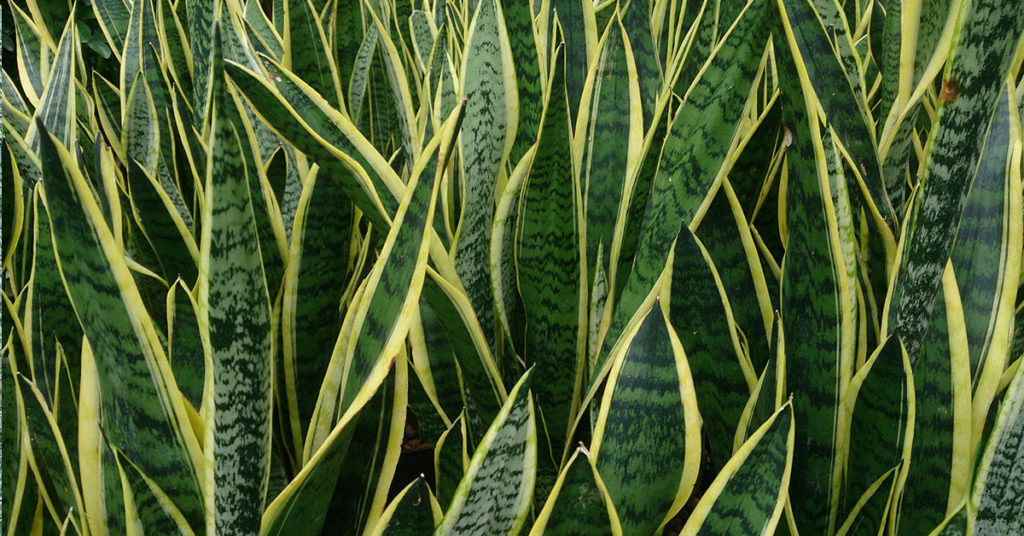
The Snake Plant is a hardy, low-maintenance addition to any indoor garden that also offers impressive stress-reducing benefits. Native to West Africa, this striking succulent is renowned for its upright, sword-like leaves and its ability to purify indoor air—a quality that contributes significantly to a calming environment. I remember the first time I added a snake plant to my living room; its architectural form and resilient nature immediately gave the space a modern yet organic vibe that soothed my busy mind! Snake Plants are non-invasive, making them ideal for tight indoor spaces where their robust growth habits can be appreciated without overwhelming the area.
Apart from its impressive air-purifying capabilities, the Snake Plant attracts a small but dedicated crew of beneficial insects that thrive in drier indoor climates. Its robust structure occasionally serves as a perch for tiny, non-disruptive creatures that help maintain a balanced micro-ecosystem. Over the years, I’ve come to view the snake plant as a symbol of quiet strength—always present, quietly working to improve the air quality and overall ambiance of my home. Its no-fuss nature and calming presence make it an excellent choice for anyone looking to create a stress-free indoor garden!
Lemon Balm
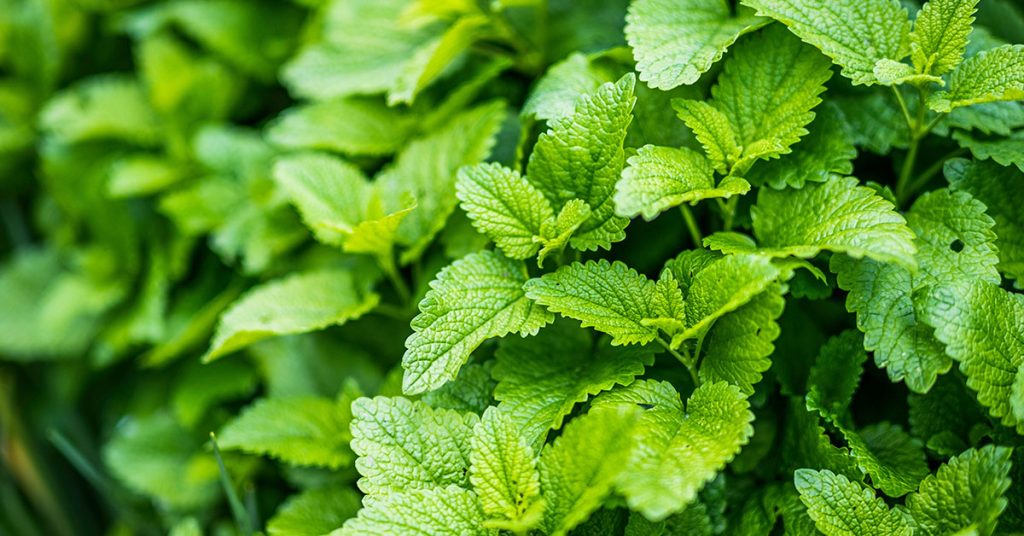
Lemon Balm is a delightful herb that exudes a subtle citrus aroma, widely recognized for its calming and anti-anxiety properties. Native to southern Europe and the Mediterranean, this perennial herb has been a staple in traditional remedies and herbal teas for generations. I was first drawn to lemon balm when I noticed its cheerful, lemon-scented leaves brightening up my windowsill—a simple reminder that nature can soothe both body and mind! Although it can be somewhat vigorous outdoors, when grown in a pot indoors it remains well-behaved and non-invasive, offering a burst of refreshing fragrance without overtaking your space.
In addition to its mood-enhancing aroma, lemon balm is a magnet for beneficial insects like bees and small butterflies that add a lively touch to your indoor garden. Its delicate flowers and inviting scent create a microhabitat where nature’s little helpers can thrive, further contributing to the overall calm and balance of your living space. I’ve often found that tending to lemon balm not only uplifts my mood but also transforms my indoor garden into a vibrant, stress-relieving retreat. It’s a true celebration of nature’s capacity to bring light and relaxation into our everyday lives!
Rosemary
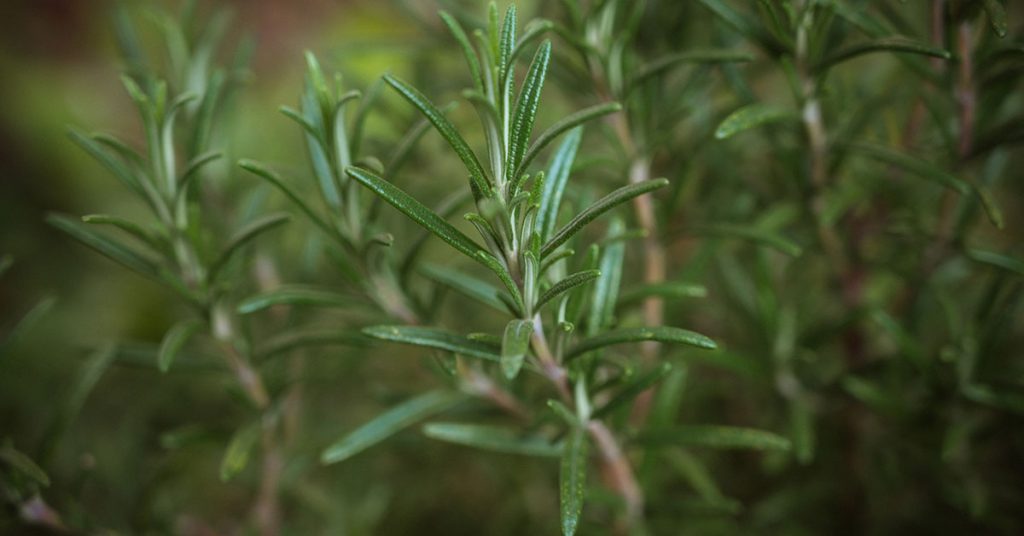
Rosemary is an aromatic herb famed for its invigorating scent and its ability to clear the mind, making it an excellent anti-anxiety companion for your indoor garden. Native to the Mediterranean region, this hardy shrub has been cherished for its culinary and medicinal qualities for centuries. I remember the first time I encountered rosemary in an old country kitchen, its woody aroma and needle-like leaves filling the air with a refreshing, earthy vibe that instantly lifted my spirits! When grown indoors, rosemary remains non-invasive and thrives with ample sunlight and well-drained soil, making it a practical yet enchanting addition to any space.
Not only does rosemary offer a delightful sensory experience, but it also attracts a variety of beneficial insects that help maintain a balanced micro-ecosystem. Its tiny blossoms often draw in bees and other pollinators, even in indoor settings where they contribute to the overall air quality and ambiance. Over time, I’ve noticed that the presence of rosemary not only enhances my culinary adventures but also infuses my living area with a sense of clarity and calm. It’s a powerful, multi-functional herb that brings both practical benefits and a touch of rustic charm to your indoor garden!
Jasmine
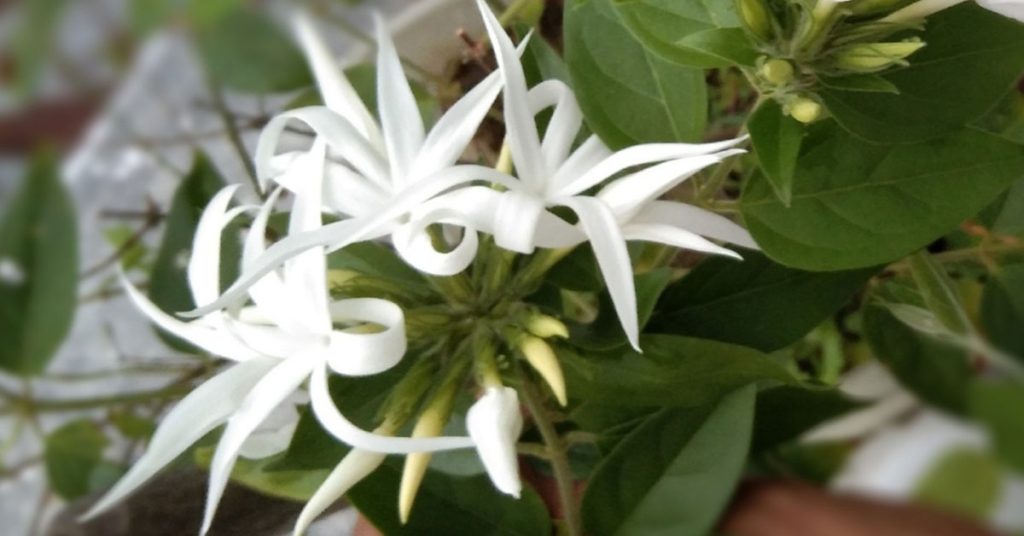
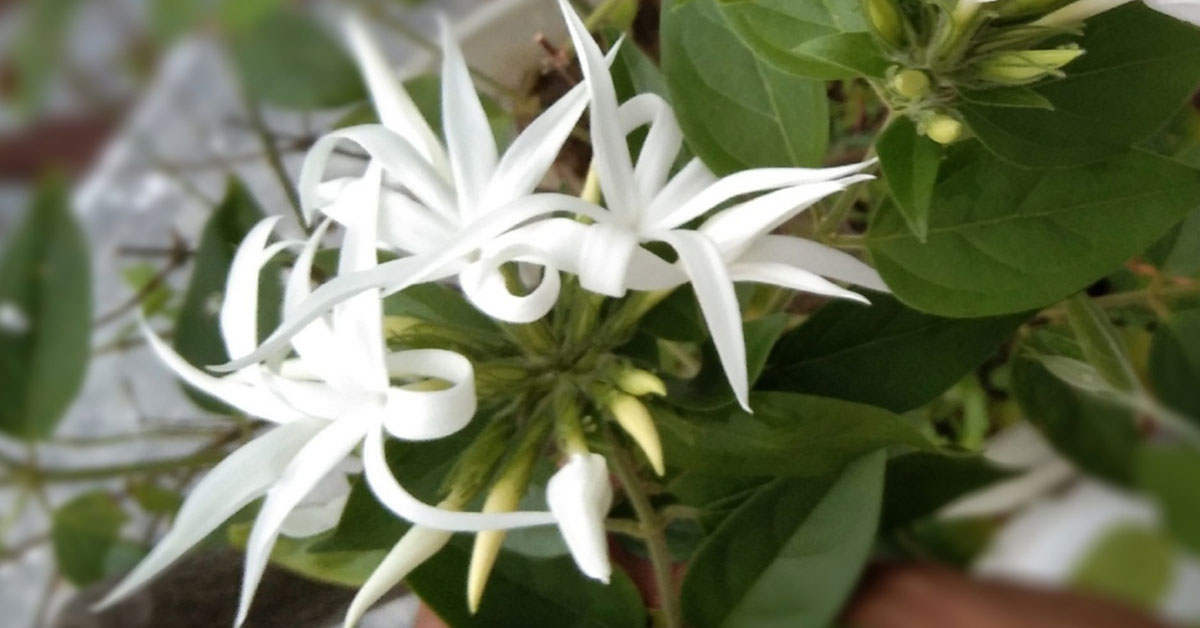
Jasmine is a beloved plant known for its intoxicating fragrance and serene beauty, ideal for cultivating a calming indoor environment. Native to regions of Asia and the Middle East, this flowering vine has been admired for centuries as a symbol of love, purity, and relaxation. I recall the first time I experienced the heady aroma of jasmine in full bloom—it was as if the entire room was enveloped in a soft, soothing embrace that melted away the stress of the day! While jasmine is generally non-invasive indoors when properly trained, it does require bright, indirect light and a bit of support to flourish gracefully.
Beyond its enchanting scent, jasmine is also a magnet for beneficial insects that play an essential role in a balanced indoor ecosystem. Its delicate, star-shaped flowers attract small pollinators like bees and butterflies, which contribute to a lively, vibrant atmosphere even inside the home. I’ve found that nurturing jasmine not only creates a serene retreat but also invites nature’s subtle energy into my daily routine. Its captivating beauty and calming effects make jasmine an outstanding choice for anyone looking to infuse their indoor garden with a touch of ethereal tranquility!
Orchid
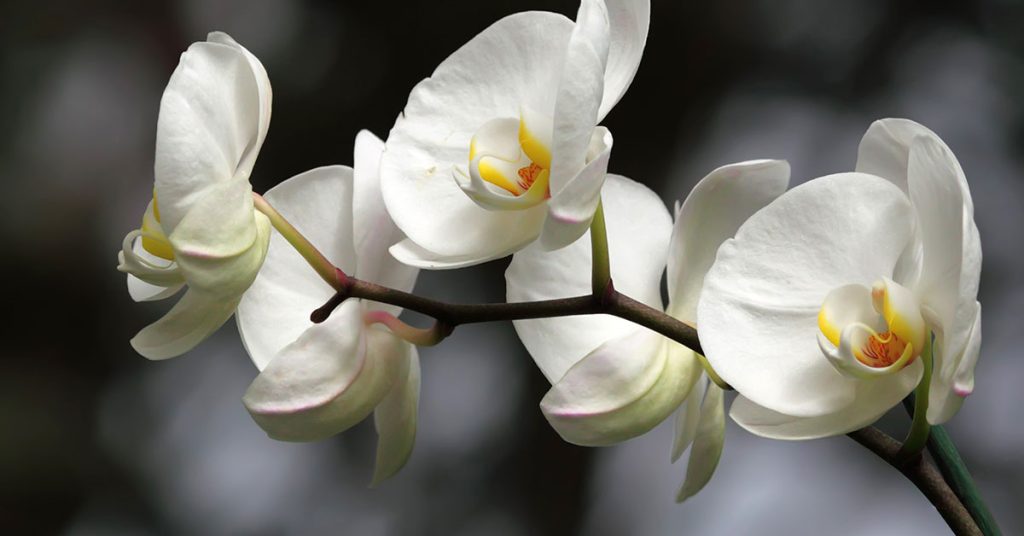
Orchids, with their exotic allure and refined elegance, are a sophisticated choice for an indoor garden designed to ease anxiety and stress. Native to diverse regions ranging from Asia to South America, these captivating plants have long been celebrated for their intricate blooms and delicate beauty. I was mesmerized by the refined charm of orchids the first time I encountered them in a conservatory, where each blossom seemed to carry a whisper of tranquility and mystery! Although most orchids are non-invasive and thrive in controlled indoor environments, they do demand specific conditions—such as high humidity and bright, indirect light—to reach their full potential.
In addition to their visual splendor, orchids create a serene micro-environment that subtly attracts beneficial insects like tiny moths and other pollinators. Their artful displays and gentle presence have the remarkable ability to transform any space into a peaceful haven, offering a quiet retreat from the chaos of daily life. Over time, I’ve learned that tending to orchids requires patience and precision, yet the calming rewards they bring are well worth the effort. Their exotic beauty and soothing energy make orchids an exceptional choice for anyone seeking to craft a refined, anti-anxiety indoor oasis!