
Hello, fellow garden enthusiasts! If you’ve ever struggled with finding vibrant, flourishing plants for those pesky shady spots in your yard, you’re in for a treat. I know how disheartening it can be when the sun seems to have forgotten your garden, leaving you with dull, lifeless corners. Over the years, I’ve discovered an array of stunning plants that not only thrive in low-light conditions but also add texture, color, and even a bit of whimsy to your outdoor space. From lush foliage to delicate blooms, these 13 amazing shade-loving plants are here to rescue your garden from mediocrity!
I understand the frustrations of battling pests, uneven growth, and the perpetual challenge of a shady garden—trust me, I’ve been there! That’s why I’m excited to share these tried-and-true favorites, complete with tips on their native habitats, potential invasive tendencies, and even the delightful ways they attract beneficial critters for nesting and pollination. Grab your gardening gloves, and let’s dive into a world where shade isn’t a limitation but a canvas for nature’s hidden gems!
Hostas
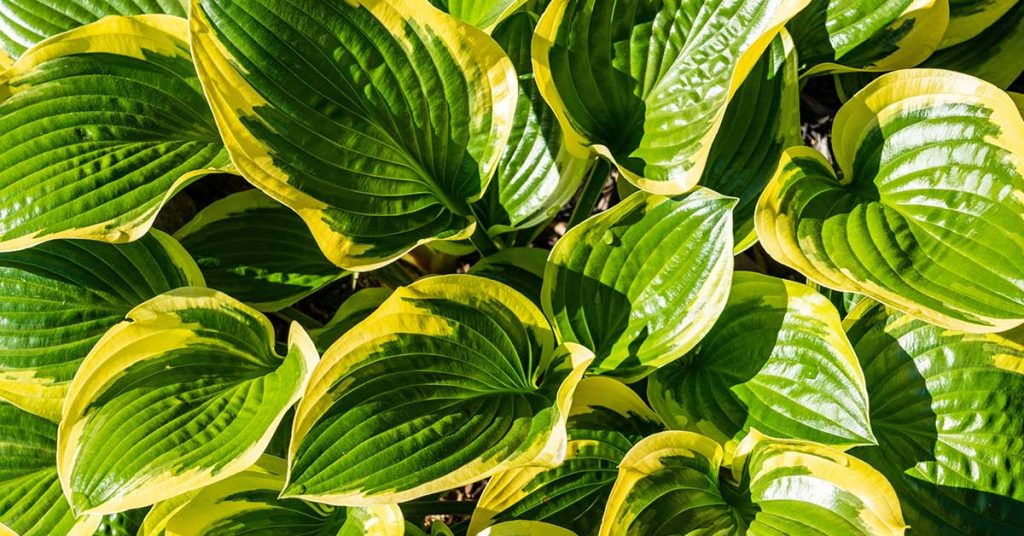
Hostas are one of my absolute favorites for shade gardens, offering a spectacular array of textures and colors that brighten even the darkest corners! Native to East Asia, these perennials have become a staple in temperate gardens worldwide. Their broad, lush leaves not only create a stunning visual impact but also serve as a magnet for beneficial insects like butterflies and ground-nesting bees. I’ve seen how a well-placed hosta patch can transform a drab area into a lush, living tapestry that’s both inviting and full of character.
Despite their beauty, hostas are known to be quite vigorous in the right conditions and can sometimes spread beyond their intended area. They’re not considered invasive in most regions; however, it’s wise to keep an eye on their growth if you’re working in a confined space. With regular division and thoughtful placement, hostas offer a low-maintenance, high-reward option for gardeners looking to make the most of a shady environment. Their resilience and charm make them a must-have for anyone looking to add life to a sun-deprived corner of their garden!
Japanese Forest Grass (Hakonechloa macra)
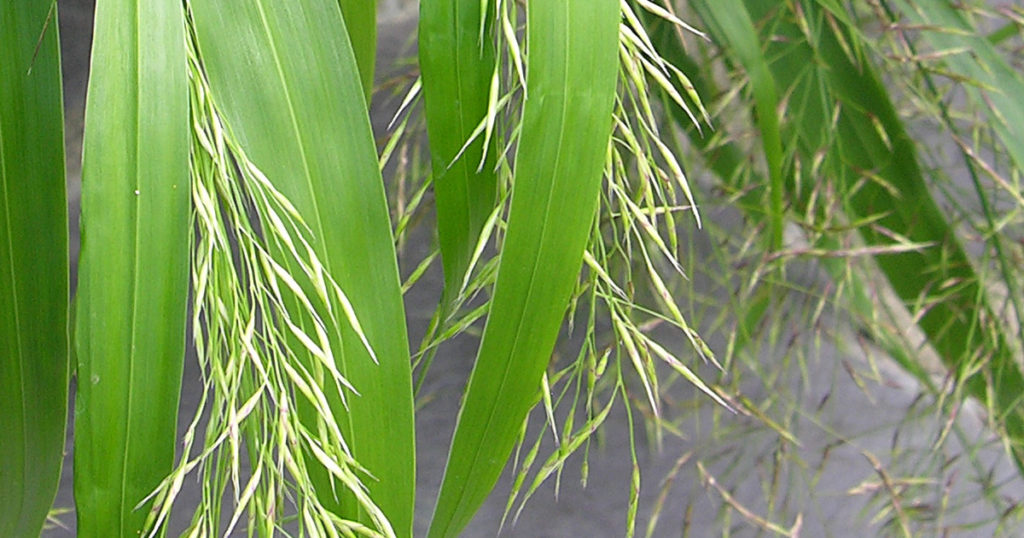
Japanese Forest Grass brings a soft, flowing movement to shady gardens, and its graceful, arching leaves evoke the calm of a serene forest stream! Native to Japan, this ornamental grass thrives in partial to full shade, making it an ideal candidate for those hard-to-reach spots on your porch or in your backyard. I find that its cascading foliage not only creates visual interest but also offers a gentle habitat for small insects and even the occasional butterfly seeking refuge in its delicate fronds.
While Japanese Forest Grass is not known to be invasive, it does appreciate a well-drained, moist environment to truly shine. It’s a low-maintenance plant that requires only occasional trimming to remove any dead growth, ensuring that its elegant form remains the focal point of your garden. The soft texture of Hakonechloa contrasts beautifully with more structured plants, and its calming presence can transform any shady nook into a peaceful retreat. Its natural beauty and subtle movement are a reminder that even in the absence of harsh sunlight, nature finds a way to dazzle!
Ajuga reptans (Bugleweed)
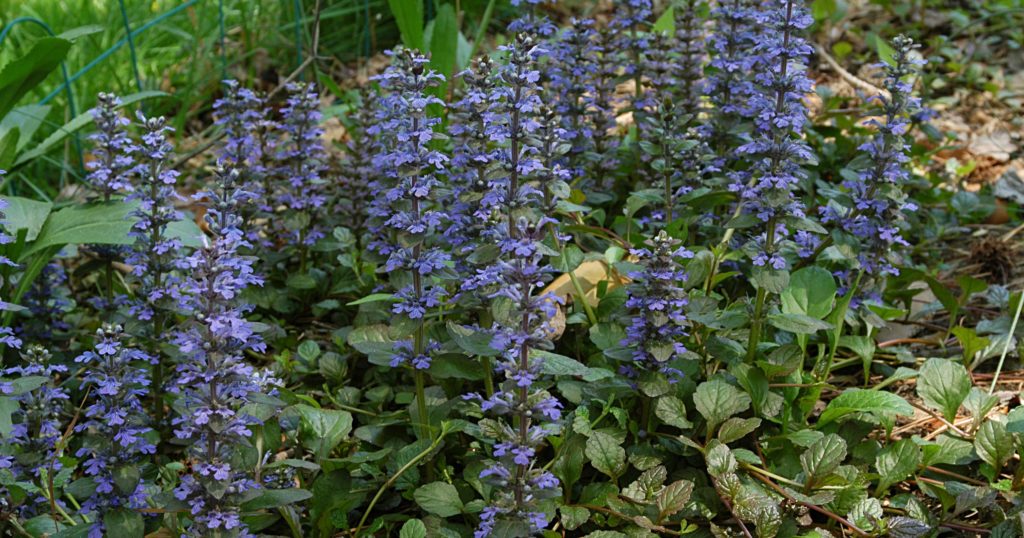
Ajuga reptans, commonly known as Bugleweed, is a fantastic groundcover for shady spots, providing a carpet of rich, green foliage and occasional bursts of blue-purple flowers! Native to Europe, Ajuga has made its way into gardens around the world, celebrated for its ability to thrive in less-than-ideal light conditions. I’ve noticed that its dense, spreading habit not only suppresses weeds but also attracts beneficial insects, such as small bees and hoverflies, which help maintain a balanced ecosystem right at your feet.
However, it’s important to keep in mind that Ajuga can be quite vigorous and even invasive in some regions if left unchecked. Regular trimming and containment in a defined area can help maintain its beauty without overwhelming neighboring plants. Its low-growing habit and striking color contrast make it an excellent companion for taller shade-loving perennials, and the occasional bloom offers a delightful splash of color that can lift the mood of any garden space. Bugleweed is a true testament to how adaptable and spirited a plant can be, even when the sun isn’t shining its brightest!
Bleeding Heart
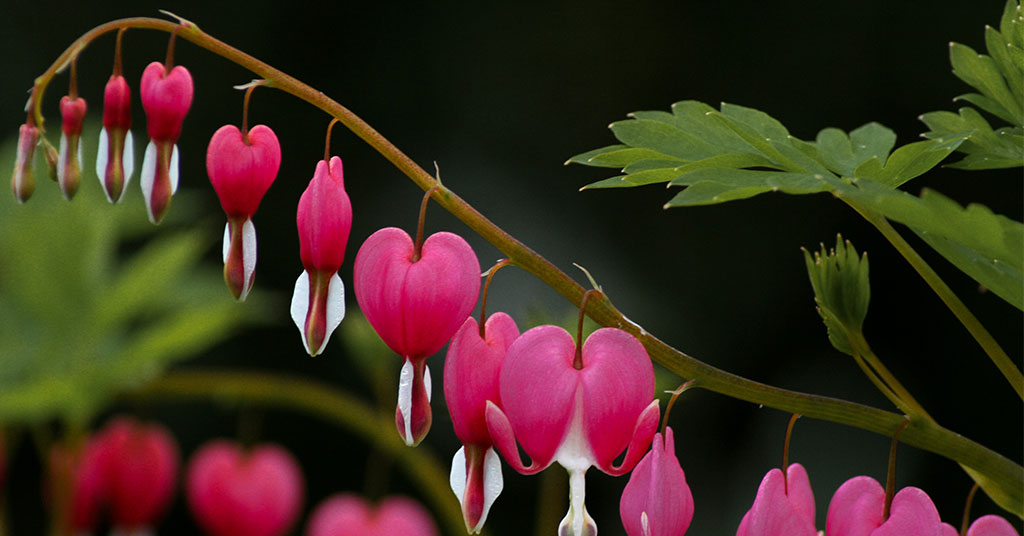
Bleeding Heart, with its delicate, heart-shaped blossoms dangling from arching stems, is a show-stopper in any shade garden! Native to Asia and North America, this perennial thrives in cool, moist conditions under the dappled shade of trees or on sheltered porches. I’m always captivated by its soft, romantic appearance and the gentle sway of its blooms, which seem to invite a host of small pollinators, including bees and butterflies, to come and rest among its tender flowers.
While Bleeding Heart isn’t invasive, it does require a bit of care to ensure it doesn’t get overshadowed by more aggressive competitors in a dense planting. Its preference for moist, rich soil means that a bit of mulching and regular watering will keep it happy and blooming profusely. The plant’s delicate nature and ethereal beauty make it a favorite for creating a nostalgic, fairy-tale corner in your garden. Every time I see its tender, heart-shaped blooms, I’m reminded that even in the shadowy parts of our gardens, beauty can flourish with a little care and attention!
Astilbe
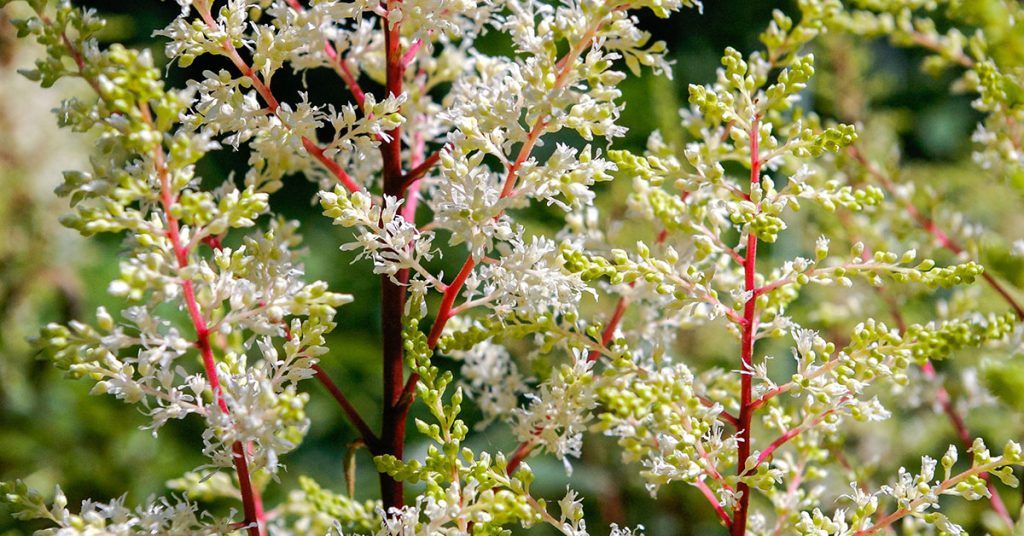
Astilbe is a true gem for gardeners struggling with shade, offering feathery plumes of flowers in hues of pink, red, and white that seem to float effortlessly above lush, fern-like foliage! Native to Asia and North America, Astilbe thrives in moist, shaded environments, making it an ideal candidate for areas where direct sunlight is scarce. I love how its airy flower clusters not only add a burst of color to dark corners but also attract butterflies and other pollinators, creating a vibrant, living mosaic in your garden.
Astilbe is known for its resilience and ease of care, though it appreciates consistently moist soil to prevent stress during dry spells. While it isn’t considered invasive, proper spacing is essential to allow each clump to develop fully and avoid competition for nutrients. With regular watering and occasional division, Astilbe rewards gardeners with a long season of delicate blooms and soft textures that contrast beautifully with tougher, shade-loving companions. Its graceful presence and dynamic flower displays remind me that even gardens with limited light can burst into life with the right care!
Epimedium (Barrenwort)
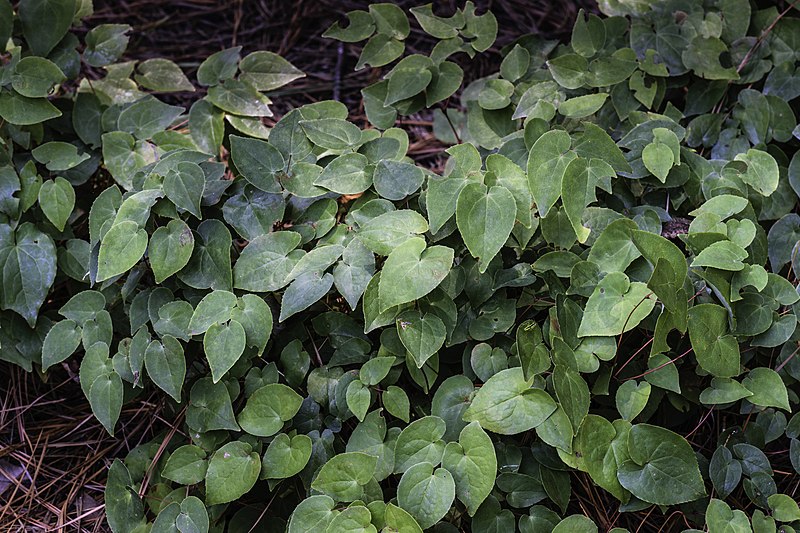
Epimedium, also known as Barrenwort, is a delightful groundcover that thrives in the dappled light of shaded gardens, offering delicate blooms and heart-shaped foliage that exudes understated elegance! Native to Asia, this charming perennial is a personal favorite for adding texture and subtle color to areas where many plants struggle to grow. Its unique ability to attract early pollinators and even provide a cozy nesting spot for tiny beneficial insects makes it a welcome addition to any shade garden. I’ve found that its soft, sometimes variegated leaves and delicate flowers can truly brighten up a shadowy corner!
Not considered invasive, Epimedium grows at a moderate pace and works beautifully in rock gardens, woodland borders, or container setups on your porch. It appreciates a well-draining soil rich in organic matter, and a little attention to moisture levels helps it flourish through the seasons. The interplay of its gentle blooms and lush foliage creates a natural tapestry that is both calming and invigorating. With each glance at its understated beauty, Epimedium reminds me that even the quietest corners of a garden can be transformed into a sanctuary of delicate wonders!
Tiarella (Foamflower)

Tiarella, commonly known as Foamflower, is a fantastic shade-loving perennial that fills the garden with airy sprays of white or pink flowers and attractive, maple-like foliage! Native to North America and parts of Asia, Foamflower thrives in cool, moist, shaded conditions, making it ideal for those tricky spots where the sun rarely shines. I’m always impressed by how its frothy, delicate blooms create an ethereal atmosphere, drawing in small bees and butterflies that relish the gentle nectar and provide natural pollination. Its soft textures and understated charm have a way of brightening even the gloomiest of garden corners.
Though Tiarella isn’t invasive, it does appreciate a bit of space to spread out, and it benefits greatly from rich, well-drained soil and consistent moisture. Regular care, including the removal of spent blooms, keeps the plant looking tidy and encourages continuous flowering throughout the growing season. The enchanting appeal of Foamflower lies in its ability to soften hard-edged landscapes, providing a natural counterpoint to more robust perennials. Every time I see a patch of Tiarella, I’m reminded that nature often whispers its beauty in the gentlest of forms—even in the shade!
Japanese Painted Fern

Japanese Painted Fern is an absolute delight for adding color and texture to a shady garden, boasting fronds with a striking mix of silvery greens, deep purples, and burgundy hues! Native to Japan, this fern flourishes in low-light conditions where many other plants struggle, making it a perfect candidate for those cooler, shaded areas of your yard or porch. Its ornamental foliage not only creates an elegant backdrop but also attracts small insects that use its fronds as safe havens for resting and occasional nesting. I find that the dramatic coloration of Japanese Painted Ferns can transform any dull, shadowy corner into a vibrant work of art!
These ferns are low-maintenance and not considered invasive, which means they can be left to naturally spread in a contained area without overwhelming your garden. They thrive best in well-draining, moist soil and benefit from occasional misting on hot days to keep their delicate fronds lush and vibrant. Their graceful, painterly appearance adds a touch of sophistication and natural beauty, making them a favorite among gardeners who appreciate both form and function in a shaded setting. The Japanese Painted Fern is a living canvas, a constant reminder that even in the absence of direct sunlight, nature can still burst forth in brilliant color!
Lamium (Dead Nettle)

Lamium, or Dead Nettle, is a versatile and attractive groundcover that thrives in shady conditions, offering vibrant foliage and delicate, often variegated leaves that can light up the darkest spots! Native to Europe and Asia, this plant adapts wonderfully to low-light environments, where it blankets the ground with a mix of silvery, green, or even pink hues. I’ve noticed that its small, charming flowers not only add pops of color but also attract bees and butterflies, turning your shade garden into a lively habitat for these beneficial pollinators. Its cascading growth habit makes it ideal for borders and hanging baskets, bringing a burst of life to otherwise uninviting areas.
Lamium is not typically invasive when managed in a container or controlled garden bed, but it does appreciate a little maintenance to keep its spread in check. Regular trimming helps maintain its compact form and encourages new, vibrant growth. The ease with which it adapts to shady conditions makes it a reliable choice for gardeners who want to brighten up their yard without needing full sunlight. Every time I step into an area adorned with Lamium, I’m reminded of how even the quiet corners of our gardens can burst with color and movement, thanks to nature’s clever design!
Solomon’s Seal
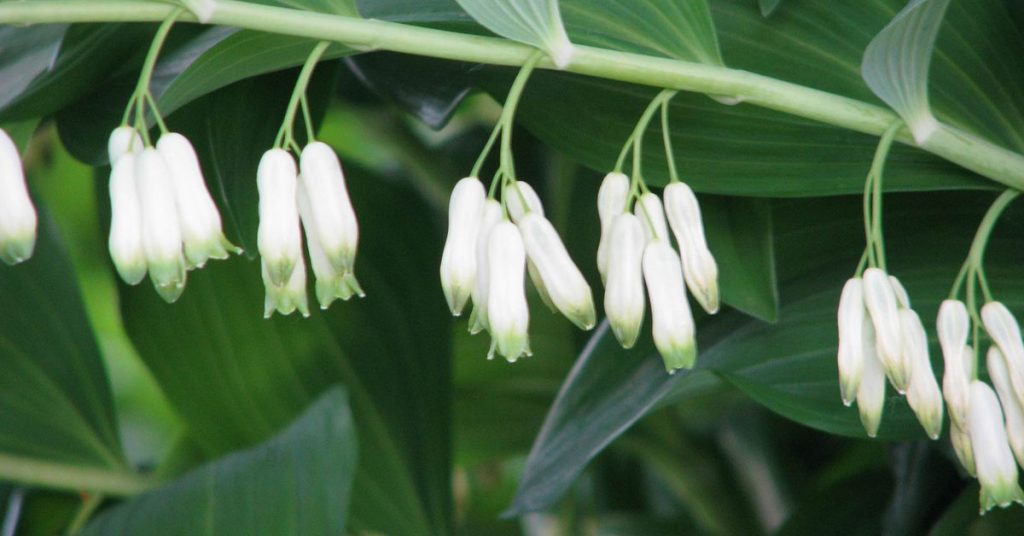
Solomon’s Seal is a perennial favorite among shade gardeners, known for its elegant arching stems and delicate, dangling white or cream flowers that seem to whisper ancient secrets! Native to temperate regions of the Northern Hemisphere, this plant thrives in the cool, filtered light beneath trees and in sheltered garden nooks. I love how its arching, sword-like leaves create a soft, rhythmic movement in the breeze, inviting beneficial insects and even small birds that use the foliage as a quiet nesting site. Its understated beauty is a reminder that even subtle plants can command attention in a shady landscape.
While Solomon’s Seal is not considered invasive, it does benefit from some space to expand gracefully over time. It prefers rich, well-drained soil and a spot with dappled sunlight, and regular watering helps maintain its lush appearance throughout the growing season. The gentle, cascading flowers not only enhance its visual appeal but also provide a soft habitat for pollinators to explore and rest. For me, growing Solomon’s Seal is like adding a touch of poetic elegance to the garden—a serene, timeless addition that softens hard landscapes and celebrates the beauty of shade!
Heuchera (Coral Bells)
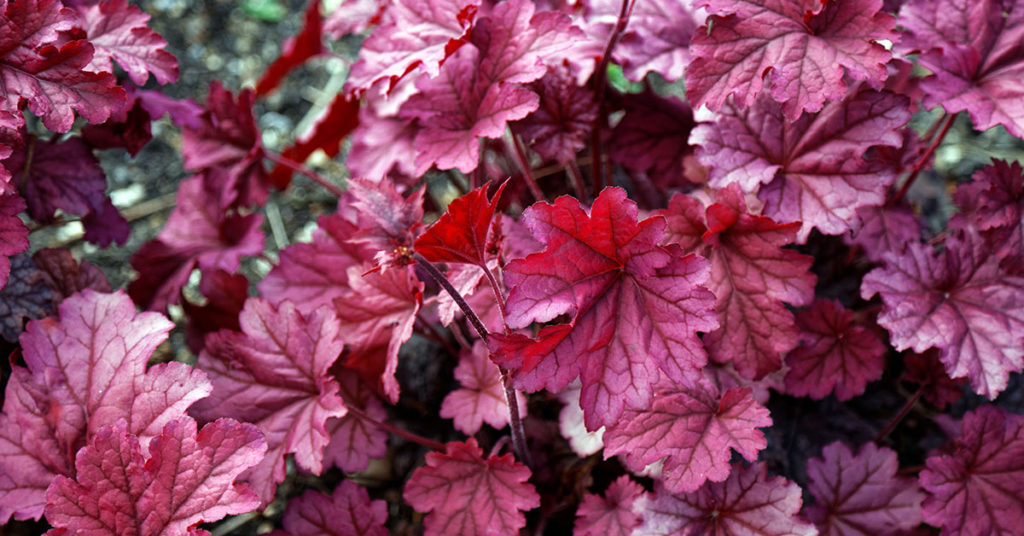
Heuchera, commonly known as Coral Bells, is a vibrant perennial that brings a burst of color and texture to shady gardens with its striking, variegated foliage and delicate flower spikes! Native to North America, these versatile plants thrive in partial to full shade, making them ideal for areas where sunlight is limited. I appreciate how Heuchera offers an incredible palette of leaf colors—from deep purples and reds to brilliant silvers and greens—that create a stunning contrast against the softer blooms. Their leaves not only catch the eye but also provide shelter for small pollinators, which sometimes use the dense foliage as a place to nest and rest.
Although Heuchera is not invasive, its spreading habit can create a dense groundcover that may require occasional thinning to keep the display balanced. They prefer rich, well-drained soil and benefit from a consistent watering schedule, especially during warmer spells. With regular care, Coral Bells will reward you with a prolonged season of visual interest and subtle fragrance that adds charm to any shady spot. Every time I walk past a bed of Heuchera, I’m reminded that a splash of color in the shade can completely transform the mood of a garden, making it a vibrant, living work of art!
Hellebores (Lenten Roses)
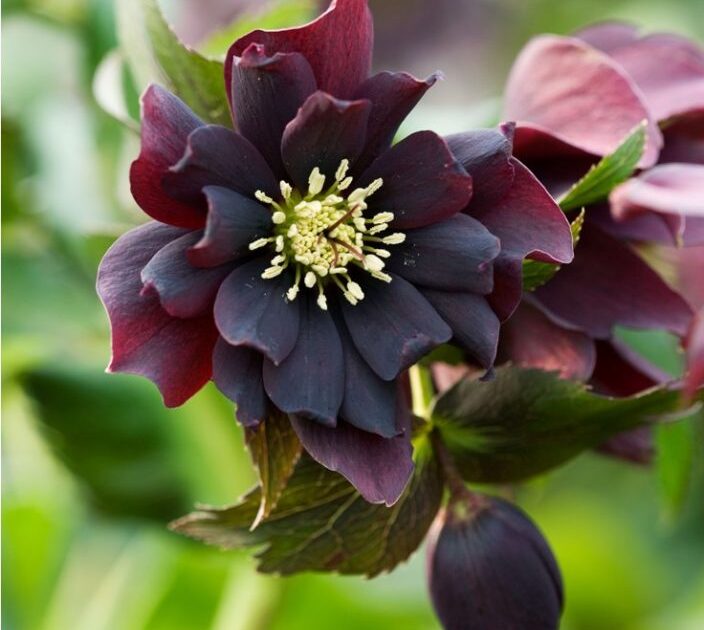
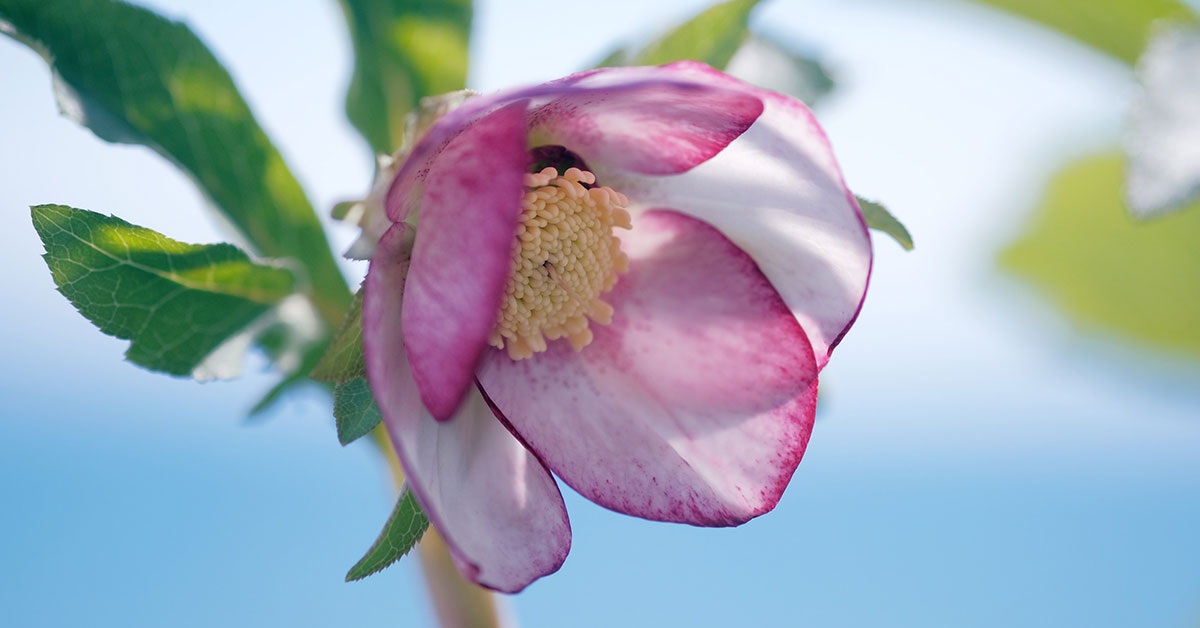
Hellebores, often known as Lenten Roses, are a true winter and early spring marvel that bring an unexpected burst of color to even the shadiest parts of your garden! Native to Central and Southern Europe, these hardy perennials thrive in cool, low-light environments, making them perfect for areas under tree canopies or in sheltered woodland gardens. Their delicate, cup-shaped blooms range from deep purples and greens to nearly black tones, offering a dramatic contrast against their evergreen foliage. I’ve seen how their early flowering period attracts hardy pollinators that are out in search of the first nectar of the season, creating a lively buzz even in the coldest months.
Hellebores are relatively low-maintenance and non-invasive, which means they can be left undisturbed to create a natural, timeless display in your shaded garden. They prefer well-drained, rich soil and a spot with dappled sunlight or full shade, making them adaptable to a variety of garden conditions. Regular cleaning of any faded blooms not only keeps the plant looking pristine but also encourages a longer flowering period. The enchanting beauty of Hellebores never fails to remind me that even in the quiet, shadowed moments of the garden, nature has a way of surprising us with its resilience and splendor!
Sweet Woodruff (Galium odoratum)
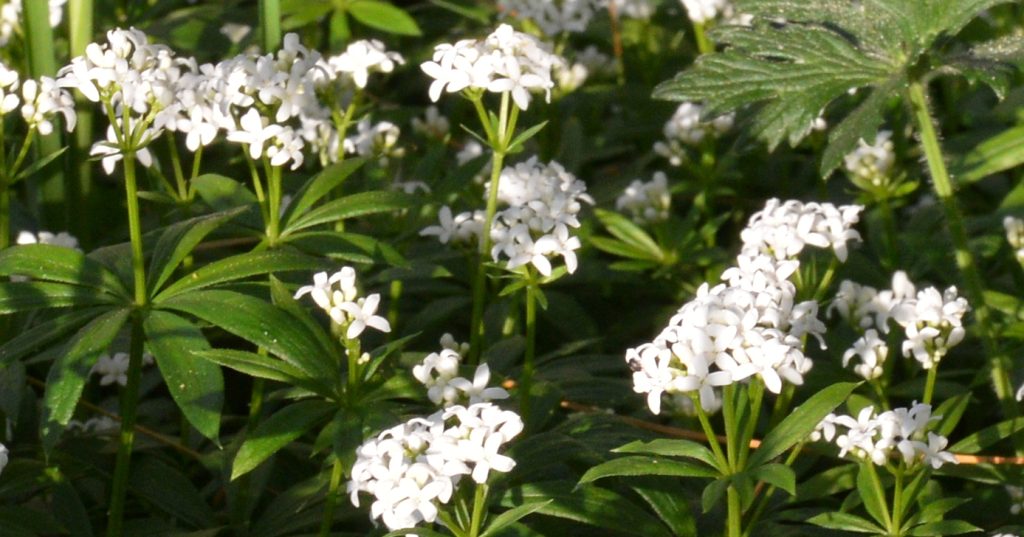
Sweet Woodruff is a delightful, low-growing groundcover that thrives in shady, woodland settings, offering a sweet, fresh fragrance and an intricate network of green foliage! Native to Europe, this charming perennial is beloved for its ability to carpet the ground with tiny, star-shaped white flowers and finely textured leaves that create a soft, inviting ambiance in the shade. I’ve noticed that its subtle aroma not only enchants the senses but also attracts small pollinators and beneficial insects, which sometimes find shelter among its dense mats—a perfect example of nature’s interconnected beauty.
While Sweet Woodruff is not typically considered invasive, it does have a vigorous spreading habit that makes it ideal for covering larger shady areas without overwhelming other plants. It thrives best in moist, well-drained soil and appreciates a spot away from harsh, direct sunlight. Regular maintenance, including light trimming, helps keep it looking fresh and contained, ensuring that its delicate charm remains a highlight of your garden. Every time I see Sweet Woodruff in bloom, I’m reminded that even the gentlest of plants can transform a dark corner into a fragrant, lively haven of natural beauty!