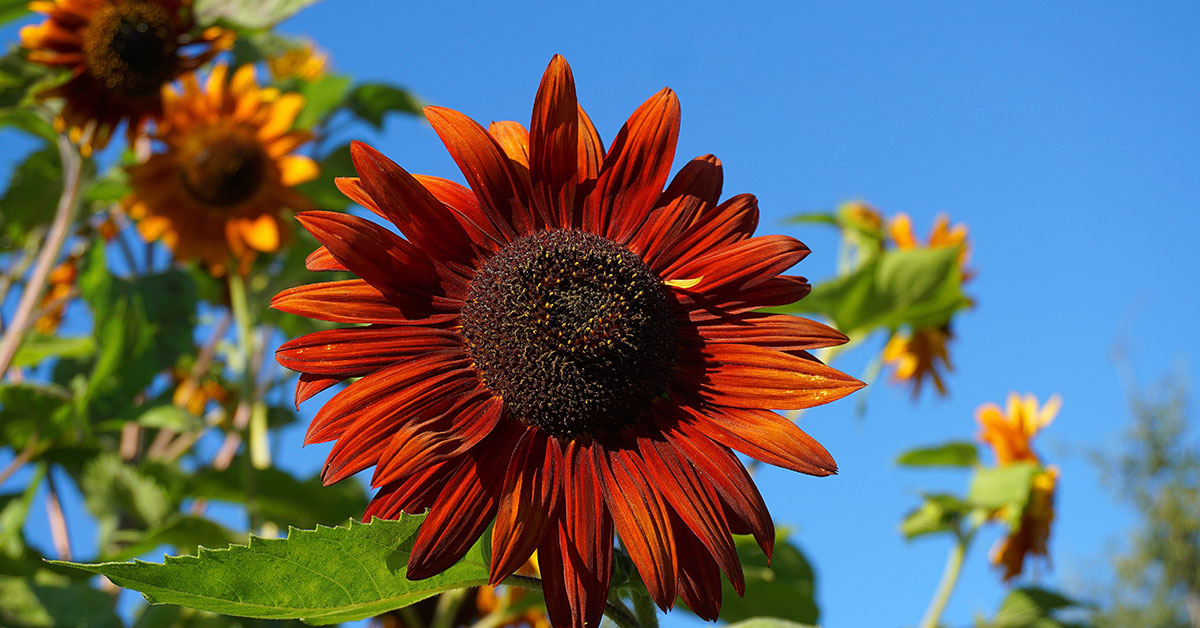

Gardening is a magical adventure, and pairing sunflowers with the right companions can transform your garden into a vibrant ecosystem! I’m thrilled to share my journey of discovering the perfect partners for these majestic, sun-loving giants. From boosting pollinator visits to deterring pests, companion plants work in harmony with sunflowers, making every inch of your garden more lively and productive. I know how challenging it can be to create a balanced landscape, so I’ve gathered 13 amazing companion plants that will add beauty, function, and even a little extra charm to your sunflower bed!
When you nurture a garden, you’re not just growing plants—you’re cultivating an entire community of flora and fauna. It’s such a joy to witness bees, butterflies, and even small birds visiting these plants, each contributing to the garden’s health. I’ve experienced firsthand the delightful surprises these companions bring, and I’m excited to walk you through their unique stories, native origins, and even discuss if any have invasive tendencies. Let’s dive into this colorful assortment that will inspire you to experiment and embrace the magic of companion planting!
Zinnia
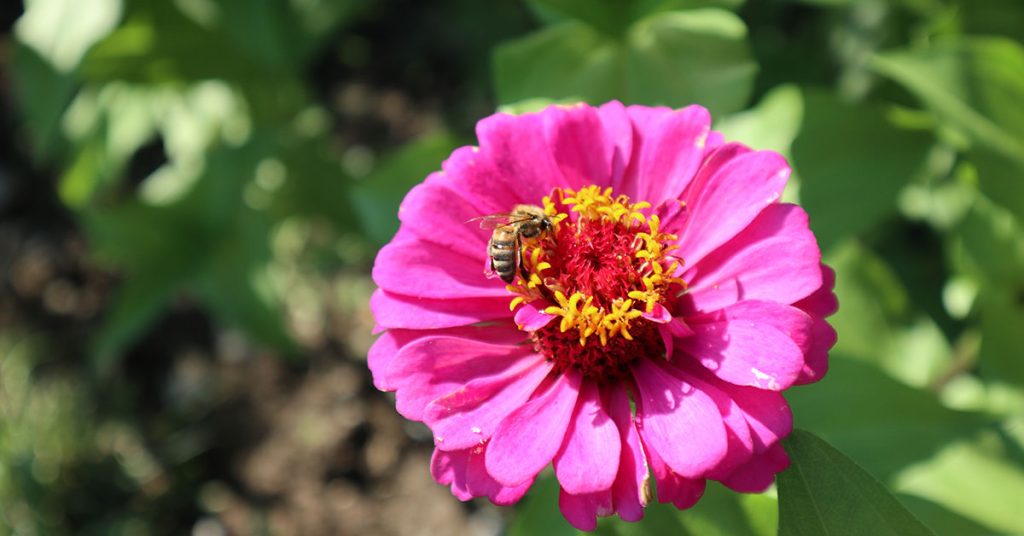
Zinnias, with their dazzling array of colors, are a superb match for sunflowers, attracting butterflies and hummingbirds with their nectar-rich blooms. Native to the dry regions of Mexico, these annuals are celebrated for their vibrant petals and robust growth. I’ve always found zinnias to be a reliable and cheerful addition, brightening up garden corners while offering an inviting haven for pollinators! They’re easy to grow and rarely cause any invasive issues, making them a gardener’s delight.
In my garden, zinnias often become the talk of the neighborhood with their show-stopping hues and bustling insect activity. I enjoy watching bees and butterflies flit from zinnia to sunflower, creating a lively pollination party that energizes the entire space. Their vigorous growth and low-maintenance nature make them a natural choice for enhancing the ecosystem without overwhelming it—just the perfect complement to the stately sunflowers!
Basil
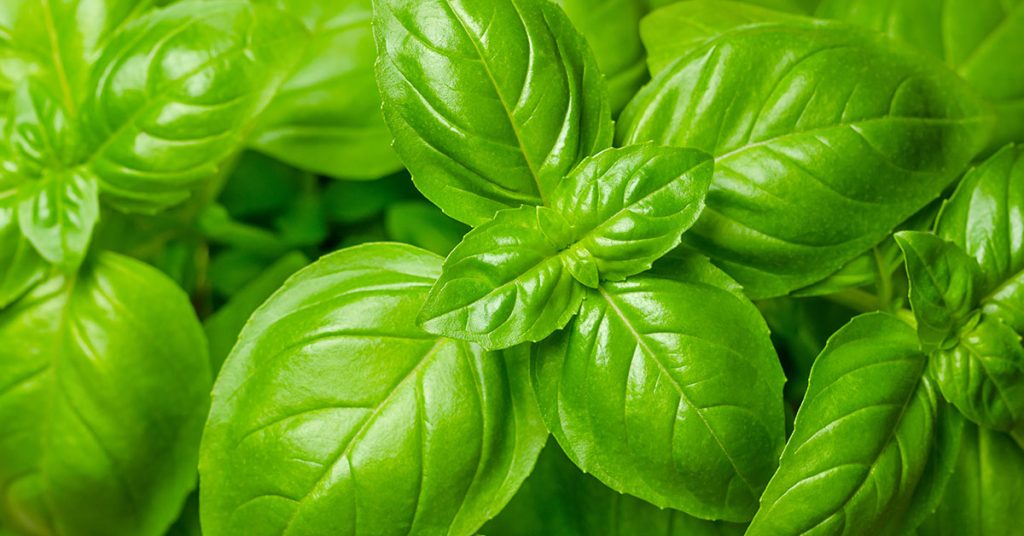
Basil is more than just a culinary herb; it’s an excellent companion for sunflowers, offering aromatic foliage that repels certain pests while attracting beneficial insects. Native to tropical regions of central Africa and India, basil has adapted beautifully to various climates and is cherished in gardens around the world. I’ve found that its fragrant leaves not only add a delicious zest to my kitchen but also enhance the overall garden health by drawing in helpful pollinators and predators!
When planting basil alongside sunflowers, I love the way the tall, robust blooms of the sunflowers provide a natural backdrop for the lush, green basil leaves. This dynamic duo creates a micro-ecosystem where natural pest control is at work, reducing the need for harsh chemicals. The inviting scent of basil mingling with the sunny atmosphere of the garden is simply uplifting—an aromatic reminder that nature has all the right ingredients for a thriving landscape!
Beans
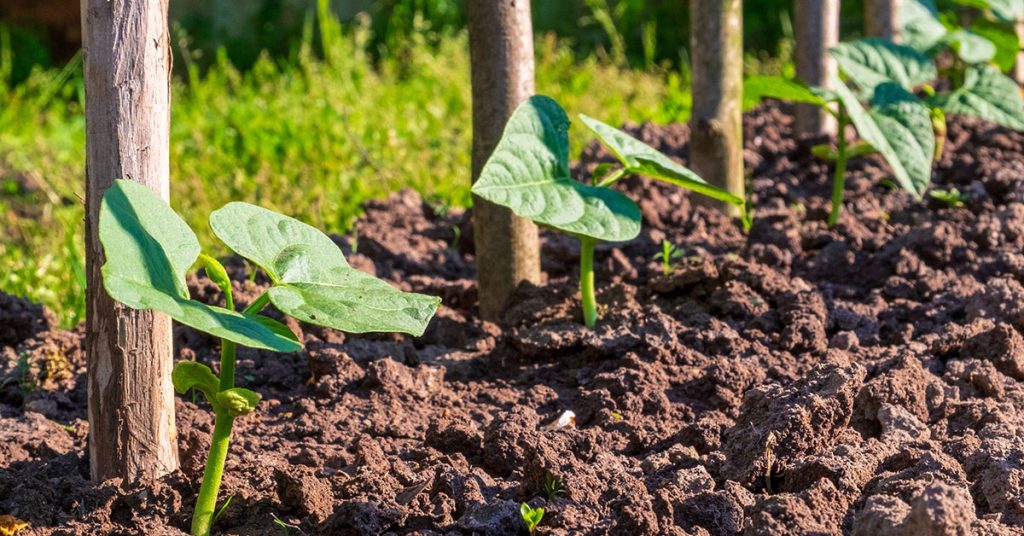
Beans, especially pole or bush varieties, are fantastic companions for sunflowers, offering not only a delicious harvest but also the gift of nitrogen fixation. Native to the Americas, many bean varieties have been cultivated for centuries and are known for their ability to enrich the soil by naturally boosting nitrogen levels. I’ve found that incorporating beans near sunflowers creates a synergistic effect, where the tall sunflowers provide support for climbing bean vines, and the beans enhance soil fertility for both plants!
In my garden, beans and sunflowers create a playful interplay where each plant supports the other. The climbing vines of beans often use the sturdy stems of sunflowers as natural trellises, while the nitrogen-rich environment helps both species flourish. I always get excited watching the vibrant green vines twist and turn around the towering sunflowers, a testament to nature’s incredible capacity for mutual support and beauty!
Marigold
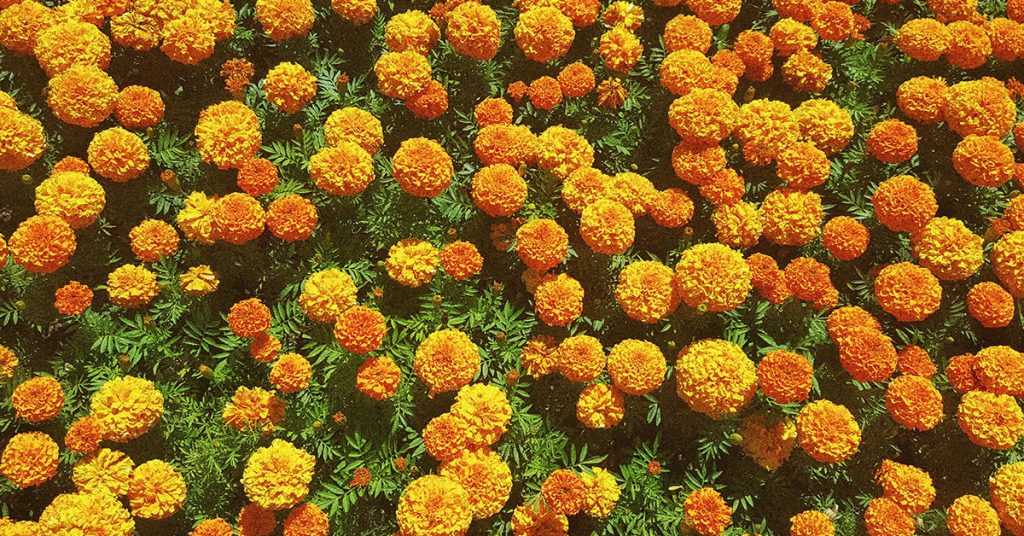
Marigolds are a vibrant, pest-repellent companion that can make your sunflower garden truly come alive! Originally native to the Americas, marigolds are celebrated for their rich, golden blooms and their ability to deter nematodes and other garden pests. In my experience, these cheerful flowers add a burst of color and a layer of protection to my sunflower beds, making the entire garden more resilient against unwanted visitors. Their robust nature means they rarely become invasive, allowing for a balanced and manageable garden ecosystem.
I’ve always found marigolds to be a reliable ally in the garden, offering a dual benefit of beauty and utility. Their strong, distinctive scent seems to keep pests at bay, which is a blessing during those warm summer months when pests can really become a nuisance. Watching marigolds thrive next to sunflowers fills me with a sense of accomplishment, as every petal seems to sing a little song of garden harmony and natural pest control!
Cosmos
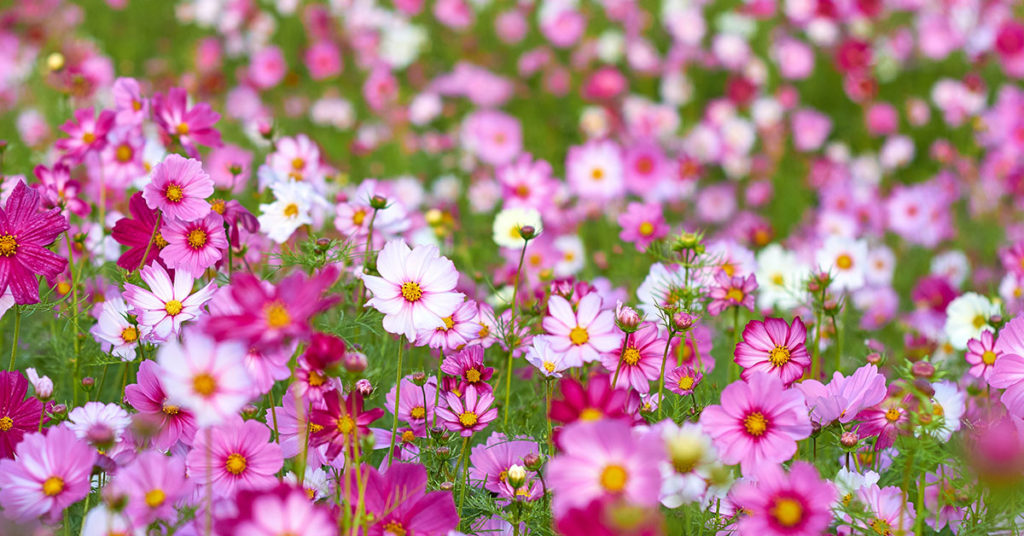
Cosmos plants, with their delicate, feathery foliage and striking blooms, are a delightful partner for sunflowers. Native to Mexico and other parts of South America, these annuals are known for attracting butterflies and other beneficial insects with their sweet nectar. I find the airy, graceful appearance of cosmos to be a perfect counterpoint to the bold, towering sunflowers, creating an enchanting visual contrast in the garden. Their non-invasive nature makes them a safe, vibrant addition to any landscape!
In my gardening adventures, cosmos have always brought an element of lightness and whimsy to the mix. They not only complement the structure of sunflowers but also add an extra layer of biodiversity by welcoming a variety of pollinators and even providing occasional nesting spots for small insects. Their gentle swaying in the breeze is a constant reminder of the delicate balance of nature—a balance that every gardener strives to maintain with joy and creativity!
Nasturtium

Nasturtiums are a true garden gem, offering bright, peppery blooms that add both visual appeal and a natural pest deterrent to your sunflower patch! Native to South America, these vibrant annuals are not only a treat for the eyes but also serve as a trap crop, luring aphids away from more vulnerable plants. I appreciate how nasturtiums create a lively, inviting scene in my garden, often becoming a favorite spot for bees, butterflies, and even tiny birds that enjoy the seeds and nectar they produce!
What I love most about nasturtiums is their dual purpose—they enhance garden aesthetics while actively contributing to pest management. Their sprawling vines and colorful blossoms create a dynamic, multi-layered habitat that encourages beneficial insect behavior, including nesting and feeding. This multifunctional role means that while sunflowers tower overhead, nasturtiums work quietly on the ground, ensuring that the entire garden ecosystem is both beautiful and resilient!
Dill
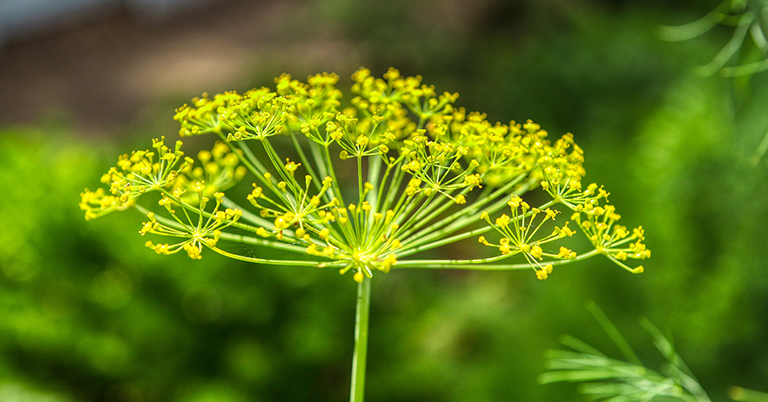
Dill is an aromatic herb that serves as a wonderful companion to sunflowers, attracting beneficial insects such as ladybugs and parasitic wasps that help control garden pests. Native to the Mediterranean and parts of Asia, dill has been embraced by gardeners around the globe for its unique flavor and pest-repelling properties. In my garden, dill’s feathery fronds add a soft, delicate texture that contrasts beautifully with the bold presence of sunflowers, creating a natural tapestry of colors and scents!
Beyond its culinary and aesthetic appeal, dill plays a critical role in attracting natural predators that help keep harmful insects at bay. I’ve observed that when dill is interplanted with sunflowers, the garden becomes a thriving hub of activity, where beneficial insects often nest or seek refuge among the delicate leaves. It’s so gratifying to see these natural allies at work, ensuring that both the sunflowers and the dill remain healthy and vibrant throughout the growing season!
Calendula

Calendula, often referred to as pot marigold, is a vibrant and versatile companion plant that pairs wonderfully with sunflowers. Native to southern Europe, this annual boasts bright, cheerful blooms that not only enhance the visual appeal of your garden but also attract a myriad of beneficial insects. I’ve experienced firsthand how calendula adds a dash of sunshine even on overcast days, and its gentle, non-invasive growth makes it a safe choice for any garden setting!
In my garden, calendula has become a trusted friend, often visited by bees and other pollinators that are drawn to its sweet nectar. Its flowers, with their rich orange and yellow hues, create an energetic backdrop to the towering sunflowers, establishing a natural, vibrant synergy. I appreciate how calendula not only uplifts the garden’s aesthetics but also plays an important role in pest management by luring in natural predators, making it an indispensable ally in my gardening arsenal!
Borage

Borage is a remarkable herb that not only beautifies the garden with its star-shaped blue flowers but also enhances the growth of its companions, including sunflowers! Native to the Mediterranean region, borage has a long history of use in gardens for its ability to attract pollinators and beneficial insects such as bees and hoverflies. I’ve always been fascinated by borage’s capacity to improve soil health while offering a splash of vibrant color—a true multi-tasker that brings both charm and function to my garden!
I love observing borage in action; its blossoms seem to call out to every bee and butterfly in the vicinity, creating a buzzing, lively atmosphere. It’s such a pleasure to see these insects flitting from borage to sunflower, establishing an interconnected web of natural support. Despite its prolific nature, borage rarely becomes invasive, allowing me to enjoy its benefits without worrying about it overtaking the garden—a perfect balance of beauty and practicality!
Snapdragon
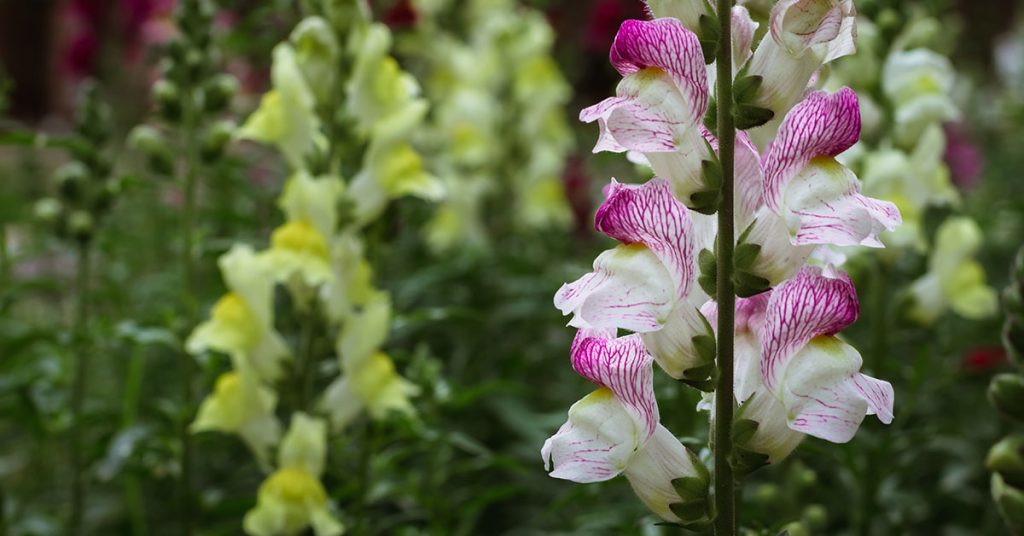
Snapdragons, with their whimsical, dragon-shaped blooms, are an unexpected yet delightful companion for sunflowers. Native to southern Europe and the Mediterranean, these charming perennials add a unique textural contrast with their tall, spiky flower clusters and vibrant hues. In my garden, snapdragons bring an element of fantasy and fun, inviting not only bees but also small insects that often use the crevices for nesting, which creates an engaging micro-habitat!
I’m always delighted by the way snapdragons interact with their surroundings, offering a burst of color and a touch of elegance alongside the robust sunflowers. Their presence is a natural deterrent to some pests, and their dynamic form encourages beneficial insects to linger, ensuring a lively and balanced garden ecosystem. Even though snapdragons have established themselves in many parts of Europe, they are generally well-behaved and non-invasive, making them a perfect, stress-free addition to any garden!
Coneflower (Echinacea)

Coneflowers, or Echinacea, are beloved for their striking, daisy-like appearance and robust hardiness, making them excellent companions for sunflowers. Native to North America, these perennials are renowned for attracting butterflies and bees, with their large, cone-shaped centers acting as a beacon for pollinators. I’ve marveled at how coneflowers bring a wild yet sophisticated energy to my garden, providing both beauty and practical benefits without any invasive tendencies!
Planting coneflowers near sunflowers creates a dynamic and attractive display that’s a joy to behold. Their vibrant colors and sturdy stems complement the grandeur of sunflowers perfectly, while also serving as a natural habitat for beneficial insects that sometimes nest in the clumps. Every time I stroll through my garden, the sight of these two partners working in unison fills me with a renewed sense of excitement and gratitude for nature’s intricate, supportive networks!
Lettuce
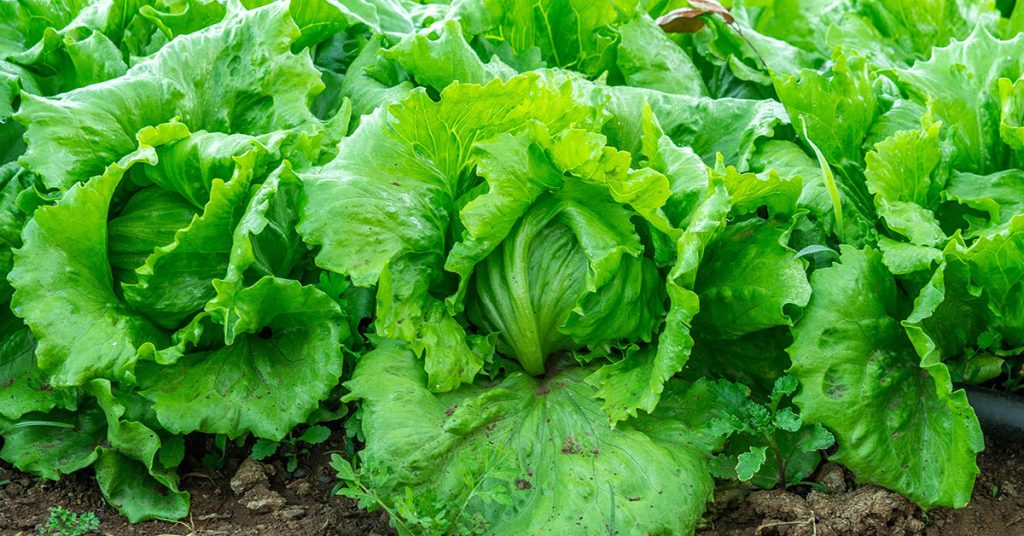
Lettuce, while primarily known for its role in salads, offers surprising benefits as a companion for sunflowers. Native to the Mediterranean region, this cool-weather crop thrives in the partial shade provided by the sprawling canopy of sunflowers. I’ve found that interplanting lettuce with sunflowers not only maximizes garden space but also creates a microclimate that helps keep the lettuce tender and crisp. The gentle, leafy textures of lettuce add a soft contrast to the sturdy, bold sunflowers, creating a well-balanced garden design!
The lettuce in my garden seems to revel in the cooler environment beneath the sunflowers, and it often attracts beneficial insects that are drawn to its delicate leaves and occasional flowers. It’s such a rewarding sight to see the healthy growth of lettuce flourishing alongside these towering beauties, as if they were sharing a secret to natural harmony. Best of all, lettuce remains non-invasive, ensuring that the interplay between these two plants remains beneficial and contained—a truly delightful pairing for any vegetable garden enthusiast!
Yarrow

Yarrow is an extraordinary perennial that adds both a burst of color and a wealth of ecological benefits to a sunflower garden. Native to temperate regions of the Northern Hemisphere, yarrow’s feathery foliage and clusters of tiny, fragrant flowers are irresistible to a variety of pollinators, including bees and butterflies. I’ve always been captivated by yarrow’s resilience and its ability to thrive in less-than-ideal conditions, making it a reliable companion for sunflowers without posing any invasive threat!
In my gardening experience, yarrow creates a dynamic tapestry when intermingled with sunflowers, its airy clusters offering shelter and nesting spots for beneficial insects. The natural charm of yarrow lies in its subtle, understated beauty combined with its powerful role in attracting natural allies that help keep pests at bay. It’s truly a win-win situation—yarrow not only beautifies the garden with its soft, pastel hues but also reinforces the garden’s overall vitality, leaving me with an ever-deepening appreciation for nature’s clever designs!