

Hello, fellow garden enthusiasts! Crafting a mountain garden vibe in your own backyard is such a fulfilling adventure—one that brings the crisp, high-altitude spirit right to your doorstep. As someone who’s spent countless hours experimenting with alpine blooms, I understand the challenges and rewards of cultivating these delicate yet resilient plants. In this article, I’m excited to share 13 unique alpine flowers that not only lend a wild, mountainous charm to your garden but also attract beneficial insects and provide tiny safe havens for nesting critters!
I know it’s disheartening when your garden battles pests or fails to capture that coveted mountain feel, so I’ve gathered these botanical gems with care. Each section dives into the origins, behavior, and even potential invasiveness of these flowers, providing you with the insights needed to create a thriving, petal-packed paradise. Let’s embark on this botanical journey together and bring the majesty of the alpine landscape to your garden!
Saxifrage

Saxifrage, with its delicate, star-shaped blooms and evergreen foliage, is a true alpine treasure that thrives in rocky crevices and mountain slopes. Native to cool, rugged regions of Europe and North America, saxifrage is celebrated for its ability to flourish in harsh conditions while attracting a bevy of beneficial pollinators such as bees and small butterflies. I appreciate how this plant often creates a natural cushion for insects, offering subtle shelter and sometimes even serving as a nesting ground for tiny critters in the garden!
This resilient flower is not considered invasive, making it a reliable choice for gardeners who want to maintain a balanced ecosystem. I relish the way saxifrage adds a touch of ethereal beauty to stone gardens and rockeries, providing a refreshing contrast against craggy textures. Its unique charm and robust nature remind me that even in the most challenging environments, nature finds a way to dazzle!
Edelweiss

Edelweiss is arguably the iconic alpine bloom, with its woolly, star-shaped petals that have long symbolized rugged beauty and endurance in high mountain regions. Native to the alpine areas of Europe, particularly in the Alps, this flower is cherished not only for its striking appearance but also for its ability to survive in extreme conditions. Its fuzzy leaves and unique structure attract specialized pollinators that are drawn to its rare charm, and it occasionally provides a cozy nook for tiny insects seeking shelter!
Despite its legendary status, edelweiss is non-invasive and managed carefully in cultivated gardens. I find it immensely satisfying to see this emblem of the mountains flourishing in rock gardens and alpine settings, reminding me of nature’s power and resilience. Its soft, white blooms add an almost magical quality to any garden landscape, evoking the spirit of high-altitude adventures with every delicate petal!
Alpine Forget-me-not
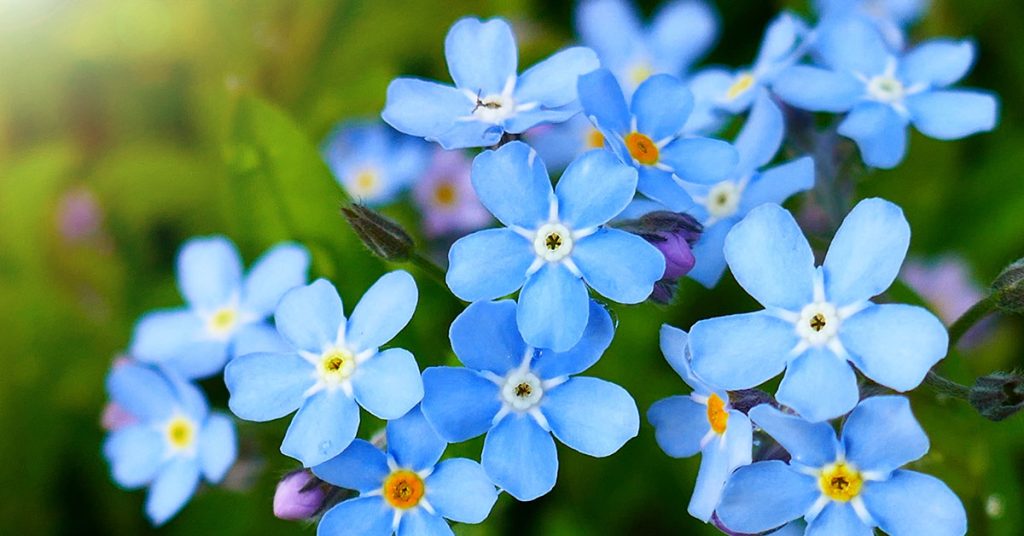
Alpine Forget-me-not captivates with its small, sky-blue blossoms that seem to float delicately over a bed of lush green foliage. Native to mountainous regions across Europe and Asia, this charming perennial thrives in cool, moist environments and is renowned for its ability to attract tiny pollinators such as bees and hoverflies. The flower’s diminutive size belies its powerful charm, and its scattered growth pattern often creates a natural, woven tapestry across stony slopes—occasionally offering micro-niches for nesting insects!
This plant is non-invasive and works beautifully in rock gardens or along mountain pathways. I’m always delighted by its gentle persistence, as it adds a whisper of color and a touch of nostalgia to high-altitude garden settings. Alpine Forget-me-not is a delightful reminder that even the smallest blooms can leave a lasting impression in the landscape!
Mountain Avens

Mountain Avens is a resilient alpine wildflower known for its crisp white petals and distinctive yellow centers that evoke the serene beauty of mountain meadows. Native to the highlands of Europe and North America, it flourishes in rocky, well-drained soils and is celebrated for its hardiness and low maintenance. This flower not only captures the essence of a rugged mountain vibe but also attracts a myriad of beneficial insects, including bees that sometimes pause to explore its sheltered recesses!
While Mountain Avens is not known to be invasive, its natural spreading habit allows it to form charming, low-growing mats that enhance the visual texture of a mountain garden. I find it especially rewarding to see how this plant seamlessly integrates into a mixed alpine planting, offering both ornamental beauty and ecological benefits. Its soft, unassuming blooms contribute to a harmonious, nature-inspired landscape that truly sings with the spirit of the high country!
Alpine Aster

Alpine Aster bursts forth with a profusion of daisy-like blossoms that bring vibrant splashes of color to high-altitude gardens. Native to the alpine meadows of North America and Europe, this hardy perennial is admired for its ability to withstand cold temperatures while still attracting essential pollinators such as bees and butterflies. The Aster’s generous display often creates a welcoming atmosphere, with its clusters of blooms sometimes doubling as small nesting sites for visiting insects seeking refuge amidst the petals!
Not considered invasive, Alpine Aster remains well-behaved in garden settings, making it a favored choice for those looking to emulate a mountain garden vibe. I find it incredibly inspiring to see these delicate yet robust flowers thrive in seemingly inhospitable conditions, a true testament to nature’s tenacity. Their vivid colors and resilient nature help create an enchanting garden tableau that transports you straight to a wild, mountain meadow!
Dwarf Iris
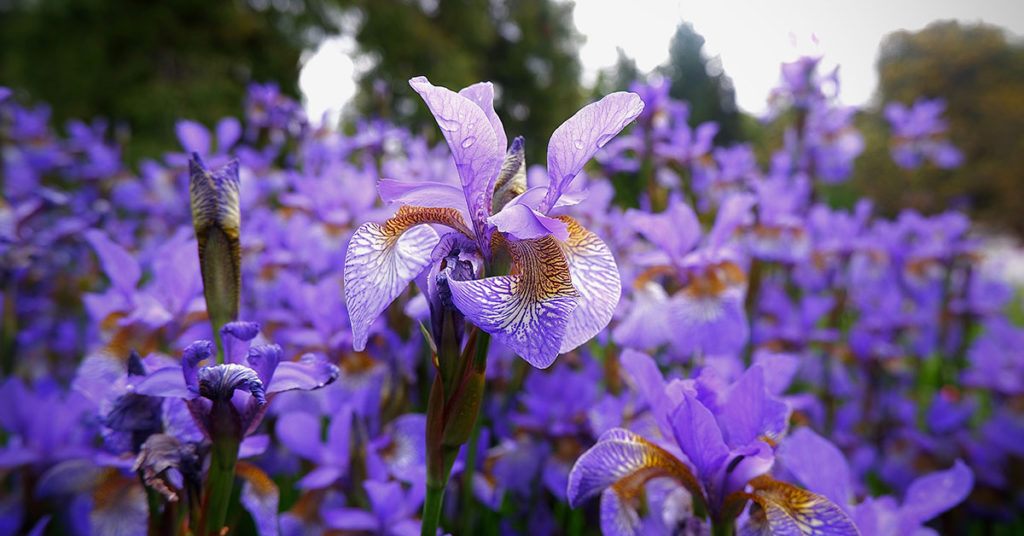
Dwarf Iris is a compact yet striking alpine flower that brings a refined touch to rock gardens and mountain landscapes. Native to the sun-kissed slopes of the Mediterranean and parts of Central Asia, these petite irises are prized for their intricate, often pastel-hued blossoms that attract a variety of beneficial insects. I’ve noticed that the subtle charm of Dwarf Iris can even create a quiet corner where small pollinators find temporary refuge, adding an extra layer of life to your garden!
Their controlled growth habit means that Dwarf Iris rarely becomes invasive, making them ideal for carefully designed mountain gardens. I take great joy in watching these blooms thrive under the intense mountain sun, each flower contributing a splash of delicate color amidst rugged textures. Their timeless beauty and resilient character make Dwarf Iris a must-have for anyone aiming to evoke the magic of alpine vistas in their outdoor spaces!
Gentian
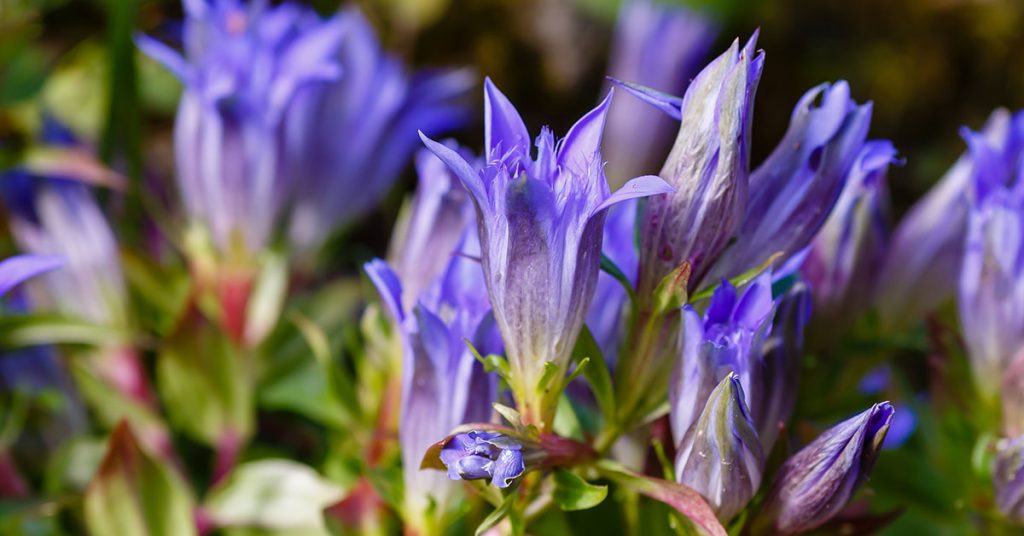
Gentian is a captivating alpine bloom known for its deep, mesmerizing blue flowers that seem almost otherworldly against the backdrop of rugged mountain terrain. Native to high-altitude regions in Europe and Asia, gentians flourish in well-drained, rocky soils and are celebrated for their ability to attract a host of specialized pollinators. I’ve seen how the vibrant hues of gentian can create a striking contrast in a mountain garden, while its delicate structure sometimes offers hidden spots for tiny insects to nest and seek shelter!
This charming flower is non-invasive and blends seamlessly with other alpine species, enhancing the overall natural mosaic of your garden. I admire gentian not only for its vivid color but also for its tenacity in surviving extreme conditions, a true emblem of alpine spirit. Its robust yet refined presence reminds me that even in the harshest environments, nature can produce breathtaking beauty with a cool, calm elegance!
Rock Cress

Rock Cress is a delightful alpine plant that thrives in the crevices of rocky outcrops, offering a cascade of subtle colors that accentuate the rugged beauty of mountain gardens. Native to Europe and parts of the Middle East, rock cress is appreciated for its ability to cover stony ground with delicate blossoms and low, spreading foliage. Its small, charming flowers are a magnet for bees and other tiny pollinators, and I’ve often noticed that its close-knit growth provides a perfect hiding spot for small insects and even tiny nesters!
This plant is non-invasive and works harmoniously with other alpine species, making it an excellent choice for creating a natural, layered garden design. The resilience of rock cress never ceases to amaze me, as it thrives in rocky, nutrient-poor soils where many other plants would struggle. Its understated elegance and hardy character add an authentic mountain vibe to any garden, making it a true gem for lovers of high-altitude landscapes!
Alpine Pasqueflower
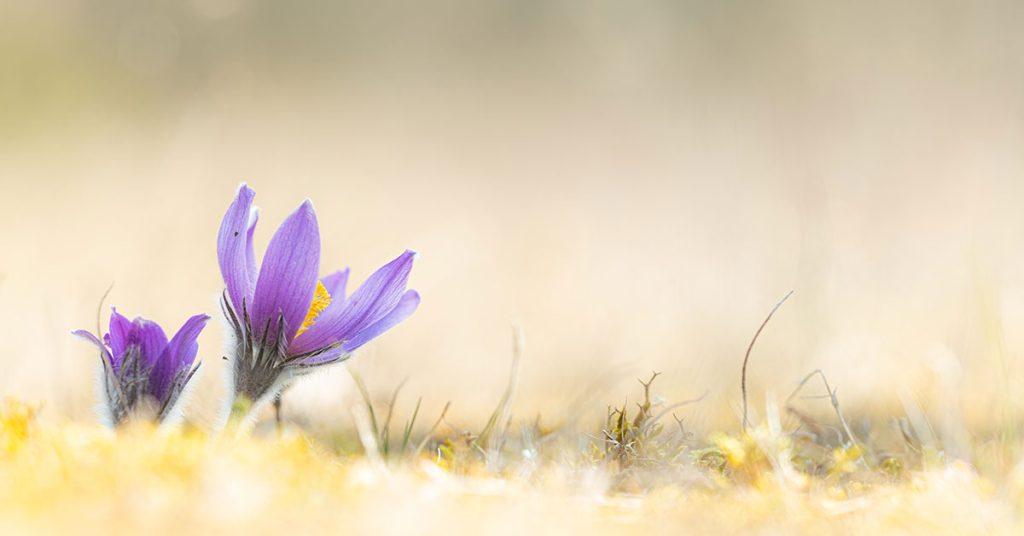
Alpine Pasqueflower is a charming perennial that exudes the subtle allure of mountain wildflowers with its soft, pastel petals and graceful form. Native to alpine regions of North America and Europe, this flower thrives in cool, well-drained soils and is known for its ability to attract a delightful mix of pollinators, including bees and butterflies that often use its clusters as temporary nesting spots. I find that its gentle, ephemeral blooms evoke a sense of springtime renewal even in the midst of a rugged mountain setting!
Its compact growth habit ensures that the Alpine Pasqueflower remains non-invasive, allowing you to create carefully curated garden beds that reflect the natural order of high mountain meadows. I cherish the way this flower contributes to a serene, pastoral ambiance, making it an ideal centerpiece in any mountain garden design. With every bloom, the Alpine Pasqueflower offers a reminder of nature’s soft power and enduring charm amidst challenging conditions!
Bellflower

Bellflower, with its charming, bell-shaped blossoms, adds a whimsical touch to any alpine garden. Native to the mountainous regions of Europe and North America, this flower is admired for its ability to thrive in rocky, sunlit areas, drawing in a host of pollinators like bees and small butterflies. I’ve always been fascinated by how these delicate bells can create a natural chorus in the garden, sometimes even serving as a subtle refuge for tiny insects that seek shelter in their curved petals!
Not known for being invasive, bellflower remains an unobtrusive yet captivating presence in a mountain garden setting. Its gentle sway in the mountain breeze and the soft hues of its blossoms provide a peaceful, enchanting vibe that truly encapsulates the spirit of alpine landscapes. For anyone looking to evoke a sense of fairytale magic in their garden, bellflower is an absolute must-have that delights both the eye and the soul!
Arnica
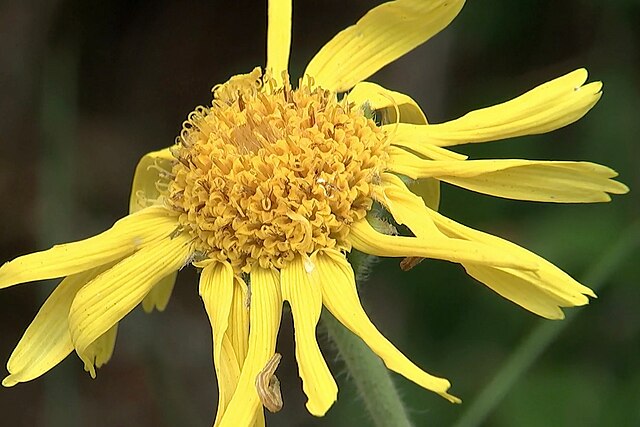
Arnica is a rugged alpine flower that brings a burst of golden-yellow radiance to high mountain gardens. Native to the meadows and rocky slopes of Europe and North America, this perennial is celebrated not only for its striking color but also for its ability to attract a range of pollinators, including bees and butterflies that sometimes use its dense foliage as a cozy resting spot. I find the vibrant presence of arnica especially uplifting, as it infuses the garden with both warmth and a sense of vitality that resonates with the alpine spirit!
Its growth habit is well-contained, ensuring that arnica does not become invasive, which is ideal for creating a harmonious, natural landscape. I enjoy the way this flower mirrors the rugged beauty of mountain terrain, offering both medicinal benefits and a bright splash of color. Whether you’re tending to a sprawling rock garden or a carefully arranged alpine bed, arnica is a delightful choice that embodies the resilience and splendor of mountain flora!
Primrose
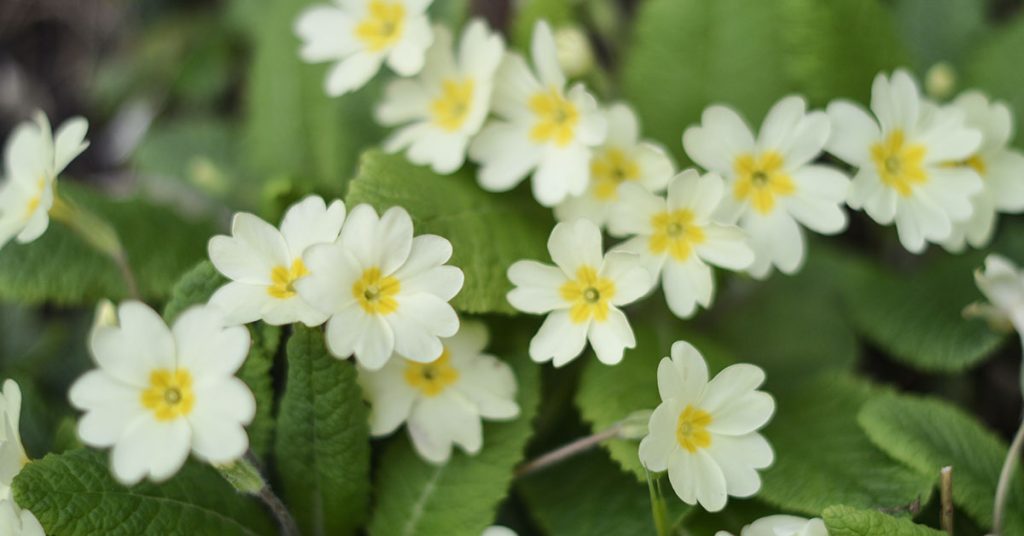
Primrose is a tender and enchanting alpine flower that brings soft hues and a delicate charm to mountain garden settings. Native to the cool, temperate regions of Europe, primrose flourishes in shady, moist spots where it attracts an array of pollinators—particularly bees and hoverflies—that appreciate its gentle nectar. I’ve often admired how these flowers seem to light up even the most shadowed corners of a garden, offering subtle nesting sites for small insects in their clustered blooms!
This delightful plant is non-invasive and works beautifully in creating layered, natural garden displays that evoke the feeling of a wild mountain meadow. Its early spring blossoms serve as a heartwarming reminder of nature’s promise and renewal. In my own garden, primrose has become a cherished symbol of hope and resilience, adding a touch of softness and wonder to the rugged mountain vibe!
Iceland Poppy
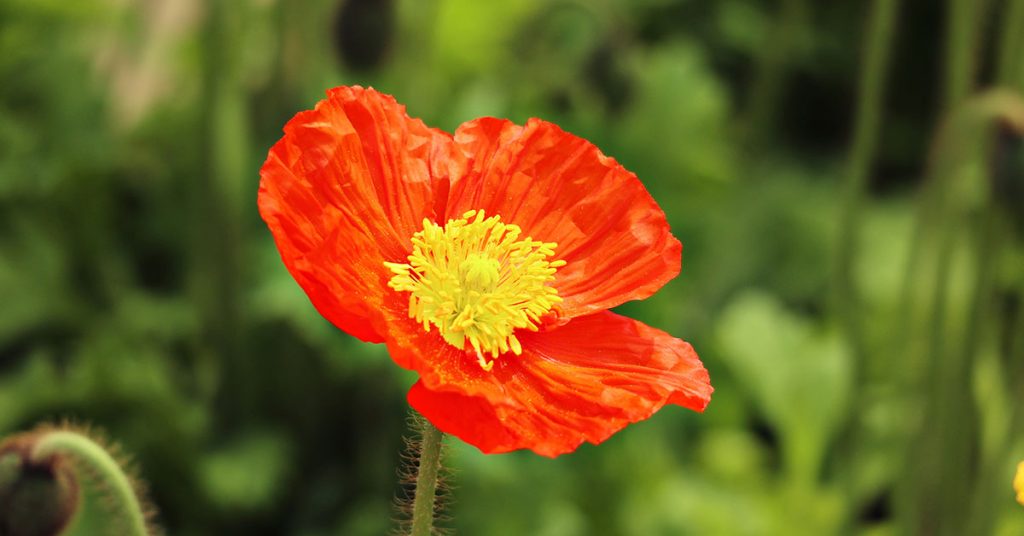
Iceland Poppy is a striking alpine bloom renowned for its large, luminous petals and its effortless ability to thrive in cool, high-altitude conditions. Native to the frigid landscapes of Iceland and parts of the Arctic, this poppy exudes a bold splash of color that attracts a variety of pollinators such as bees and butterflies. Its showy blossoms often serve as natural beacons in a mountain garden, occasionally offering a modest refuge for small insects that find shelter among its vibrant petals!
Despite its dramatic appearance, Iceland Poppy remains well-behaved and non-invasive, making it an ideal choice for gardeners seeking a dramatic yet balanced mountain garden vibe. I find it immensely rewarding to watch these poppies unfurl in the cool mountain air, each bloom a testament to nature’s extraordinary ability to create beauty under extreme conditions. Their radiant display never fails to uplift my spirits and remind me that even the coldest climes can burst with life and color!