

I’ve always been enchanted by the magic of woodland gardens – those serene, shaded retreats that transport you into a miniature forest right in your own backyard! If you’ve ever felt the frustration of battling pests or struggling to get vibrant blooms in a shady space, you’re in for a treat. In this article, I’m thrilled to share 12 woodland flowers that not only flourish in forest-like settings but also attract pollinators, offer nesting spots, and even provide a calming retreat for nature lovers. Let’s explore these delightful plants that bring life, color, and a soothing forest vibe to your garden!
As a devoted gardener with a passion for both aesthetics and sustainability, I understand the importance of choosing plants that suit specific conditions. Each flower featured here is native to unique regions, and I make it a point to discuss if any of them have a tendency to become invasive. Whether you’re dealing with a shady garden corner or looking to create a layered, natural woodland feel, these blooms offer both visual appeal and practical benefits – all while contributing to a thriving ecosystem. Get ready to be inspired by nature’s delicate artistry!
Foxglove
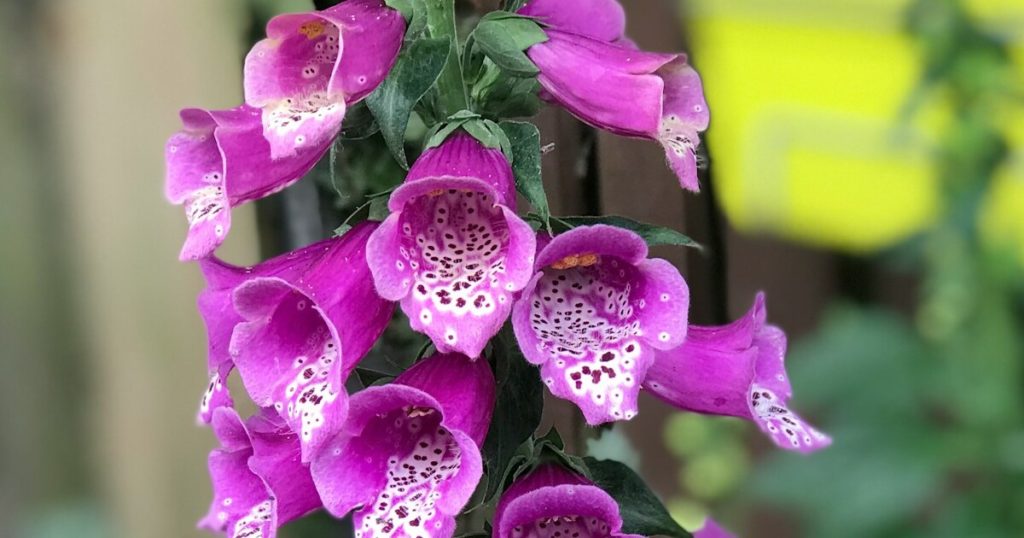
Foxglove is a striking woodland perennial known for its tall spires of tubular flowers that seem to whisper tales of old forests! Native to Europe, this plant thrives in partially shaded areas with rich, well-drained soils. I find that its elegant, bell-shaped blossoms attract a variety of pollinators, including bees and hummingbirds, and even offer subtle shelter for small insects that may later become vital to your garden’s health. Its graceful arching stems add an almost mystical quality to any forest garden vibe.
While foxglove is a true standout, gardeners should be aware that its robust nature can occasionally lead to self-seeding, although it is not typically considered invasive. I appreciate the natural drama it brings without overwhelming the space, and it pairs beautifully with other woodland blooms to create a layered, enchanting display. The plant’s historical and medicinal significance adds another layer of intrigue – making it a perennial favorite in my gardening repertoire!
Wood Anemone
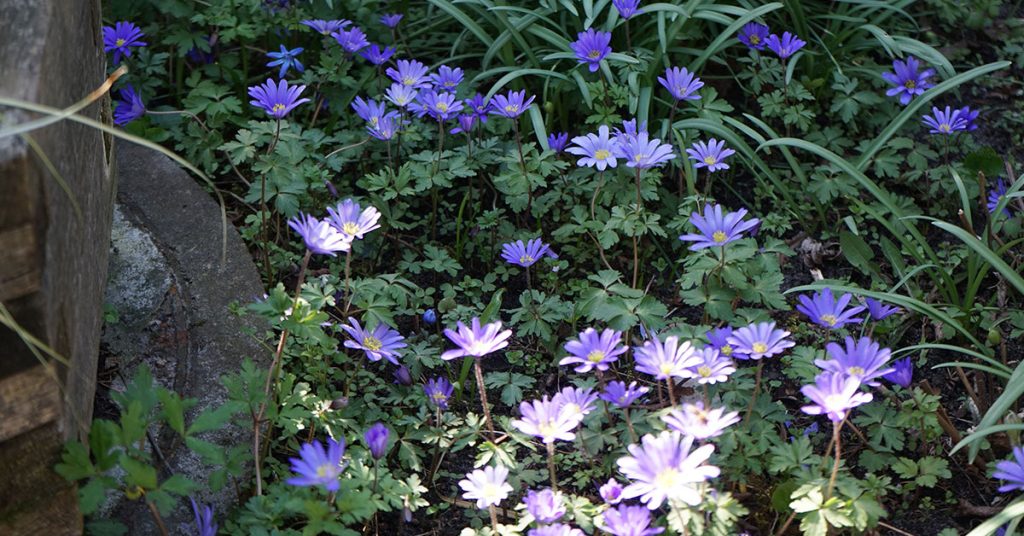
Wood Anemone exudes an understated charm that instantly reminds me of the gentle first steps of spring in a quiet forest clearing. Native to Europe and parts of Asia, this delicate flower flourishes in shaded, moist woodland settings where it forms lush, ground-hugging clusters. I’ve always admired how it creates a soft carpet of white or pale pink blooms, subtly inviting pollinators like butterflies and bees to explore its nooks and crannies.
This lovely perennial is generally well-behaved, although in some regions it can spread rapidly if conditions are ideal. Its natural ability to form extensive colonies means that it not only beautifies the area but also helps stabilize soil and prevent erosion. I’m thrilled by how wood anemone adds texture and depth to a forest garden, making it a natural, low-maintenance choice that embodies the very essence of woodland tranquility!
Trillium
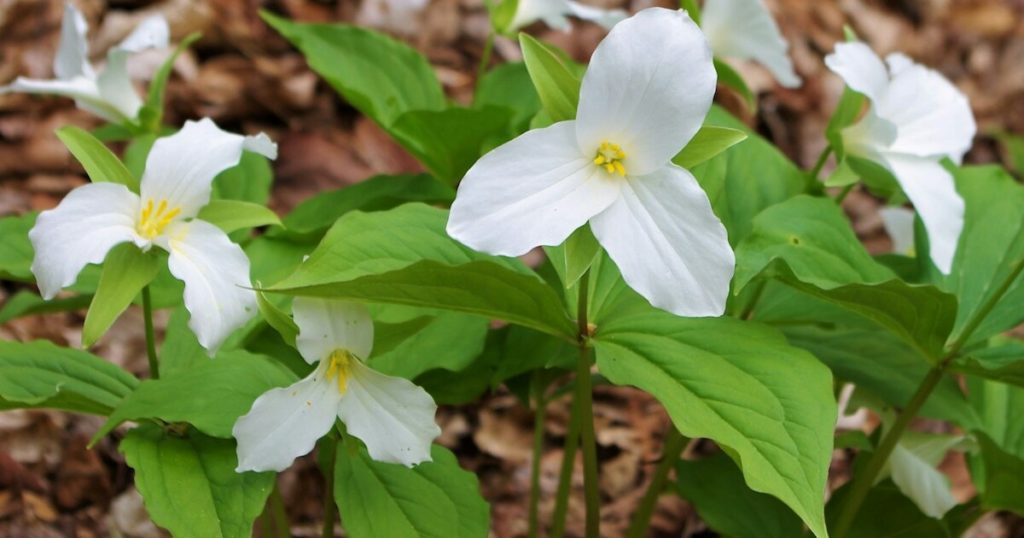
Trillium, with its iconic three-petaled blossoms, is a true emblem of woodland beauty that never ceases to amaze me! Native to the deciduous forests of eastern North America, trillium prefers cool, shaded areas rich in organic matter. The plant’s elegant structure and subtle colors create a delicate focal point in any garden, and I’ve often marveled at how it attracts both curious insects and small birds seeking a quiet nesting spot among its leaves.
Although trillium is cherished for its rarity and refined charm, gardeners should exercise caution as its slow-growing nature means that over-harvesting from the wild can pose a risk. In managed garden settings, however, trillium typically remains non-invasive, ensuring that it contributes to the biodiversity of your space without overwhelming it. Its seasonal emergence is always a highlight, a reminder of the intricate wonders hidden beneath the forest canopy!
Columbine
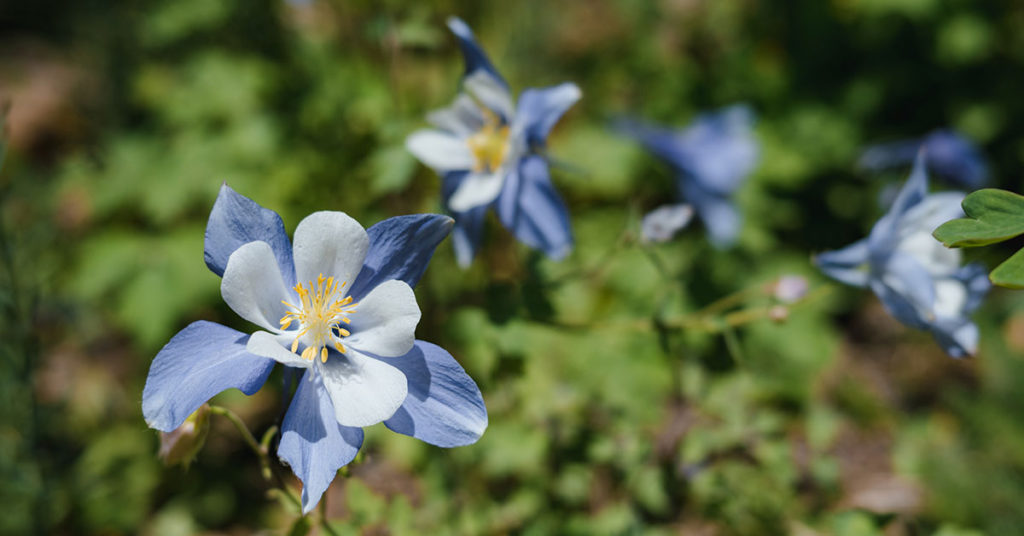
Columbine is a true delight with its intricate, nodding blossoms that seem to dance in the dappled sunlight of a woodland glade. Native to mountainous regions in the Northern Hemisphere, many columbine species thrive in partly shaded areas with well-drained soil. The unique, spurred flowers are irresistible to hummingbirds and bees, and I’ve observed them occasionally attracting small nesting insects that help balance the garden’s ecosystem.
One of the best aspects of columbine is its natural ability to blend into a forest garden vibe while also standing out with its vibrant color palette. While this charming plant is generally non-invasive, a little attention to spacing is beneficial to keep its spread under control. Its whimsical presence and delicate structure make it a plant I often recommend to anyone seeking to infuse a woodland garden with both elegance and ecological value!
Lady’s Slipper Orchid

The Lady’s Slipper Orchid brings an air of mystery and exotic allure to any woodland garden! Native to temperate regions in North America, Europe, and Asia, this orchid thrives in shaded, moist woodlands with well-drained soils. Its unique, pouch-like blooms are not only a visual treat but also serve as a haven for various small insects and occasionally even offer a cozy resting spot for tiny invertebrates, enhancing the natural cycle of life in your garden.
Although I adore the delicate beauty of lady’s slipper orchids, it’s important to note that they are often protected species and can be sensitive to over-cultivation. In cultivated gardens, they rarely become invasive if managed properly, yet their rarity demands careful attention to their specific growing conditions. Their enchanting form and gentle fragrance always remind me of the intricate balance of nature, and I love sharing tips on how to successfully cultivate these treasures without disrupting their natural habitat!
Solomon’s Seal
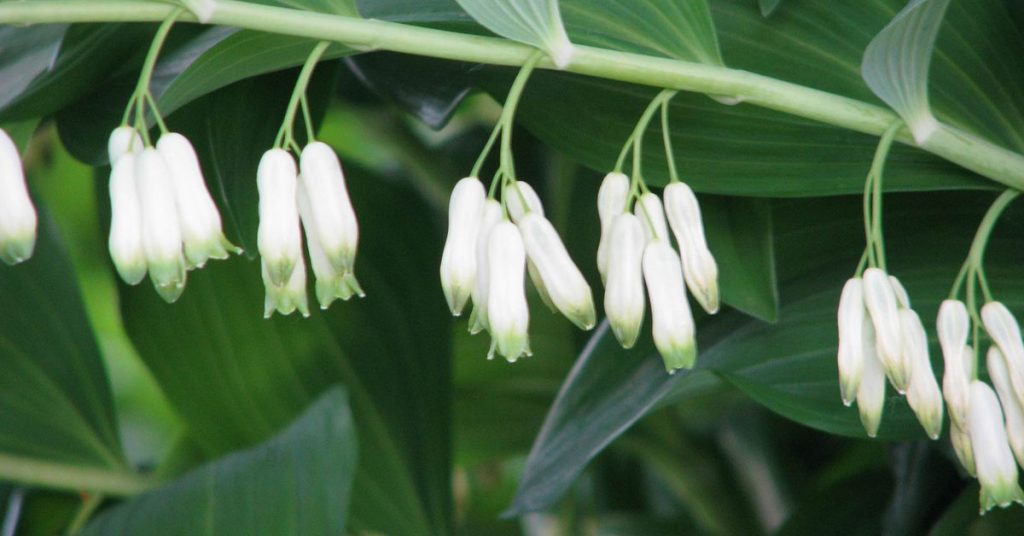
Solomon’s Seal is a captivating woodland perennial with arching stems adorned with dangling, bell-shaped flowers that evoke the serenity of an ancient forest! Native to temperate regions across the northern hemisphere, this plant thrives in shady, moist conditions and is a true testament to nature’s understated elegance. I find its graceful drooping blooms particularly effective at attracting bees and other pollinators, which in turn help to maintain a balanced, vibrant garden ecosystem.
While Solomon’s Seal is typically non-invasive, it does have a tendency to form attractive clumps that can slowly expand over time – a trait that many gardeners find appealing in a forest garden setting. Its resilience and low maintenance requirements make it an ideal choice for those who prefer a hands-off approach while still enjoying the natural splendor of woodland flora. The plant’s serene presence is a constant reminder of why I find solace in my garden, especially during those quiet early mornings when the dew still clings to the leaves!
Virginia Bluebells
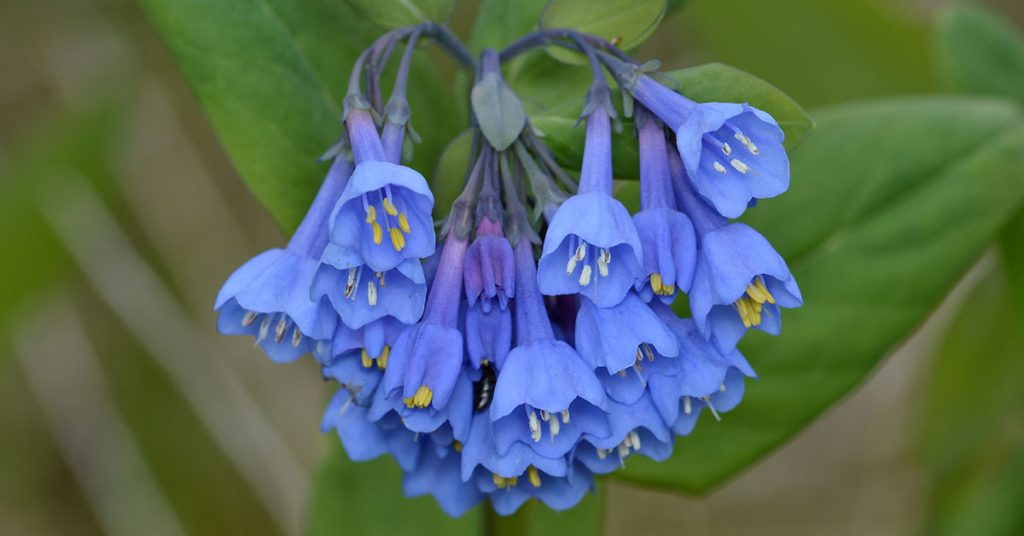
Virginia Bluebells infuse a woodland garden with their dreamy, nodding clusters of sky-blue flowers that seem to float on a sea of green! Native to the rich, deciduous forests of the Appalachian region in North America, these ephemeral beauties thrive in shady, moist conditions where they burst into bloom during the spring. I find their soft, mesmerizing hues to be a perfect complement to the deeper tones of a forest canopy, and they attract an assortment of pollinators like bees and butterflies that add a lively buzz to the environment.
This charming perennial is generally non-invasive, although its striking display can sometimes encourage vigorous self-seeding in ideal conditions. In my own garden, I relish the brief yet unforgettable spectacle that Virginia Bluebells offer every spring, creating a magical moment that feels like stepping into an enchanted woodland! Their delicate beauty and seasonal allure remind me why I’m so passionate about designing gardens that reflect the natural wonder of the forest.
Jacob’s Ladder

Jacob’s Ladder is a fascinating addition to any woodland garden, boasting a cascade of clusters that appear almost ladder-like in their arrangement! Native to temperate regions in Europe and North America, this perennial flourishes in partially shaded environments with rich, well-drained soil. I’m always excited to see its star-shaped flowers in bloom, as they attract an array of beneficial insects and even serve as an occasional nesting ground for small, pollinator-friendly creatures.
The plant’s spreading habit is usually well-behaved in a woodland setting, though it can become a bit more assertive in optimal conditions – a reminder to always monitor its growth! I appreciate Jacob’s Ladder not only for its striking appearance but also for the texture and dimension it adds to a forest garden vibe. Its ability to enhance both the aesthetic and ecological value of my garden makes it a perennial favorite, offering both beauty and subtle practicality!
Bleeding Heart
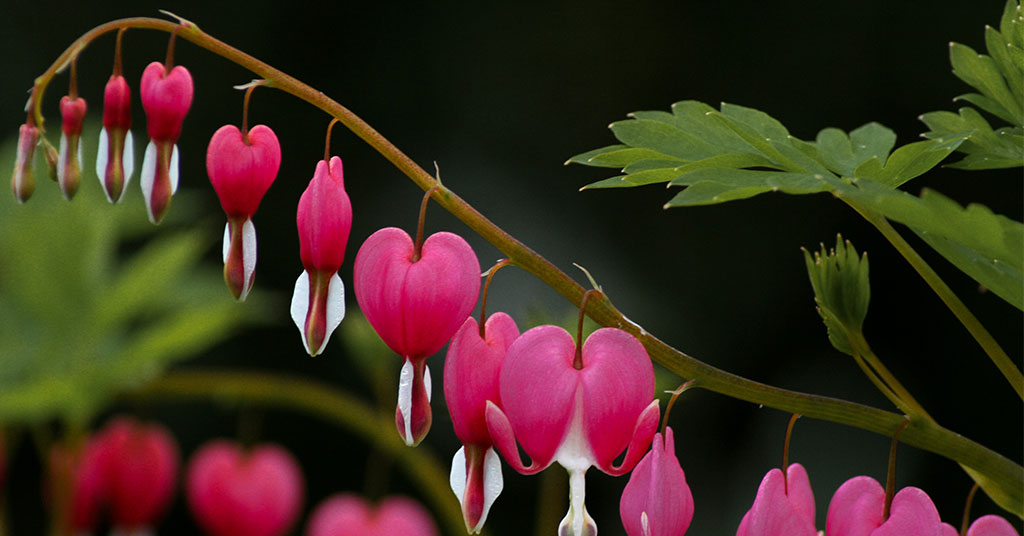
Bleeding Heart is a captivating woodland perennial with its distinctive, heart-shaped blossoms that seem to drip with charm and elegance! Native to Asia, particularly in the cool, shaded woodlands of Japan and China, this plant flourishes in moist, well-drained soils. I love how its soft pink or white flowers create a romantic ambiance in the garden, while also drawing in beneficial pollinators and providing a unique, sheltered microhabitat for small insects to thrive.
Despite its mesmerizing beauty, bleeding heart is known for its somewhat finicky nature and may require careful attention to soil moisture levels. It is generally non-invasive, but I always advise gardeners to monitor its spread to ensure that it harmonizes with the surrounding flora. Its delicate form and enchanting appeal add a touch of poetic grace to any forest garden, and every time I see it in bloom, I’m reminded of nature’s gentle artistry and resilience!
Hellebore
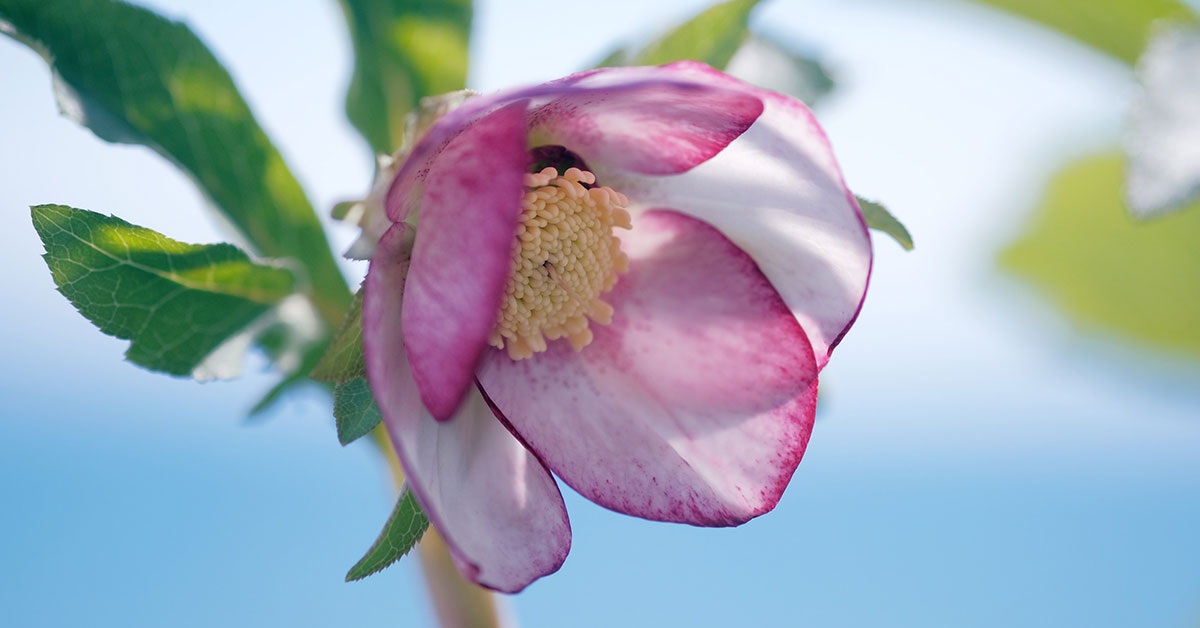
Hellebore is a winter-to-spring bloomer that brings a surprising burst of color to the otherwise quiet forest floor! Native to central and southern Europe, these hardy perennials flourish in shaded, woodland settings and are renowned for their early blooming period. Their unique, nodding flowers provide a welcome visual treat in the cooler months, and I’ve observed them attracting early pollinators along with small insects that sometimes find refuge among their glossy leaves.
This resilient plant rarely exhibits invasive behavior, making it an excellent choice for gardeners who wish to maintain a balanced, low-maintenance woodland vibe. I particularly enjoy the subtle interplay of textures and hues that hellebore adds to my garden, bridging the gap between winter’s chill and the warmth of spring. Their dependable performance and quiet elegance always fill me with excitement as I watch nature’s cycle unfold right before my eyes!
Wild Geranium
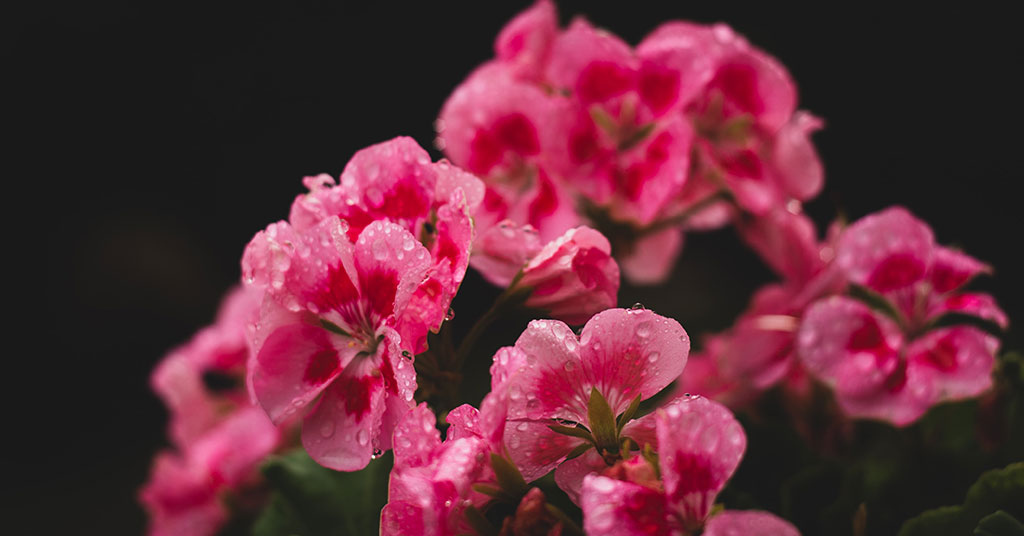
Wild Geranium, with its charming clusters of delicate blooms, is a plant that never fails to evoke a sense of natural wonder in a forest garden! Native to eastern North America, this perennial thrives in partially shaded woodlands where it forms attractive, sprawling clumps. I admire how its soft pink or purple flowers not only add a gentle splash of color but also serve as a magnet for bees and butterflies, each visit contributing to the vibrant tapestry of life in my garden.
While wild geranium is generally non-invasive, its robust growth can occasionally lead to a wider spread if left unattended. I find that a little regular maintenance keeps it perfectly integrated into the woodland scene, where it plays a supportive role in stabilizing the soil and enriching the ecosystem. Its unpretentious beauty and ecological benefits make it a treasured component of any garden designed to evoke the peaceful, natural ambiance of a deep forest!
Lily-of-the-Valley
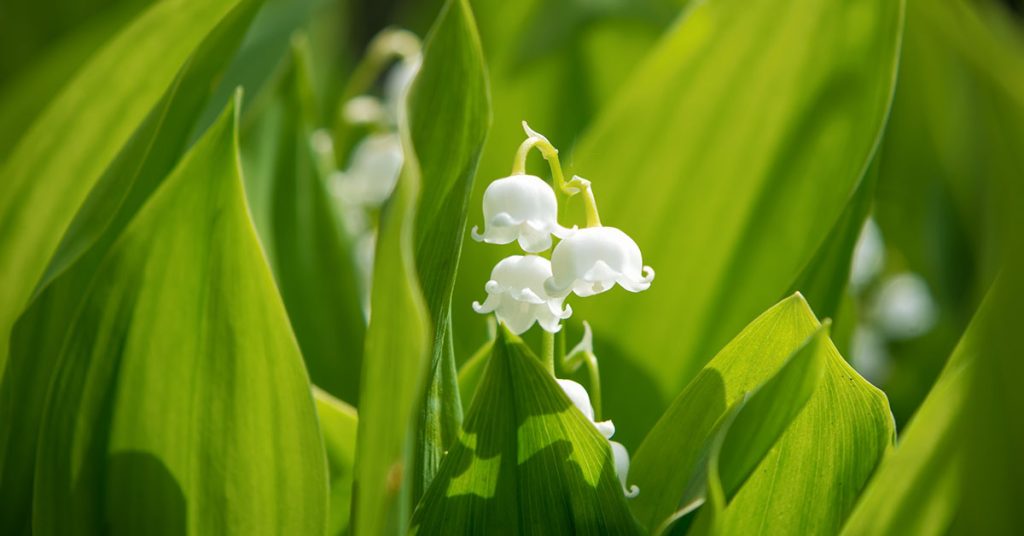
Lily-of-the-Valley is a classic woodland favorite that enchants with its delicate, bell-shaped blooms and intoxicating fragrance! Native to temperate regions of Europe and Asia, this shade-loving perennial thrives in moist, well-drained soil under a canopy of trees. Its tiny, graceful flowers not only fill the air with a sweet aroma but also invite a host of pollinators, from diligent bees to fluttering butterflies, all while occasionally offering shelter to small critters seeking a quiet nook.
Despite its undeniable charm, lily-of-the-valley is known for its aggressive spreading habit, and in many regions it’s considered invasive if not managed properly. I always advise gardeners to plant it in a controlled area or container to enjoy its beauty without compromising the balance of the surrounding ecosystem. Its subtle elegance and delightful scent remind me of the simple joys of nature, and every time I catch a whiff of its fragrance, I feel a renewed connection to the forest garden vibe I so cherish!