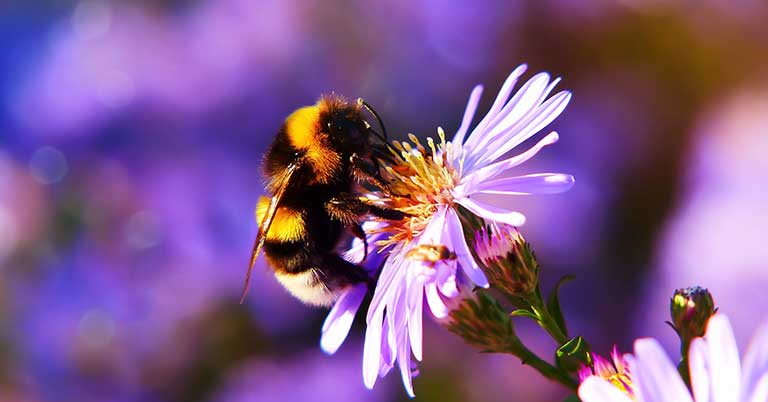

Bees are essential pollinators that play a crucial role in our ecosystems and food production. However, many common gardening practices can unintentionally harm these vital insects. As gardeners, it’s our responsibility to create a bee-friendly environment that supports their health and survival. Understanding how our actions affect bees can help us make better choices and protect these important pollinators.
In this article, I’m excited to share twelve ways your garden could be harming bees and practical solutions to fix these issues. By making a few simple changes, you can transform your garden into a safe haven for bees. Let’s explore these tips and help our buzzing friends thrive!
Using Pesticides
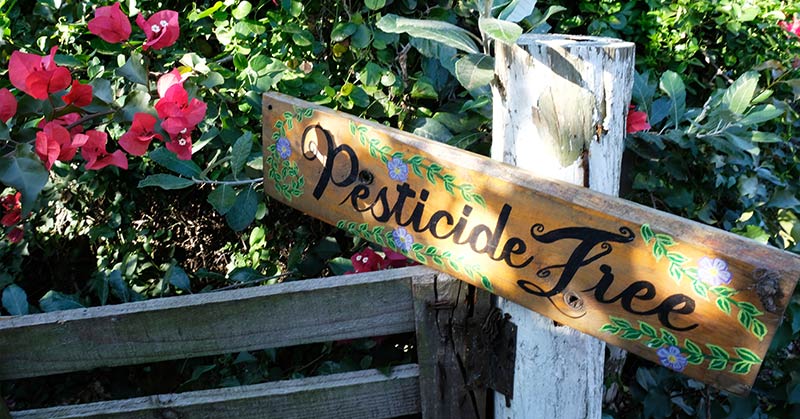
Pesticides can be highly toxic to bees, affecting their nervous systems and reducing their ability to forage and reproduce. Even organic pesticides can be harmful if not used correctly. One of my favorite gardening practices is to avoid using pesticides altogether!
Instead, opt for natural pest control methods. Encourage beneficial insects like ladybugs and predatory beetles, which help control pests naturally. Planting a diverse range of plants can also create a balanced ecosystem that reduces the need for chemical interventions. If you must use pesticides, apply them early in the morning or late in the evening when bees are less active, and choose bee-friendly options.
Lack of Flower Diversity
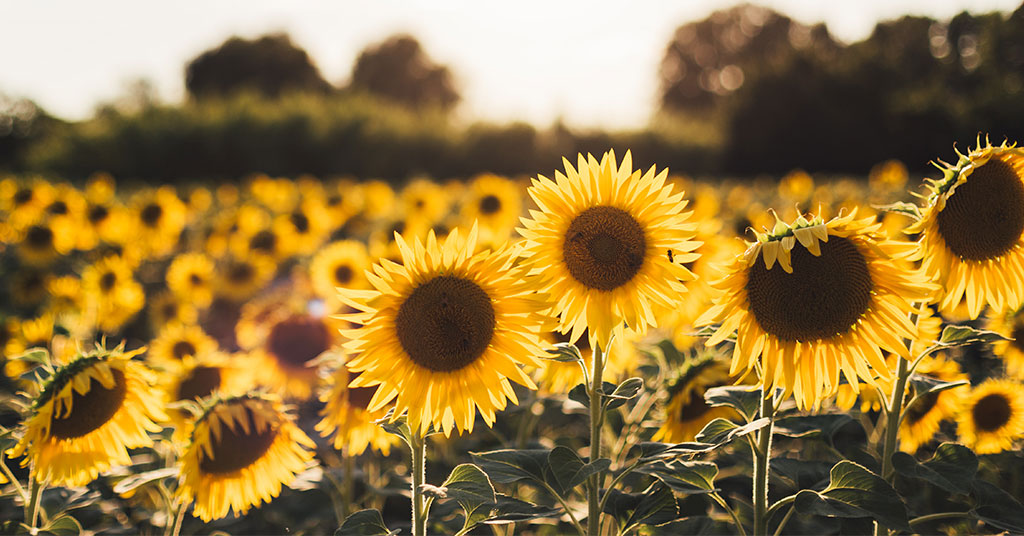
Bees need a variety of flowers to forage for nectar and pollen. A garden with limited plant diversity can lead to malnutrition and weaken bee populations. Planting a wide range of flowering plants that bloom at different times ensures a continuous food supply for bees throughout the growing season.
Choose native plants that are well-adapted to your region and provide the best nutrition for local bee species. Incorporate a mix of annuals, perennials, shrubs, and trees to create a diverse and bee-friendly garden. One of my favorite plants to grow for bees is the lavender—it’s beautiful and a bee magnet!
Invasive Plant Species
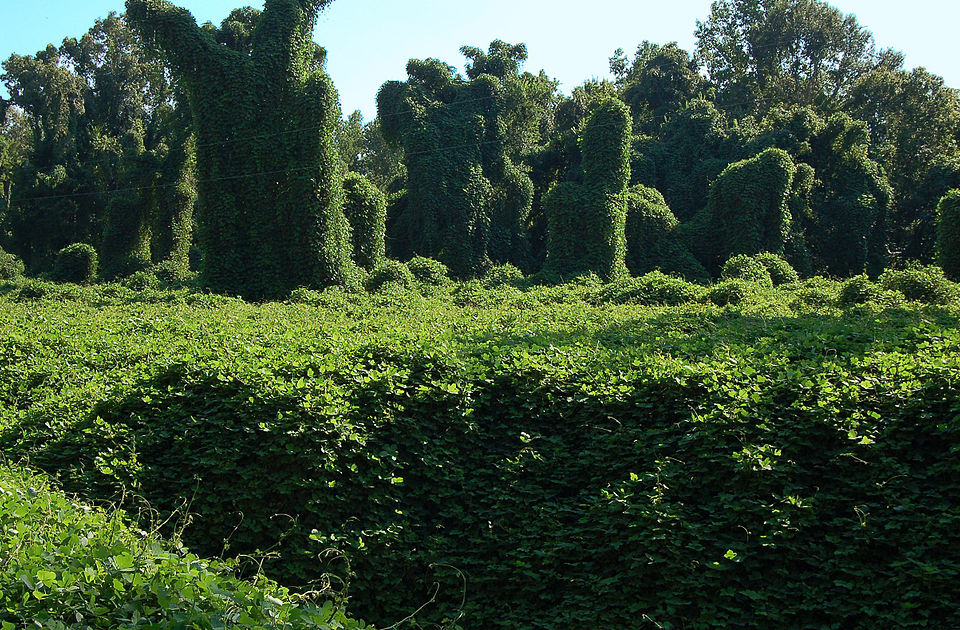
Invasive plants can outcompete native flora, reducing the availability of food and habitat for bees. These aggressive plants often dominate landscapes, leaving little room for the diverse plants that bees need. Regularly monitor your garden and remove invasive species to protect native plant diversity.
Replace invasive plants with native or non-invasive alternatives that provide nectar and pollen for bees. For example, swap out invasive English ivy for native ground covers like wild ginger or creeping phlox. By fostering native plant growth, you create a healthier environment for bees and other pollinators.
Mowing Too Often
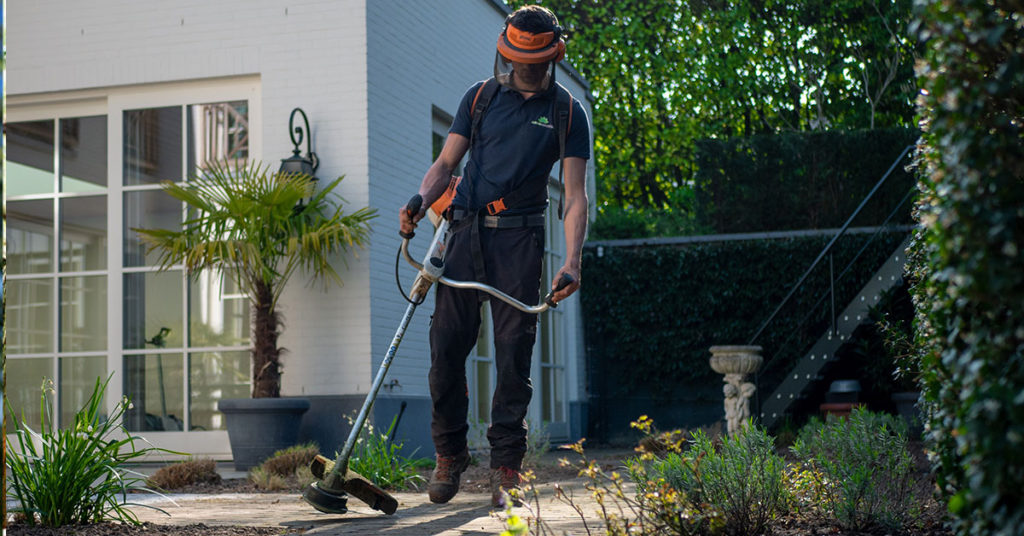
Frequent mowing can destroy the flowers that bees rely on for food. Many bees forage on clover, dandelions, and other wildflowers that grow in lawns. Mowing too often removes these important food sources and disrupts the bees’ foraging patterns.
Consider reducing the frequency of mowing and allowing a portion of your lawn to grow naturally. Create designated wildflower areas or “bee lawns” that provide a habitat for bees and other pollinators. Letting these areas flourish can significantly increase the availability of food for bees in your garden.
Using Synthetic Fertilizers

Synthetic fertilizers can harm soil health and reduce the availability of essential nutrients for plants. Poor soil health can lead to weaker plants that produce less nectar and pollen, negatively impacting bees. Instead, opt for organic fertilizers that improve soil structure and provide long-term benefits.
Compost, aged manure, and organic mulch are excellent alternatives that enrich the soil naturally. These organic materials support healthy plant growth and create a more sustainable environment for bees. One of my favorite gardening practices is to use homemade compost—it’s a great way to recycle kitchen scraps and improve soil health!
Lack of Water Sources
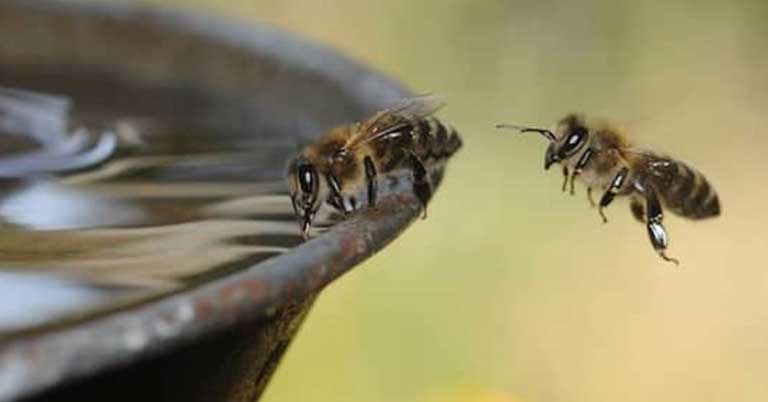
Bees need water for hydration, cooling, and feeding their larvae. A garden without accessible water sources can make it difficult for bees to thrive. Providing a clean and reliable water source is an easy way to support bee populations.
Place shallow dishes of water with stones or marbles for bees to land on. Birdbaths, small ponds, or water features can also serve as excellent water sources for bees. Ensure the water is clean and free from contaminants, and place the water sources in a safe and accessible location in your garden.
Overusing Mulch
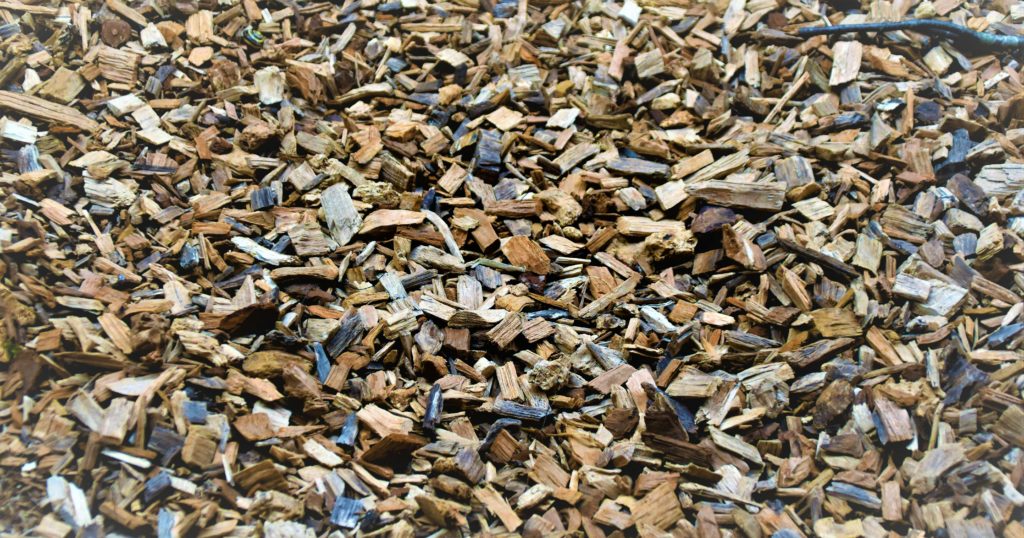
While mulch can be beneficial for retaining soil moisture and suppressing weeds, overusing it can create barriers for ground-nesting bees. Many bee species nest in the soil, and a thick layer of mulch can prevent them from accessing their nesting sites.
Use mulch sparingly and leave some areas of bare ground for ground-nesting bees. Alternatively, create designated nesting areas with loose, sandy soil where bees can easily dig and establish their nests. This balance ensures you’re providing for both your plants and the bees that pollinate them.
Removing Dead Wood and Debris
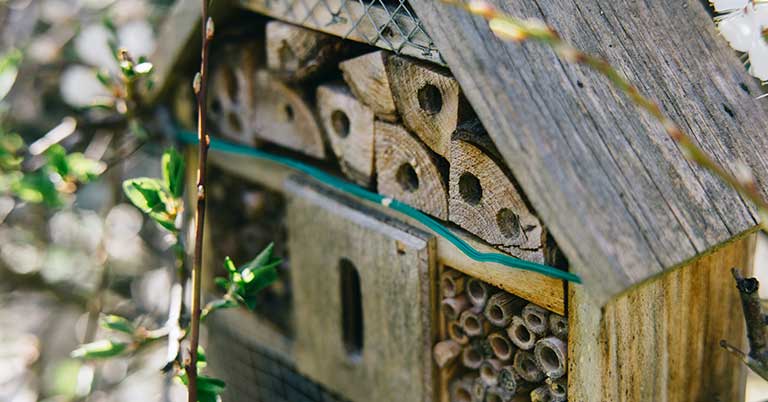
Dead wood, fallen branches, and plant debris provide essential nesting sites and shelter for many bee species. Removing these materials can reduce the availability of nesting habitats and impact bee populations. Instead of clearing all debris, leave some natural elements in your garden.
Create bee habitats by leaving dead wood, brush piles, and fallen leaves in undisturbed areas. You can also install bee hotels or nesting boxes to provide additional nesting sites. These simple actions create a more supportive environment for bees and enhance the ecological health of your garden.
Planting Hybrid or Non-Native Flowers

Hybrid flowers often have reduced nectar and pollen production compared to native species, making them less beneficial for bees. Non-native plants might not provide the same nutritional value or be as well-suited to local bee species. Opt for native and heirloom plant varieties that offer high-quality forage for bees.
Research and select plants that are known to be bee-friendly and suited to your local climate. Native wildflowers, herbs, and flowering shrubs are excellent choices that support bees and other pollinators. Growing a diverse range of native plants can make a significant difference in supporting bee health.
Using Weed Killers
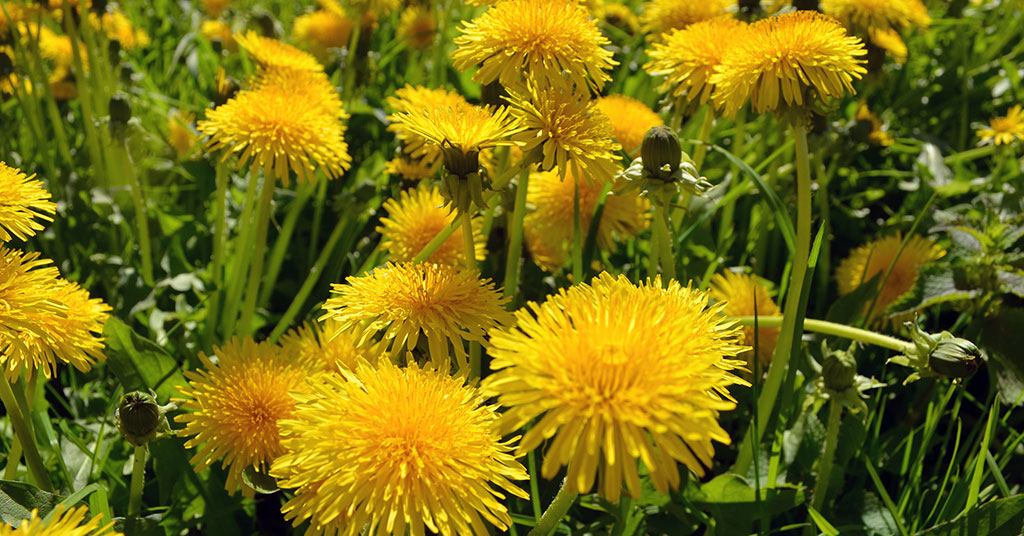
Weed killers, especially those containing glyphosate, can be toxic to bees and other beneficial insects. These chemicals can contaminate nectar and pollen, harming bees directly or through their food supply. Avoid using chemical weed killers and opt for natural weed control methods instead.
Hand-pulling weeds, mulching, and using vinegar-based solutions are effective alternatives to chemical weed killers. Maintaining healthy soil and promoting strong plant growth can also reduce weed problems naturally. By avoiding harmful chemicals, you create a safer environment for bees and other garden wildlife.
Lack of Habitat Diversity
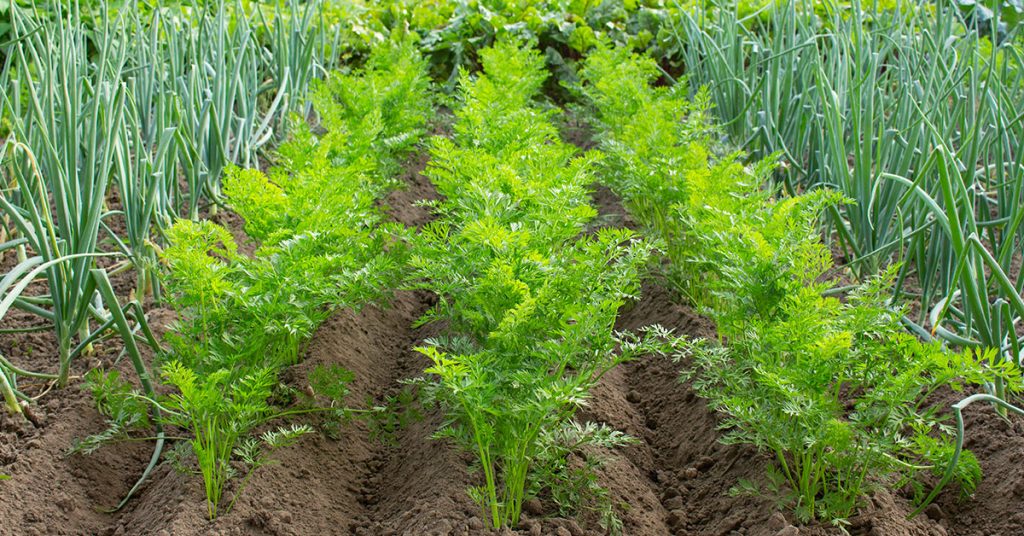
A garden that lacks habitat diversity can be less attractive and supportive for bees. Bees need a variety of habitats, including open sunny areas, shaded spots, and sheltered spaces. Creating a diverse garden environment can help meet the needs of different bee species.
Incorporate a mix of sunny flower beds, shaded woodland areas, and dense shrubbery to provide a range of habitats. Planting in layers, with ground covers, mid-height plants, and taller trees, can create a rich and varied garden. This diversity supports a wider range of bees and other pollinators.
Ignoring Seasonal Bloom Times
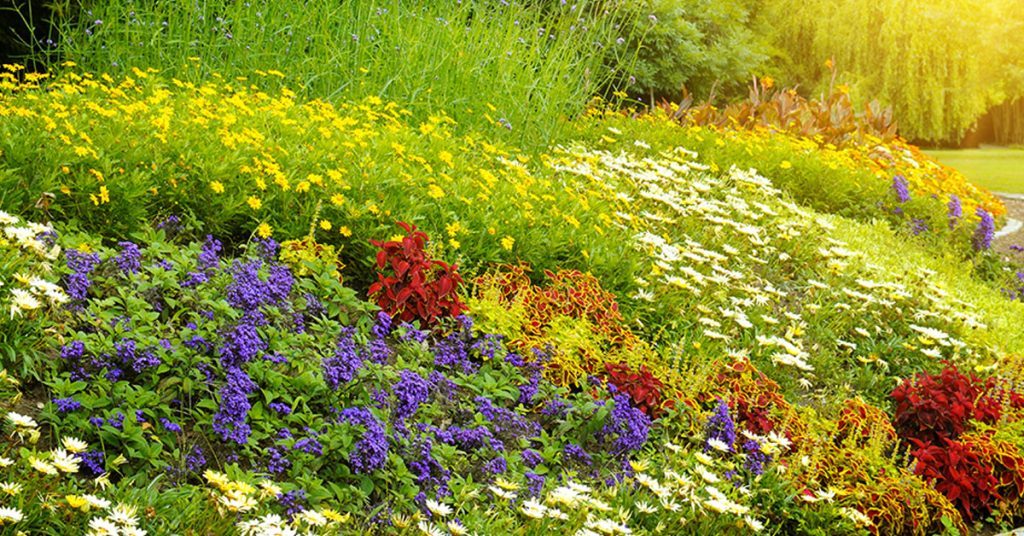
Bees need a continuous supply of nectar and pollen throughout the growing season. A garden that lacks flowers during certain times of the year can leave bees without food. Plan your garden to ensure there are always plants in bloom from early spring to late fall.
Select a variety of plants with different bloom times to create a garden that provides food year-round. Spring bulbs, summer perennials, and fall-blooming asters are excellent choices for ensuring continuous forage. By planning for seasonal blooms, you support bees and enjoy a vibrant, ever-changing garden!
By making these simple adjustments, you can create a bee-friendly garden that supports these vital pollinators. Each action contributes to a healthier environment for bees and enhances the beauty and productivity of your garden.