
As the days lengthen and temperatures rise, your garden needs a bit of TLC to transition smoothly into the heat of summer. I know how frustrating it can be to watch tender seedlings wilt under the midday sun or to fend off swarms of pests when you’re eager to see blooms and fresh produce thrive! With the right prep—soil care, watering strategies, and targeted plantings—you’ll set the stage for a lush, productive garden that invites pollinators, nesting birds, and beneficial insects to share in the bounty.
Over the years, I’ve learned that a few proactive steps in late spring make all the difference once summer’s full blast arrives. Whether you’re tending a compact urban plot or a sprawling backyard haven, these 12 strategies will help your garden stay resilient, vibrant, and wildlife-friendly. From mulching thickly to dividing perennials, let’s dive into the essential tasks that will keep your garden flourishing from June through August!
Mulch Thickly

Mulching is one of my absolute favorite ways to prepare for summer’s heat. A generous layer of organic mulch—shredded bark, leaves, or compost—acts like a thermal blanket, keeping soil temperatures more moderate and preserving precious moisture for thirsty roots. I love how a thick mulch layer also suppresses weeds, so you’ll spend less time stooping and more time enjoying blooms!
Beyond weed control, mulch creates habitat for ground-dwelling insects like beneficial beetles and spiders, which help keep garden pests in check. Over time, it breaks down and enriches the soil, fostering earthworm activity that improves aeration and nutrient cycling. Remember to leave a small gap around plant stems to prevent rot—this simple step ensures your mulch stays helpful, not harmful!
Plant Heat-Tolerant Annuals
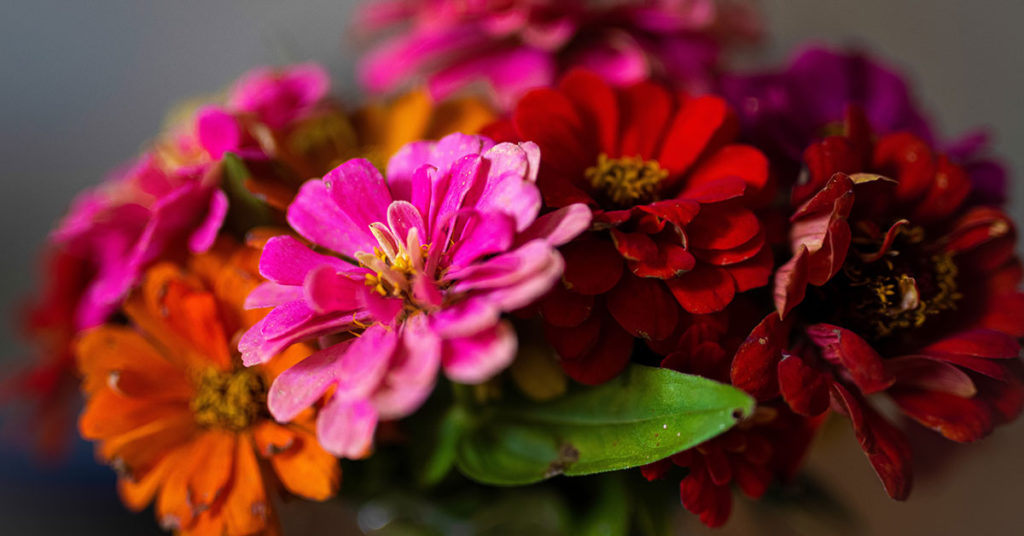
As budding garden enthusiasts, we often uncover the frustration of seeing delicate spring flowers suffer under intense summer sun. By selecting heat-tolerant annuals—such as zinnias, marigolds, and vinca—you’ll enjoy vibrant color and continuous blooms through the hottest months. These sun-loving plants thrive in full sun and poor soils, making them ideal for beginner-friendly beds and containers!
Heat-tolerant annuals also attract hummingbirds and butterflies, ensuring your garden stays lively when some spring natives slow down. I’ve seen how marigold blooms invite hoverflies, whose larvae feast on aphids, providing a natural pest control bonus. Planting these resilient beauties now sets you up for a spectacular summer display with minimal fuss!
Prune and Deadhead

Late spring is the perfect time to prune spring-flowering shrubs—like lilacs and azaleas—immediately after they finish blooming, ensuring their energy goes into new growth rather than seed production. Deadheading spent annual and perennial blooms also encourages a second flush of flowers, keeping your garden looking fresh and orderly! I know how disheartening it is to see plants turn leggy or full of faded blooms; a quick trim can revive their vigor.
These pruning tasks also improve air circulation, reducing the risk of fungal diseases that thrive in humid summer weather. The tidy, open structure left behind invites nesting birds—chickadees and wrens often seek out freshly pruned branches for safe, sun-dappled homes. By investing a little time in pruning and deadheading, you’ll enjoy maximum bloom performance and a healthier, more attractive garden!
Test and Amend Soil

Before summer’s heat intensifies, take a soil test to check pH and nutrient levels. It’s such a bummer when plants struggle despite regular watering, only to discover the soil is deficient in key nutrients or too acidic for optimal growth! Armed with test results, you can tailor your amendments—lime for low pH, sulfur for high pH, or compost and balanced organic fertilizers to replenish nitrogen, phosphorus, and potassium.
Healthy soil is the foundation for summer success. By incorporating organic matter, you’ll improve water retention and root development, ensuring plants withstand heat stress. This groundwork not only benefits annuals and vegetables but also gives perennials the boost they need to flourish—and nest-building insects like solitary bees will find better nesting sites in well-structured soil!
Divide and Transplant Perennials
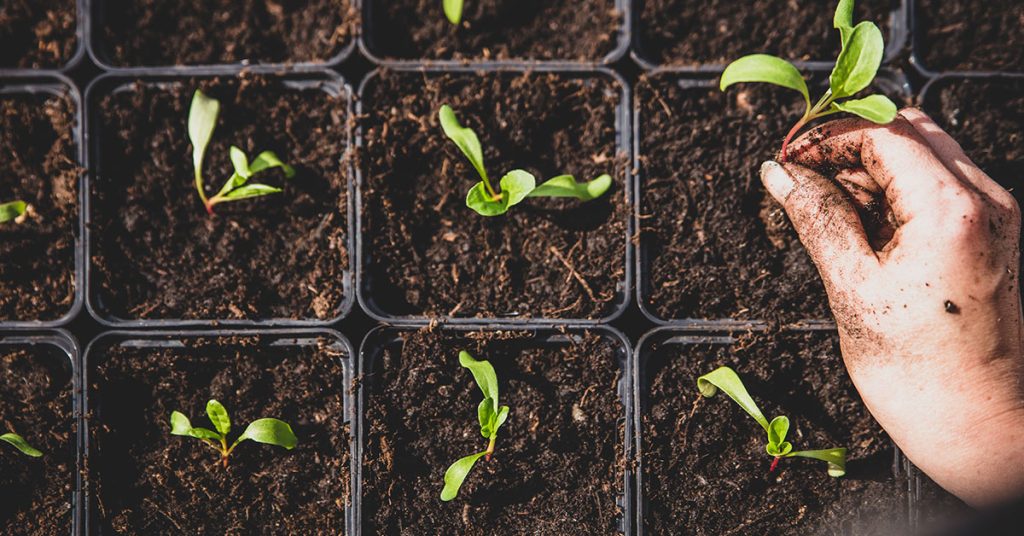
If your beloved perennials—such as daylilies, coneflowers, or hostas—have become overcrowded, late spring is prime time for dividing and transplanting. Overcrowding can lead to poor flowering and increased disease pressure, leaving you frustrated when plants fail to shine. Dividing ensures each clump has room to grow and enough nutrients to produce vigorous foliage and abundant blooms.
Transplanted divisions also give you the chance to reshape garden beds, create new borders, or share your surplus with fellow gardeners! The fresh soil around newly divided roots encourages fast recovery, and as the roots re-establish in early summer, they’ll be better equipped to handle heat and drought. Plus, freshly tilled soil attracts ground beetles and beneficial nematodes that help manage pests naturally!
Install or Check Irrigation System

Consistent moisture is critical as temperatures climb, so now is the time to inspect drip irrigation lines, soaker hoses, or sprinkler heads to ensure even coverage. It’s so frustrating when dry spots appear under baking sun, only for you to discover a kinked hose or clogged emitter! A quick check now saves wilted plants and reduces water waste.
Consider adding a timer or moisture sensor to automate watering and avoid overzealous hand-watering that can lead to leaf diseases. Efficient irrigation not only keeps your flowering annuals and vegetables hydrated but also maintains the moist conditions favored by earthworms and beneficial microbes—key players in a thriving soil ecosystem!
Fertilize Appropriately
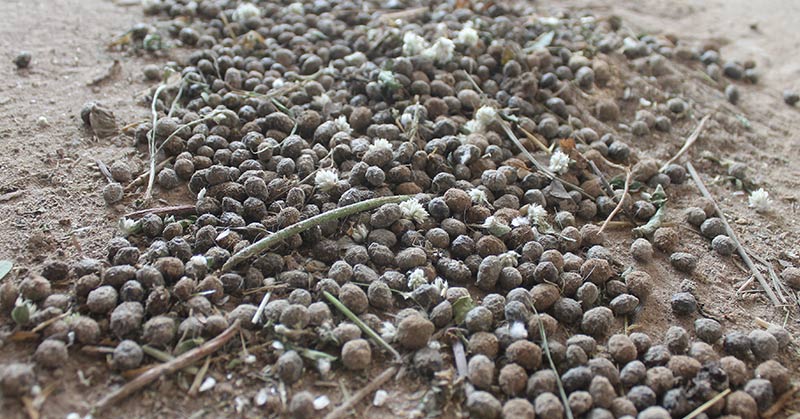
Late spring is the ideal time for a balanced feeding before plants enter their peak summer growth phase. Using an organic granular fertilizer—rich in nitrogen, phosphorus, and potassium—ensures sustained nutrient release without the risk of fertilizer burn. I’ve seen how a well-timed feed can transform limp foliage into lush, vibrant growth and supercharge summer blooms!
For flowering shrubs and perennials, consider a bloom-boost formula with a slightly higher phosphorus content to encourage flower production. Fertilizing also supports fast-growing annuals, keeping them vigorous and resistant to pests. A healthy, well-fed garden is more attractive to pollinators, as robust blooms offer more nectar and pollen, enriching your summer wildlife scene!
Add Pollinator-Friendly Plants

Supporting bees, butterflies, and hummingbirds is a joy that pays dividends in garden vitality. Planting mid- to late-summer bloomers—like salvias, coneflowers, and bee balm—ensures a continuous nectar supply when some spring flowers fade. In my own borders, I’ve found that a succession of blooms keeps pollinators busy and promotes better fruit set in vegetables and fruit trees.
Choose native, non-invasive perennials wherever possible; goldenrod, asters, and black-eyed Susans are wonderful additions that harmonize with local ecosystems. Their flowers not only feed insects but also provide nesting materials for solitary bees and cover for tiny birds. By planting with pollinators in mind, you’ll create a dynamic, teeming garden that sustains itself through summer’s heat!
Implement Integrated Pest Management

Summertime often brings a surge of aphids, caterpillars, and slugs, which can leave you scrambling for solutions. Instead of reaching for harsh chemicals, embrace integrated pest management: encourage ladybugs, lacewings, and parasitic wasps by planting yarrow, fennel, and dill; hand-pick slugs and use organic baits; and apply neem oil or insecticidal soap at the first sign of pests. This balanced approach protects your plants and the beneficial predators that keep those pests in check.
Regular scouting is key—early detection of eggs or tiny larvae can prevent full-scale infestations that devastate blooms and foliage. I’ve found that a healthy garden with good soil, proper watering, and diverse plantings is the best defense against pests. By creating a balanced ecosystem, you’ll reduce frustration and spend less time battling bugs and more time enjoying vibrant, pest-free blooms!
Stake and Support Tall Plants
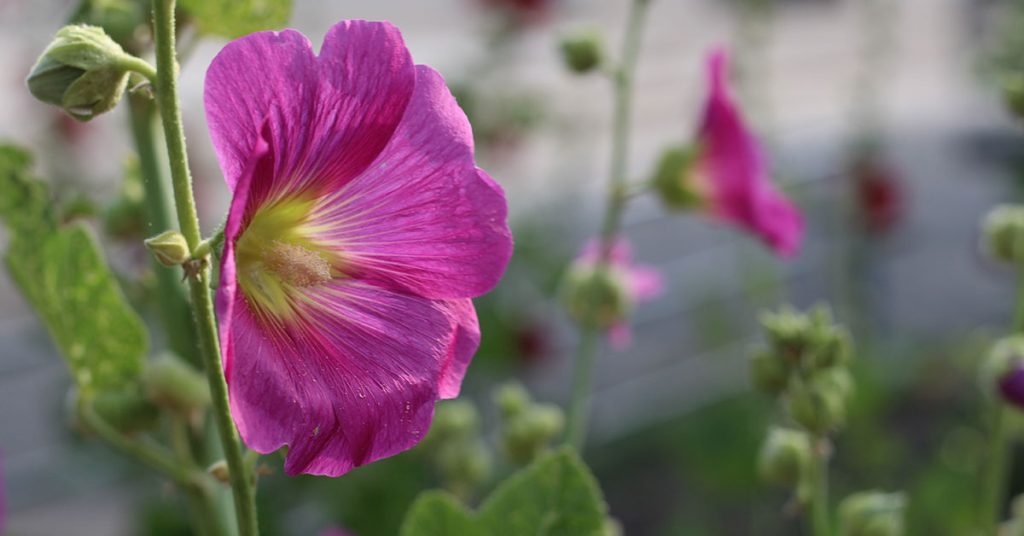
As summer progresses, tall annuals and perennials—like cosmos, hollyhocks, and delphiniums—can flop under the weight of their blooms or summer storms. Early staking or installing support rings prevents damage and maintains the garden’s orderly appearance. I’ve lost dozens of blooms to bent stems when I neglected to provide supports—so take a few minutes now to insert bamboo stakes or rose rings!
Using soft ties and adjustable supports ensures you don’t constrict growth. Properly supported plants stay upright and allow pollinators easy access to their flowers. Well-ordered beds not only look better but also make weeding and harvesting simpler, keeping your garden a serene, low-stress space throughout the busy summer months!
Clean and Maintain Tools and Structures
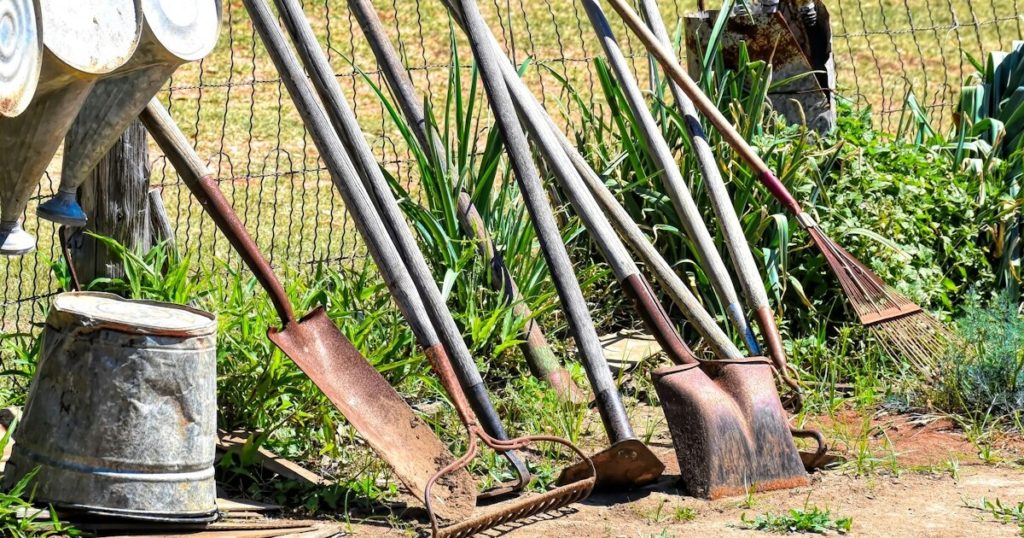
Clean tools work better and last longer—rusty shovels and clogged pruners can turn simple tasks into frustrating ordeals. Before summer’s full swing, sharpen blades, clean hoses and drip lines, and inspect fences, trellises, and raised beds for damage. A well-maintained toolset and infrastructure make gardening chores faster and more enjoyable!
Disinfecting pruners between uses helps prevent disease spread, especially important when dealing with summer’s humidity-driven fungal pressures. Secure and sturdy structures also protect climbing vegetables like cucumbers and tomatoes, ensuring plants don’t collapse under the weight of fruit. By keeping your gardening essentials in top shape, you create a reliable foundation for a productive and stress-free summer garden!
Monitor and Optimize Shade/Sun Exposure

As the sun climbs higher, areas that were previously cool may become too hot for shade-loving plants. Observe your garden in mid-June at different times of day to identify spots that receive scorching afternoon sun. You might need to redistribute containers or install temporary shade cloth to protect sensitive seedlings—tiny adjustments that can mean the difference between wilted leaves and vigorous growth!
Conversely, sun-loving vegetables and flowers may struggle in shady corners once they leaf out. Consider relocating pots or choosing shade-tolerant varieties like impatiens and hostas for darker spots. By tailoring plant placement to evolving light conditions, you’ll reduce frustration from sunscald or stunted growth and ensure every plant thrives in its ideal microclimate!