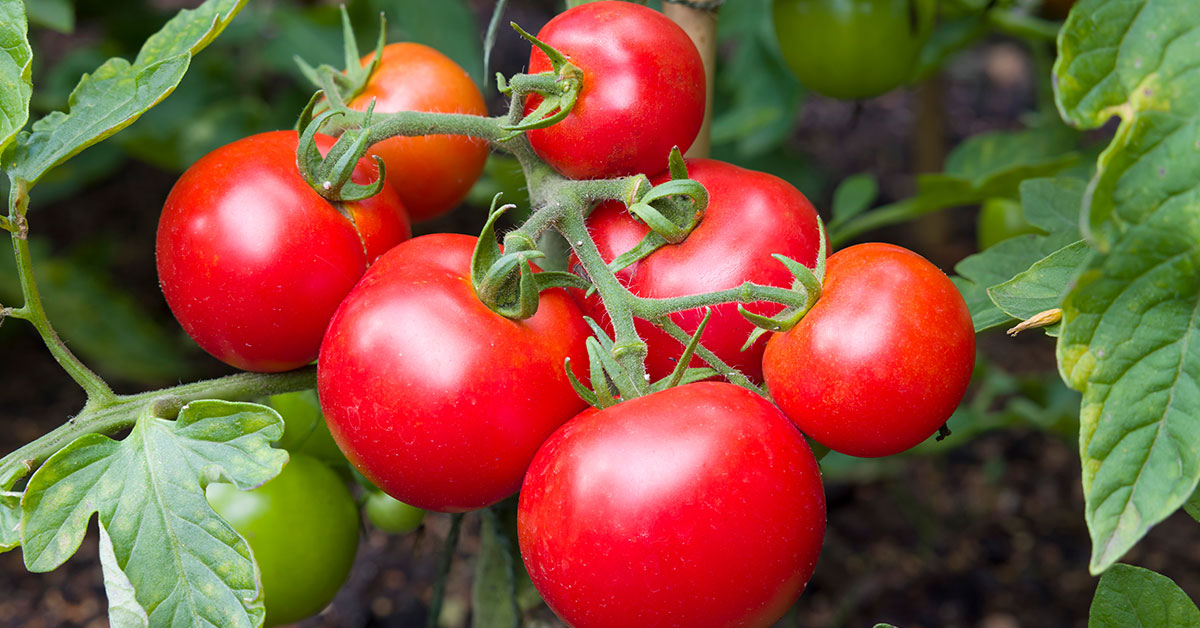

August is peak tomato season, and there’s nothing like strolling into the garden at dawn to find clusters of ripe, sun‑warmed fruits bursting with flavor. Tomatoes (Solanum lycopersicum) hail from western South America, where their wild relatives still thrive in Andean foothills. Cultivated varieties have spread around the globe, sometimes escaping into waste places—but that vigor is exactly what we harness in our beds! It’s such a bummer when you’ve coddled your plants all summer only to see blossoms drop during a heatwave or fruits crack from uneven watering.
I know how frustrating it is to tend your vines diligently and still feel like you’re only scratching the surface of what they can yield. One of my favorite parts of August gardening is discovering hidden green shoulders turning red as the sun rises! These twelve strategies—from companion planting to precise pruning—will help you coax every last ounce of productivity and richness from your tomato patch. Let’s dive in and make this month your most bountiful yet!
Harvest Regularly to Encourage Production

Picking your tomatoes as soon as they blush redirects the plant’s energy into producing more fruit rather than ripening existing ones. I love how early‑morning harvests not only yield the juiciest tomatoes but also reduce the chance of birds and squirrels making off with your hard work! Plus, by removing ripe fruits, you keep the foliage clear, allowing pollinators like bumblebees and native solitary bees to access fresh blossoms for nectar and nesting materials in adjacent mulch.
If you let tomatoes overripen on the vine, they not only become more prone to cracking but also signal the plant that its primary mission is done. Frequent, gentle harvesting—ideally every other day—keeps your vines in a perpetual fruit‑set cycle. It’s such a delight to see new clusters swell just days after a good pick, especially when you’ve taken care to support those trusses properly!
Provide Partial Shade During Extreme Heat

Tomatoes adore warmth, but when daytime temperatures soar above 90°F, they can abort blossoms and halt fruit set. Erecting shade cloth over the midday sun or planting sun‑loving annuals like zinnias on the western edge of the bed gives your vines a welcome respite. Those bright blooms also attract hoverflies and parasitic wasps, which often nest in the soil or plant debris, helping control aphids and caterpillars!
A little dappled shade in the afternoon helps prevent sunscald on ripening fruits, preserving their glossy appearance and sealing in sugars. I once lost half a crop to sunburned shoulders before learning this trick—now my tomatoes come off the vine smooth and unblemished, even during heatwaves!
Prune Suckers and Manage Foliage
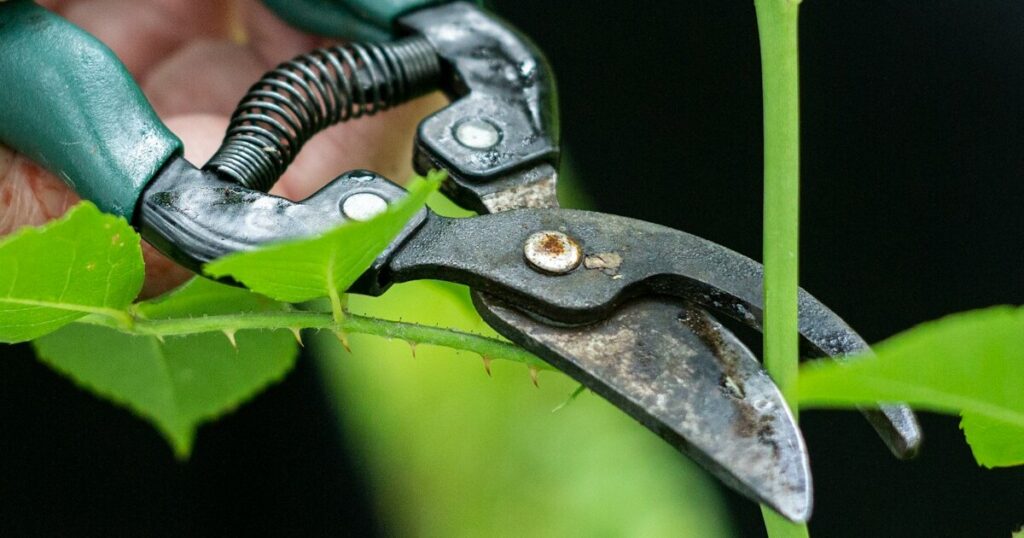
Removing side shoots (suckers) that emerge in the leaf axils redirects nutrients and sap to fruit production rather than excessive green growth. This also improves air circulation through the canopy, reducing humidity and lowering the risk of fungal diseases like early blight. It’s such a confidence booster to see clear skies under the leaves, knowing that beneficial ground beetles can patrol the soil unimpeded!
While pruning, be mindful of nesting insects: solitary bees and ground dwelling spiders sometimes set up home in the leaf litter and lower stems. Tidy cuts and careful removal of debris ensure you’re not disturbing their shelters—maintaining a healthy balance of predators that keep pest populations in check!
Mulch to Conserve Moisture and Keep Roots Cool
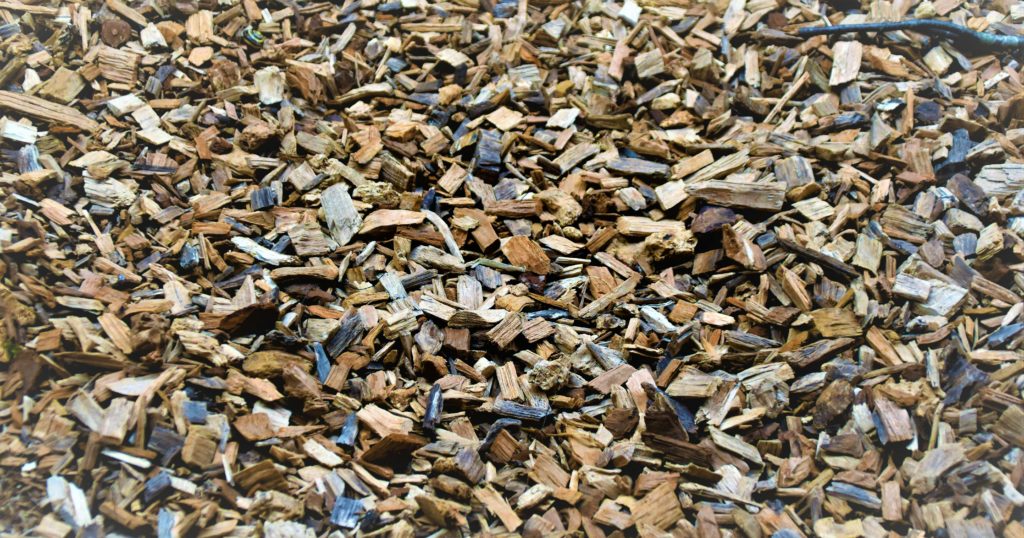
A thick layer of straw, shredded leaves, or grass clippings around your tomato plants locks in soil moisture, preventing the “wet‑dry” cycles that cause fruit splitting. Mulch also insulates roots against midday heat, ensuring consistent uptake of water and nutrients. I love how mulch breaks down over the month, feeding earthworms and springtails that aerate the soil and enrich it for next season!
Mulching creates microhabitats for beneficial insects like rove beetles and predatory mites. These helpers nest beneath the organic layer and emerge to feed on slugs, thrips, and other tomato foes. Just be sure to leave a small gap around each stem to avoid crown rot and allow good air flow!
Support Vines with Cages or Stakes
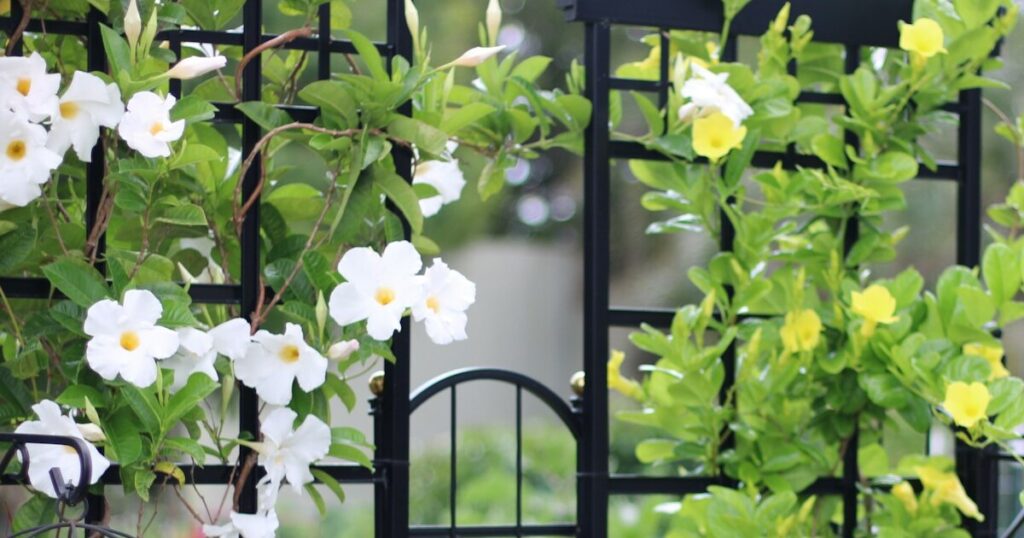
Keeping vines upright prevents fruits from contacting the soil, where they can rot or become slug magnets. Sturdy tomato cages or tall stakes also allow you to tie up new growth, making pruning and harvest easier. One of my favorite setups is a simple trellis of twine—tomatoes native to South America can climb surprisingly well when given vertical support!
Well‑supported vines also maintain better light exposure for all leaves, which helps pollinators like bumblebees and honeybees find blossoms more easily. These insects sometimes nest in the loose soil beneath the plants, so an open, airy trellis setup fosters both fruit set and beneficial insect habitat.
Feed with Balanced Fertilizers
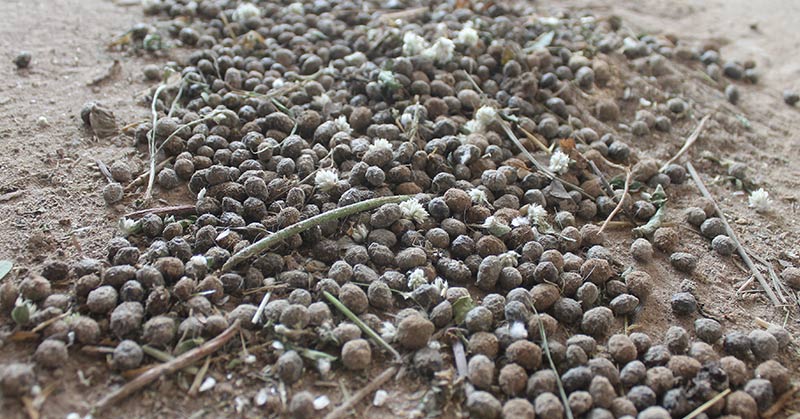
August is a heavy‑feeding month for tomatoes, as they juggle fruit ripening and setting new blossoms. A balanced fertilizer—higher in phosphorus and potassium—encourages strong root systems and sweet, flavorful fruits. Slow‑release granules or organic options like fish emulsion give a steady supply of nutrients without burning the roots. I know how discouraging it is to watch yellowing leaves creep up the plant—this simple feed can revitalize your vines!
Fertilizers also influence the interactions of your tomatoes with soil microbes. A well‑nourished root zone supports mycorrhizal fungi, which form beneficial partnerships that improve water uptake and disease resistance. Those fungi create networks in the soil that ground nesting solitary bees and other insects weave through as they forage and nest!
Monitor for Pests and Diseases
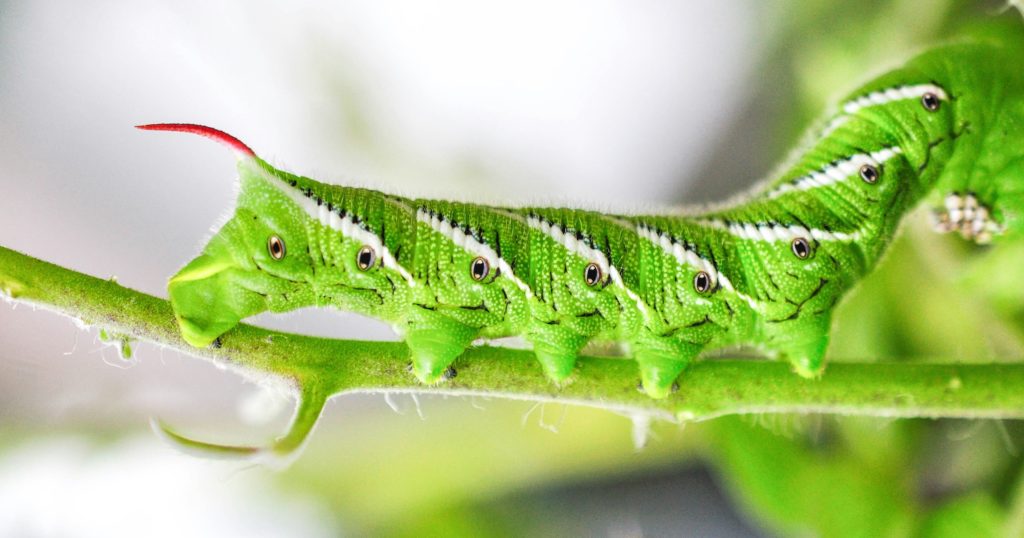
Routine bed checks—ideally every few days—help you catch hornworms, aphids, or bacterial spots before they spiral out of control. Handpicking larger pests and using insecticidal soaps or neem oil on early infestations keeps chemical use minimal. It’s such a relief to nip problems in the bud rather than finding defoliated branches when it’s too late!
During your inspections, look under leaves and at stem joints where pests often hide. By removing diseased foliage promptly, you maintain good airflow and preserve habitats for predatory insects like lacewings and lady beetles, which nest in the lower canopy and feed on the pests you’d rather not see.
Thin Fruit Clusters for Larger Tomatoes

When a cluster holds six or more developing fruits, consider removing the smaller ones so the plant concentrates resources on the biggest two or three. This practice yields larger, more uniform tomatoes that ripen evenly. I always feel a thrill when I see plump, glossy globes filling out after a thinning session!
Thinning also improves airflow between fruits, reducing humidity spots where fungal spores might germinate. Better air circulation means your crop supports a healthy population of beneficial pollinators and predatory insects, which nest among sturdy stems and in the rich mulch below.
Provide Consistent Deep Watering
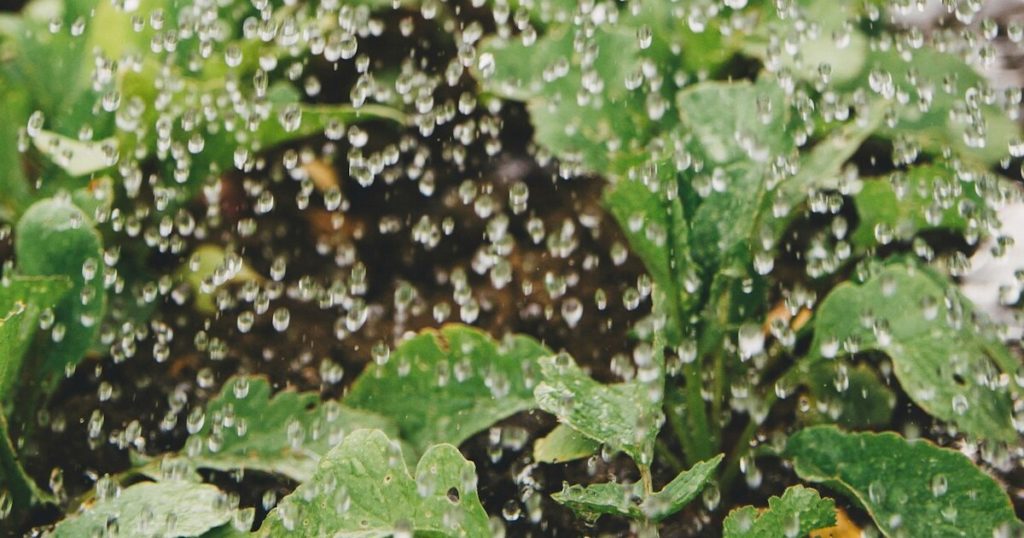
Tomatoes thrive on a “drink and rest” regimen—deep watering followed by a drying period. This encourages roots to explore deeply rather than staying near the surface. Early morning soakings with a soaker hose or drip irrigation ensure moisture reaches the root zone without wetting foliage, which can invite leaf diseases. It’s such a thrill to see even, crack‑free fruit after mastering this routine!
Consistent moisture also means fewer dry patches where slugs and snails might congregate to nibble at tomatoes. Keeping the soil uniformly damp—or slightly drying between waterings—helps beneficial ground beetles and sowbugs patrol the area without being overwhelmed by pest populations.
Side‑Dress with Compost or Manure

Around mid‑August, giving your vines a boost of rich compost or well‑aged manure replenishes organic matter and nutrients that heavy fruiting can deplete. This side‑dressing not only feeds tomatoes directly but also supports a diverse soil microbiome. I love watching earthworms bring that compost deeper into the soil, creating tunnels for water and oxygen!
A healthy soil food web benefits insects like predatory mites and springtails, which nest in the crumbly compost layer. These tiny allies keep thrips and other sap‑sucking pests at bay, making your beds more resilient and productive as the month winds on.
Pinch Off Top Growth Late Month to Focus on Ripening
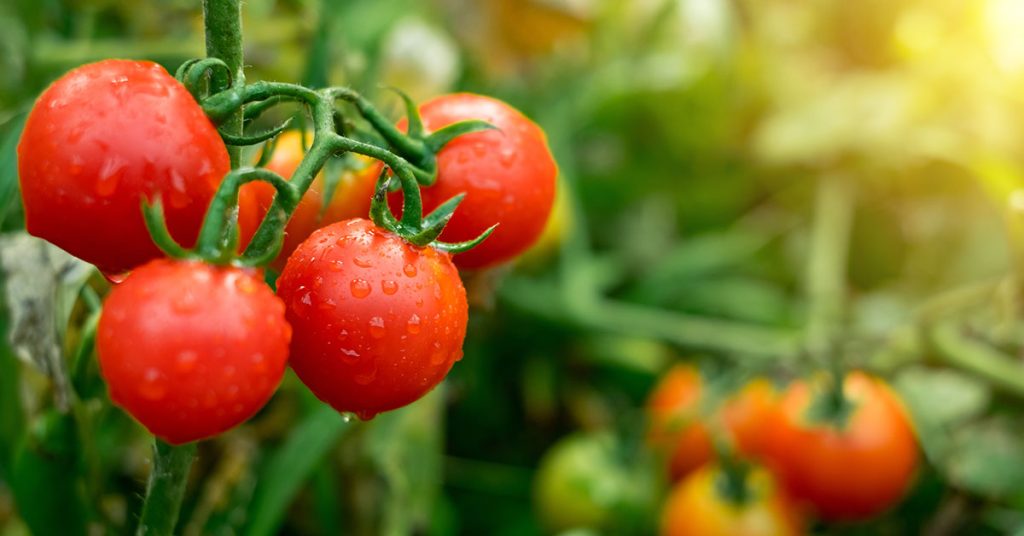
As August wanes, consider pinching off the growing tips of indeterminate varieties to signal the plant to devote energy to ripening existing fruits rather than producing new blossoms. This technique helps you collect the sweetest tomatoes before the season cools. I always feel a twinge of excitement when I see lush green vines give way to vibrant reds and yellows!
Pinching back also thins the canopy, letting bees and other pollinators easily locate remaining blossoms and ensuring you don’t miss any late‑season fruit set. Plus, a slightly open plant allows better airflow, reducing moisture pockets that invite fungal spores.