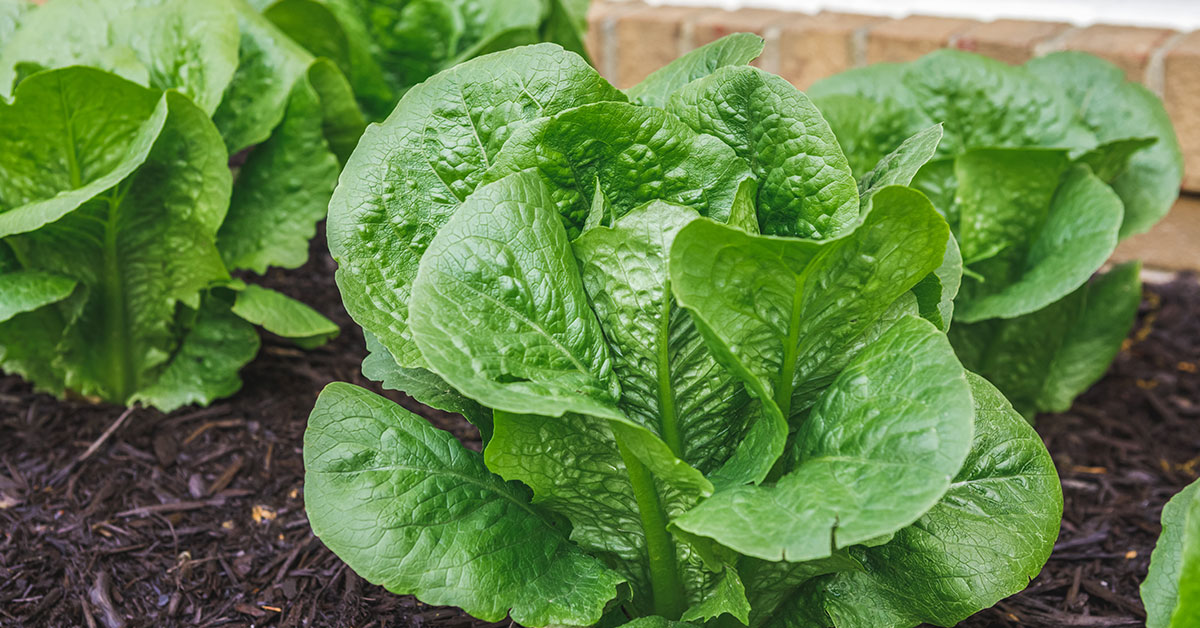

As a devoted gardener with a passion for sustainability, I’m thrilled to share with you a creative guide on how to breathe new life into kitchen scraps! Regrowing vegetables not only minimizes waste but also deepens your connection with nature. I’ve experienced firsthand how rewarding it is to see a simple kitchen leftover transform into a thriving plant that attracts beneficial insects and even offers charming spots for nesting! Every step in the process fills me with excitement and wonder, and I’m eager to help you discover the magic of regrowth in your own garden.
I know how disheartening it is when your favorite plants wither away or when pests invade your carefully tended plots, so this guide is especially for you! In the following sections, I dive into the fascinating world of regrowing vegetables—from the origins of each plant to their native habitats and even notes on their invasive tendencies. Whether you’re looking for a burst of color in your garden or a way to make your meals extra fresh, these tips will inspire you to keep your green thumb busy and your heart light with hope and enthusiasm!
Bok Choy
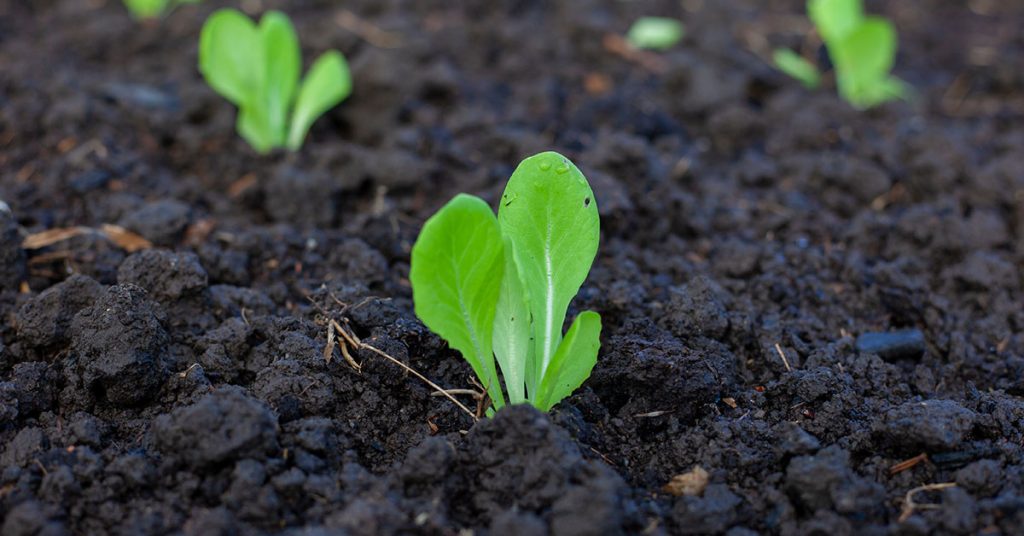
Bok choy is a versatile vegetable that brings an exciting crunch to stir-fries and salads, and you can regrow it from its base to enjoy fresh, homegrown greens repeatedly. Originally native to China, bok choy has become a cherished ingredient worldwide, celebrated for its crisp texture and mild flavor. Although it isn’t notorious for becoming invasive, its rapid regrowth in warm, humid conditions can sometimes surprise even experienced gardeners. I’ve found that placing the base in water and keeping it in a sunny spot leads to a robust crop of new leaves, which in turn invite beneficial insects for pollination and even provide a safe haven for small garden critters!
Watching bok choy regrow is a joy that never loses its charm. Each time it sprouts, I marvel at how the plant rejuvenates itself, offering a consistent supply of nutritious greens that brighten up my meals! I know how frustrating it is when pests take over your garden, but bok choy’s quick recovery helps it bounce back faster than expected! This resilience not only enhances its culinary appeal but also makes it a reliable choice for any gardener eager to reduce waste while nurturing a lively ecosystem.
Carrot Tops

Carrot tops are a delightful reminder that even discarded parts of our vegetables have hidden potential. Although you won’t get a new carrot from these greens, you can regrow them into a verdant garnish full of flavor and texture. Native to regions of Europe and southwestern Asia, carrots have been a staple in human diets for centuries, and regrowing their tops reconnects us with a rich agricultural history. While not typically invasive, carrot greens can attract a host of beneficial insects, which sometimes use the foliage for nesting, adding a lively buzz to your garden!
In my own garden, I’ve observed how carrot tops respond eagerly to a little water and proper sunlight, quickly sprouting vibrant green leaves that enhance salads and smoothies. The process is as gratifying as it is sustainable, and the sprouting leaves often create microhabitats that attract tiny pollinators and ladybugs. This natural interplay of life and growth always reminds me why gardening is such a cherished hobby—it’s a continuous cycle of renewal and delight!
Potatoes

Potatoes regrown from scraps are one of the most satisfying projects in my gardening repertoire. By taking a potato with sprouting eyes and planting it in soil, you can watch as new shoots burst forth, eventually leading to a full crop of tubers! Native to the Andean region of South America, potatoes have journeyed far to become a staple food worldwide. They’re not known for being invasive, but in the right conditions, their vines can spread and create a mini-greenhouse effect that attracts pollinators and even provides sheltered spots for tiny nesting birds!
There’s a special thrill in repurposing what many would discard, and potatoes offer a brilliant example of sustainability in action. In my garden, I’ve seen how a simple potato scrap can transform into a robust plant, symbolizing hope and the marvel of nature’s regenerative power. Even when pests try to take over, the resilience of the potato plant never fails to amaze me—it’s a constant reminder that with a bit of care, nature always finds a way to flourish! The process is a delightful blend of science and serendipity, making every harvest feel like a personal triumph.
Lettuce
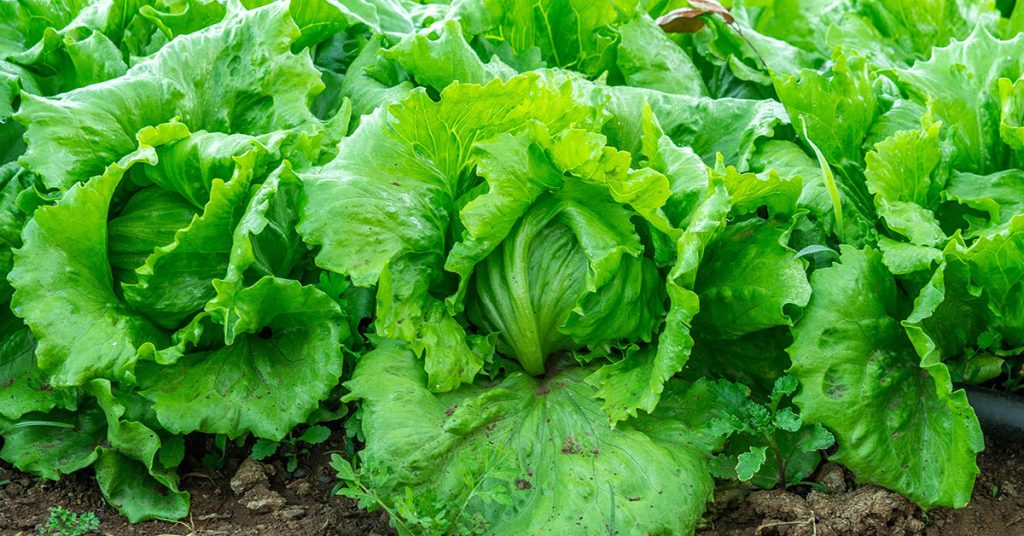
Lettuce regrowth from scraps is one of the most gratifying experiences for any gardener. By placing the base of your lettuce in a shallow dish of water, you can watch new leaves unfurl as if they were waving hello to the world! Originally hailing from the Mediterranean region, lettuce has been cultivated for millennia and continues to be a garden favorite. While lettuce isn’t considered invasive, its rapid, leafy expansion can sometimes overwhelm smaller garden spaces if not managed properly. I love seeing how these leaves not only replenish your salad bowl but also create a microhabitat that attracts beneficial insects and even offers a temporary nesting spot for some local critters!
I recall many evenings spent marveling at the resilience of regrowing lettuce in my garden. The fresh, crisp leaves evoke memories of sunny days and delicious, healthy meals. For those of us who’ve ever been frustrated by plants that fail to thrive, regrowing lettuce offers hope and a fun way to experiment with natural processes. It’s always a treat to watch something you care for bounce back into life, and these leafy greens add a gentle charm that brightens every corner of my gardening space!
Sweet Potatoes
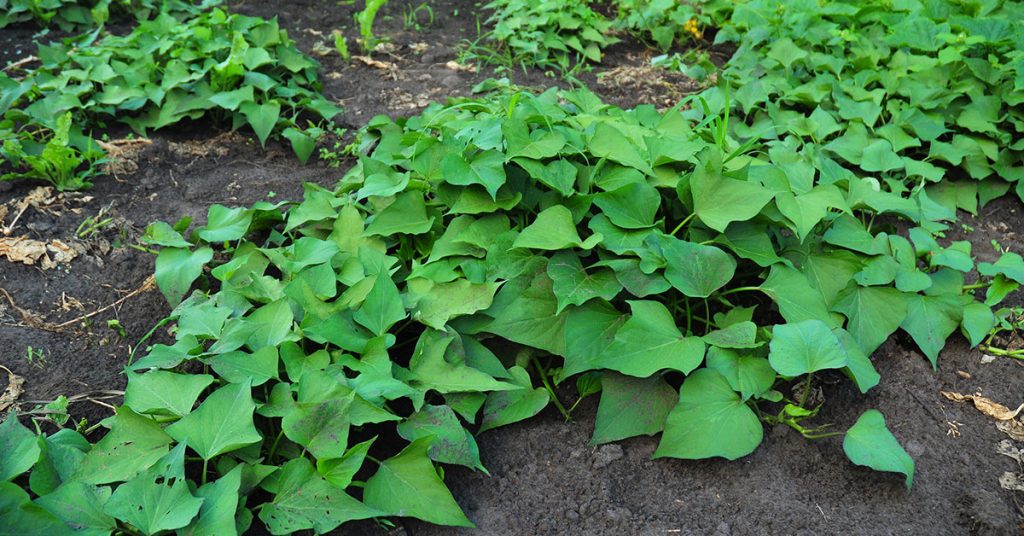
Sweet potatoes are a real treat for any home gardener, offering not only delicious tubers but also the opportunity to regrow them from scraps. When you place a sprouted sweet potato in water, you can coax out “slips” that eventually grow into brand-new plants! Native to tropical regions in the Americas, sweet potatoes have found their way into diverse cuisines around the globe. In certain climates, they can be invasive if left unchecked, rapidly spreading through their vigorous vine growth, so it’s important to manage them carefully. I find it fascinating how their sprawling vines create cozy nesting spots for small insects and sometimes even provide cover for tiny amphibians!
I remember the first time I regrew a sweet potato in my garden—its energetic vines and bright foliage brought an unexpected burst of life and color to an otherwise quiet corner! Nurturing these slips is incredibly satisfying, and watching them extend their tendrils across the soil feels like an embrace from nature itself. Every time I see those green vines, I’m reminded of the joy that comes from reusing what might otherwise be thrown away, making my gardening journey both fun and environmentally friendly!
Bell Peppers
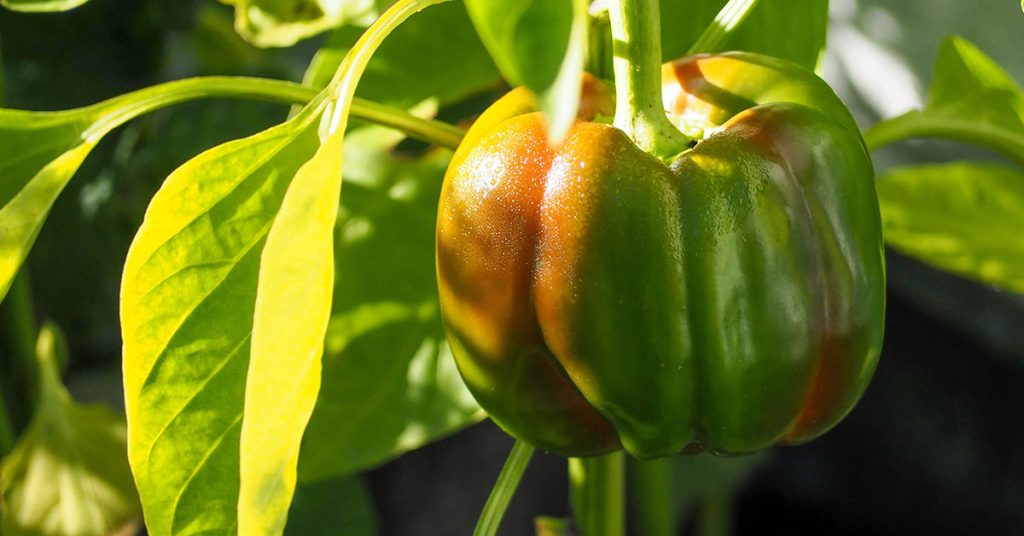
Bell peppers, with their vibrant colors and sweet, crisp flavor, can also be regrown from scraps, adding a splash of excitement to your garden and kitchen alike. When you save a portion of a pepper and nurture its seed or even its remnants, you may be pleasantly surprised by the sprouts that emerge! Native to Central and South America, bell peppers have journeyed far beyond their original habitats and have become a beloved vegetable around the globe. While they are not typically invasive, in optimal conditions, their vigorous growth can create a mini ecosystem that attracts beneficial insects and sometimes even serves as a backdrop for small nesting birds!
In my own gardening adventures, I’ve enjoyed the playful unpredictability of regrowing bell peppers. The process is a delightful mix of science and nature, where a tiny scrap can turn into a bountiful burst of color and flavor! I completely understand the disappointment when a crop fails, so seeing bell peppers bounce back with such resilience is both uplifting and encouraging. It’s truly remarkable how nature surprises you at every turn, filling your garden with life and energy!
Garlic
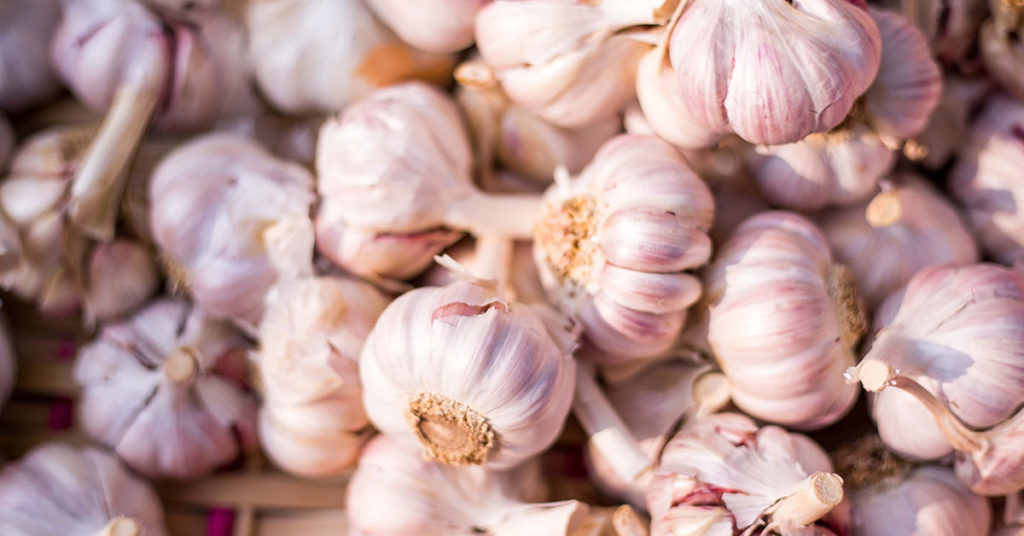
Garlic is a true kitchen and garden hero, capable of regrowth from a single clove. When you plant a clove in soil or even keep it in a moist environment, it can sprout into a new garlic plant that is both fragrant and useful in countless recipes. Originally native to Central Asia, garlic has a storied past and is celebrated in many cultures for its robust flavor and medicinal properties. It generally stays well-behaved in a garden, rarely spreading uncontrollably, though its underground bulbs can sometimes create a dense clump that attracts soil-dwelling critters looking for a safe nesting spot!
My experience with garlic regrowth has been both enlightening and rewarding. There’s something magical about watching that little clove burst into life, its shoots reaching upward with determination! In my garden, garlic often becomes a focal point, not just for its culinary uses but also for its ability to attract beneficial insects and even small birds that help control pests. This natural symbiosis between plant and wildlife is one of the many reasons I find gardening so inspiring—it reminds me that every small beginning holds immense potential!
Radish Greens
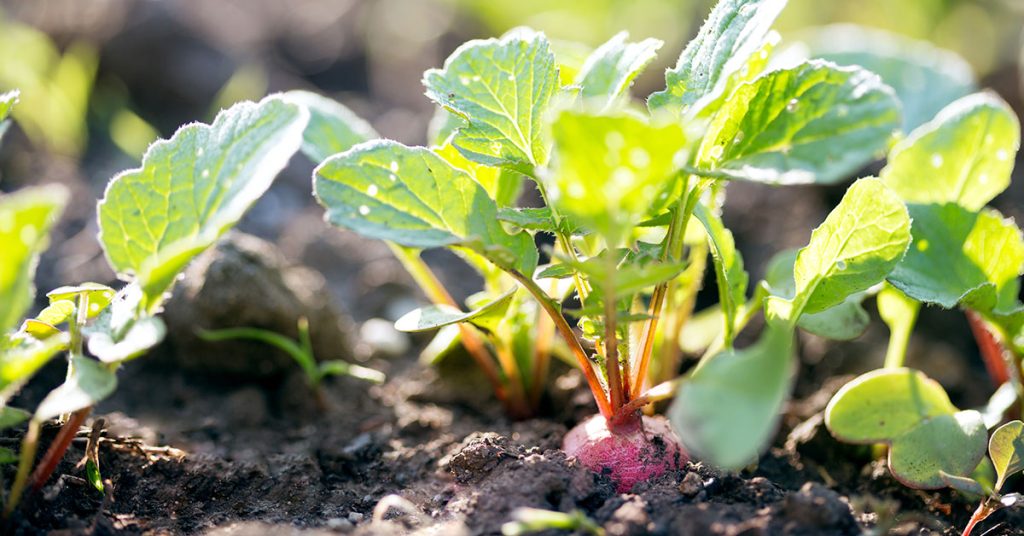
Radish greens, often overlooked when you discard the radish, have a surprising ability to regrow and add a burst of flavor to your dishes. Placing the radish top in a small container of water is all it takes to see vibrant new leaves emerging, a process that never ceases to inspire me! Radishes are native to parts of Europe and Asia, and while they typically don’t exhibit invasive behavior, their rapid leaf production in optimal conditions can sometimes create a welcoming microenvironment for beneficial insects and even small garden critters seeking shelter and nesting spots.
I find the regrowth of radish greens particularly uplifting on days when my garden seems a bit lackluster. There’s something profoundly reassuring about watching these leafy greens flourish from what was once considered mere waste. Their crisp, peppery flavor adds an exciting twist to salads and garnishes, and their vibrant growth serves as a gentle reminder that every part of a plant has value. Whether you’re a seasoned gardener or just starting out, radish greens are a delightful way to add both flavor and life to your gardening adventures!
Celery
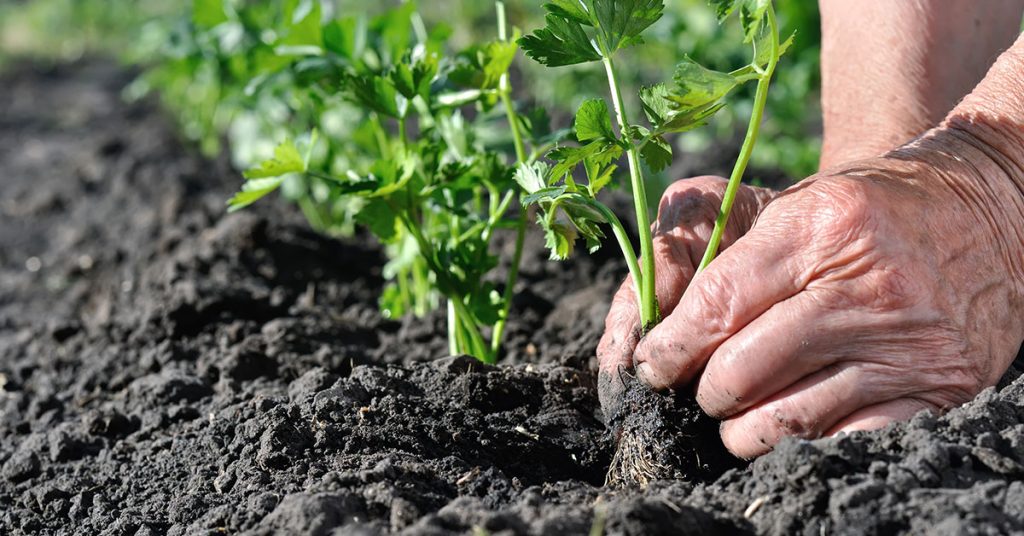
Celery is a fantastic vegetable to regrow from scraps, bringing a crisp texture and refreshing flavor back to life right on your countertop. When you save the base of a celery stalk and submerge it in water, you’ll soon be greeted with the emergence of new shoots—a process that fills me with awe every time! Native to the Mediterranean and parts of Asia, celery has long been appreciated for its nutritional benefits and distinctive taste. Although celery itself is not invasive, its regrowth can attract a variety of beneficial insects that sometimes use the lush, fibrous leaves as ideal nesting grounds, further enhancing your garden’s ecosystem!
In my personal gardening journey, celery regrowth has been a delightful and educational experience. It’s amazing to witness how a seemingly discarded part of a vegetable can transform into a vibrant display of greenery that not only spices up your meals but also contributes to a lively garden habitat. I know how disheartening it can be when pests wreak havoc on your carefully tended garden, but celery’s quick recovery is a perfect example of nature’s resilience and generosity. Every new sprout is a small celebration of renewal and hope!
Leeks

Leeks are an underrated vegetable that offer a wonderful opportunity for regrowth from kitchen scraps. With just the white base left over from your cooking, you can plant and nurture a new leek that gradually develops tender, flavorful shoots. Believed to have roots in the Mediterranean region, leeks have been a favorite in European kitchens for centuries. While they aren’t generally classified as invasive, their steady growth can sometimes provide a welcoming nesting spot for beneficial insects, which in turn help to protect your garden from unwanted pests.
I’ve always been fascinated by the subtle elegance of leeks and their ability to bring depth to any dish. The regrowth process is surprisingly simple, and it fills me with excitement each time I see that small base transform into a fully fledged plant! For any gardener who’s ever felt let down by a failed cultivation attempt, leeks remind you that persistence and a little care can go a long way. Their modest charm and steady growth contribute not only to delicious meals but also to a healthier, more dynamic garden ecosystem!
Cabbage
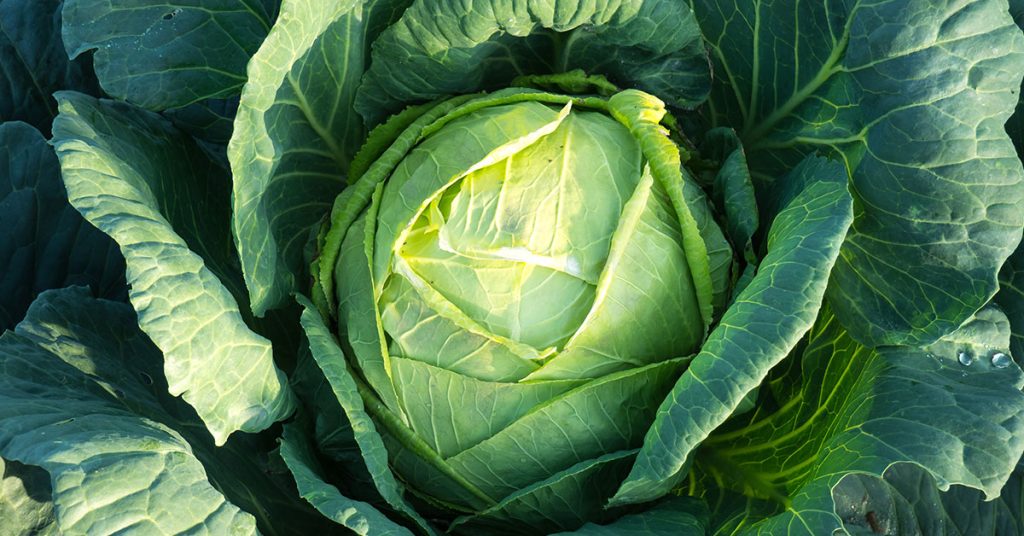
Cabbage regrowth from scraps offers an exciting way to recycle your kitchen leftovers while enjoying fresh, crunchy greens all season long. By saving the base of a cabbage head and placing it in water, you can witness new leaves emerging in a manner that is both gratifying and visually appealing! Cabbage is native to regions of Europe and Asia, with a long history as a staple in many diets around the world. Although it is generally not considered invasive, the rapid growth of new leaves in favorable conditions can sometimes encroach on smaller garden plots, especially when nature’s little helpers find the environment ideal for nesting!
In my garden, regrowing cabbage has always been a rewarding experiment. I cherish the way its leaves unfurl with a graceful exuberance, as if they are celebrating every new day! It’s such a joy to see this humble vegetable bounce back, creating a mini oasis that attracts beneficial insects and sometimes offers a safe nesting site for tiny, winged pollinators. For those of us who appreciate a blend of tradition and innovation in gardening, cabbage regrowth is a fantastic way to honor the past while embracing sustainable practices!
Green Onions
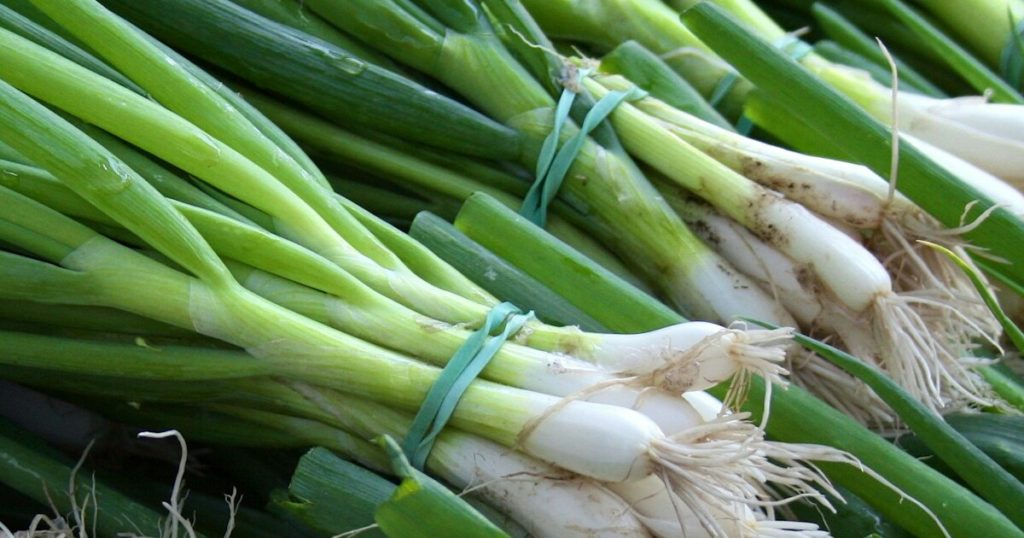
Green onions, also known as scallions, are a kitchen favorite that you can regrow effortlessly from their roots. Simply placing the white base in a glass of water will encourage fresh green shoots to emerge, providing you with a continual supply of flavor for your culinary creations. Believed to have originated in Asia, green onions have quickly become popular worldwide thanks to their rapid regrowth and delicate, grassy aroma. They are generally well-behaved in gardens, rarely becoming invasive, and their sprouting greens tend to attract beneficial insects that sometimes use the foliage as a safe nesting spot!
I have always found the regrowth of green onions to be an inspiring and lively process. In my experience, the moment those slender green shoots appear, it feels like a small victory—a testament to nature’s power of renewal! Their bright, energetic appearance not only enhances the flavor of my dishes but also adds a touch of natural beauty to my windowsill garden. For anyone who’s ever struggled with disappointing harvests, green onions are a simple, joyful reminder that sometimes all you need is a bit of care and a little patience to see remarkable results!