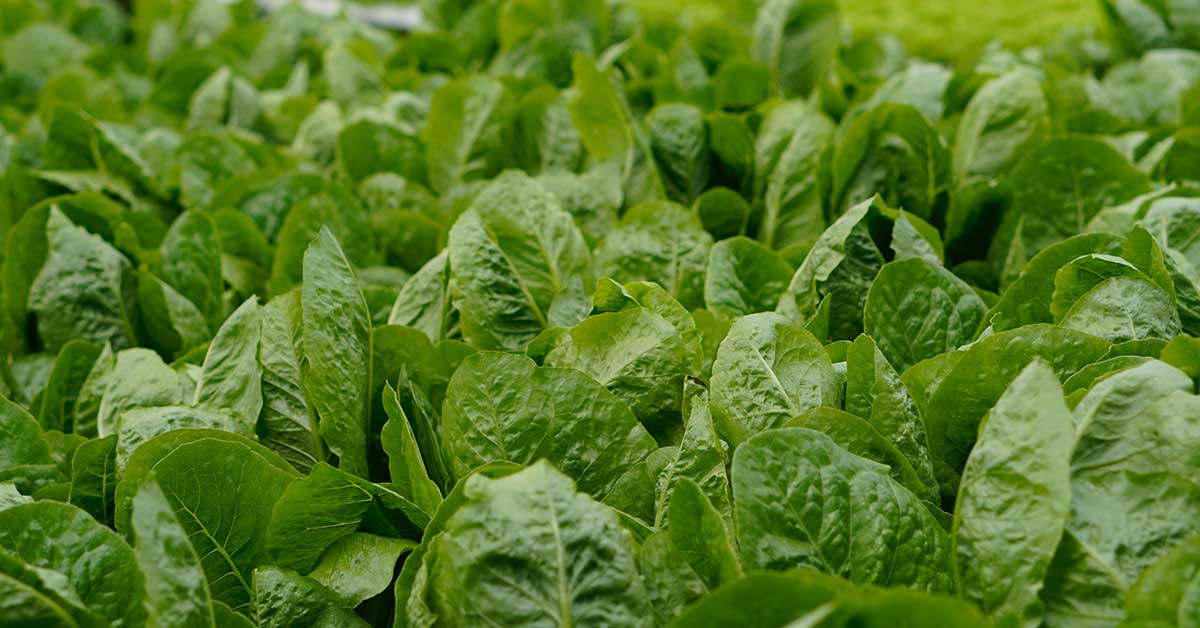

Growing your own veggies is one of the most rewarding parts of gardening—especially when the calendar flips to June and you’re rewarded with crispy, homegrown goodness! It’s such a thrill to see those first radishes pop up or to snip tender greens for a fresh salad. I know how a late spring cold snap can set you back, so I’ve rounded up a dozen reliable crops that, when sown early, will have you harvesting by June. Whether you’re a seasoned grower or new to home plots, these vegetables will have you celebrating summer’s arrival with your own tasty bounty!
I’m excited to share not only when to pick these veggies but also a bit about their habits, like how peas twine on supports or how kohlrabi’s swollen stem stores nutrients. I’ll also touch on origins—some of these veggies trace back to ancient Europe or Asia—and let you know if any have a reputation for spreading beyond their boundaries. So grab your trowel and let’s dig into these early-season stars!
Green Onions

Green onions, or scallions, are one of my favorite early-season triumphs! You can sow them as soon as the soil is workable, and in just 30–50 days you’ll be slicing those mild, oniony stalks into salads, soups, and stir-fries. They don’t need much space, making them perfect for containers or tight rows. Plus, their upright growth habit keeps them tidy and easy to harvest—just pull or snip at soil level!
Native to central Asia, green onions (Allium fistulosum) aren’t considered invasive, but they do readily self-seed if you let some plants bolt. I always pull a few flowers to prevent volunteer scallions popping up where I don’t want them. They’re a low-maintenance delight, and I love how their mild flavor introduces people to the joys of alliums without the tear-jerking bite of mature onions!
Spinach
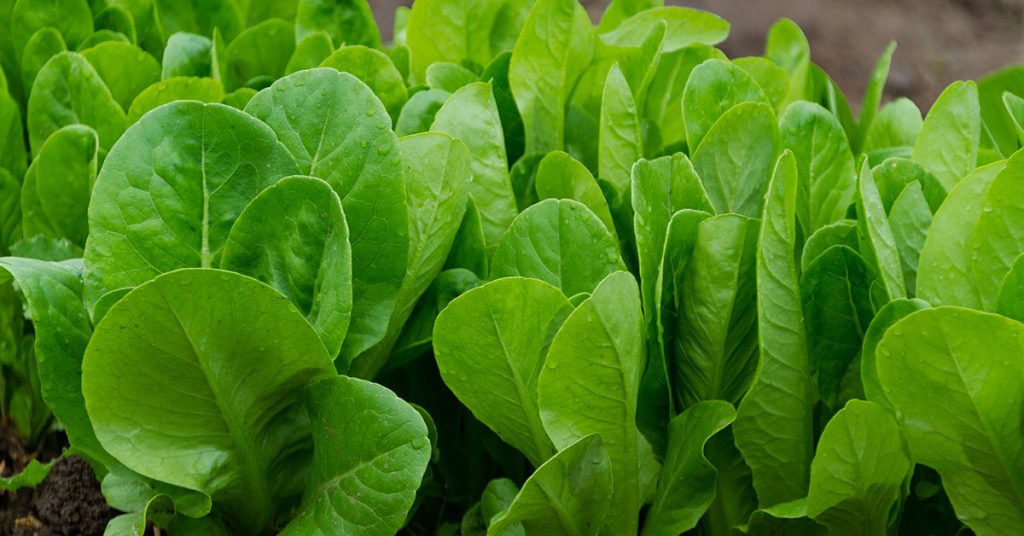
It’s such a bummer when your spinach bolts in the heat, but when you sow early you can feast on tender leaves by June! Spinach thrives in cool weather, forming lush rosettes of dark-green leaves that practically glow in the morning light. I often harvest baby leaves for salads, but full-sized leaves steam beautifully. This hardy green even attracts beneficial insects like hoverflies, which feed on aphids—so welcome them into your beds!
Spinach (Spinacia oleracea) hails from southwestern Asia and has been cultivated for over two millennia. It isn’t invasive in most home gardens, but in milder climates it can overwinter and pop up unexpectedly. I keep an eye on volunteers, thinning them to maintain vigor, and I always feel a sense of pride when those first edible leaves appear!
Kohlrabi

I remember the first time I sliced into a freshly dug kohlrabi—crisp as an apple, with a sweet, peppery zing! These globe-like stems develop in 45–60 days and make a delightful slaw or roast. They grow above ground, so you can spy their progress easily, and the strap-like leaves form a supportive canopy around the bulb, protecting it from sun scald.
Kohlrabi (Brassica oleracea var. gongylodes) originated in northern Europe, likely Germany, and isn’t generally invasive, although it can self-seed if flowers are allowed to form. I always pinch off blooms to direct energy into the bulb, ensuring a firm, juicy harvest. Watching those bulbs swell in my radish bed brings me so much joy!
Radishes

Few veggies reward you faster than radishes—just 20–30 days to crisp, colorful roots that pack a peppery punch! I tuck them between slower-germinating crops like carrots, and they help break up soil while keeping weeds down. Plus, when they bloom later, those tiny white flowers attract hoverflies and other beneficials.
Originating in Asia, radishes (Raphanus sativus) come in shapes from round to elongated, and hues from white to deep rose. They’re not invasive, though volunteers can pop up if you let seedpods dry. I always clear spent tops to keep things neat and enjoy those surprise seedlings in the fall bed cleanup—they remind me of spring’s magic!
Turnips
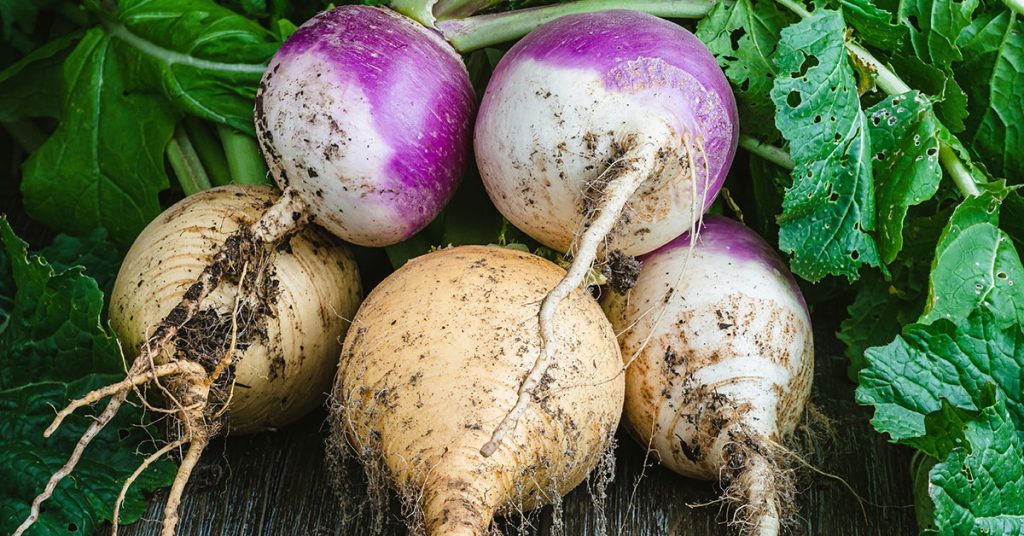
Turnips are such an under‐appreciated root—harvest them at 50 days for tender bulbs with a gentle flavor, perfect roasted or sliced raw into salads. Their foliage stays lush, and the purple-topped bulbs peek invitingly through the soil. I often leave a couple in the ground to bloom, and their bright yellow flowers are a haven for bees!
Native to Europe and western Asia, turnips (Brassica rapa subsp. rapa) aren’t usually invasive but will self-seed if flowers mature. I remove flowering stalks to focus energy on bulb growth. There’s nothing quite like digging up that first turnip of the season—crisp, sweet, and so satisfying!
Beets
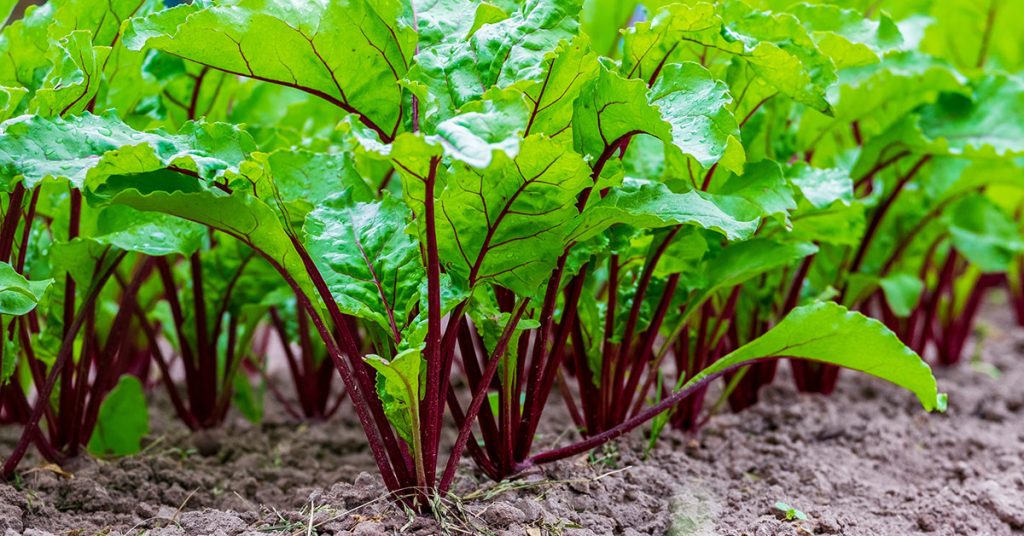
One of my favorite veggies to pull—beets offer both sweet roots and tender greens by June when sown in early spring! In just 55–65 days, you’ll have bulbs ranging from deep magenta to golden. Their foliage is equally attractive, attracting beneficial ladybugs that prey on aphids hiding underneath.
Beets (Beta vulgaris) trace back to the Mediterranean coast and aren’t considered invasive, though wild beet relatives can spread along coastal areas. I pinch off central flowers to prevent bolting and focus on bulb expansion. Those rosy roots sliced thin on a salad? Pure garden celebration!
Peas
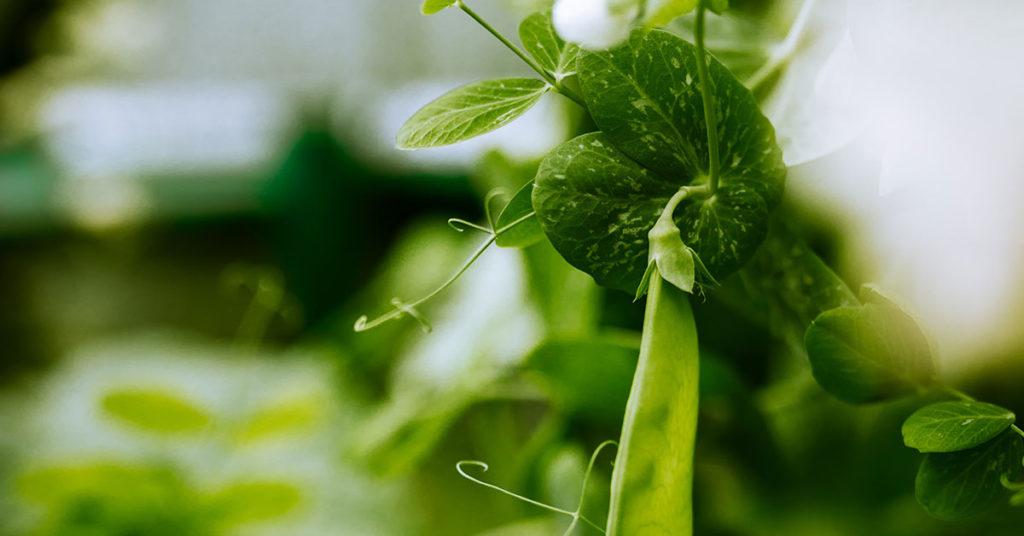
Peas are like nature’s candy—sweet, crunchy pods ready in about 60 days! When I plant sugar snaps or shelling peas in early March, their tendrils spiral around supports, creating a living lattice that delights both eye and harvest basket. They also fix nitrogen, enriching the soil for subsequent crops!
Peas (Pisum sativum) likely originated in the Near East and have been savored for thousands of years. They aren’t invasive but can reroot if seeds drop—a minor quirk I manage by gathering every pod. Watching those fragrant white or lavender blossoms turn into plump pods always fills me with anticipation!
Swiss Chard
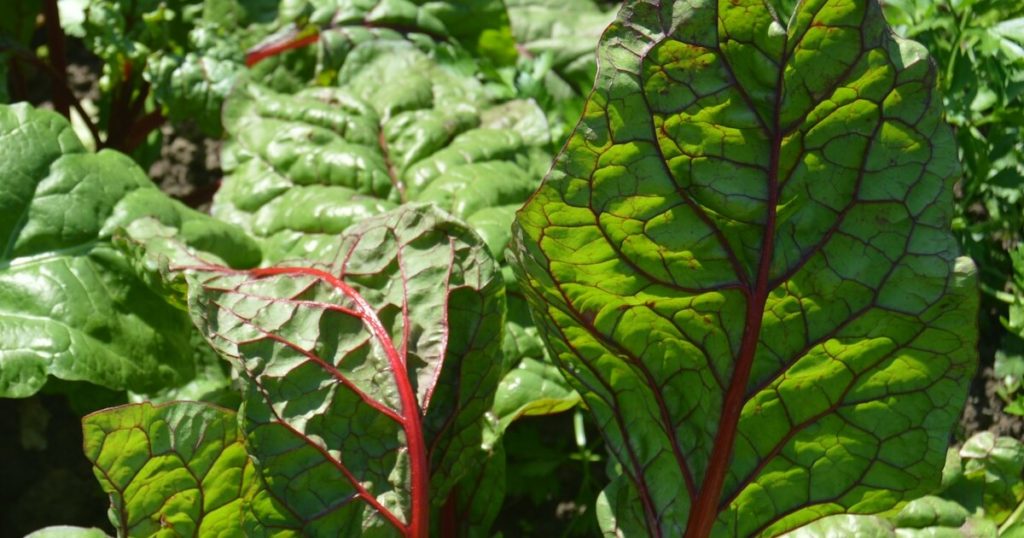
Swiss chard is a superstar for continuous cutting—by June, 50-day varieties produce large, crinkly leaves you can harvest again and again! I admire how its colorful veins range from crimson to sunshine yellow; they jazz up the garden and attract leaf-feeding butterflies whose caterpillars then become butterfly friends in my pollinator patch!
Chard (Beta vulgaris var. cicla) derives from wild sea beet on the Mediterranean shores and is not invasive, though it can persist if not removed. I regularly trim flower stalks to channel vigor into leaf production. There’s a special thrill in returning to the bed and finding another flush of these emerald leaves ready for dinner!
Arugula
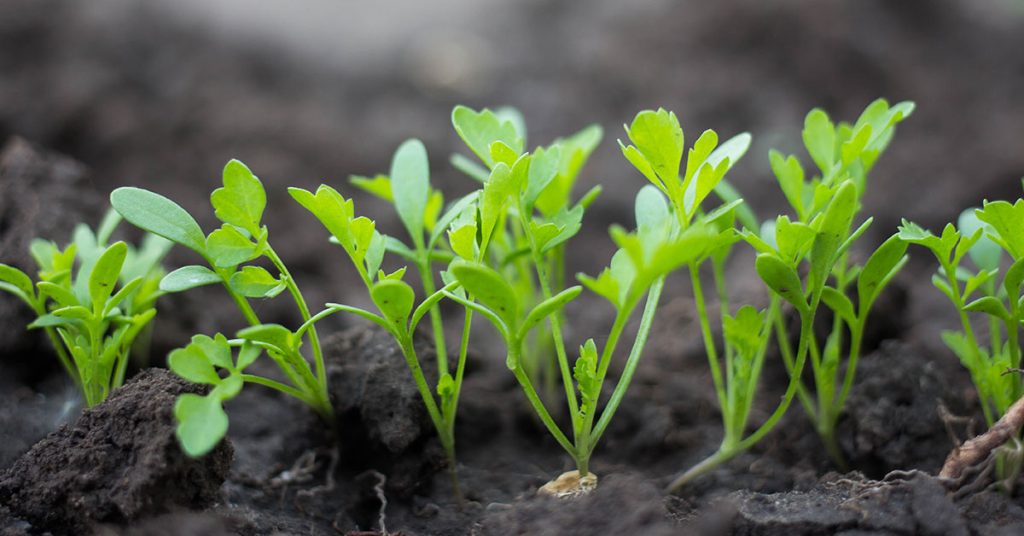
Peppery arugula rockets grow so fast—just 30–40 days to spicy leaves that give salads a delightful zing! I love sowing them in succession every two weeks; you can be snipping fresh greens for pesto by early June. When they bolt, the tiny white flowers invite pollinators, turning the bed into a buzzing hotspot!
Native to the Mediterranean, arugula (Eruca vesicaria) can be somewhat weedy if neglected, dropping seed everywhere. I pull spent flower stalks or let a few go to self-seed for fall crops. That bold flavor and delicate blossoms make me grin every time I sneak into the garden for a handful!
Leaf Lettuce
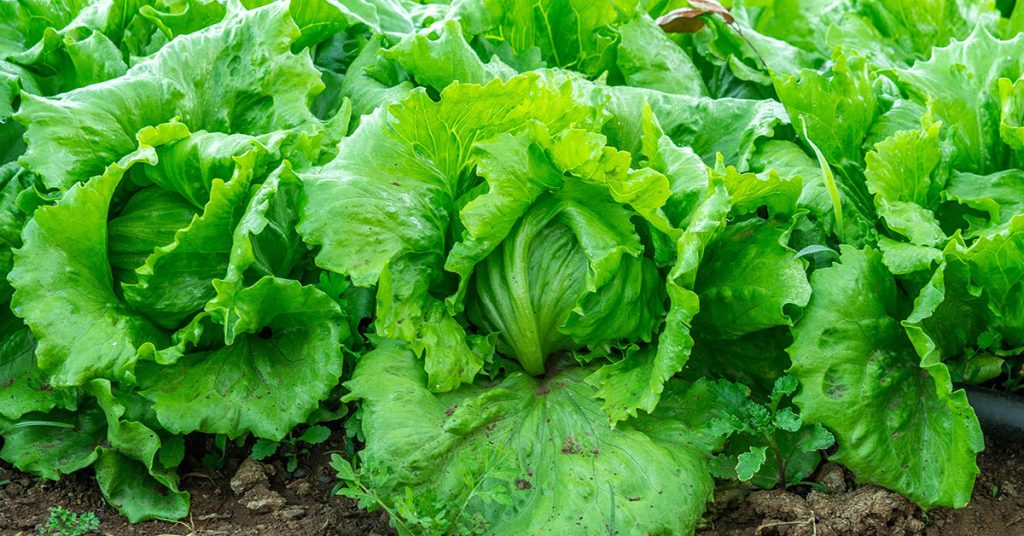
Few things beat the satisfaction of digging into a bed of leaf lettuce—sow in early spring, and in 45 days you’ll be harvesting frilly, colorful leaves for crisp salads! I scatter seed to create a loose patch, and the varied textures—from oakleaf to butterhead—transform my salad bowl into a garden-fresh masterpiece.
Leaf lettuce (Lactuca sativa) descends from wild lettuce in the Mediterranean and western Asia but isn’t invasive in home beds. If left to bolt, the tall flower stalks can tower over nearby veggies, so I remove them to keep things tidy. That first lettuce harvest tastes of spring itself!
Mustard Greens
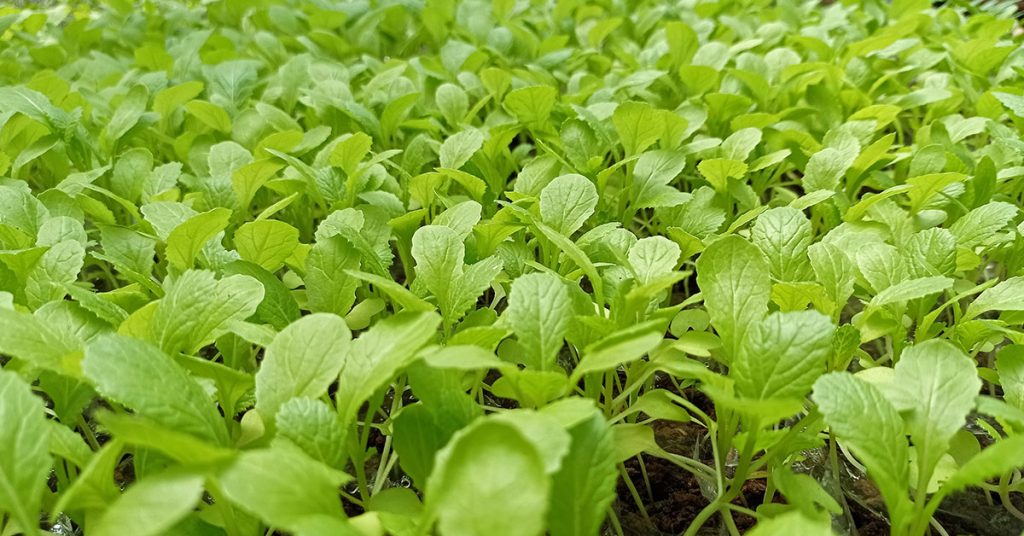
Mustard greens bring a spicy kick to stir-fries and salads—in just 40–50 days you’ll be snipping vibrant, deeply veined leaves. They form upright rosettes, shading soil and suppressing weeds, and those yellow flowers later on are a magnet for hoverflies hunting aphids.
Originally from Asia, mustard greens (Brassica juncea) can self-seed abundantly but don’t tend to become aggressive invasives. I pull flower stalks if I want pure leaf production, or let a few plants bloom to nourish local pollinators. Their bold flavor always perks up my spring menu!
Bush Beans
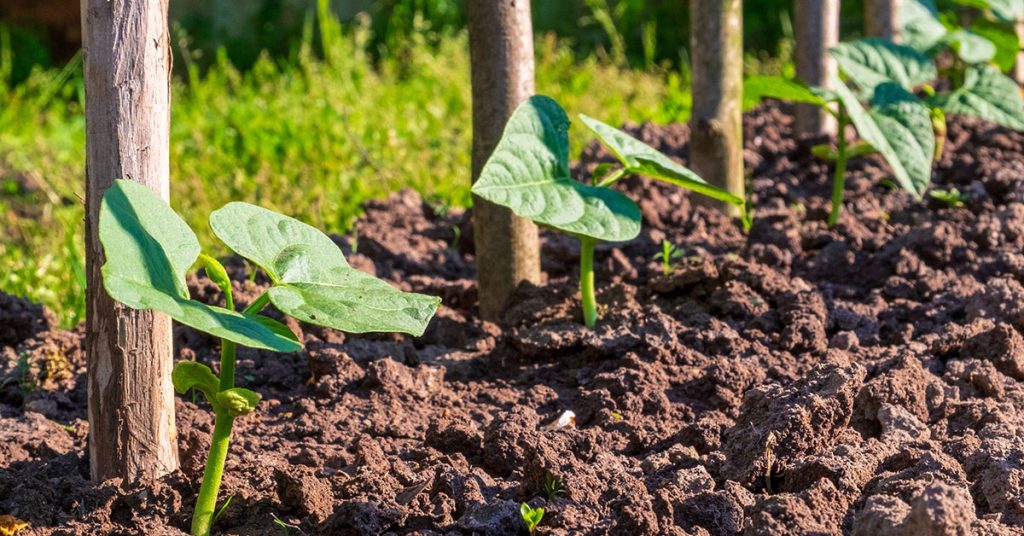
Bush beans are the home gardener’s go-to for early pods—plant in April, and by early June many varieties yield tender, straight-sided beans bursting with fresh flavor! Their compact habit keeps rows neat, and the white blossoms at each leaf axil draw in pollinators like bumblebees for better fruit set.
Common bean (Phaseolus vulgaris) hails from Central and South America and is non-invasive, though volunteers may appear if pods are left to mature. I pick off spent pods promptly to encourage more blossoms, and there’s nothing like that first handful of crisp beans lightly steamed with butter!