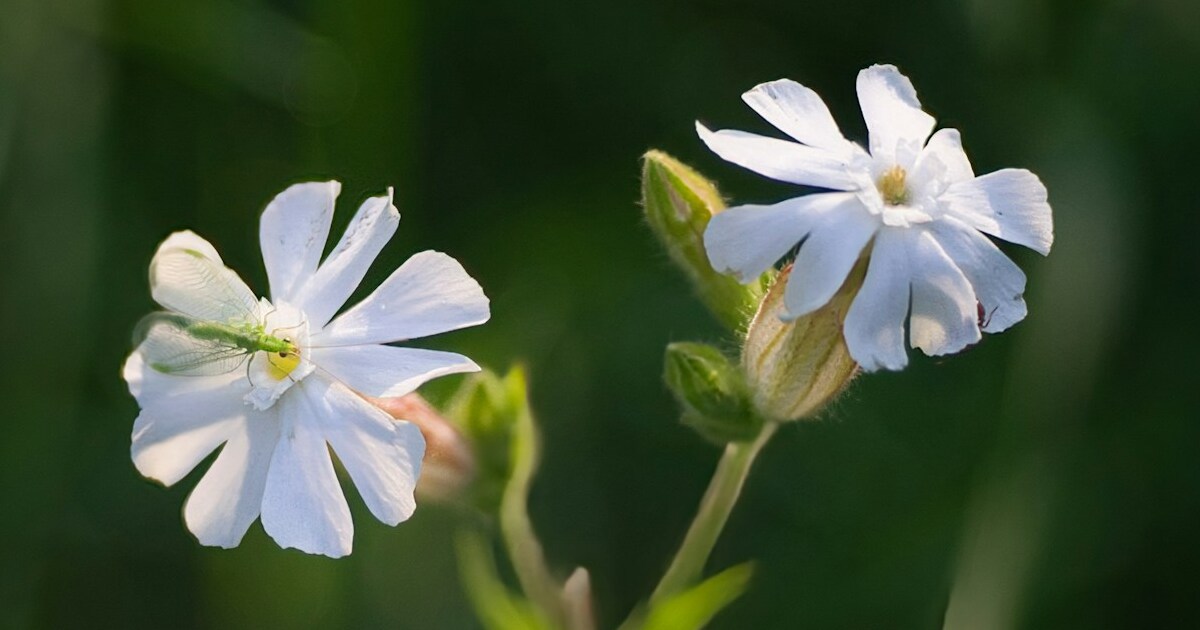

Beauty in the garden is not always obvious at first glance. Some of the most valuable plants for biodiversity, soil health, and pollinator support are considered “ugly” because they are wild-looking, scraggly, or lack the big, showy flowers that get all the attention. But appearances can be deceiving. Many of these overlooked plants play critical ecological roles and can transform your garden into a thriving habitat teeming with life.
By giving these so-called “ugly” plants a chance, you can boost pollinator activity, improve soil fertility, and provide food and shelter for birds, bees, and beneficial insects. These plants might not win beauty contests, but they are powerhouses when it comes to supporting your garden and the environment.
Joe-Pye Weed (Eutrochium purpureum)
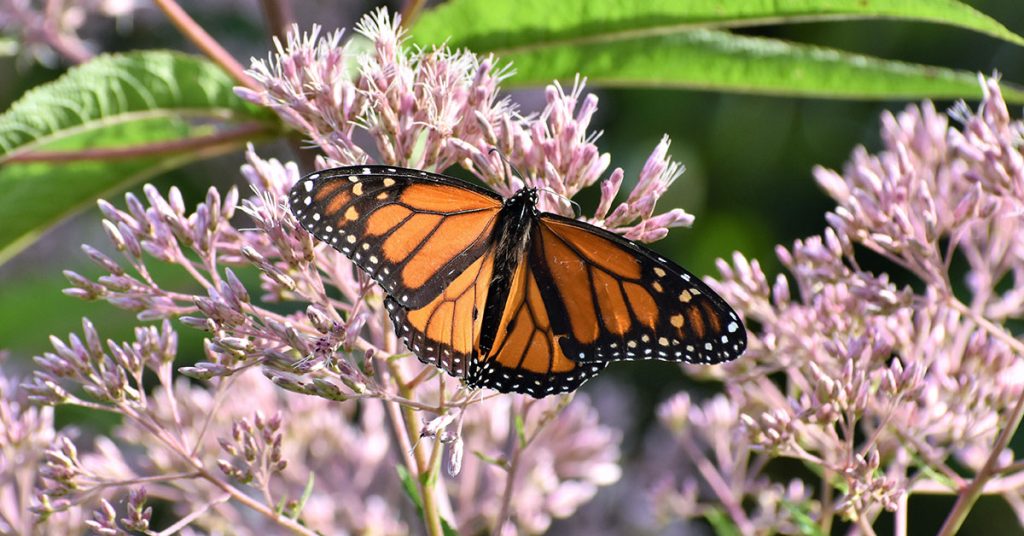
Joe-Pye weed often gets dismissed for its tall, weedy appearance, but this native perennial is a pollinator magnet you will not want to skip. It produces large, mauve-pink flower clusters in late summer and early fall, attracting monarchs, swallowtails, and dozens of native bees. When little else is blooming, Joe-Pye weed provides a critical nectar source that keeps pollinators thriving.
This plant can grow between 5 and 7 feet tall, so it is best suited for the back of garden beds or naturalized spaces. It thrives in moist, well-drained soils and full sun to partial shade. Despite its size, Joe-Pye weed is surprisingly low-maintenance and drought-tolerant once established. If you want a garden that truly supports wildlife, this “ugly” wildflower belongs in your yard.
Milkweed (Asclepias spp.)
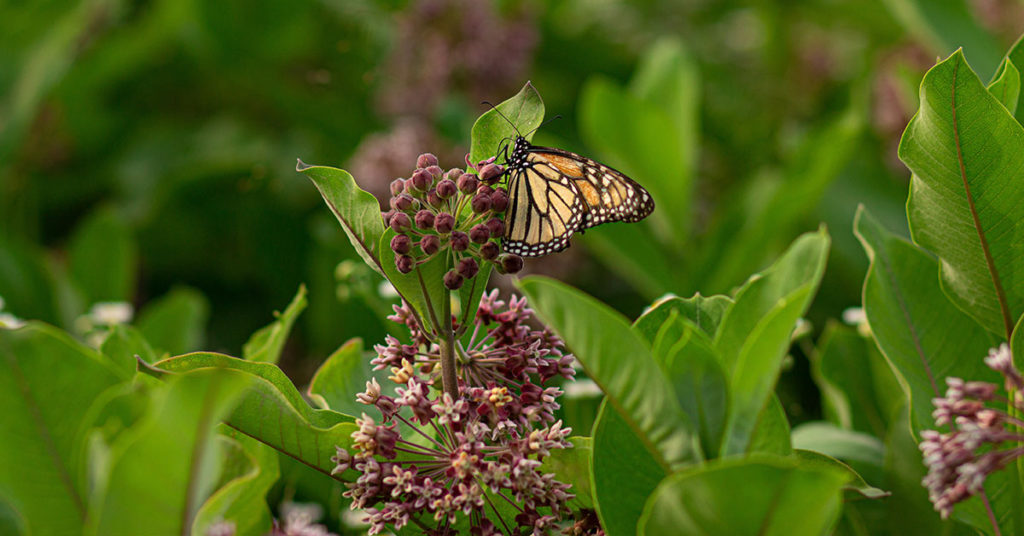
Milkweed’s lanky stems and unruly seed pods make it less showy than traditional ornamentals, but its ecological importance is unmatched. As the sole host plant for monarch butterfly caterpillars, milkweed is vital for supporting declining monarch populations. Its nectar-rich blooms also attract bees, hummingbirds, and other pollinators, making it a must-have for a healthy backyard ecosystem.
Milkweed thrives in a wide range of conditions, from dry fields to rain gardens, and comes in several species suited for different regions. Common milkweed, swamp milkweed, and butterfly weed all provide tremendous benefits to pollinators. While it may spread easily, that is part of what makes it so valuable for supporting wildlife. Give milkweed a sunny corner of your yard, and you will help sustain pollinators for years to come.
Goldenrod (Solidago spp.)
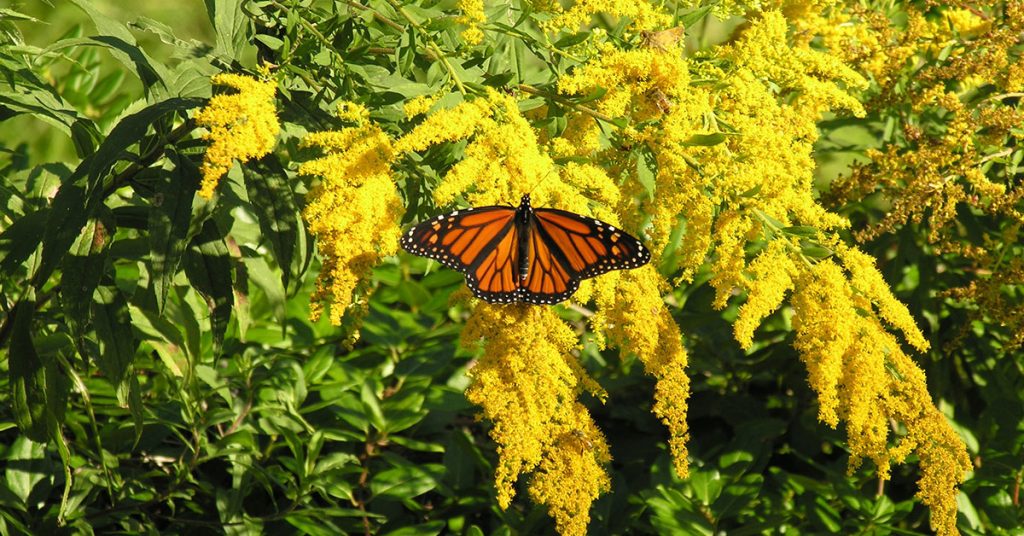
Goldenrod gets a bad reputation for causing allergies, but it is actually one of the most beneficial native plants for pollinators. Its bright yellow plumes bloom late in the season, providing vital nectar and pollen for bees, butterflies, and beetles when other flowers have faded. In fact, goldenrod supports more than 100 species of native pollinators and plays a key role in sustaining healthy ecosystems.
This tough perennial thrives in full sun and well-drained soils but can adapt to less-than-ideal conditions. While it can spread quickly, choosing clumping varieties helps keep it manageable in smaller gardens. Its tall, wispy growth pairs beautifully with ornamental grasses and fall-blooming perennials, adding late-season color and movement. Far from being a weed, goldenrod is a powerhouse plant every wildlife-friendly garden needs.
Common Burdock (Arctium minus)
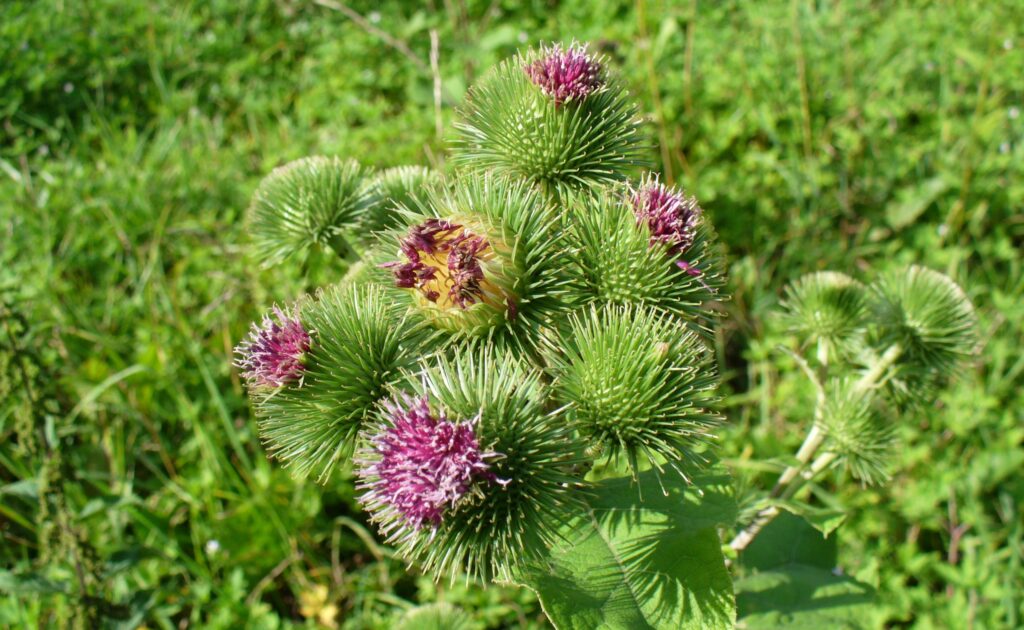
With its prickly burrs and coarse leaves, burdock rarely makes it onto anyone’s “beautiful plant” list. But this hardy biennial plays an important role in supporting pollinators and wildlife. Its purple thistle-like blooms attract bees and butterflies in midsummer, and its seed heads provide food for birds later in the season.
Burdock thrives in disturbed soils and low-maintenance areas, making it a good choice for naturalized edges and wild spaces. Its deep taproot also helps break up compacted soil and bring nutrients closer to the surface. While you may want to keep it away from high-traffic areas because of its sticky burrs, planting burdock intentionally in controlled spaces can benefit both your soil and your pollinators.
Stinging Nettle (Urtica dioica)

Stinging nettle may not sound like a plant you would want in your garden, but it is one of the most valuable native plants for wildlife. Its leaves provide food for the caterpillars of several butterflies, including red admirals and tortoiseshells, and its tiny flowers produce nectar that supports native bees. Nettles are also an incredible source of nutrients, both for the soil and for people, as they can be harvested and cooked into soups and teas.
This hardy perennial prefers moist, partially shaded areas and spreads quickly, so it is best grown in a contained space. Beyond supporting pollinators, stinging nettles improve soil fertility by accumulating minerals and organic matter. While gloves are a must when handling them, these “ugly” plants are one of the most underappreciated contributors to a thriving, balanced ecosystem.
Ragwort (Packera aurea)
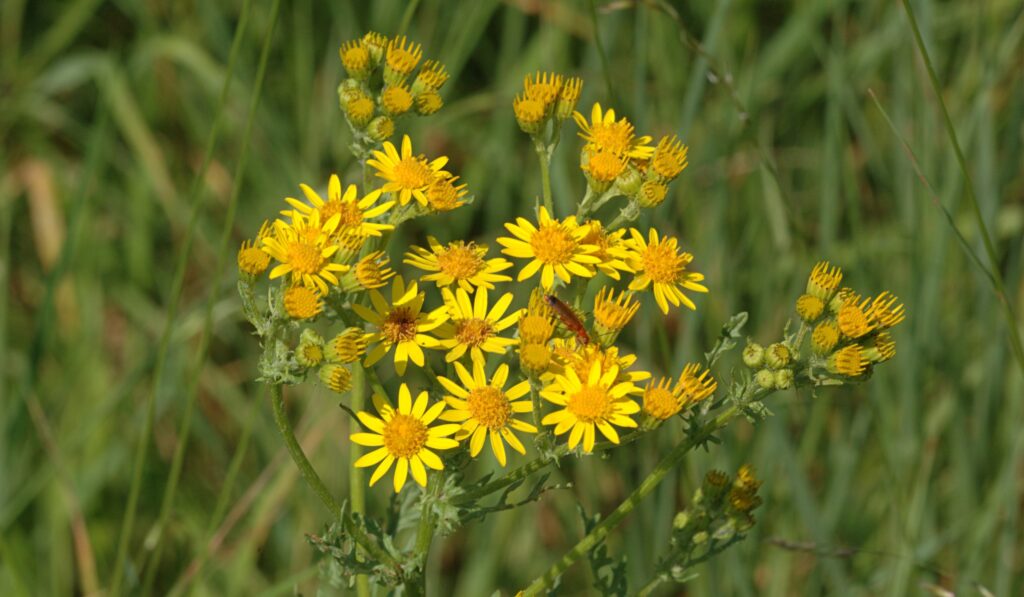
Ragwort often gets ignored because of its wild, weedy appearance, but this plant is an early-season hero for pollinators. Its clusters of small yellow flowers bloom in early spring, providing one of the first nectar sources for native bees, hoverflies, and butterflies when little else is available. Supporting these early pollinators is essential for healthy gardens later in the season.
Ragwort thrives in moist soils and can handle both full sun and partial shade, making it versatile for a variety of landscapes. While it may look unassuming, it fills an important seasonal niche in your garden’s ecosystem. By planting ragwort, you ensure a steady food supply for beneficial insects and kick-start the pollinator cycle that keeps your garden blooming beautifully all summer long.
Wild Bergamot (Monarda fistulosa)

Wild bergamot, also called bee balm, has a scraggly growth habit that sometimes earns it an “ugly” label, but its value for pollinators is unmatched. Its lavender-pink blooms are rich in nectar and irresistible to hummingbirds, bees, and butterflies. Blooming in mid to late summer, it fills a critical gap when many other flowers are fading.
This hardy native thrives in full sun and well-drained soil but adapts easily to less-than-perfect conditions. While wild bergamot can spread, it is easy to control with occasional thinning, and it rewards you with months of blooms. Its aromatic foliage also has natural pest-repelling qualities, making it both functional and wildlife-friendly. For gardeners aiming to attract pollinators, wild bergamot is an unsung hero.
Ironweed (Vernonia noveboracensis)

Ironweed’s tall, coarse stems and deep purple flowers are not traditionally considered “pretty,” but pollinators think otherwise. This native perennial blooms in late summer, offering a crucial nectar source for monarchs, swallowtails, and native bees preparing for migration or winter dormancy. Its long-lasting flowers make it one of the best options for sustaining late-season pollinators.
Ironweed prefers full sun and moist soils but can adapt to a variety of growing conditions. It grows up to 6 feet tall, making it ideal for the back of garden beds or naturalized areas. While its appearance may not fit into manicured landscapes, ironweed’s ecological value more than makes up for its rugged look. Adding it to your garden provides a lifeline for pollinators at a time when resources are scarce.
Culver’s Root (Veronicastrum virginicum)
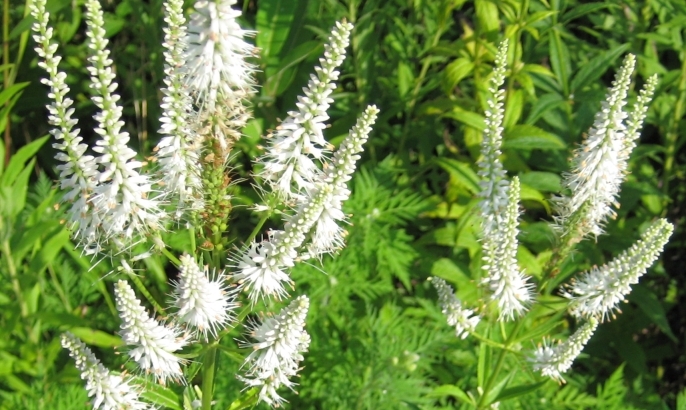
Culver’s root has a tall, stiff growth habit that many gardeners find awkward, but this native perennial produces elegant spikes of white flowers that are irresistible to bees and butterflies. Blooming in midsummer, it helps sustain pollinators between spring wildflowers and fall nectar sources, making it a valuable addition to any wildlife-friendly garden.
This plant thrives in full sun to partial shade and moist, well-drained soils. It can grow up to 5 feet tall, so it works best as a structural backdrop in garden beds. Culver’s root also contributes to soil health by supporting beneficial microbial activity. For gardeners who want to create a truly balanced ecosystem, this “ugly” plant is far more beautiful than it appears.
Boneset (Eupatorium perfoliatum)
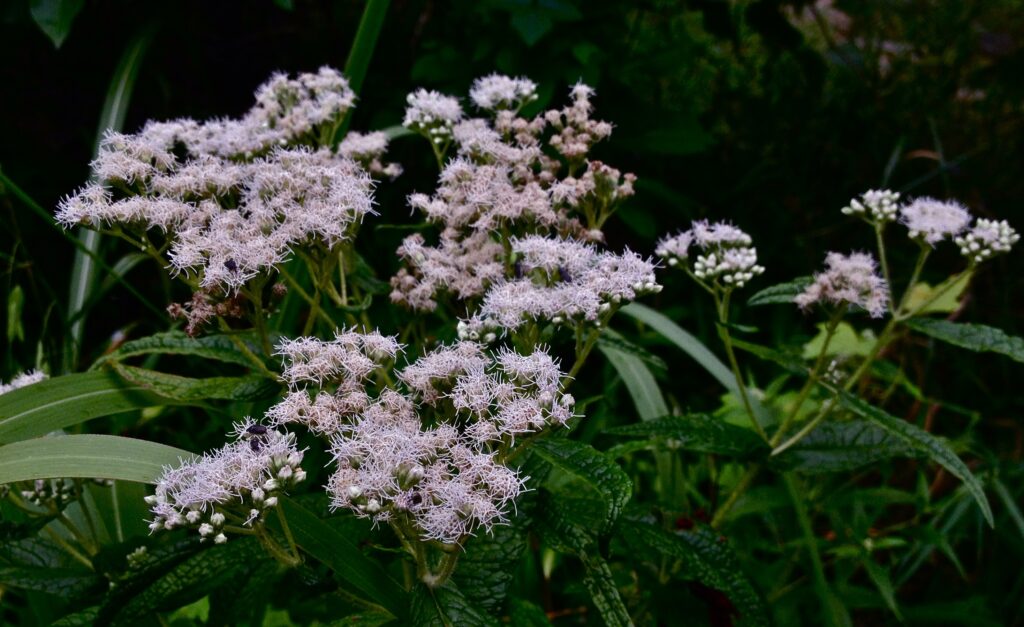
Boneset’s tall stems and fuzzy white flowers give it a wild, untamed appearance, but it is one of the best plants for supporting pollinators in late summer. Its clusters of nectar-rich blooms attract native bees, moths, and butterflies, providing essential food when other flowers are scarce. Historically, boneset was also used in herbal remedies, adding another layer of value to this underrated plant.
This moisture-loving perennial thrives in rain gardens, along pond edges, or in low-lying areas where other plants struggle. While it may look wild, boneset fills an important ecological niche, sustaining pollinators and enhancing soil health in wetland ecosystems. For a low-maintenance, high-value addition to your garden, this plant deserves a place in your landscape.
Pussytoes (Antennaria neglecta)
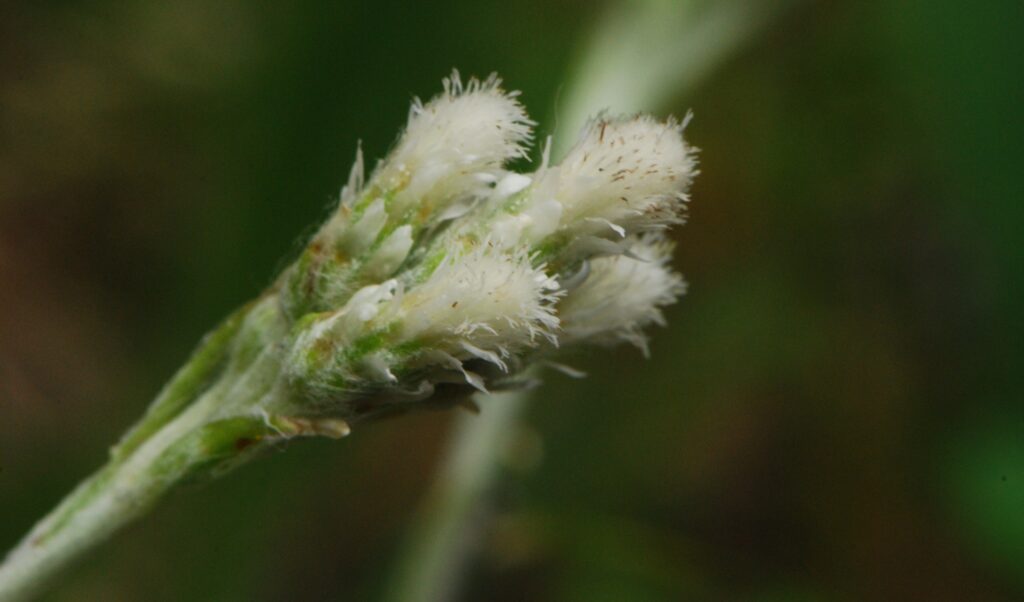
Pussytoes are small, low-growing plants that rarely draw attention, but they are incredibly important for pollinator diversity. Their fuzzy silver foliage forms a soft carpet along the ground, while their tiny white flowers provide nectar for bees and butterflies in spring. Most importantly, pussytoes serve as host plants for the American lady butterfly, making them essential for sustaining this species.
These hardy perennials thrive in poor, dry soils where other plants fail, making them excellent choices for rock gardens and sunny slopes. Once established, they require little maintenance and are drought-tolerant, providing lasting ecological value without adding significant upkeep. Though subtle in appearance, pussytoes quietly play a critical role in creating thriving pollinator-friendly landscapes.