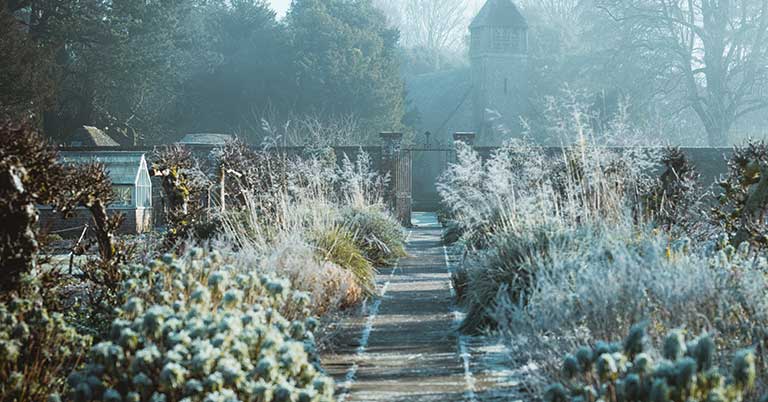

There’s a certain satisfaction in harvesting fresh greens, carrots, and even hardy herbs when frost sparkles on the garden. But the secret to a thriving winter garden doesn’t start with seeds—it starts with soil. If you’ve ever tried to plant in the fall only to end up with slow, weak growth, the problem likely wasn’t your timing or your crop choice—it was the soil’s readiness. Preparing the earth now gives winter crops the foundation they need to push through chilly nights and short days.
Healthy soil in winter isn’t just about nutrients—it’s about structure, drainage, warmth retention, and creating a space where beneficial organisms can still work their magic. I know how frustrating it is to put effort into planting only to watch the garden stall because the roots can’t find what they need in cold, compacted soil. The good news is, with a little attention now, your garden beds can become productive cold-season powerhouses.
Test Your Soil’s pH and Nutrients

Before you add anything, it’s worth finding out exactly what your soil has—and what it’s missing. A simple soil test can reveal pH imbalances, nutrient deficiencies, and even excess salts. Winter crops like spinach and kale prefer slightly acidic to neutral soil (around 6.0–7.0), while root crops like carrots thrive in similar ranges.
Once you know your soil’s profile, you can amend it with precision rather than guesswork. This helps prevent over-fertilizing, which can harm beneficial microbes and leach nutrients into groundwater. It’s an easy first step that sets the tone for everything else you’ll do.
Incorporate Organic Matter Generously

Adding compost or well-rotted manure is one of the best ways to improve soil before winter planting. These materials increase nutrient availability, improve water retention, and encourage healthy microbial activity—critical for plant roots in cooler weather.
Organic matter also helps create a crumbly texture that resists compaction, making it easier for roots to grow deeply. I love to add compost in late summer so it has time to integrate before the cold sets in, ensuring my winter crops have a steady, natural food source.
Loosen Compacted Soil

If your soil is dense or hard-packed, winter crops will struggle to push roots down. Using a garden fork or broadfork to loosen the soil without turning it over helps preserve the layers where beneficial organisms live, while still improving aeration.
Loosening also improves drainage, which is crucial in winter. Soggy roots are more prone to rot, especially in cold soil. Even just breaking up the top 8–10 inches can make a world of difference for crops that need to establish quickly.
Add Slow-Release Fertilizers
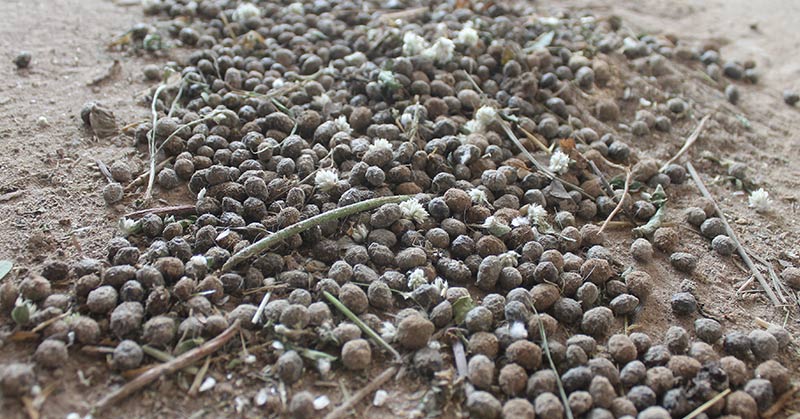
Since winter crops grow slowly, they benefit from nutrients that are released steadily over time. Organic fertilizers like bone meal, rock phosphate, or kelp meal work well, providing phosphorus and potassium for strong root development and frost tolerance.
Applying these now means nutrients will be available right when young plants need them most. Fast-release fertilizers can leach away in fall rains, so slow-release options are a smarter, longer-lasting choice.
Create Raised or Mounded Beds
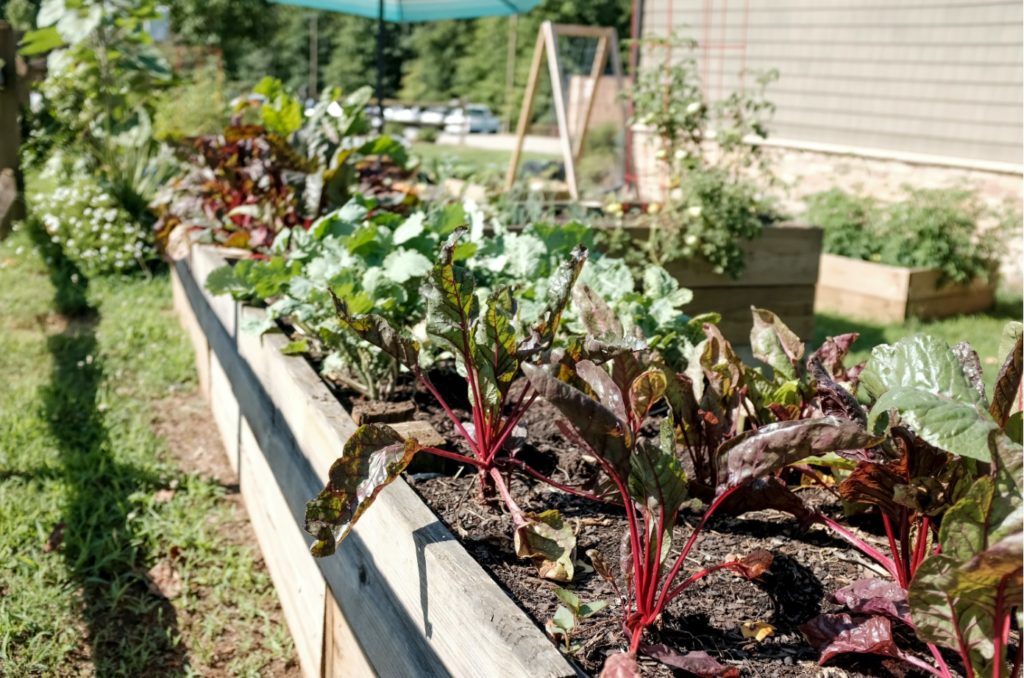
Cool-season crops do better in soil that warms quickly and drains well. Raised or mounded beds lift the root zone above soggy ground, helping prevent disease and allowing earlier planting. They’re especially useful in clay-heavy soils that tend to hold water.
I’ve seen firsthand how raised beds extend the growing season by a couple of weeks just through better temperature and moisture management. They also make it easier to work the soil without compacting it when the weather is wet.
Mulch to Protect Soil Structure
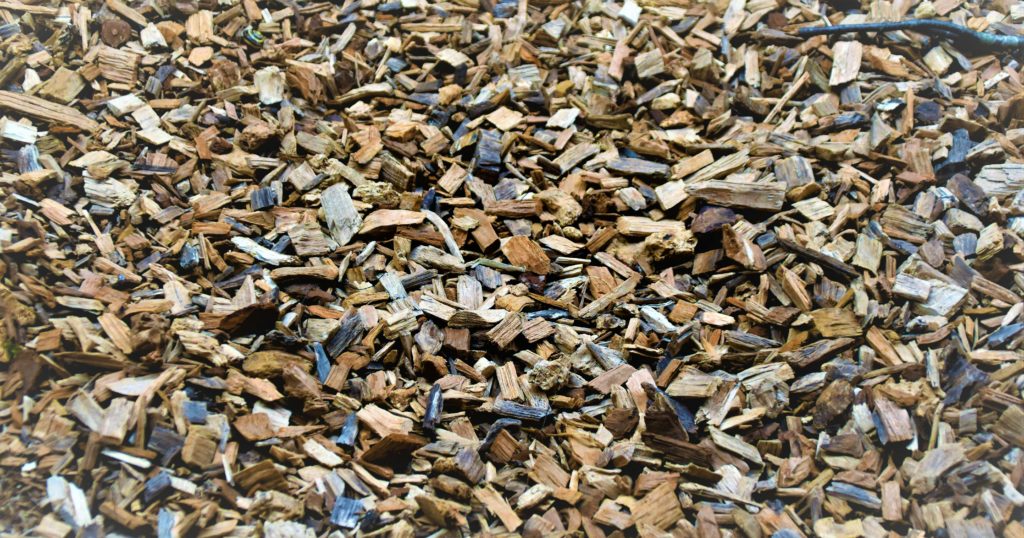
A layer of straw, shredded leaves, or even pine needles helps insulate the soil and maintain a more stable temperature. This protects delicate soil organisms that support crop health and prevents erosion from wind and rain.
Mulch also suppresses weeds, which can still germinate in cooler weather and compete with your crops. Applying it after planting can also keep frost from heaving seedlings out of the ground.
Remove Spent Crops and Weeds

Old plants left in the garden can harbor pests and diseases that will overwinter and strike again in spring. Pulling them now prevents problems before they start. Be sure to dispose of diseased plant material rather than composting it.
Clearing weeds is equally important—they can set seed in fall and explode in spring. Removing them now keeps your beds clean and reduces competition for winter crops.
Plan for Crop Rotation
Winter planting is the perfect time to rotate crops and avoid putting the same plant family in the same spot year after year. This helps break pest and disease cycles and balances nutrient use in the soil.
For example, follow summer legumes with leafy greens to take advantage of nitrogen left in the soil, or plant root crops where you previously grew brassicas. Planning rotation now benefits both your winter and spring harvests.
Improve Drainage If Needed

Poor drainage can turn winter beds into soggy, anaerobic zones where roots suffocate. If your garden has this issue, consider adding coarse sand or small gravel under the topsoil layer to help excess water escape.
Alternatively, you can direct water away from the beds with shallow channels or install drain tiles if the problem is severe. Healthy winter crops depend on roots having both moisture and oxygen, so solving drainage issues pays off quickly.
Encourage Beneficial Soil Life

Beneficial microbes and earthworms don’t take the winter off entirely—they just slow down. By adding compost teas, worm castings, or even mycorrhizal inoculants now, you give your soil life a head start on supporting your crops through the cold months.
Healthy soil biology improves nutrient availability and helps protect plants from stress. I’ve noticed my winter greens stay more vibrant when the soil is biologically active, even in the shortest days of the year.
Prepare Windbreaks for Tender Crops
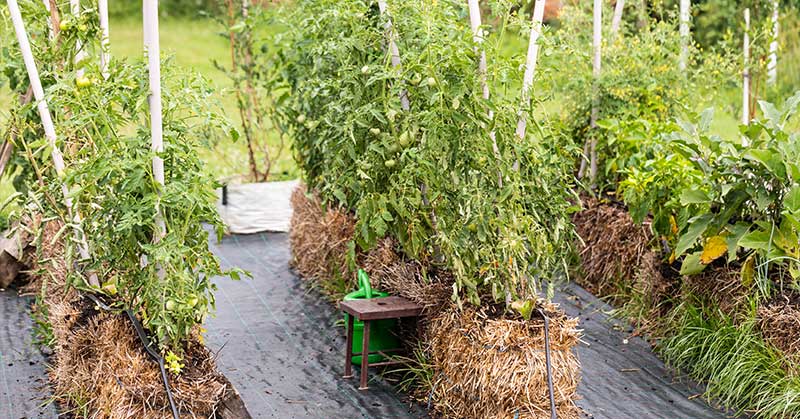
While this step isn’t strictly about the soil itself, protecting the soil surface and microclimate helps maintain a healthy root environment. Using low hoops with fabric, straw bales, or even temporary fencing can cut down on drying winds that leach moisture from the soil.
This is particularly helpful for shallow-rooted crops like lettuce or cilantro, which can dry out quickly even in cool weather. By shielding the soil, you help maintain consistent conditions for steady growth.
Water Before the Ground Freezes
Moist soil holds heat better than dry soil, which can be the difference between roots surviving a deep freeze or not. Giving your beds a thorough soaking before the ground locks up helps create a thermal buffer.
It also ensures plants enter the cold season well-hydrated, reducing stress during periods when water uptake slows. I make this my final step each fall, knowing it helps keep my winter garden productive and resilient.