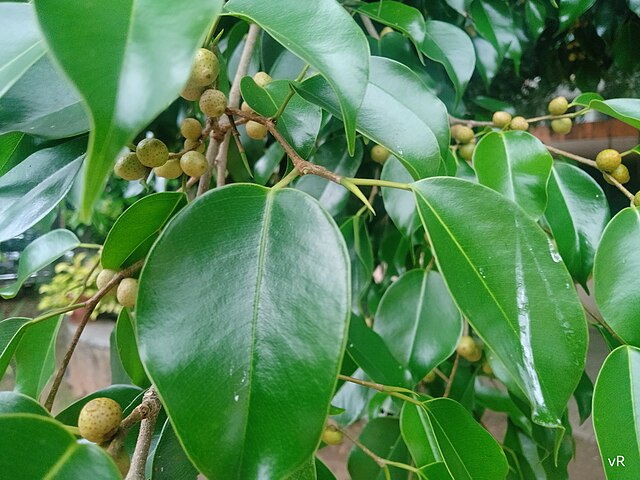

I still get a thrill every time I walk past my fiddle-leaf fig’s glossy leaves, marveling at how this tropical giant—native to the rainforests of West Africa—has made itself at home in my living room! But I know how challenging it can be to keep a ficus happy, especially when you’re balancing light, water, and indoor climates. It’s such a bummer when those beautiful leaves start yellowing or dropping, but with a little know-how, you can help your ficus thrive year-round.
In this guide, we’ll explore twelve practical tips to nurture your ficus—from choosing the right species and perfect spot to mastering pruning and pest control. You’ll learn about soil and humidity needs, repotting tricks, and even how these plants interact with pollinators like fig wasps. So grab your watering can and pruning shears—let’s give your ficus the care it deserves!
Choose the Right Species and Location
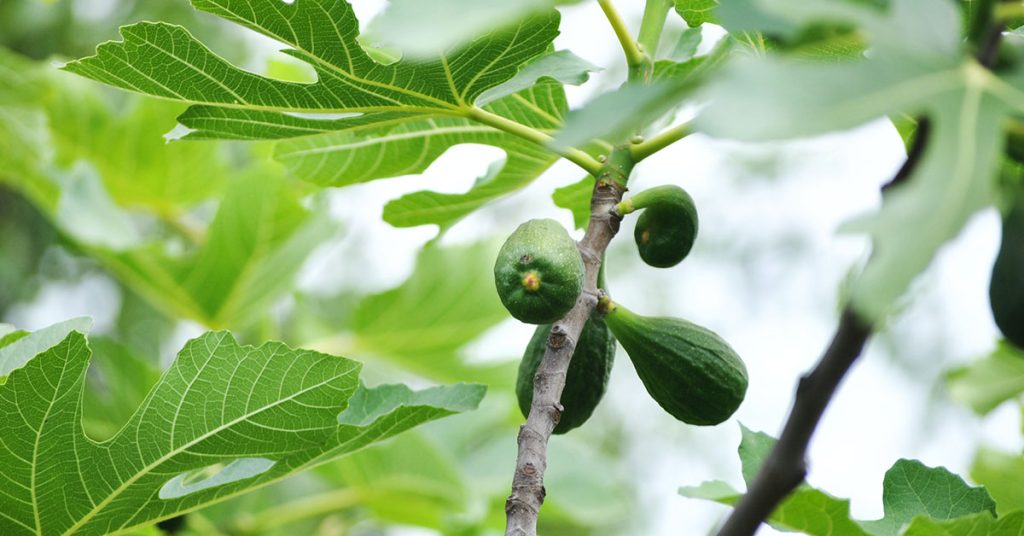
Not all ficus are created equal: while Ficus lyrata (fiddle-leaf fig) dazzles with its large, violin-shaped leaves, Ficus benjamina (weeping fig) offers delicate, glossy foliage. F. elastica (rubber plant), native to northeastern India and Southeast Asia, spares you the drama of frequent leaf drops and can grow quite large if given room. I find that picking a species suited to your space and patience level makes all the difference in long-term success!
Once you’ve chosen, give your ficus a stable location—avoid cold drafts from air conditioners or hot blasts from radiators. These plants are accustomed to the warm, humid understories of tropical forests, so a spot with consistent temperatures between 60–75°F and minimal fluctuations ensures healthy growth. A well-placed ficus will reward you with vigorous new leaves and fewer stress-induced drop-offs.
Provide Bright, Indirect Light

Ficus trees crave bright light but can scorch under direct noon sun. East- or west-facing windows that offer morning or afternoon rays are ideal. I’ve noticed my rubber fig forms the most robust leaves when it basks in dappled light filtered through sheer curtains—mimicking the canopy shade it would enjoy in its native habitat.
Too little light leads to leggy growth and sparse foliage, which in turn invites pests seeking hidden retreats. Ensuring even illumination across the canopy also encourages symmetrical development, so rotate your plant every few weeks. Your ficus will perk up, and its leaves will spread evenly toward the light source!
Maintain Consistent Watering

One of my biggest learning curves was balancing moisture: ficus roots like to stay slightly damp but hate sitting in water. Overwatering can cause root rot and yellowed leaves, while under-watering leads to brittle, brown leaf edges. I aim to water when the top inch of soil feels just dry to the touch—usually every 7–10 days, depending on indoor humidity.
Using a pot with drainage holes and a saucer to catch excess water is crucial. Allow any standing water to drain fully within 30 minutes of watering—your ficus prefers moist, well-aerated soil like the free-draining loams of tropical forests. Consistent moisture levels support strong root growth and steady leaf production.
Control Humidity Levels

In their native range—humid West African forests—ficus species thrive with relative humidity around 60–80%. Central-heating winter air can dip below 30%, causing crisp leaf tips. I combat this by grouping my ficus with other houseplants on a pebble tray or occasionally misting the foliage. The combined transpiration creates a mini greenhouse effect that my plants adore!
If you spot brown edges despite regular watering, consider a room humidifier set to maintain at least 50% humidity. High humidity also encourages activity by beneficial soil organisms, such as earthworms and microbes, which help decompose organic matter and cycle nutrients—mirroring the rich, alive soils of a tropical forest floor.
Use a Well-Draining Soil Mix

Ficus roots need oxygen as much as water, so a dense, water-logged medium spells trouble. I use a custom blend of peat moss, perlite, and pine bark to mimic the airy, humus-rich soils these trees grow in. This mix holds moisture without compacting, providing a balance similar to what fig trees experience around their native fig wasp pollinators!
Adding a handful of horticultural charcoal helps filter impurities and prevent root pathogens, keeping your soil fresher for longer. The fast-draining structure also encourages roots to explore and anchor deeply, giving your ficus a robust foundation for healthy canopy expansion.
Fertilize Appropriately

During the growing season (spring and summer), ficus appreciate regular feeding—typically every 4–6 weeks—with a balanced, water-soluble fertilizer (e.g., 10-10-10) at half strength. I’ve found that a bit of extra magnesium in the mix helps maintain the deep green hue of my fiddle-leaf fig’s leaves, reminiscent of its lush forest origins.
In fall and winter, reduce or pause feeding as growth slows. Overfertilizing when the plant is dormant can lead to salt buildup and leaf burn. A gentle feeding schedule fosters steady growth without shocking your ficus into stress, ensuring each flush of new leaves is strong and abundant.
Regular Pruning and Shaping
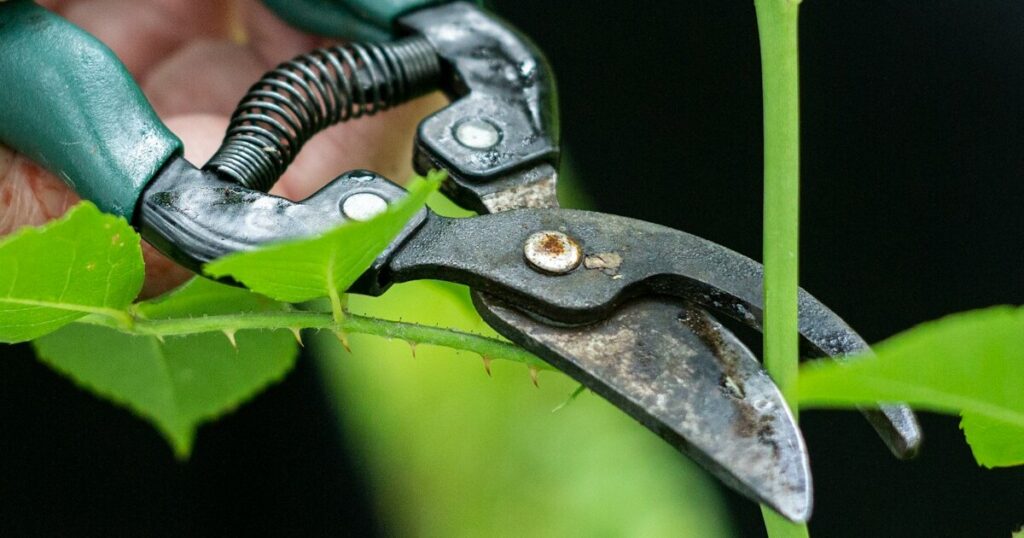
Ficus can become leggy if left untrimmed, especially F. benjamina, which can reach impressive heights indoors. I enjoy pruning as a form of bonsai-like training—each cut encourages branching and denser foliage. Snip just above a leaf node, and you’ll often see two new shoots emerge, creating a fuller silhouette.
Pruning also removes old, shaded leaves that no longer photosynthesize efficiently. Discard any yellowing or damaged leaves promptly to reduce hiding spots for pests. A well-shaped ficus is not only more attractive but also better ventilated, lowering the risk of fungal issues.
Repot at the Right Time
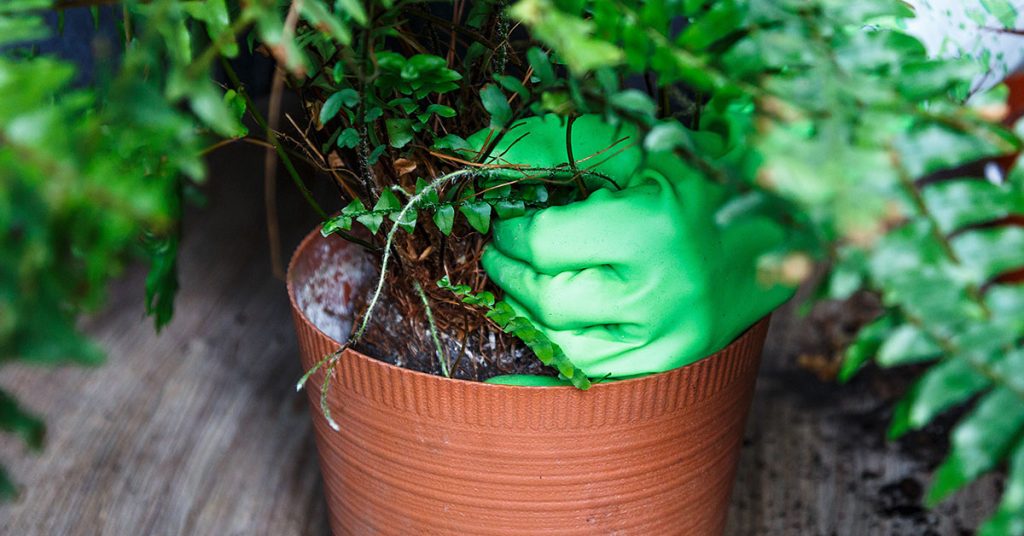
Most ficus prefer to be slightly root-bound, so repotting annually isn’t necessary. Instead, repot when roots begin circling the pot’s surface or emerge from drainage holes—usually every 2–3 years. When I finally move mine into a pot just one size larger, the fresh soil reinvigorates growth, and I can prune back wayward roots to maintain balance.
After repotting, water thoroughly to settle soil around the root mass, then keep your ficus in a bright spot out of direct sun for a week to recover. Timely repotting prevents root crowding and nutrient depletion, ensuring your ficus continues to develop a healthy, widespread root system.
Clean and Dust Leaves
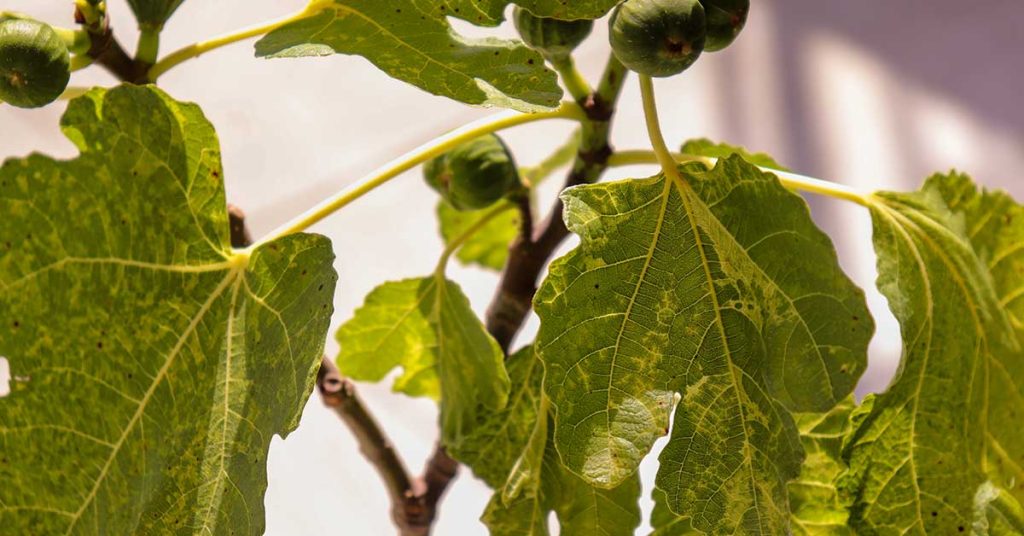
Dust accumulation blocks sunlight and reduces photosynthesis. Every month or so, I gently wipe leaves with a damp microfiber cloth—being careful to support the leaf from below to avoid tears. For fiddle-leaf figs, this practice restores their signature sheen and invites pollinators like fig wasps if you ever grow fruiting varieties outdoors!
Leaf cleaning also gives you a chance to inspect for pests such as scale or spider mites. A quick once-over helps you catch infestations early, reducing the need for chemical treatments and preserving your ficus’s natural defenses.
Monitor for Pests

Ficus can attract sap-sucking pests like mealybugs, scale insects, and spider mites, especially in arid indoor conditions. Regularly inspect leaf undersides and branch joints—these are common hideouts. I once found a cluster of white cottony mealybugs on a new growth tip and treated them with a gentle neem-oil spray, saving my ficus from serious damage!
Encouraging beneficial insects—such as predatory mites or ladybugs—in a terrarium setting can also help keep pest populations in check. By supporting a mini ecosystem around your ficus, you reduce reliance on harsh chemicals and foster a healthier indoor garden overall.
Propagate via Cuttings

If you’ve ever admired a ficus’s form and wanted more, tip cuttings root readily in water or soil. Take a 4–6 inch cutting below a leaf node, remove lower leaves, and place it in a humid environment. I’ve had fun creating small “babies” of my rubber plant this way, sharing them with friends and watching new roots form in just a few weeks!
Propagating ficus not only expands your collection inexpensively but also lets you rejuvenate older specimens. You can graft cuttings onto mature rootstock for quicker establishment, or simply start fresh pots—either way, it’s a rewarding way to deepen your connection with these versatile plants.
Manage Temperature Fluctuations

Ficus appreciate steady warmth—sudden dips below 55°F or spikes above 85°F can trigger leaf drop. Keep them away from doors that swing open in winter or vents blasting hot summer air. I use a simple room thermometer near my indoor forest of figs to ensure consistent conditions, and it’s made a noticeable difference in leaf retention.
Stable temperatures also support the beneficial root microbes that cycle nutrients and promote healthy growth. When your ficus feels at home, its leaves stay vibrant longer, and the subtle interactions with soil flora mirror the balanced ecosystems of its native rainforest floor.