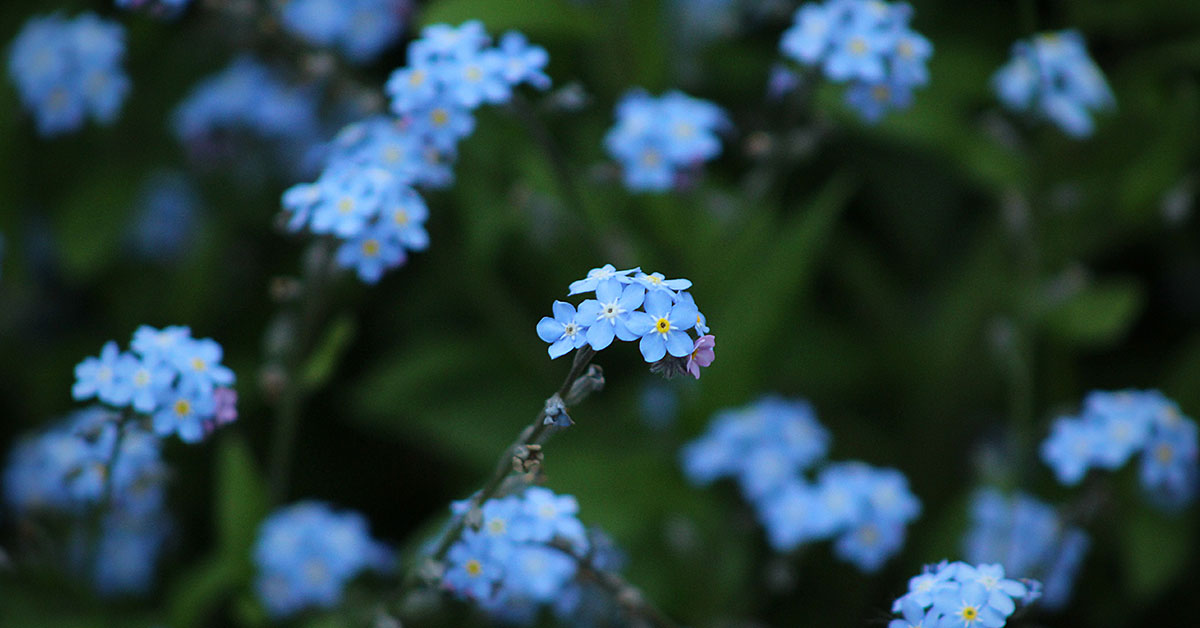

Periwinkle (Vinca minor and Vinca major), native to the woodlands of Europe and the Mediterranean, is prized for its glossy evergreen foliage and cheerful, star-shaped blooms. Although some varieties can naturalize aggressively in moist, shaded areas—becoming invasive in parts of North America—keeping them contained in defined beds or containers helps you enjoy their low-maintenance charm without taking over your yard! One of my favorite groundcovers, periwinkle carpets the soil with delicate purple, blue, or white flowers, creating a living tapestry that persists from spring through frost.
I know how frustrating it can be to plant something promising only to watch it languish or get overrun by weeds. Whether you’re battling slugs, soggy winters, or dry spells, these 12 tips will help your periwinkle spread vigorously, stay healthy, and attract busy pollinators. From soil prep to pruning, let’s dive into how to cultivate a lush, thriving periwinkle garden you’ll admire all year long!
Select the right species and variety
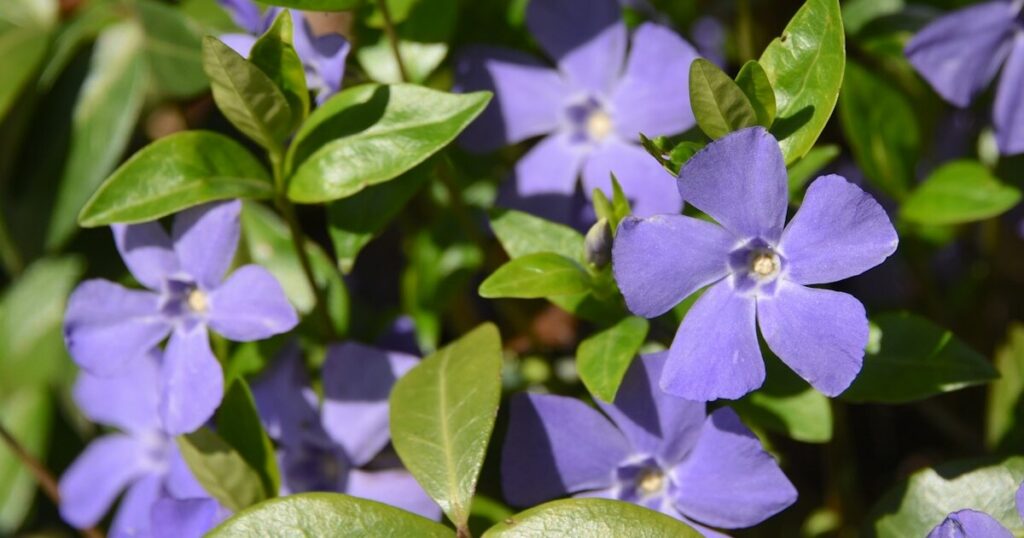
Choosing between Vinca minor and Vinca major—and their cultivars—sets the stage for success. V. minor stays lower (2–4 inches tall) with smaller leaves and flowers, while V. major reaches 6–8 inches with broader foliage and blooms. I once planted V. major under a narrow border and regretted its height blocking my stepping stones!
Research cultivars bred for compact growth or variegated leaves if you’re worried about invasiveness. These selections often flower more prolifically, drawing bees, butterflies, and even solitary wasps that may nest in the cool, moist soil beneath the mat of leaves.
Prepare well-draining, fertile soil

Although periwinkle tolerates a range of soils, it thrives in humus-rich, well-draining loam. Heavy clay can lead to root rot, while sandy patches may leave plants parched. I learned this when my first bed turned soggy after winter rains—plants languished until I amended with compost and grit!
Incorporate generous amounts of aged compost and coarse sand or perlite to mimic its woodland-native substrate. This improved mix lets roots breathe, reduces standing water that attracts slugs, and provides tiny crevices where beneficial collembola can thrive and help break down organic debris.
Provide dappled to partial shade

Periwinkles naturally carpet the forest floor, thriving under oak and beech canopies. In full sun—especially in hot summer climates—the leaves can scorch, while deep shade reduces flowering. I once tucked a patch into dense junipers and missed out on those gorgeous blooms!
Aim for morning sun with afternoon shade or filtered light all day. This balance supports prolific flowering—which in turn attracts hoverflies and native bees—while keeping foliage lush and green, just as it appears in its native European woodlands.
Space plants for optimal coverage
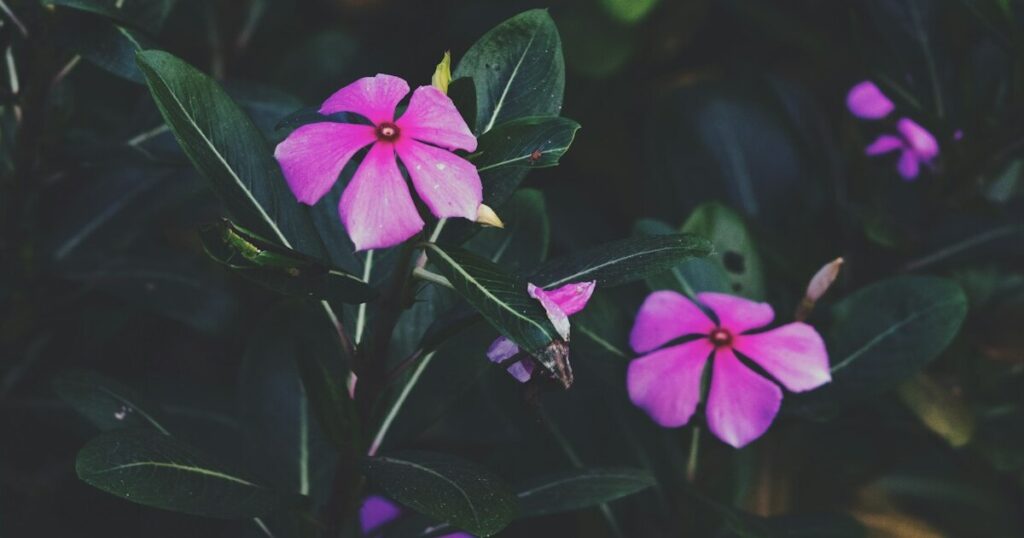
Crowding periwinkle too tightly (less than 6 inches apart) can invite fungal diseases by restricting airflow. Conversely, setting plants too far apart delays canopy closure and allows weeds to invade. I used a judge-your-spacing-by-eye approach and ended up replanting half my bed!
Aim for 8–12 inches between crowns. This spacing lets vines intertwine quickly, creating a thick mat that traps moisture in hot spells and provides nesting spots for ground-dwelling bees, while still maintaining enough breathability to prevent mildew.
Mulch to conserve moisture and suppress weeds
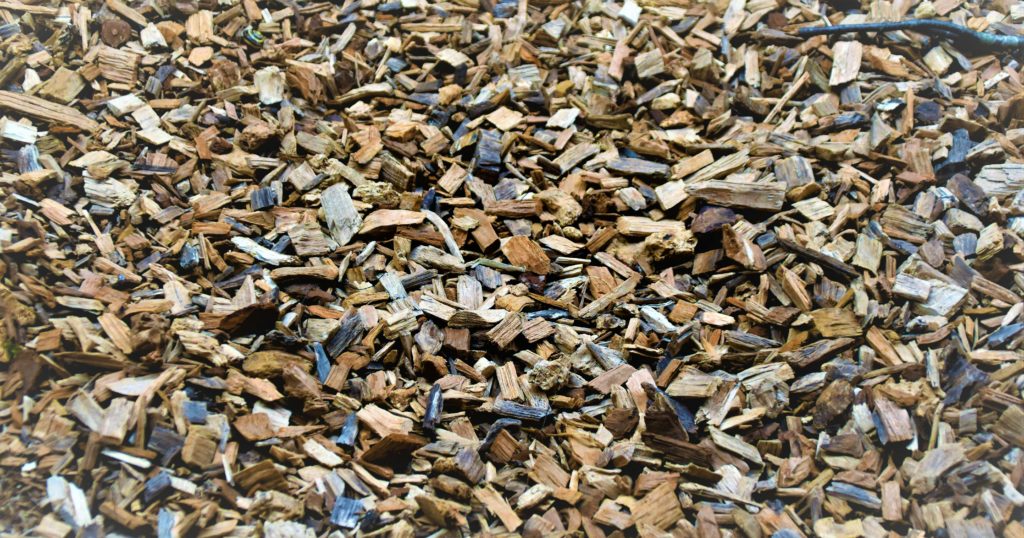
A light layer of shredded bark or leaf mulch keeps soil evenly moist, deters weed seeds, and adds nutrients as it breaks down. I once let weeds compete under my periwinkle, wishing I’d mulched sooner—it was such a bummer pulling bindweed from those delicate vines!
Keep mulch a half-inch from the base of stems to avoid bark-rot issues. The sheltered layer beneath the mulch also offers safe havens for tiny beneficial beetles and springtails, which help cycle organic matter and bolster soil health.
Water sparingly but consistently

Periwinkles are drought-tolerant once established, but new plantings need regular watering to set roots. I’ve seen young vines shrivel under neglect, only to bounce back beautifully after consistent irrigation!
Water deeply once a week during dry spells, rather than shallow daily spritzes. This encourages roots to reach deeper, making the groundcover more resilient and ensuring moisture for any soil-nesting insects that pollinators rely on.
Fertilize in early spring
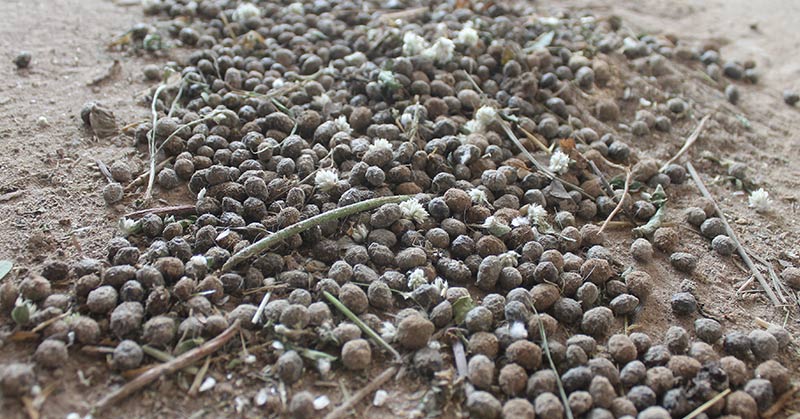
A single application of balanced, slow-release fertilizer in early spring feeds new growth and maximizes flowering. Overfertilizing—especially high nitrogen—can lead to lush foliage at the expense of blooms. I tried a heavy-feeding regimen once and ended up with a green carpet devoid of flowers!
Apply an organic granular formula around—but not against—the crowns. As the fertilizer releases, blooms will multiply, attracting butterflies, solitary bees, and even ladybugs that prey on aphids in nearby borders.
Prune to control spread and rejuvenate growth
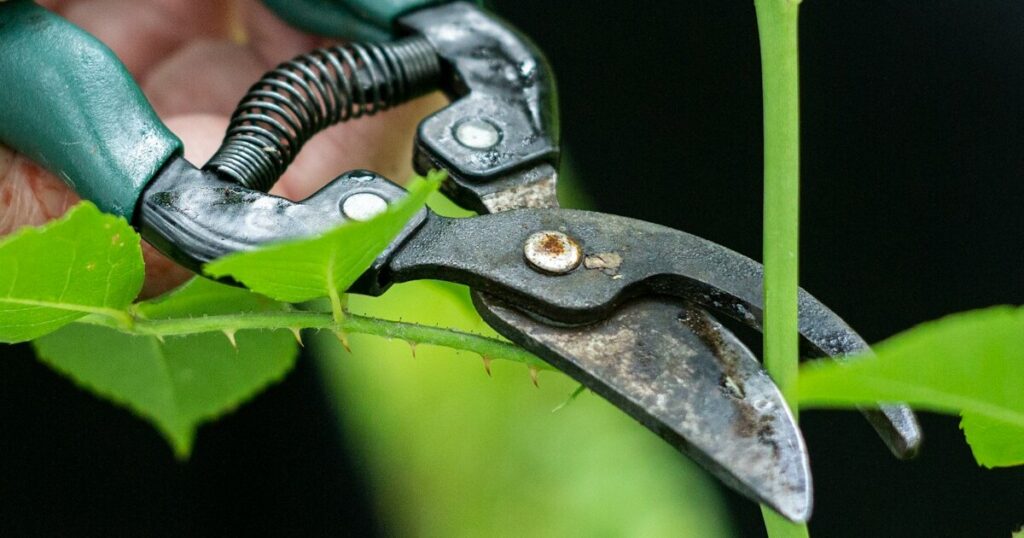
Once per year, ideally in late spring after flushes of bloom, trim back 1/3 of the tangle to open up airflow and encourage fresh shoots. I hesitated to prune mine, fearing bare spots, but the result was denser, more vigorous regrowth!
Collect and compost the trimmings—or use them as mulch elsewhere. Pruning also prevents periwinkle from encroaching on adjacent plantings and helps you manage its growth in a controlled, attractive way.
Monitor for pests and diseases

Slugs and snails relish tender new shoots; scale insects and vine weevils are occasional visitors, while powdery mildew can appear in humid summers. It’s such a bummer when tiny holes or fuzzy white patches mar those glossy leaves!
Encourage natural predators—ground beetles, toads, and songbirds—by providing nearby habitat like rock piles or low logs. Hand-pick larger pests and treat fungal spots promptly with organic sprays to keep your carpet looking flawless.
Divide overcrowded patches
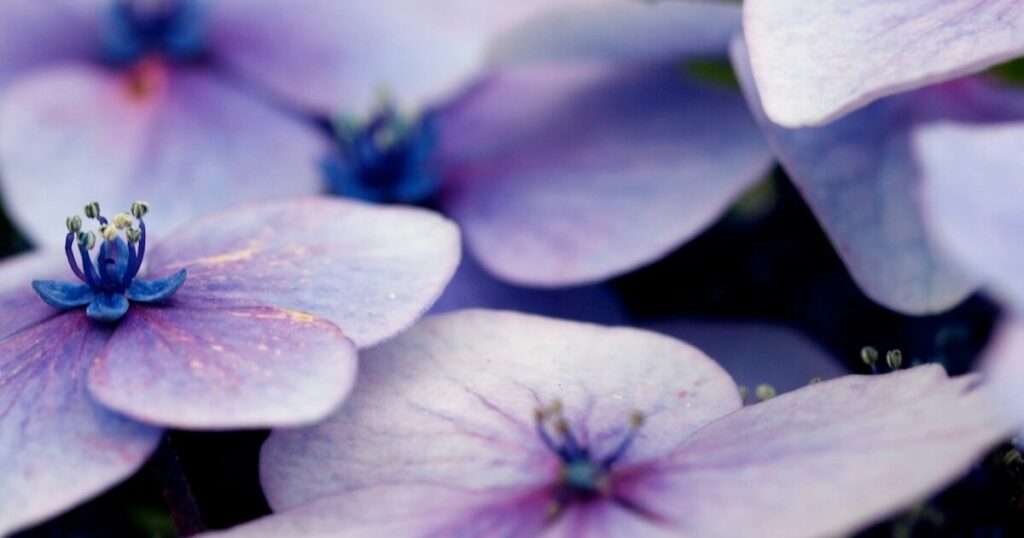
Every 3–4 years, lift and divide congested clumps to reinvigorate growth and expand into new areas. I once left my patch unchecked and found the centers dying out—a classic sign of overcrowding!
Dig up the entire mat, tease apart root masses into smaller sections, and replant immediately. This simple trick renews vigor, prevents soil depletion, and offers free plants to share with friends or fill bare spots in your garden.
Control invasive tendencies

In mild climates, periwinkle can slip beyond its intended boundaries, smothering wildflowers and bulbs. Keep a vigilant edge by installing physical barriers—lawn edging or buried boards—to prevent underground runners from escaping.
Regularly inspect borders and trim any wayward stems. This hands-on approach tames its spreading habit while still letting you enjoy that lush, pollinator-friendly carpet under shrubs and along pathways!