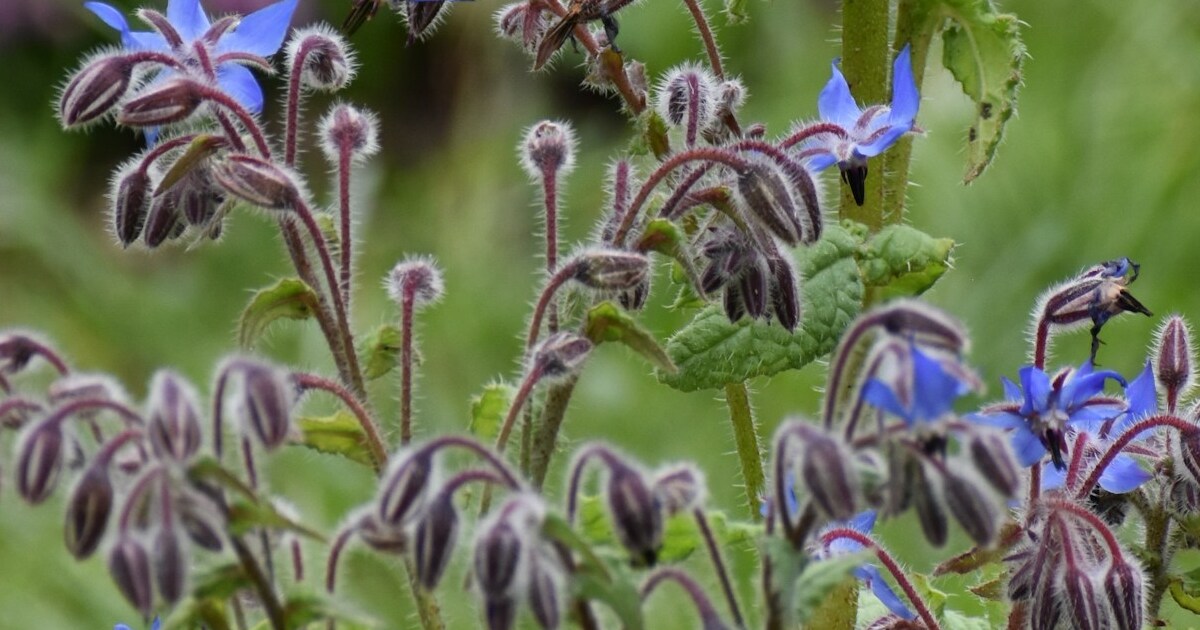

Borage (Borago officinalis) and lavender (Lavandula angustifolia) both hail from the sun‑baked hills of the Mediterranean, where they’ve coexisted in fragrant harmony for centuries. Borage’s sky‑blue starflowers and fuzzy leaves attract an army of pollinators, while lavender’s silvery foliage and purple blooms perfume the air. Neither tends toward true invasiveness in a well‑managed garden, but borage can self‑sow vigorously, and lavender benefits from occasional renewal. Together, they create a dynamic duo that delights the senses and supports beneficial insects year‑round!
I know it can feel daunting to combine two such spirited herbs—one that craves moisture and one that thrives in drought—yet the rewards make it entirely worthwhile. It’s such a bummer when mismatched water needs lead to wilting or root rot, and I’ve been there! Let’s explore a dozen practical tips to help your borage and lavender flourish side by side, from soil prep to harvest, so you can enjoy a buzzing, aromatic garden that feels like a Mediterranean escape right by your backdoor.
Choose the Perfect Sunny, Well‑Drained Spot

Both borage and lavender crave at least six hours of direct sun each day to fuel robust flowering. Lavender especially resents soggy feet, so pick a raised bed or gentle slope that sheds excess water. I once tucked lavender into a shallow terrace above a borage patch—rainwater drained past the minty‑scented stars without lingering!
Borage tolerates heavier soils, but when paired with lavender, aim for a compromise: enrich your bed with coarse sand or fine gravel along with compost. This blend retains enough moisture for borage’s thirst while giving lavender the sharp drainage it needs to flourish without root‑rot worries.
Amend Soil for Balanced Fertility

Lavender thrives in lean soils low in organic matter, whereas borage benefits from richer, loamy substrate. To strike a balance, incorporate well‑aged compost at a rate of about 10% by volume—just enough to feed borage without smothering lavender. I like to mix in a handful of horticultural grit around lavender crowns to mimic its native stony habitat!
Test soil pH before planting: both herbs prefer slightly alkaline to neutral (pH 6.5–7.5). If your beds lean acidic, add garden lime gradually. This sweet spot empowers lavender’s essential‑oil production and supports borage’s vigorous growth—ensuring neither hogs all the nutrients!
Sow and Plant at Ideal Times
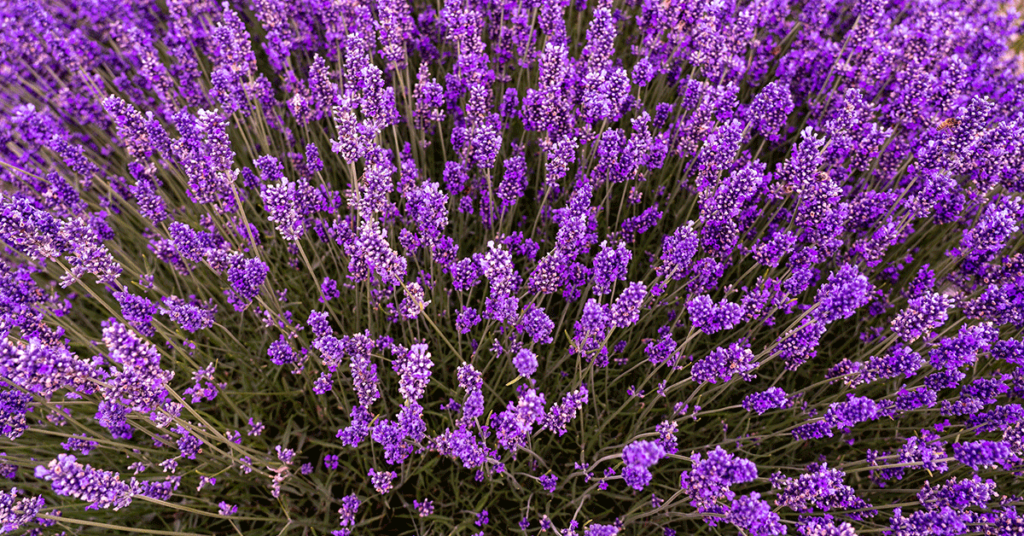
Borage seeds can go directly into the garden once danger of hard frost has passed, typically in spring. Scatter them around lavender transplants with care—those bright blue blossoms will fill in any bare spots by early summer. Lavender, however, should be set out as sturdy, semi‑hardy transplants after the soil warms to at least 60°F (15°C).
I once sowed borage too late and missed the early pollinator rush, so I now start seeds indoors four weeks before the last frost. This head start gives seedlings time to bulk up before lavender peaks, creating a seamless tapestry of blossoms and buzzing bees!
Space Plants to Encourage Airflow
Crowding invites fungal diseases and suffocates airflow—especially trouble for lavender’s woody stems. I recommend planting lavender 18–24 inches apart, with borage offset at least 12–18 inches from each lavender crown. This grid leaves room for both to spread their wings without trampling one another!
Generous spacing also creates nesting nooks for solitary bees. They often burrow in bare soil between plants, so by leaving tidy gaps, you’re inviting these precious pollinators to nest right in your herb patch—no need for a separate bee hotel!
Water According to Each Herb’s Needs
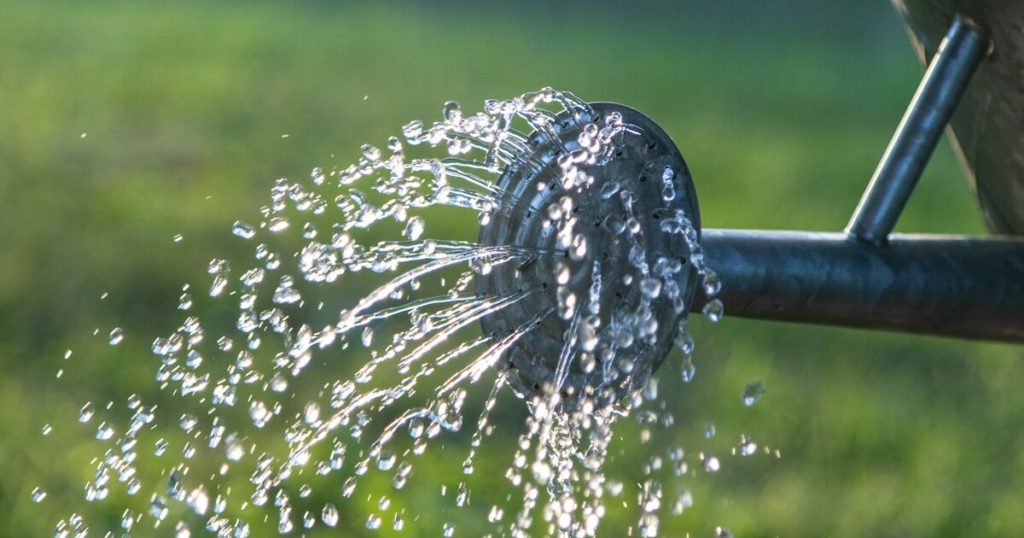
Lavender matures into drought‑tolerant shrubs that resent frequent watering, while borage adores consistent moisture. I solve this by using a drip‑irrigation line with adjustable emitters: a slow trickle for borage and a quick drink for lavender on hotter days. This targeted approach keeps both happy without excess dampness around lavender roots!
Mulching is your friend here—apply organic mulch around borage to conserve moisture and a light layer of gravel or grit around lavender to reflect heat and suppress weeds. This combination retains water where it’s needed and shields lavender from splash‑up that can encourage crown rot.
Prune Lavender for Longevity

After lavender finishes blooming, remove spent flower spikes and give each plant a light trim of about one‑third of its woody growth. This tidy prune encourages a compact habit, preventing bare, woody centers that can appear if left unchecked. One of my favorite moments is brushing my fingers along fresh cuts and inhaling that potent, calming scent!
Avoid cutting into old wood—lavender rarely regenerates from completely woody stems. By timing your prune just after bloom and before autumn, you ensure new shoots form around the plant’s perimeter, maintaining a dense, vibrant mound that will burst into bloom next season.
Deadhead Borage to Prolong Bloom

Borage produces flower after flower until frost, but if you let spent blooms linger, the plant may divert energy into seed production rather than new blossoms. Snipping off faded blooms regularly encourages a continuous display of those irresistible sky‑blue flowers, which hover at the perfect level for bees nesting nearby!
Keep a small bucket by your bed and prune off spent borage blooms when you spot them. Not only does this prolong the season, but it also prevents overcrowding from volunteer seedlings—while still allowing a few to self‑seed if you’d like next year’s plants to pop up naturally.
Manage Self‑Sowing to Prevent Overcrowding
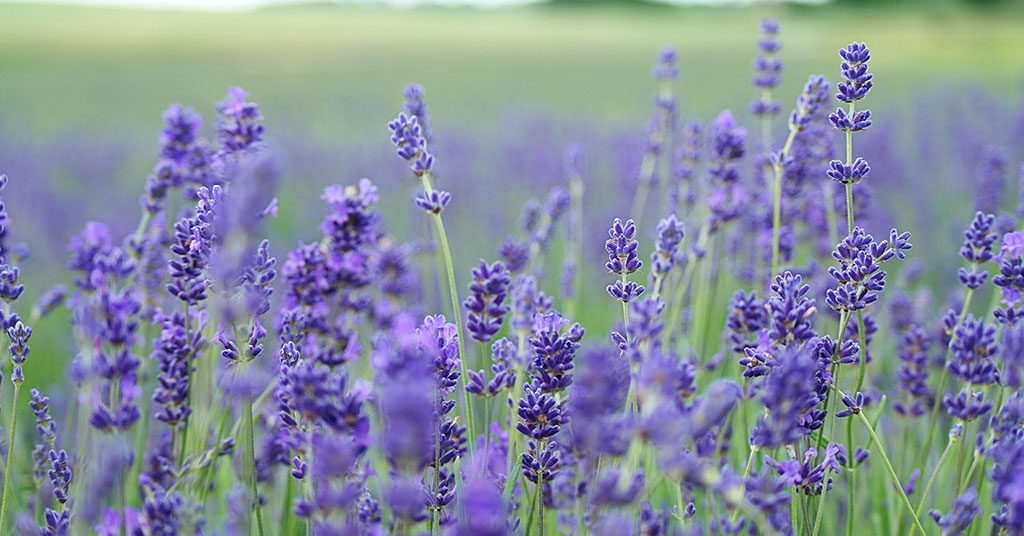
Borage is notorious for self‑sowing heavily, which can overwhelm your lavender neighbors. If you’re not looking for a spontaneous reseeding, remove seed heads by mid‑summer or sow borage in containers placed among lavender plants—this confines volunteers while still offering those pollinator magnets close to lavender blooms!
When seedlings do appear, thin them strategically: leave a few in gaps where lavender has died back or where you’d like extra color, but pull excess sprouts before they hog water and nutrients. This keeps your beds looking intentional and prevents baby borage from encroaching on lavender’s territory.
Attract and Support Pollinators
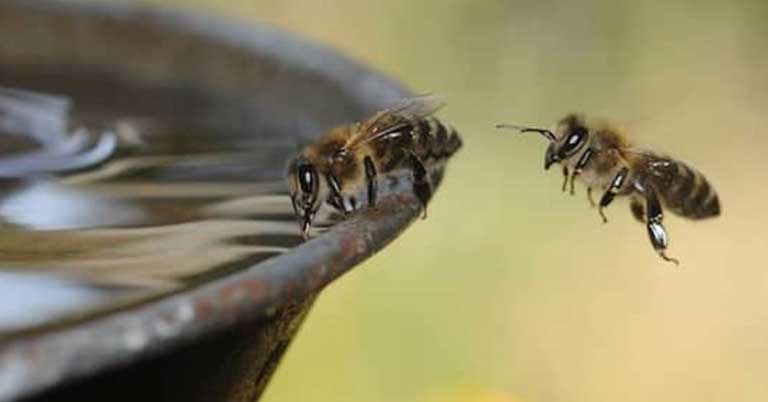
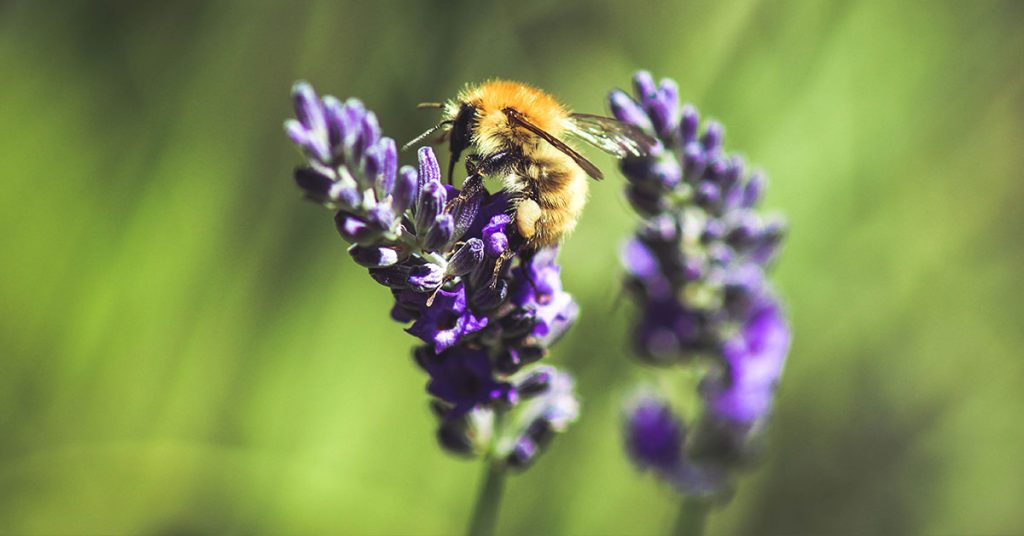
Lavender and borage in tandem create a pollinator‑palooza: bumblebees flock to borage’s open stars, while honeybees worship lavender’s nectar spurs. To support these visitors, provide a shallow water dish with smooth stones for landing—solitary bees sometimes nest in moist soil nearby, and a nearby water source is a welcome bonus!
I also avoid spraying insecticides in this area. If pest control becomes necessary, choose organic options like insecticidal soap and apply in the evening when pollinators have packed up for the day. That way, you protect your aerial allies while keeping your herb haven vibrant!
Harvest and Dry for Culinary and Craft Uses

When both herbs reach peak bloom—borage in midsummer, lavender toward the end of July—harvest flower clusters in the morning after dew has dried. Borage petals add color to salads and cocktails, while lavender buds infuse sugar, teas, and sachets. I love gathering both in one morning—it feels like a mini celebration of flavors and aromas!
Dry lavender by hanging small bundles upside down in a dark, well‑ventilated space. For borage, gently pluck petals onto a flat screen to air‑dry. Once crisp, store in airtight jars away from light. Your front‑door pairing then becomes a source of beauty and flavor long after the garden naps for winter!
Rotate Lavender Every Few Years
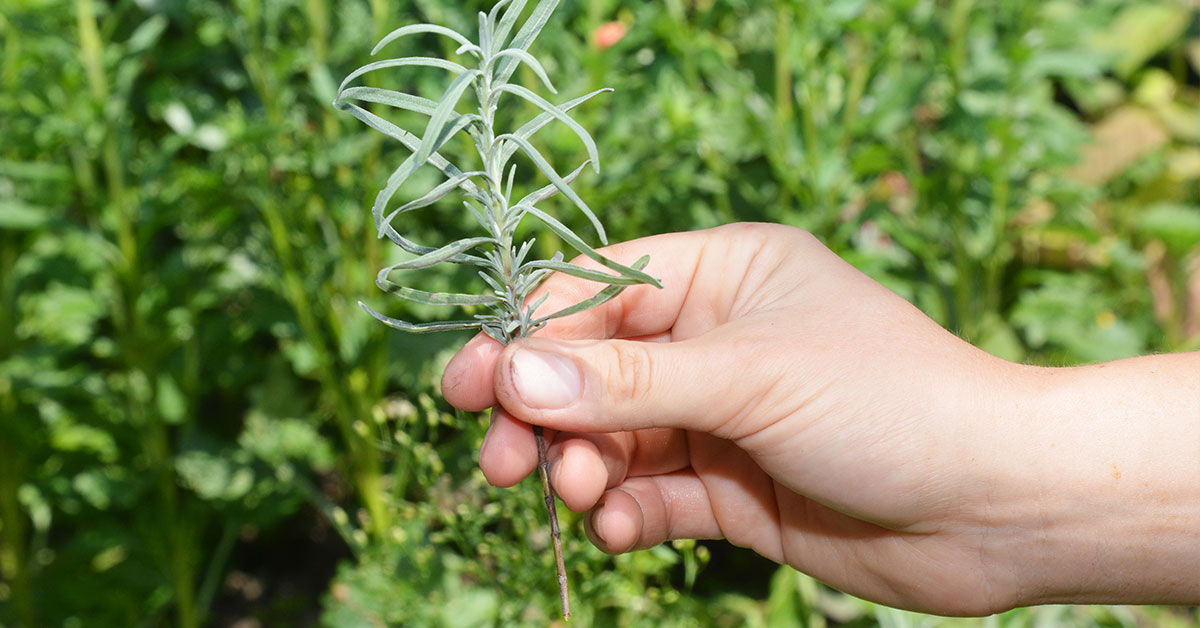
Unlike borage, which is an annual, lavender is a perennial whose vigor can wane after 3–5 years, leading to woody, sparse centers. To keep your borage‑lavender partnership looking its best, plan to replace or rejuvenate lavender plants on a rotating cycle—one bed each autumn, for instance.
When you lift old lavender, sprinkle fresh compost into the planting hole before inserting a new, vigorous transplant. This practice refreshes soil nutrients without introducing invasive materials and maintains that seamless blend with nearby borage for seasons to come!