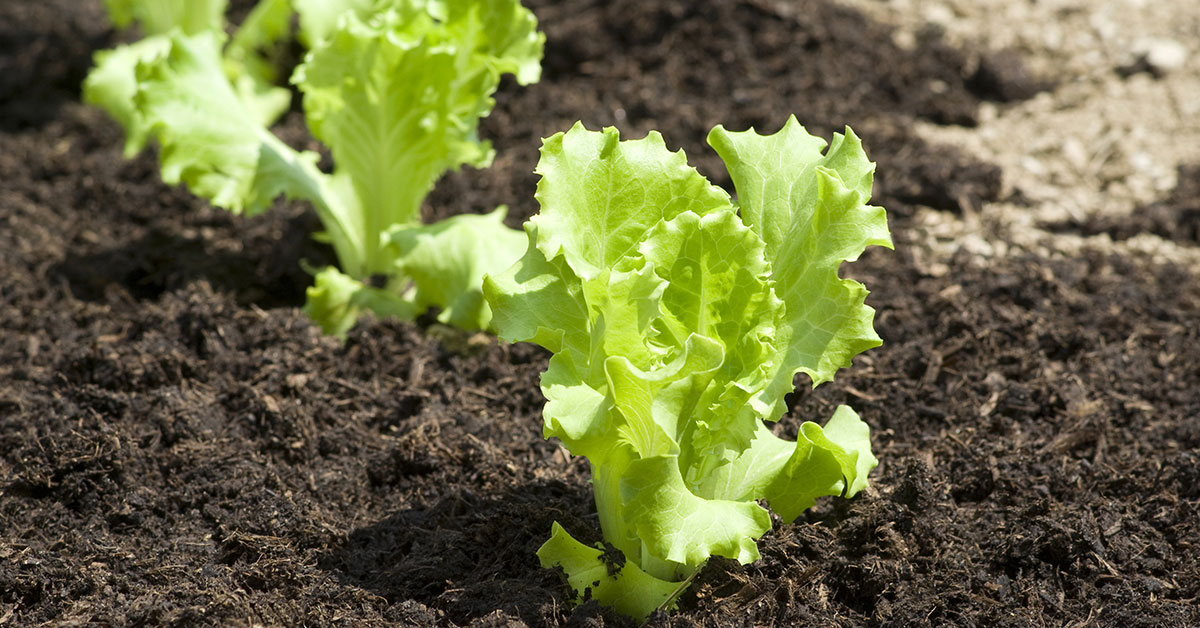

I’m so glad you’re tuning into your lettuce patch—those crisp heads of Lactuca sativa are such a rewarding harvest when they thrive! Native to the Mediterranean region, lettuce has been cultivated for thousands of years and isn’t invasive in home gardens—unless volunteers escape compost piles. Still, even the hardiest varieties can succumb to root rot if conditions go awry. I know how heartbreaking it is to sink hours into nurturing seedlings only to find wilting leaves and soggy soil; let’s explore the twelve telltale signs of root rot so you can catch it early and save your precious greens!
Root rot is caused by soilborne pathogens—like Pythium, Phytophthora, and Rhizoctonia—that flourish in waterlogged, poorly drained beds. These fungi attack roots first, cutting off water and nutrients, and then spread upward into the crown and foliage. Whether you’re growing crispheads, butterheads, or looseleaf types in the ground or containers, recognizing the early symptoms can mean the difference between a bountiful salad and a regrettable compost pile. Let’s dive into the signs, sprinkled with tips on what to watch for and how to bring your lettuce back from the brink!
Foul, Sour Odor from the Soil
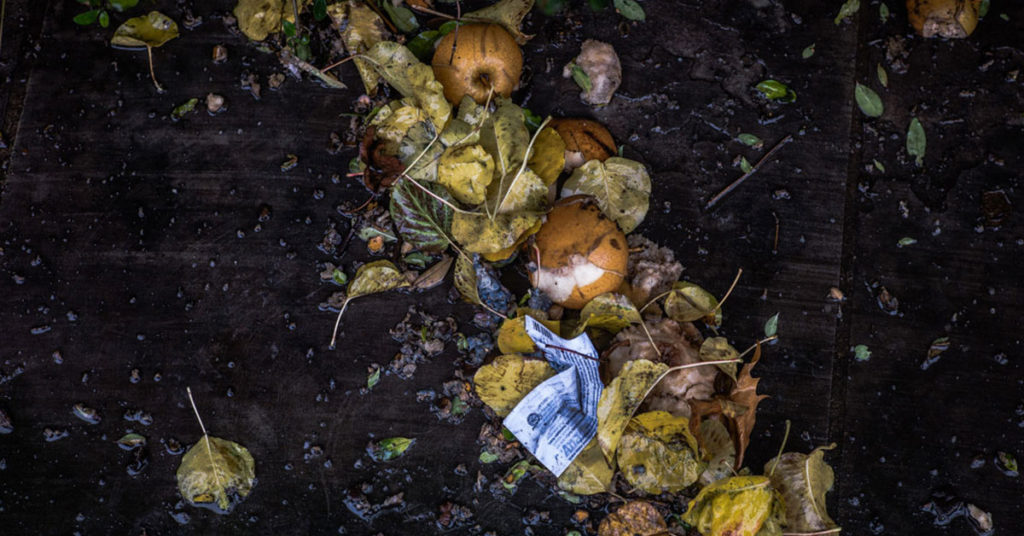
When healthy soil smells fresh and earthy, it’s a relief—but if your lettuce bed starts emitting a pungent, sour scent, alarm bells should ring! That acrid, decaying aroma often indicates anaerobic conditions, where root-rotting pathogens proliferate, consuming oxygen-starved roots and releasing malodorous byproducts.
I once ignored a faint sour whiff and returned days later to a full-blown stinkfest—and lettuce crowns blackened at the base. To address this, I immediately loosened the soil, improved drainage with coarse sand and compost, and stopped overhead watering until the smell lifted. Early action saved my next sowing!
Mushy, Discolored Roots

Healthy lettuce roots are crisp and white—like delicate feathers fanning through the soil. If you gently unpot a plant and find roots that are brown, black, or soft to the touch, it’s a dead giveaway of rot setting in. These compromised roots can’t absorb nutrients, so the foliage begins to suffer.
It’s such a bummer when you spot those mushy clusters! I snip away the worst of the rot with sterile scissors, dust remaining roots with cinnamon (a natural fungicide), and repot into fresh, well-draining mix. This revival trick rescued several of my plants that would have otherwise wilted completely.
Wilting Despite Moist Soil
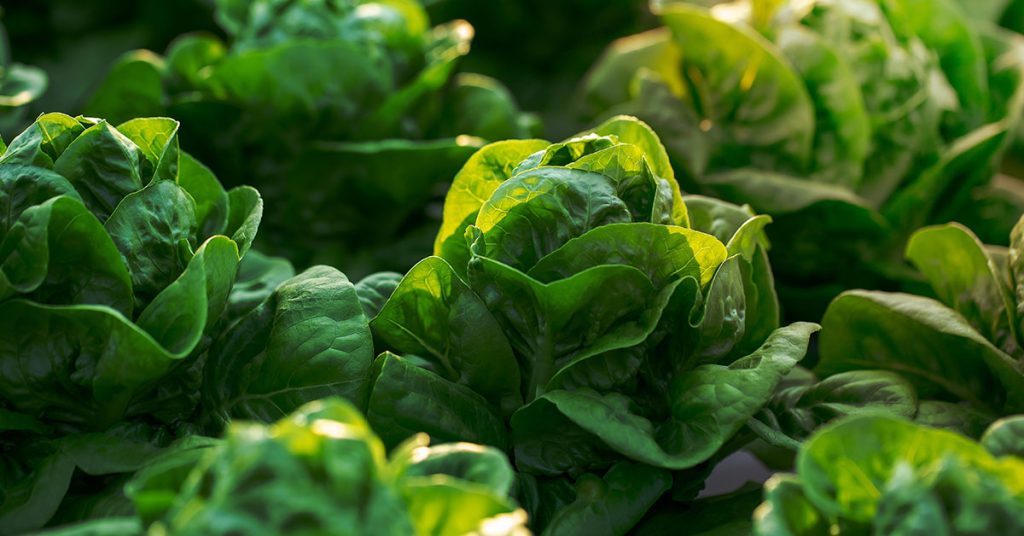
Nothing’s more confusing than well-watered lettuce that still droops and looks parched. When roots are rotted, they can’t take up moisture no matter how often you soak the bed. You’ll notice limp leaves fanning out, even though the topsoil is damp.
I’ve been there—watering more in hopes of reviving wilted leaves only made things worse by fueling the rot. Once I recognized the pattern, I paused irrigation, let the top inch of soil dry, and improved airflow around the plants. Lettuce bounced back within days once roots regained function.
Yellowing Lower Leaves
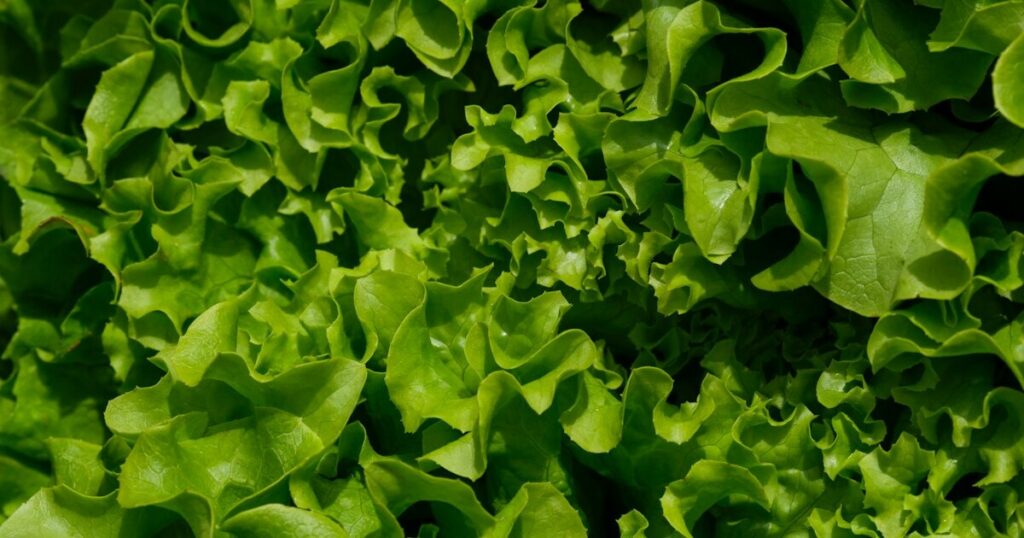
Lettuce naturally sheds its oldest leaves, but when root rot is present, that process accelerates dramatically—and those basal leaves turn yellow and drop prematurely. You may see a uniform yellow cast on lower foliage, distinct from nutrient deficiencies that often show interveinal patterns.
After spotting early yellow flushes, I check my watering schedule and soil moisture gauge. If it’s soggy a week after rain, I dig shallow drainage channels to whisk excess water away. Arresting the yellowing early keeps the crown healthy for continued growth.
Stunted Growth and Small Heads
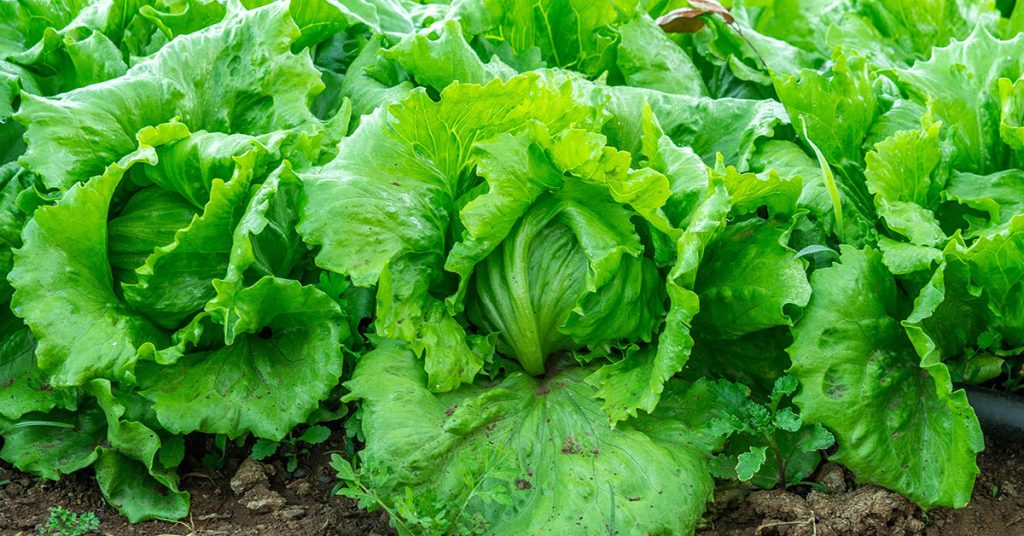
Root-rot pathogens stunt plant development by sabotaging nutrient uptake. If your lettuce remains pinhead-sized well past its expected maturity date, suspect root trouble. You’ll notice tight rosettes failing to open into full heads, as if the plants are starved from the ground up.
I track days-to-harvest on my seed packets and compare them to actual size. When a batch lags by a week or more, I inspect roots—and often I find rot lurking below. Adjusting soil amendments and improving drainage has consistently restored my lettuce to its advertised growth timeline.
Brown or Cloudy Drainage Water

Whether you grow in raised beds or containers, watch the water that drains away. Clear runoff is a good sign; if it’s brown, murky, or smells sour, those particles often include decomposed root tissue and fungal gunk. That’s a strong hint that rot is advancing below the surface.
I keep an eye on saucers under pots and the soil runoff in beds. When cloudiness appears, I flush the soil with twice its volume in water to wash away toxins, then let everything dry out thoroughly before resuming light irrigation. Your lettuce will thank you for the reset!
Darkened Crown at the Stem Base
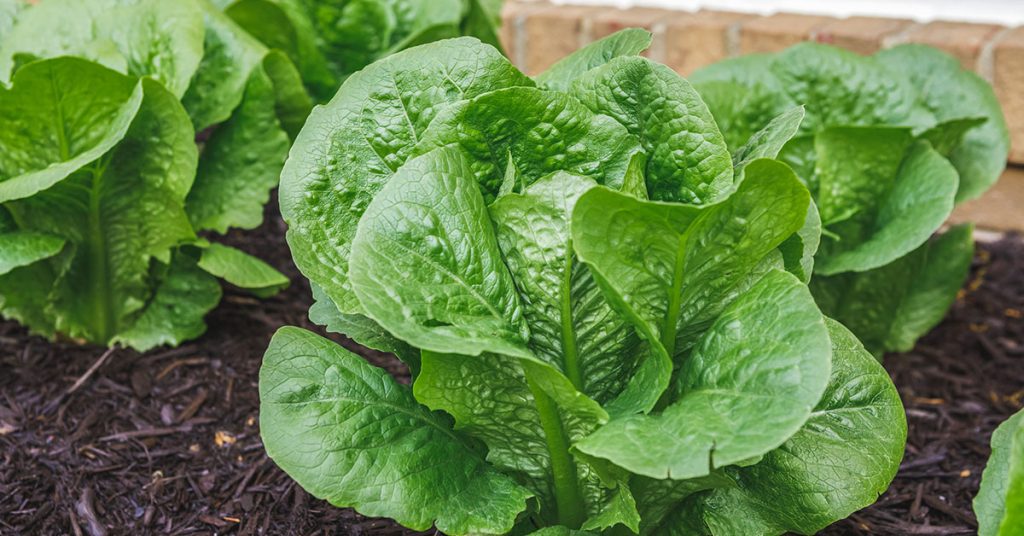
Peel back the lower leaf sheath at the crown (where stem meets roots) and examine the tissue color. Healthy crowns are pale green or white; if you see black or brown discoloration creeping upward, those are the pathogens at work, cutting off the plant’s lifeline.
One season, I discovered a single dark ring at the crown and thought it minor—until the entire head collapsed two days later! Now, I inspect every new seedling at transplant, and any sign of darkening prompts me to isolate and treat that plant before it infects neighbors.
Presence of Fungus Gnats
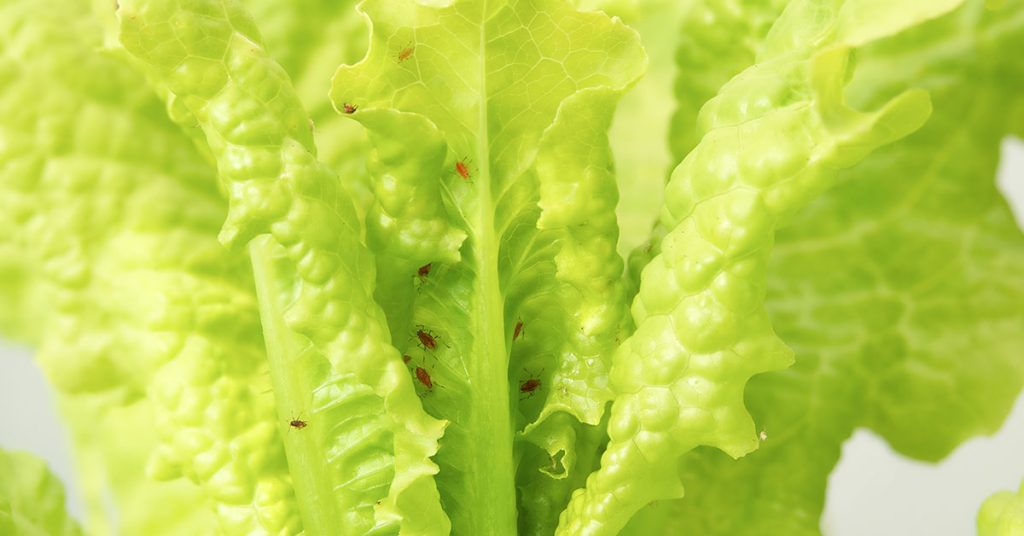
Tiny black flies dancing above the soil aren’t just annoying—they indicate overly moist conditions perfect for root-rot fungi. Fungus gnats lay larvae in damp organic matter, and their feeding further stresses lettuce roots, compounding rot issues.
I’ve set up yellow sticky traps around my beds and pots to monitor gnat activity; a surge in catches signals that moisture levels are too high. Reducing watering frequency and applying a top dressing of sand deters both gnats and the fungi they hitch rides with!
Mold or Mildew at the Soil Line
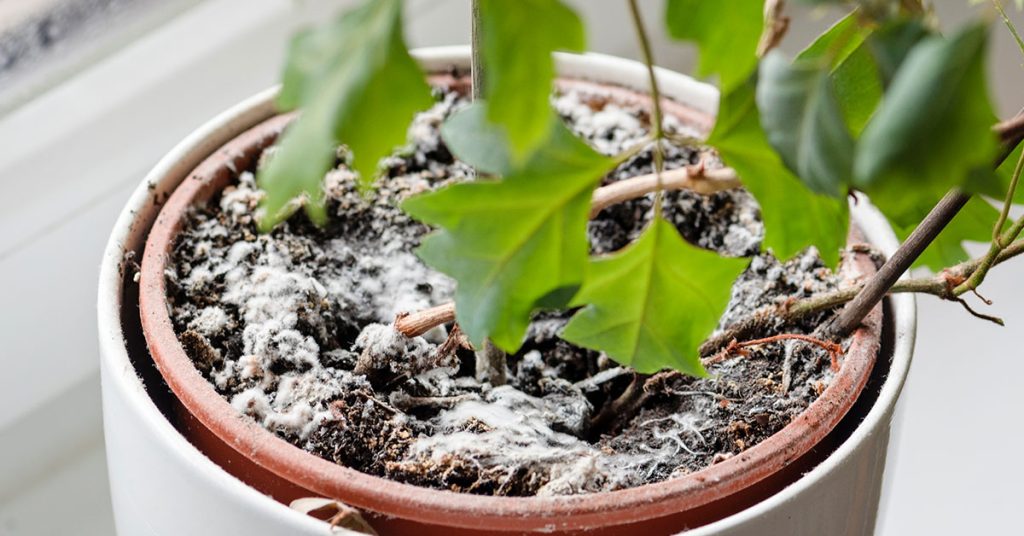
White or grayish patches of mold on the soil surface—especially around lettuce stems—often accompany root rot outbreaks. These saprophytic fungi flourish on decaying root material and organic debris, signaling that pathogens are devouring root tissues below.
When I see fuzzy mold halos, I gently rake away the top inch of soil and replace it with fresh mix, then adjust watering to allow brief dry spells. Removing that fungal mat prevents spores from reinfecting new roots, giving my lettuce a fighting chance!
Leaves Falling Off Easily
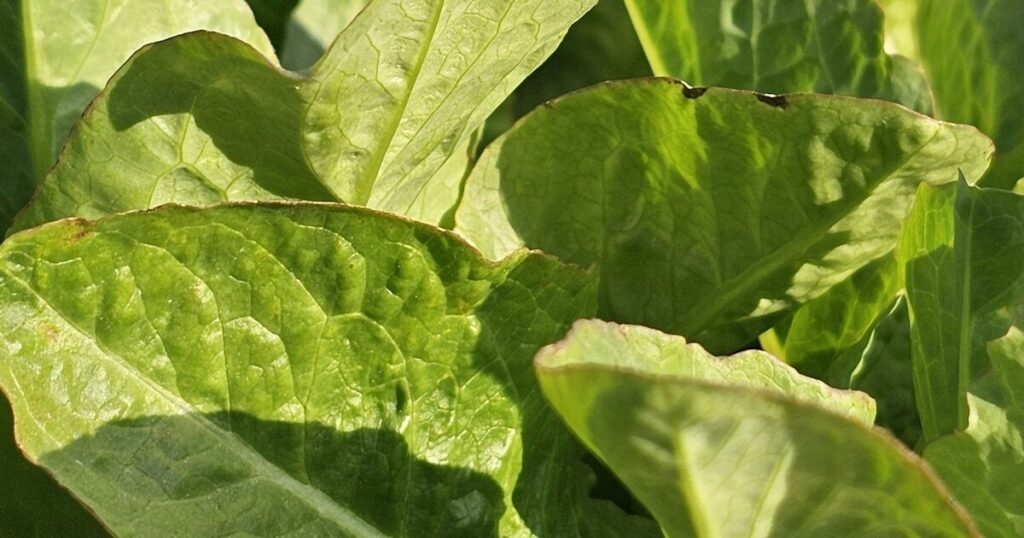
If your lettuce leaves detach at the slightest brush—leaving bare stems—it suggests the base tissue is weakened by rot. Even a gentle tug can pull leaves away, as the pathogens dissolve the natural “glue” that holds leaf bases intact.
It was such a gut punch when my lettuce picnic bouquet disintegrated in my hands! Now, I lift a few leaves to test attachment strength; if they slip off too readily, I know a close root inspection and soil refresh are urgently needed.
Reduced Pest and Beneficial Insect Activity

Healthy lettuce often hosts small beneficial insects—like hoverflies and predatory mites—that nest in leaf axils or the soil surface. When root rot takes hold, plant vigor drops and fewer pollinators or predators visit, disrupting your garden’s ecosystem balance.
I noticed last year that my lettuce blooms attracted virtually no hoverflies, while nearby nasturtiums buzzed with activity. Checking the roots confirmed rot; treating the bed and reintroducing companion plants restored both plant health and beneficial insect presence!