

Spring is that magical season when our gardens burst to life, and as an enthusiastic gardener, I’m excited to share my insights on 12 particularly sensitive plants that need a bit of extra attention. I understand the frustration when pests invade or unexpected weather upends your plans, and I’m here to guide you through the delicate art of caring for these unique species. In this article, I’ll reveal fascinating behaviors—like how some plants invite beneficial insects to nest nearby—and discuss where each one is native along with any invasive concerns that you should be aware of.
Over the years, I’ve learned that every garden holds its own stories and challenges. With these plants, there’s a wonderful blend of beauty and a touch of unpredictability. Whether you’re a seasoned green thumb or just beginning to experiment with spring gardening, you’ll find plenty of practical tips and heartfelt anecdotes to inspire you. So grab your gardening gloves, and let’s dive into the world of these sensitive beauties!
Mimosa Pudica

Mimosa pudica, famously known as the sensitive plant, immediately captures the imagination with its rapid leaf-folding response when touched—a true marvel of nature! Native to South and Central America, this plant is a fascinating addition to any garden, although it has a notorious reputation for spreading beyond its intended borders in some areas, which can lead to invasive issues. I always find it exciting to watch the little “curtain call” as the leaves close up, almost as if the plant is shyly retreating from the world.
As a gardener, I appreciate Mimosa pudica for the unique way it attracts local fauna, including beneficial insects that often take up residence nearby, using the dense foliage as a nesting ground. While its delicate movements and sensitivity can be endearing, they also mean the plant needs careful placement in a sheltered area where sudden disturbances are minimized. I love its dynamic behavior—it truly makes you feel connected to the living rhythms of nature!
Pansy
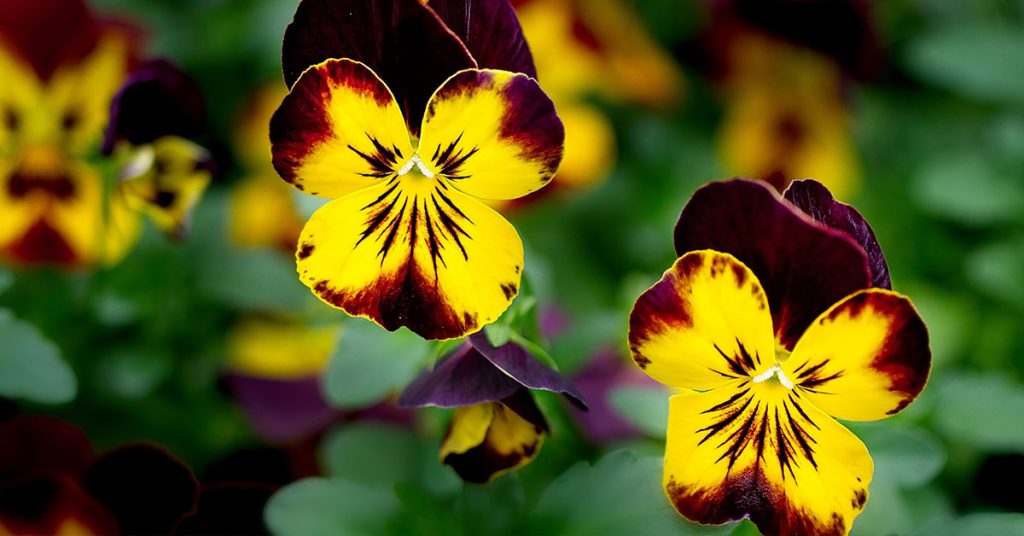
Pansies add a vibrant splash of color to spring gardens, and they have always been a delightful challenge for gardeners like me. Originally hailing from Europe and the Mediterranean, these charming blooms can be temperamental in cooler spring weather, requiring extra attention to thrive. Although they’re not typically invasive, their rapid spreading in optimal conditions means you might need to keep an eye on their growth to maintain balance in your garden.
I enjoy observing how pansies attract a variety of pollinators, including bees and small butterflies, which sometimes use the garden as a temporary nesting spot. The interplay between their bright hues and the gentle flutter of visiting insects creates a serene yet lively scene that reminds me why gardening is such a rewarding passion. Every time I tend to them, I marvel at their resilience and the joy they bring to my garden!
Primrose
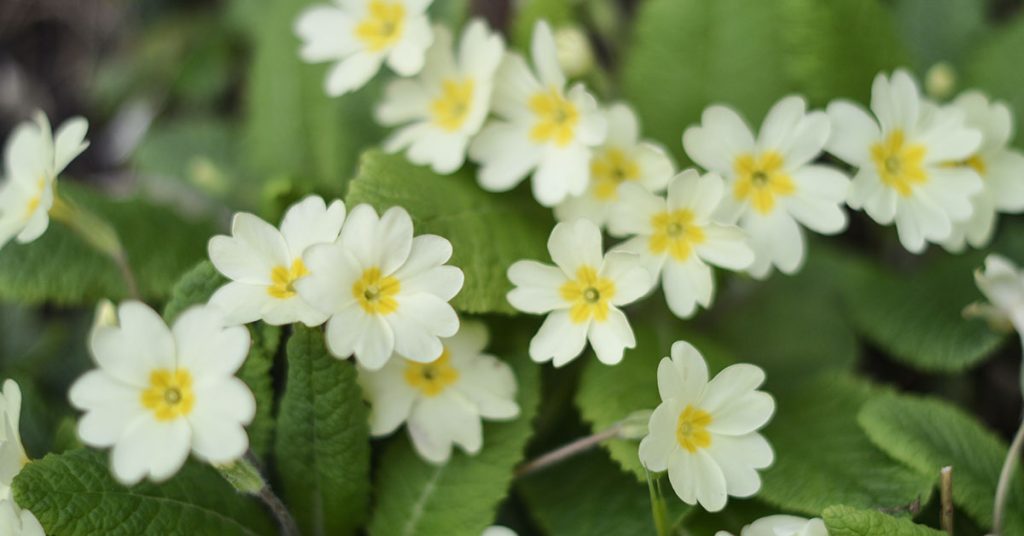
Primroses, with their soft and inviting blossoms, offer a burst of early color each spring. Native to Europe and parts of Asia, these plants are delicate and often require extra protection from unexpected frost or sudden temperature drops, making them a favorite challenge in my gardening adventures. While not generally invasive, their sensitivity means they need a well-planned microclimate to flourish, so I always take care to position them in a sheltered, partially shaded area.
There’s something truly enchanting about primroses—they often attract an array of pollinators, including tiny bees and other beneficial insects that sometimes even find a cozy nook among their roots for nesting! Their gentle nature and subtle fragrance create a peaceful ambiance in any garden, making them one of my most cherished springtime companions. Every primrose I care for adds a touch of whimsy and resilience to my gardening journey!
Impatiens
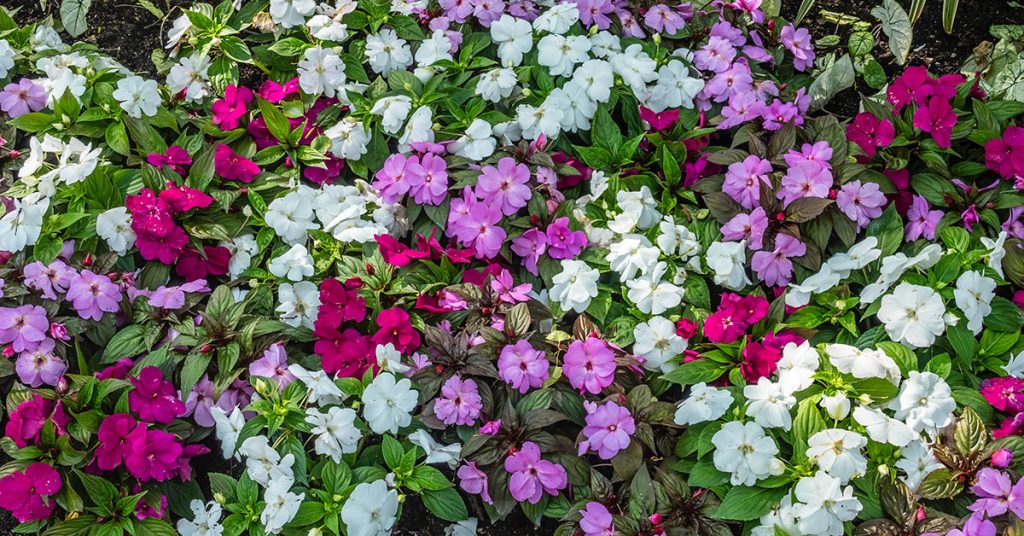
Impatiens are renowned for their bright, cheerful flowers that instantly enliven any garden space. Native to tropical regions of Asia and Africa, these plants are particularly sensitive to direct sunlight and dry conditions, which makes them a bit of a challenge to cultivate in more temperate climates. Although they are loved for their vibrant display, in some parts of the world impatiens have become invasive, so it’s important to manage their spread carefully.
I find great joy in watching impatiens interact with the natural world—they attract a host of pollinators, including hummingbirds and butterflies, which occasionally establish temporary nesting sites close by. Their rapid growth and the bursts of color they bring to shaded garden areas remind me of the incredible diversity of life that thrives when given just the right care. It’s always a thrill to see these sensitive beauties flourish with a little extra attention and the right environment!
Foxglove
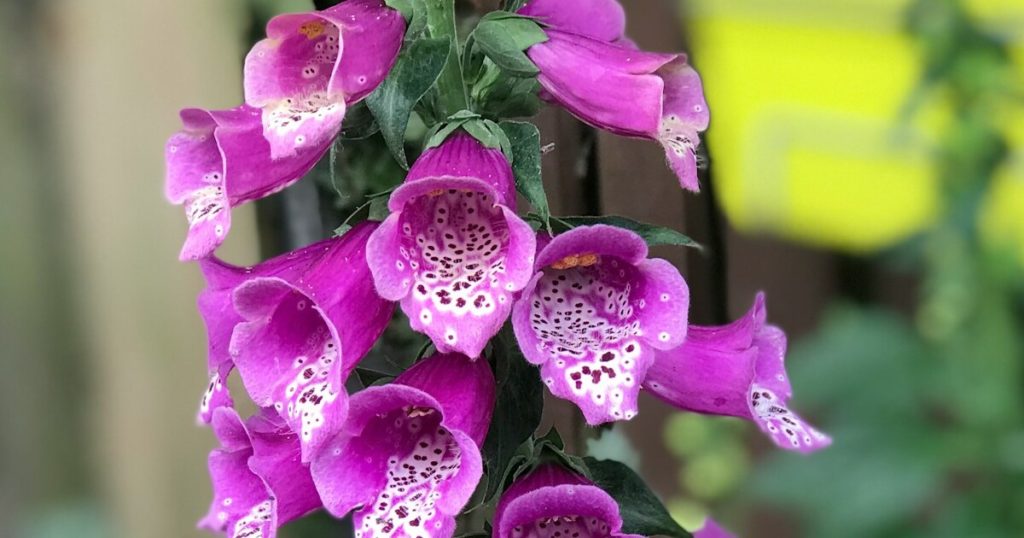
Foxglove, with its towering spikes of bell-shaped flowers, offers a striking yet delicate presence in the garden. Native to Europe, these plants have been admired for centuries for their beauty and unique form. However, their sensitivity to soil moisture and temperature swings means that they often require precise care during the unpredictable spring months. Although not typically classified as invasive, foxglove can sometimes dominate a garden if conditions are too favorable, so careful management is key.
I love the way foxglove creates an enchanting vertical element in the garden, drawing in bees and hummingbirds that sometimes even build small nests within the surrounding shrubs. Their graceful blooms add both elegance and a hint of mystery to the garden, making them a perennial favorite in my own planting schemes. Every time I see foxglove swaying in the spring breeze, I’m reminded of the intricate dance between nature and nurture that gardening celebrates!
Bleeding Heart
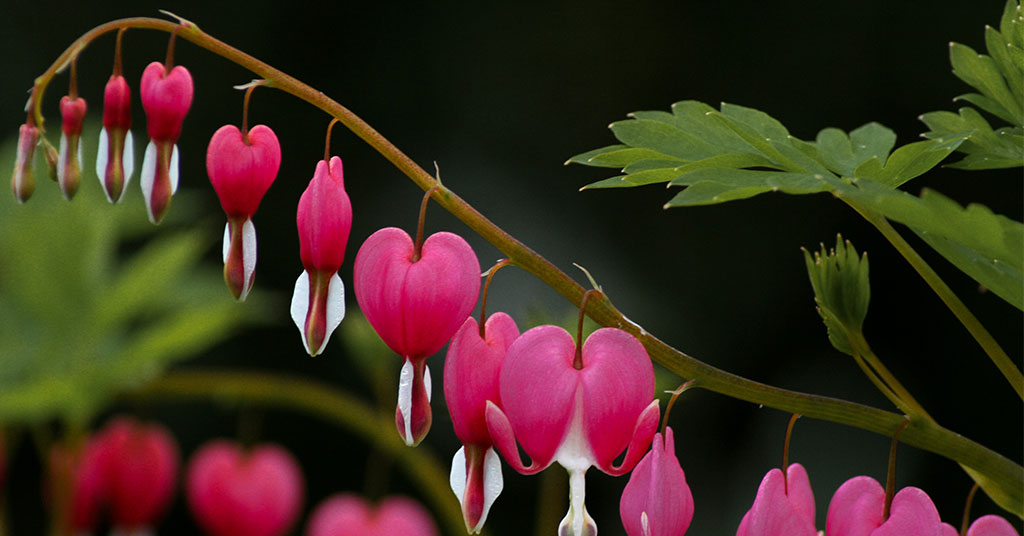
Bleeding Heart plants are as captivating as they are delicate, known for their uniquely shaped, heart-drooping blossoms that create a romantic aura in any garden. Native to Asia and parts of Europe, these plants require cool, moist conditions to thrive and are particularly vulnerable to the unpredictable shifts of spring weather. Though not considered invasive, their sensitivity means they demand a bit more care than hardier species.
Watching bleeding heart in bloom is like witnessing nature’s own love story unfold before your eyes. I’ve often noticed how their arching stems provide cozy hideaways for small insects and even the occasional bird seeking a quiet nook for nesting. Their ethereal beauty, coupled with the gentle care they require, makes every successful bloom feel like a small triumph in my gardening endeavors. It’s a joy to nurture such a sensitive and evocative plant through the delicate balance of springtime care!
Snapdragon
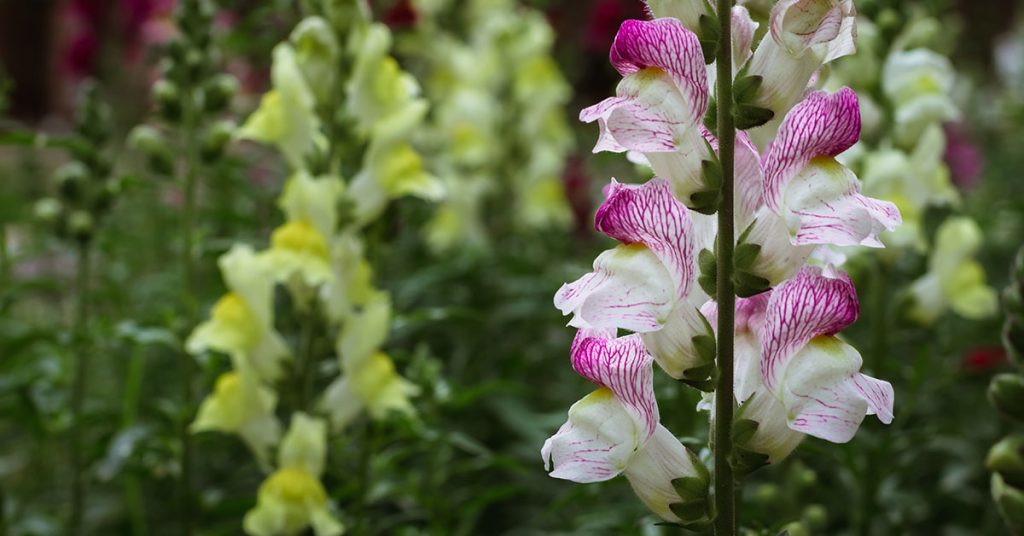
Snapdragons are not only visually striking with their dragon-shaped blooms but also a fun challenge for gardeners who love a bit of unpredictability in their spring gardens. Native to regions of Europe, snapdragons thrive in cool weather but can become stressed by sudden heat waves, requiring extra vigilance during spring transitions. While they are generally well-behaved, in certain climates they have the potential to self-seed and spread more rapidly than expected, earning them a cautious label among some gardeners.
I relish the dynamic energy that snapdragons bring to my garden—there’s always a sense of anticipation as to which pollinators might visit next! Their tubular flowers attract a variety of bees and even some hummingbirds that sometimes establish makeshift nests among the garden’s foliage. The interplay between their bold colors and the lively activity they inspire is nothing short of magical, and I’m always excited to see how these spirited plants transform my outdoor space with just a bit of tender, attentive care!
Columbine
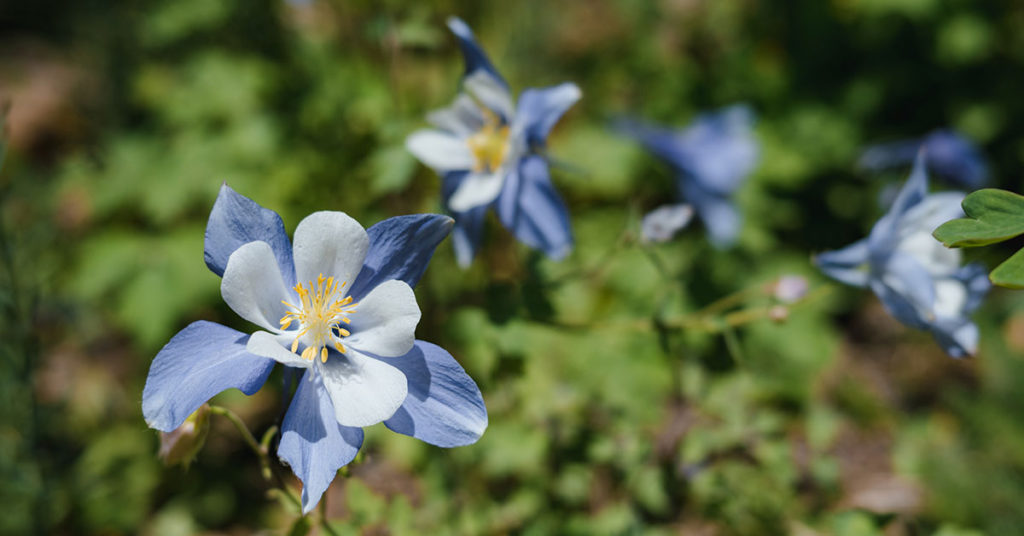
Columbine is a true treasure in the garden, boasting delicate, intricate blossoms that seem to tell a story of spring’s arrival. Native to North America as well as parts of Europe, these plants prefer cool, shaded spots and can be quite sensitive to the warming temperatures that characterize spring. While columbine is not known to be invasive, its fragile nature means that every aspect of its care must be meticulously managed to ensure a thriving display.
I always appreciate how columbine serves as a magnet for a host of pollinators, including bees and butterflies that occasionally seek out the safe, sheltered spaces the plant’s foliage provides for nesting. Their unique, almost otherworldly appearance adds a whimsical touch to any garden, and I love how caring for them feels like nurturing a little piece of nature’s poetry. For me, columbine represents the gentle art of gardening, where patience and care lead to the most rewarding blossoms!
Sweet Alyssum
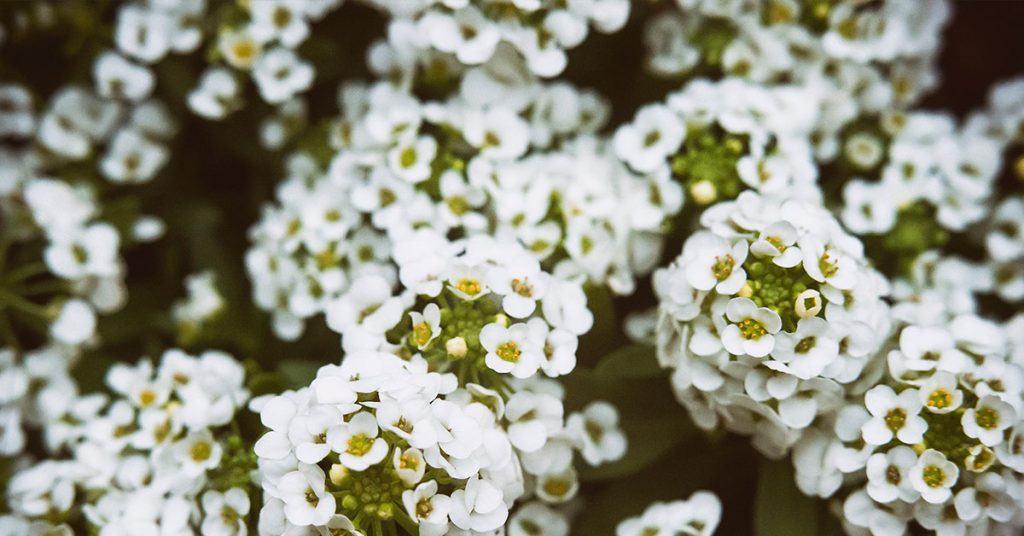
Sweet Alyssum enchants the garden with its sweet fragrance and a profusion of tiny blossoms that seem to carpet the soil with delicate charm. Native to regions in Southern Europe and parts of Asia, this plant prefers cooler conditions and can be especially sensitive to the intense heat of late spring. Although it is celebrated for its beauty, sweet alyssum has occasionally been noted for its invasive tendencies in overly hospitable environments, so moderation is key.
I find great delight in observing how sweet alyssum attracts beneficial insects like ladybugs and small bees, which sometimes choose its dense clusters as nesting sites. Their subtle, sweet aroma and soft, cascading growth pattern evoke a sense of calm and wonder, making them a perennial favorite in my own garden. Tending to sweet alyssum is a labor of love that always rewards me with an abundance of natural charm and a fragrant reminder of spring’s gentle warmth!
Petunia
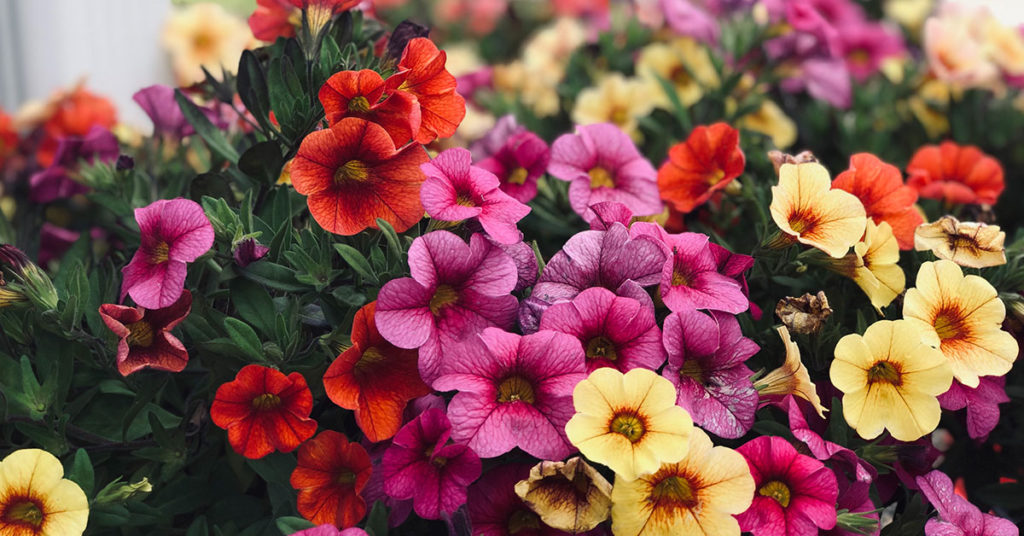
Petunias are an absolute riot of color and cheer, transforming any garden space with their explosive blooms. Native to South America, these plants have made their way into gardens worldwide, though in some climates they can become quite vigorous and even display invasive characteristics if not carefully managed. Their sensitive nature in the cooler, fluctuating conditions of early spring means they demand a bit of extra care, making them both a joy and a challenge to grow.
I love how petunias draw a lively crowd of pollinators, including bees and butterflies, that often find refuge in the dense clusters of blooms. Their exuberant presence not only brightens up the garden but also supports the local ecosystem by providing excellent nesting spots for these beneficial creatures. Every time I see petunias in full bloom, I’m reminded of the vibrant energy of spring and the delightful surprises that come with nurturing such spirited plants!
Dianthus
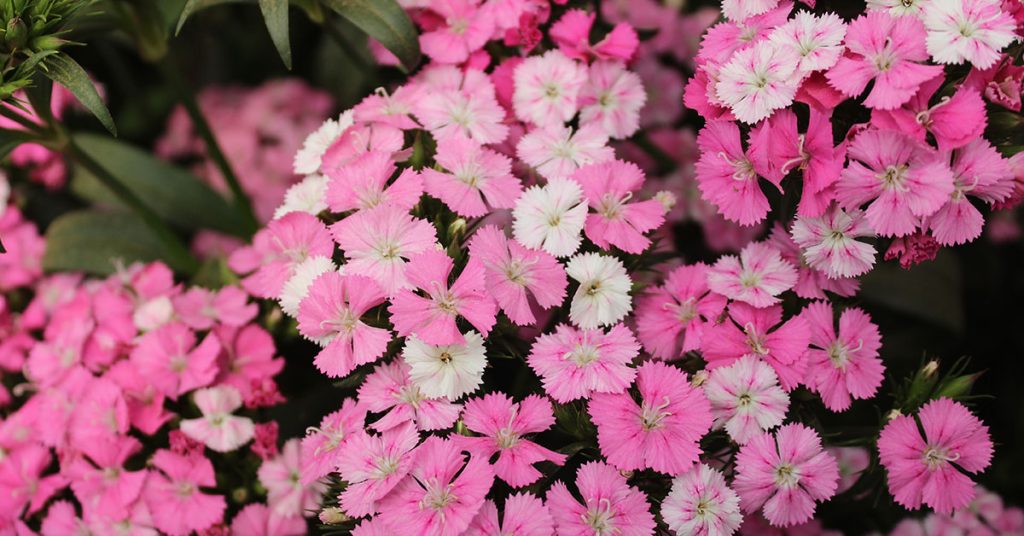
Dianthus, commonly known as pinks or carnations, offer a delightful burst of color with their ruffled, fragrant blooms. Native to Europe and parts of Asia, these charming perennials thrive in cool, well-drained soils but are quite sensitive to the erratic temperatures of spring. While they are cherished for their delicate beauty, in some regions they can spread quickly if conditions are just right, so it’s important to manage their growth with a careful hand.
One of my favorite aspects of growing dianthus is how they attract an array of pollinators, including butterflies and small bees that are drawn to their enticing scent and vibrant colors. Their intricate petals and lush, soft foliage provide ideal nesting sites for these beneficial insects, turning the garden into a buzzing haven of life! Cultivating dianthus has always been a rewarding challenge, as their subtle charm and sensitive nature require both dedication and a love for the art of gardening.
Salvia
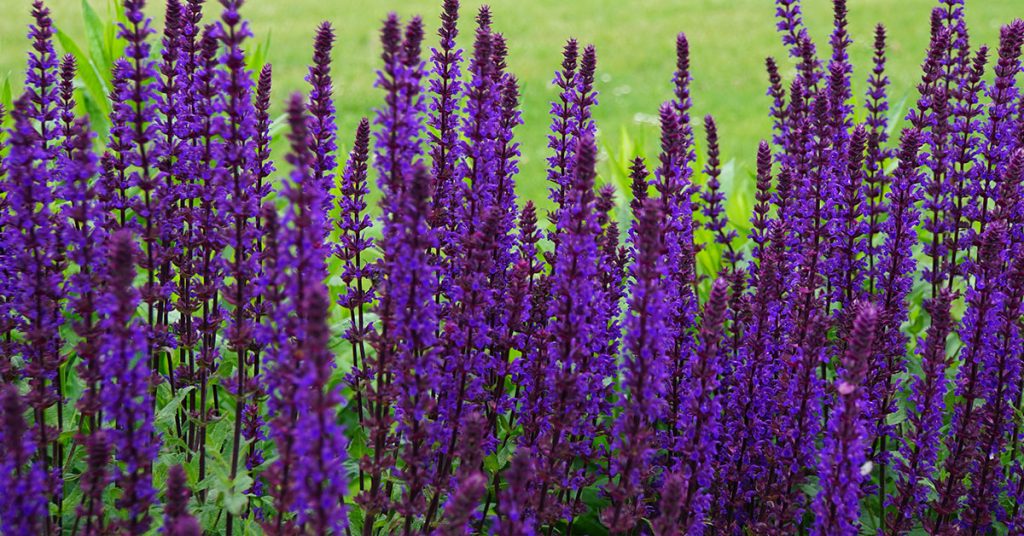
Salvia, with its striking spikes of flowers, is a true showstopper in any garden, yet it demands attentive care during the unpredictable spring months. Native to regions spanning from Central America to the Mediterranean, these plants can sometimes become invasive in overly favorable conditions, so careful monitoring is essential to keep them in check. Their sensitivity to moisture and temperature changes makes them a fascinating study in resilience and adaptability.
In my own garden, salvia always draws a crowd of buzzing bees and delicate butterflies, many of which even consider the thick, protective clusters of leaves as perfect spots for nesting. The interplay of robust form and subtle care reminds me of the delicate balance required in every gardening endeavor, and I relish every opportunity to nurture salvia through the highs and lows of spring’s capricious weather. Their dramatic blooms and the vibrant activity they inspire are a constant source of inspiration and joy!